Top 20 Natural Monuments around Castellbisbal
Best natural monuments around Castellbisbal are characterized by the region's unique geographical position at the confluence of the Llobregat and Rubí rivers. These rivers, along with surrounding green spaces and rural paths, form the primary natural attractions. The area offers a Mediterranean landscape with riparian ecosystems, providing opportunities for outdoor activities. Its natural features are integral to the local environment and offer accessible routes for exploration.
Best natural monuments around Castellbisbal
- The most popular natural monuments is Pi d'en Xandri…
Last updated: July 1, 2026
Pi d'en Xandri
Highlight • Natural Monument
Translated by Google •
Tip by

Gorg de la Mola
Highlight • Gorge
Translated by Google •
Tip by

Sign up now to discover places like this
Get recommendations on the best single tracks, peaks, & plenty of other exciting outdoor places.
Sign up for free
Salt de l'Aigua Waterfall
Highlight • Waterfall
Translated by Google •
Tip by

Vallvidrera Reservoir
Highlight • Lake
Translated by Google •
Tip by
Vallvidrera Stream
Highlight • River
Aware of
Edit
The Vallvidrera stream, also known as the Rierada, is a tributary along the left bank of the river Llobregat and the only permanent watercourse in the Collserola Park.
Translated by Google •
Tip by
Sign up for free to discover even more natural monuments around Castellbisbal.
Sign up for free
Already have an account?
Start today with a free account
Your next adventure awaits.
Login or Signup

Tips from the Community


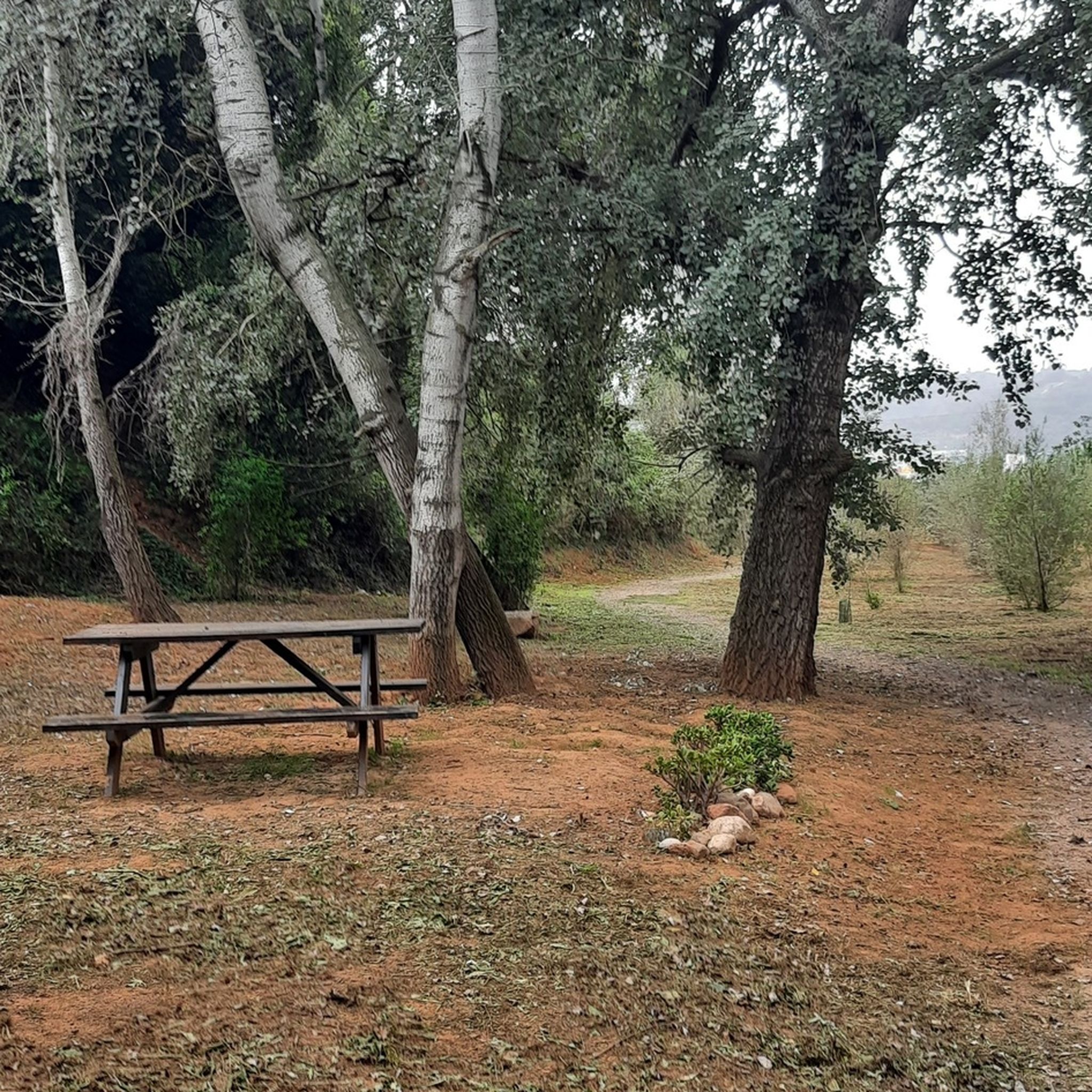
The Xandri pine is a monumental pinyoner pine (Pinus pinea in Latin) located in the territory of the rural park of Torre Negra in Sant Cugat del Vallès, about 250 years old (according to a dendrological analysis it germinated in 1774). The tree has a height of 23 meters, a trunk circumference of 3.20 meters and a trunk thickness of 3.60 meters. Its head has a width of 21 by 15 meters. It is called Xandri because it is located on land that was once owned by a farmer named Xandri
3
0

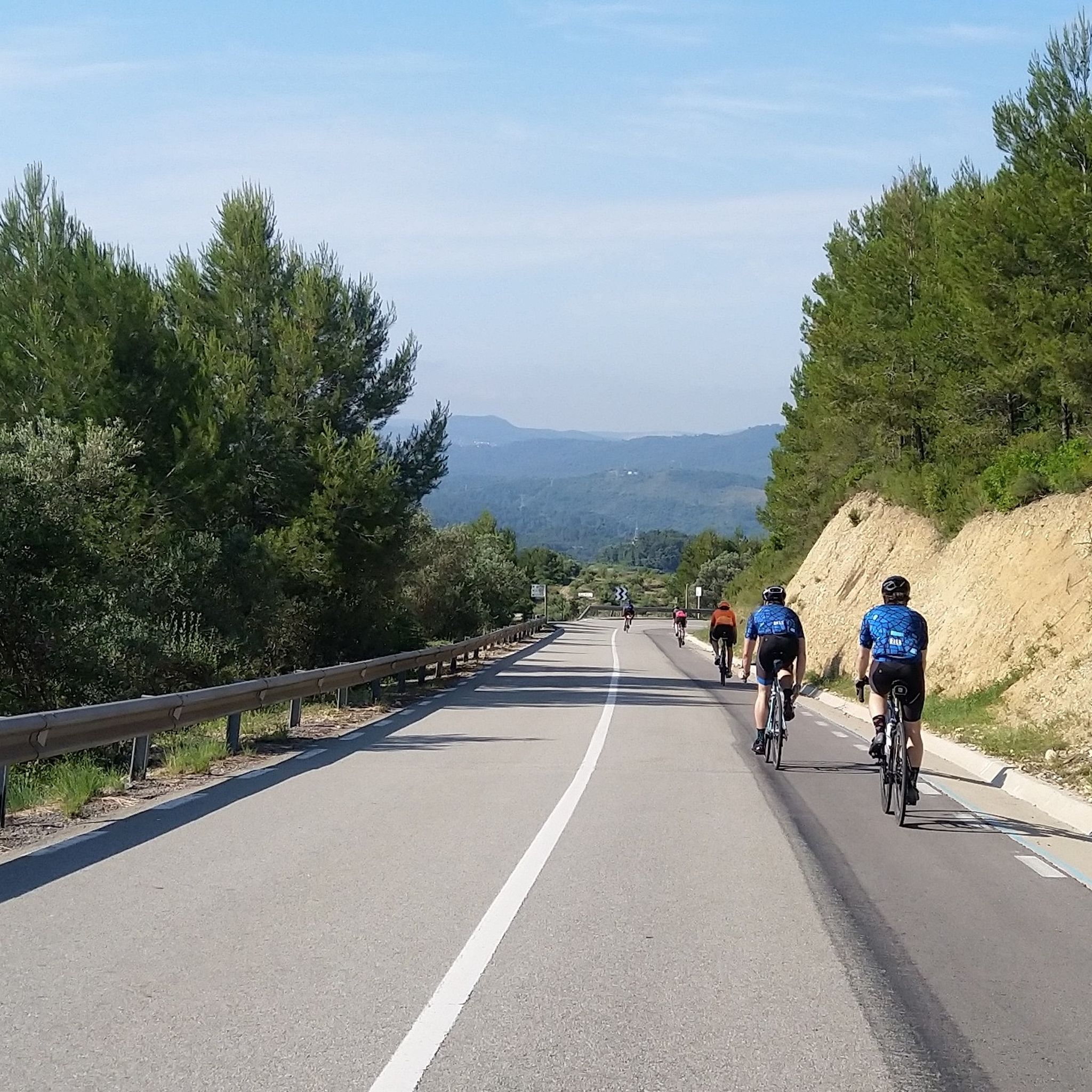
Perfect to go out on a bike and take some photos
4
0

The Pi d'en Xandri is one of the oldest pines in Catalonia and an ecological, cultural and historical symbol of Sant Cugat. It is estimated that he was born around the year 1774, at the time of Mozart, Kant and Napoleon Bonaparte, now about 248 years ago. It is a stone pine (pinus pinea) and is located in the Torre Negra rural park. It has a considerable height -23 meters- and a trunk of 3.20 meters in diameter. Its crown is 21 meters wide and has a peculiar shape, like a parasol, with a wayward, half-naked branch. The Pi d'en Xandri lost part of its branches due to the snow that accumulated on Christmas night in the year 62, when a formidable snowfall covered Catalonia in white. In 1997 some vandals tried to saw it off and set it on fire. It was necessary to graft a piece of live trunk so that the sap could circulate again and it was held with the trunks that surround it today to facilitate its healing.
29
0

The Pi d'en Xandri, a pine (Pinus pinea) from the Torre Negra Park, is one of the oldest pines in Catalonia and an ecological, cultural and historical symbol of Sant Cugat. It is estimated to be around 235 years old. It has an approximate height of 23 meters and a trunk of 3.20 meters in diameter. Its glass is 21 meters wide in the shape of an umbrella. The Pi d'en Xandri lost some of its branches due to the heavy snowfall that fell on Christmas Day 1962 and in 1997 some vandals tried to cut it down and burn it. It has been secured with wooden posts to give it stability.
3
0

Exuberant and shady corner where we will definitely forget that we are close to Barcelona. We are in one of those spaces that alone justify a trip. The stream forms a small jump thanks to an artificial lock built in the s. XIX that brought water from the stream through a pipe, which we can still see on one side of the jump, to the Can Planes mill. We can go down to the small pond that forms the caient, where, in the summer, the little ones can still take a bath. El Salt is surrounded by lush and shady vegetation, with bananas, oaks and oaks that bring freshness in the summer. It is one of the most crowded places in Collserola due to its proximity and ease of access.
2
1

Waterfall from the Collserola stream.
0
0
The Pi d'en Xandri is one of the oldest pines in Catalonia and an ecological, cultural and historical symbol of Sant Cugat. It is estimated that he was born around the year 1774, at the time of Mozart, Kant and Napoleon Bonaparte, now about 234 years ago. It is a stone pine (pinus pinea) and is located in the Torre Negra rural park. It has a considerable height -23 meters- and a trunk of 3.20 meters in diameter. Its crown is 21 meters wide and has a peculiar shape, like a parasol, with a half-naked wayward branch. The Pi d'en Xandri lost part of its branches due to the snow that accumulated on Christmas night in 1962, when a formidable snowfall covered Catalonia in white. In 1997 some vandals tried to saw it down and set it on fire. It was necessary to graft a piece of living trunk so that the sap would circulate again and it was fastened with the trunks that today surround it to facilitate its healing.
4
1
Frequently Asked Questions
What are some notable natural monuments to visit around Castellbisbal?
Among the most appreciated natural monuments, you can visit Pi d'en Xandri, one of Catalonia's oldest pines and a symbol of Sant Cugat's natural environment. Another popular spot is Salt de l'Aigua Waterfall, a spectacular natural feature in the Collserola area. The Vallvidrera Stream, the only permanent watercourse in Collserola Park, is also highly regarded for its riparian forest.
What kind of natural features can I expect to see in Castellbisbal?
Castellbisbal's natural landscape is defined by its unique position at the confluence of the Llobregat and Rubí rivers. You'll find riparian ecosystems, lush green spaces, and a network of rural paths. The area offers a Mediterranean environment with significant individual trees, dynamic water features like waterfalls and streams, and serene riverbanks.
Are there any unique or historically significant natural monuments in the area?
Yes, Pi d'en Xandri is a prime example. This monumental stone pine is estimated to be over 240 years old, making it one of the oldest in Catalonia. It stands 23 meters tall within the Torre Negra rural park and holds significant ecological, cultural, and historical value for the region.
Can I go hiking near the natural monuments in Castellbisbal?
Absolutely! The area around Castellbisbal offers various hiking opportunities. You can explore trails like the Llobregat Trail or enjoy loops such as the Martorell's Devil's Bridge loop. For more options and detailed routes, check out the Hiking around Castellbisbal guide.
Are there cycling routes available near these natural monuments?
Yes, Castellbisbal is well-suited for cycling. You can find routes like the Sant Joan Samora and Can Rimundet Waterfall Loop or explore paths along the Llobregat River. For a comprehensive list of cycling tours, refer to the Cycling around Castellbisbal guide, or for road cycling, the Road Cycling Routes around Castellbisbal guide.
Are there any waterfalls to visit near Castellbisbal?
Yes, the Salt de l'Aigua Waterfall in the Collserola area near Molins is a spectacular natural feature worth visiting. Another impressive spot is Gorg de la Mola, a unique gorge with a waterfall, though it can have many mosquitoes in summer.
Are there family-friendly natural monuments around Castellbisbal?
Several natural monuments are suitable for families. The Salt de l'Aigua Waterfall is considered family-friendly, offering an enjoyable experience in a forest setting. Additionally, the Vallvidrera Reservoir provides a pleasant leisure area that families can enjoy.
What are the main rivers in the Castellbisbal area?
Castellbisbal is notably situated at the confluence of two significant rivers: the Llobregat River and the Rubí River. The Llobregat is a vital natural artery in Catalonia, and both rivers contribute to the local riparian ecosystem, offering natural environments for walking and cycling along their banks.
What do visitors particularly enjoy about the natural monuments around Castellbisbal?
Visitors appreciate the diverse natural beauty, from ancient trees like Pi d'en Xandri to dynamic water features. The community has shared over 110 photos and given more than 590 upvotes, highlighting the appeal of these natural spaces for outdoor activities and connecting with nature.
Is there a reservoir or lake to visit near Castellbisbal?
Yes, the Vallvidrera Reservoir is a notable spot. Built in 1865, it originally supplied water to Barcelona but now serves as a popular leisure area. It's a beautiful place to visit, and you can even find a water fountain there to refill bottles.
What is the best time of year to visit the natural monuments in Castellbisbal?
The Mediterranean climate of Castellbisbal generally makes spring and autumn ideal for visiting, with milder temperatures perfect for hiking and cycling. Summer can be warm, but the shaded riverbanks and forest areas offer respite. Winter is usually mild, allowing for year-round outdoor enjoyment, though some waterfalls might be more impressive after rainfall.
What wildlife might I encounter near Castellbisbal's natural areas?
The riparian ecosystems of the Llobregat and Rubí rivers, along with the surrounding green spaces, provide habitats for diverse flora and fauna. You might observe various bird species, small mammals, and a rich variety of Mediterranean plant life, especially along the riverbanks and within the Collserola Park areas.
Most popular routes around Castellbisbal
Most popular attractions around Castellbisbal

Get inspired with the komoot mobile app


Explore more
Extend your search for the best caves by checking out these guides of the top ones around Castellbisbal:
