Top 20 Natural Monuments around Yunquera
Natural monuments around Yunquera offer a diverse natural environment, situated at the gateway to the Sierra de las Nieves National Park. This region is characterized by its unique Spanish fir (pinsapo) forests, striking limestone formations, and abundant natural water sources. Yunquera's landscape features high peaks, deep ravines, and numerous springs, providing a rich setting for outdoor exploration. The area is a UNESCO Biosphere Reserve, known for its ecological significance and varied flora and fauna.
Best natural monuments around Yunquera
- The…
Last updated: July 1, 2026
Charco de la Virgen
Highlight • Waterfall
Showing Translation
Tip by

Pico Torrecilla
Highlight • Summit
Showing Translation
Tip by

Sign up now to discover places like this
Get recommendations on the best single tracks, peaks, & plenty of other exciting outdoor places.
Sign up for free
Source of the Río Grande of Yunquera
Highlight • River
Translated by Google •
Tip by

Road section with views of the Sierra de las Nieves
Highlight (Segment) • Mountain Pass
Showing Translation
Tip by

Rejía Waterfall
Highlight • Waterfall
Showing Translation
Tip by
Sign up for free to discover even more natural monuments around Yunquera.
Sign up for free
Already have an account?
Start today with a free account
Your next adventure awaits.
Login or Signup

Other adventures around Yunquera

Tips from the Community

El Salto de la Rejía is the highest natural waterfall in the province of Málaga. It is not a single drop but three chained falls that cascade over the rocks. The best time to visit is autumn or spring, when the flow is at its peak. In summer the water dwindles considerably, although the surroundings are still worth a visit. A tip: approach the viewpoint on the trail before descending to the base, from above you get the most complete perspective of the three falls at once.
1
0
El Charco de la Virgen is a natural pool fed by an 18-meter waterfall in the bed of the río de los Caballos river. To reach the last section, you have to enter the riverbed itself and advance by jumping between rocks. In summer it is a very popular destination for swimming, although it should be noted that the place is shady and the water remains cold almost all year round. If the summer has been dry, the flow may be disappointing: the best time to see it with its full force is spring.
1
0

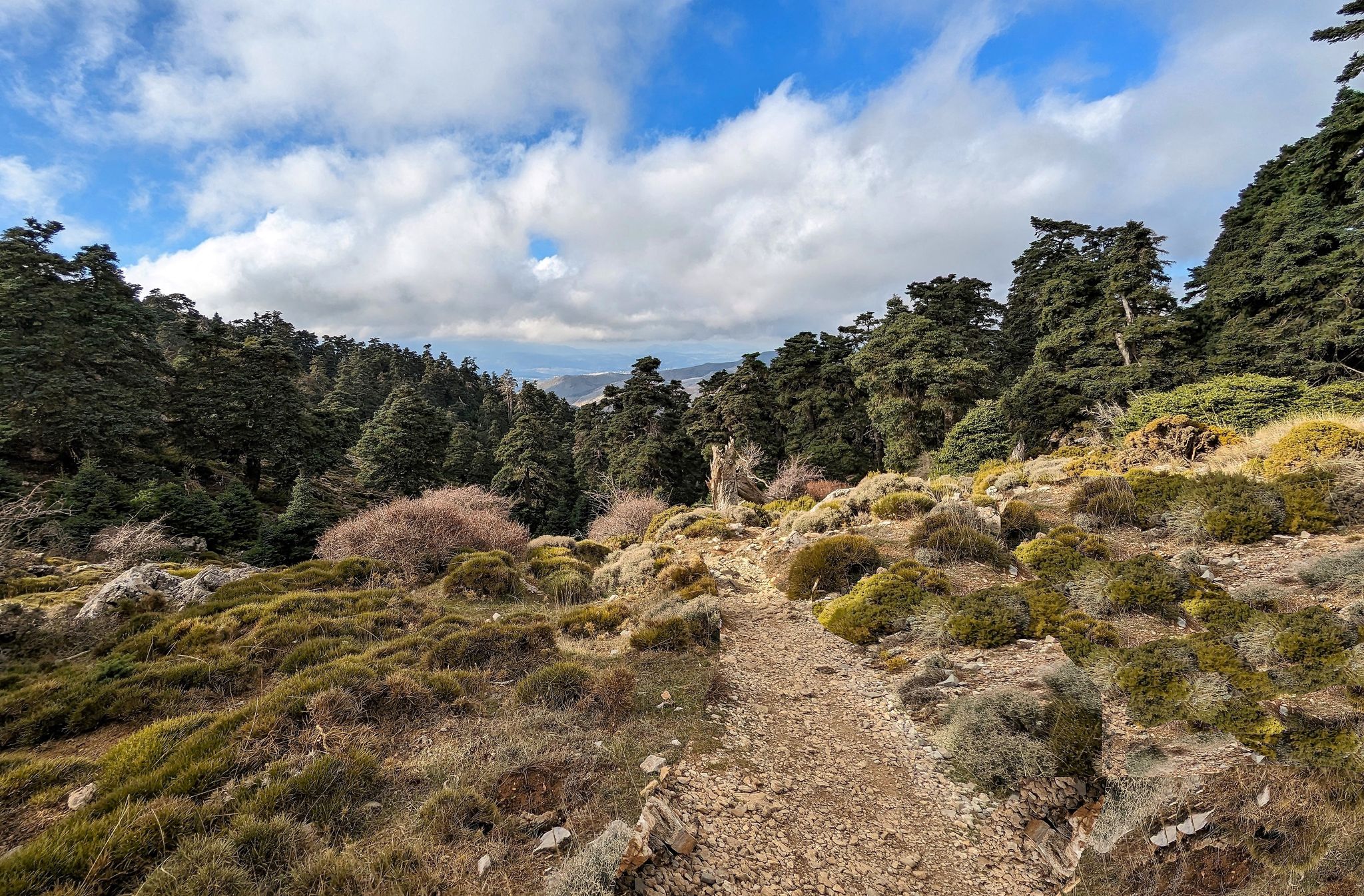
As of April 2026 , one can reach the recreational area Quejigales by car. The route is well marked and chill, compared to other routes marked as “Hard” on Komoot. The final ascent to the peak is well marked and very doable as is the descent. The views are very nice, from the Sierra Nevada to the Sierra de Grazalema, from Malaga to Gilbraltar. Overall a rewarding hike!
2
0

This cave is on private land. How could this be sold to a private individual!!? Only option seems to climb the stupid gate at the end of the bridge.
0
0

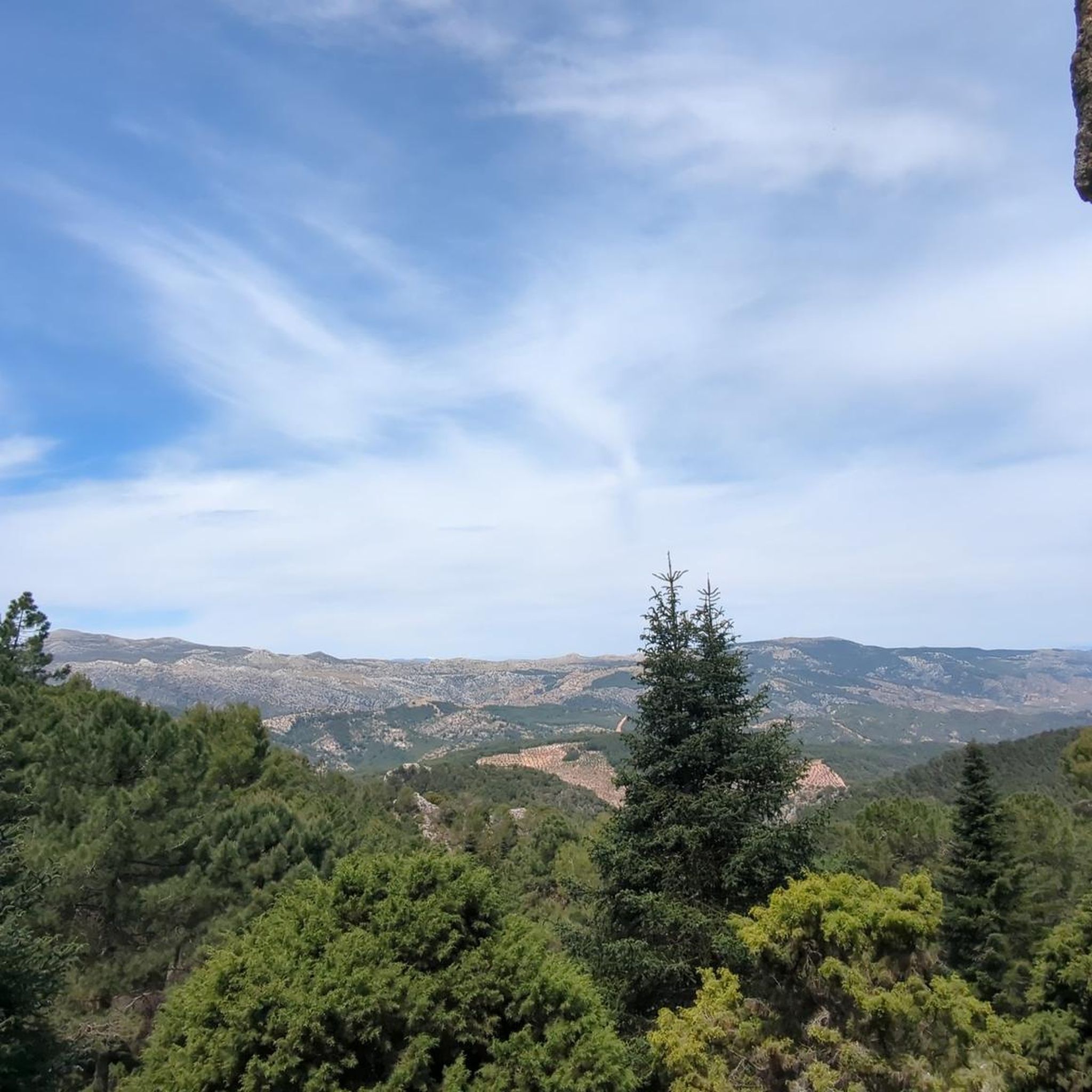
Puerto del Viento is a climb in the Costa del Sol region, popular with cyclists and hikers. The pass connects Ronda with El Burgo and is approximately 13.3 kilometers long from El Burgo. It overcomes an elevation gain of 612 meters from El Burgo, with an average gradient of 4.6%. This route offers beautiful views of the Sierra de las Nieves and the Sierra de Grazalema, and is a great place to explore the nature and landscape of Andalucía. It is a relatively quiet route with little traffic, making it ideal for a relaxing and enjoyable ride.
8
0

Hiking in October: note that when you get near to posas (round ice storage made of tiles) there could be flying a LOT of quite big insects. NOT a great place to have snack or take a break. They land on you and your food. Take a good amount of water and protein/salty lunch with you as the trail could be as long as 20 km if there might be a locked gate by the parking lot and it's 3 km from there to trail head. Start the hike early in the morning that you get back in daylight. You can also choose to come down the road but it's about 5 km and very boring. Might catch a stunning sunset above misty mountains though. 👍 We had Salomon parh running shoes and they were excellent for this hike. We recommend also to use walking poles: they help you to get up and down safely in steepest parts of this trail. Worth the hike to go here. Stunning views from the summit.
3
2

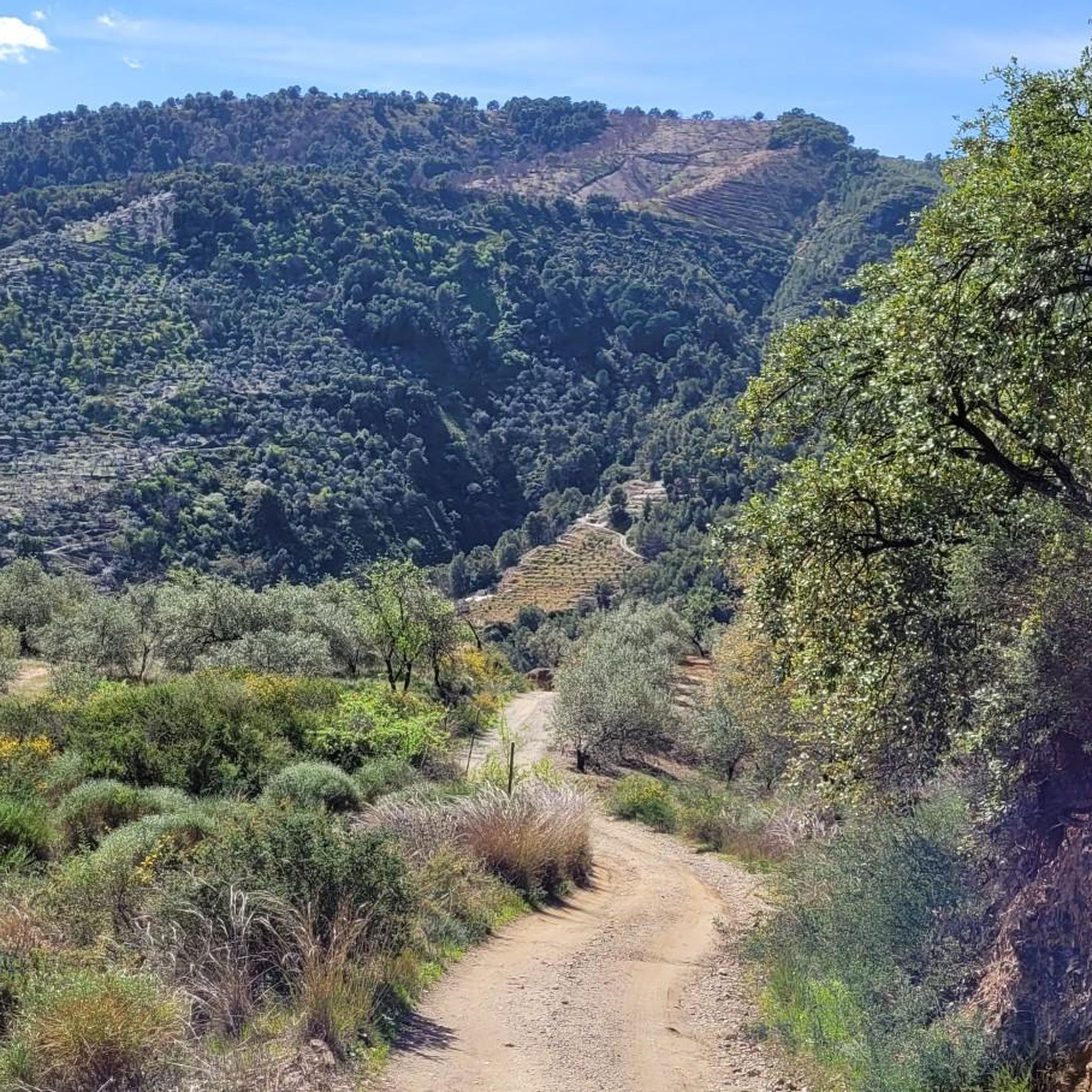
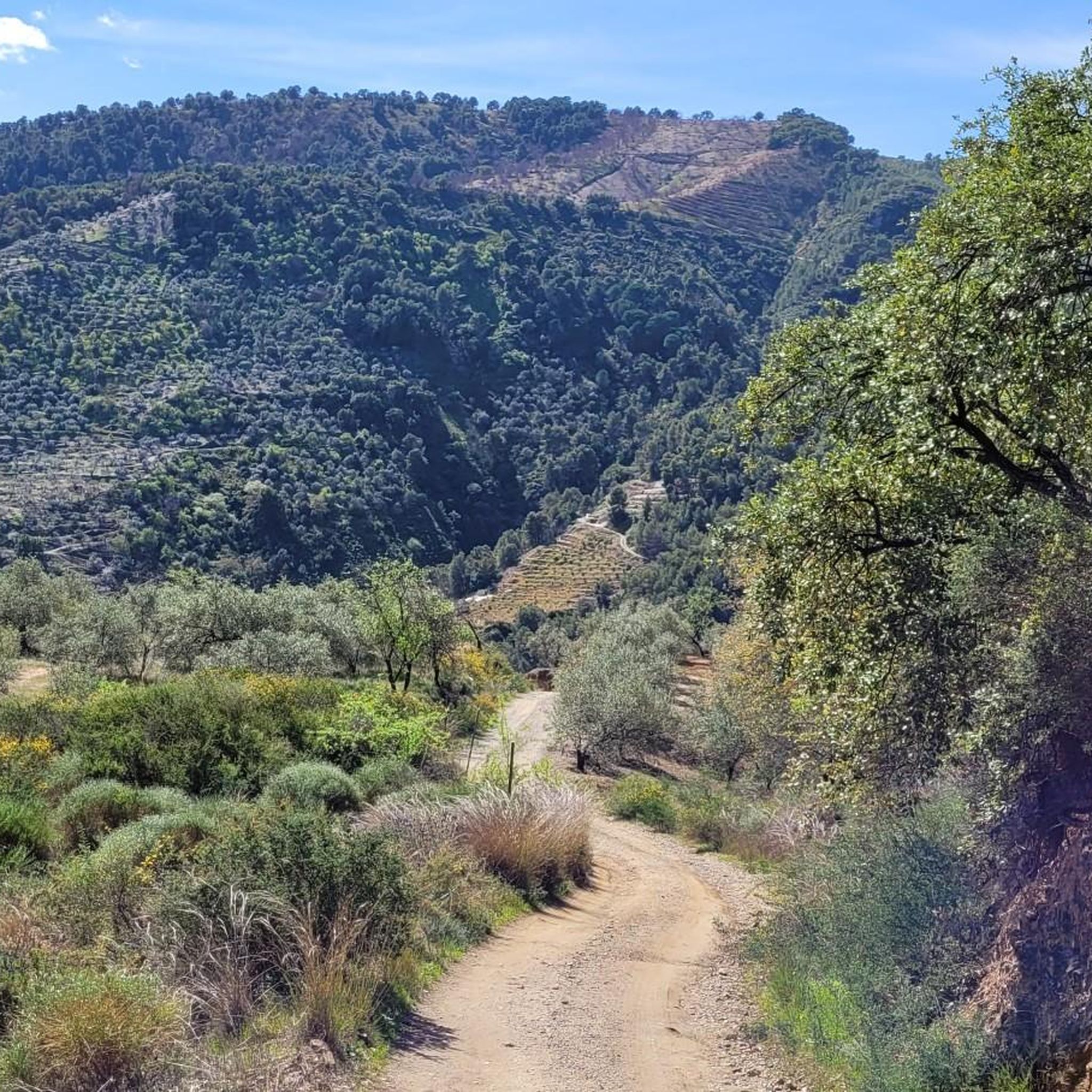
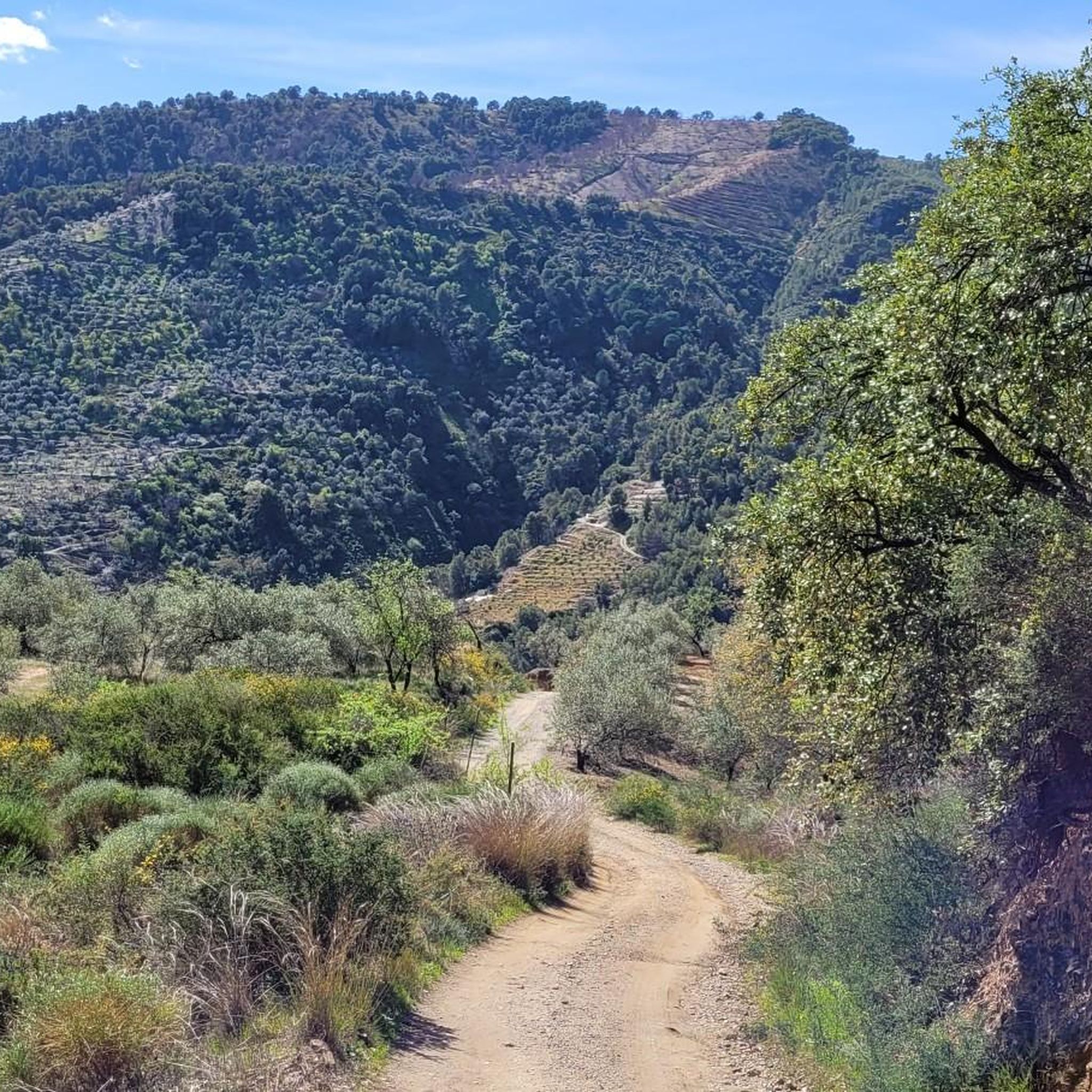
what a view! beautiful road.
3
0

Another of the beautiful jumps on the path of the waterfalls from Tolox. An ideal place to cool off in the summer months.
3
1
Frequently Asked Questions
What are the most popular natural monuments around Yunquera?
Visitors frequently enjoy the challenging ascent to Torrecilla Peak (1,919 m) for its expansive views of the Mediterranean coast and, on clear days, even Morocco. Another favorite is the easily accessible Charco de la Virgen Waterfall, a popular spot for picnics and a refreshing dip. The unique Candelabra Spanish Fir, known for its distinctive branch shape, also draws many visitors.
What unique natural features can I expect to see in the Yunquera area?
The region is renowned for its ancient Spanish fir (pinsapo) forests, a relic from colder periods. You'll also find striking limestone formations, high peaks, and deep ravines, especially within the Sierra de las Nieves National Park. Yunquera is rich in natural water sources, including numerous springs and the Source of the Río Grande of Yunquera, which features a cave and a small lake.
Are there family-friendly natural monuments around Yunquera?
Yes, the Charco de la Virgen Waterfall is considered family-friendly due to its easy accessibility and natural swimming pool, making it a great spot for a picnic. While it can get busy on weekends, it offers a tranquil experience during the week.
What is the best time of year to visit the natural monuments in Yunquera?
The Sierra de las Nieves National Park, which encompasses many of Yunquera's natural monuments, offers diverse experiences throughout the year. Spring and autumn are ideal for hiking due to milder temperatures. Winter can offer stunning misty mountain views, but be prepared for colder conditions, especially at higher elevations like Torrecilla Peak. Summer is popular for refreshing spots like the Charco de la Virgen Waterfall.
What outdoor activities can I do near these natural monuments?
The area around Yunquera is excellent for various outdoor activities. You can find numerous routes for road cycling, gravel biking, and general cycling. For example, there are challenging road cycling routes like the "View of El Burgo – Wind Pass loop from Yunquera" and gravel biking options such as the "View of El Burgo – Puerto del Viento loop from Carramolo del Queso." You can explore more cycling routes in the area by visiting the Cycling around Yunquera guide.
Are there hiking trails near the natural monuments in Yunquera?
Yes, the region offers a variety of hiking trails, from challenging ascents to more accessible walks. The Sierra de las Nieves National Park is a prime hiking destination, with trails leading through Spanish fir forests and to viewpoints like Torrecilla Peak. The trek to Tajo de la Caína also combines scenic trails with opportunities for birdwatching. Remember to bring plenty of water and appropriate gear for longer hikes.
What kind of wildlife can be spotted around Yunquera's natural monuments?
The Sierra de las Nieves National Park is an ecological stronghold with diverse wildlife. The Tajo de la Caína, in particular, is a significant ornithological site where you might spot various bird species, including red-billed choughs, golden eagles, Bonelli's eagles, peregrine falcons, and alpine accentors, especially during winter.
What should I bring for a hike to the natural monuments in Yunquera?
For challenging hikes like the one to Torrecilla Peak, it's recommended to bring a good amount of water, protein/salty snacks, and walking poles for safety on steeper parts. Starting early in the morning is advisable to ensure you return in daylight. Comfortable hiking shoes, like trail running shoes, are also recommended.
Are there any historical or cultural sites related to the natural monuments?
While primarily natural, some sites have historical connections. The Source of the Río Grande of Yunquera has historically supplied local water. The Pilar de Tolox, the highest spring in the province, has historically served shepherds and livestock and features a statue of the Virgen de la Victoria. Local legend also adds a layer of mystique to Tajo de la Caína, suggesting it was a place of judgment during the Inquisition.
What do visitors enjoy most about the natural monuments around Yunquera?
Visitors consistently praise the stunning views, especially from summits like Torrecilla Peak and the Road section with views of the Sierra de las Nieves. The unique Spanish fir forests, the refreshing natural swimming pools at places like Charco de la Virgen Waterfall, and the overall tranquility and opportunity to reconnect with nature are highly valued.
Where can I find natural water sources in the Yunquera area?
Yunquera is rich in natural water sources. The most famous is Fuente del Poyo with its three spouts in the town itself. Further afield, the Source of the Río Grande of Yunquera is a significant spring forming a small lake. Additionally, the Pilar de Tolox, located at 1,700 meters, is considered the highest spring in the province, historically vital for the region.
Most popular attractions around Yunquera

Get inspired with the komoot mobile app


Explore more
Extend your search for the best caves by checking out these guides of the top ones around Yunquera:
