Top 18 Natural Monuments around Cabezón De Liébana
Best natural monuments around Cabezón De Liébana are situated in the Liébana region of Cantabria, characterized by its mountainous terrain and diverse ecosystems. This area features prominent peaks, deep valleys, and ancient forests, offering a variety of natural features. The landscape provides opportunities to observe significant biodiversity and geological formations. It serves as a gateway to the Picos de Europa, showcasing a blend of high mountain vistas and lush woodlands.
Best natural monuments around Cabezón De Liébana
- The most popular…
Last updated: July 14, 2026
Jano Peak
Highlight • Summit
Translated by Google •
Tip by

Piedrasluengas Viewpoint
Highlight • Viewpoint
Translated by Google •
Tip by

Sign up now to discover places like this
Get recommendations on the best single tracks, peaks, & plenty of other exciting outdoor places.
Sign up for free
Canal de las Arredondas Trail (views)
Highlight • Viewpoint
Translated by Google •
Tip by

Peña Labra
Highlight • Summit
Translated by Google •
Tip by
Alcornocal de Tolibes
Highlight • Forest
Translated by Google •
Tip by
Sign up for free to discover even more natural monuments around Cabezón De Liébana.
Sign up for free
Already have an account?
Start today with a free account
Your next adventure awaits.
Login or Signup
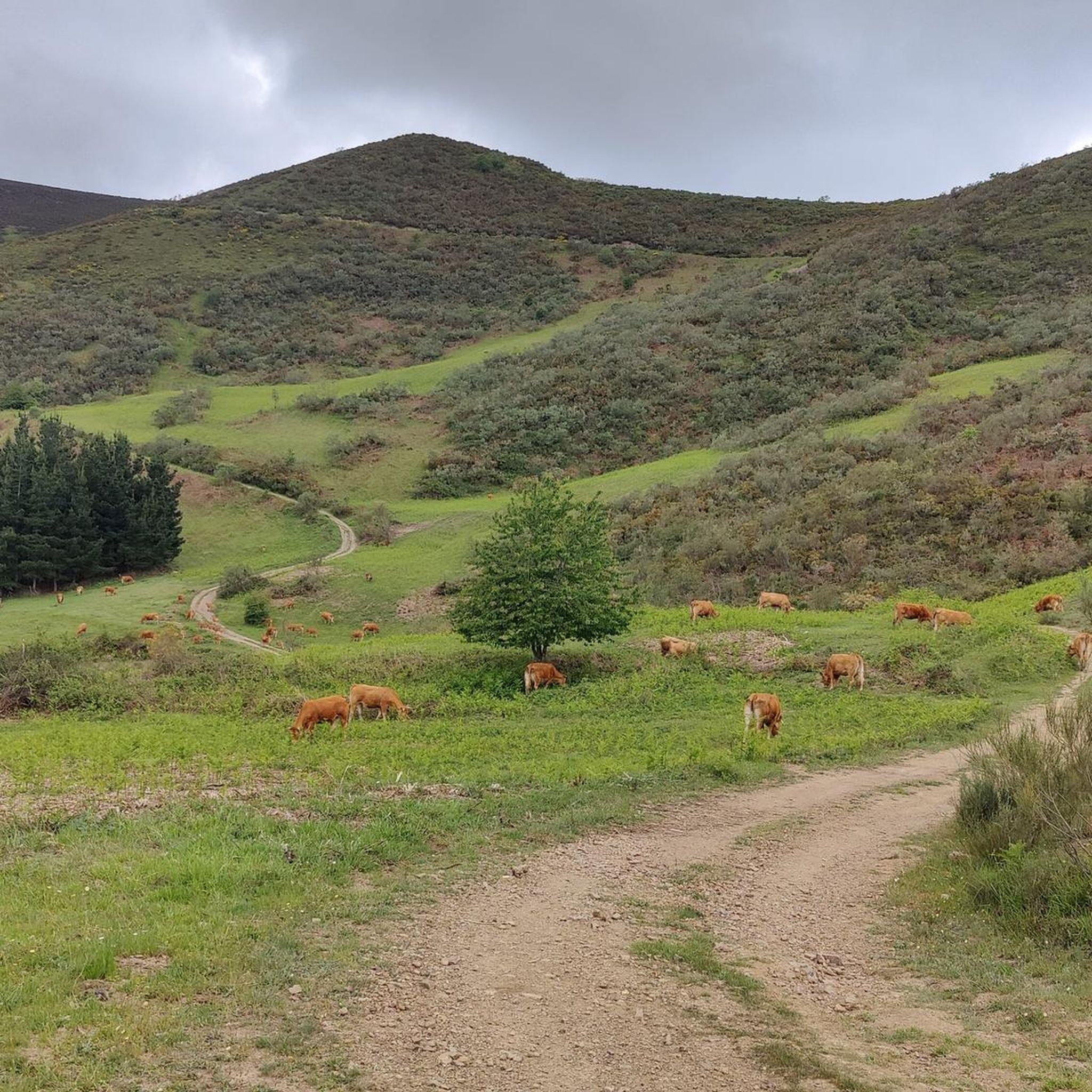
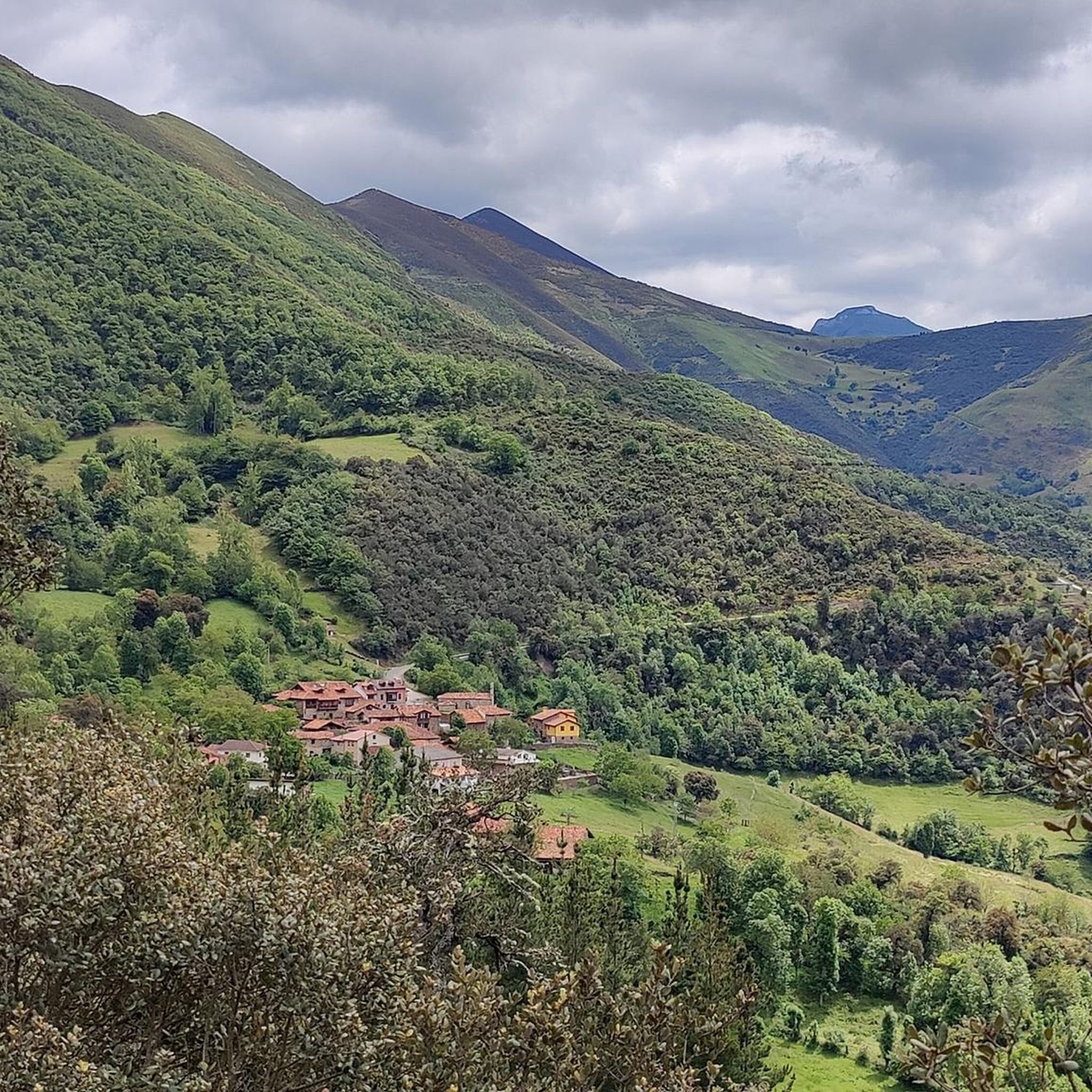
Other adventures around Cabezón De Liébana

Tips from the Community

A varied tour with a box seat view of the southern Picos in Spain: This circular hike does not run through the Picos de Europa itself, but it has everything that makes a hiker's heart beat faster in Cantabria: Comfortable, wide paths alternate with short, steep climbs on narrow paths, sometimes it goes through sparse forests, sometimes the eye can hardly get enough of the views. The whole thing is spiced up with two small ponds that invite you to have a picnic along the way, a small, Stone Age megalithic tomb and the (albeit barely visible) remains of an Iron Age settlement. The brilliant highlight of the tour is the Pico Jano. From the almost 1,500 m high summit and the subsequent short ridge hike, you can look out over the entire south side of the Picos de Europa, the Liébana valley and to the south over the Cantabrian divide as if from a box seat.
2
0

Spectacular views of the eastern massif of Picos de Europa
0
0

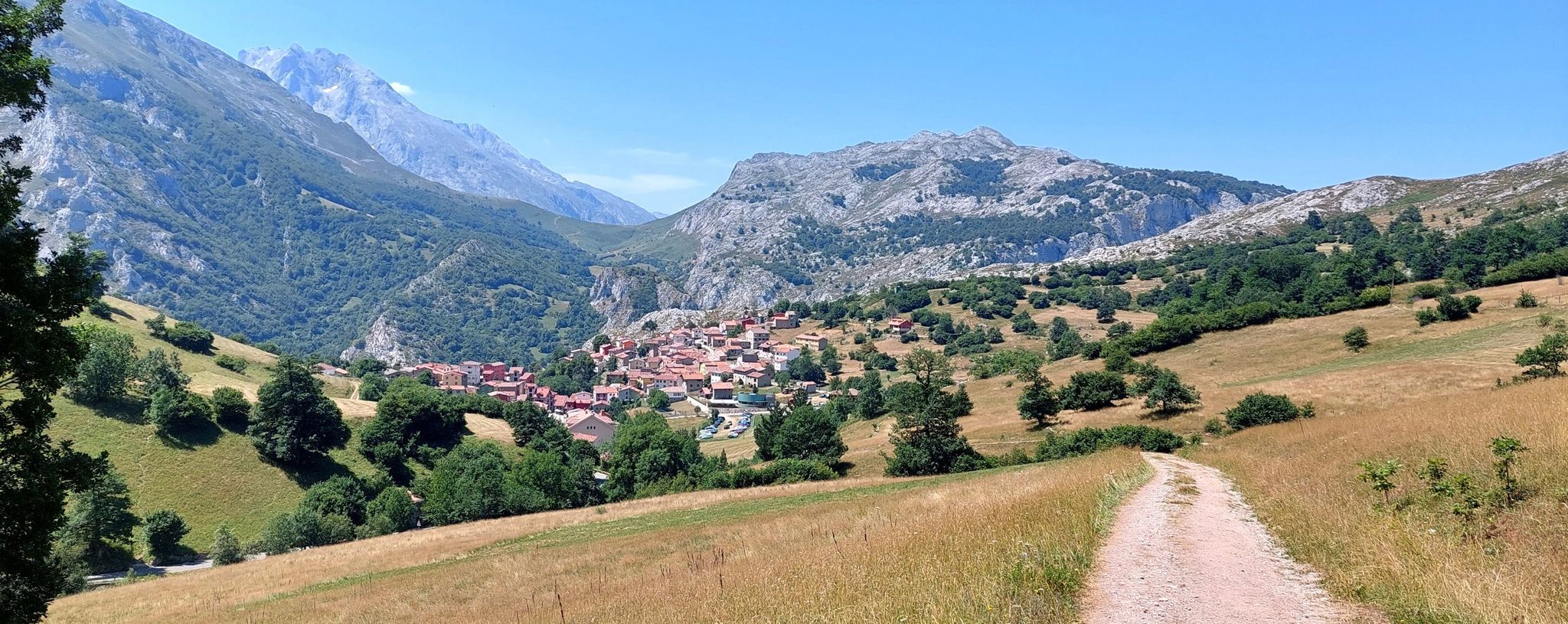
Beautiful view of the Arredondas canal. The landscape with some of the peaks of the Picos de Europa, from this place, is quite a spectacle.
0
2

Beautiful road from Puetenansa up to there for road bikes, less traffic
1
0

Viewpoint located in the homonymous hill at more than 1300 meters. From there you can see the Picos de Europa, Peña Labra, the Tres Mares peak, the Cuchillón peak and much more.
2
0

The Piedrasluengas viewpoint is a perfect place to reach by bike. Located in the heart of the Cantabrian Mountains, in the Fuentes Carrionas and Fuente Cobre-Montaña de Palencia Natural Park, it rises to over 1,300 meters above sea level. The views will leave you speechless. You'll see the Picos de Europa, Peña Labra, Tres Mares, Cuchillón, the Liébana Valley, and the Valdeprado Valley.
2
0

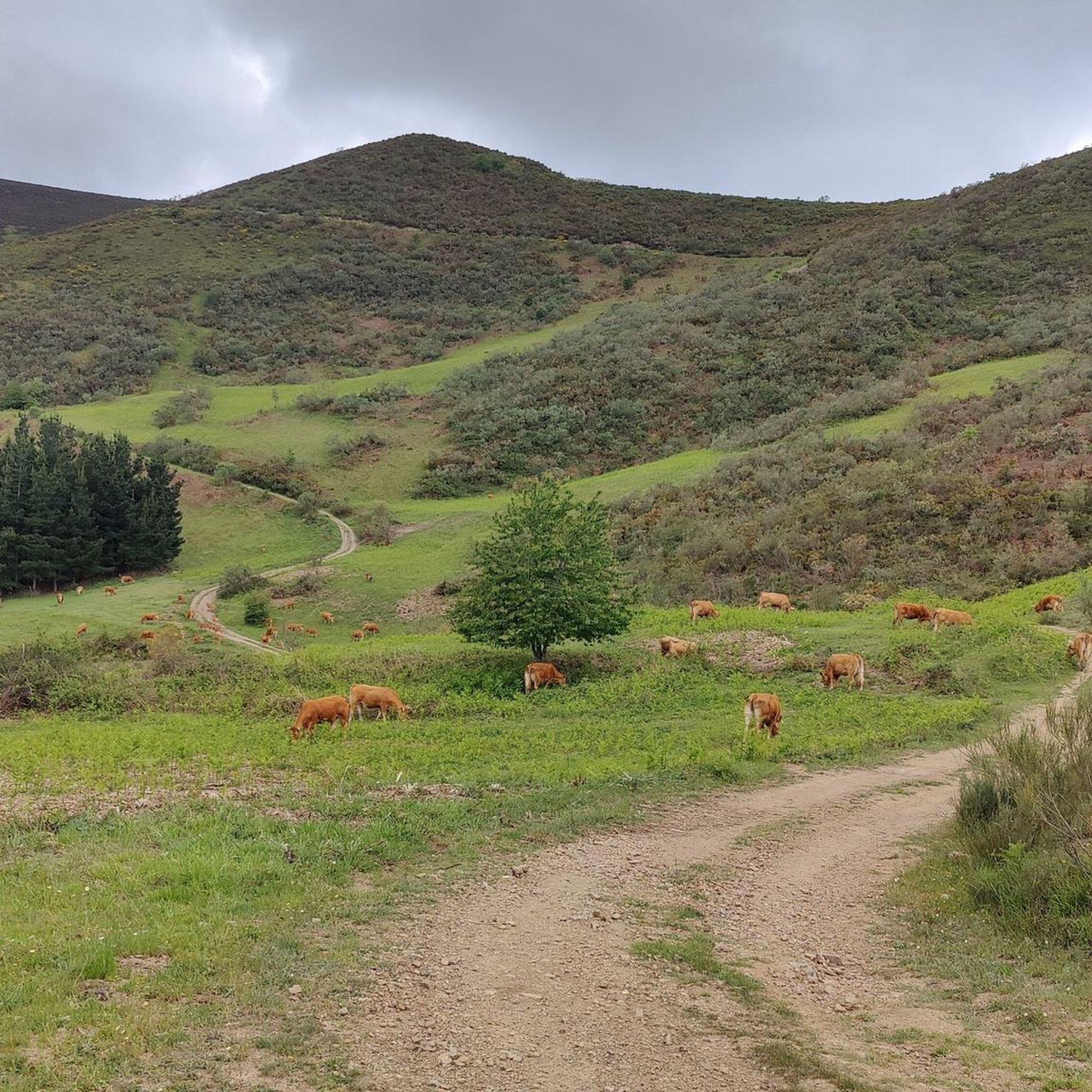
A forest of cork oaks that can be covered almost entirely by following the large number of paths that there are through it and having at your hands these curious trees from which the cork is extracted. A very quiet and picturesque place with beautiful views of the surrounding environment.
1
0
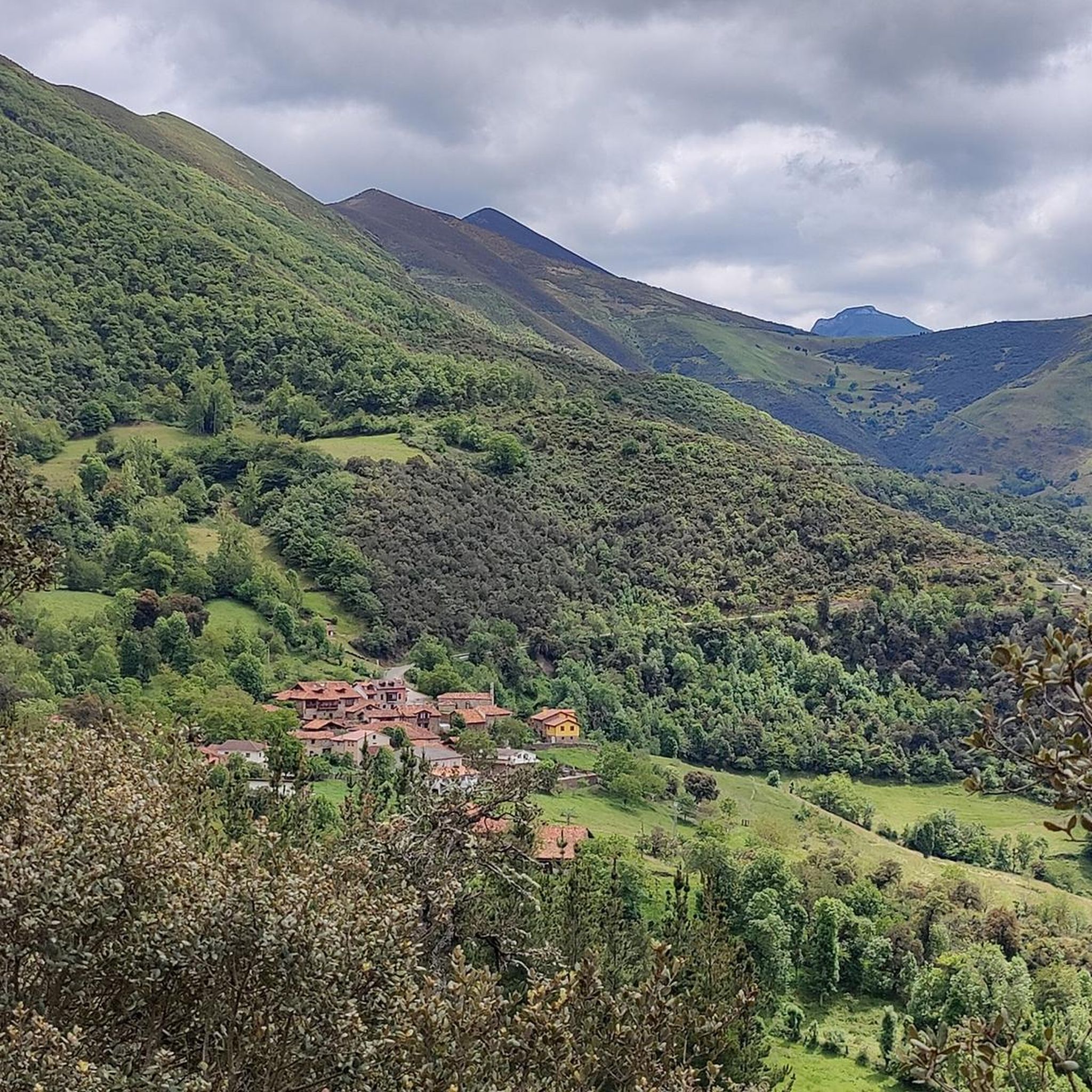
At 1446 meters above sea level, the peak of El Pico Jano is the highest in the Sierra de Collaín and you will feel that you are touching the clouds, or failing that, you will be above them! As there are no obstacles ahead, the views are truly amazing and will invite you to stay there for a few minutes enjoying this beautiful landscape of the Cantabrian mountain range.
1
0
Frequently Asked Questions
What are some of the most impressive viewpoints to experience the natural beauty around Cabezón De Liébana?
For breathtaking panoramic views, consider visiting Jano Peak, which offers a 360-degree vista of the high mountains, including the Picos de Europa and the Liébana valley. Another excellent spot is the Piedrasluengas Viewpoint, located at a mountain pass, providing spectacular views of the Picos de Europa, Peña Labra, and the Liébana Valley. The Canal de las Arredondas Trail (views) also offers beautiful panoramic views along the edge of the Picos de Europa National Park.
Are there family-friendly natural monuments or trails suitable for all ages?
Yes, the Piedrasluengas Viewpoint is considered family-friendly, offering accessible views from the mountain pass. For a rewarding and relatively easy hike through a beautiful forest, the Cascadas de Retumbia, though in a nearby municipality, are easily accessible and lead to impressive waterfalls, making it a great option for families.
What kind of unique flora and fauna can I expect to see in the natural monuments of this region?
The region boasts diverse ecosystems. Around Pico Jano, you can find Pyrenean oaks and unique wetland plants, including carnivorous butterwort, near the La Tejera lagoon. The Sierra de Peña Sagra is a Special Protection Area for Birds (ZEPA) and features various ecosystems from blueberry bushes to excellent birch, beech, and oak forests. The Valle Estrecho and Valderrodíes are home to ancient Atlantic forests with cork oak, holm oak, and beech, providing refuge for fauna like foxes, wild boars, genets, and various bird species.
Where can I find ancient forests or particularly well-preserved woodlands?
The Valle Estrecho and Valderrodíes within Cabezón de Liébana are renowned for their rich forest cover. Valderrodíes is particularly notable as a well-preserved example of an Atlantic forest, featuring cork oak, holm oak, oak, and impressive beech forests. These areas offer tranquil environments for walks and excellent opportunities for nature observation.
What are some challenging natural monuments for experienced hikers?
For those seeking a challenge, the ascent to Jano Peak involves traversing forests and offers a significant climb to its almost 1,500-meter summit. Peña Labra, at 2029 meters, presents very technical sectors and is suitable for experienced hikers who don't suffer from vertigo, rewarding them with impressive views.
Are there any natural monuments with historical or archaeological significance?
Yes, the ascent to Pico Jano from Dobarganes passes by the megalithic remains of Castro de Llan de la Peña, offering a glimpse into ancient history amidst the natural landscape.
What outdoor activities, such as cycling or running, can I do near these natural monuments?
The region around Cabezón De Liébana offers various outdoor activities. For cycling, you can explore routes like the 'Piedrasluengas from Potes Loop' or 'San Glorio - Collada de Llesba Trail'. Running enthusiasts can enjoy trails such as the 'Running loop from Tama' or 'Nogalón loop from Potes'. You can find more details on these and other routes in the cycling guide and running guide for Cabezón De Liébana.
What is the best time of year to visit the natural monuments around Cabezón De Liébana?
The best time to visit largely depends on your preferred activities. Spring and autumn offer pleasant temperatures for hiking and exploring the diverse flora, with vibrant colors. Summer is ideal for longer days and higher mountain excursions, though it can be warmer. Winter brings snow to the higher peaks like Tres Mares Peak and Peña Labra, offering stunning snowy landscapes for those equipped for winter conditions.
Are there any impressive waterfalls to visit in the area?
Yes, the Cascadas de Retumbia, located in the nearby municipality of Vega de Liébana, are easily accessible from Cabezón de Liébana. These impressive waterfalls are formed by the Retumbia stream as it descends through an enchanting forest of holm oaks and arbutus trees, offering a beautiful natural spectacle, especially after rainfall.
What makes the Sierra de Peña Sagra a significant natural area?
The Sierra de Peña Sagra is a significant landscape reference, separating the Nansa and Liébana valleys with its dramatic, energetic relief. It is recognized for its important biodiversity and is included in the Natura 2000 network as a Special Protection Area for Birds (ZEPA), featuring diverse ecosystems from high-altitude peatlands to excellent birch, beech, and oak forests.
What do visitors enjoy most about the natural monuments in Cabezón De Liébana?
Visitors frequently highlight the stunning panoramic views from summits like Jano Peak and Piedrasluengas Viewpoint. The diverse trails, ranging from comfortable paths to challenging climbs, and the opportunity to immerse oneself in ancient forests and unique ecosystems are also highly appreciated. The tranquility and the chance to observe varied flora and fauna contribute significantly to the positive experience.
Most popular attractions around Cabezón De Liébana

Get inspired with the komoot mobile app


Explore more
Extend your search for the best caves by checking out these guides of the top ones around Cabezón De Liébana:
