Top 7 Mountain Passes around Beceite
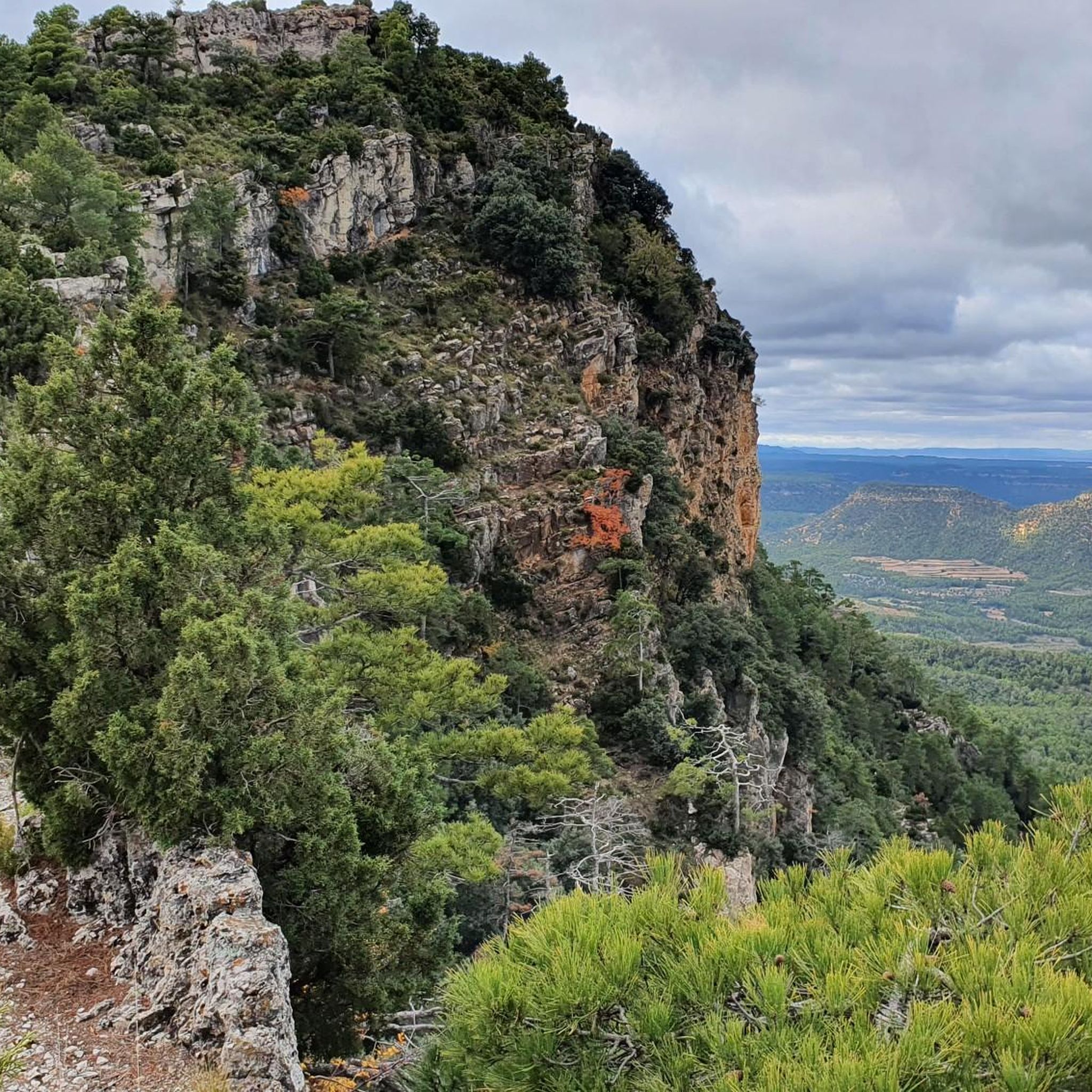
Best mountain passes around Beceite are located within a rugged massif that forms a natural border between Catalonia, Aragon, and Valencia. This extensive mountainous area features sharp hills, deep canyons carved by rivers, and diverse ecosystems. The region is known for its challenging multi-day hiking routes and significant elevation gains. It offers a landscape that transitions between the Catalan Coastal Range and the Iberian System, supporting rich biodiversity.
Best mountain passes around Beceite
- The most popular mountain passes is Ascent to Mont Caro from Tortosa, a climb that is one of the most difficult passes in the region. The climb is steep but steady, with sections reaching 20% incline, offering incredible views from the top.
- Another must-see spot is Pallers Pass, a mountain pass and viewpoint. Visitors can expect a wonderful vantage point with expansive views, situated between Cresta del Marturi and the ridge leading to Caro.
- Visitors also love Vallfiguera Pass, a mountain pass located amidst the Portell group of mills. This pass connects the town of El Toscar with El Mascar, a group of houses situated below Mont Caro.
- Beceite is known for climbs, viewpoints, and intermediate mountain passes. The area offers a variety of mountain passes to see and explore, ranging from challenging ascents to scenic routes with panoramic views.
- The mountain passes around Beceite are appreciated by the komoot community, with 29 upvotes and 47 photos shared by users.
Last updated: August 24, 2026
Ascent to Mont Caro from Tortosa
Highlight (Segment) • Climb
Translated by Google •
Tip by

Pallers Pass
Highlight • Mountain Pass
Translated by Google •
Tip by

Sign up now to discover places like this
Get recommendations on the best single tracks, peaks, & plenty of other exciting outdoor places.
Sign up for free
Puerto de Fredes
Highlight • Mountain Pass
Traveling along the CV-105 road, the route follows the riverbed of the Riu Verde passing through the Ulldecona Reservoir, all with impressive views. Regarding the technical part, in the area prior to the tunnels, a 9% slope is reached.
Once overcome, it will be flat until the next section with a steep slope reaching 11% in the area of the horseshoe.
It ends with a section of about 8.5 km, very showy with several horseshoes with average slopes of 8-9%.
Translated by Google •
Tip by

Vallfiguera Pass
Highlight • Mountain Pass
Translated by Google •
Tip by

Coll de Carabasses
Highlight • Mountain Pass
The GR 7 and the Estels del Sud route, which follows it throughout this stage, pass through this pass.
Translated by Google •
Tip by

Sign up for free to discover even more mountain passes around Beceite.
Sign up for free
Already have an account?
Start today with a free account
Your next adventure awaits.
Login or Signup

Tips from the Community

this is a must to stop, its an amazing place where they cook typical catalan food, it won't deceive
0
0

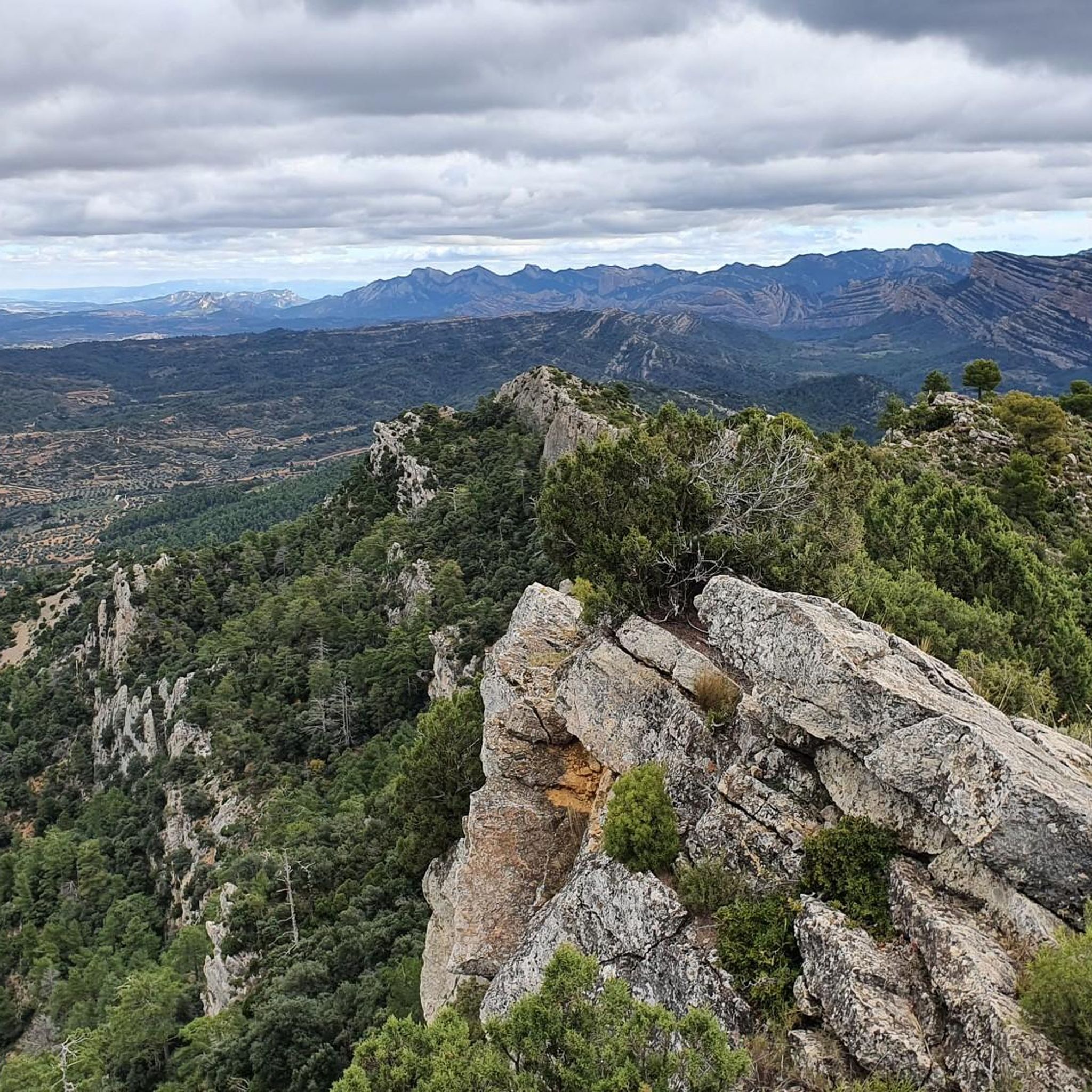
Wonderful vantage point with great views
4
0

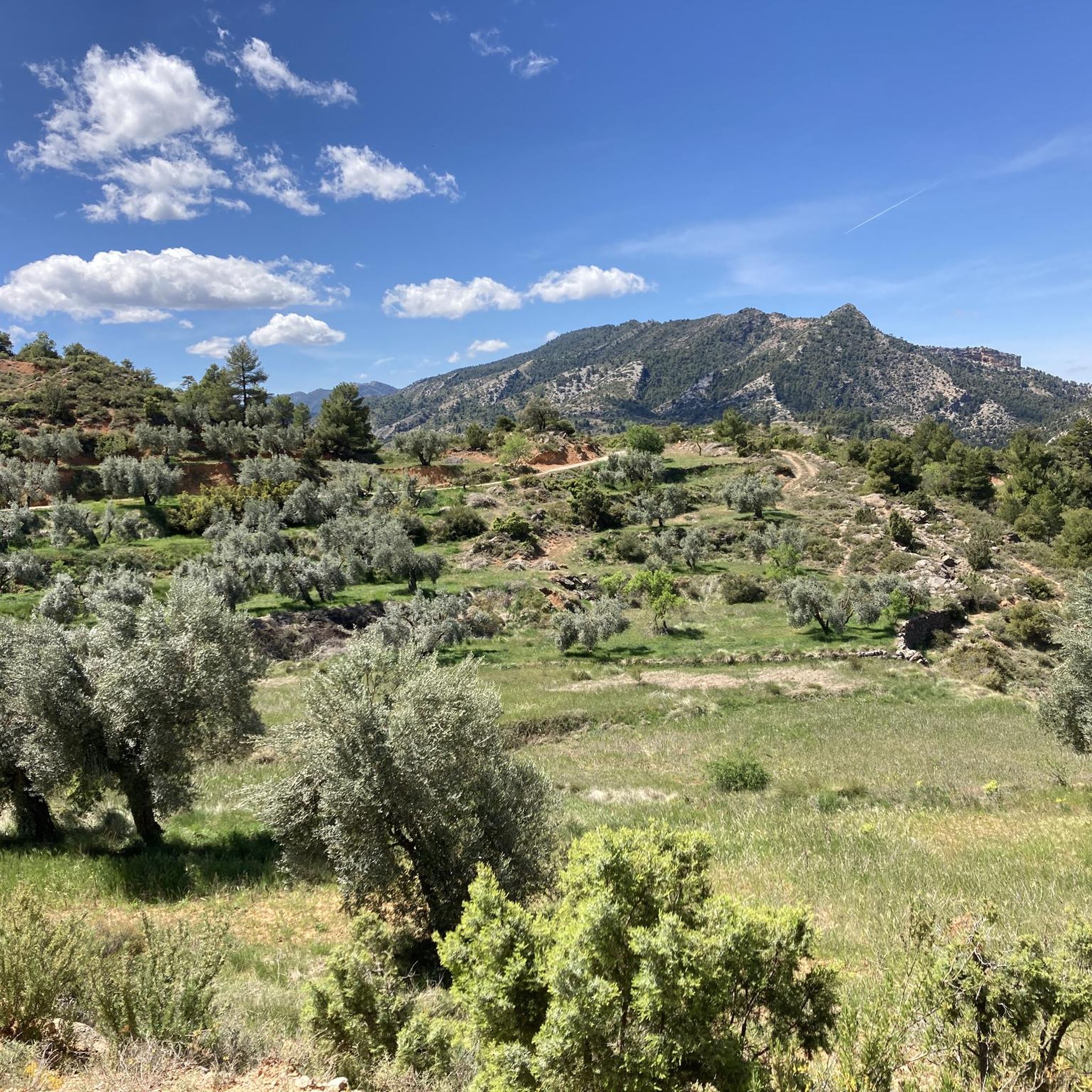
Mountain pass that is in the middle of the Portell group of mills, where it comes from the town of El Toscar and that goes in the direction of El Mascar, a group of houses that are located below Mont Caro.
1
0

Crossroads and crossing point that connects the Vall d'Uixò to the west with the Toscar in the Levant, the Caro in Migjorn and Paüls in Tramuntana. The GR 7 and the Estels del Sud route, which follows it throughout this stage, pass through this pass.
3
0
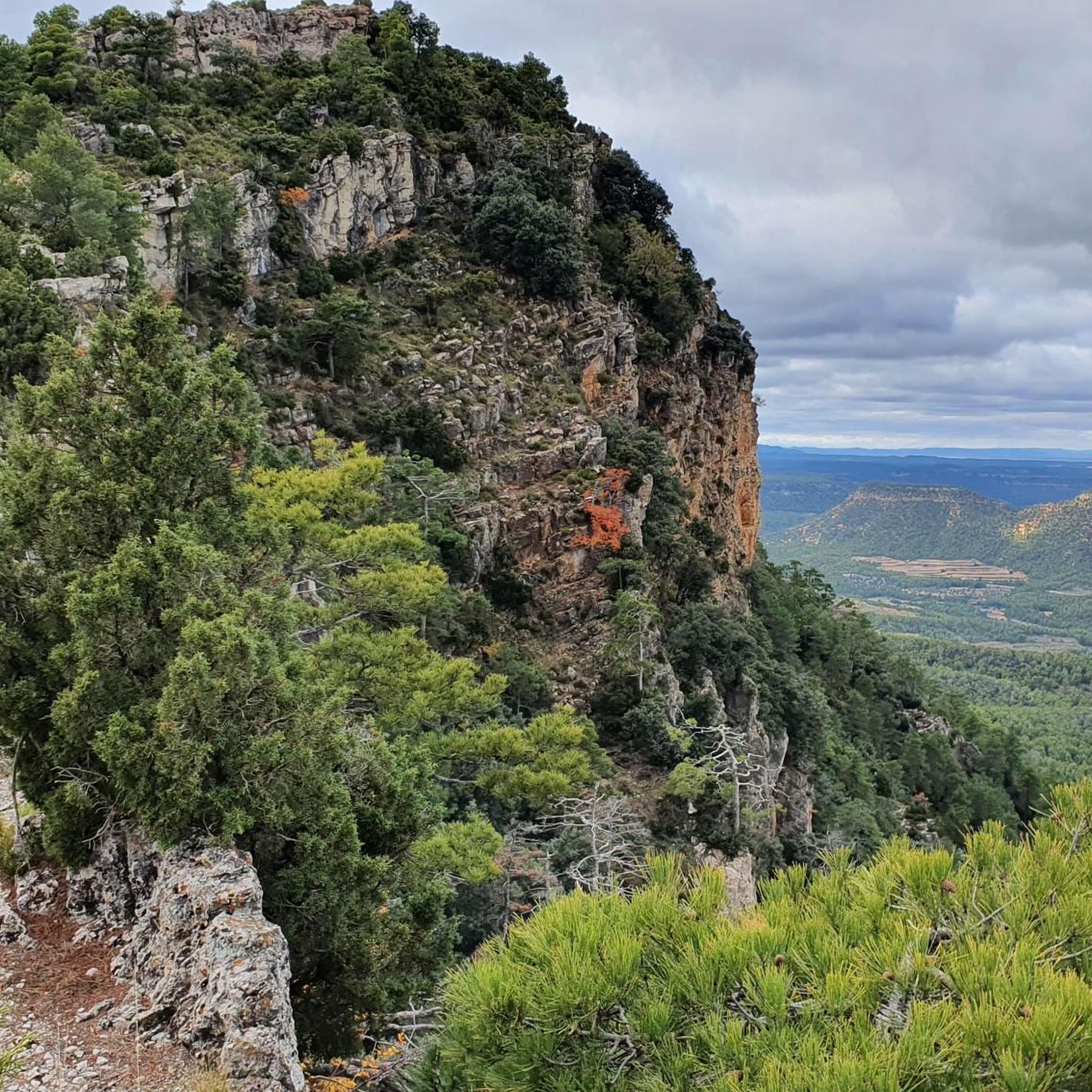
The Coll de Pallers (1218m) is the pass between Cresta del Marturi in the SW. and the ridge that leads to the Caro through the Gronsa and the Moleta Round to the NE.
3
0

The ascent to Puerto de Fredes is beautiful and of great cycling interest. Traveling along the CV-105 road, the route follows the riverbed of the Riu Verde passing through the Ulldecona Reservoir, all with impressive views. Regarding the technical part, in the area prior to the tunnels, a 9% slope is reached. Once overcome, it will be flat until the next section with a steep slope reaching 11% in the area of the horseshoe. It ends with a section of about 8.5 km, very showy with several horseshoes with average slopes of 8-9%.
1
0

Mont Caro is one of the most difficult passes in the region. The climb is fairly steep but steady, with sections reaching 20% incline. Downhill cornering forces you to keep control of the brakes. The view from the top is worth it! Don't hesitate to take advantage of the panoramic viewpoints to catch your breath.
2
0

Peak of 1441 meters belonging to the Catalan Pre-coastal Range located in the Parque Natural dels Ports
1
0
Frequently Asked Questions
What are some of the most notable natural features and landmarks in the Beceite Mountains?
The Beceite Mountains are renowned for their spectacular natural features. Highlights include El Parrissal, with its wooden walkways along the Matarraña River leading to the narrow canyon of 'Els Estrets'. You can also explore the remarkable Arnes Straits, known for its rock conglomerates. Prominent peaks like Penyagalera (1,034m) and La Picossa (1,100m) offer panoramic views. Don't miss Les Roques del Masmut, impressive red rock formations home to a large vulture colony, and the immense mass of La Caixa.
What kind of terrain and geological features can I expect in the Beceite Mountains?
The Beceite Mountains feature a wild and rugged terrain with sharp hills and deep canyons carved by numerous rivers. It's a convergence point for the Catalan Coastal Range and the Iberian System, resulting in a unique landscape. You'll encounter diverse ecosystems, from pine forests and oaks to maples, and clear-water canyons like those of La Pesquera and Escresala.
Are there challenging mountain passes for experienced cyclists in the Beceite region?
Yes, the Beceite region offers challenging climbs. The Ascent to Mont Caro from Tortosa is one of the most difficult passes, featuring steep but steady sections reaching 20% incline. The Puerto de Fredes also presents a beautiful and challenging cycling ascent with slopes up to 11% in parts.
What are some popular hiking trails near the mountain passes in Beceite?
The Beceite Mountains are a prime destination for hikers. Popular routes include the 'Route of Parrissal through the walkways of the Natural Path of Matarraña Algars' and the 'Peñagalera Ascent Trail (PR-TE 151)'. Many trails, like the 'Stars of the South: Parrissal de Beceite Trail', offer moderate to difficult experiences. You can find more details and routes on the Hiking around Beceite guide.
What kind of wildlife can be spotted in the Beceite Mountains?
The Beceite Mountains boast rich biodiversity and are home to a variety of wildlife. Keep an eye out for the Iberian ibex, golden eagles, and peregrine falcons. The clear-water canyons also support indigenous trout and crabs, as well as the aquatic blackbird.
Are there any mountain passes that offer great viewpoints?
Absolutely. The Pallers Pass is a wonderful vantage point offering expansive views between Cresta del Marturi and the ridge leading to Caro. The Vallfiguera Pass also provides scenic views amidst its forest setting. Additionally, the Ascent to Mont Caro from Tortosa culminates in incredible panoramic views from the top.
What is the best time of year to visit the Beceite Mountains for outdoor activities?
The Beceite Mountains offer diverse experiences throughout the year. While challenging multi-day routes are common, the region's climate allows for hiking and cycling in various seasons. Spring and autumn generally provide the most pleasant temperatures for longer excursions, avoiding the peak heat of summer and potential winter conditions at higher elevations. Always check local weather forecasts before your trip.
Are there options for mountain biking near the Beceite mountain passes?
Yes, the Beceite region is popular for mountain biking. You can find routes like 'King's Hill - Hermitage of San Miquel - Pena Reservoir' or 'Estrechos de Arnés - Río de Algar - Toll de Vidre'. These range from easy to difficult. For more options, refer to the MTB Trails around Beceite guide.
What do visitors appreciate most about the mountain passes around Beceite?
Visitors frequently highlight the incredible views and the challenging yet rewarding nature of the climbs. The region's unique blend of rugged landscapes, deep canyons, and diverse ecosystems, as well as the opportunity to explore less crowded trails, are highly valued. The komoot community has shared 47 photos and given 29 upvotes, reflecting the area's appeal.
Are there any mountain passes that are part of long-distance hiking routes?
Yes, the Coll de Carabasses is a significant crossroads where the GR 7 and the Estels del Sud route pass through. This makes it a key point for those undertaking longer, multi-day treks in the region.
Are there places to eat or rest near the mountain passes?
Yes, for instance, near the Puerto de Fredes, there's an amazing place that cooks typical Catalan food, making it a recommended stop for cyclists and hikers alike. While specific cafes or pubs at every trailhead might be limited due to the rugged nature of the region, towns and villages in the surrounding area offer dining and accommodation options.
Most popular routes around Beceite
Most popular attractions around Beceite

Get inspired with the komoot mobile app


