Top 9 Natural Monuments around Herrerías
Best natural monuments around Herrerías offer a diverse range of geological features and natural landscapes. The region is characterized by its varied terrain, from coastal natural parks to inland caves and river valleys. Visitors can explore significant natural areas that showcase Cantabria's unique environment. These sites provide opportunities to observe distinct ecosystems and geological formations.
Best natural monuments around Herrerías
- The most popular natural monuments is Santa Catalina Viewpoint, a viewpoint that offers beautiful views of the Deva river…
Last updated: July 1, 2026
Oyambre Natural Park
Highlight • Natural Monument
Translated by Google •
Tip by

Culebre Cave
Highlight • Cave
Translated by Google •
Tip by

Sign up now to discover places like this
Get recommendations on the best single tracks, peaks, & plenty of other exciting outdoor places.
Sign up for free
Santa Catalina Viewpoint
Highlight • Viewpoint
Translated by Google •
Tip by

Sauceda de Buelles
Highlight • Forest
Translated by Google •
Tip by
La Braña de los Tejos
Highlight • Forest
Translated by Google •
Tip by

Sign up for free to discover even more natural monuments around Herrerías.
Sign up for free
Already have an account?
Start today with a free account
Your next adventure awaits.
Login or Signup
Other adventures around Herrerías

Tips from the Community

A special place, where silence reigns. The yew trees are imposing, symbols of the forest's permanence and wisdom.
0
0

I wanted to go down, but it seemed slippery and too steep.
1
0

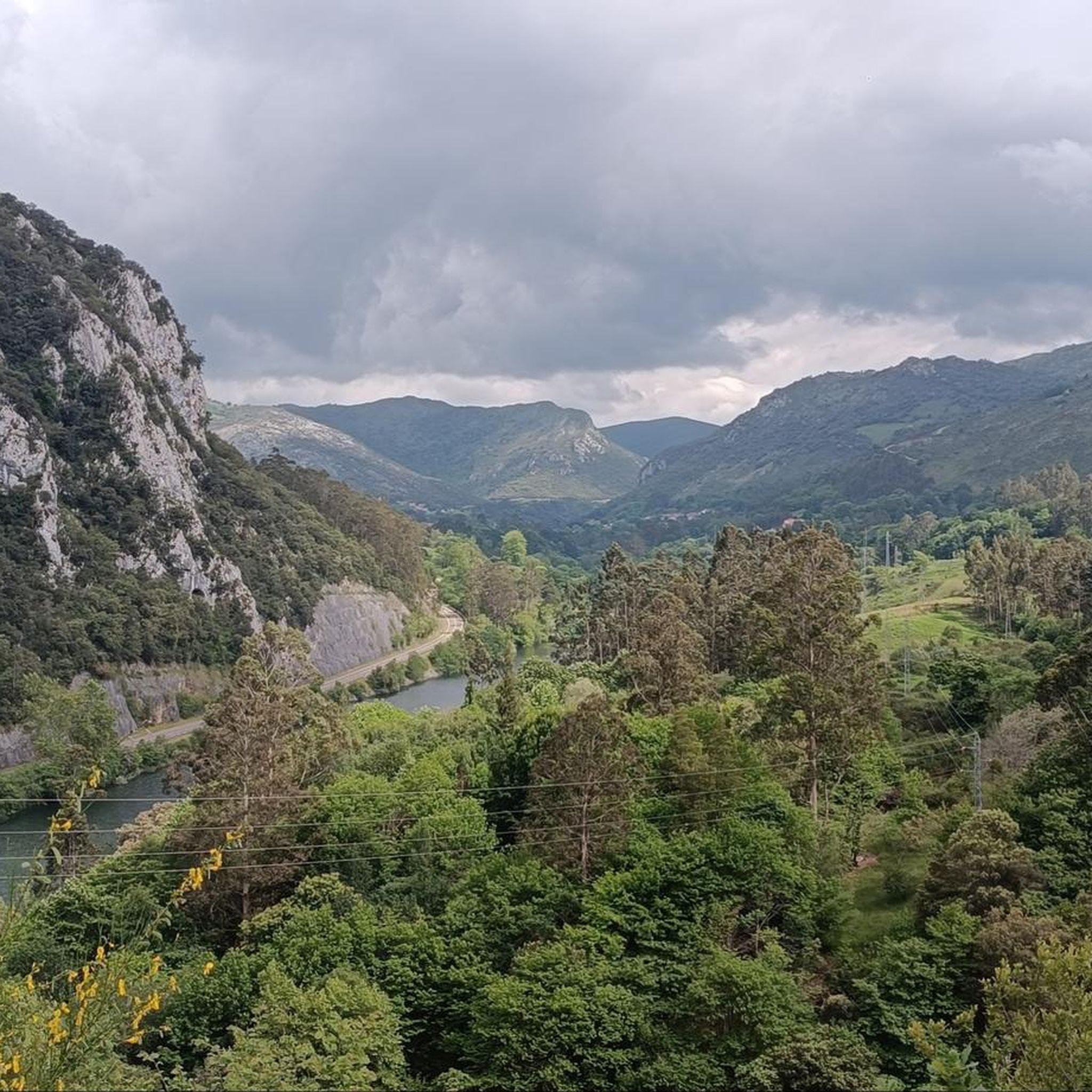
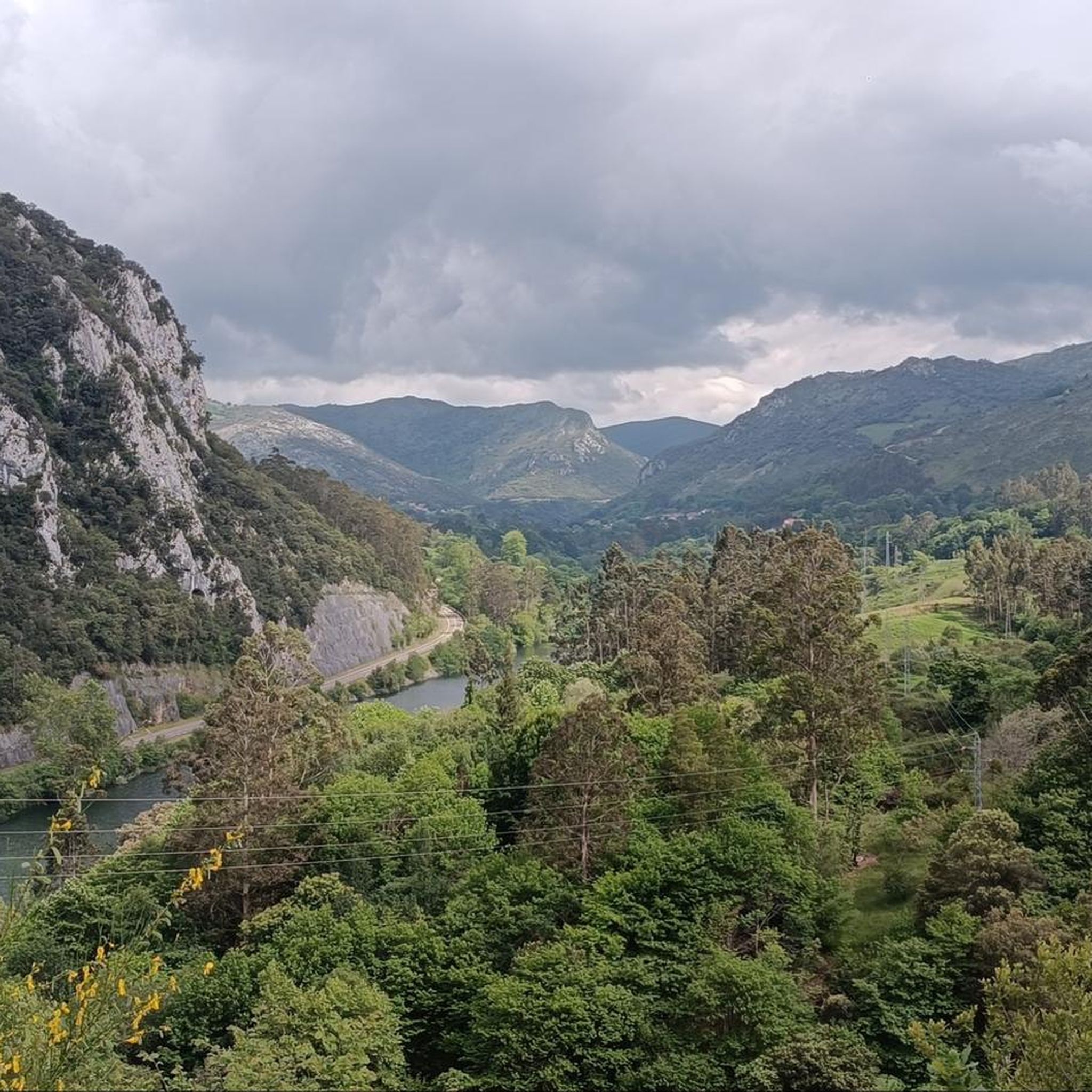
Incredible views of the Hermida gorge.
1
0

Hard but short climb. From the viewpoint we can see the Hermida gorge
2
0

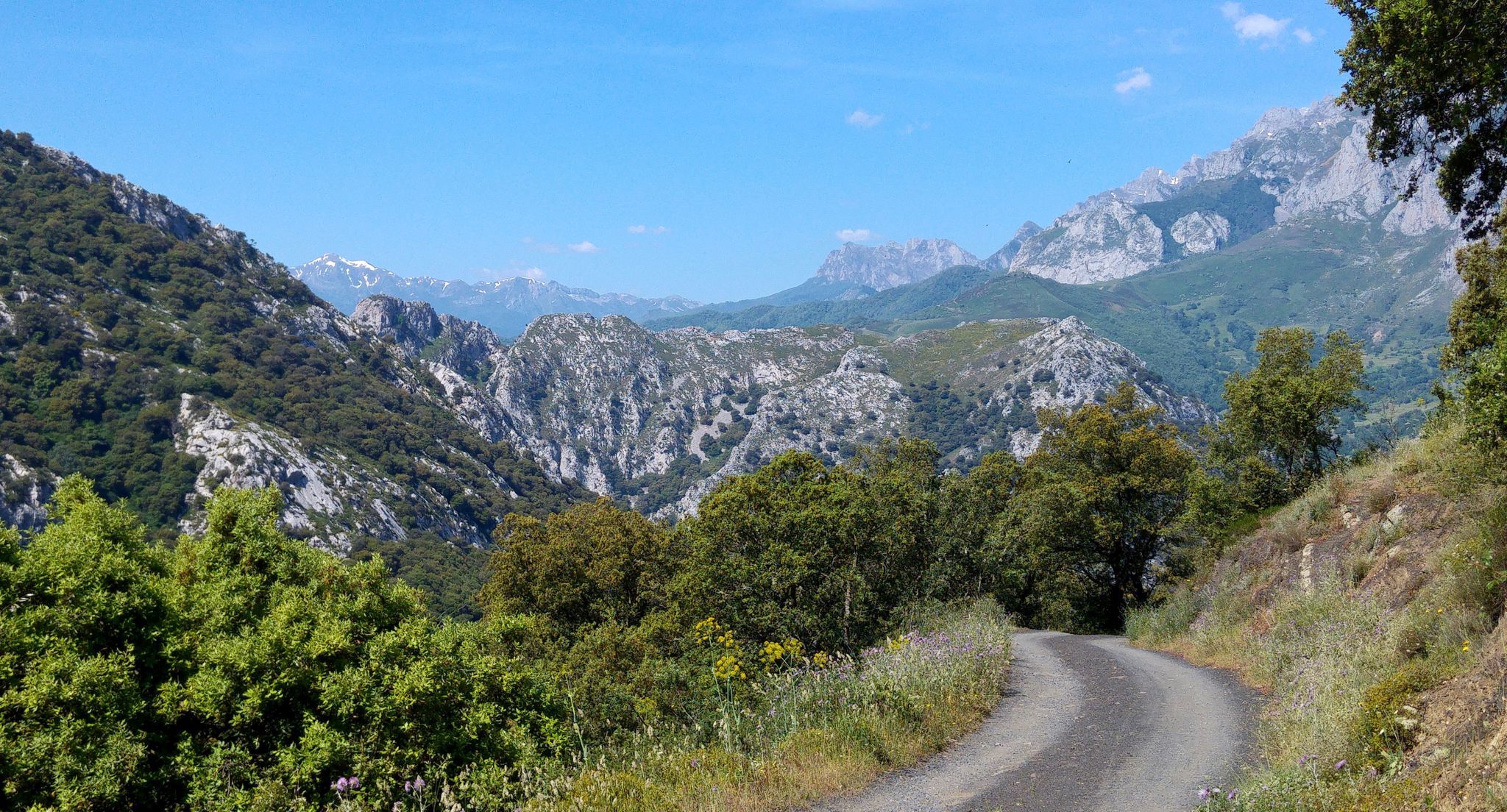
La Braña de los Tejos is a mythical place in Cantabria. It is a forest of thousand-year-old yew trees that is very close to Collado Pasaneu, a place through which countless travelers have passed since time immemorial since it is the natural pass that connected Liébana with the coast before the construction of the gorge road from La Hermida. To get here our route can start in Lebeña, Salarzón or San Pedro de Bedoya, the latter being the best starting point if we want to do it by bicycle. The climb is demanding and we must overcome more than 1,000 m of unevenness in 9 km, but the reward upon reaching Collado Pasaneu is tremendous. All of Liébana stretches out at our feet, Peña Ventosa and behind it Cabañes and Collado Pelea and in the background we will have the coast and the Cantabrian Sea. From here we will only have to follow the marks and some indicative signs that lead us to La Braña, a place that is well worth a leisurely visit.
0
0

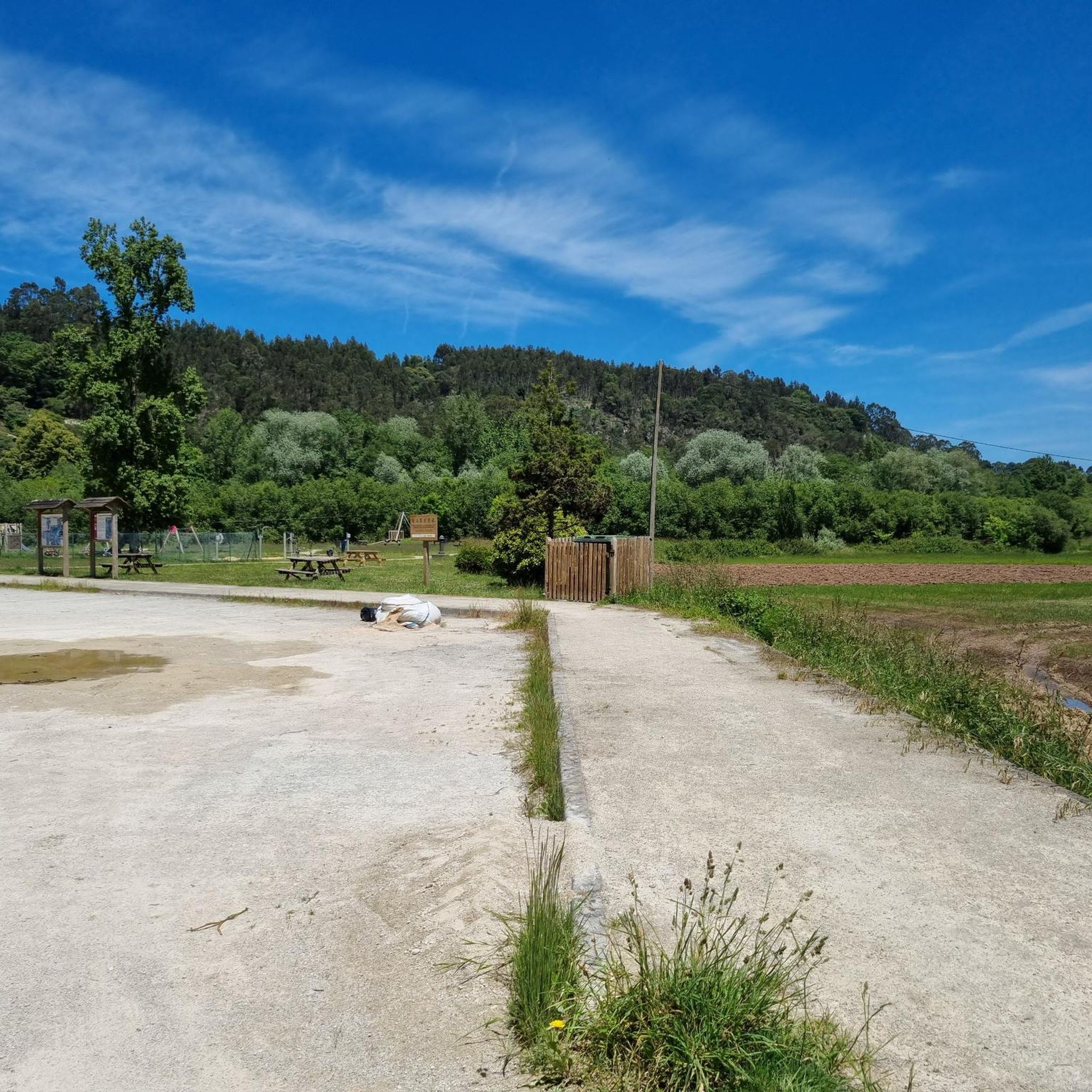
Declared a Natural Monument, the Sauceda de Buelles is a forest that borders the two banks of the Cares-Deva River, between the towns of El Mazo, Narganes and Buelles. It is made up of willows, mostly white (salix alba) but there are also other bushy willows and some alders as well as oaks and other species.
2
0
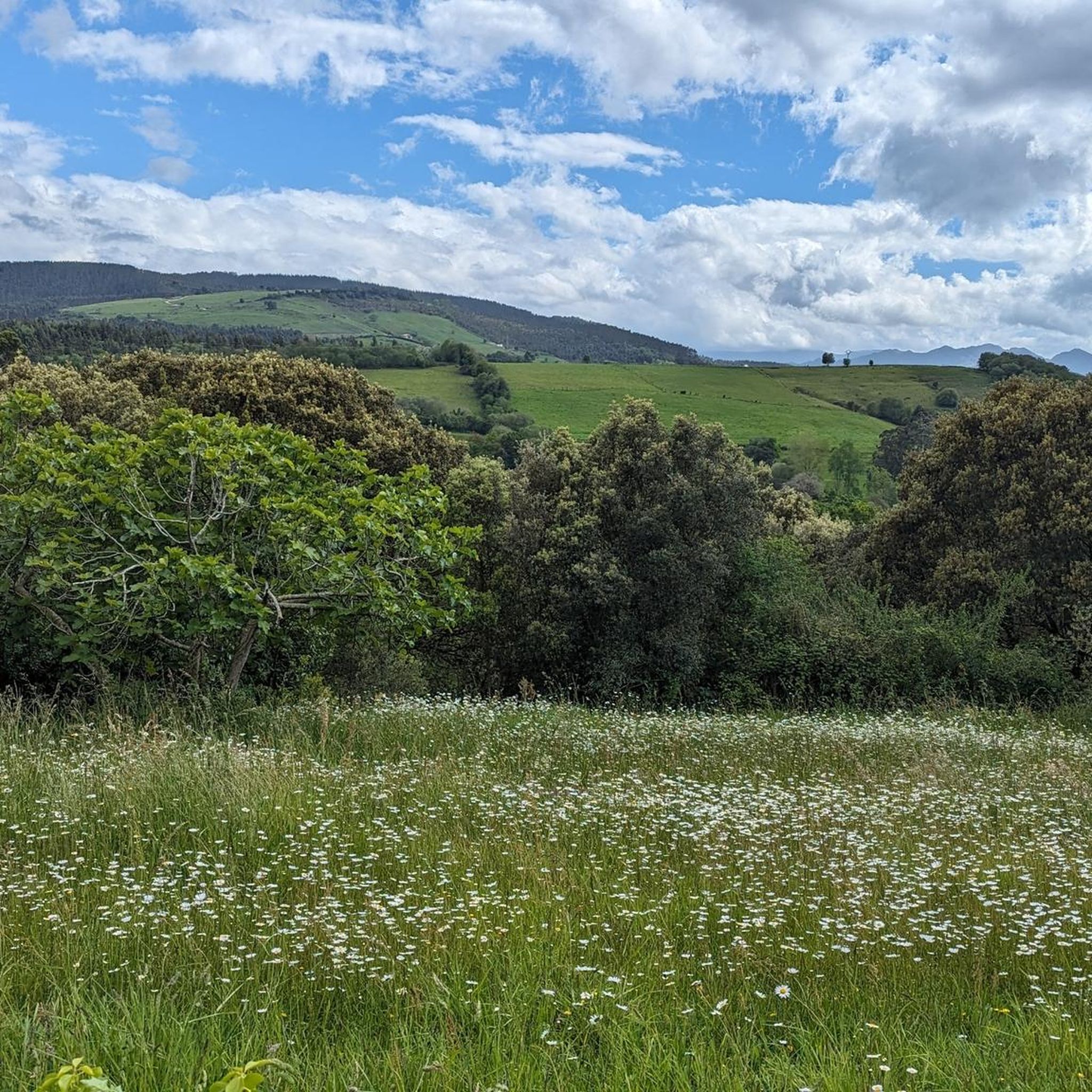
The Oyambre Natural Park has an extension of 57 square kilometers and consists of enormous beaches surrounded by an extensive forest mass. The Picos de Europa mountain range in the background is impressive. It is a territory of great ornithological richness, located mainly in its estuaries and marshes.
0
0

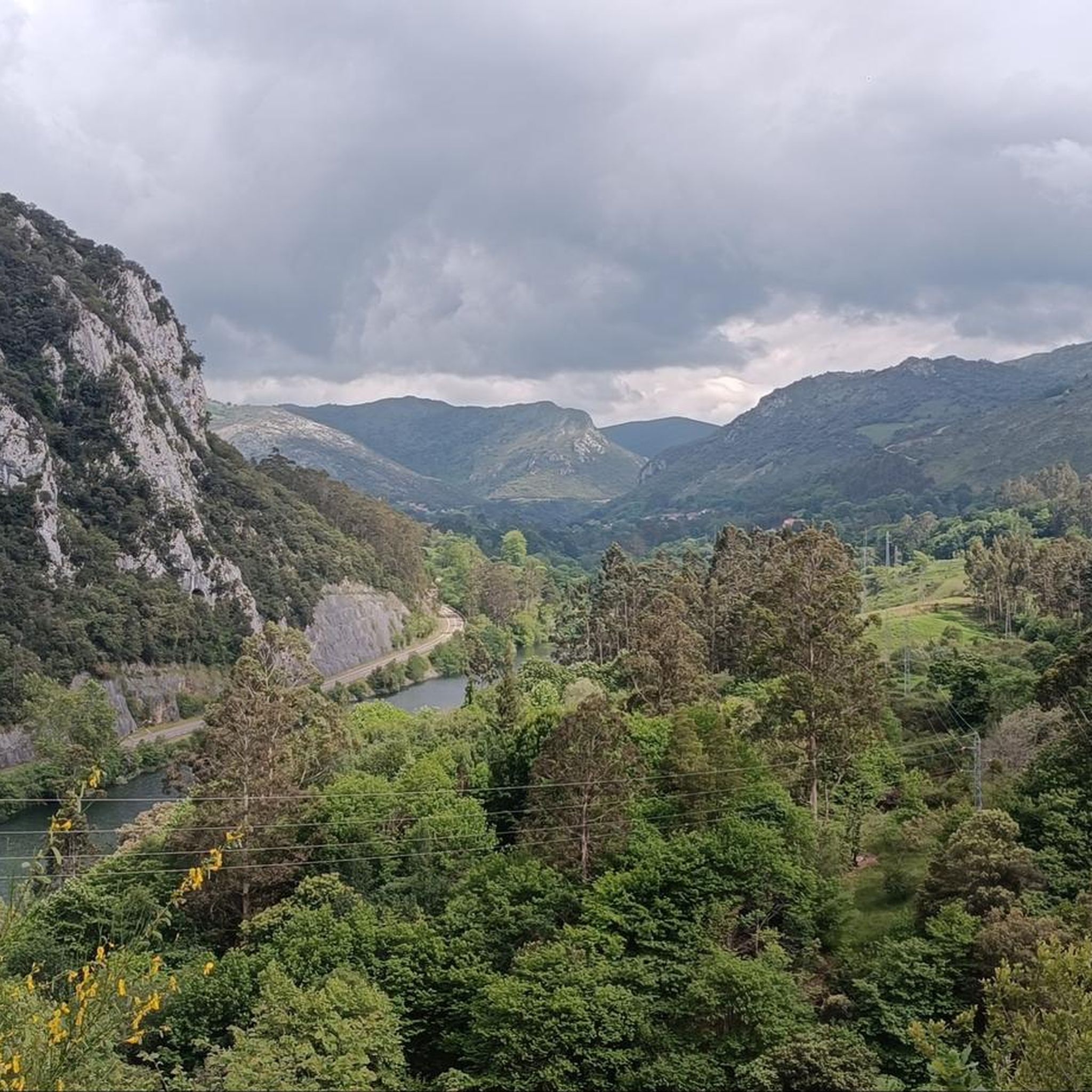
It is worth getting here to have some beautiful views of the Deva river valley. In the town of Cicera you must take the detour along the north path that leads to the hermitage of Santa Catalina and from there continue a few more meters, highly recommended!
3
0
Frequently Asked Questions
What are some of the most unique geological features I can explore around Herrerías?
The region offers remarkable geological formations. The Culebre Cave is a notable cave area on the crest of cliffs, offering a unique geological setting. Additionally, the nearby Cueva El Soplao, located in Herrerías, Cantabria, is renowned for its exceptional geological formations, including aragonite, false ceilings, stalactites, stalagmites, and a rich abundance of eccentric or antigravitational formations, making it a truly unique subterranean experience.
Are there natural monuments suitable for families with children in Herrerías?
Yes, several natural monuments are family-friendly. Oyambre Natural Park features enormous beaches and extensive forests, perfect for family outings. Another great option is Sauceda de Buelles, a beautiful forest bordering the Cares-Deva River, ideal for a leisurely walk with children.
Where can I find impressive viewpoints to enjoy the landscape around Herrerías?
For stunning panoramic views, visit the Santa Catalina Viewpoint, which offers beautiful vistas of the Deva river valley and the Hermida gorge. The Oyambre Natural Park also provides impressive views, including the Picos de Europa mountain range in the background. For a more challenging experience, the La Braña de los Tejos area near Collado Pasaneu offers tremendous views of Liébana and the Cantabrian Sea after a demanding climb.
What kind of outdoor activities can I do near these natural monuments?
The area around Herrerías is excellent for various outdoor activities. You can find numerous hiking trails, such as the challenging River walk of the Nansa River along the Lebaniego Road to Cabanzón, or the moderate Parque de Muñorodero – Nansa River Trail loop. For running, consider the Running along the Nansa River river trail. Mountain biking enthusiasts can explore routes like the Buelna Beach – Arenillas Blowholes loop. More details on these activities can be found in the hiking guide, running guide, and MTB guide for Herrerías.
Are there any natural monuments with historical significance in the Herrerías area?
While the natural monuments primarily showcase geological and ecological value, the Cueva El Soplao, located in Herrerías, Cantabria, also holds significant mining archaeology heritage. Beyond its geological wonders, the cave contains over 30 kilometers of mining galleries, inclined planes, and headframes, reflecting its history from its discovery in the early 20th century during explorations of the La Florida mines.
What is the best time of year to visit the natural monuments around Herrerías?
The best time to visit the natural monuments around Herrerías generally depends on your preferred activity. Spring and autumn offer pleasant temperatures for hiking and exploring. Summer is ideal for enjoying the beaches at Oyambre Natural Park, while the lush forests like Sauceda de Buelles are beautiful year-round, with autumn providing vibrant foliage.
Can I bring my dog to the natural monuments in Herrerías?
Policies for bringing dogs can vary by specific location within natural monuments. While many outdoor areas in Cantabria are dog-friendly, it's always advisable to check local regulations for each specific site, especially protected areas like natural parks or caves, to ensure compliance with any leash laws or access restrictions.
What kind of wildlife can I expect to see in the natural monuments around Herrerías?
The natural monuments around Herrerías are rich in biodiversity. Oyambre Natural Park is particularly notable for its ornithological richness, especially in its estuaries and marshes. Forests like Sauceda de Buelles and La Braña de los Tejos provide habitats for various forest species. The nearby La Herrería Forest in Madrid (though not in Cantabria) is home to fire salamanders and aquatic animals in the El Batán reservoir, indicating the potential for similar wildlife in comparable Cantabrian ecosystems.
Are there any easy hiking trails to access the natural monuments for beginners?
Yes, there are options for easier access. While some trails can be challenging, the short hiking route to Cascada de la Herrería (Hidden Waterfall) in the Sierra de Albarracín (a different Herrerías location, but illustrative of accessible natural gems) is only half a kilometer, making it very accessible. For the Herrerías in Cantabria, the Sauceda de Buelles offers gentle paths along the river, suitable for easier walks. You can also find easy routes in the hiking guide for Herrerías, such as the Parque de Muñorodero loop from Val de San Vicente.
What do visitors enjoy most about the natural monuments in Herrerías?
Visitors particularly enjoy the diverse natural beauty and the sense of tranquility. The stunning views from places like Santa Catalina Viewpoint are highly recommended. The unique geological formations within Culebre Cave and the extensive natural landscapes of Oyambre Natural Park are also big draws. The ancient yew trees at La Braña de los Tejos are described as imposing symbols of permanence, offering a special place where silence reigns.
How accessible are the natural monuments by public transport or car, and is parking available?
Accessibility varies by monument. For instance, the Santa Catalina Viewpoint is accessible by taking a detour from the town of Cicera. While specific public transport details for each monument are not always readily available, many natural areas in Cantabria are best reached by car, with parking often available near popular trailheads or viewpoints. It's recommended to plan your route in advance and check for specific parking information for each destination.
Are there any hidden natural monuments or less-known spots worth discovering?
While the guide highlights popular spots, the region is full of natural beauty. The Cascada de la Herrería, also known as the 'Hidden Waterfall' in the Sierra de Albarracín (a different Herrerías location), exemplifies the kind of lesser-known natural gems that can be found. In Cantabria, exploring the less-traveled paths within areas like Oyambre Natural Park or the riverbanks near Sauceda de Buelles can lead to discovering your own hidden natural wonders.
Most popular attractions around Herrerías

Get inspired with the komoot mobile app


Explore more
Extend your search for the best caves by checking out these guides of the top ones around Herrerías:
