Top 20 Natural Monuments around Sant Jaume De Llierca
Best natural monuments around Sant Jaume De Llierca are found within the Garrotxa region of Catalonia, an area known for its rich natural beauty. The landscape is significantly shaped by the La Garrotxa Volcanic Zone Natural Park, featuring numerous volcanic cones and lava flows. Local water bodies, such as the Fluvià River, also contribute to the area's ecological and scenic value. This region offers diverse natural features for exploration.
Best natural monuments around Sant Jaume De Llierca
- The most popular…
Last updated: July 14, 2026
Santa Margarida Volcano
Highlight • Volcano
Translated by Google •
Tip by

Croscat Volcano Scoria Slopes
Highlight • Volcano
Translated by Google •
Tip by

Sign up now to discover places like this
Get recommendations on the best single tracks, peaks, & plenty of other exciting outdoor places.
Sign up for free
Llierca Bridge
Highlight • Bridge
Tip by

Santa Margarida Volcano Crater
Highlight • Volcano
Translated by Google •
Tip by

Olot
Highlight • Settlement
Translated by Google •
Tip by

Sign up for free to discover even more natural monuments around Sant Jaume De Llierca.
Sign up for free
Already have an account?
Start today with a free account
Your next adventure awaits.
Login or Signup

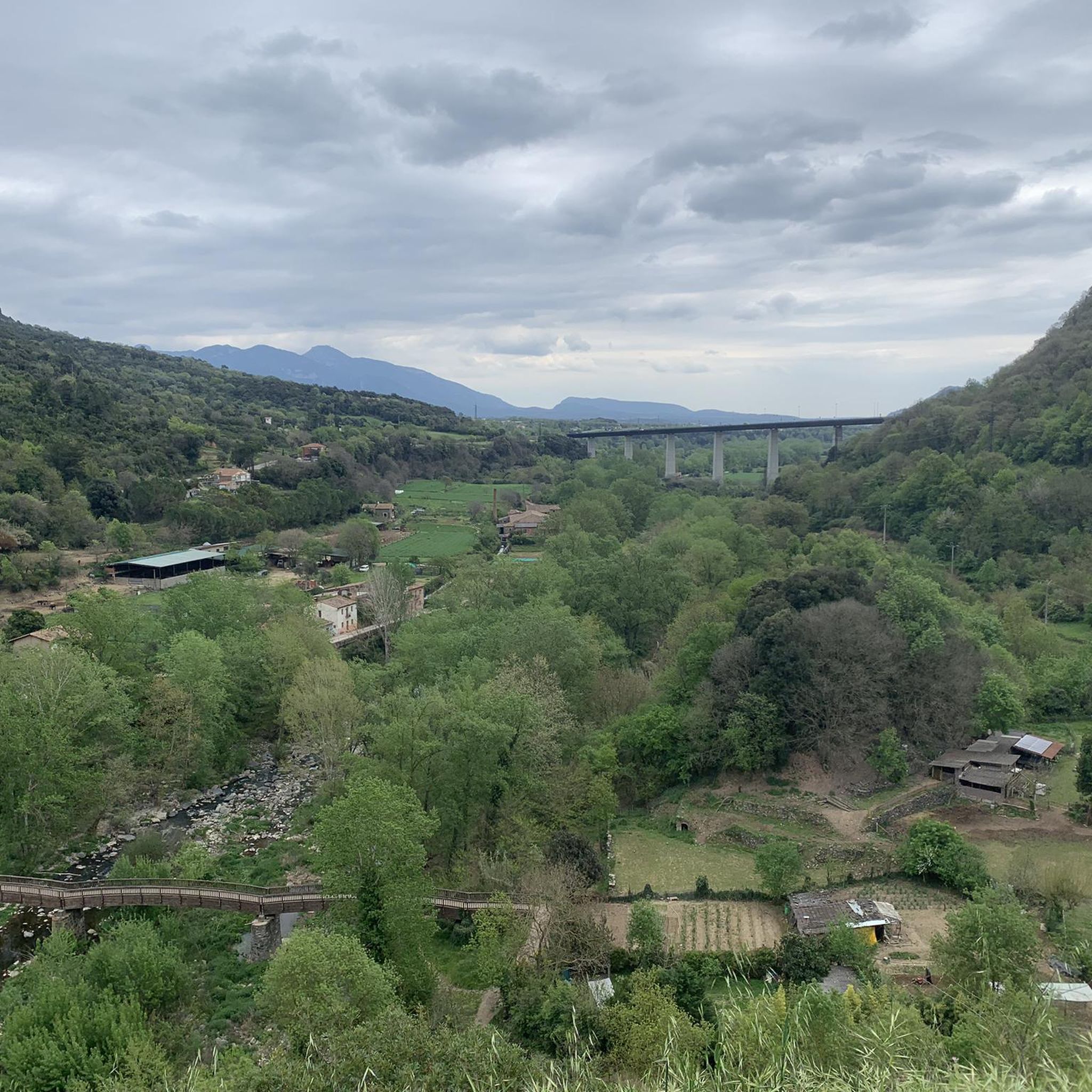
Tips from the Community

Beautiful relaxing place 😀
0
0

The area east of the bridge is not particularly suitable for gravel bikes. The bridge is definitely worth a visit.
0
0

Lovely small town up in the mountains above Girona. This is where the Ruta del Carrilet starts
0
0

In the Garrotxa Natural Park there are about 40 catalogued volcanoes with 10 well-preserved explosion craters. The Volcá del Croscat is a highly explosive Strombolian volcano. The eruption took place around 9,500 BC. It is the last volcano to erupt in the Garrotxa volcanic area and also in the Iberian Peninsula. Source https://parcsnaturals.gencat.cat/ca/xarxa-de-parcs/garrotxa/inici/
0
1

A Romanesque bridge worth seeing. Be sure to take a detour there and take a look. You can easily walk across it.
3
0

The Llierca Bridge, also called Pont de Sadernes, is a bridge 28 m high, 52 m long and 3 m wide. With a single, very slender arch, it crosses the Llierca river between Tortellà and Sadernes. Romanesque in style, although we do not know the date of its construction, there is evidence of its use since at least the 14th century, when it is documented that a toll was paid to cross it. The bridge was probably built by order of the barons of Sales, to facilitate trade between the farmhouses located west of the Llierca river with the towns of Tortellà and Besalú.
0
0


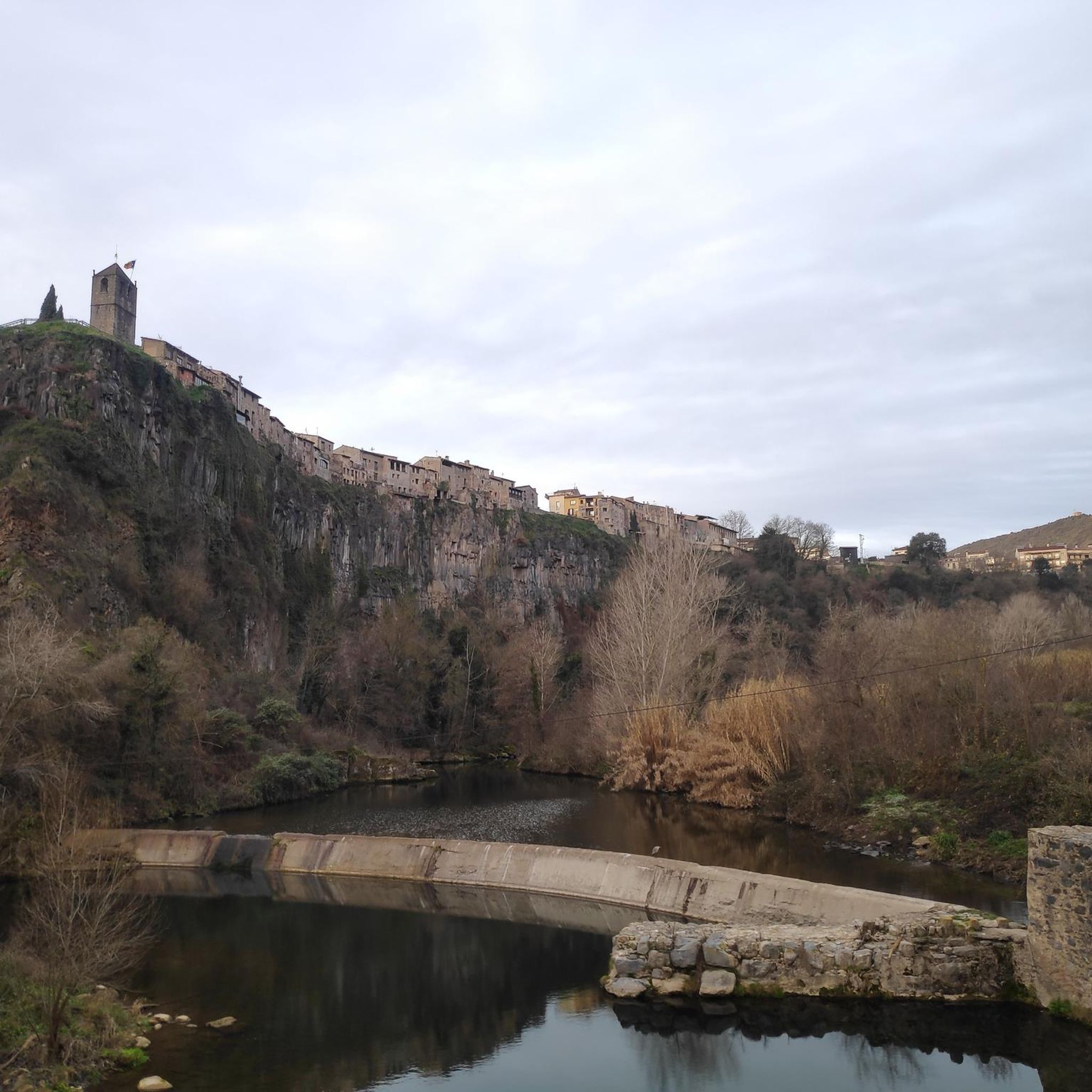
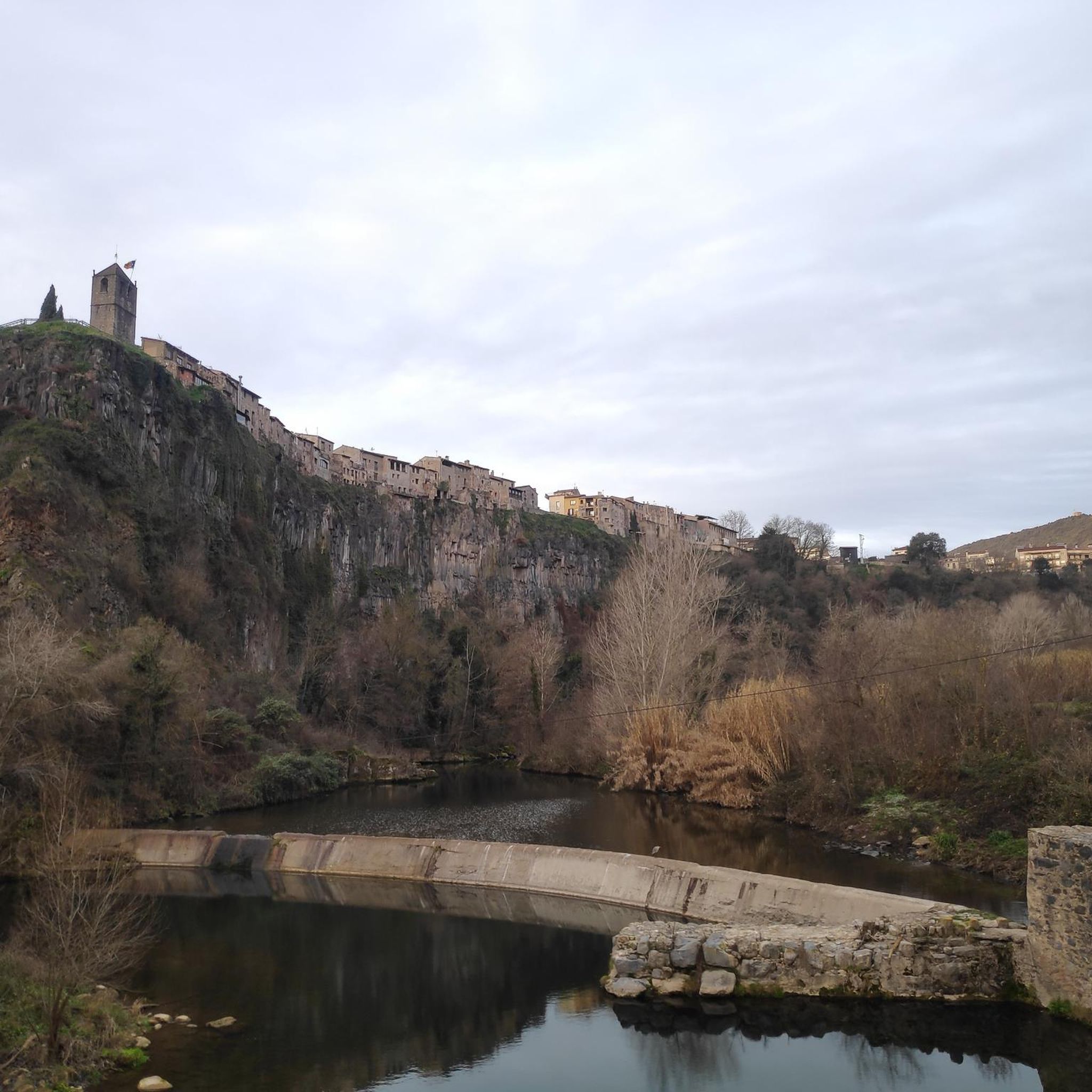
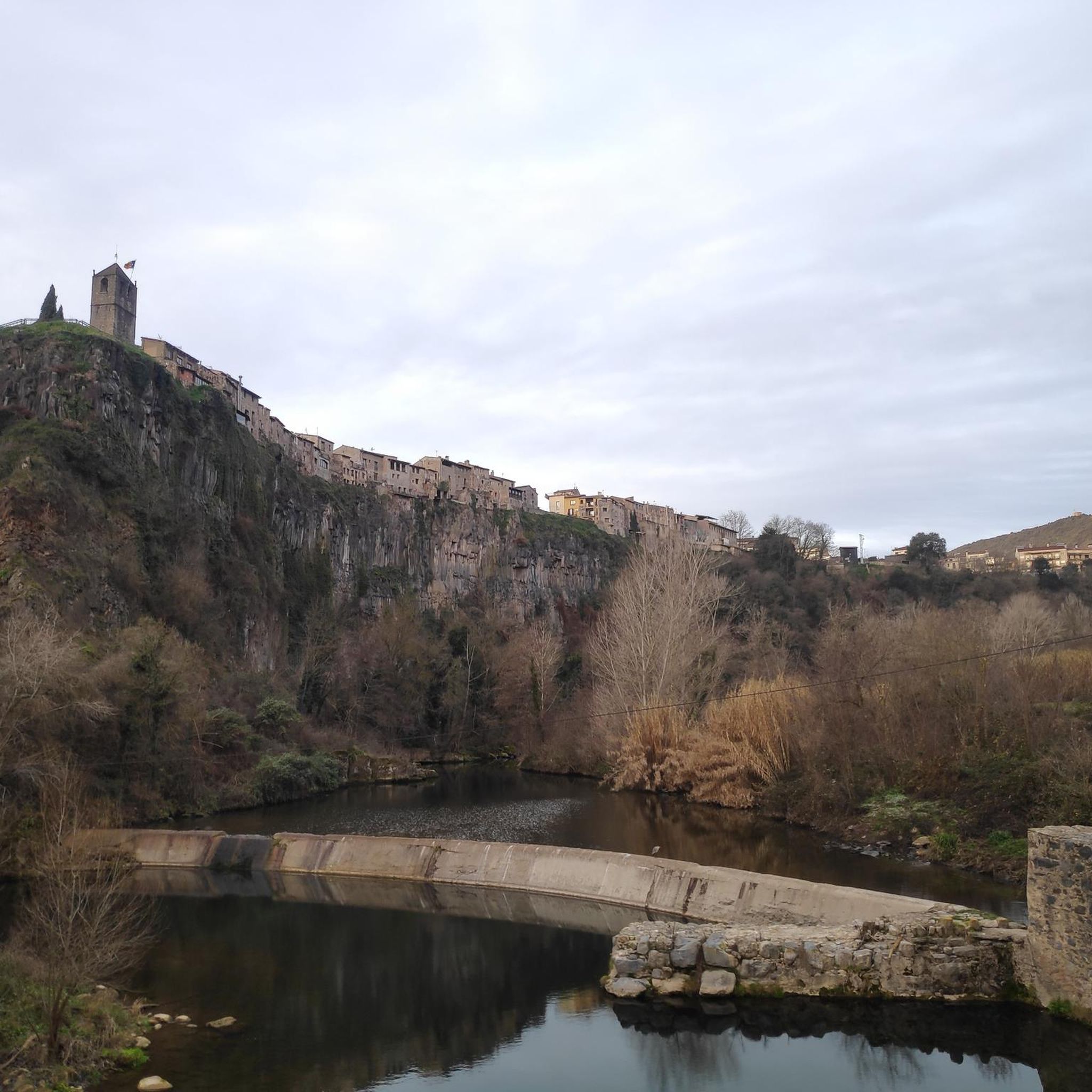
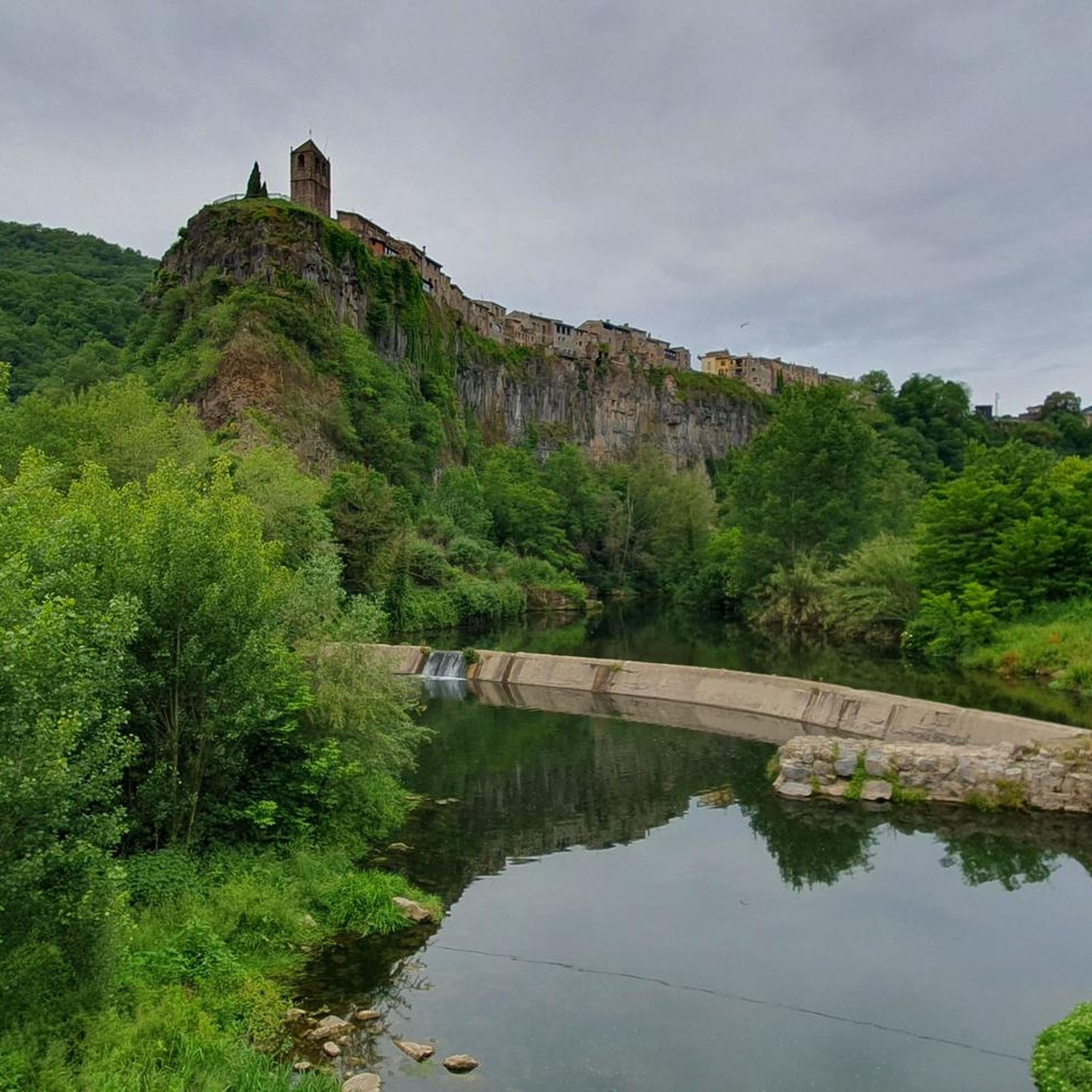
Olot, known as "the city of volcanoes", is the capital of the Garrotxa region, in the province of Girona, in Catalonia. It is known for its natural landscapes and its location within the Garrotxa Volcanic Zone Natural Park. In its territory there are four volcanoes, two of which can be visited: Montsacopa and Montolivet. It also has valuable wetlands and the Croscat volcano in its surroundings. La Fageda d'en Jordá, a vast beech forest, is also a popular tourist attraction for walks, bike rides, horseback or carriage rides. Olot has an outstanding cultural heritage, including modernist-style monuments and also the Renaissance-style cloister of El Carme. The local gastronomy, known as "volcanic cuisine", is another tourist attraction in Olot. Olot potatoes are a famous recipe in the region. In addition, the city is home to the oldest bullring in Catalonia and the second oldest in Spain, built in 1859.
3
0
Frequently Asked Questions
What are the most unique geological features to explore near Sant Jaume de Llierca?
The region is dominated by the La Garrotxa Volcanic Zone Natural Park, which features around 40 volcanic cones and over 20 lava flows. You can explore the internal structure of a volcano at Croscat Volcano Scoria Slopes, where past quarrying has exposed fascinating layers of clay and volcanic materials. Another unique site is the Santa Margarida Volcano, known for its perfectly circular crater that now hosts a Romanesque hermitage.
Are there family-friendly natural monuments suitable for children?
Yes, several natural monuments are great for families. Both the Santa Margarida Volcano and Croscat Volcano Scoria Slopes are considered family-friendly. The path to Santa Margarida's crater is accessible, and the Croscat Volcano offers a 2.9 km path to explore its unique landscape. The town of Olot, with its volcanic landscapes and the nearby Fageda d'en Jordá beech forest, also provides family-friendly activities like walks and carriage rides.
What historical sites can be found among the natural monuments?
The Santa Margarida Volcano features a Romanesque hermitage within its crater, blending natural beauty with historical architecture. Additionally, the Llierca Bridge, a Romanesque structure built between the 13th and 14th centuries, is a significant historical site spanning the Fluvià River.
What outdoor activities can I do near these natural monuments?
The area around Sant Jaume de Llierca offers diverse outdoor activities, especially within the La Garrotxa Volcanic Zone Natural Park. You can enjoy hiking on numerous well-signposted trails. For cycling enthusiasts, there are many routes available, including road cycling, touring, and mountain biking. You can find detailed routes and guides for Road Cycling, General Cycling, and MTB Trails around Sant Jaume de Llierca.
Where can I find water features or rivers in the area?
The Fluvià River flows through Sant Jaume de Llierca, offering well-preserved riparian forests and serving as an important biological corridor. It's an ideal spot for tranquil walks along its banks and nature observation. You can also visit the Puda Spring, known for its sulphurous water and a refreshing, shaded area perfect for picnics.
What do visitors say about the natural monuments in Sant Jaume de Llierca?
Visitors appreciate the unique blend of nature and history, especially at the volcanic sites. Many highlight the experience of descending into the crater of the Santa Margarida Volcano to see the hermitage. The Croscat Volcano Scoria Slopes are praised for offering an unparalleled view into a volcano's internal geology. The Llierca Bridge is often described as 'amazing' and 'worth seeing' for its historical significance and views.
Are there any easy walks or beginner-friendly hikes to natural monuments?
Yes, the path leading to the crater of the Santa Margarida Volcano is generally accessible and suitable for most levels, including families. The 2.9 km path around the Croscat Volcano is also a manageable walk. Many trails within the La Garrotxa Volcanic Zone Natural Park are through wooded areas, providing comfortable walking conditions even on warmer days.
What is the best time of year to visit the natural monuments?
While specific seasonal tips for Sant Jaume de Llierca are not provided, the region's volcanic park offers comfortable walking conditions through wooded areas, suggesting that spring and autumn are ideal for mild temperatures and lush scenery. Summer can also be pleasant, especially in shaded areas like the Puda Spring or within the forests of the volcanic park.
Can I find viewpoints to get panoramic views of the natural landscape?
Yes, the Santa Margarida Volcano offers incredible panoramic views from its rim before descending into the crater. The Llierca Bridge also provides stunning views across the river and surrounding landscape. The broader La Garrotxa Volcanic Zone Natural Park is known for its diverse 'lunar landscape' with many opportunities for scenic vistas.
Is there parking available near the natural monuments?
For the volcanic area, free parking with a fountain is available in Santa Pau, which is a common starting point for exploring the volcanoes. There might be a fee for parking directly at the start of some trails, such as 4€ in 2019 for certain volcano access points. It's advisable to check local signage upon arrival for current parking information and fees, as funds often support conservation efforts.
What is the significance of the Fluvià River in Sant Jaume de Llierca?
The Fluvià River is a vital natural feature, dividing the municipality and boasting well-preserved riparian forests. It's recognized for its ecological and landscape value, serving as an important biological corridor. The river supports diverse wildlife, including otters and Mediterranean barbel, making it a key area for nature observation and enjoying tranquility.
Most popular routes around Sant Jaume De Llierca
Most popular attractions around Sant Jaume De Llierca

Get inspired with the komoot mobile app


Explore more
Extend your search for the best caves by checking out these guides of the top ones around Sant Jaume De Llierca:
