Top 4 Natural Monuments around Cárcheles
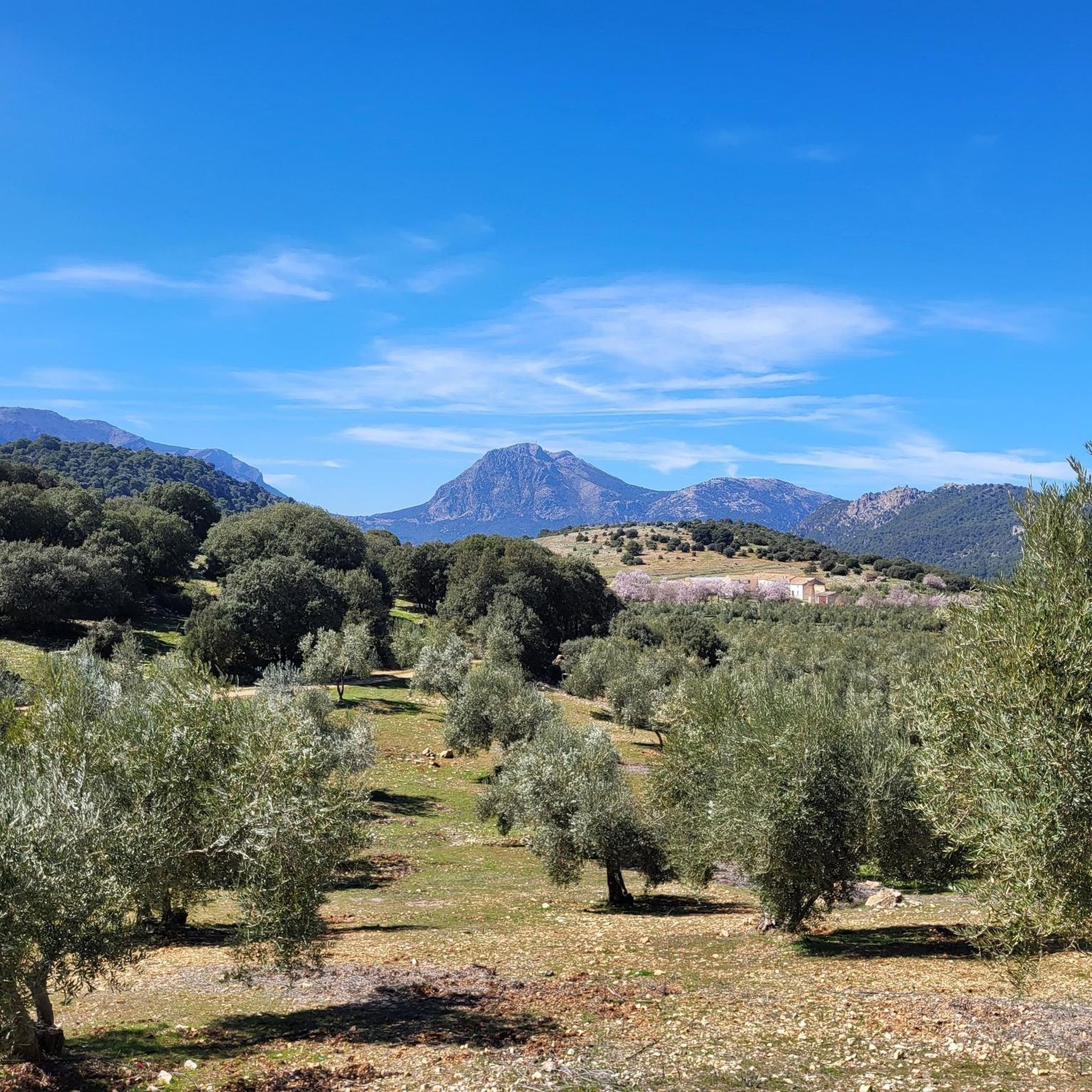
Best natural monuments around Cárcheles offer a range of natural features and geological formations. The region's landscape includes water sources, elevated viewpoints, and unique natural structures. These areas provide opportunities to explore the natural environment of Cárcheles.
Best natural monuments around Cárcheles
- The most popular natural monuments is La Charca de Pegalajar, a lake that is part of an ancient irrigation system. This park is a notable stop, especially during warmer periods.
- Another must-see spot is Mojón Blanco,…
Last updated: July 1, 2026
Fuente Cabra
Highlight • Waterfall
When homes lacked a supply of drinking water, residents …
Translated by Google •
Tip by

La Charca de Pegalajar
Highlight • Lake
Translated by Google •
Tip by

Sign up now to discover places like this
Get recommendations on the best single tracks, peaks, & plenty of other exciting outdoor places.
Sign up for free
Mojón Blanco
Highlight • Summit
Translated by Google •
Tip by

Santa Coloma aquifer spring
Highlight • Natural Monument
The flow, despite the drought, is impressive.
Translated by Google •
Tip by
Black poplar
Highlight • Natural Monument
Translated by Google •
Tip by
Start today with a free account
Your next adventure awaits.
Login or Signup
Tips from the Community

This name is from an ancient spring that has supplied water to the town of Montejícar since the dawn of time. When homes lacked a supply of drinking water, residents came to this point to bring water to their homes since ancient times. Nowadays, homes have drinking water and the municipality has carried out water surveys near the spring so that its visible flow has decreased considerably because the drilling was carried out at a water table lower than the normal spring flow, in addition to the fact that rainfall has recently decreased considerably.
21
0

Birth from water to floods.
3
0
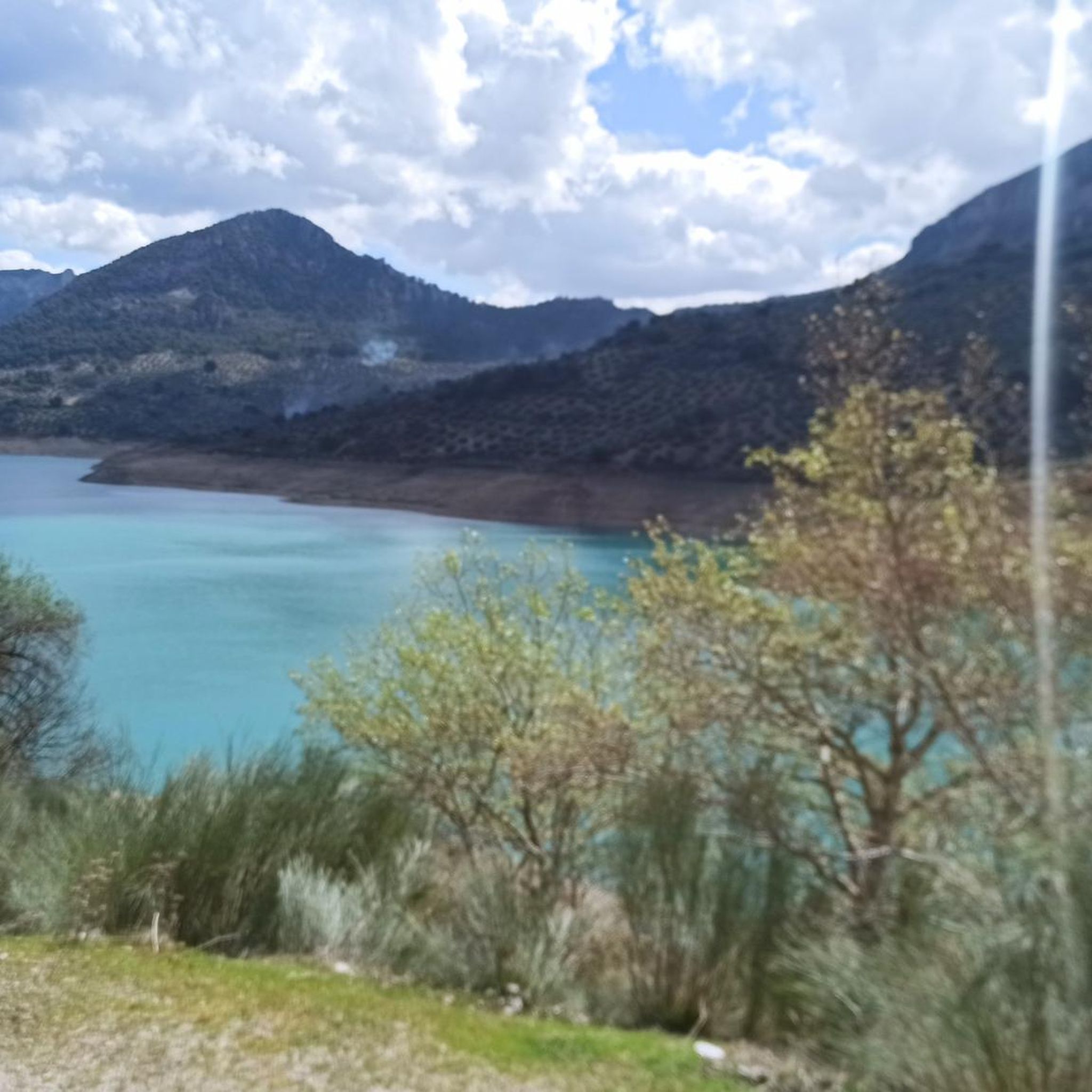
It is a large spring that flows into a large pond that is now prohibited for bathing, where several pairs of ducks live and enjoy the peace and tranquility. The flow, despite the drought, is impressive.
9
0
It is a centenary Elm or Poplar in the same square as the Cambil Town Hall, whose development is surprising due to the enormous dimensions that this specimen of tree has reached.
8
0

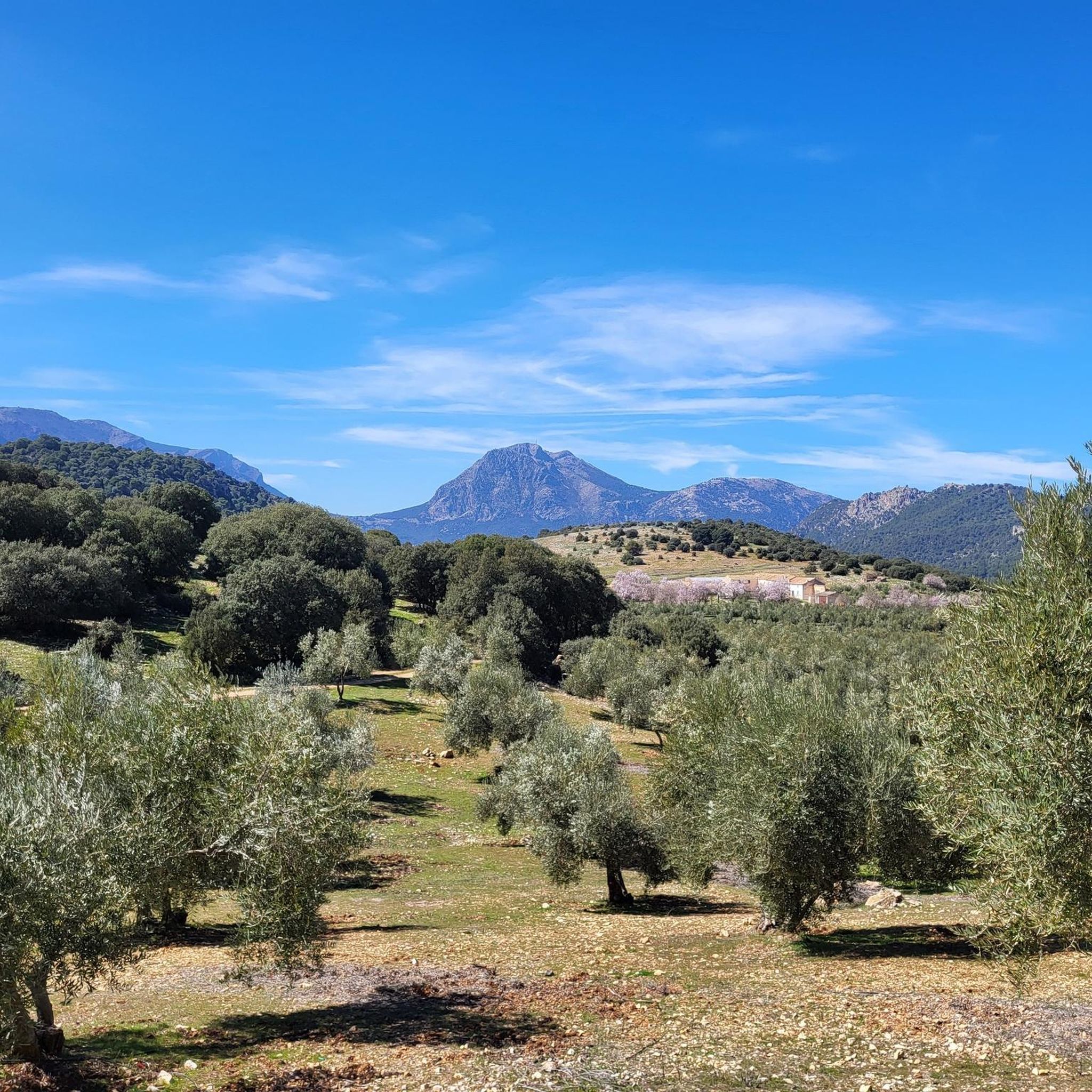
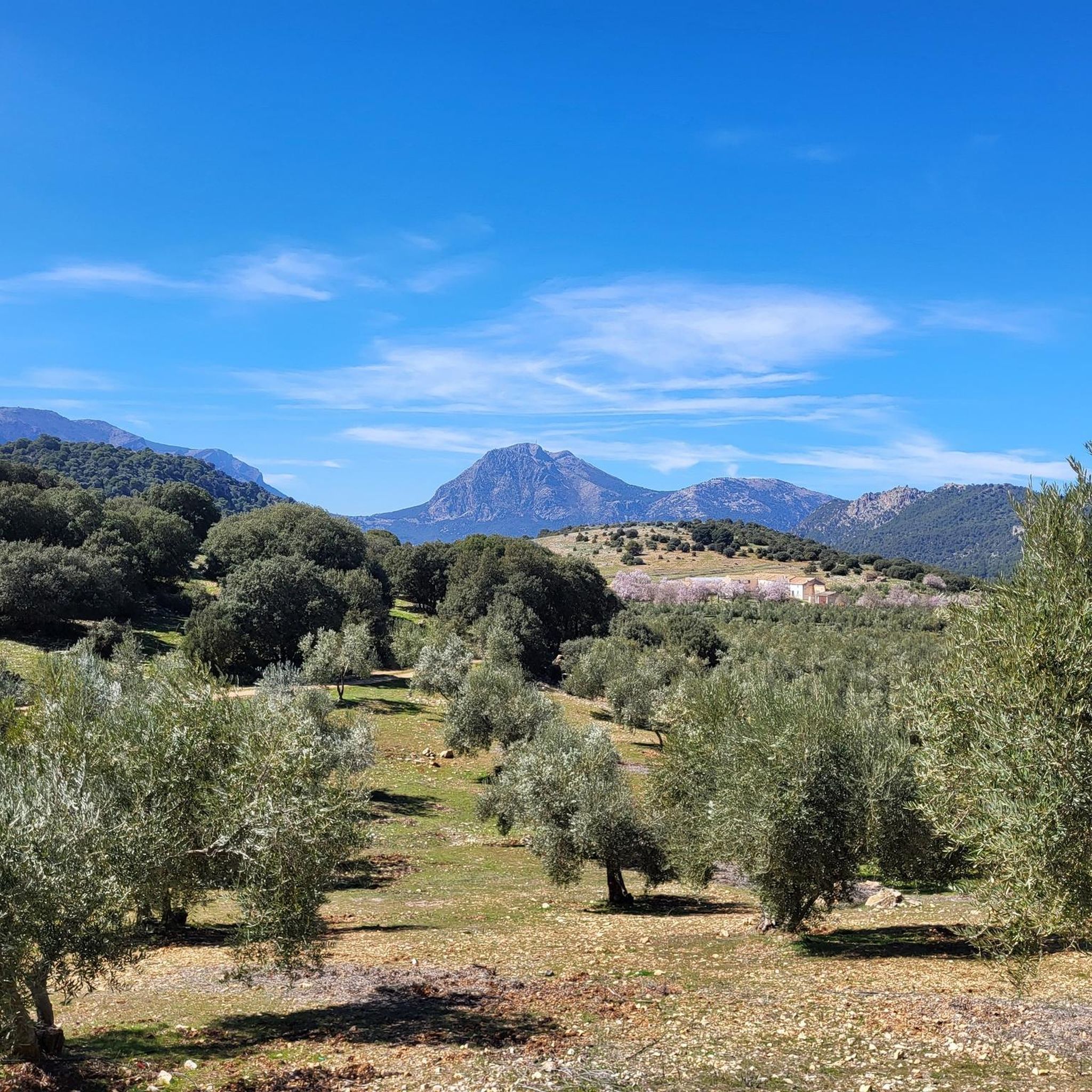
La Charca park is a great stop on a hot summer day. The pond and the irrigation system and the importance of this spring are collected in the Chronicles of Constable Iranzo which, already in the year 1469, mention the Old Fountain and the irrigation of the Huertas de Pegalajar.
1
0

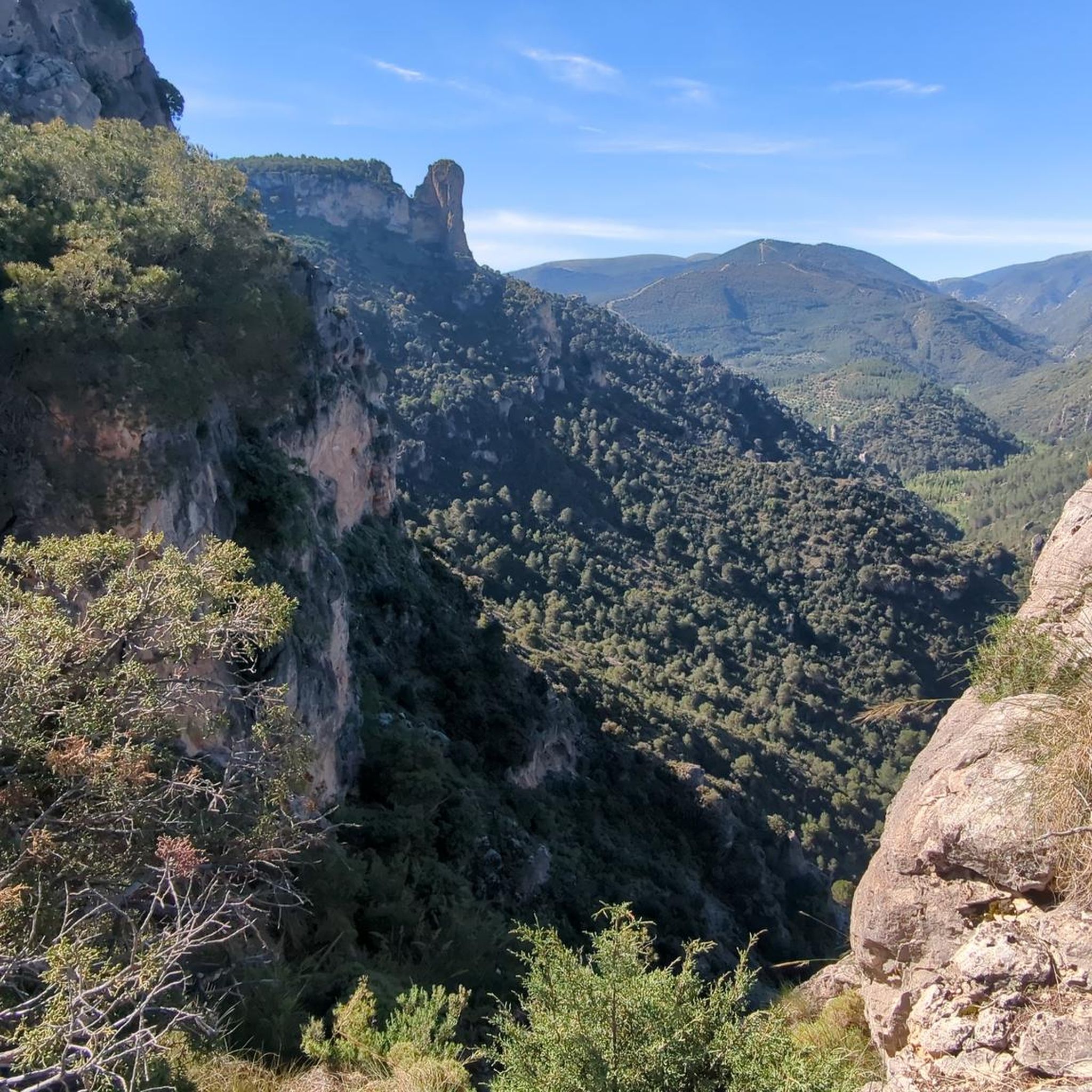
Peak where the municipalities of Pegalajar, Mancha Real and Torres meet, and from which there are spectacular views of the Bercho shade, one of the steepest and wildest areas in the municipality of Pegalajar. We can also enjoy incredible views of the Sierra de Jaén.
2
1

Nice fountain with waterfall. Very rich and fresh water. Although there is a sign of non-potable water to save the maintenance, it has been drunk since time immemorial by all the residents of Montejicar, and its quality is greatly appreciated.
1
0
Frequently Asked Questions
What natural features can I expect to see among the natural monuments around Cárcheles?
The natural monuments around Cárcheles showcase a variety of natural features. You can explore a historic lake at La Charca de Pegalajar, a summit offering panoramic views at Mojón Blanco, and a waterfall with an ancient spring at Fuente Cabra. Additionally, there's a large aquifer spring at Santa Coloma aquifer spring and a centenary tree, the Black poplar.
Are there any natural monuments around Cárcheles that are particularly family-friendly?
Yes, several natural monuments are suitable for families. La Charca de Pegalajar is a great stop, especially during warmer periods, with its pond and irrigation system. Fuente Cabra, a waterfall, is also considered family-friendly. The Santa Coloma aquifer spring, with its large pond and resident ducks, offers a peaceful environment for families.
Can I find natural monuments around Cárcheles that are accessible for wheelchairs?
Yes, the Black poplar, a centenary tree located in the same square as the Cambil Town Hall, is noted as wheelchair accessible. Its impressive size and location make it an accessible natural landmark to visit.
What historical aspects are associated with the natural monuments in Cárcheles?
The natural monuments in Cárcheles often have deep historical roots. Fuente Cabra, for instance, is an ancient spring that historically supplied water to the town of Montejícar. Similarly, La Charca de Pegalajar and its irrigation system are mentioned in the Chronicles of Constable Iranzo from as early as 1469, highlighting its long-standing importance to the region.
What kind of views can I expect from the natural monuments in the Cárcheles region?
For spectacular views, head to Mojón Blanco, a summit where the municipalities of Pegalajar, Mancha Real, and Torres meet. From this peak, you can enjoy incredible vistas of the Bercho shade, one of the steepest and wildest areas in Pegalajar, as well as the broader Sierra de Jaén.
What is the best time of year to visit the natural monuments around Cárcheles?
While specific climate data isn't provided, the tip for La Charca de Pegalajar suggests it's a 'great stop on a hot summer day,' implying that warmer periods are suitable for visiting. Generally, spring and autumn offer milder temperatures, which are ideal for exploring natural sites and engaging in outdoor activities in the region.
Are there options for parking near the natural monuments in Cárcheles?
While specific parking details for each monument are not provided, natural monuments in rural areas like Cárcheles often have informal parking areas or roadside pull-offs nearby. For sites within or close to towns, such as the Black poplar in Cambil, public parking in the town center would likely be available.
What hiking opportunities are available near the natural monuments around Cárcheles?
The Cárcheles region offers various hiking opportunities. You can explore trails like the Cruz de la Chimba Trail or the Miradores del embalse del Quiebrajano. For more detailed information on routes and their difficulty, refer to the Hiking around Cárcheles guide.
Are there other outdoor activities besides hiking near the natural monuments in Cárcheles?
Yes, beyond hiking, Cárcheles is also popular for road cycling and running. You can find numerous routes for these activities, such as the Cambil, Huelma, and Arbuniel Loop for road cycling, or the La Charca de Pegalajar loop for running. For comprehensive guides, check out the Road Cycling Routes around Cárcheles and Running Trails around Cárcheles.
What do visitors enjoy the most about the natural monuments in Cárcheles?
Visitors appreciate the diverse natural beauty and historical significance of the monuments. Highlights like La Charca de Pegalajar are enjoyed for their refreshing atmosphere on hot days and historical irrigation systems. The fresh, rich water at Fuente Cabra is also highly valued, despite signs suggesting otherwise. The spectacular views from Mojón Blanco are frequently praised.
Are dogs allowed on trails or at the natural monuments in Cárcheles?
While specific regulations for each natural monument regarding dogs are not detailed, many natural areas in Spain are dog-friendly, especially on trails, provided dogs are kept on a leash and owners clean up after them. It's always advisable to check local signage upon arrival or contact local tourism offices for the most current rules for specific sites.
Are there any cafes or restaurants near the natural monuments in Cárcheles?
The natural monuments are spread across the Cárcheles region. While some, like the Black poplar in Cambil, are located within or very close to towns, offering access to local cafes and restaurants, others are more remote. It's recommended to plan accordingly and bring refreshments, especially when visiting more secluded sites.
How long should I plan for a visit to the natural monuments around Cárcheles?
The duration of your visit depends on which natural monuments you plan to see and what activities you wish to do. A quick stop at a single monument like Fuente Cabra or Black poplar might take 30 minutes to an hour. For exploring areas like La Charca de Pegalajar or hiking to Mojón Blanco, allow for a few hours or even half a day, especially if combining with nearby trails.
Most popular attractions around Cárcheles

Get inspired with the komoot mobile app


Explore more
Extend your search for the best caves by checking out these guides of the top ones around Cárcheles:
