Top 10 Natural Monuments around Castro Caldelas
Best natural monuments around Castro Caldelas are found within the Ribeira Sacra region, characterized by dramatic river canyons and ancient forests. This area features unique geological formations and a landscape shaped by the Sil and Mao rivers. The terrain includes steep cliffs, terraced vineyards, and extensive woodlands. These natural features define the region's character and offer opportunities for exploration.
Best natural monuments around Castro Caldelas
- The most popular natural monuments is Balcones de Madrid Viewpoint (Os Torgás Viewpoint), a…
Last updated: July 1, 2026
Chestnut Trail in Parada de Sil
Highlight • Trail
Translated by Google •
Tip by

San Vítor de Barxacova Chapel and Necropolis
Highlight • Historical Site
Translated by Google •
Tip by

Sign up now to discover places like this
Get recommendations on the best single tracks, peaks, & plenty of other exciting outdoor places.
Sign up for free
Balcones de Madrid Viewpoint (Os Torgás Viewpoint)
Highlight • Viewpoint
Mountainous hiking area, with viewpoints that offer panoramic views of a river valley.
Translated by Google •
Tip by
Lor River
Highlight • River
Translated by Google •
Tip by
Entrambosríos
Highlight • Natural Monument
Translated by Google •
Tip by
Sign up for free to discover even more natural monuments around Castro Caldelas.
Sign up for free
Already have an account?
Start today with a free account
Your next adventure awaits.
Login or Signup
Tips from the Community

It rises in the Serra do Courel mountain range and flows into the Sil River, passing through chestnut and oak forests that look like something out of a fairy tale. Its name is said to come from the laurel trees that grew on its banks. It's cool, clean, and offers perfect spots to stop, take a dip, or simply watch the water flow by.
0
0

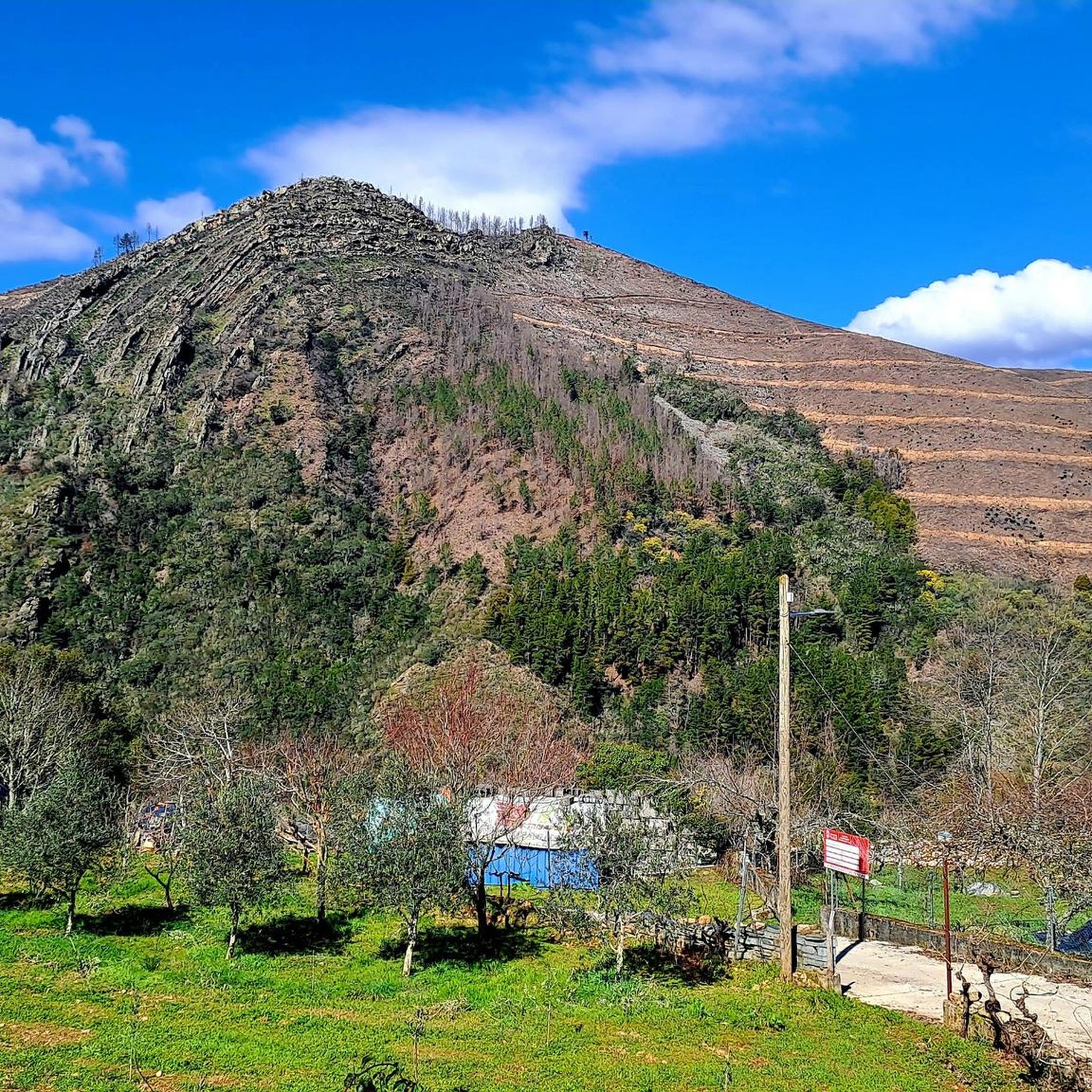
The village of Entrambosríos is hidden in a forest of ancient chestnut trees at the confluence of the Batán and Fiós rivers, two torrents of water that provided enough energy to move the machinery of two mills built on the banks of the river, one in Entrambosríos and the other in Rabacallos, near the mouth of the river in the Sil. The buildings and part of the irrigation ditches, the bridge and the surroundings of the mills have been restored to preserve the memory of the families who for generations dedicated themselves to the work of milling. A panel located next to the old mill remembers the last family that kept the mill running until the end of the last century. From Roman times, the basis of peasant food and the original raw material for milling was the chestnut. The first agricultural revolution came from the 12th century, when the monks of the Ribeira Sacra introduced the cultivation of millet and rye. And from the 17th century onwards, wheat and corn arrived, the flours that have brought the Galician baking industry and “Galician bread” to the forefront of popular gastronomy. The Entrambosríos chestnut tree is an ancient example of chestnut included in the Catalogue of Singular Trees of Galicia, and boasts of being one of the oldest and largest trees in Galicia. The branches continue to produce fruit and in the meantime they tell an endless story of perseverance, love for the land and friendship with human beings.
0
0
In the surroundings of Parada de Sil there are several paths marked by old “carriozas” or traditional paths that run through beautiful “castiñeiros” (chestnut) forests, with centuries-old specimens, buildings and ethnographic remains linked to chestnut cultivation. The “souto” of chestnut trees is a living symbol of the rural world of the Galician interior. The itinerary is a thematic walk in the chestnut culture, an open-air museum among centuries-old specimens that serves to protect resources and maintain the cultural and environmental value of the rural environment.
1
0
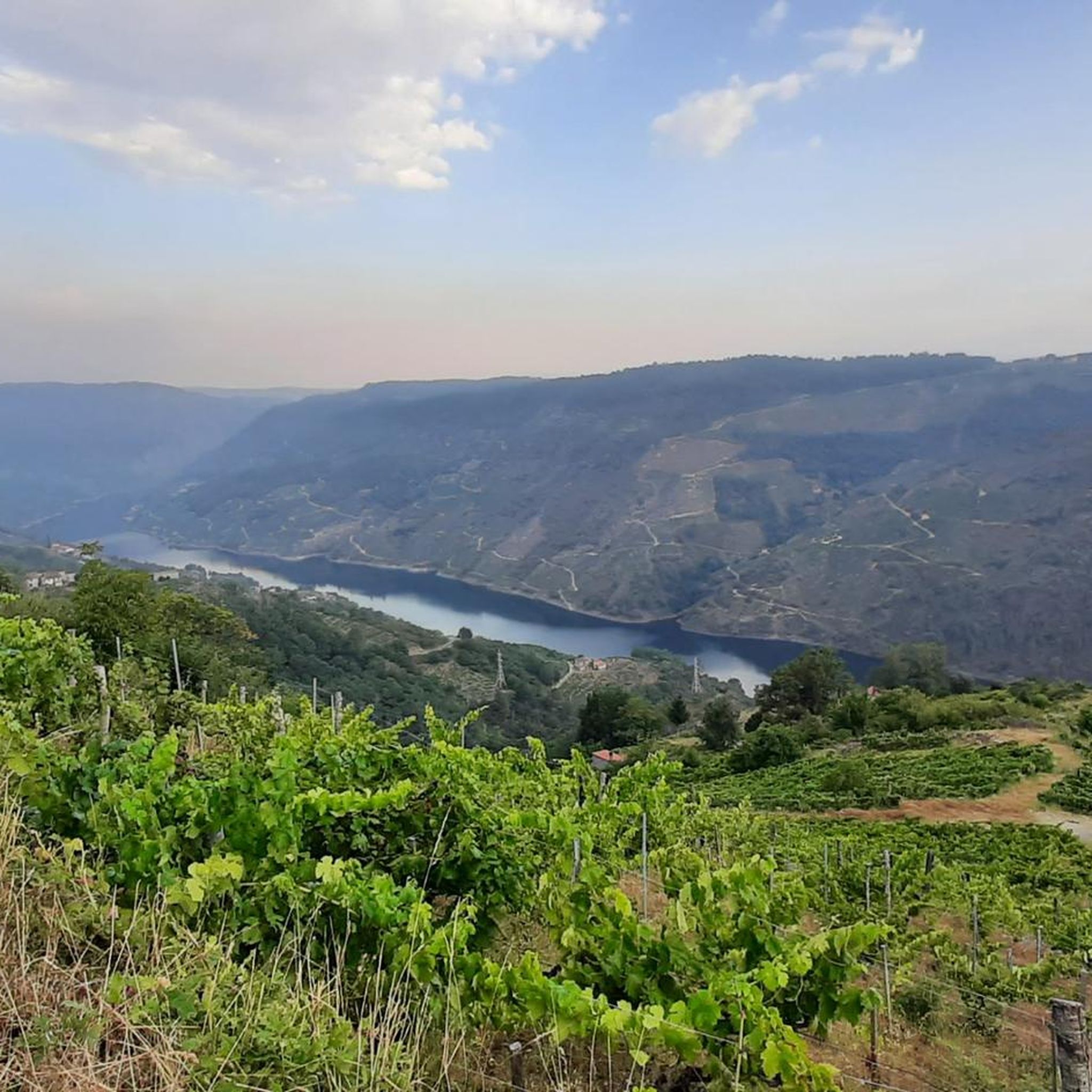
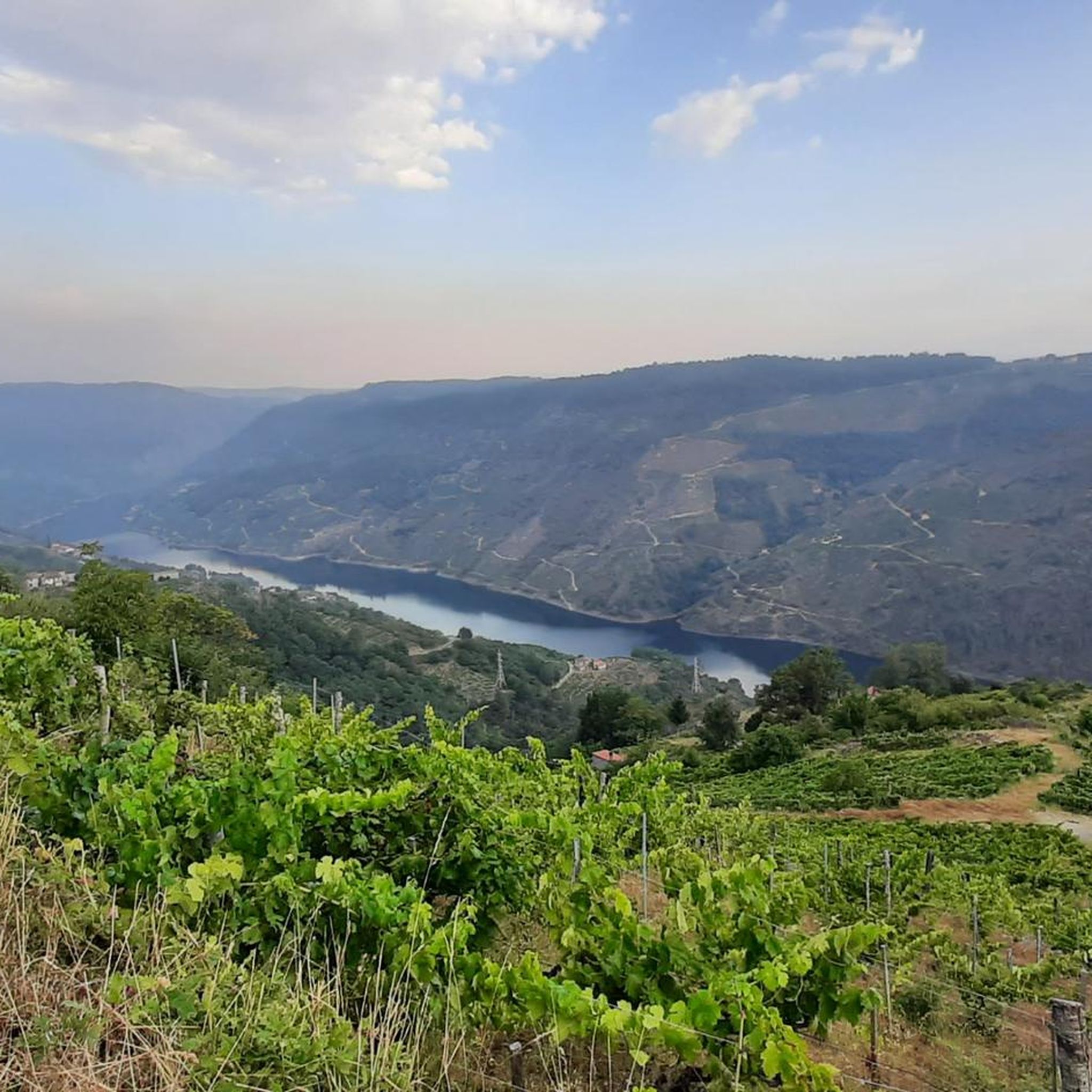
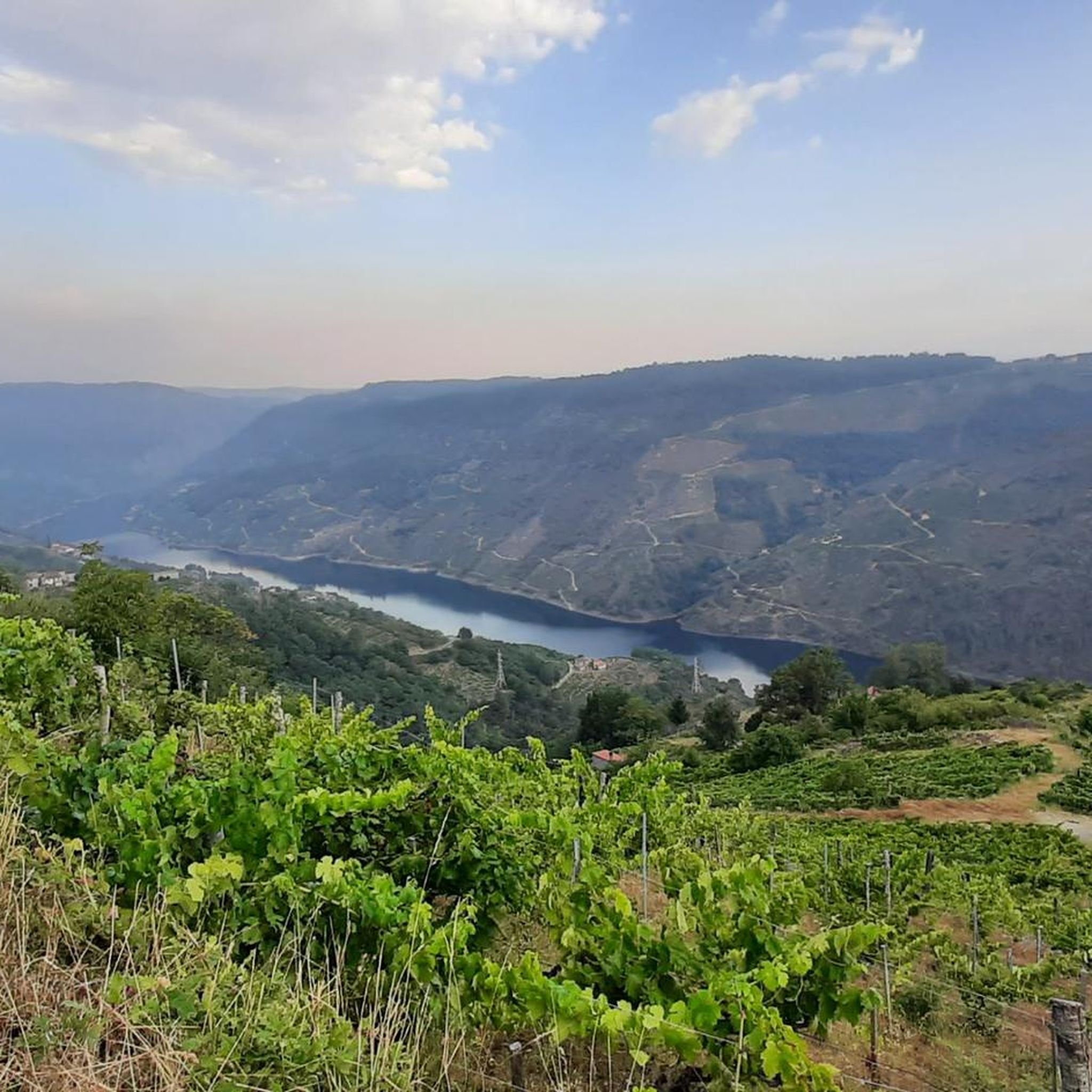
The Balconies of Madrid have a history that speaks of emigration, dreams and human adventures in unknown lands. The original name of Os Torgás was changed when the people of the Ourense villages of the Ribeira Sacra hung themselves from the cliffs of the River Sil to say goodbye to their loved ones who were leaving for Madrid and other lands in the south with the dream of a new life. The viewing points form small steps hanging over the river gorge and cause a special fascination. The breeze in the air carries the aromas of vineyards hanging on steep rocky terraces and melodies of elves emerging from enchanted forests, descendants of the primitive mythological beings who resisted the sacralisation of their plant kingdom by the monks and long before by the Roman legions. The walls of the Sil Canyon are a monumental sculpture five hundred metres high made of fierce, bare granite, a fortress of living rock up to the edge of the viewing points that filter the wind, the lights and the eternal songs of all the people who have passed through this fantastic natural balcony to say goodbye or find someone.
1
1

If you decide to explore this route, you will be surrounded by nature, history and stunning views along the River Lor. Enjoy your hike! 🏞️🚶♂️🥾🚵🌞
17
2

The chapel and necropolis of San Vítor de Barjacoba (in Galician, Capela e necropole de San Vítor de Barxacova) is an archaeological complex located in the town hall of Parada de Sil, formed by the remains of a medieval chapel and a necropolis with excavated anthropomorphic tombs in stone. Many pieces of kitchen pottery were found, a conrad of Sancho IV of León, a real de vellón of Enrique II of Castile, and a ceiti of Alfonso V of Portugal. In one of the chapel's tombs a fragment of a human tibia appeared.
1
0
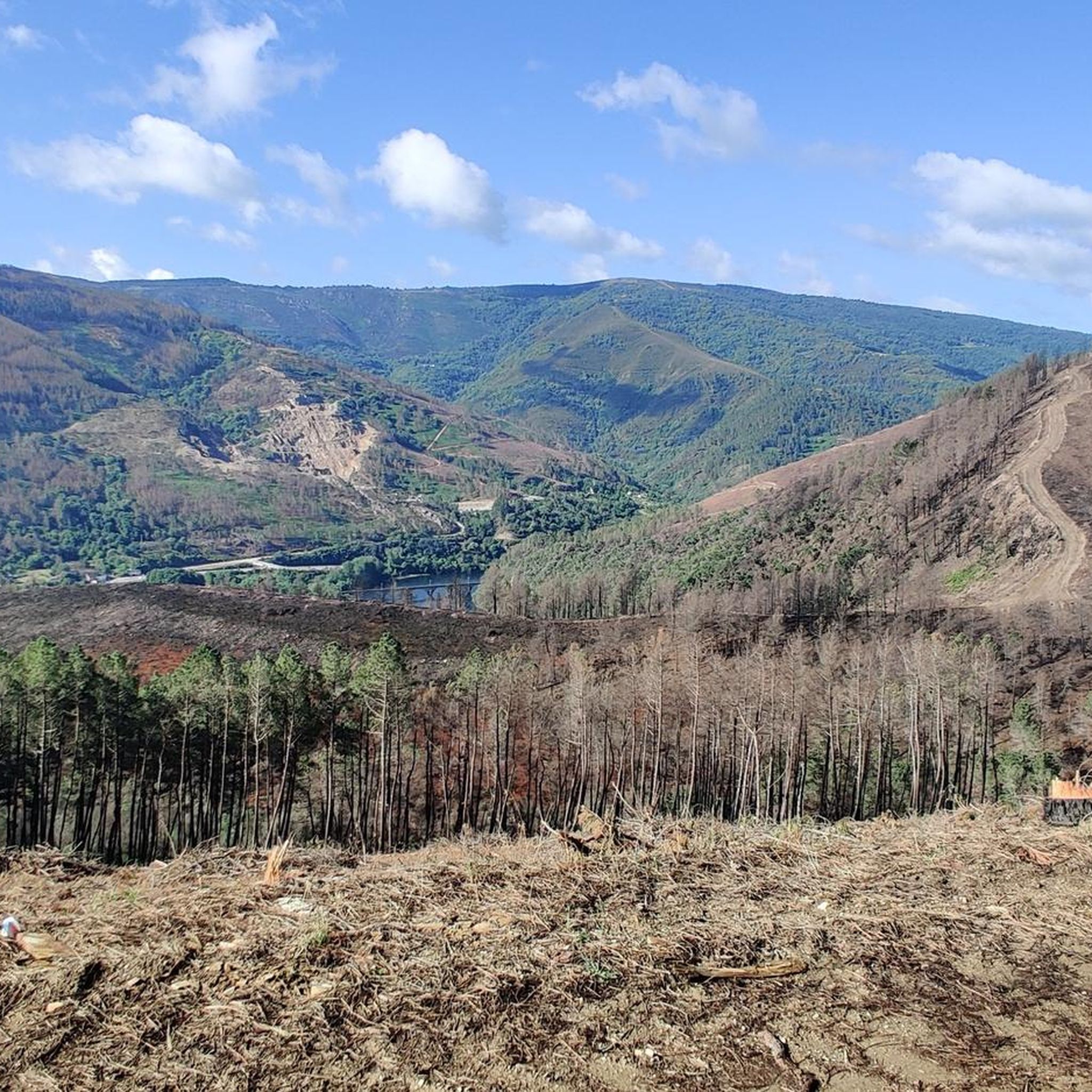
The Torgás recreational area is in an area where a bush called heather abounds, it is also close to leafy groves of century-old chestnut trees. Mountainous hiking area, with viewpoints that offer panoramic views of a river valley.
5
1
This necropolis is an exceptional testimony of hermitage and one of the most important in the northwest of the peninsula, for the early medieval period, X-XI centuries. The research work revealed the existence of a chapel and more than 40 tombs excavated in the rock, divided into three different sectors.
4
1
Frequently Asked Questions
What unique natural features can I explore around Castro Caldelas?
The region is renowned for its dramatic river canyons, particularly the Sil and Mao River Canyons, which feature sheer cliffs and terraced vineyards. You can also find ancient forests, such as the magical chestnut groves, and numerous viewpoints offering panoramic vistas of these landscapes. The area's geology is shaped by powerful natural erosion, creating a unique and impressive environment.
Are there any family-friendly natural monuments to visit in Castro Caldelas?
Yes, the Chestnut Trail in Parada de Sil is categorized as family-friendly. It offers an easy walk through beautiful, centuries-old chestnut forests, providing an open-air museum experience of chestnut culture. The Mao River Boardwalk also offers accessible sections suitable for families to enjoy the canyon views.
What are some of the most impressive viewpoints to experience the natural beauty of the region?
The Balcones de Madrid Viewpoint (Os Torgás Viewpoint) is highly regarded for its spectacular panoramic views of the Sil Canyon and its terraced vineyards. Other notable viewpoints include As Penas de Matacás, the Castro Caldelas Viewpoint (from the castle), and As Fontiñas Viewpoint, which offers an excellent window into the well-preserved ecosystems of the Sil Canyon.
What kind of hiking trails are available near the natural monuments?
There are various hiking opportunities. For instance, you can explore the Mao River Canyon Route, an easy hike, or challenge yourself with the difficult Matacás Viewpoint Trail, which is about 10 miles long. The Mao River Boardwalk also offers routes of varying lengths and difficulties. You can find more details on these and other trails in the Hiking around Castro Caldelas guide.
Are there any natural monuments with historical significance?
Yes, the San Vítor de Barxacova Chapel and Necropolis is an archaeological complex integrated into the natural landscape. This site is an exceptional testimony of hermitage from the early medieval period, featuring more than 40 tombs excavated directly into the rock.
What is the best time of year to visit the natural monuments around Castro Caldelas?
The Ribeira Sacra region, where Castro Caldelas is located, enjoys a privileged Spanish climate. Spring and autumn are generally ideal, offering pleasant temperatures for hiking and exploring the canyons and forests, and showcasing the vibrant colors of nature, from spring blossoms to autumn foliage in the chestnut groves.
Can I go running or mountain biking near these natural attractions?
Absolutely. The area offers several routes suitable for running and mountain biking. For runners, options include the Mao River Boardwalk loop or routes around Castro Caldelas Castle. Mountain bikers can find challenging trails like the Cividade Viewpoint loop or longer routes along the Sil River. Explore more options in the Running Trails around Castro Caldelas and MTB Trails around Castro Caldelas guides.
What makes the Mao River Boardwalk a special natural attraction?
The Mao River Boardwalk provides a unique and intimate way to experience the Mao River Canyon. Its wooden paths wind along the river, offering close-up views of the water and surrounding nature. It's a great way to immerse yourself in the gorge's beauty, with various routes available for different fitness levels.
Are there any rivers or water features that are considered natural monuments?
The Sil and Mao Rivers themselves, with their dramatic canyons, are central to the region's natural monument status. Additionally, the Lor River, which rises in the Serra do Courel mountain range and flows into the Sil, is notable for its pristine waters, chestnut and oak forests along its banks, and opportunities for enjoying nature.
What do visitors particularly enjoy about the natural monuments in this area?
Visitors frequently praise the breathtaking panoramic views from the numerous viewpoints, the unique geological formations of the river canyons, and the tranquility of the ancient forests. The blend of natural beauty with historical elements, such as the San Vítor de Barxacova Necropolis, also adds to the appeal, offering a rich and diverse outdoor experience.
Are there any specific geological formations worth noting?
The most prominent geological features are the deep gorges carved by the Sil and Mao rivers, characterized by sheer cliffs reaching up to 500 meters. These formations are a testament to powerful natural erosion over millennia, creating a landscape often compared to fjords, but with the added element of terraced vineyards clinging to the steep slopes.
Is it possible to find ancient forests or significant tree species?
Yes, the area around Castro Caldelas is home to 'magical forests' filled with centuries-old chestnut and oak trees. The Chestnut Trail in Parada de Sil, for example, allows visitors to walk among these ancient specimens, which are significant for both their natural beauty and their role in the region's heritage.
Most popular routes around Castro Caldelas
Most popular attractions around Castro Caldelas

Get inspired with the komoot mobile app


Explore more
Extend your search for the best caves by checking out these guides of the top ones around Castro Caldelas:
