Top 20 Natural Monuments around Moià
Best natural monuments around Moià include a diverse range of geological formations and historical sites within the Moianès region of Catalonia, Spain. The area is characterized by its unique karst landscape, featuring significant cave systems and dramatic viewpoints. Moià offers opportunities to explore ancient human history and appreciate the natural beauty of its surroundings. The region provides a blend of natural beauty and cultural heritage for visitors to discover.
Best natural monuments around Moià
- The most popular natural monuments is…
Last updated: July 1, 2026
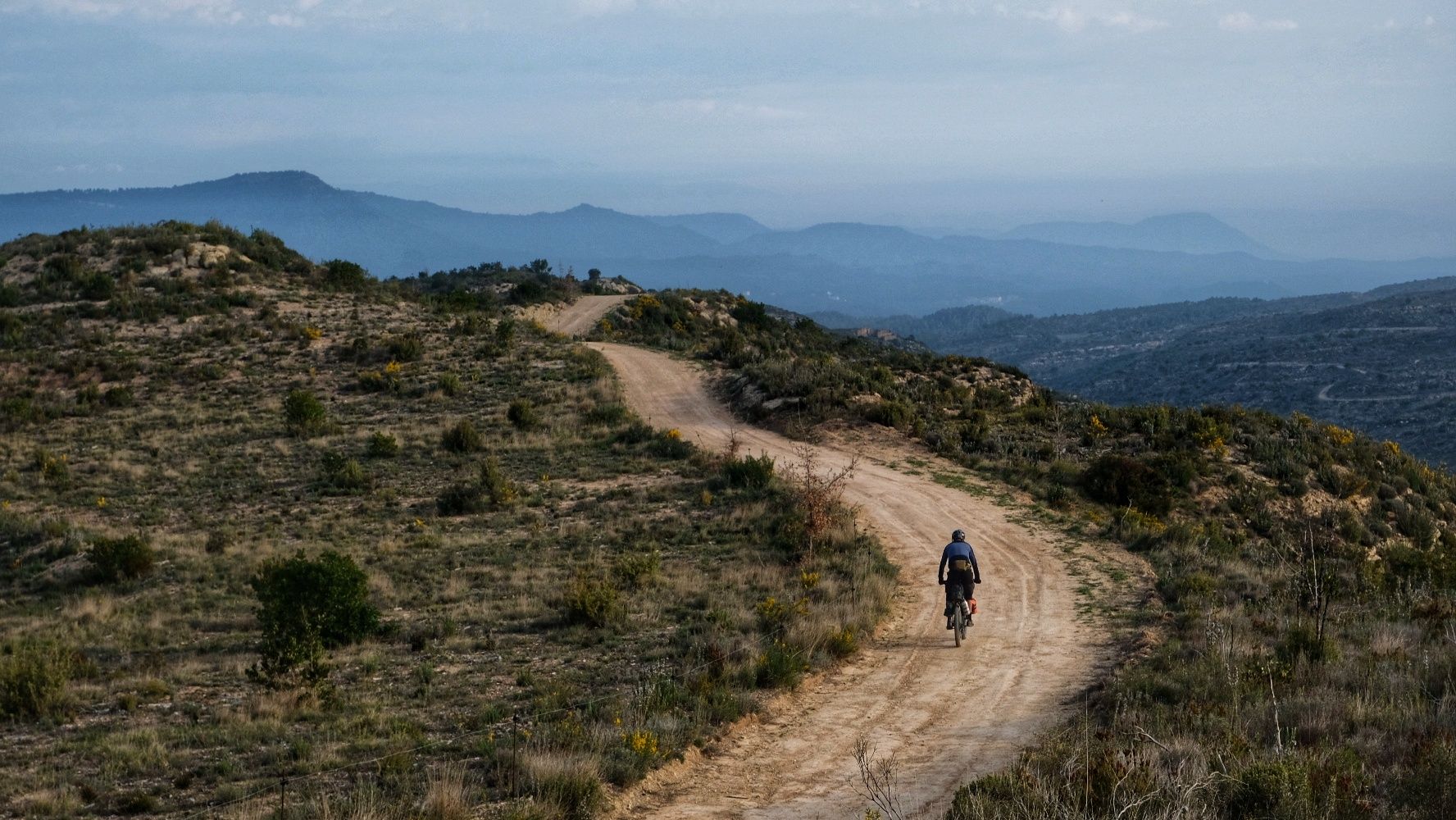
Sant Miquel del Fai Road
Highlight • Cycleway
Tip by

Sant Miquel del Fai Monastery and Waterfall
Highlight • Historical Site
Translated by Google •
Tip by

Sign up now to discover places like this
Get recommendations on the best single tracks, peaks, & plenty of other exciting outdoor places.
Sign up for free
Santa Coloma Sasserra
Highlight • Settlement
Translated by Google •
Tip by
Talamanca Fountain and Boxelder (Acer negundo)
Highlight • Natural Monument
Translated by Google •
Tip by

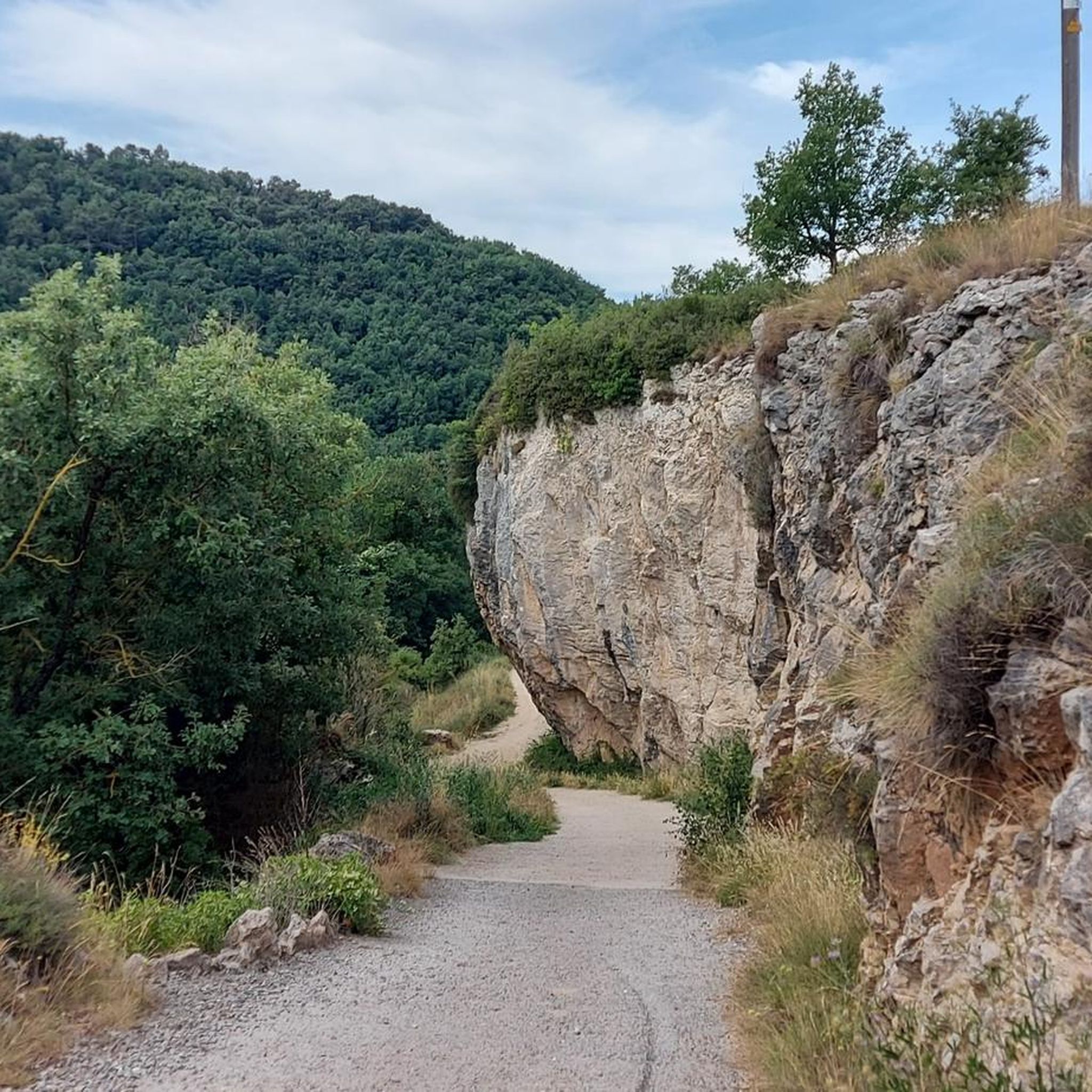
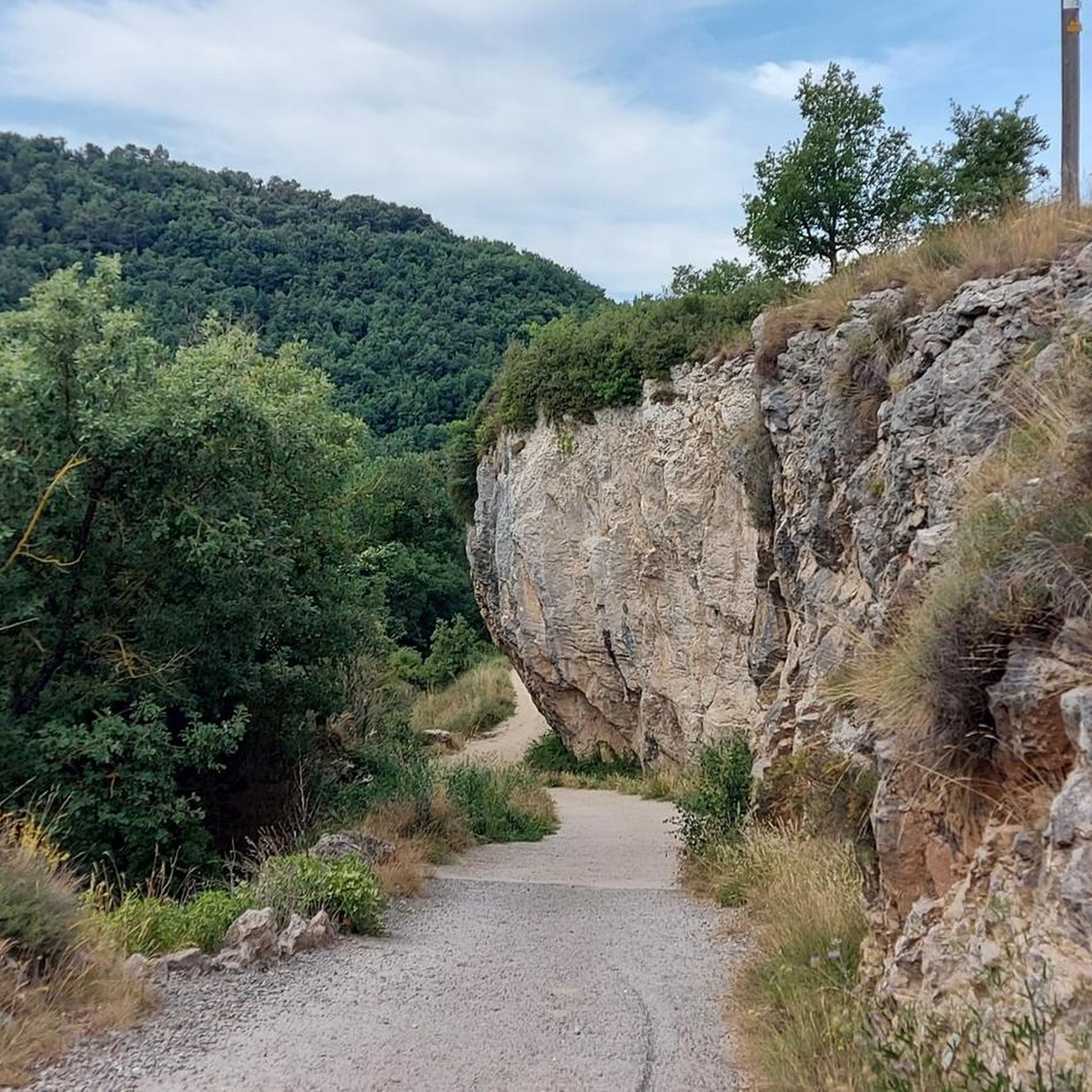
Huge boulder
Highlight • Natural Monument
Translated by Google •
Tip by

Sign up for free to discover even more natural monuments around Moià.
Sign up for free
Already have an account?
Start today with a free account
Your next adventure awaits.
Login or Signup
Other adventures around Moià

Tips from the Community

A real discovery! Superb views, decent asphalt and virtually no cars.
0
0


The roads are very good, there are some puddles.
0
0

Fountain built in 1683, which was one of the main meeting points of the village, where its inhabitants went to wash their clothes and fetch water until the 70s. The boys of the village came to this fountain, morning and afternoon , to look for water to see from the houses, and it was at this moment that battles were often fought between the boys from the upper part of town and those from the Raval. Where the fountain is now, there was the cattle trough, and next to it were the washrooms. We highlight the presence of a specimen of maple, a tree planted during a tree festival at the beginning of the 20th century. Next to the source, coming out of a crack we will observe the red falzia, a small fern and also some liverwort plants.
0
0

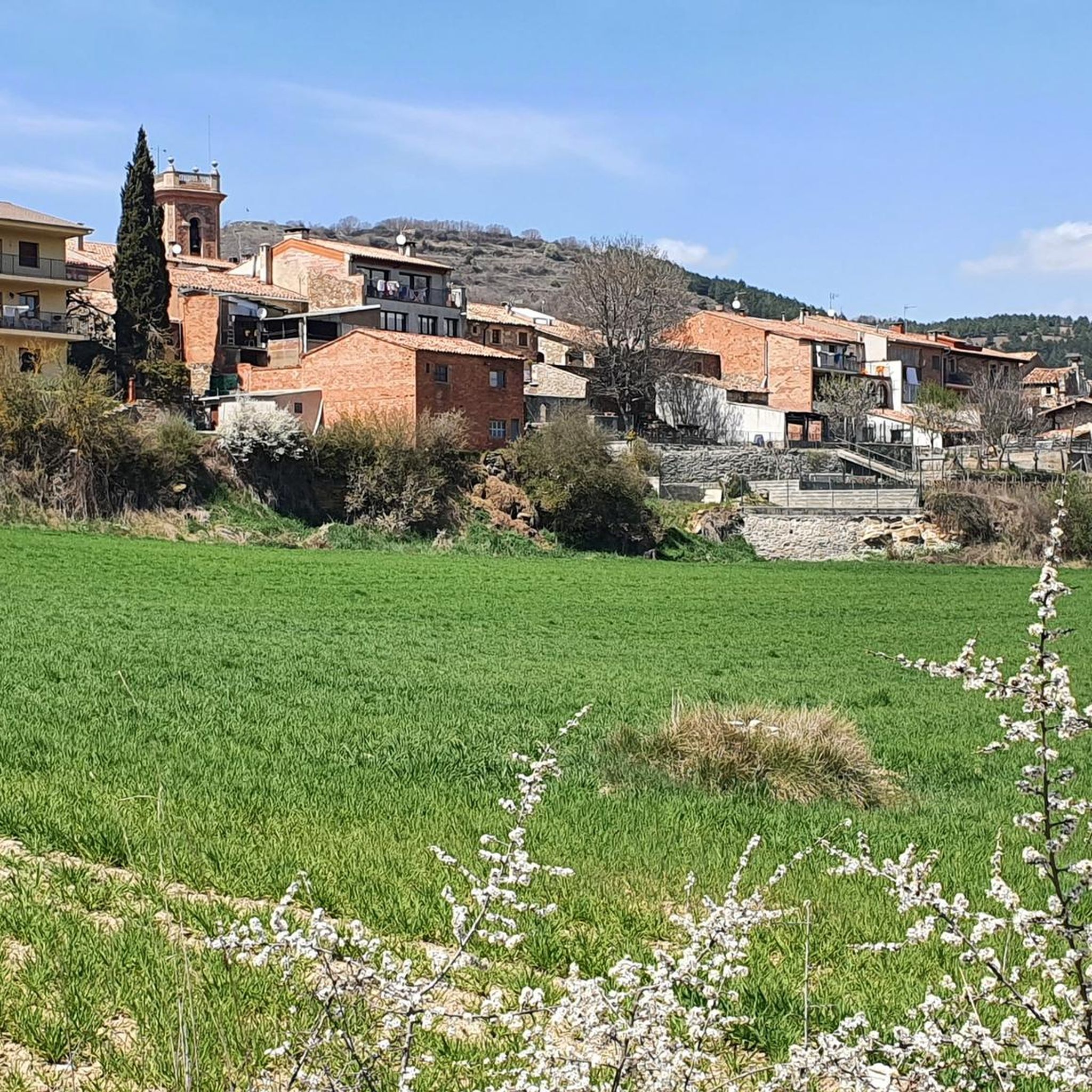
I recommend a stop at this place, it has everything you need to regain strength and enjoy the surroundings. “A legend has it that Saint Anthony, in the 13th century, traveled riding on a white horse with swan wings from the Italian city of Padua to Coimbra, in Portugal,” he begins. “And the only rest on the entire journey was taken next to the large oak tree that presides over the small rural center of Santa Coloma Sasserra, in the municipality of Castellcir (Moianès),” he details. “The saint did not choose a bad place, without a doubt, since the tree, the nearby Romanesque hermitage and the farmhouse of the same name, still in operation, constitute an idyllic spot and are worth a visit”
5
0

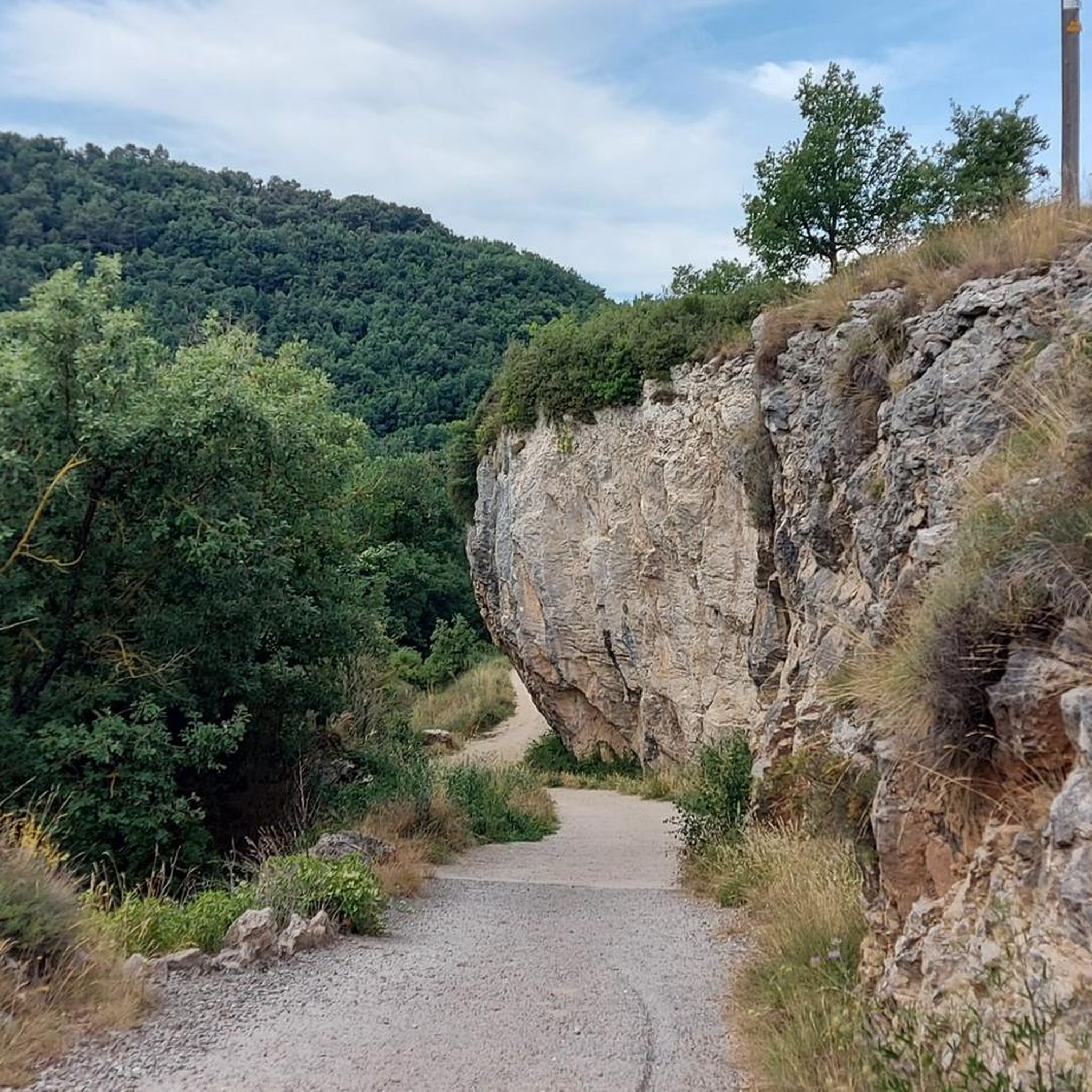
On the road that connects Sant Feliu de Codines and Sant Llorenç Savall, which is highly recommended, you find this rock eroded and outlined by rain and air. It is very pretty and stands out because it is next to the road. The place to stop is not the best because it is in the middle of a curve and the road is narrow.
0
0
Especially if it has rained, it is spectacular
0
0

On the road from Gallifa to Sant Feliu de Codines there is a series of large exposed rocks, at the foot of the Roc de Sant Sadurní or la Mola, of which the Roc de Maningles stands out for its size.
0
0
Frequently Asked Questions
What unique geological features can I explore around Moià?
Moià and the surrounding Moianès region are known for their unique karst landscape. You can explore significant cave systems like the prehistoric Coves del Toll, which feature impressive limestone formations and ancient fossils. Another notable site is the Huge boulder, also known as Roc de Maningles, which stands out among a series of exposed rocks.
Are there any historical or archaeological sites among the natural monuments in Moià?
Yes, several natural monuments in the area also hold significant historical and archaeological value. The Coves del Toll are one of Europe's most important prehistoric cave complexes, offering insights into human and animal life from approximately 100,000 years ago. Additionally, the Sant Miquel del Fai Monastery and Waterfall combines a historical monastery built on a cliff with natural features like a waterfall and stalactite caves.
What are the best viewpoints to experience the natural beauty of Moià?
For panoramic views, the La Creu Viewpoint offers magnificent vistas of Moià and the Moianès region, including landmarks like Montseny and Montserrat. The Sant Miquel del Fai Road also provides fantastic views along tall cliffs, leading to the monastery and potentially an active waterfall depending on the season. The Huge boulder is another natural monument that offers a unique perspective of the surrounding landscape.
Are there family-friendly natural monuments around Moià?
Absolutely. The Coves del Toll are highly recommended for families with children aged 8 and older, offering guided tours, a reconstructed prehistoric village, and an archaeology museum. The Santa Coloma Sasserra settlement, with its historic church and rural charm, is also considered family-friendly. The Talamanca Fountain and Boxelder, a historical fountain surrounded by nature, provides a pleasant and accessible spot for families.
What outdoor activities can I do near these natural monuments?
The region around Moià offers a variety of outdoor activities. You can find numerous hiking trails, such as the 'Riera de Castellnou, Salt de la Tosca, Moià – Circular Route' or the 'Coves del Toll – Collsuspina loop'. For cycling enthusiasts, there are road cycling routes like the 'Moià Old Town – Avinyó loop' and gravel biking options such as the 'Moià Old Town – Hermitage of Sant Miquel d'Oló loop'. You can explore more routes in the Hiking around Moià, Road Cycling Routes around Moià, and Gravel biking around Moià guides.
What is the best time to visit the natural monuments in Moià?
The natural monuments around Moià can be enjoyed throughout the year, but spring and autumn generally offer the most pleasant weather for outdoor exploration and hiking. During these seasons, temperatures are mild, and the natural landscapes are particularly vibrant. Summer can be warm, making early mornings or late afternoons ideal for visits. Winter offers a different charm, especially if you're interested in seeing the waterfalls at their fullest after rainfall.
Are there guided tours available for the natural monuments?
Yes, guided tours are available for some of the key natural monuments. The Coves del Toll offer guided tours lasting between 30 and 45 minutes, providing detailed explanations of the archaeological findings and the cave's history. It's advisable to check their official website for current schedules and booking information.
What should I wear when visiting the natural monuments, especially for hiking?
When visiting the natural monuments and engaging in hiking around Moià, it's recommended to wear comfortable, layered clothing suitable for the season. Sturdy hiking shoes with good grip are essential, especially for trails that might be uneven or slippery, such as those near waterfalls or within caves. Bringing water, sun protection (hat, sunscreen), and a light jacket is always a good idea, as weather conditions can change.
Can I find places to eat or stay near the natural monuments in Moià?
Moià town center and the surrounding villages offer various options for cafes, restaurants, and accommodation. While specific establishments might not be directly adjacent to every natural monument, they are generally within a short driving distance. You can find local eateries serving traditional Catalan cuisine and a range of rural tourism amenities, including guesthouses and hotels, to suit different preferences.
What makes the Coves del Toll so significant?
The Coves del Toll are significant because they are one of Europe's most important archaeological and paleontological sites. They contain rich Quaternary fauna fossils, including remains of hippos, rhinoceroses, and cave bears, alongside evidence of human occupation from the Middle Palaeolithic to the Bronze Age. The complex also features a museum and a reconstructed prehistoric village, making it a comprehensive educational experience.
Is there public transport available to reach the natural monuments?
While Moià is accessible by public transport, reaching some of the more remote natural monuments might require a car or a combination of public transport and a short taxi ride or walk. For specific sites like the Coves del Toll, it's best to check local bus schedules or consider driving, as this offers more flexibility for exploring the region's scattered attractions.
Are dogs allowed on trails and at natural monuments in the Moianès region?
Rules regarding dogs can vary by specific site. While many outdoor trails in the Moianès region are dog-friendly, it's crucial to keep dogs on a leash and clean up after them. For protected areas or specific attractions like cave complexes or historical sites, there might be restrictions or designated areas where dogs are not permitted. Always check local signage or contact the specific site beforehand to confirm their pet policy.
Most popular attractions around Moià

Get inspired with the komoot mobile app


Explore more
Extend your search for the best caves by checking out these guides of the top ones around Moià:
