Top 11 Natural Monuments around Sant Martí D'Albars
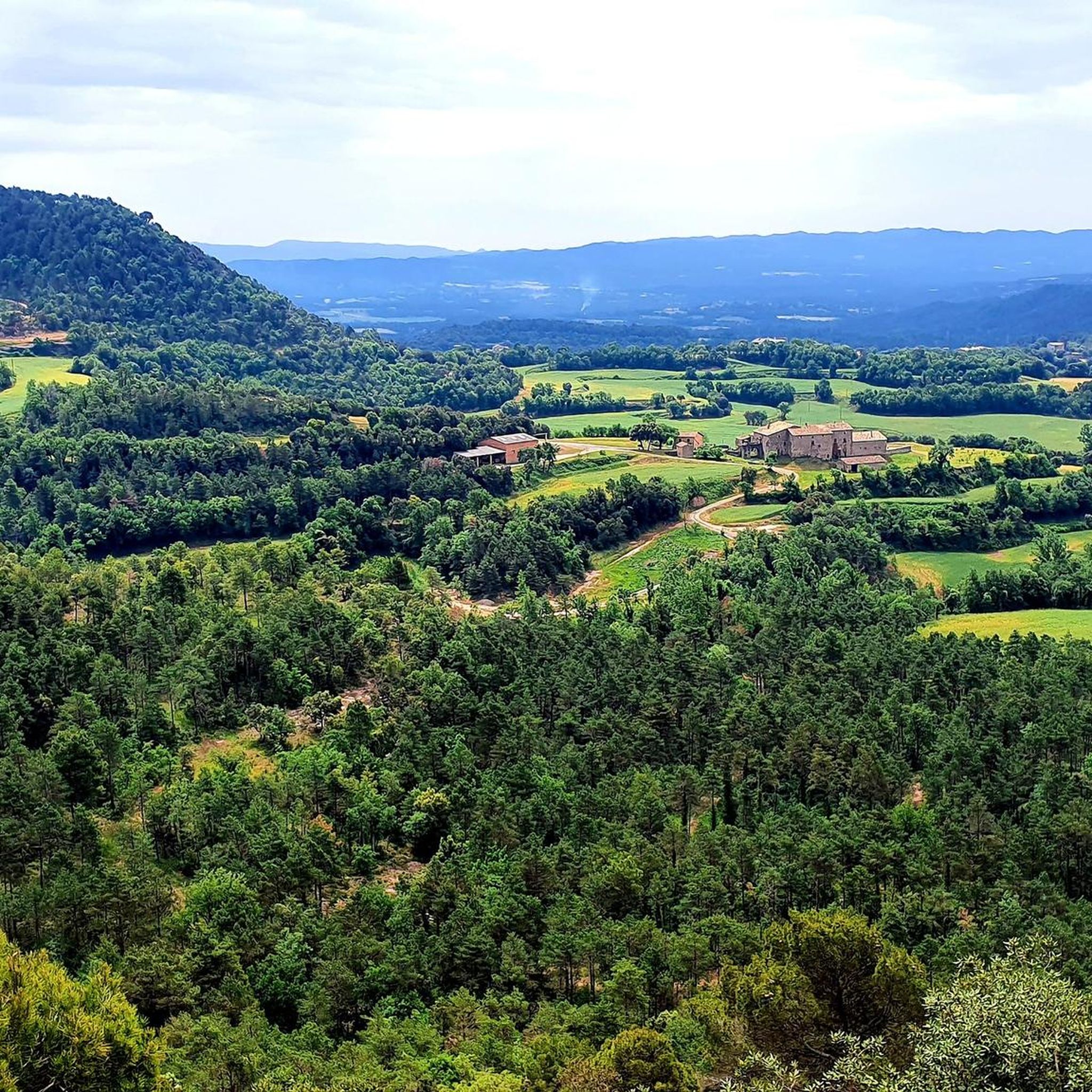
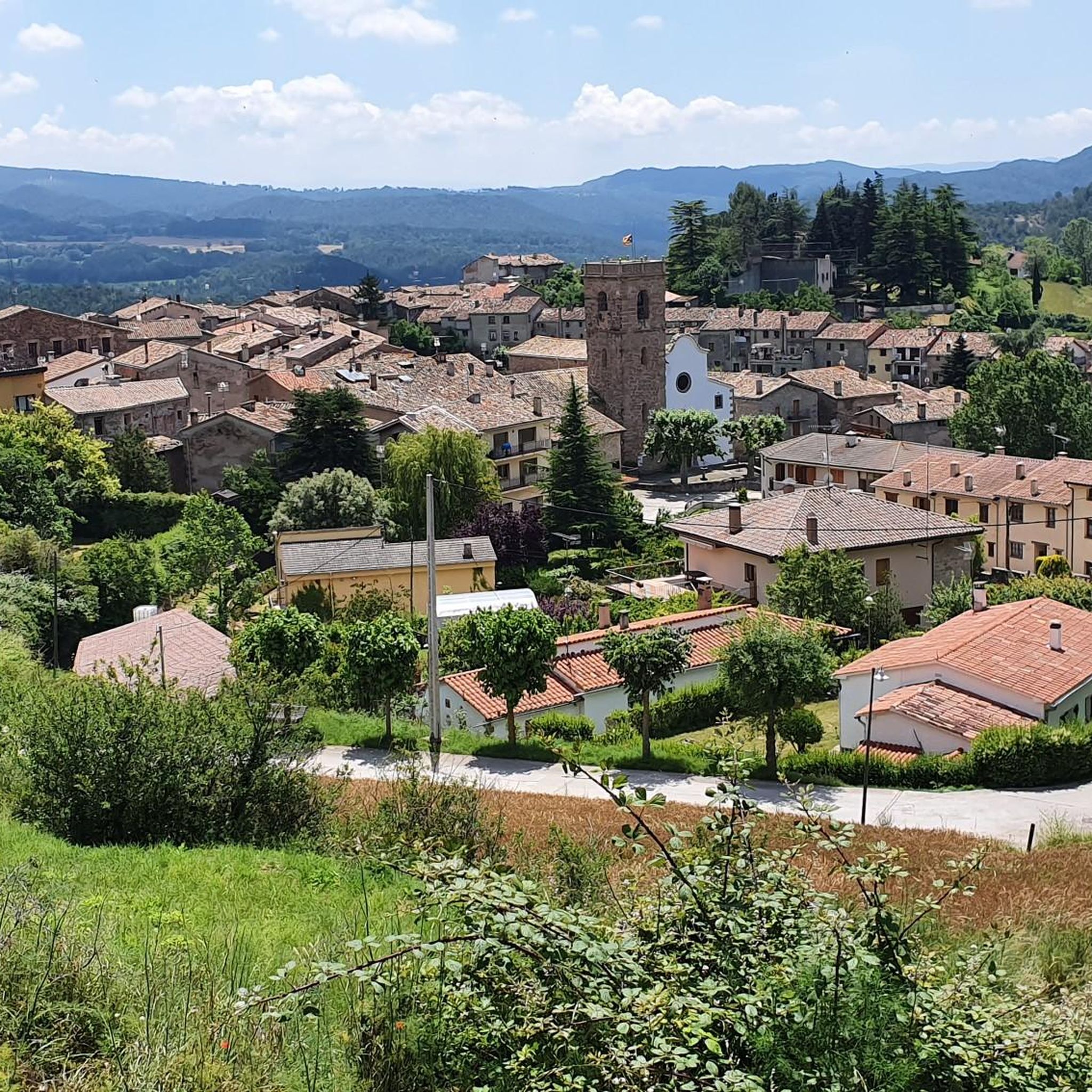
Best natural monuments around Sant Martí D'Albars are found within the Lluçanès region of Catalonia, characterized by its rural landscape. The municipality is situated between the Lluçanès and Gavarresa rivers, featuring extensive pastures and brush. This setting provides a rich natural environment for exploration, offering diverse natural features. The area is known for its undulating relief, ancient paths, and tranquil natural spots.
Best natural monuments around Sant Martí D'Albars
- The most popular natural monuments is Riera de Merlès, a…
Last updated: July 14, 2026
The Lady's Oak
Highlight • Natural Monument
Translated by Google •
Tip by

Ancient Olive Tree at Casanova de Viladecans
Highlight • Natural Monument
Translated by Google •
Tip by
Sign up now to discover places like this
Get recommendations on the best single tracks, peaks, & plenty of other exciting outdoor places.
Sign up for free
Riera de Merlès
Highlight • River
Translated by Google •
Tip by

Gorg del Salt Waterfall
Highlight • Waterfall
Translated by Google •
Tip by

View of the Gorg Negre (Santa Cecília de Voltregà)
Highlight • Viewpoint
Further on there is a trail that leads to the foot of Gorg. In summer the water level drops a lot, better autumn or spring.
Translated by Google •
Tip by
Sign up for free to discover even more natural monuments around Sant Martí D'Albars.
Sign up for free
Already have an account?
Start today with a free account
Your next adventure awaits.
Login or Signup
Tips from the Community

The Gorg del Salt is a beautiful waterfall located in the municipality of Borredà. The cause of this waterfall is the Mergançol stream, a small tributary of the Llobregat river.
0
0

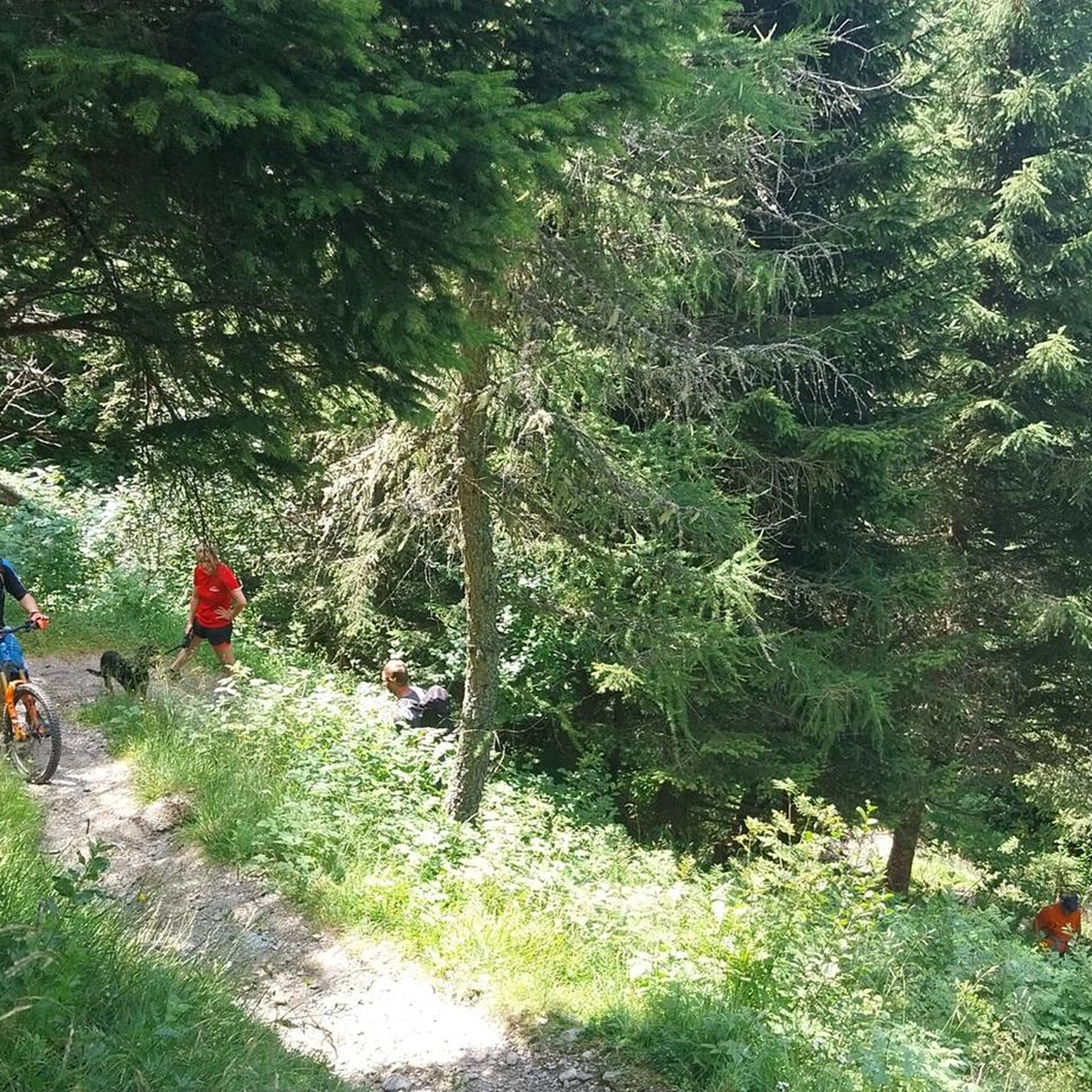
100 m. steep descent on foot from the road. Alert if you have bike lanes! Further on there is a trail that leads to the foot of Gorg. In summer the water level drops a lot, better autumn or spring.
0
0
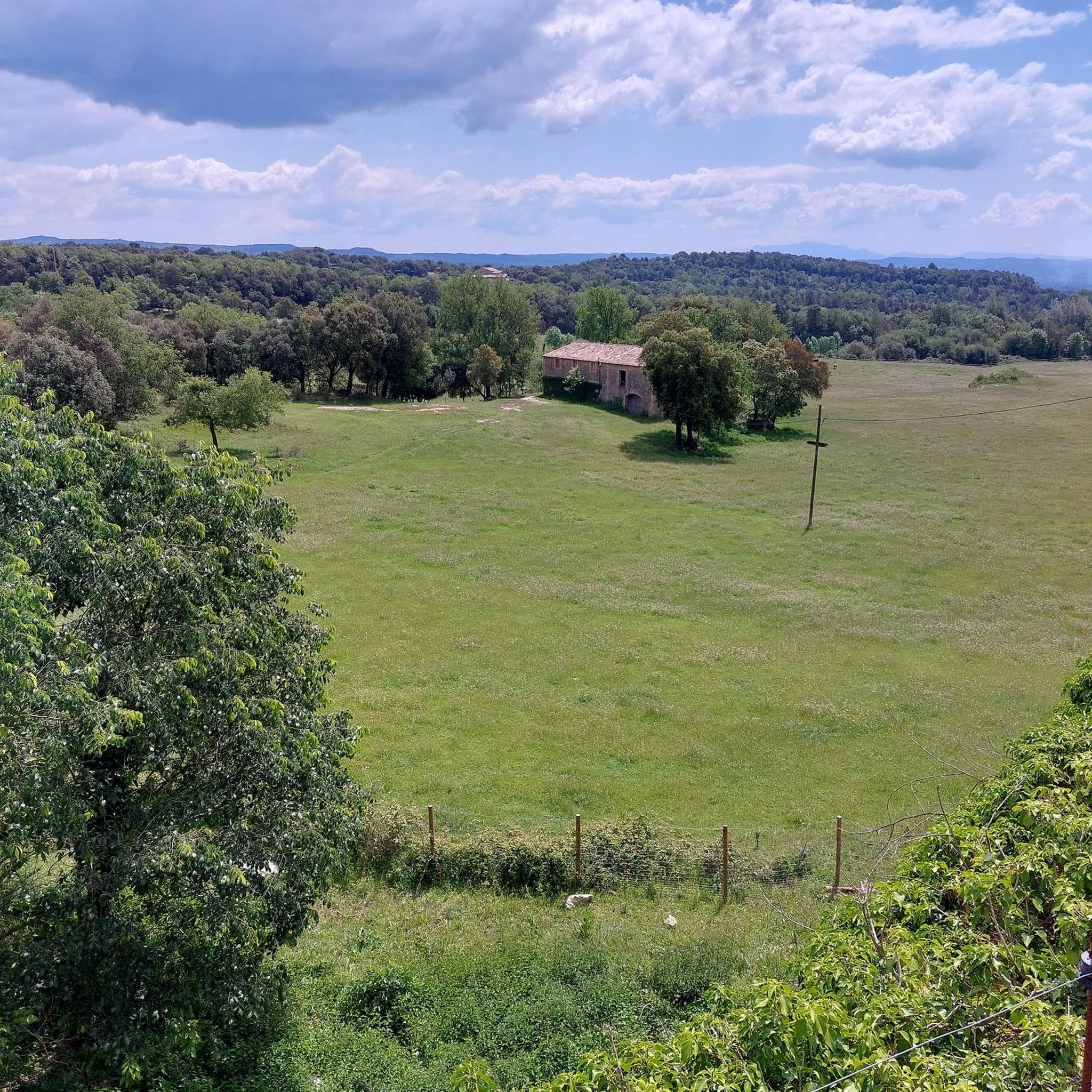
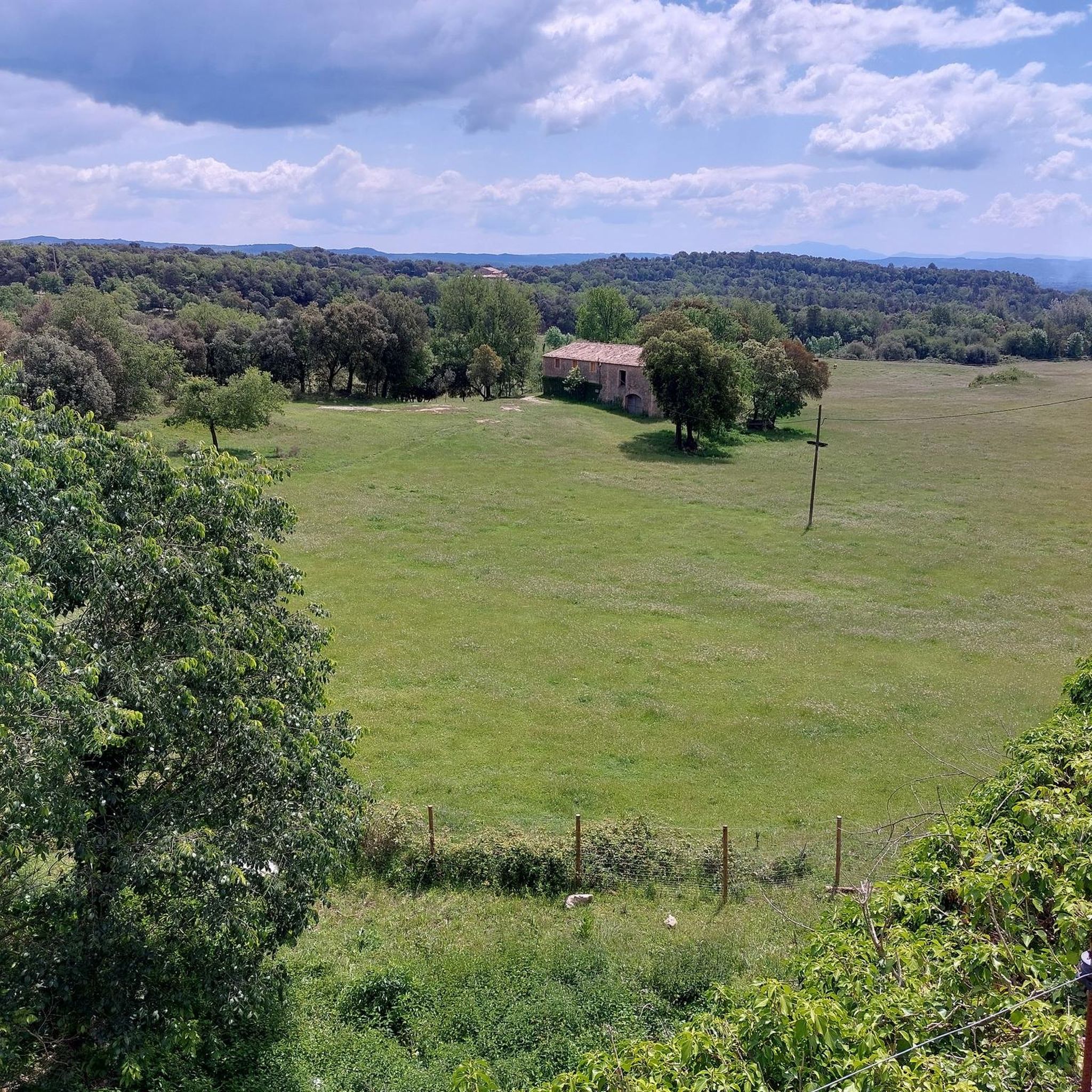
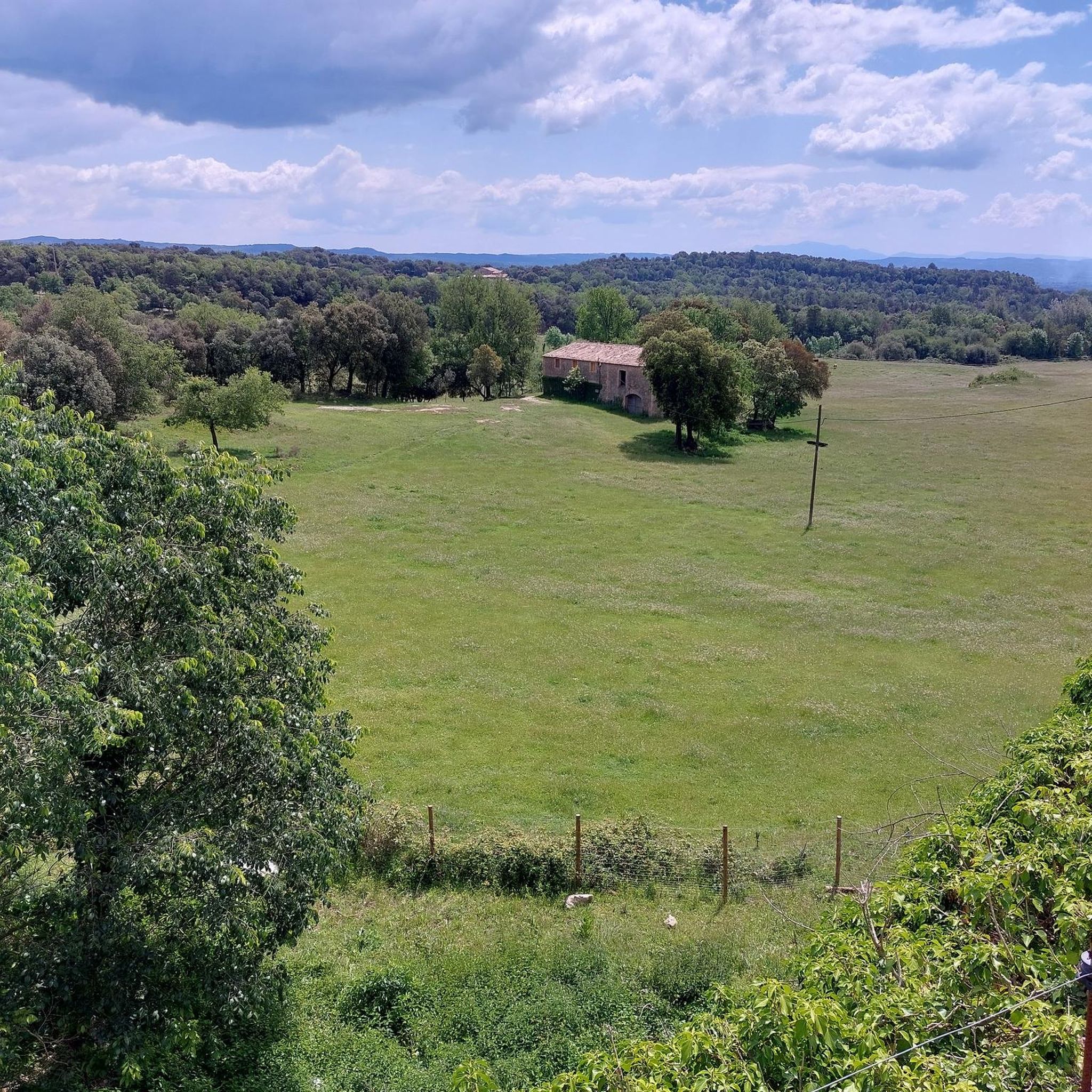
La Casanova de Viladecans is located on an elevated point at the eastern end of the municipality, a few meters east of the Rodó mountain range and north of the first bends of "la Trona". It is a medium-sized farmhouse consisting of a main volume of ground floor, first floor and attic. a square volume attached to the west of two levels and several structures around it, closing a courtyard in front of the main facade of the farmhouse. It is built with stone masonry walls with corners delimited with worked ashlars. The roof is double-sided with gutters on the side facades in the main volume and four-sided in the attached square volume. Observations: In front of the main facade is a courtyard bounded by a stone masonry wall and a structure in the shape of a small church built in modern times at the south-east end of the courtyard. The main entrance to the courtyard faces south and is a gable-type portal (with a small double-sloped roof above) formed with worked stone jambs and a monolithic lintel with a lowered arch with the inscription "1792 IGNASI VILADECANS". A few meters to the south of the complex is an elongated structure framed with stone masonry walls and crowned with a double-sloped roof containing a large semi-circular arched opening framed with worked stone on its north facade. The farmhouse is also known as Casanova de la Vila. https://patrimonicultural.diba.cat/element/casanova-de-viladecans
1
0

It is located at the base of a rocky slope. The environment is very tidy and under the canopy there are well-arranged benches. Some of the branches are supported by tutors. In front of the tree, a field of dryland cereals opens up. In the background is the imposing fortified manor house of Vilar. There is a certain diversity of meadow grasses, wild garlic, fennel, vidalba, ivy, gavarra, bramble, sajolida, broomstick, juniper, robinia and large-leaved ash. Beyond the fauna of this type of habitat (such as larks, crickets and quails), you can see the bald eagle in summer and, very close by, an exceptional population of black woodpeckers. . Tradition has it that Madame Lotgarda de Perdals, from whom she took her name, had a great deal of love for the oak and spent long hours in its shade reading or crocheting. It is a tree listed as a monument since August 30, 1988 due to its size and age (it is believed to be over 500 years old). Descriptive data: - Perimeter of the trunk at 1.30 m: 4.13 m. - Perimeter of the base of the trunk: 7.66 m. - Height: 21.56 m. - Width of the crown: 33.21 m. - Altitude above sea level: 855 m.
0
1
The Oak of the Lady or Oak of Vilar (Quercus pubescens) is a tree found in Sant Boi de Lluçanès (the Lluçanès, although administratively attached to Osona) and one of the oaks with the largest crown in all of Catalonia. https://ca.wikipedia.org/wiki/Roure_de_la_Senyora
1
0

Beautiful protected place. That crosses the Lluçanes diagonally. Area widely used for leisure in different slopes. Fishing, bathing, mushrooms, sports, ...
0
0
Frequently Asked Questions
What are some of the most popular natural monuments to visit around Sant Martí D'Albars?
Visitors frequently enjoy the Riera de Merlès, a protected river known for leisure activities like bathing and fishing. Another favorite is The Lady's Oak, an ancient tree over 500 years old with one of Catalonia's largest crowns. The View of the Gorg Negre (Santa Cecília de Voltregà) also offers a dramatic vista of a gorge.
Are there family-friendly natural monuments in the Sant Martí D'Albars area?
Yes, several natural monuments are suitable for families. The Riera de Merlès is excellent for family outings, offering opportunities for bathing and gentle recreation. The Lady's Oak provides a tranquil spot with benches under its impressive canopy, perfect for a relaxing visit. Additionally, the Ancient Olive Tree at Casanova de Viladecans offers a glimpse into the region's natural heritage in a peaceful setting.
What kind of natural features can I expect to see around Sant Martí D'Albars?
The region is characterized by its authentic rural landscape, featuring extensive pastures and brush. You'll find ancient trees like The Lady's Oak and the Ancient Olive Tree at Casanova de Viladecans. Rivers and streams, such as the protected Riera de Merlès, are prominent, along with waterfalls like the Gorg del Salt Waterfall. Scenic viewpoints, including the View of the Gorg Negre and Mirador de La Creu Xica, offer panoramic vistas of the undulating terrain and gorges.
Are there hiking trails near the natural monuments around Sant Martí D'Albars?
Yes, the area is rich with rural paths and trails. You can find various hiking opportunities, including routes that pass by the natural monuments. For a comprehensive list of trails, explore the Hiking around Sant Martí D'Albars guide, which features options like the moderate 'Hiking loop from Sant Martí d'Albars' and the more challenging 'Prats de Lluçanès Trail (PR-C 44)'.
What is the best time of year to visit the natural monuments in Sant Martí D'Albars?
The Lluçanès region offers beauty throughout the year. Spring and autumn are ideal for hiking and exploring the rural landscape, with pleasant temperatures and vibrant colors. Summer is popular for activities around the Riera de Merlès, especially for bathing. While some waterfalls like Gorg Negre may have lower water levels in summer, they are often more impressive in autumn or spring after rainfall.
What outdoor activities can I do near these natural monuments?
Beyond visiting the natural monuments themselves, the region provides excellent opportunities for various outdoor activities. You can enjoy running on trails listed in the Running Trails around Sant Martí D'Albars guide, or explore cycling routes detailed in the Cycling around Sant Martí D'Albars guide. The Riera de Merlès is also popular for fishing and other water-based leisure activities.
Are there any historical or cultural sites integrated with the natural landscape?
Yes, the region blends natural beauty with historical elements. The Medieval Bridge of Molí del Pont, crossing the Gavarresa river, is a notable example of historical architecture within the natural setting. Additionally, ancient transhumance paths crisscross the rural landscape, offering a glimpse into the area's pastoral history. Paths also extend to culturally significant sites like the sanctuary of Els Munts.
What do visitors enjoy most about the natural monuments around Sant Martí D'Albars?
Visitors particularly appreciate the tranquil ambiance and the opportunity to immerse themselves in the region's pastoral beauty. The ancient and majestic presence of The Lady's Oak is often highlighted, as is the versatility of the Riera de Merlès for various leisure activities. The dramatic views from spots like the View of the Gorg Negre are also highly rated.
How difficult are the trails to reach these natural monuments?
The difficulty varies depending on the specific monument. For instance, reaching the foot of the Gorg Negre involves a steep descent from the road, making it an intermediate challenge. The Gorg del Salt Waterfall is also considered intermediate. Many other rural paths and routes to features like The Lady's Oak or the Riera de Merlès are generally more accessible or offer easier walking options.
Are there any hidden natural gems worth discovering in Sant Martí D'Albars?
Beyond the more well-known spots, the region is full of smaller, tranquil natural features. The Font de Sant Martí and Font de Cal Blanc are local fountains that offer peaceful resting spots. The Mirador de La Creu Xica provides beautiful panoramic views that are perhaps less frequented than other viewpoints. Exploring the ancient transhumance paths can also lead to unexpected discoveries within the gentle, undulating landscape.
What kind of wildlife can be observed near the natural monuments?
The diverse natural environment of Sant Martí d'Albars supports various wildlife. Near The Lady's Oak, you might spot larks, crickets, and quails, and in summer, bald eagles. The area is also known for an exceptional population of black woodpeckers. The protected Riera de Merlès and its surrounding brush and pastures provide habitats for a range of local flora and fauna.
Most popular routes around Sant Martí D'Albars
Most popular attractions around Sant Martí D'Albars

Get inspired with the komoot mobile app


Explore more
Extend your search for the best caves by checking out these guides of the top ones around Sant Martí D'Albars:
