Top 7 Natural Monuments around Gormaz
Best natural monuments around Gormaz are found within the Soria province, a region characterized by diverse natural landscapes and the significant presence of the Duero River. Gormaz is situated on the banks of the Duero, which carves through the area, creating varied geological features. The surrounding areas offer a range of natural attractions, from reservoirs and rock formations to ancient trees. These natural features contribute to the region's appeal for outdoor activities.
Best natural monuments around Gormaz
- The most popular…
Last updated: July 1, 2026
Vildé Reservoir
Highlight • Lake
Translated by Google •
Tip by

Peñas Blancas de Vildé
Highlight • Natural Monument
Translated by Google •
Tip by
Sign up now to discover places like this
Get recommendations on the best single tracks, peaks, & plenty of other exciting outdoor places.
Sign up for free
Vildé Fountain
Highlight • Natural Monument
Translated by Google •
Tip by
Sabina La Pica
Highlight • Natural Monument
This is an impressive white juniper. This specimen is spectacular due to its size (19 …
Translated by Google •
Tip by

Rocky Cliff in the Paramera
Highlight • Natural Monument
Translated by Google •
Tip by

Sign up for free to discover even more natural monuments around Gormaz.
Sign up for free
Already have an account?
Start today with a free account
Your next adventure awaits.
Login or Signup
Popular around Gormaz
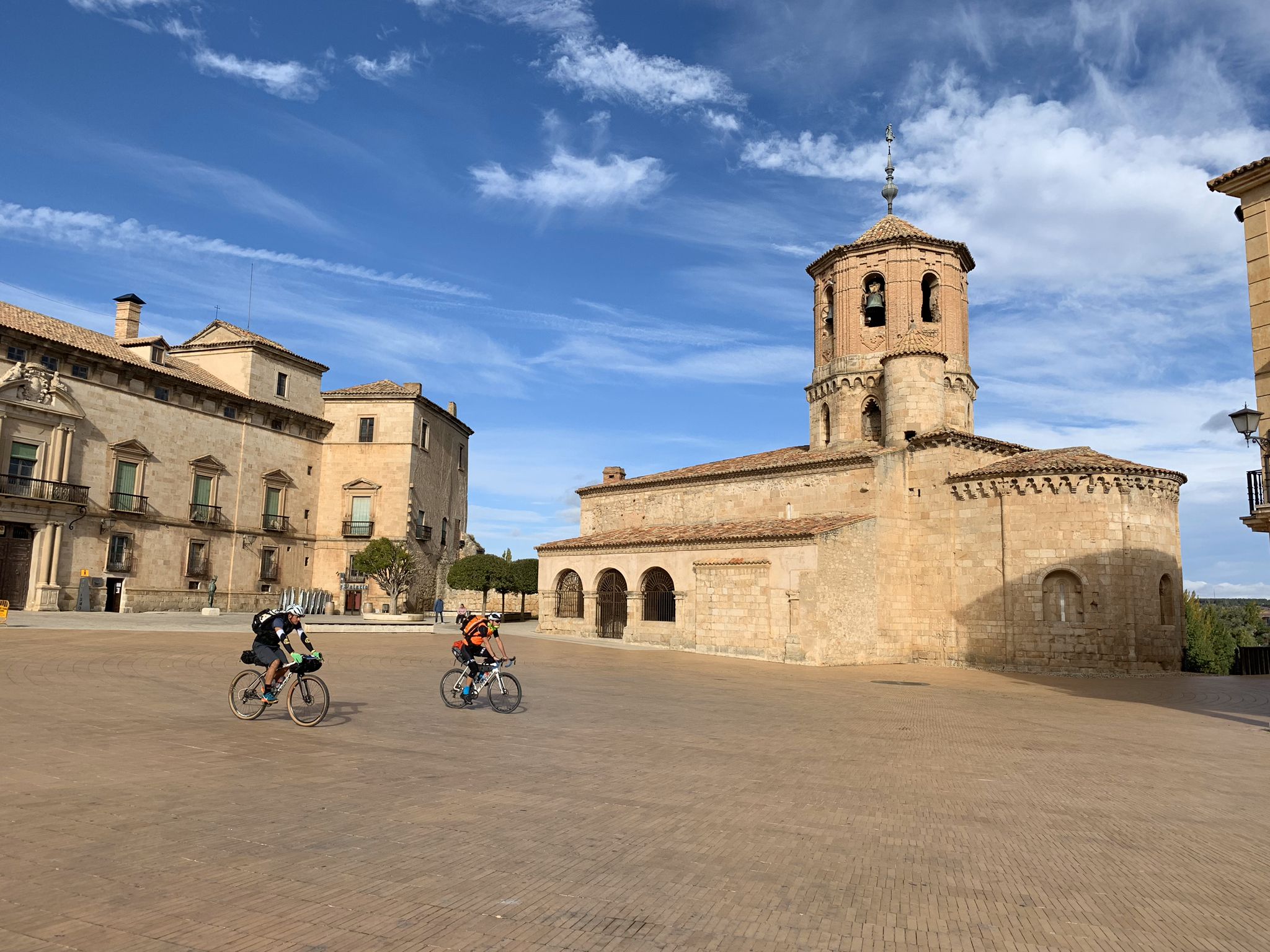
Countryside and fortresses – Walls of the Upper Duero by bike
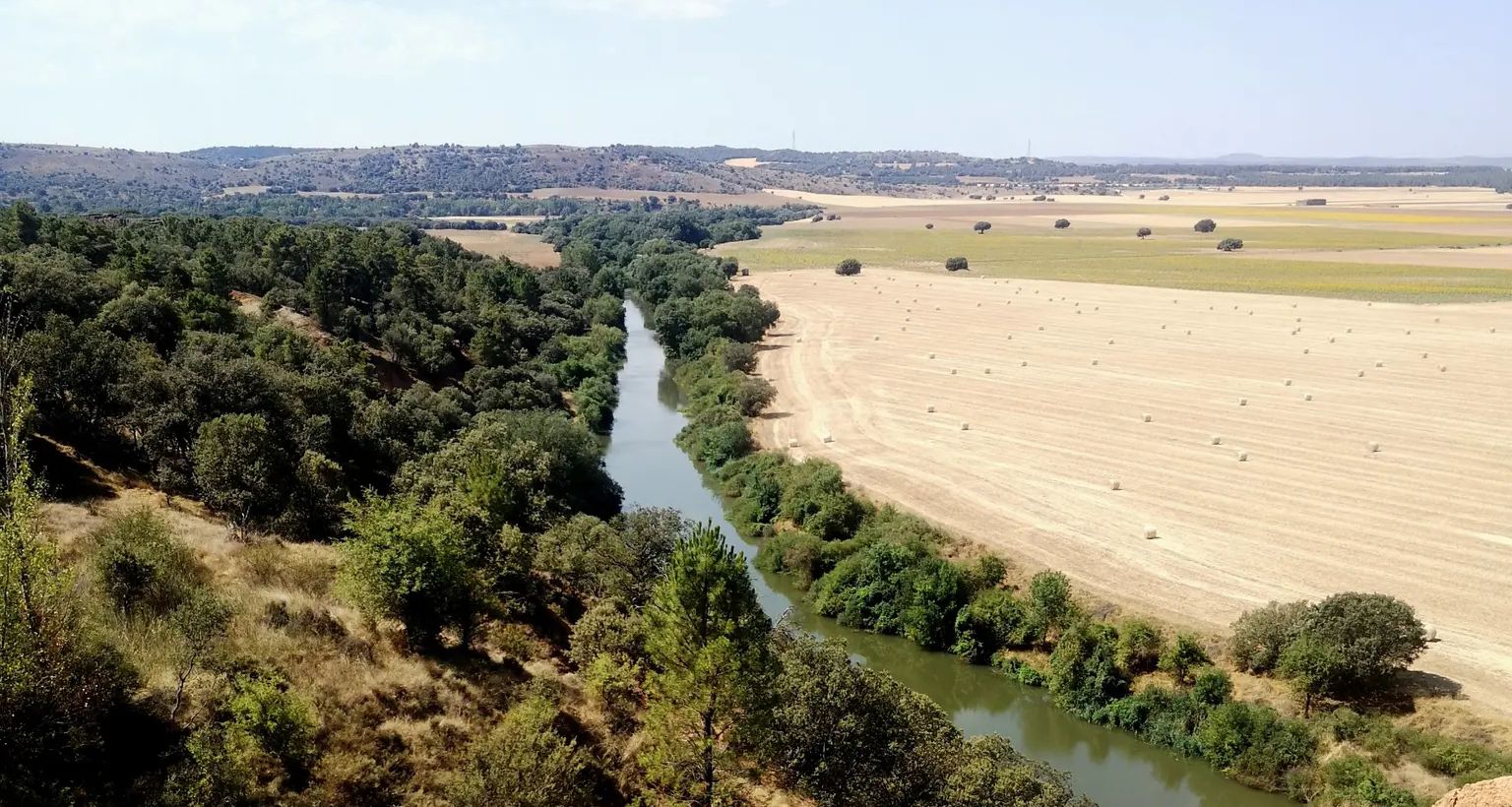
Downstream through Soria, Burgos and Valladolid in Spain – Eastern Douro Trail
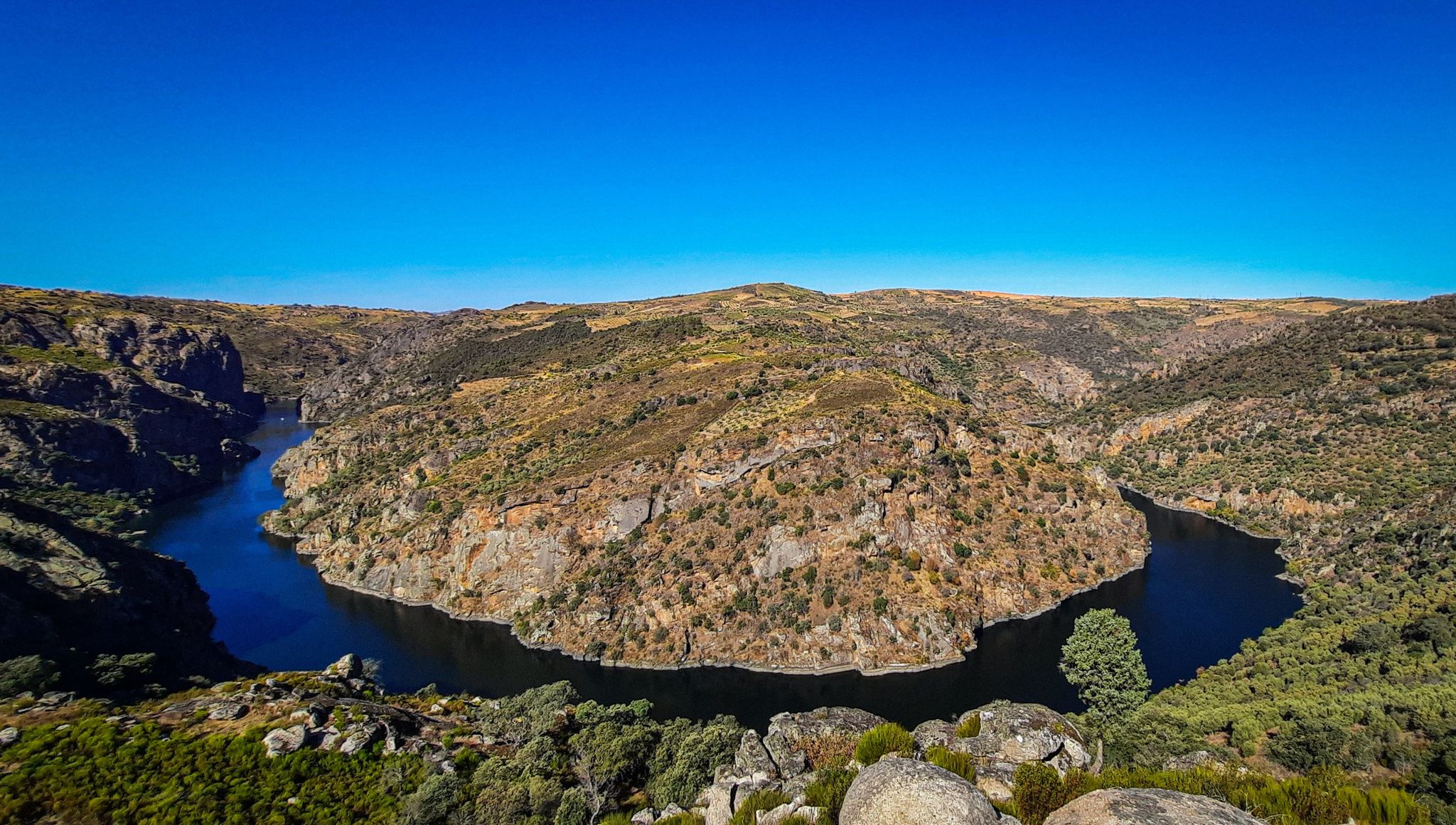
The Great Castilian River – Duero MTB Trail
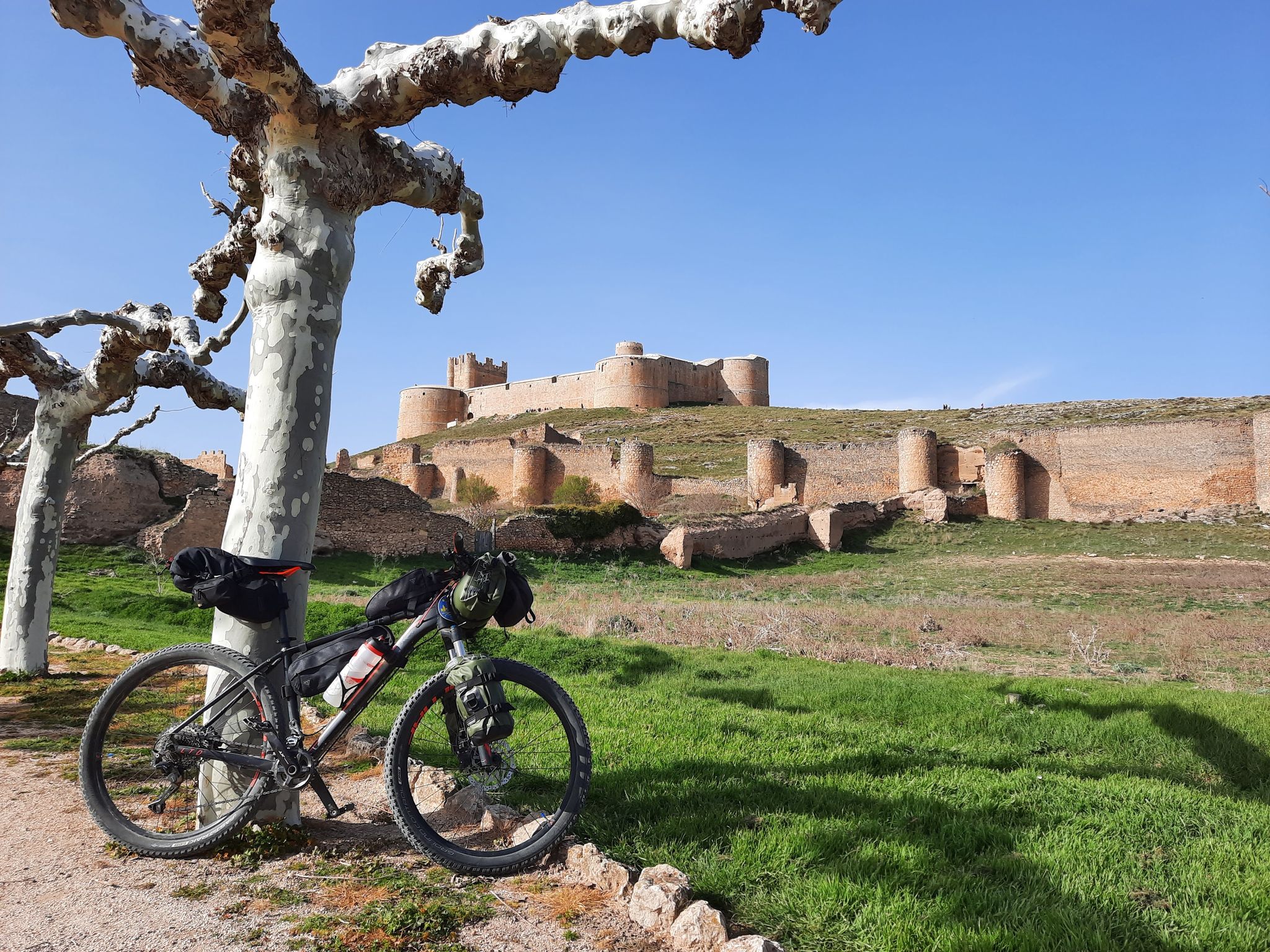
Stage Tierras de Berlanga (Soria)
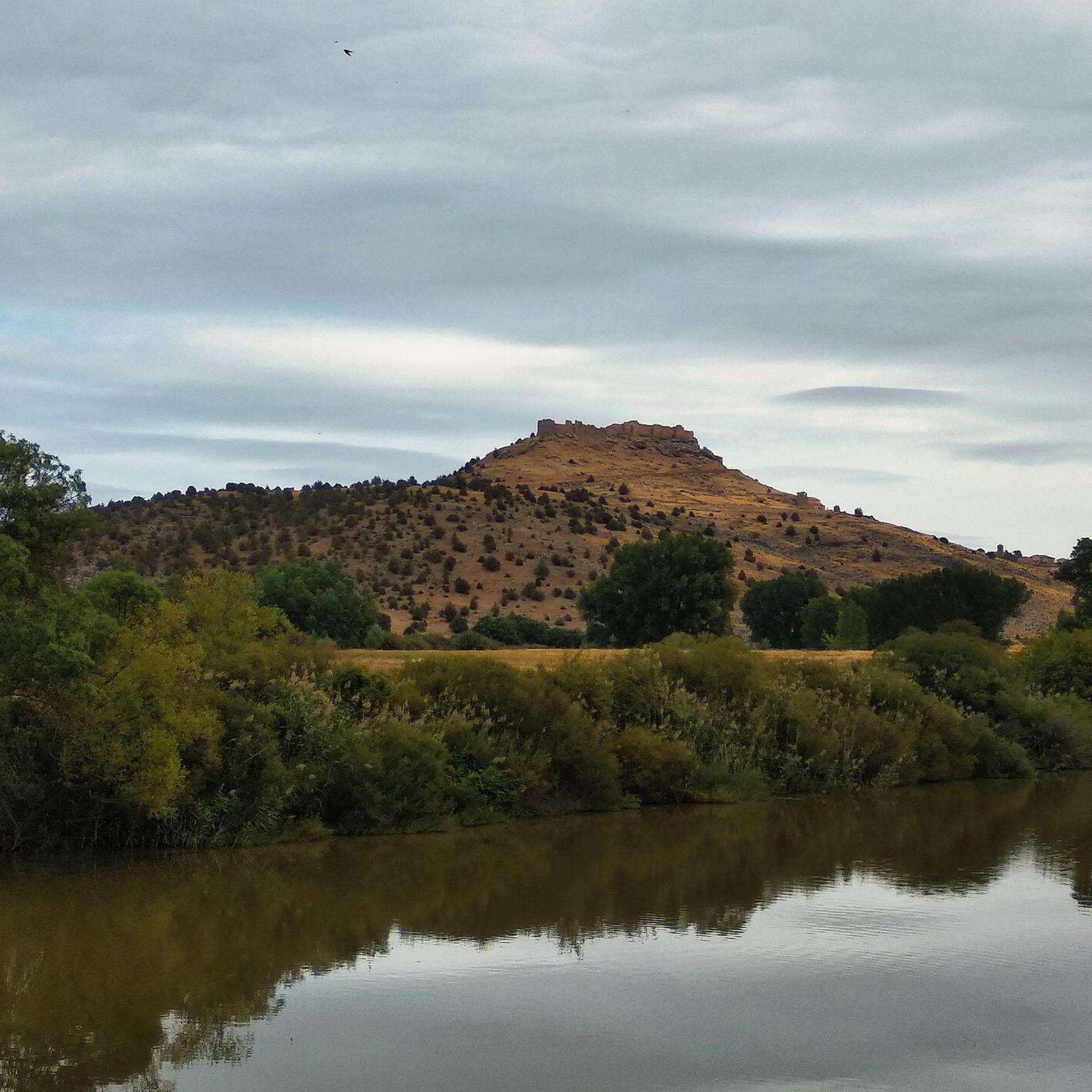
Road Cycling Routes around Gormaz
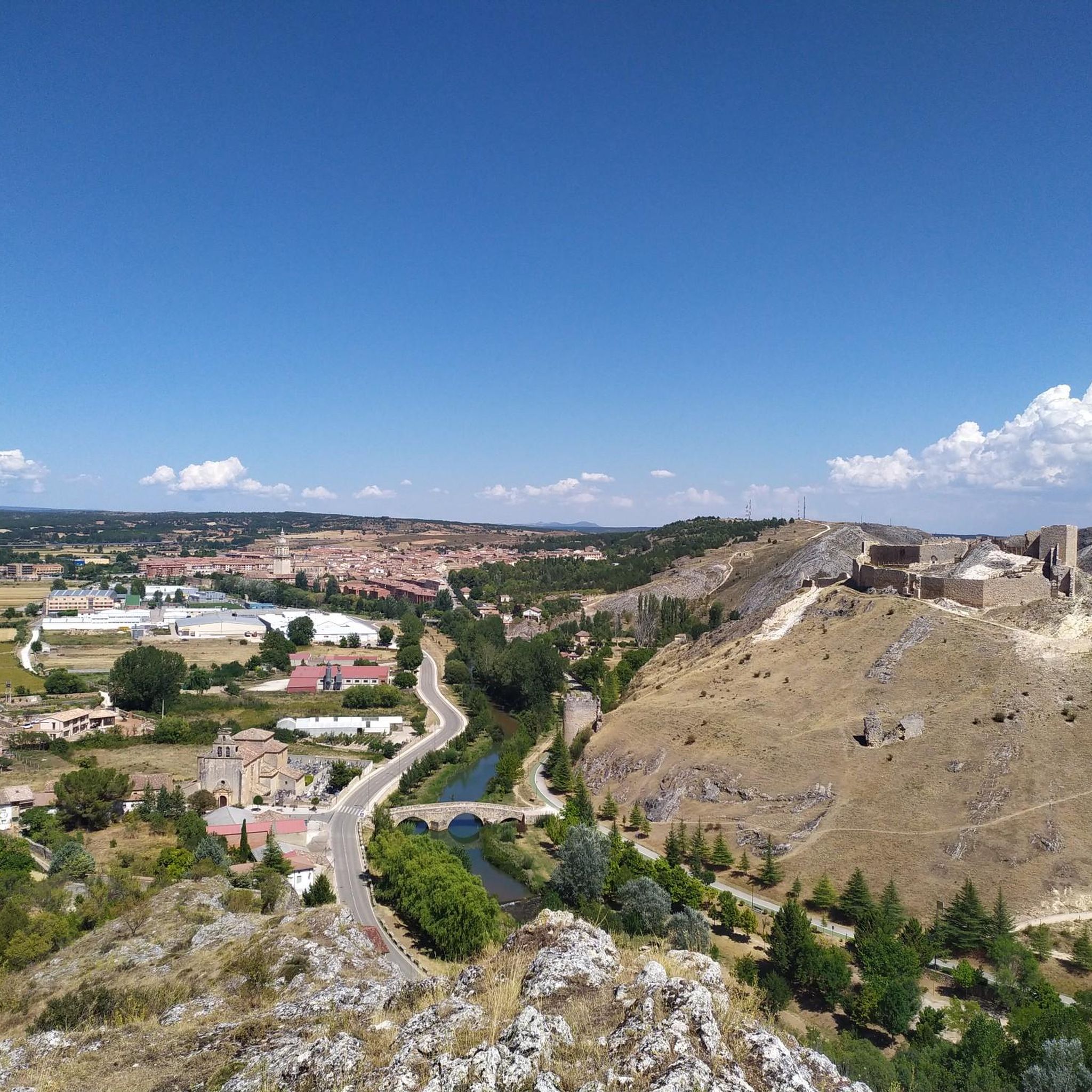
Cycling around Gormaz
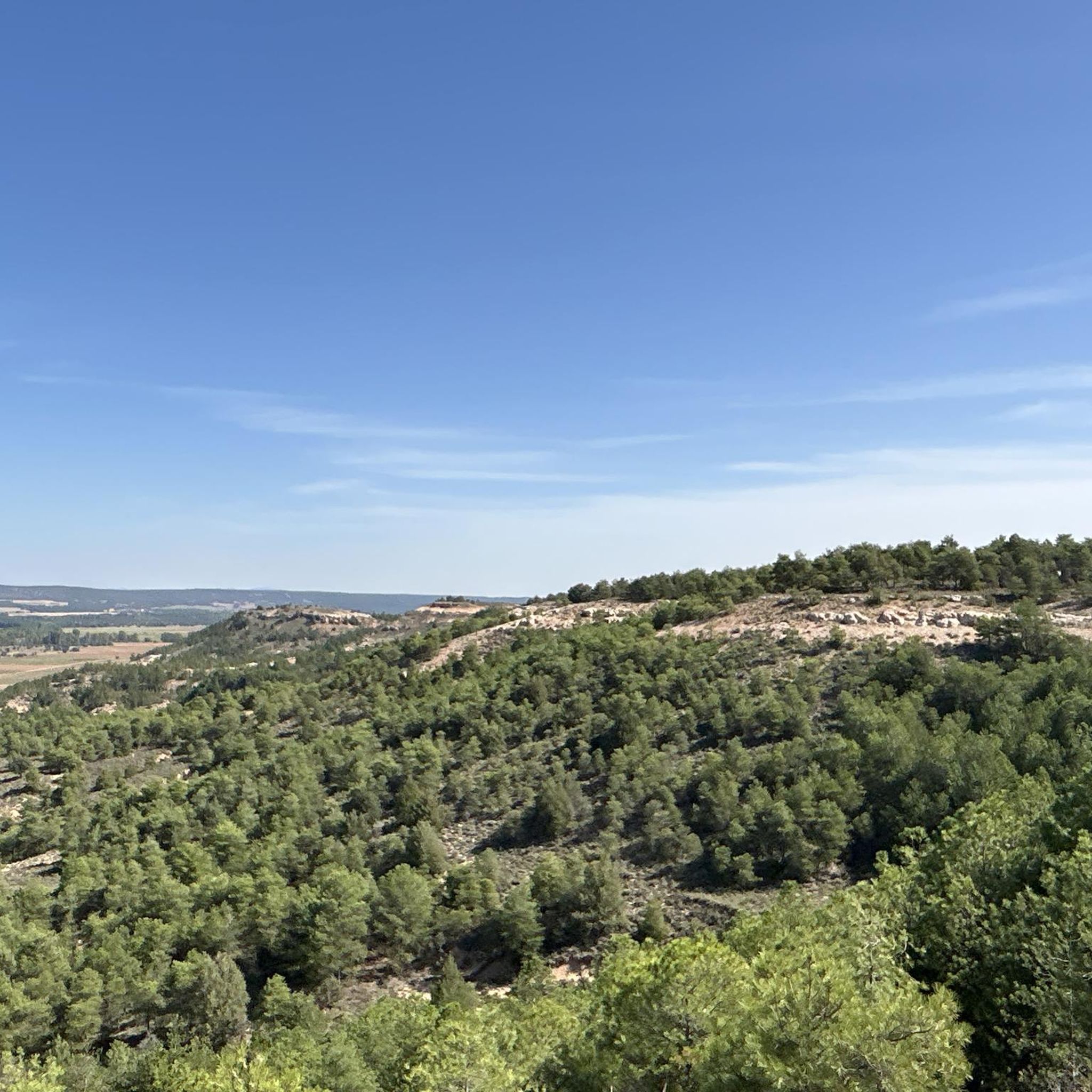
MTB Trails around Gormaz
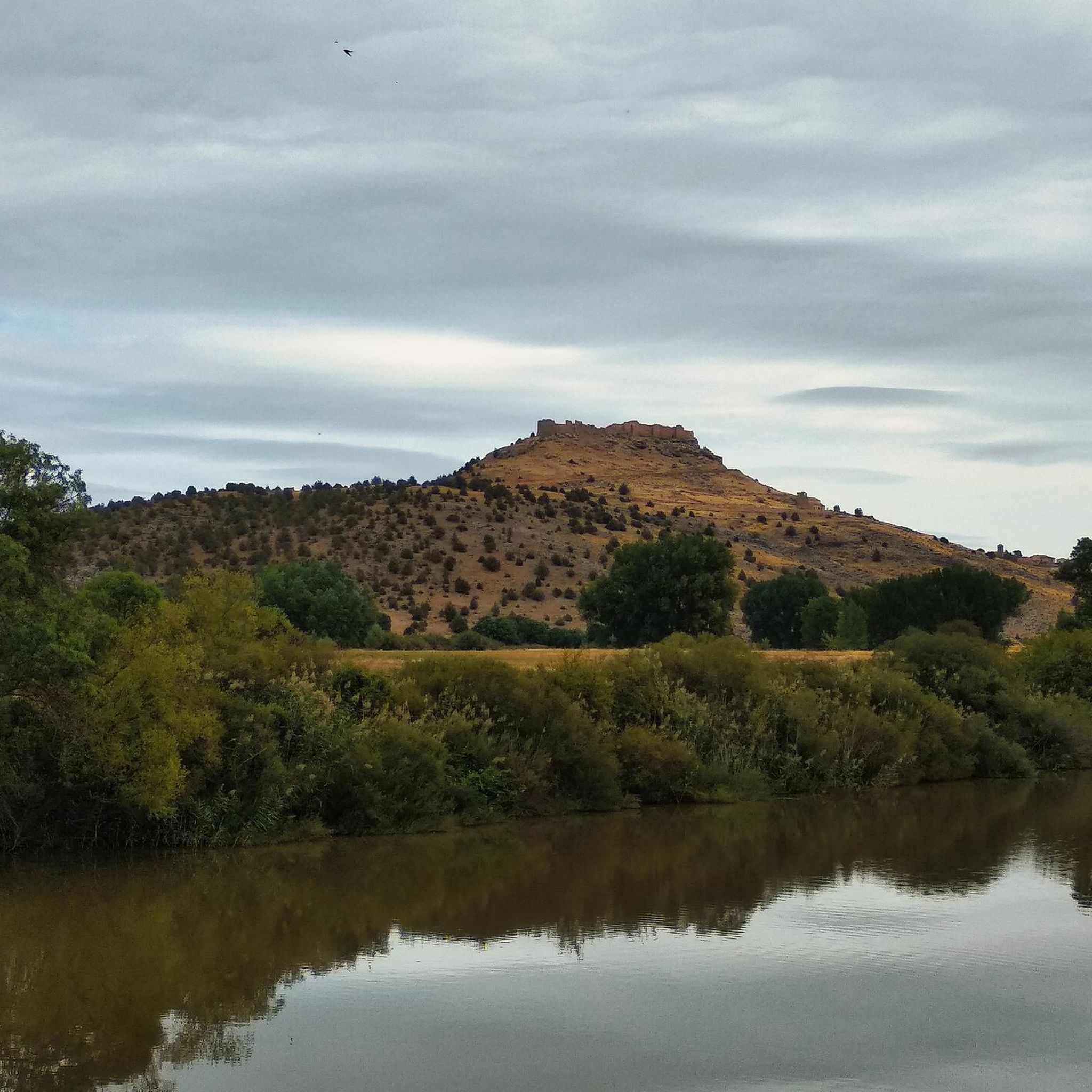
Hiking around Gormaz

Running Trails around Gormaz
Other adventures around Gormaz


Tips from the Community


Tree included in the register of singular trees of the Junta de Castilla y León. This is an impressive white juniper. This specimen is spectacular due to its size (19 metres high, 12.5 metres wide at the crown and 4.5 metres in circumference of the trunk), and its age (about 400 years). It also stands out for its column-shaped appearance, which is unusual in this type of tree.
0
0
At the moment it is not possible to continue upstream because the path is completely closed by thorns and brambles. We have looked for a gap and have climbed up the slope until we reach the moorland and can continue our walk. Please bear this in mind.
0
1

Although on days when it is not drinkable (high radon content) there is nothing wrong with drinking it or at least cooling off.
1
0

They destroyed them while widening the road. Still nice rock formation, with its history
0
0
Formation of rocks of capricious shapes. Legend has it that they are the horses of a group of Muslim warriors turned to stone by the miracle of a princess converted to Christianity who prayed to God for her salvation when she was persecuted. Before, the myth was much more "credible", but a few years ago when the cart was enlarged, part of the rock formation was thrown away.
1
0
Frequently Asked Questions
What are some of the most popular natural monuments to visit around Gormaz?
Visitors frequently enjoy the serene environment of Vildé Reservoir, where vultures soar overhead and cliffs reflect in the water. Another favorite is Peñas Blancas de Vildé, known for its uniquely shaped rock formations and local legends. The ancient Sabina La Pica, a 400-year-old white juniper, is also a highly appreciated natural monument.
Are there any family-friendly natural monuments or activities near Gormaz?
Yes, Sabina La Pica, the impressive white juniper, is considered family-friendly. For broader family activities, the Duero River and its surroundings, particularly areas like La Rambla and La Alameda near San Esteban de Gormaz, offer tranquil settings for relaxation and swimming. The Cuerda del Pozo Reservoir also provides opportunities for swimming and water sports in a natural environment.
What kind of geological features can I expect to see in the natural monuments around Gormaz?
The region around Gormaz, within the Soria province, showcases diverse geological features. You can see impressive canyon landscapes carved by rivers, such as those found in the Cañón del Río Lobos Natural Park. Glacial formations are prominent around Laguna Negra de Urbión, with its dark waters nestled among granite walls. Closer to Gormaz, Peñas Blancas de Vildé features unique, capriciously shaped rock formations.
What outdoor activities can I do near these natural monuments?
The area offers a variety of outdoor activities. Hiking is popular, especially in the Cañón del Río Lobos Natural Park and around Laguna Negra de Urbión. For those interested in running, there are several trails, including the Río Abión Gorge and La Pedriza Trail. Cycling is also a great option, with routes like 'From El Burgo de Osma to Castillo de Gormaz' for road cycling and 'Garmoz and its castle from El Burgo de Osma' for touring. You can find more details on these activities in the Running Trails around Gormaz, Road Cycling Routes around Gormaz, and Cycling around Gormaz guides.
Are there any natural parks or protected areas in the wider Soria province worth visiting?
Absolutely. The Soria province is home to significant natural parks. The Cañón del Río Lobos Natural Park is renowned for its stunning canyon landscapes and a large population of griffon vultures. Another must-visit is the Laguna Negra de Urbión and Urbión Glacial Cirques Nature Reserve, famous for its mysterious dark lagoon and dramatic glacial scenery.
What makes the Duero River significant to the natural landscape around Gormaz?
The Duero River is a central natural feature, as Gormaz itself is situated on its banks. The river carves through the Soria province, creating idyllic landscapes, fertile valleys, and shaping the local geology. Its presence contributes to the area's natural beauty and provides tranquil spots for relaxation and recreation, such as La Rambla and La Alameda near San Esteban de Gormaz.
What is the best time of year to visit the natural monuments near Gormaz?
The best time to visit the natural monuments around Gormaz and the wider Soria province generally depends on your preferred activities. Spring and autumn offer pleasant temperatures for hiking and exploring, with vibrant foliage or blooming wildflowers. Summer is ideal for water activities at the Cuerda del Pozo Reservoir or along the Duero River, though some areas might be busier. Winter can be beautiful, especially in higher elevations like Laguna Negra, but access might be limited by snow.
Can I find viewpoints to appreciate the natural scenery?
Yes, there are several excellent viewpoints. Peñas Blancas de Vildé offers a great perspective on its unique rock formations. Additionally, the Rocky Cliff in the Paramera provides a challenging climb rewarded with expansive views. The Cañón del Río Lobos Natural Park also features numerous spots along its trails with spectacular canyon vistas.
What kind of wildlife can be observed in the natural areas around Gormaz?
The natural areas around Gormaz and in the Soria province are rich in wildlife. The Cañón del Río Lobos Natural Park is particularly known for its significant population of griffon vultures, which can often be seen soaring above the canyon. Other bird species are also common. The diverse landscapes, from forests to riverbanks, support various mammals and other fauna typical of the Iberian System.
Are there any natural monuments that involve water, like lakes or rivers, near Gormaz?
Yes, water features are prominent in the region. The Vildé Reservoir is a peaceful lake and gorge where you can see reflections of cliffs in the water. The Duero River itself flows through Gormaz, offering tranquil settings. Further afield, the Cuerda del Pozo Reservoir is a large body of water surrounded by forests, perfect for swimming and water sports, and the mysterious Laguna Negra de Urbión is a dark glacial lake.
What is the difficulty level for hiking trails around these natural monuments?
Hiking difficulties vary. Many trails, such as those around Vildé Reservoir and Peñas Blancas de Vildé, are generally considered intermediate. However, some areas, like the Rocky Cliff in the Paramera, offer more challenging climbs. The Cañón del Río Lobos Natural Park and Laguna Negra de Urbión also have a range of trails, from easy walks to more strenuous routes, so it's advisable to check specific trail details before heading out.
Are there any unique or ancient trees to see in the area?
Yes, one notable example is Sabina La Pica, an impressive white juniper tree. This specimen is estimated to be about 400 years old and stands out for its significant size and unusual column-shaped appearance, making it a unique natural monument in the region.
Most popular attractions around Gormaz

Get inspired with the komoot mobile app


Explore more
Extend your search for the best caves by checking out these guides of the top ones around Gormaz:
