Top 5 Natural Monuments around El Madroño
Natural Monuments around El Madroño Spain offer a natural escape in the province of Seville, nestled in the foothills of the Sierra de Aracena. The area is characterized by its location within the Sierra Norte de Sevilla Natural Park, featuring extensive cork and holm oak forests. El Madroño is known for its natural vegetation, including the abundant "madroño" (strawberry trees) from which it derives its name. This region provides a tranquil environment for exploring diverse natural features.
Best natural monuments…
Last updated: May 3, 2026
Source of the Río Tinto
Highlight • River
Translated by Google •
Tip by

Corta Atalaya Mine
Highlight • Structure
Translated by Google •
Tip by
Sign up now to discover places like this
Get recommendations on the best single tracks, peaks, & plenty of other exciting outdoor places.
Sign up for free
Peña del Hierro
Highlight • Natural Monument
Translated by Google •
Tip by
Gossán Reservoir
Highlight • Lake
Translated by Google •
Tip by

Río Tinto Viewpoint
Highlight • Viewpoint
Translated by Google •
Tip by
Sign up for free to discover even more natural monuments around El Madroño.
Sign up for free
Already have an account?
Start today with a free account
Your next adventure awaits.
Login or Signup
Tips from the Community

The Peña del Hierro Viewpoint, located in Nerva (Huelva), is part of the Riotinto Mining Park and offers one of the most impressive views of the source of the Tinto River, as well as the mining crater of the old pyrite mine.
1
0
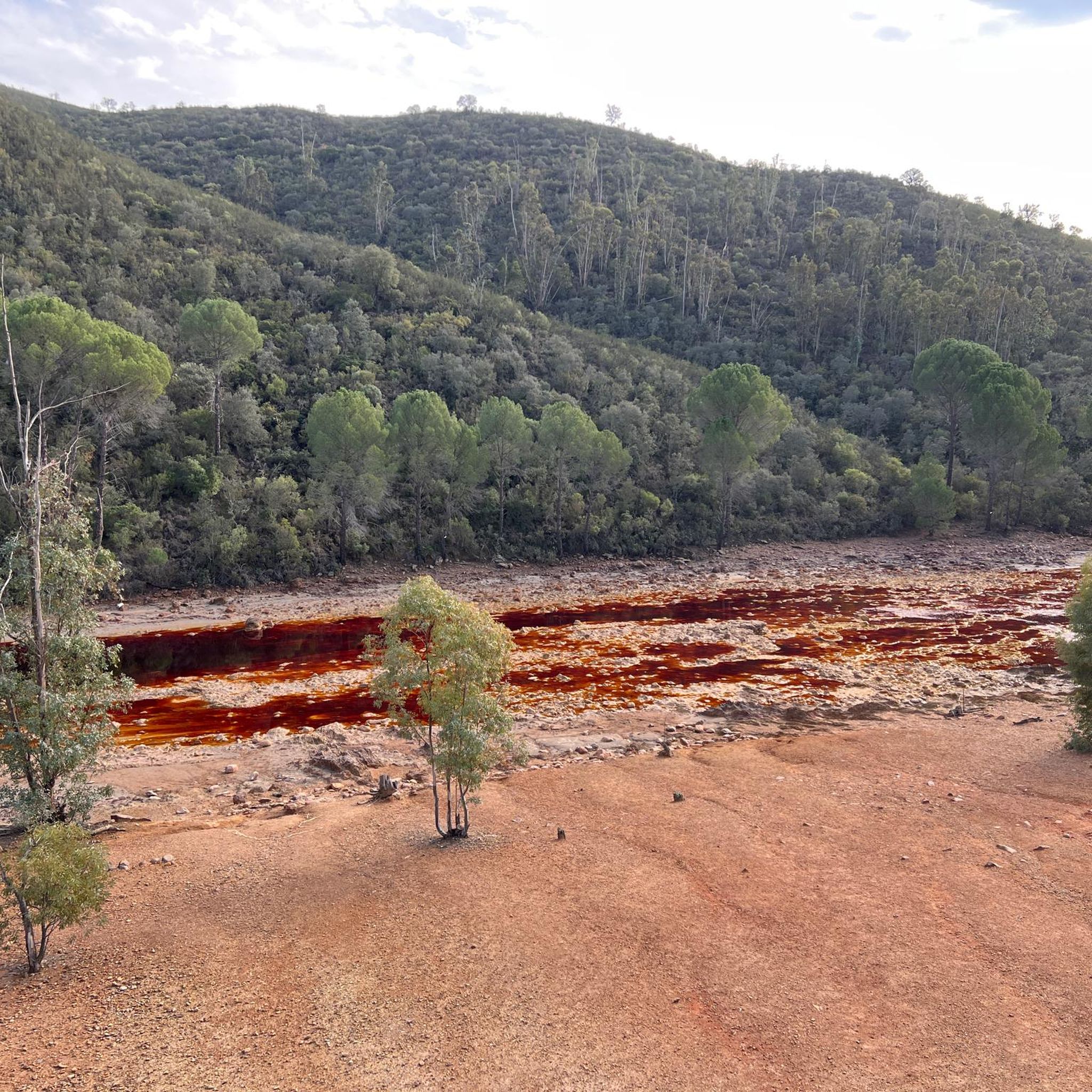
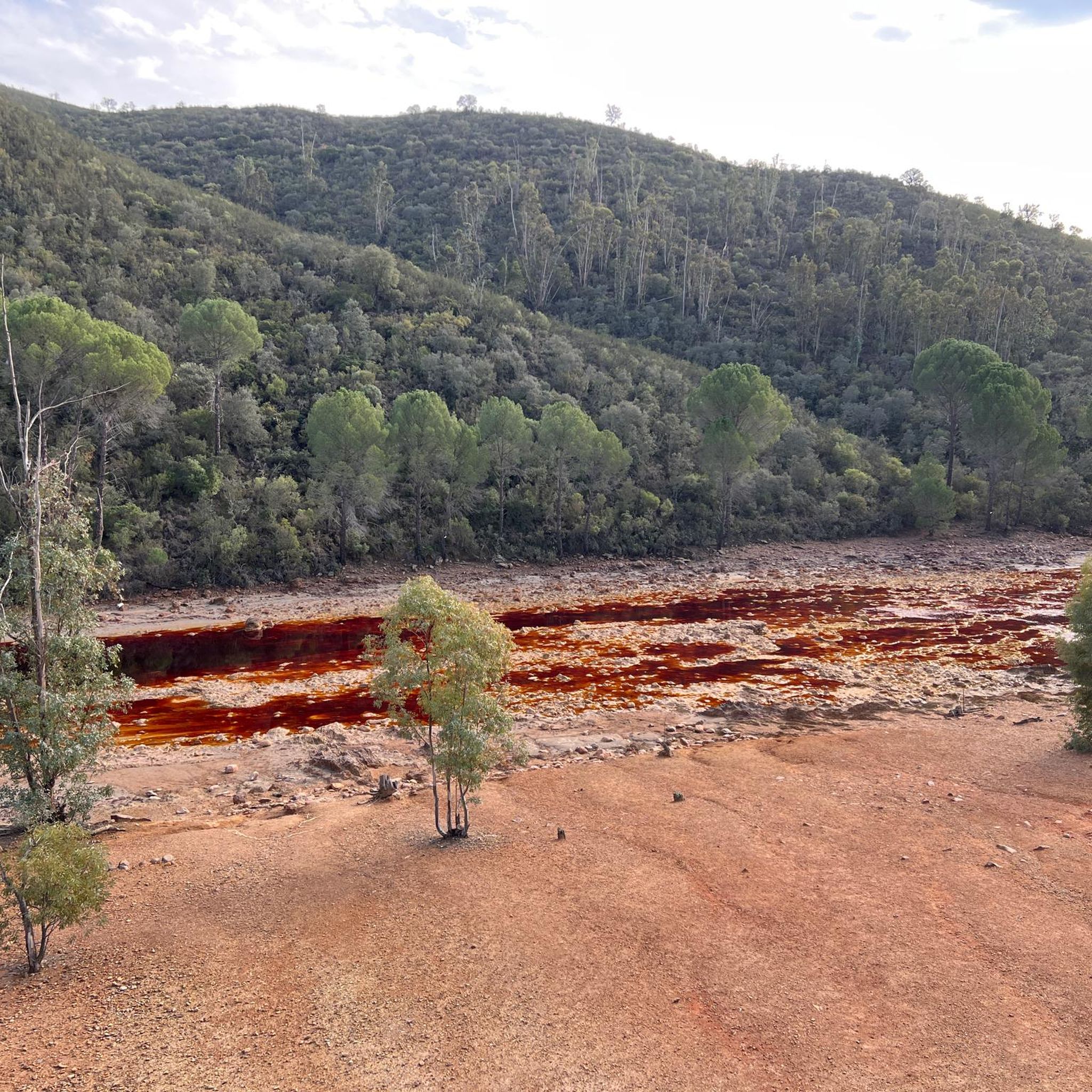
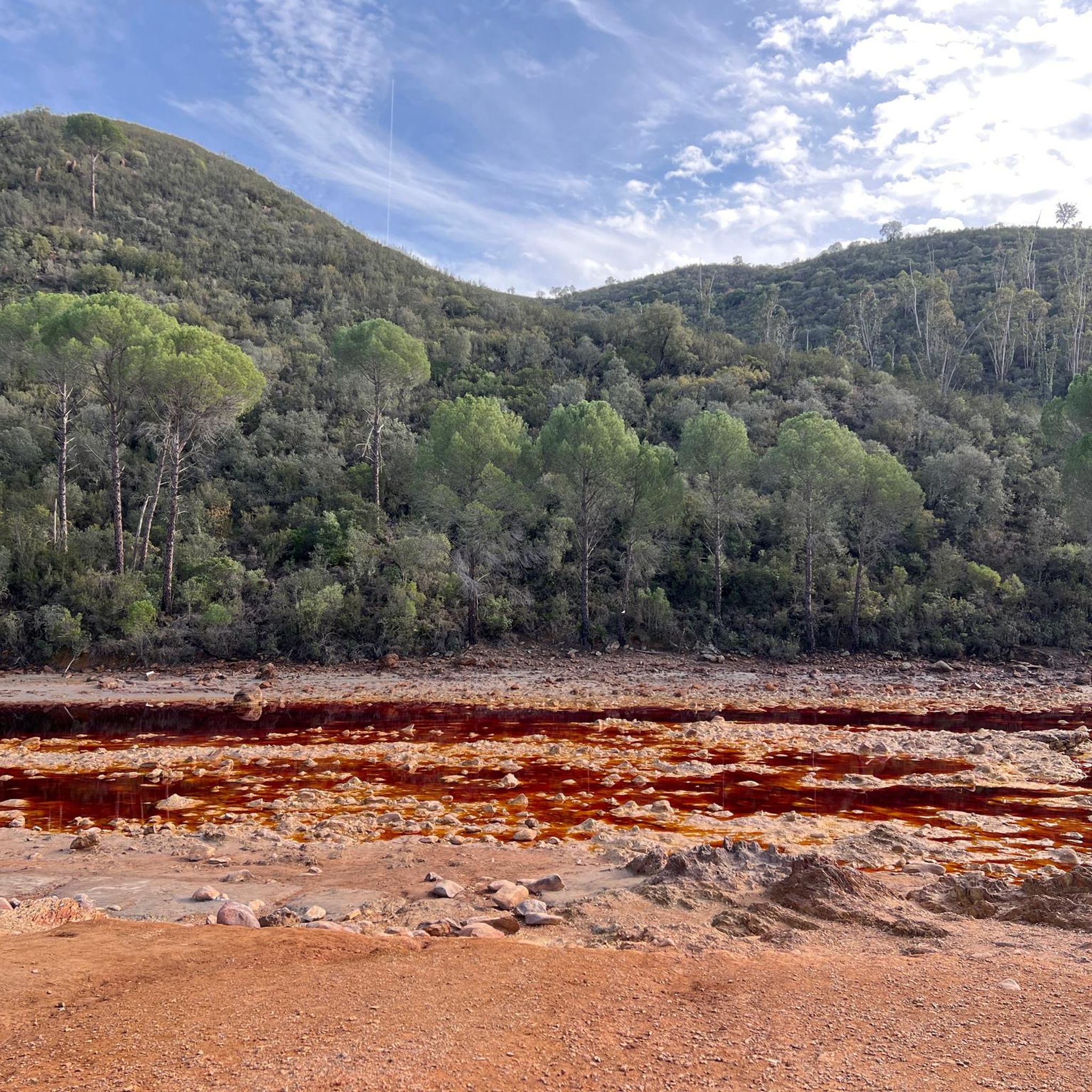
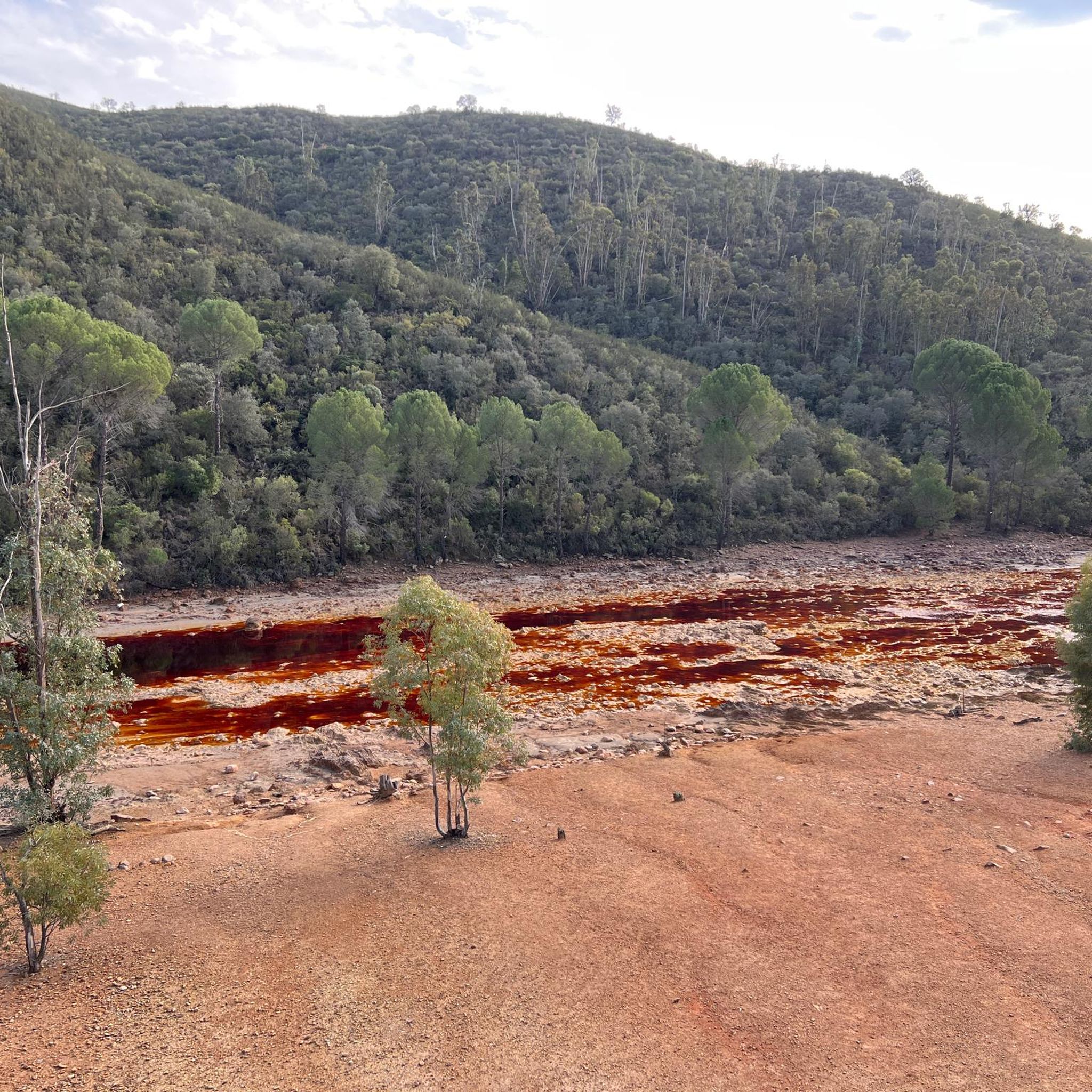
The source of the Tinto River is located in the municipality of Nerva, in the province of Huelva, Andalusia, and is one of the most unique landscapes in Europe due to its reddish color and its scientific and geological value.
1
0

To get to the viewpoint, paid access is required. The hiking trail ends here at a fence. Nevertheless, a somewhat limited view of the opencast mine is possible
2
0
An approximately 3 kilometer long circular route leads around the natural monument Montera de Gossan. Don't miss it because of the beautiful views.
0
0

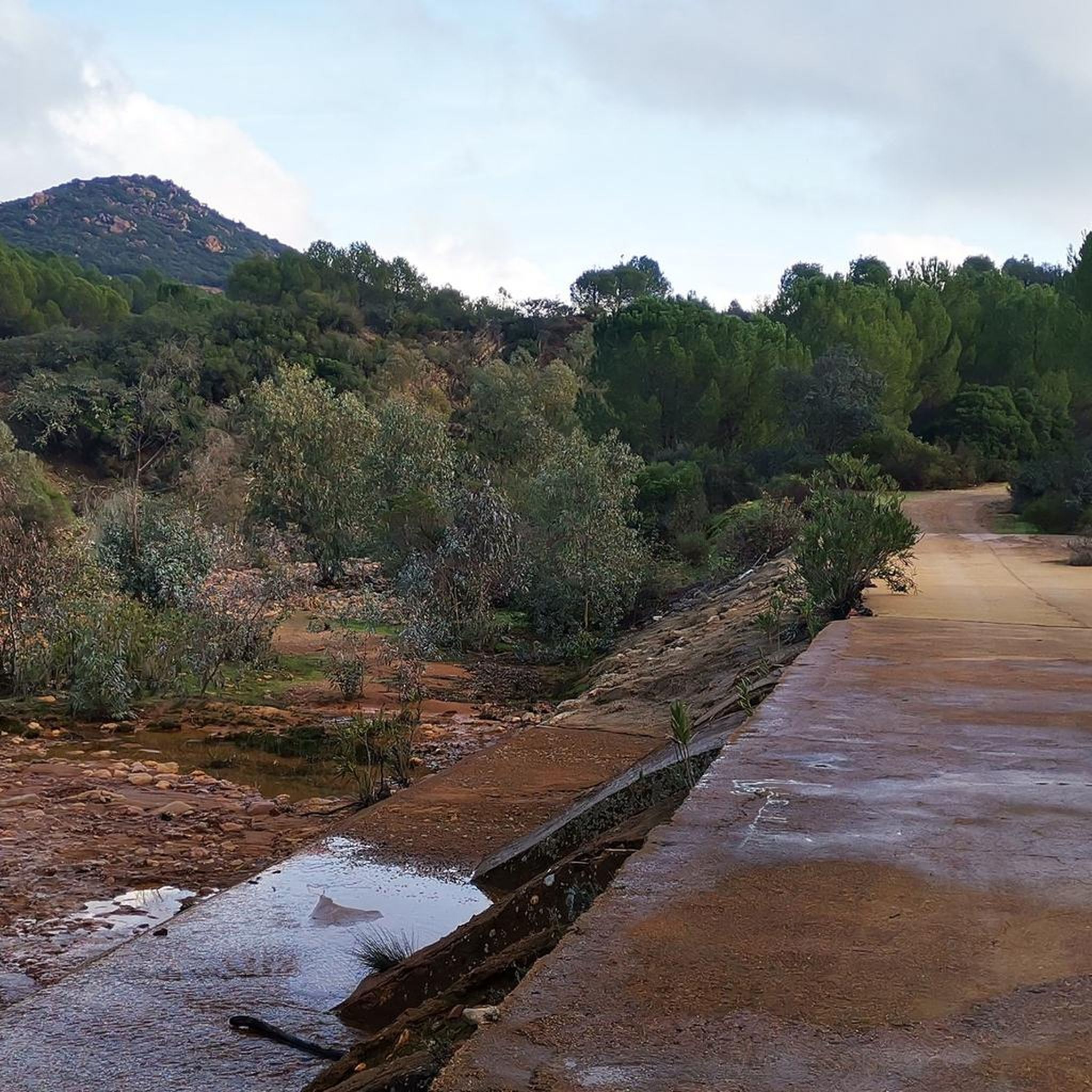
Road that crosses the Gossán reservoir allows you to enjoy this almost Martian landscape. The reddish color of the water is due to the iron content, due to the proximity of old mineral mines. You can even taste iron in the air. Truly futuristic landscapes.
1
0

Also known as the Padre Caro mountain range, it indicates the source of the Río Tinto which runs through the interior of Huelva for about 100 km until it reaches the Odiel River. Its name is due to the reddish color of its waters, caused by the weathering of minerals with a high content of heavy metal sulfides that were found and exploited in various deposits along the riverbed.
0
0

Corta Atalaya was the largest open pit (mainly copper) mine in Europe and at one time the largest in the world. It has a roughly elliptical shape, 1,200 meters long, 900 meters wide and 350 meters deep.
1
0
The largest open pit mine in Europe, now a tourist attraction. Its main mineral reserves are zinc, copper and lead.
3
0
Frequently Asked Questions
What are some of the most notable natural monuments to visit around El Madroño?
El Madroño and its surroundings offer several unique natural monuments. You can explore the Source of the Río Tinto, known for its distinctive reddish waters. Another significant site is the Corta Atalaya Mine, which is Europe's largest open-pit mine and now a tourist attraction. Don't miss Peña del Hierro, an old disused mine with authorized trails offering impressive views.
What makes the natural monuments in El Madroño unique?
The natural monuments around El Madroño are unique due to their geological features and historical significance. The region is part of the Sierra Norte de Sevilla Natural Park, characterized by extensive cork and holm oak forests. Sites like the Source of the Río Tinto showcase waters colored by heavy metal sulfides, making for a truly otherworldly landscape. The area also features ancient holm oaks, like the Encina de los Perros, known for its immense size and resilience.
Are there historical or archaeological sites among the natural monuments?
Yes, the area combines natural beauty with rich history. The Corta Atalaya Mine and Peña del Hierro are historical mining sites that have been designated as natural monuments. Additionally, the rock engravings at Cerro de El Riscal offer a glimpse into the region's ancient past with rare Neolithic petroglyphs.
What is the best time of year to visit the natural monuments in El Madroño?
The best time to visit the natural monuments around El Madroño is generally during the spring (March to May) and autumn (September to November) months. During these seasons, the weather is milder and more pleasant for outdoor activities like hiking and cycling, allowing you to fully enjoy the natural landscapes without the intense heat of summer.
Are there family-friendly natural monuments or activities in the area?
Yes, the Corta Atalaya Mine is considered family-friendly and offers a unique educational experience. Exploring the vast open-pit mine can be fascinating for all ages. Many of the trails through the natural park are also suitable for families, offering opportunities for gentle walks amidst the cork and holm oak forests.
What kind of outdoor activities can I do near these natural monuments?
The area around El Madroño is excellent for various outdoor activities. You can enjoy hiking, with trails like the 'Río Tinto Mining Train Trail' and 'El Madroño Miners' Trail'. Cycling is also popular, with options for road cycling and touring, including routes that explore the Riotinto Mining Basin. For more details on routes, you can check the Hiking around El Madroño guide or the Cycling around El Madroño guide.
Are there specific hiking trails near the natural monuments?
Yes, there are several hiking trails that allow you to explore the natural monuments. For instance, you can find trails around the Peña del Hierro, which are authorized for visitors. The 'Río Tinto Mining Train Trail' and 'Río Tinto Greenway Loop' offer moderate difficulty options to experience the unique landscape of the Tinto River. You can find more hiking routes in the Hiking around El Madroño guide.
What are the geological features I can observe in the region?
The region is rich in geological features, primarily influenced by its mining history. You can observe the striking reddish waters of the Source of the Río Tinto and the Gossán Reservoir, colored by high iron content from mineral weathering. The vast open-pit formations of the Corta Atalaya Mine also showcase the dramatic impact of geological processes and human activity.
Can I find accommodation or places to eat near the natural monuments?
El Madroño, while a smaller town, offers a serene escape. You can find local cafes and pubs within the municipality. For accommodation, options are available in El Madroño and surrounding towns, providing a tranquil base for exploring the natural monuments. For broader information on the area, you might find details on local amenities on the Visit Andalucia website.
What kind of wildlife can I expect to see?
Being part of the Sierra Norte de Sevilla Natural Park, the area around El Madroño is home to diverse wildlife. You can often spot various bird species, especially in the cork and holm oak forests. The tranquility of the region also provides habitats for smaller mammals, though they can be more elusive. Waking to birdsong is a common and pleasant experience for visitors.
Are there any viewpoints offering panoramic views of the natural monuments?
Yes, several natural monuments double as excellent viewpoints. The Peña del Hierro offers impressive views, particularly of the source of the Tinto River and the mining crater. The Corta Atalaya Mine also has viewpoints where you can observe the immense scale of the open-pit mine.
What is the significance of the 'madroño' trees in the region?
The town of El Madroño itself is named after the abundant 'madroño' (strawberry trees) found in its vicinity. These trees are a significant part of the local natural vegetation and contribute to the rich biodiversity and scenic beauty of the area, especially within the Sierra Norte de Sevilla Natural Park.
Most popular attractions around El Madroño

Get inspired with the komoot mobile app


Explore more
Extend your search for the best caves by checking out these guides of the top ones around El Madroño:
