Top 7 Mountain Passes around Querol
Mountain passes around Querol are situated in the Alt Camp comarca of Tarragona, Catalonia, Spain. The region features diverse landscapes with varied elevation changes. Routes often traverse areas with historical features and natural beauty. These mountain passes offer a range of terrain for exploration.
Best mountain passes around Querol
- The most popular mountain pass is Coll de les Ventoses, an intermediate climb that spans 7 kilometers with a consistent average gradient of 4.5%. It offers panoramic views of the…
Last updated: July 1, 2026
Coll de les Ventoses
Highlight • Mountain Pass
Translated by Google •
Tip by

Coll d'Arca
Highlight • Mountain Pass
Translated by Google •
Tip by
Sign up now to discover places like this
Get recommendations on the best single tracks, peaks, & plenty of other exciting outdoor places.
Sign up for free
Collet de la Serra
Highlight • Mountain Pass
Translated by Google •
Tip by
Coll de Coloma Pass
Highlight • Mountain Pass
Translated by Google •
Tip by

Pontons - Torrelles de Foix
Highlight (Segment) • Mountain Pass
Translated by Google •
Tip by
Sign up for free to discover even more mountain passes around Querol.
Sign up for free
Already have an account?
Start today with a free account
Your next adventure awaits.
Login or Signup
Tips from the Community

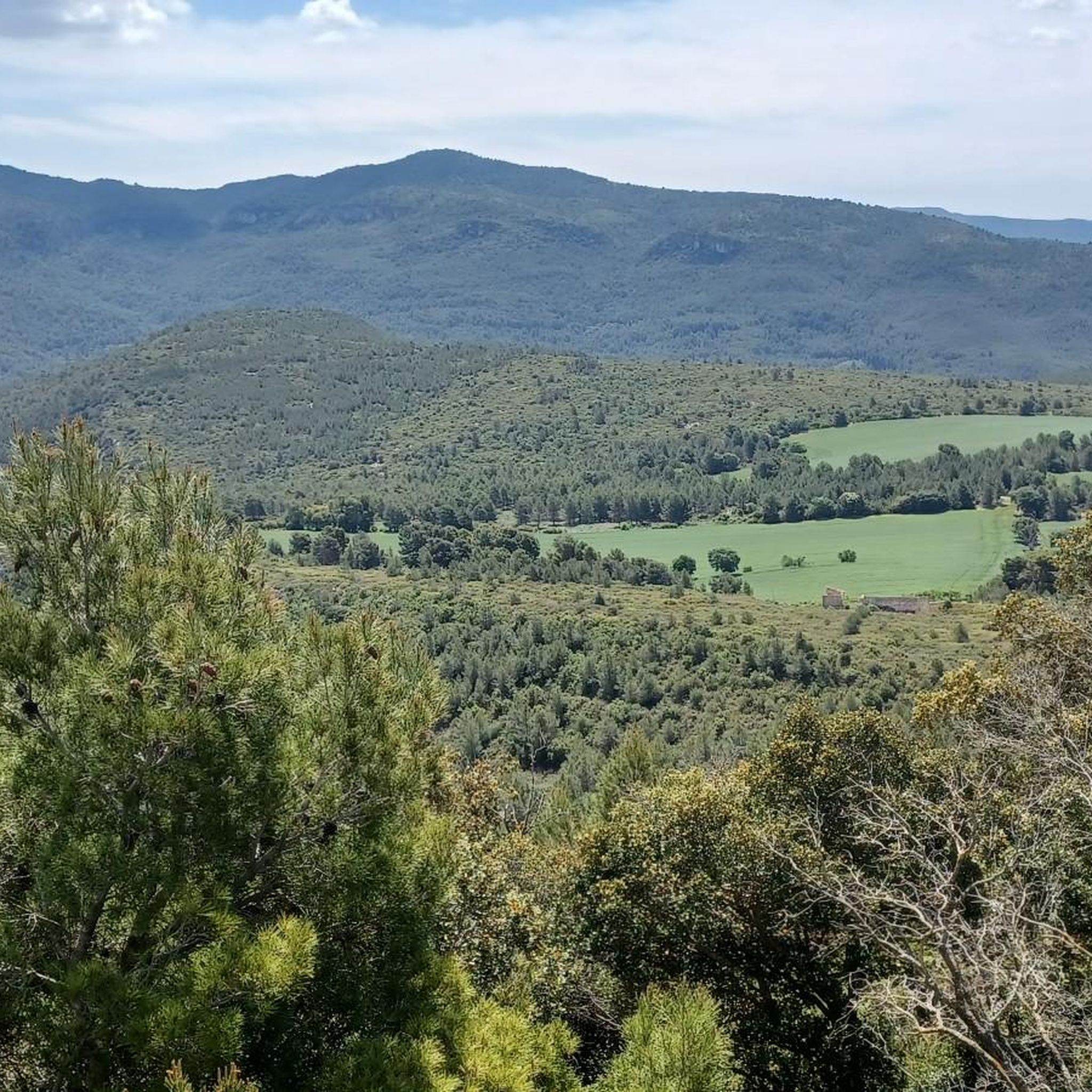
The Coll de l’Arca is the mountain pass that connects Joncosa del Montmell with Aiguaviva. Until a few years ago it was just a difficult track, but now with the paved road it has become a key point that gives life to both towns. From here begins the descent to Aiguaviva, fast and panoramic, ideal to enjoy it on MTB. In addition to the pass, the col is a connection point with routes to Cova Gran and other interesting paths that cross the mountain range. It is a perfect place to stop for a moment, breathe and decide where to continue, with the feeling of being in the heart of Montmell.
0
0

Magnificent port. Good condition, good terrain and incredible views.
0
0

Tough loose cli.b, Best done in cool conditions. Can be very 🔥. Loose descent on the west side, but great track
0
0

Also known on maps as Alt de la Talaia (look it up on Google Maps to find it), it is a beautiful, accessible and quiet mountain pass that starts in Sant Jaume dels Domenys, in the Penedés region, to enter the interior mountain range of Catalonia, towards the La Conca de Barberà region. On the southwest side (Sant Jaume dels Domenys) it is 8.1 km with an average gradient of 4.3%, very constant throughout the entire climb. The climb is generally very panoramic, with the road marking beautiful hairpin bends in the middle part. The road is in perfect condition and traffic is almost non-existent. It is a port that I loved. In addition, the area offers many possibilities to connect with other towns of the style.
1
0

Very nice climb especially the last 150 meters 👍💪
0
0

On clear days, spectacular views of the Penedès.
1
0

Mythical hill to climb in the area, beautiful curves, little traffic, and a super cool descent
0
0

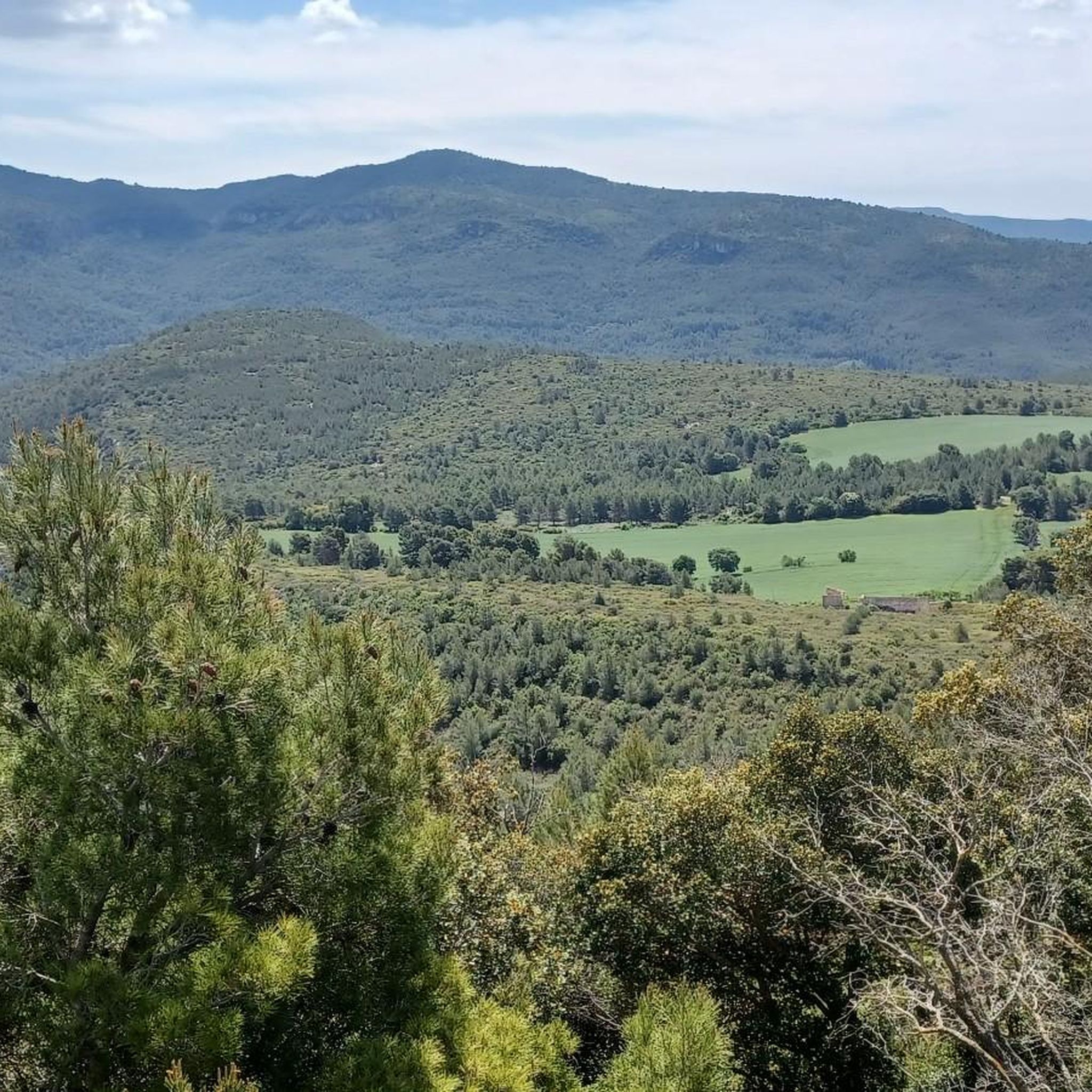
Mountain port between Figuerola and Prenafeta with incredible views. From there you can see Tossal Gros (867 meters), the highest mountain in the Miramar mountain range.
2
0
Frequently Asked Questions
What are some of the most popular mountain passes around Querol?
The region offers several highly-regarded mountain passes. Among the most popular are Coll de les Ventoses, an intermediate climb known for its panoramic views of the Penedès plain and the Mediterranean Sea. Another favorite is Collet de la Serra, an intermediate pass with multiple scenic approaches, and Coll d'Arca, which presents a challenging ascent with sections exceeding 10% gradients.
What is the difficulty level of mountain passes in the Querol area?
Mountain passes around Querol offer a diverse range of difficulties, catering to various experience levels. You'll find intermediate climbs like Coll de les Ventoses and Collet de la Serra, which provide a moderate challenge. For those seeking a more rigorous workout, passes such as Coll d'Arca and Coll de Montagut feature challenging gradients, with some sections reaching up to 17%.
What kind of views and natural features can I expect to see from the mountain passes?
The mountain passes around Querol are renowned for their scenic beauty. From Coll de les Ventoses, you can enjoy expansive panoramic views of the Penedès plain and even the Mediterranean Sea. Collet de la Serra also offers spectacular views of the Penedès on clear days. Additionally, passes like Coll de Coloma Pass provide incredible vistas, including the Tossal Gros, the highest mountain in the Miramar range. The region itself is characterized by diverse landscapes, including the picturesque Gaià river and its pools.
Are there historical or cultural sites near the mountain passes in Querol?
Yes, many routes through the mountain passes in Querol traverse areas rich in historical features. You can often find castles and churches along the way, adding a cultural dimension to your outdoor adventure. The region's diverse terrain often leads through charming villages with historical significance.
What outdoor activities can I do near the mountain passes around Querol?
The area around Querol's mountain passes is excellent for various outdoor activities. You can find numerous road cycling routes, including challenging loops that incorporate passes like Collet de la Serra. There are also gravel biking opportunities and running trails, with options ranging from easy to difficult. For more details on routes, check out the Road Cycling Routes around Querol, Gravel biking around Querol, and Running Trails around Querol guides.
What is the best time of year to visit the mountain passes in Querol?
The region generally offers pleasant conditions for exploring mountain passes. While specific seasonal data isn't provided, the mention of 'cool conditions' being best for some climbs suggests that spring and autumn would be ideal to avoid the peak heat of summer, especially for more strenuous activities. Winter hiking options may also be available, but it's always advisable to check local weather conditions.
Are there any less crowded mountain passes or routes in the area?
Many of the mountain passes in Querol are known for generally low traffic, making them appealing for those seeking a quieter experience. For instance, the climb to Coll de les Ventoses is frequented by cyclists but has a low level of road traffic. Similarly, the approaches to Collet de la Serra are described as very calm with little traffic, especially from La Llacuna and Sant Martí Sarroca.
What do visitors enjoy most about the mountain passes around Querol?
Visitors particularly appreciate the diverse landscapes, varied gradients, and generally low traffic, which make for enjoyable cycling and hiking experiences. The panoramic views, especially from passes like Coll de les Ventoses, are a major draw. The combination of natural beauty with historical elements like castles and churches also adds to the appeal, offering a rich exploration experience.
Can I find routes suitable for beginners in the Querol mountain pass area?
While many passes offer intermediate to challenging climbs, the region's diverse terrain means there are also routes with more moderate gradients. For example, Port de Querol is a Category 4 climb with an average gradient of 3.1%, offering a moderate challenge suitable for many road cyclists. Additionally, the Running Trails around Querol guide lists an easy 3.9km running loop from l'Albà, suggesting gentler options are available in the broader area.
Are there any specific passes known for their consistent gradients?
Yes, Coll de les Ventoses is well-known for its consistent average gradient of 4.5% over 7 kilometers, rarely exceeding 6%. This makes it a popular choice for cyclists who prefer a steady climb. Port Esblada also offers a manageable climb with consistent, but not overly steep, gradients, averaging 3.7%.
What are the longest and most demanding climbs in the Querol region?
For a longer and more demanding ride, consider the ascent to Collet de la Serra from Torrelles de Foix, which is a Category 2 climb spanning 12.8 kilometers with a significant 450 meters of elevation gain. For sheer steepness, Coll d'Arca, particularly the Juncosa del Montmell slope, features sections with gradients exceeding 10%, including a final section with a challenging 17% gradient.
Most popular attractions around Querol

Get inspired with the komoot mobile app


Explore more
See even more epic mountain passes by checking out these guides around Querol:
