Top 2 Natural Monuments around Ródenas
Natural monuments around Ródenas, situated in the Sierra de Albarracín region of Teruel, Spain, showcase distinctive geological formations and diverse natural landscapes. The area is characterized by unique red sandstone (rodeno) formations within the Paisaje Protegido de los Pinares de Rodeno, shaped over millennia by erosion. Ródenas also features the Hoyón de Ródenas, a significant karstic sinkhole. These sites provide opportunities to observe geological processes and historical elements.
Best natural monuments around Ródenas
- The most popular natural monuments is Peracense…
Last updated: July 1, 2026
Peracense Castle
Highlight • Castle
Translated by Google •
Tip by

Passage between rocks
Highlight • Gorge
Translated by Google •
Tip by
Sign up now to discover places like this
Get recommendations on the best single tracks, peaks, & plenty of other exciting outdoor places.
Sign up for free
Lagoon Shelter
Highlight • Mountain Hut
Translated by Google •
Tip by

Piedra del Peruano
Highlight • Monument
Tip by

Piedra de la Horca
Highlight • Natural Monument
According to a legend, in the …
Translated by Google •
Tip by

Start today with a free account
Your next adventure awaits.
Login or Signup

Tips from the Community

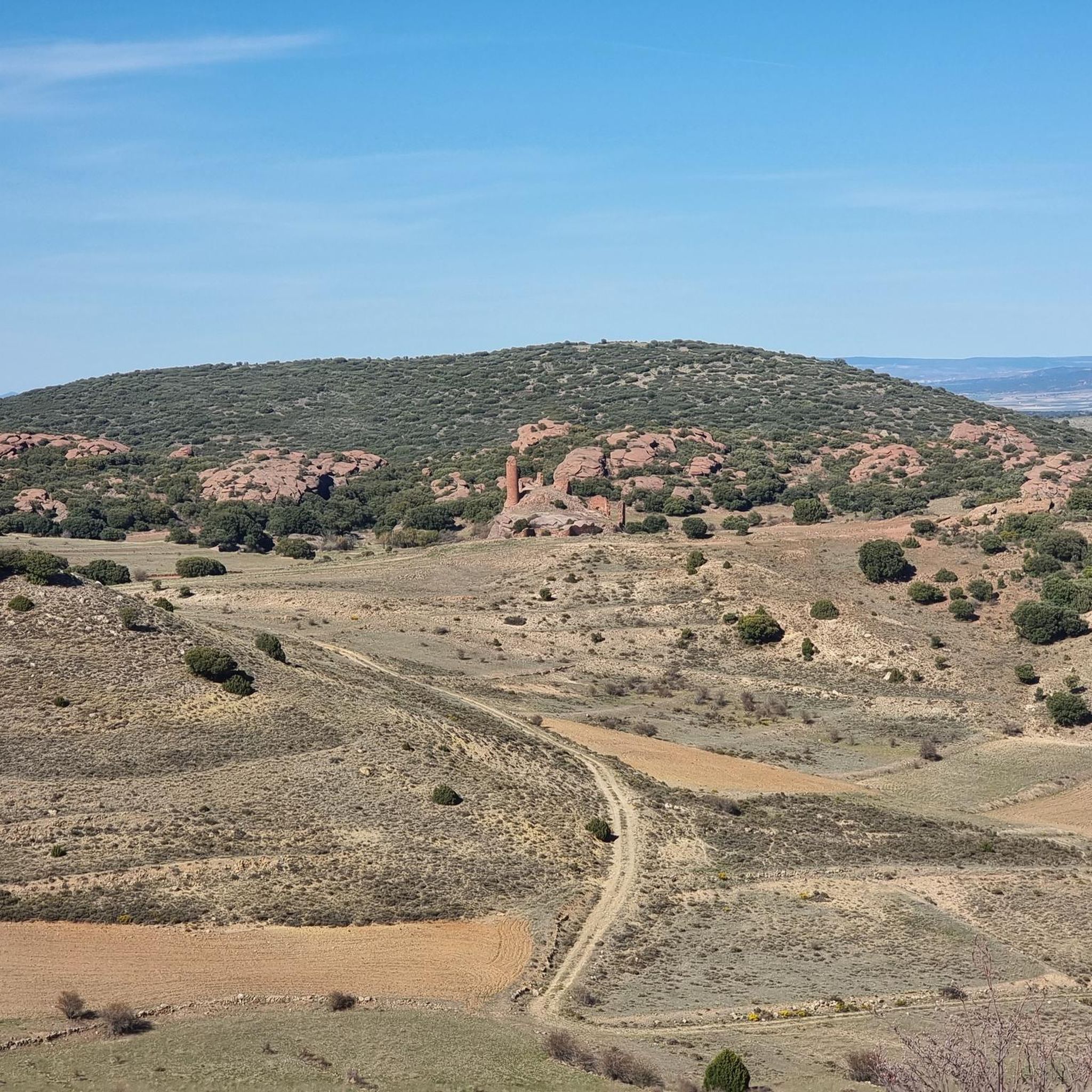
It is known for its characteristic reddish colour, the result of the use of local rodeno stone in its construction. This castle, one of the best preserved in Aragon, is located in a strategic position on a rock formation, which gives it spectacular views of the surroundings, especially the Jiloca valley. Its history dates back to the Bronze Age, although the current structure dates from the 12th to the 14th centuries.
7
0

beautiful we can see it at the last moment
3
0
The castle sits on a rock formation of rodeno, which gives it spectacular views of the surroundings, especially the Jiloca valley. Its history dates back to the Bronze Age, and it has been an important fortress during the Muslim period and the Middle Ages.
6
0
The Peracense Castle has an exceptional history that spans several eras and societies. This impressive castle, built in the 13th century, took advantage of the natural conditions of the terrain and played a fundamental role in the defense of the kingdom of Aragon during the wars with Castile. A fascinating visit to the past! 🏰 I hope you enjoy your visit to Peracense Castle! 😊🏰
36
0

For the nostalgic, a little side of "the mysterious cities of gold"
1
0

Fairly large shelter, with two picnic tables inside (large), windows, and plenty of space around to put mats and sleep. It does not have a fireplace. It is in a recreational area, with a fountain and picnic tables also outside. The lagoon is close, and you can hear many birds. Very quiet and very pleasant area.
2
0

Through this corridor between rocks you can access the Malena cave and the Horca stone, as well as enjoy a beautiful view of the Peracense castle from below.
4
0
Triassic sandstones, curious for their strata of different composition and hardness, in which the action of wind, rain and ice erosion can be seen. According to a legend, in the Middle Ages it was a place for the execution of criminals.
1
0
Frequently Asked Questions
What unique geological features can I explore around Ródenas?
The region is renowned for its distinctive red sandstone (rodeno) formations, particularly within the Paisaje Protegido de los Pinares de Rodeno. These have been sculpted by erosion into ravines, semi-spherical hollows known as taffoni, and large circular depressions called pilancones. You can also visit the Piedra de la Horca, where you can observe Triassic sandstones with visible erosion patterns.
Are there any historical sites integrated with the natural monuments?
Yes, several natural monuments in the area have significant historical connections. The impressive Peracense Castle, a 13th-century fortress, strategically utilized the natural terrain for defense. Additionally, the Pinares de Rodeno is a UNESCO World Heritage site, home to numerous prehistoric Levantine rock art sites depicting ancient life.
What kind of outdoor activities can I do near the natural monuments?
The area offers a variety of outdoor activities. You can explore numerous well-marked hiking and cycling routes within the Pinares de Rodeno. For more specific routes, consider checking out the Hiking around Ródenas guide, the MTB Trails around Ródenas, or the Road Cycling Routes around Ródenas for detailed options.
Are there family-friendly natural monuments or facilities in the area?
Yes, the Lagoon Shelter is a great family-friendly option. It's a large, covered shelter with picnic tables, located in a recreational area with a fountain and additional outdoor picnic tables. It's close to a lagoon, offering a quiet and pleasant environment where you can hear many birds.
Where can I find prehistoric rock art near Ródenas?
The Pinares de Rodeno is an archaeological treasure, featuring numerous sites with Levantine rock art. These ancient paintings, dating back between 12,000 and 6,500 years, are recognized as a UNESCO World Heritage site. Ródenas is specifically noted as one of the municipalities where these significant engravings can be found within the Albarracín Cultural Park, which overlaps with Pinares de Rodeno. Marked trails often lead to these accessible shelters.
What is the Hoyón de Ródenas and how can I visit it?
The Hoyón de Ródenas is a significant karstic sinkhole, approximately 100 meters deep, located on the outskirts of the village. It's accessible via a marked path from the road leading from Pozondón to Ródenas. It offers opportunities for hiking and, for the more adventurous, climbing, providing an interesting site to understand geomorphological processes.
What kind of wildlife can be observed in the Pinares de Rodeno?
The Pinares de Rodeno supports a rich variety of Mediterranean wildlife. The forests are home to species such as wild boars, roe deer, red deer, foxes, and squirrels. Birdwatchers can spot royal eagles, peregrine falcons, eagle owls, and various other raptors inhabiting the cliffs and crags.
Are there any viewpoints offering scenic panoramas of the natural monuments?
Yes, the Peracense Castle, perched on a rodeno rock formation, offers spectacular views of the surroundings, especially the Jiloca valley. Additionally, the Passage between rocks provides a beautiful view of Peracense Castle from below.
What is the best time to visit the natural monuments around Ródenas?
While specific seasonal recommendations aren't detailed, the region's natural beauty, with its red sandstone formations contrasting with pine forests, is generally appealing across seasons. Spring and autumn typically offer pleasant temperatures for hiking and exploring the outdoor sites and rock art.
Is there a unique man-made monument among the natural features?
Yes, you can find the Piedra del Peruano, a curious sculpture created by a Peruvian emigrant in the 1990s, located in a remote setting amidst the natural landscape.
What are the main characteristics of the Paisaje Protegido de los Pinares de Rodeno?
The Paisaje Protegido de los Pinares de Rodeno is characterized by its distinctive red sandstone formations and extensive pine forests. It's known for its unique geological features, rich biodiversity, and significant prehistoric Levantine rock art, making it a blend of natural beauty, ecological importance, and historical heritage.
Most popular attractions around Ródenas

Get inspired with the komoot mobile app


Explore more
Extend your search for the best caves by checking out these guides of the top ones around Ródenas:
