Top 15 Natural Monuments around Rubiales
Natural monuments around Rubiales offer diverse landscapes for exploration. The region features geological formations such as canyons, along with lakes and forested areas. These natural sites provide opportunities to experience the area's varied terrain. Visitors can find a range of natural features, from water bodies to elevated viewpoints.
Best natural monuments around Rubiales
- The most popular natural monuments is The Clays of Teruel, a canyon known for its geological formations. It is popularly referred to as the Aragonese Colorado…
Last updated: July 1, 2026
The Clays of Teruel
Highlight • Canyon
Tip by

Laguna de Bezas
Highlight • Lake
It is located …
Translated by Google •
Tip by

Sign up now to discover places like this
Get recommendations on the best single tracks, peaks, & plenty of other exciting outdoor places.
Sign up for free
Arquillo de San Blas Reservoir
Highlight • Lake
Translated by Google •
Tip by

Balsa del Pinar
Highlight • Lake
Translated by Google •
Tip by

Alto de la Cruz (Peña Botadera) Lookout
Highlight • Viewpoint
Translated by Google •
Tip by

Sign up for free to discover even more natural monuments around Rubiales.
Sign up for free
Already have an account?
Start today with a free account
Your next adventure awaits.
Login or Signup

Other adventures around Rubiales

Tips from the Community

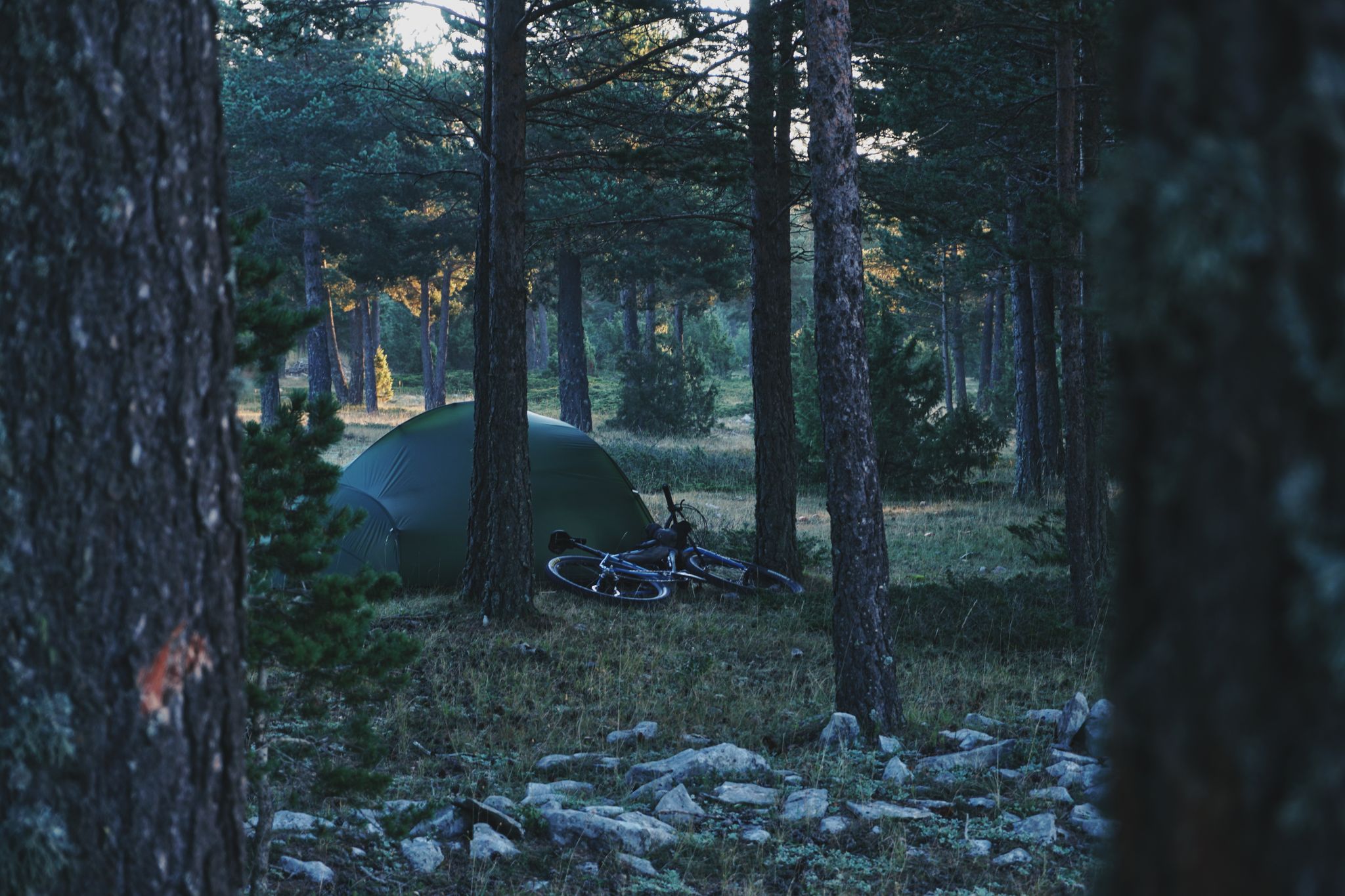
Simply grandiose - you dive into another world. This landscape was created by erosion. Discovered by chance. Simply magically attractive, to explore the landscape to the last corner. Sturdy footwear if you move off the wide path and be careful not to step too far on the edge, material could break away.
0
0

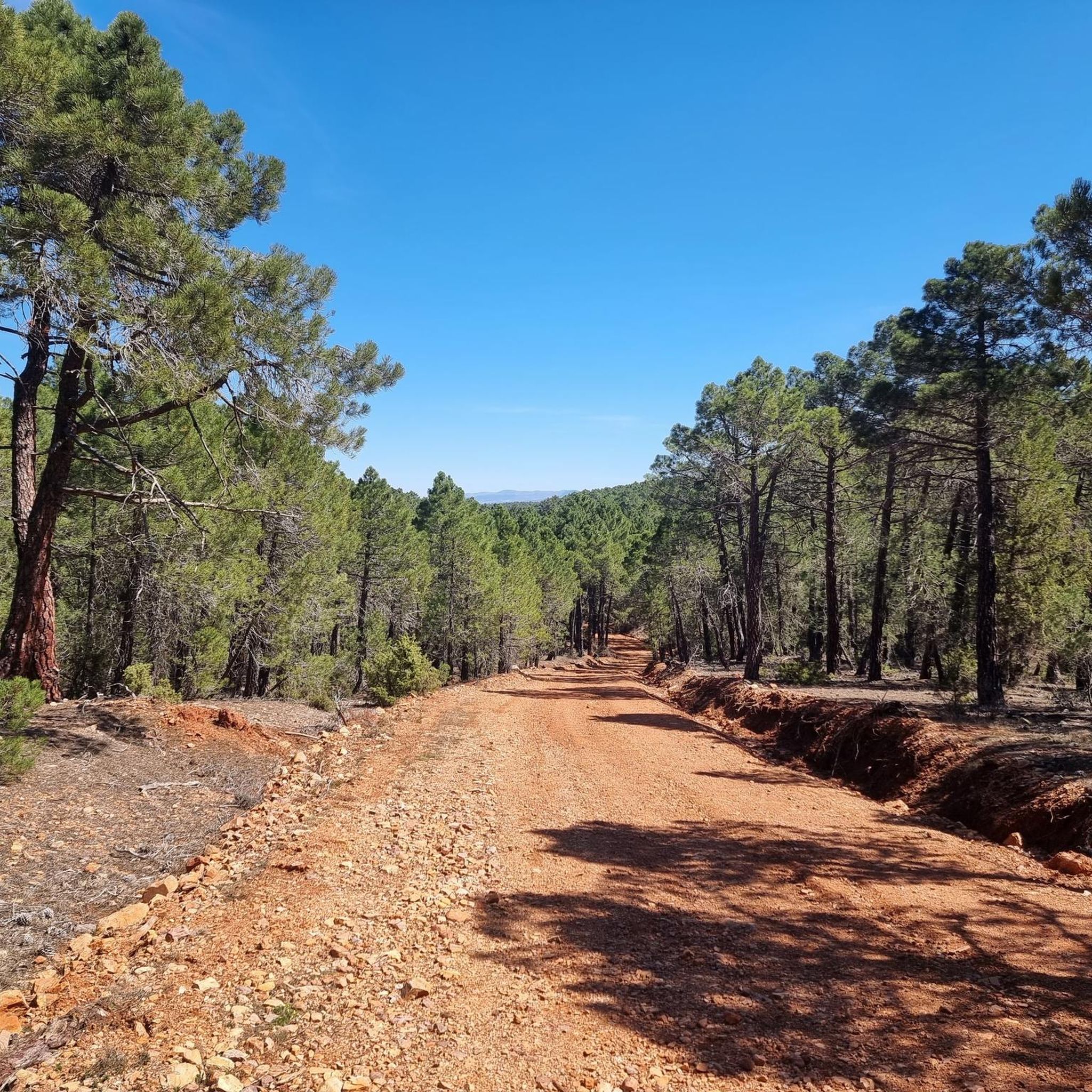
The gravel road that runs along the edge of the Teruel Red Canyon is a true scenic highlight; gravel riding is a real joy in such a landscape. Of course, you shouldn't resist taking a few photos ;-) And don't miss the beautiful mushroom-shaped rock formation in the middle of the canyon!
2
0
A small puddle that is under nature protection ;-)
0
0

super beautiful plus swimming
0
0

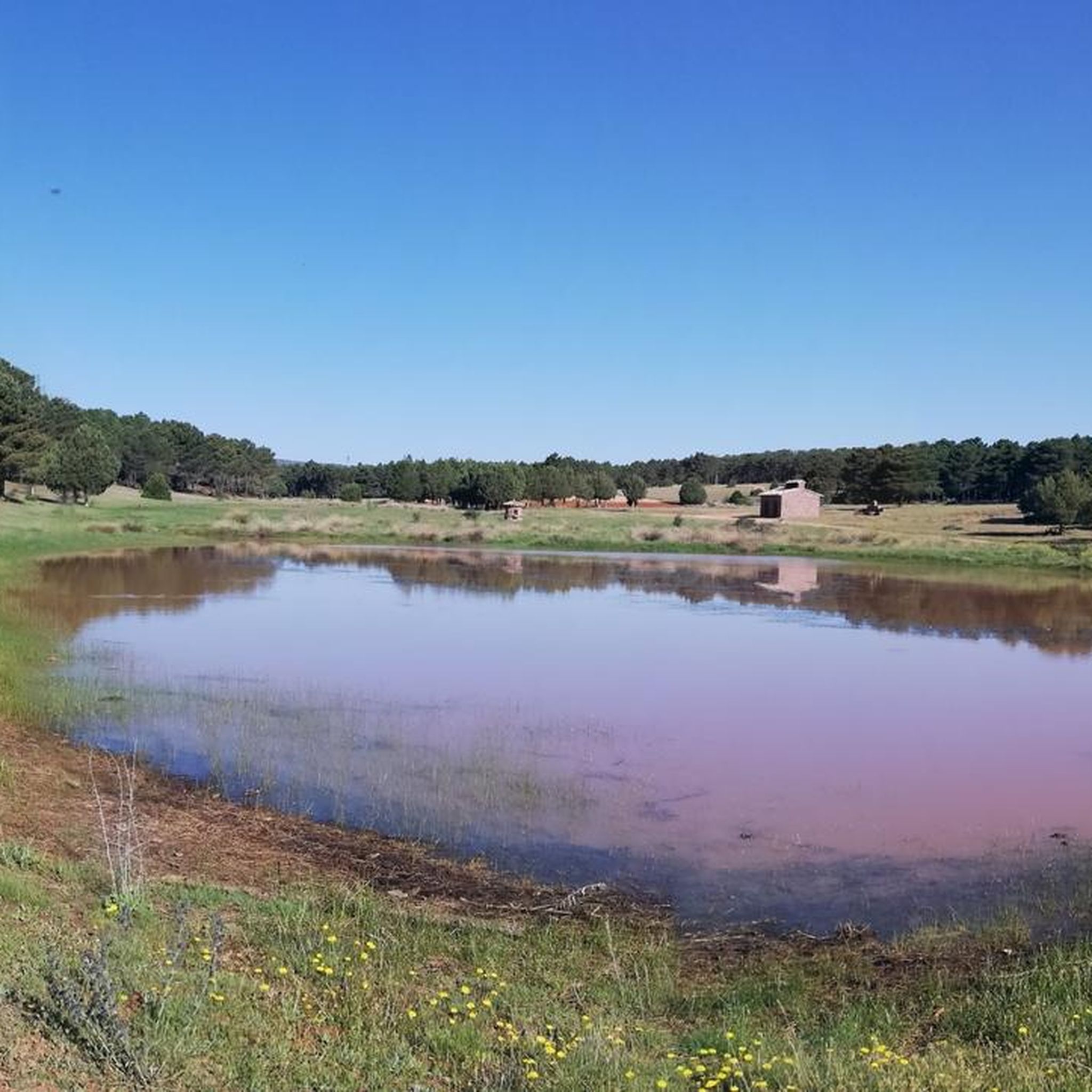
Bezas Lagoon, located in the Sierra de Albarracín (Teruel province, Aragon), is a natural enclave of great beauty and ecological value. It is located very close to the village of Bezas, in an area of outstanding scenic value.
5
0

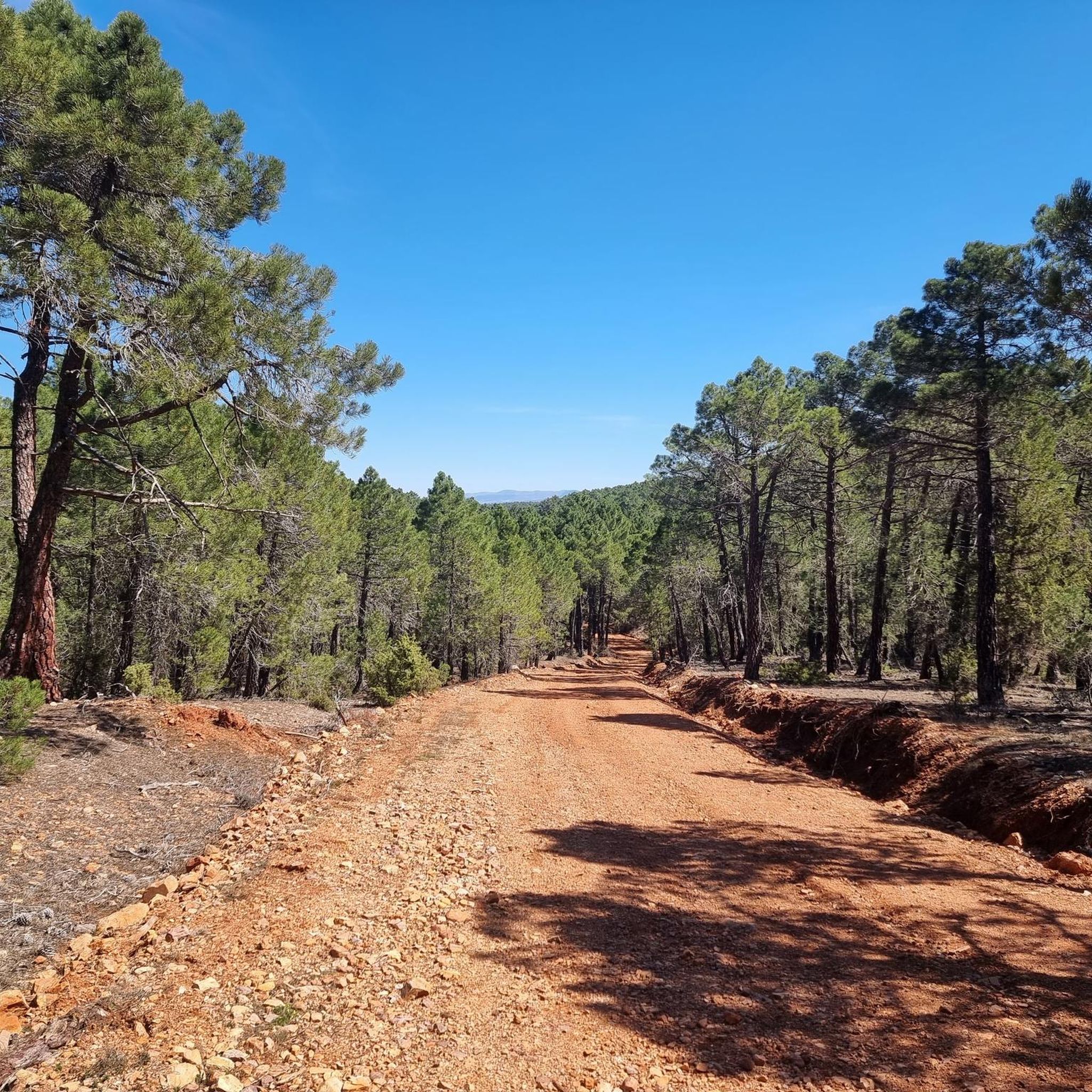
Be careful if it rains the day before. The red earth will turn to mud and your tires will turn into peanut butter donuts.
1
0

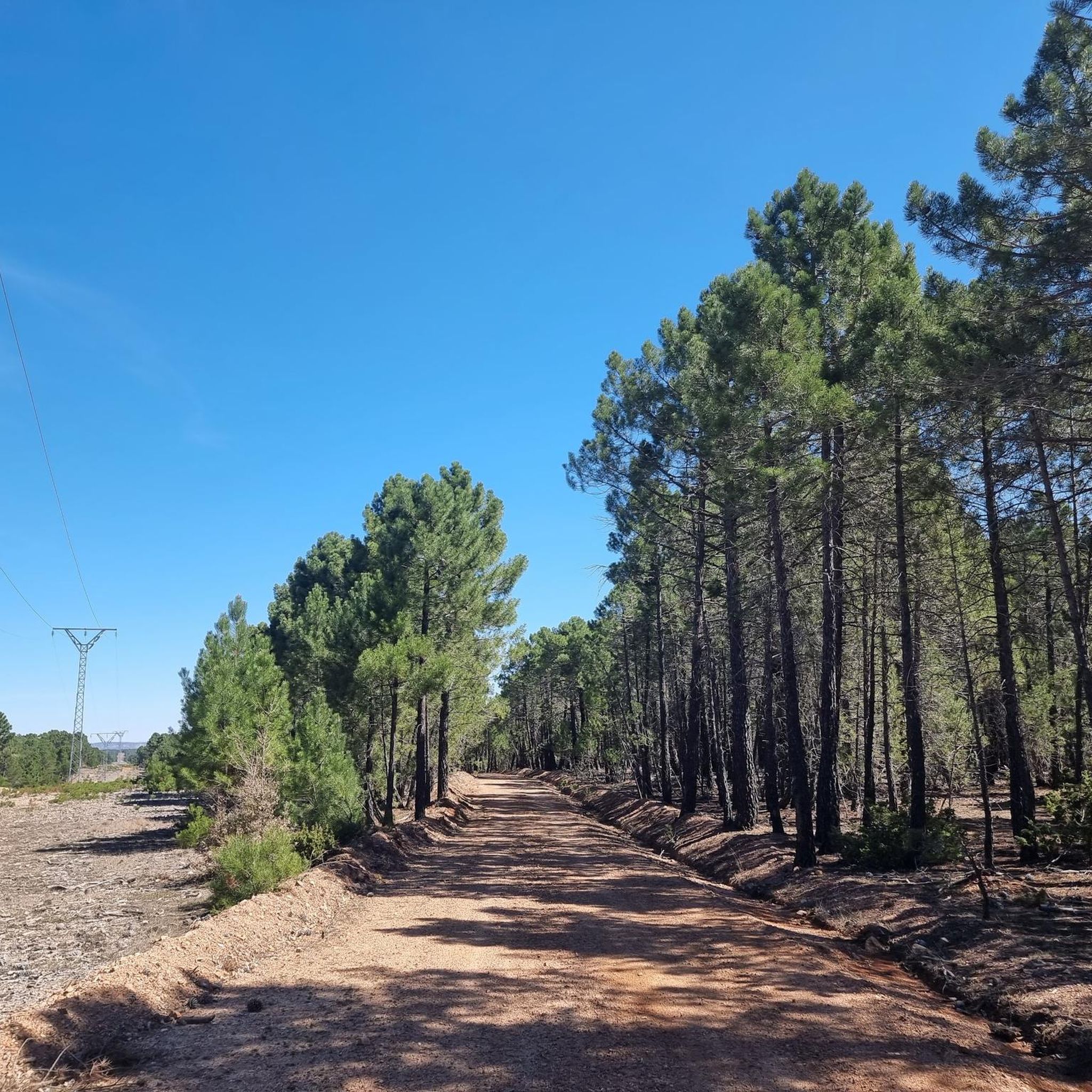
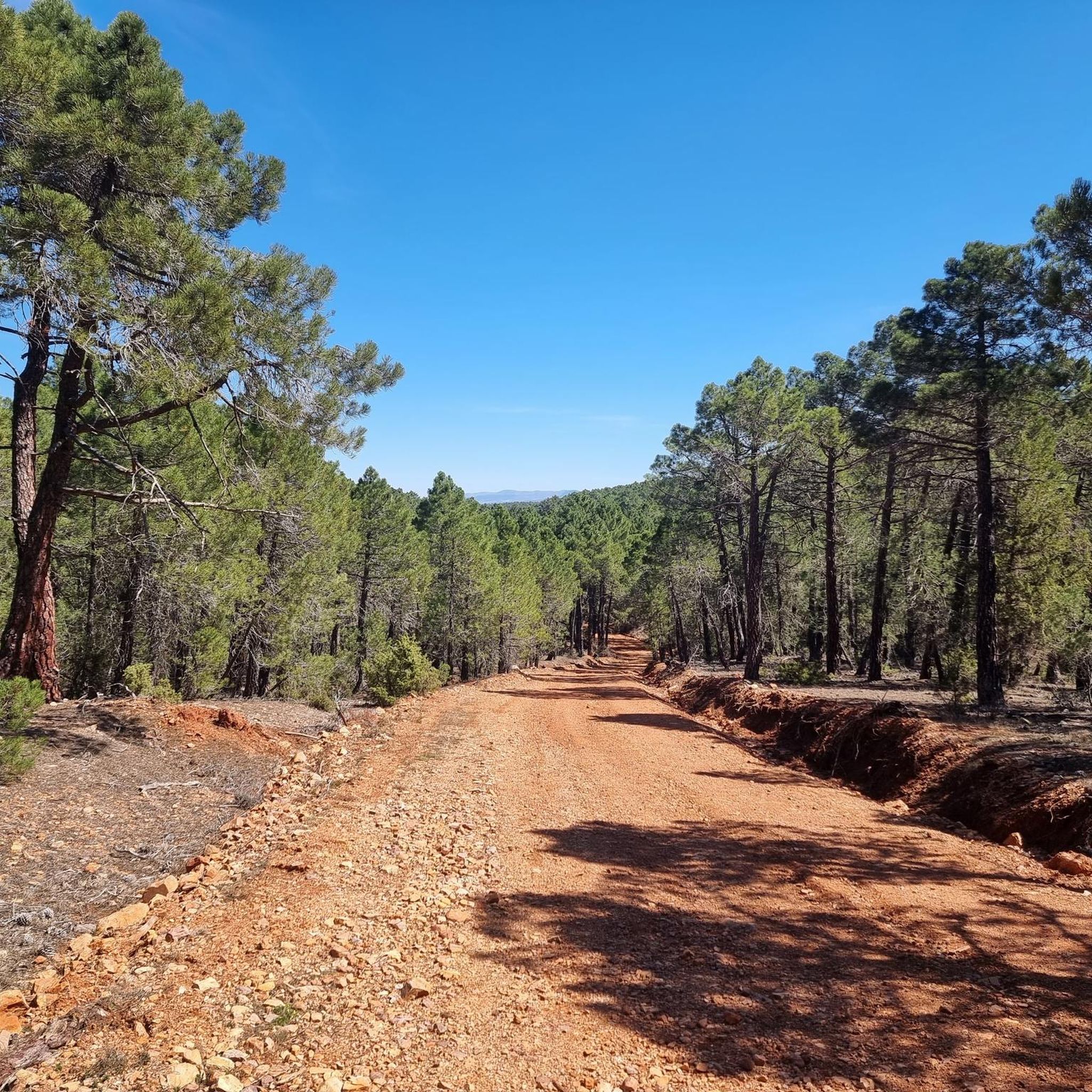
Beautifully situated, forest path easy to ride with a gravel bike.
0
0
The reservoir is mainly used to supply water to the city of Teruel, the Carburos hydroelectric power station and for irrigation. It is also a popular place for recreational activities such as fishing and picnicking.
5
0
Frequently Asked Questions
What are some of the most notable natural monuments around Rubiales?
The area around Rubiales features diverse natural monuments. Among the most popular are The Clays of Teruel, known as the Aragonese Colorado Canyon for its striking geological formations. Another significant site is Laguna de Bezas, the largest lagoon in the Sierra de Albarracín, set within the protected Pinares de Rodeno. The Arquillo de San Blas Reservoir also offers scenic views and recreational opportunities.
Are there any family-friendly natural monuments in the Rubiales area?
Yes, several natural monuments are suitable for families. Laguna de Bezas is considered family-friendly, offering a place to breathe fresh air and observe nature. The Arquillo de San Blas Reservoir is also a popular spot for recreational activities like fishing and picnicking, especially in summer. Additionally, Balsa del Pinar is a wetland surrounded by pine forests, with a nearby house for picnics and rest, making it ideal for families.
What kind of geological features can I expect to see among the natural monuments?
The natural monuments around Rubiales showcase impressive geological diversity. The Clays of Teruel is a prime example, featuring dramatic canyon formations shaped by natural forces. The region is characterized by varied terrain, including canyons and elevated viewpoints, offering insights into the area's geological history.
Can I find good viewpoints among the natural monuments near Rubiales?
Absolutely. Many natural monuments in the area offer excellent viewpoints. Alto de la Cruz (Peña Botadera) Lookout provides a magnificent 360° panorama of the surrounding forest and landscape. The Arquillo de San Blas Reservoir also offers beautiful photographic opportunities, particularly from its dam.
What outdoor activities are available near these natural monuments?
The natural monuments around Rubiales are excellent starting points for various outdoor activities. You can explore the area through gravel biking, mountain biking, and general cycling. For example, there are routes like the 'Pinares de Rodeno and Laguna de Bezas Loop' for mountain biking, and 'The Clays of Teruel – Albarracín loop' for cycling. You can find more details on these and other routes in the Gravel biking around Rubiales, MTB Trails around Rubiales, and Cycling around Rubiales guides.
Are there specific hiking trails recommended for exploring the natural monuments?
While specific hiking trails for each natural monument are not detailed here, many of the nearby cycling and MTB routes can be adapted for hiking or offer parallel paths. For instance, the area around Laguna de Bezas and the Pinares de Rodeno is popular for walks. The Balsa botanical trail near Balsa del Pinar will take you to Rubiales, and you can connect with the GR 10 long-distance trail there. The Guadalaviar Nature Trail is also recommended to reach the Arquillo de San Blas Reservoir.
Is it possible to visit the natural monuments with a dog?
The guide data does not explicitly state rules for dogs at each natural monument. However, many natural outdoor areas in Spain are generally dog-friendly, especially on trails, provided dogs are kept on a leash and owners clean up after them. It's always best to check local signage or official park websites for specific regulations regarding pets at each site.
What is the best time of year to visit the natural monuments around Rubiales?
The natural monuments can be enjoyed throughout the year, but the experience varies by season. The Arquillo de San Blas Reservoir is particularly popular in the summer months for cooling off and its lively atmosphere. For places like The Clays of Teruel, visiting in the early morning hours with strong sunshine is recommended for the best light. The water level of lagoons like Laguna de Bezas depends on snowmelt and rain, so spring might offer fuller lagoons.
Where can I find amenities like cafes or accommodation near the natural monuments?
While specific cafes or accommodations are not listed for each natural monument, the area around Rubiales and nearby towns like Bezas or Teruel would offer various options. For example, near Balsa del Pinar, there is a small house suitable for picnics and rest. For more comprehensive services, it's advisable to look in the nearest villages or the city of Teruel.
Are there any wetlands or lakes of ecological importance in the area?
Yes, the region features significant wetlands and lakes. Laguna de Bezas is a natural enclave of great beauty and ecological value, being the largest lagoon in the Sierra de Albarracín. Balsa del Pinar is another important wetland near Rubiales, surrounded by diverse flora like Rodeno pine, junipers, and oaks. These wetlands are crucial for local biodiversity.
What makes The Clays of Teruel a significant natural monument?
The Clays of Teruel is significant for its unique geological formations, often referred to as the 'Aragonese Colorado Canyon.' It showcases the incredible power and beauty of nature through its striking canyon landscape, making it a popular spot for visitors to witness natural erosion and vibrant colors.
What is special about Laguna de Bezas?
Laguna de Bezas is special as the largest lagoon in the Sierra de Albarracín, nestled within the protected landscape of the Pinares de Rodeno. It's a tranquil natural enclave known for its ecological value and scenic beauty, offering a chance to observe various birds depending on the season.
Are there any historical aspects associated with the natural monuments?
Yes, some natural monuments also hold historical significance. Alto de la Cruz (Peña Botadera) Lookout was a strategic location during the Civil War, with old trenches nearby. While primarily natural sites, these areas can sometimes offer glimpses into past events or human interaction with the landscape.
Do I need permits for hiking or visiting natural monuments around Rubiales?
The guide data does not indicate that specific permits are required for general hiking or visiting the natural monuments mentioned around Rubiales. However, for certain protected areas or specific activities, permits might be necessary. It is always advisable to check with local tourism offices or park authorities if you plan extensive activities or visit very sensitive areas.
Most popular attractions around Rubiales

Get inspired with the komoot mobile app


Explore more
Extend your search for the best caves by checking out these guides of the top ones around Rubiales:
