Top 10 Natural Monuments around El Atazar
Best natural monuments around El Atazar are found within the Sierra Norte region of Madrid, characterized by its rugged terrain and slate formations. The area features significant natural landmarks, including expansive reservoirs and prominent peaks. These natural features offer diverse landscapes for exploration, from vast bodies of water to elevated viewpoints. The region's geology includes a variety of rocks such as gneisses, slates, quartzites, and granites.
Best natural monuments around El Atazar
- The most popular natural monuments is Cancho de…
Last updated: July 15, 2026
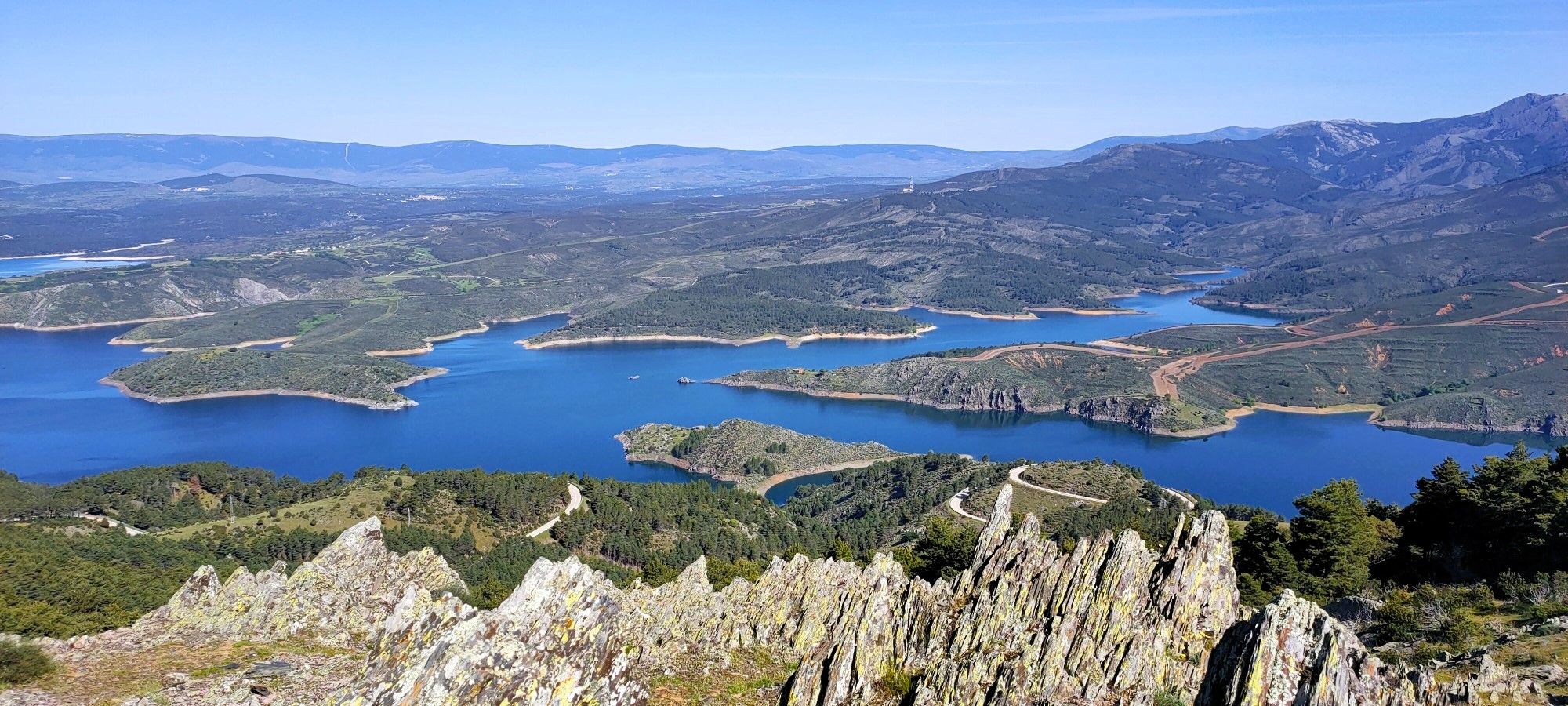
Cancho de la Cabeza Summit
Highlight • Summit
Translated by Google •
Tip by

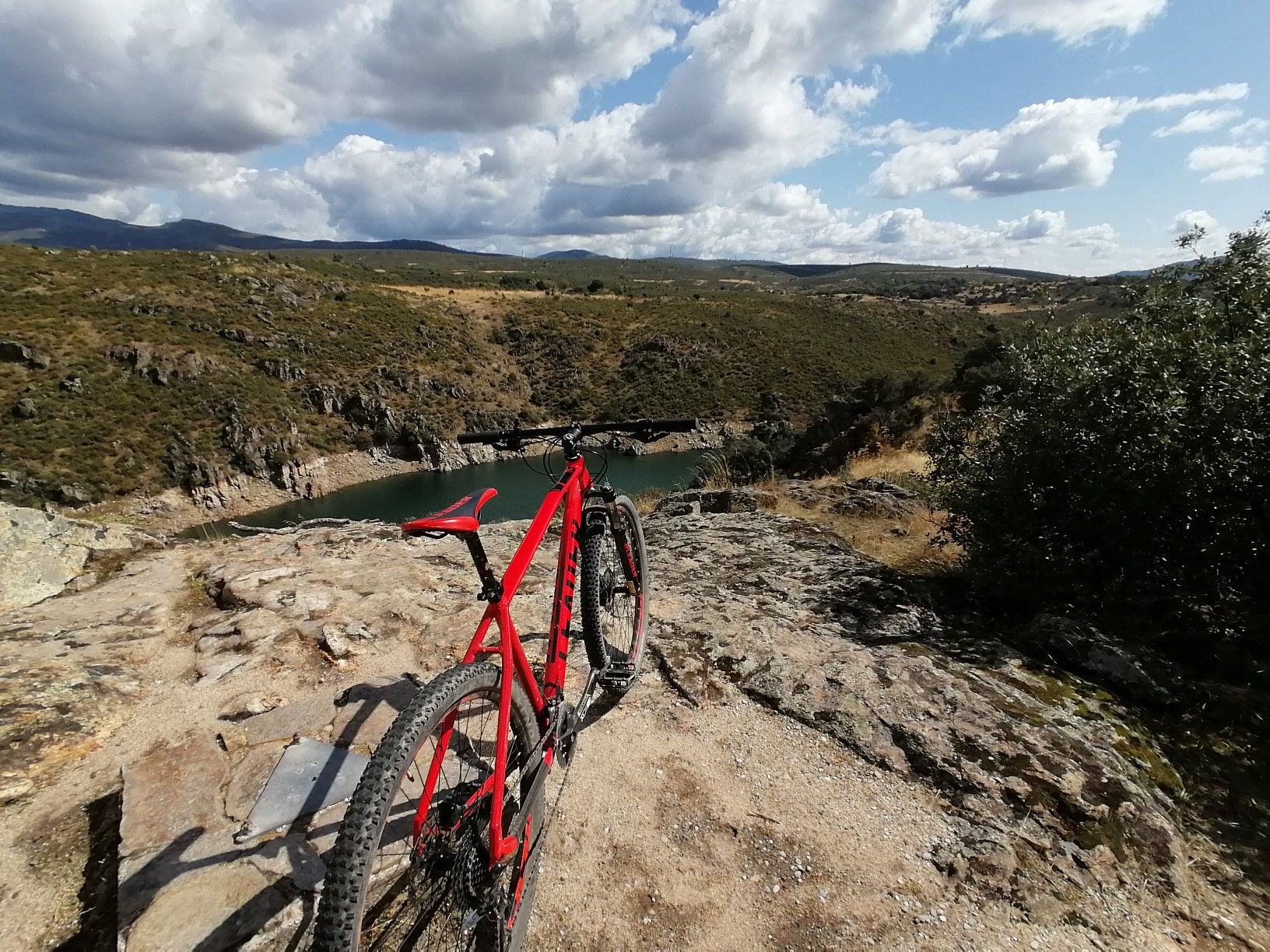
El Villar Reservoir and Gorge
Highlight • Gorge
Translated by Google •
Tip by

Sign up now to discover places like this
Get recommendations on the best single tracks, peaks, & plenty of other exciting outdoor places.
Sign up for free
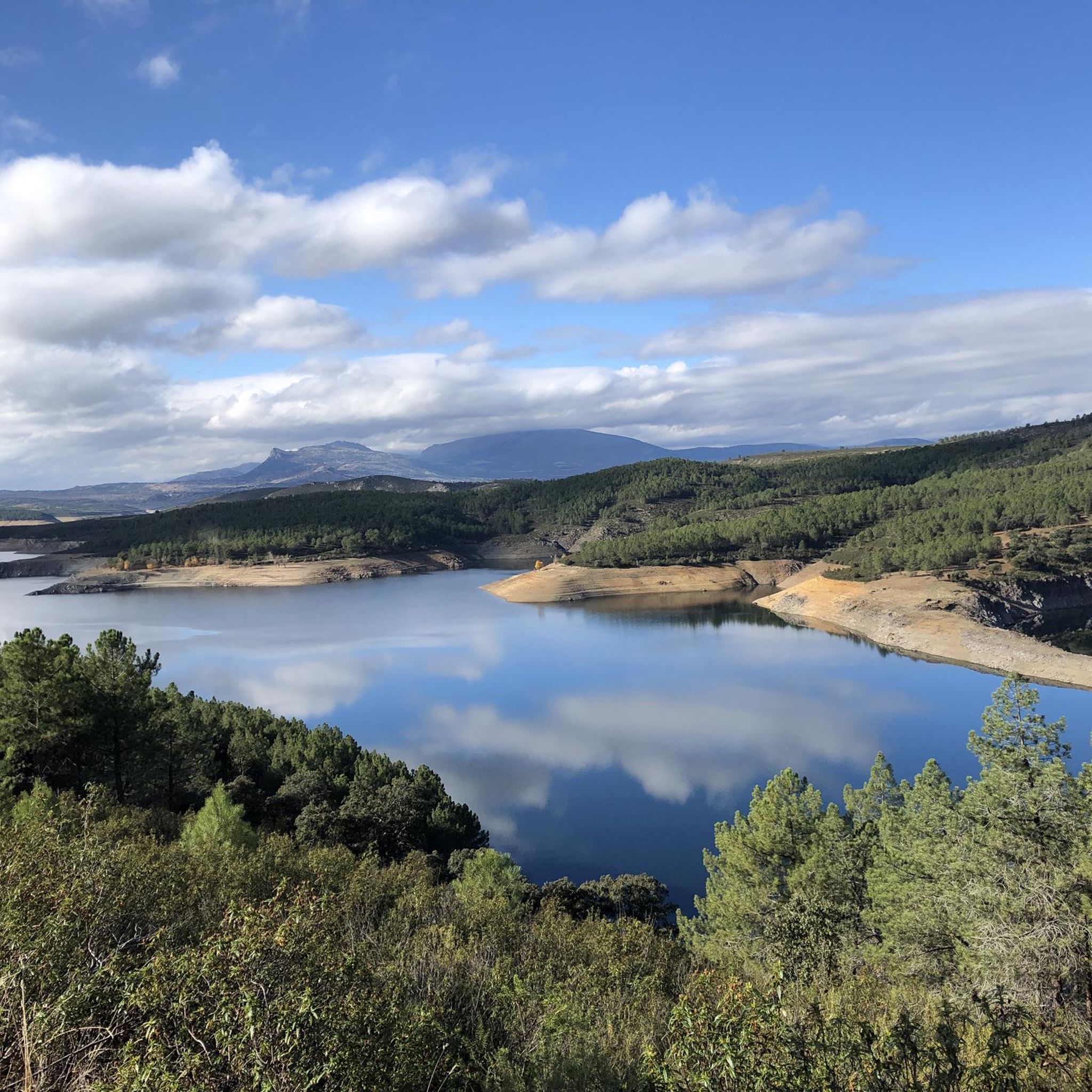
El Atazar Reservoir
Highlight • Lake
Translated by Google •
Tip by

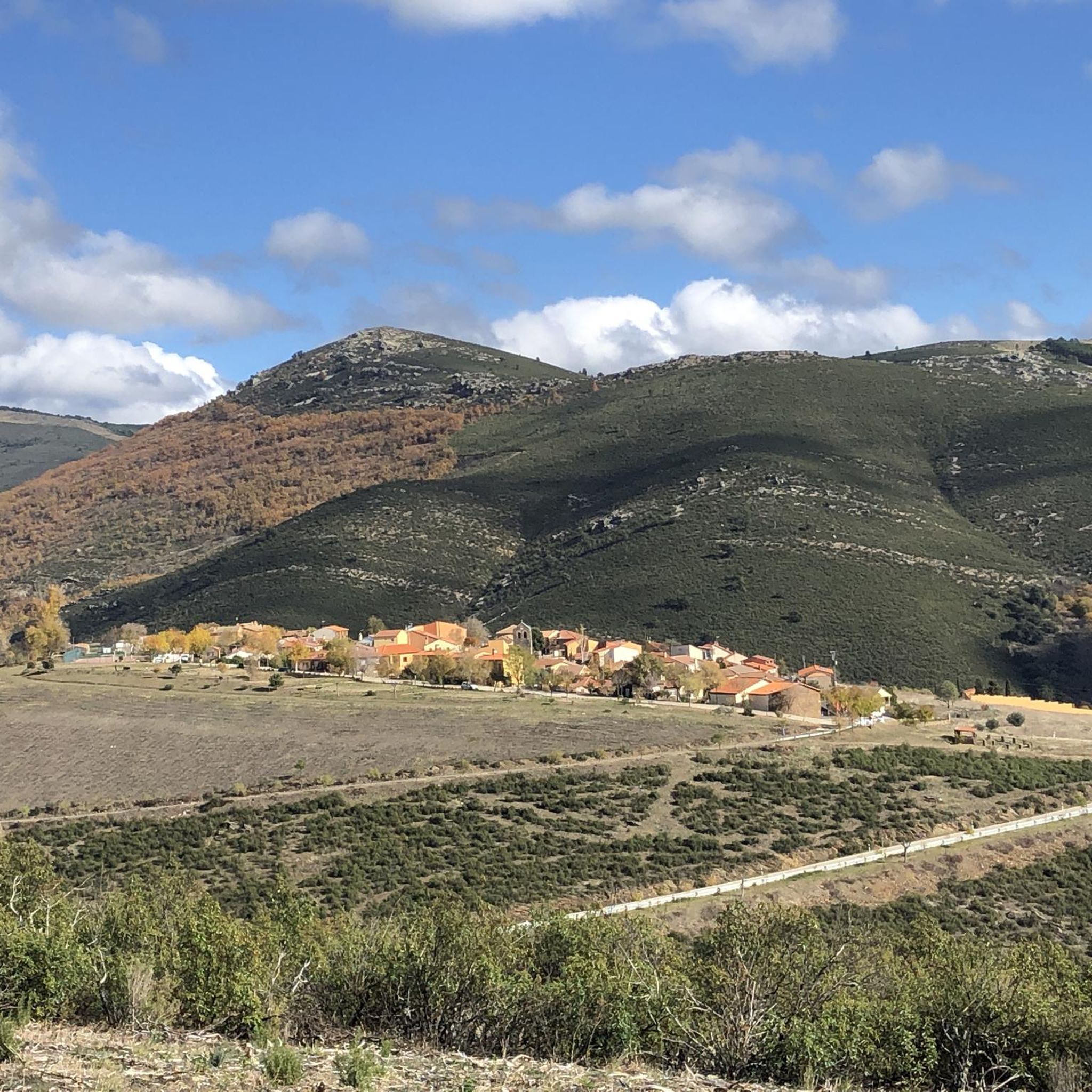
Vultures' Viewpoint
Highlight • Viewpoint
Translated by Google •
Tip by
Las Cárcavas - Pontón de la Oliva
Highlight • Gorge
Translated by Google •
Tip by

Sign up for free to discover even more natural monuments around El Atazar.
Sign up for free
Already have an account?
Start today with a free account
Your next adventure awaits.
Login or Signup



Tips from the Community

Spectacular views, generally good climb with some demanding sections before crossing the firebreak. the rest, quite bearable
1
0

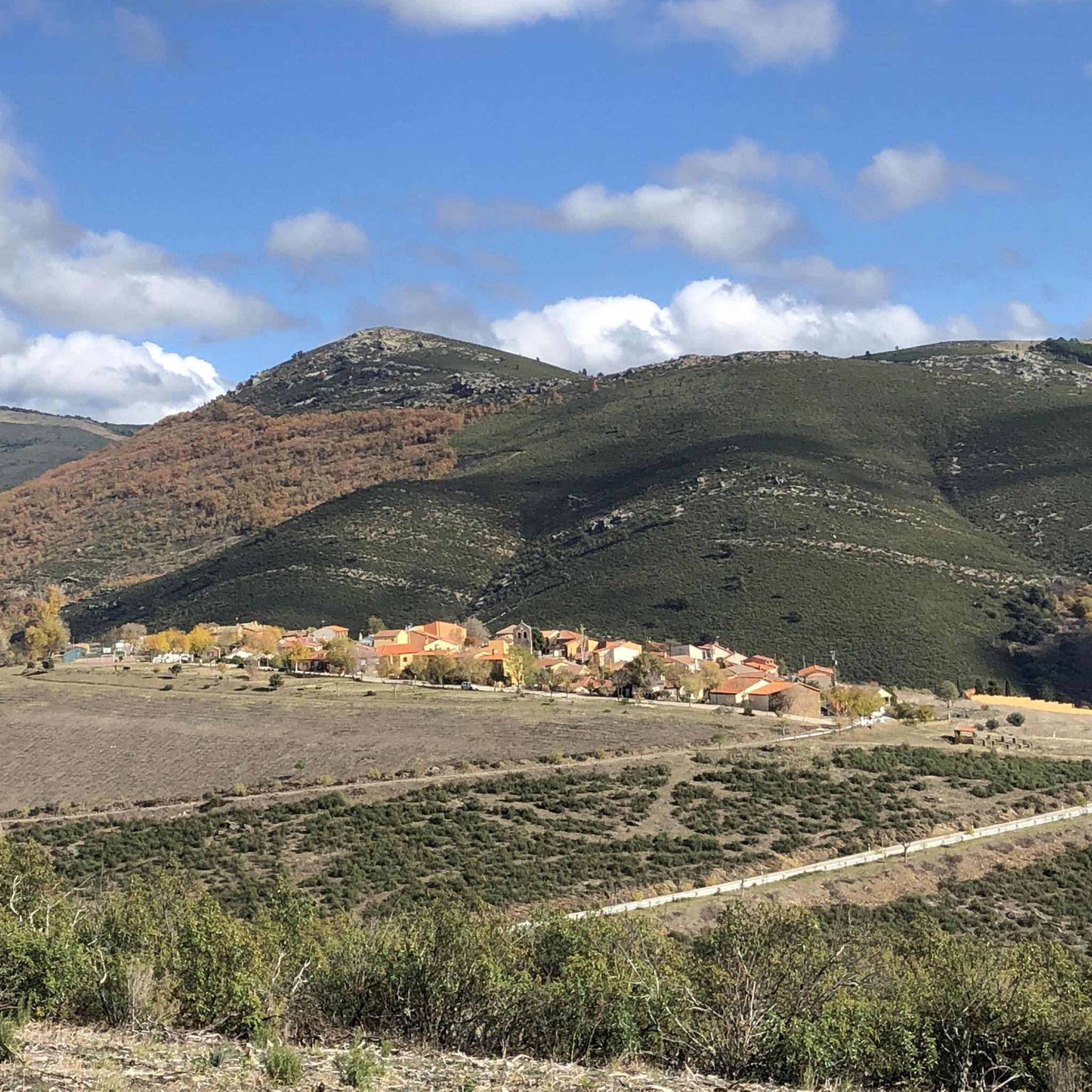
Cancho de la Cabeza, the highest peak in the municipality of Patones, rises majestically in the Sierra Norte region of Madrid. This beautiful natural viewpoint offers panoramic views of the El Atazar reservoir and, in the background, you can see the Peña de la Cabra, one of the numerous peaks of the Ayllón mountain range.
2
0
Cancho de la Cabeza, the highest peak in the municipality of Patones, rises majestically in the Sierra Norte region of Madrid. This beautiful natural viewpoint offers panoramic views of the El Atazar reservoir and, in the background, you can see the Peña de la Cabra, one of the numerous peaks of the Ayllón mountain range. Remember that Patones de Arriba is a small “kingdom” near Madrid, full of charm and tradition. Enjoy the natural beauty and stunning views that Cancho de la Cabeza offers! 🏞️🌄
1
0

Approach the information panel that describes the entire landscape around the Atazar reservoir, and then sit on the Geodesic to rest and enjoy. !It is a wonder
1
0
Excellent place to recognize all the places in the Atazar reservoir. There is a great photo with the name of the places.
1
0

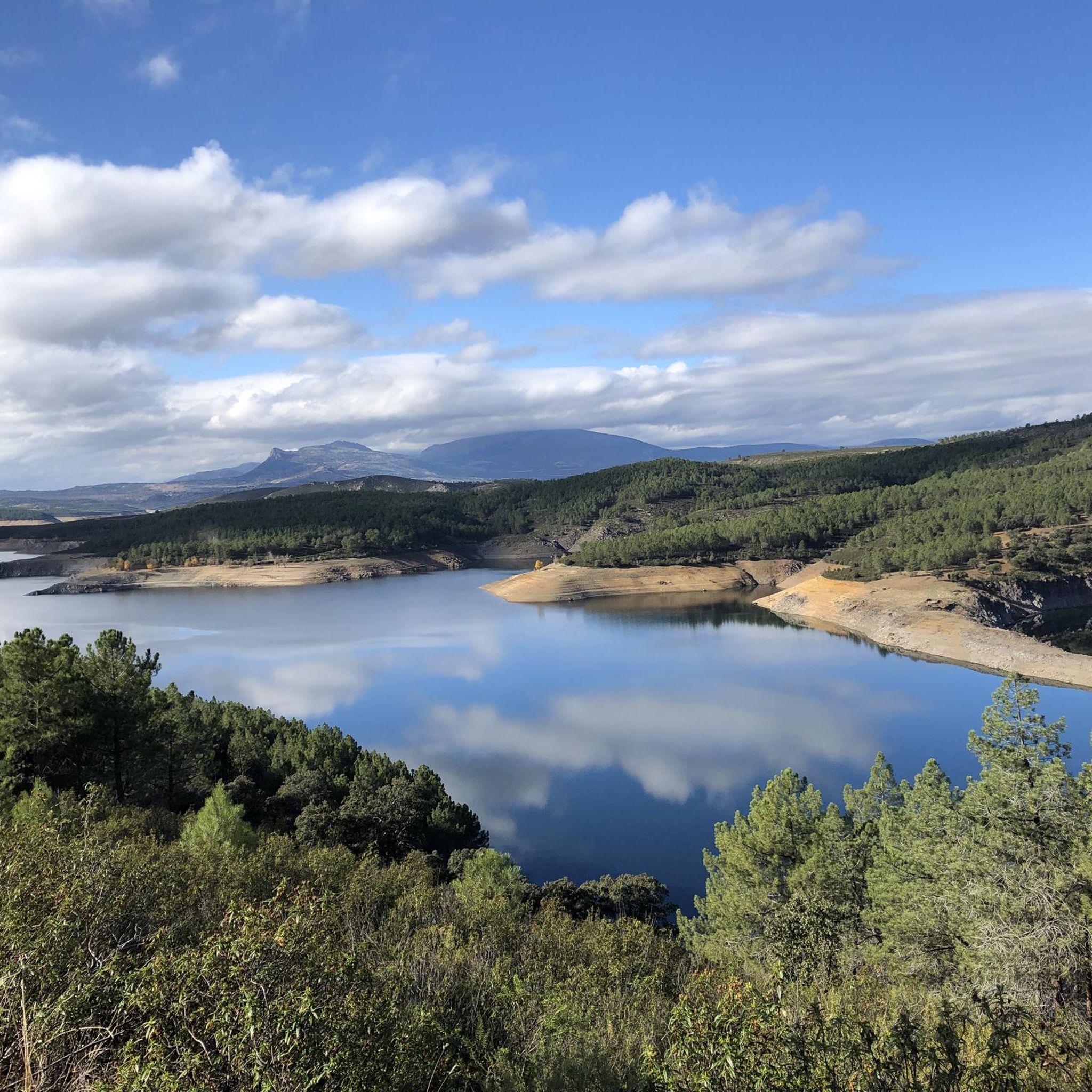
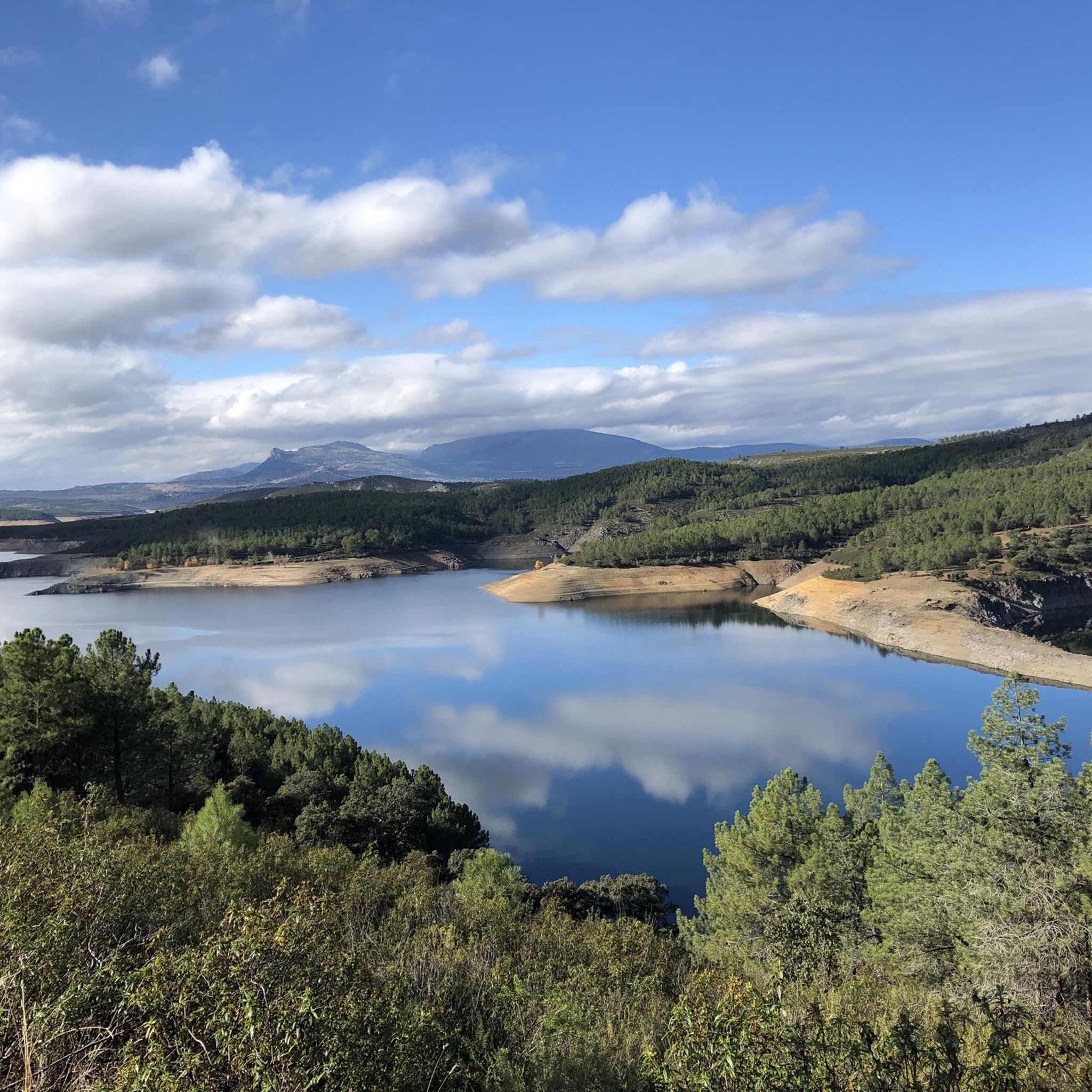
Built in 1972 and belonging to the Isabel II canal, the El Atazar reservoir is the largest in Madrid, housing 46% of the community's impounded water. Located in a rugged enclave full of slate, the landscape that surrounds the reservoir and that is born from its waters is spectacular, giving way to monumental natural routes and walks through its surrounding historic towns.
1
0
Built in 1972 and belonging to the Isabel II canal, the El Atazar reservoir is the largest in Madrid, representing 46% of the community's embalmed water. Located in a rugged enclave full of slate, the landscape that surrounds the reservoir and that is born from its waters is spectacular, giving way to monumental natural routes and walks through its surrounding historical towns.
1
0

On the Puebla de la Sierra highway you come across this viewpoint over the Puebla river gorge. The landscape is overwhelming. The vertical walls of bare rock stand before the green ridges of the mountains and the sky. It is an ideal place to immortalize with a photograph.
1
0
Frequently Asked Questions
What are some of the most impressive natural features to explore around El Atazar?
The region around El Atazar offers diverse natural monuments. You can experience the panoramic views from Cancho de la Cabeza Summit, explore the dramatic landscape of the El Villar Reservoir and Gorge with its historic dam, or admire the vast expanse of the El Atazar Reservoir, known as the 'sea of Madrid'.
Are there good hiking opportunities among the natural monuments in El Atazar?
Yes, the natural monuments in El Atazar are excellent for hiking. For instance, several routes lead to Cancho de la Cabeza Summit, offering rewarding views. The area around the El Villar Reservoir and Gorge is also highly recommended for hiking, allowing you to experience striking geological formations. You can find various running trails, including circular routes, in the area. For more detailed routes, check out the Running Trails around El Atazar guide.
What kind of terrain and elevation can I expect on trails around El Atazar's natural monuments?
The region is characterized by rugged terrain and slate formations. Trails often feature varied rock types like gneisses, slates, quartzites, and granites. For example, the ascent to Cancho de la Cabeza Summit involves climbing to the highest peak in the municipality of Patones, offering significant elevation changes for panoramic views. Some areas, like Las Cárcavas - Pontón de la Oliva, present unique 'Martian' landscapes formed by water erosion on clayey slopes.
What is the best time to visit the natural monuments around El Atazar?
The natural monuments around El Atazar can be visited year-round, but spring and autumn generally offer the most pleasant weather for outdoor activities like hiking and cycling. During these seasons, temperatures are milder, and the landscape is particularly vibrant. Summer can be hot, especially for strenuous hikes, while winter offers a different, often quieter, experience, though some trails might be more challenging due to weather conditions.
Are there family-friendly natural monuments or activities in the El Atazar region?
Yes, several natural monuments are suitable for families. The El Villar Reservoir and Gorge and the El Atazar Reservoir are both categorized as family-friendly. The vast expanse of the El Atazar Reservoir provides opportunities for water sports, and the scenic roads around it are great for leisurely drives with viewpoints. The picnic spot near the El Villar dam is also a good option for families.
Can I bring my dog to the natural monuments and trails in El Atazar?
While specific dog-friendly designations for each natural monument are not always explicit, many outdoor areas in the Sierra Norte region are generally welcoming to dogs, especially on trails. It's always advisable to keep dogs on a leash, particularly in protected areas or near wildlife, and to clean up after them. Be aware that some paths, like those near Las Cárcavas - Pontón de la Oliva, might have specific restrictions or recommendations for bikes, which could imply considerations for pets too.
What water-based activities can be done at the reservoirs near El Atazar?
The El Atazar Reservoir, being the largest in Madrid, is a popular spot for various water sports such as sailing, kayaking, and paddleboarding. Several clubs around the reservoir offer lessons and rentals. The scenic roads surrounding the reservoir are also favored by cyclists for their impressive panoramic views. While the El Villar Reservoir is primarily known for its dam and hiking, the larger El Atazar offers more direct water activity options.
Are there any viewpoints offering spectacular vistas of the El Atazar region?
Absolutely. Cancho de la Cabeza Summit provides spectacular 360-degree panoramic views, allowing you to see the El Atazar reservoir, the Sierra de Ayllón, and even the distant Peñalara peak on clear days. The Vultures' Viewpoint over the Puebla river gorge offers an overwhelming landscape of vertical rock walls and green mountain ridges. Additionally, numerous viewpoints are scattered around the El Atazar Reservoir, perfect for appreciating its scale and beauty.
What cycling routes are available near the natural monuments of El Atazar?
The El Atazar region is popular with cyclists. Scenic roads winding around the El Atazar Reservoir (like M-127, M-133, and M-134) are favored for their impressive panoramic views. You can find various gravel biking and road cycling routes in the area, including challenging loops around the reservoirs and through the Sierra de la Puebla. For detailed routes, explore the Gravel biking around El Atazar guide and the Road Cycling Routes around El Atazar guide.
What kind of wildlife can be observed around the natural monuments in El Atazar?
The rugged and diverse landscape of the Sierra Norte, including the areas around El Atazar's natural monuments, supports a variety of wildlife. While specific species sightings can vary, the region is known for its birdlife, including raptors like vultures, which can sometimes be spotted from viewpoints such as the Vultures' Viewpoint. The natural environment also provides habitat for various mammals and other fauna typical of mountainous Mediterranean ecosystems.
Are there any historical or cultural points of interest near the natural monuments?
Yes, the natural monuments are often intertwined with the region's cultural heritage. For example, hiking routes to Cancho de la Cabeza Summit can pass through Patones de Arriba, a charming village known for its traditional 'Black Architecture' slate houses. The El Villar Reservoir and Gorge features one of the oldest working dams in the region, a significant civil hydrographic work. The El Atazar Reservoir itself, built in 1972, is a monumental structure within a landscape rich in history.
What are the parking options for visiting the natural monuments?
Parking availability varies by location. For instance, near the El Villar Reservoir and Gorge, there is a small parking lot for about 10 cars next to the dam. For other areas like Cancho de la Cabeza Summit, visitors typically park in nearby villages like Patones de Abajo or Patones de Arriba and start their hikes from there. It's advisable to check specific starting points for routes for detailed parking information.
Most popular routes around El Atazar
Most popular attractions around El Atazar

Get inspired with the komoot mobile app


Explore more
Extend your search for the best caves by checking out these guides of the top ones around El Atazar:
