Top 5 Natural Monuments around La Malahá
Best natural monuments around La Malahá are found within a diverse landscape in the province of Granada. The region features ancient salt flats, natural thermal springs, and ecologically significant wetlands. Its geology includes arid badlands and offers panoramic viewpoints over mountainous terrain. This area provides insights into historical industries and rich biodiversity.
Best natural monuments around La Malahá
- The most popular natural monuments is La Malahá Badlands, a gorge that features arid, desert spaces with silt, gypsum, and conglomerates.…
Last updated: July 1, 2026
Santa Fe Hot Springs
Highlight • Natural
Translated by Google •
Tip by

El Padul
Highlight • Lake
Translated by Google •
Tip by

Sign up now to discover places like this
Get recommendations on the best single tracks, peaks, & plenty of other exciting outdoor places.
Sign up for free
La Malahá Badlands
Highlight (Segment) • Gorge
Translated by Google •
Tip by

Fountain of Pucherico de Trigo with Fennel
Highlight • Structure
Translated by Google •
Tip by

Elephant Rock
Highlight • Natural Monument
Translated by Google •
Tip by

Start today with a free account
Your next adventure awaits.
Login or Signup

Tips from the Community

Here again is a great tile mosaic - this time with a recipe.
1
0

The elephant-shaped rock is an arch-window that frames the course of the Dilar River. To see it, you have to avoid the tree in front that hides it.
1
0
This is the meeting point of the Dilar River with the dry ravine. On the maps it appears as an elephant stone or mammoth because of a rock with that shape. The view is impressive, it is not a glacial cirque but it looks like one.
1
0

In Dilar there are some fountains with a recipe to cook after, such as Pucherico de Trigo con Hinojos
1
0

We were there, but unfortunately it is no longer accessible. It's all locked
0
0

The Termas de Santa Fe or Aguas Calientes, as the locals call them, is a space of freedom among olive groves, in the suburban park of Dehesa de Santa Fe. Here, there are some pools from which waters arise naturally, at more than 36 degrees centigrade. Given the temperature of the water at the point of emergence and its physical-chemical composition, they are considered hyperthermal, and classified as strongly mineralized, within the group of sulfated, calcium and magnesium.
11
0

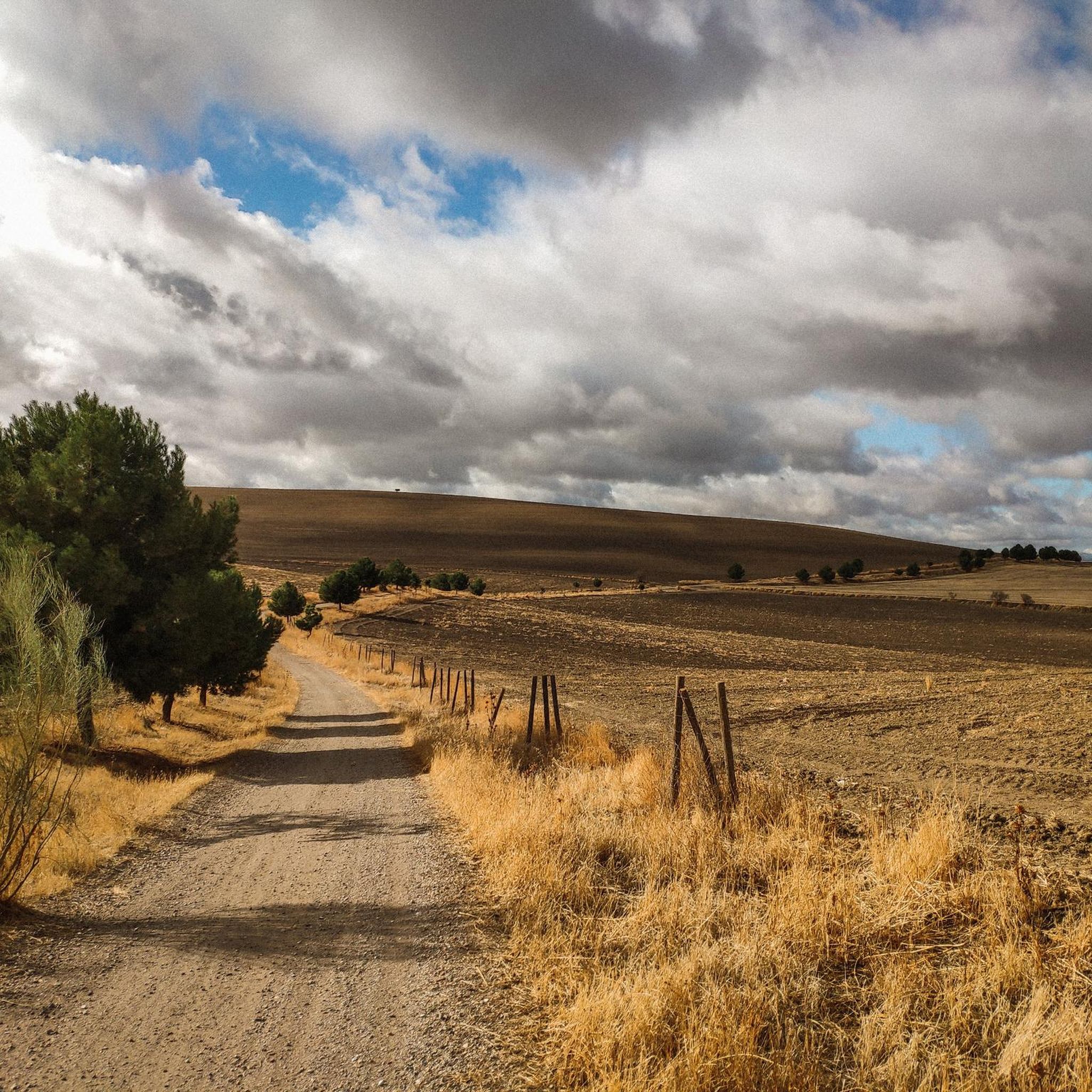
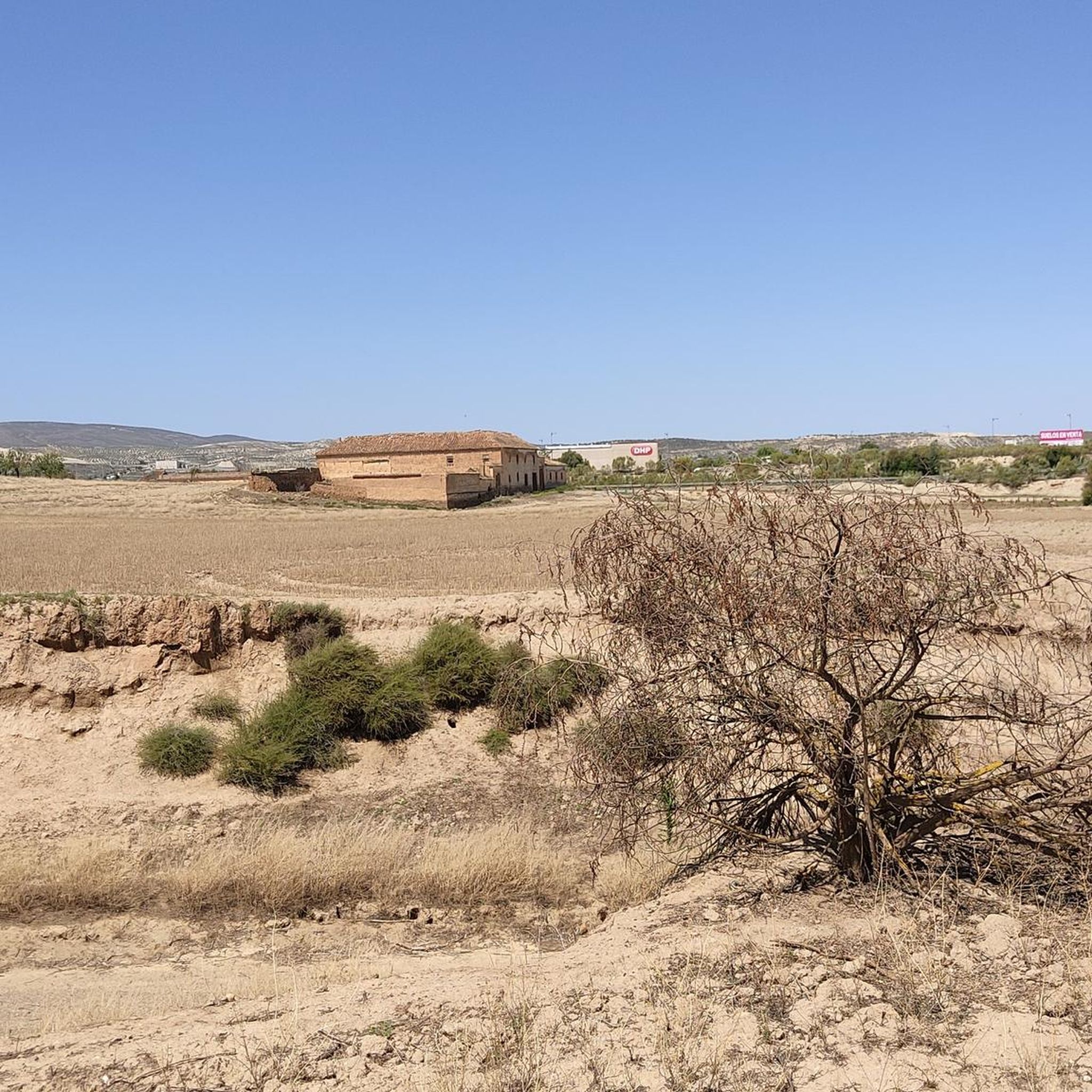
The lands that act as a geological border between the Vega de Granada and the Temple, are arid, desert spaces, reminiscent of the Baza and Guadix northeast gullies. It is a land of silt, gypsum and conglomerates, in which the vegetation has had to adapt to the high concentrations of salt and the lack of water. The walls and sections show the marks left by the passage of time. Each strip is a stratum that, like a historical archive, narrates what happened in millions of years.
0
0

The mammoth is the image and symbol of El Padul due to the fact that the remains of this prehistoric animal have appeared on the territory of the municipality. It has thus become the effigy of the city and a "mammoth road" through the lagoon of the Ecrin valley is dedicated to it. It is a protected area of the Sierra Nevada Natural Park, with an area of almost 300 hectares. Most of it is agricultural land and about 60 hectares are flooded and covered with vegetation. Due to its environmental importance, it has been classified as a Special Protection Area for Birds (ZEPA), a protected area of the Sierra Nevada National Park and a Wetland of International Importance.
3
0
Frequently Asked Questions
What unique natural features can I explore around La Malahá?
The region around La Malahá offers a diverse range of natural features. You can explore the unique arid landscapes of La Malahá Badlands, characterized by silt, gypsum, and conglomerates that tell a geological story spanning millions of years. Additionally, the historic Salinas de la Malahá are among the oldest inland salt marshes in Andalusia, showcasing a rare example of salt extraction from natural springs rather than seawater.
Where can I find natural hot springs near La Malahá?
You can experience natural hot springs at two notable locations. The Santa Fe Hot Springs, also known as Aguas Calientes, offer hyperthermal, sulfated, calcium, and magnesium-rich waters at over 36 degrees Celsius. Another option is the Baños Termales de La Malahá, which feature natural hot springs valued for their medicinal properties since Roman times, with waters reaching around 29 degrees Celsius and incorporating archaeological remains.
Are there any significant wetlands or birdwatching spots nearby?
Yes, El Padul, a lake recognized as a protected area of the Sierra Nevada Natural Park, is a significant wetland of international importance and a Special Protection Area for Birds (ZEPA). It's a biodiversity hotspot, home to nearly 170 different bird species, making it an excellent spot for birdwatching. The area also has paleontological significance, with remains of prehistoric animals like mammoths found in its peat bogs.
What kind of historical insights can I gain from visiting the natural monuments?
The natural monuments around La Malahá are deeply intertwined with history. The Salinas de la Malahá, for instance, have a history of salt exploitation dating back to Roman times, with evidence of ancient irrigation systems and Roman and Muslim remnants. The Baños Termales de La Malahá also boast a rich history, with archaeological remains including a Roman pool and Arab pool integrated into the modern thermal complex, highlighting centuries of human interaction with these healing waters.
Are there family-friendly activities or walks around the natural monuments?
While specific 'family_friendly' tags are not extensively listed for all monuments, the Laguna de El Padul (El Padul) offers visitor infrastructure like wooden walkways and pedestrian routes, making it accessible for families to explore and observe wildlife. The picturesque setting of the Salinas de la Malahá also provides a peaceful natural landscape suitable for walks.
What are the best times of year to visit the natural monuments in La Malahá?
The best time to visit the natural monuments around La Malahá generally depends on your preferred activity. Spring (March to May) and autumn (September to November) offer pleasant temperatures for walking and exploring the badlands and salt flats. For birdwatching at El Padul, these seasons are also ideal as migratory birds pass through. Summer can be very hot, especially in the more exposed badlands, while winter can be cooler but still suitable for walks on milder days.
Are there any viewpoints offering panoramic views of the natural landscape?
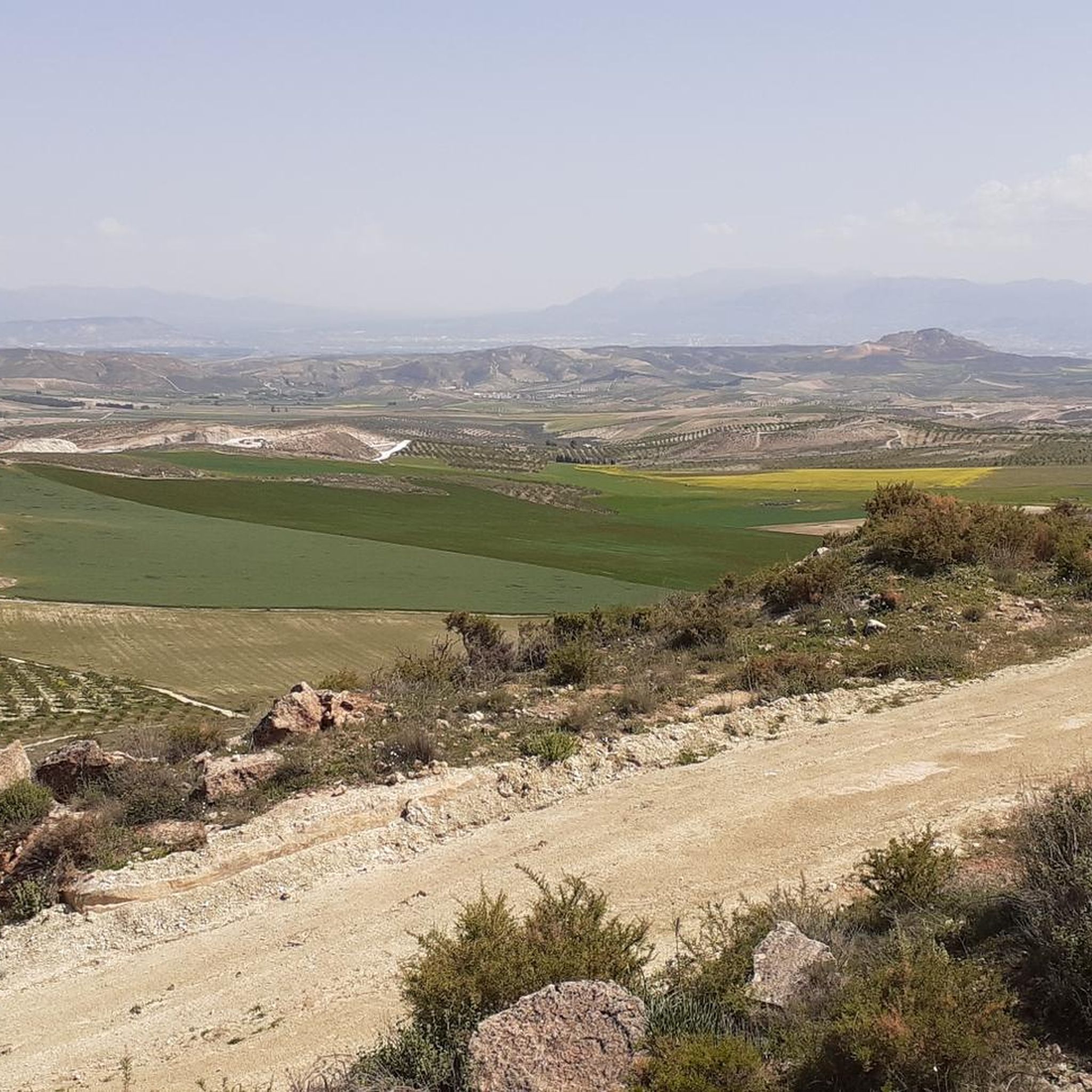
Yes, the Mirador Tajo Las Palomas in La Malahá is known for its breathtaking panoramic views. While it's primarily a scenic viewpoint rather than a distinct natural formation, it allows visitors to appreciate the surrounding natural landscapes and mountainous terrain. It's an ideal spot for nature lovers to immerse themselves in the picturesque rural surroundings.
What outdoor activities, like hiking or running, can I do near these natural monuments?
The area around La Malahá offers various outdoor activities. For hiking, you can find routes like the 'Elephant Rock – Armilla Air Base loop' or the 'Hot Springs – Santa Fe Hot Springs loop'. If you're into running, there are trails such as the 'Armilla Air Base loop from Gabia Grande'. You can explore more options and detailed routes in the Hiking around La Malahá and Running Trails around La Malahá guides.
Can I go gravel biking near the natural monuments?
Yes, gravel biking is a popular activity in the region. There are several routes available, including challenging ones like the 'View of Sacromonte and Granada – Genil Riverbank loop' or the 'Las Sabinas Road – Scenic Downhill loop'. For more gravel biking adventures, check out the Gravel biking around La Malahá guide.
What is the 'Elephant Rock' and where can I find it?
The Elephant Rock is a natural rock formation where the Dilar River meets a dry ravine. It's named for a rock that resembles an elephant or mammoth, forming an arch-window that frames the river's course. It offers impressive views and is a unique geological feature to discover.
What do visitors enjoy most about the natural monuments around La Malahá?
Visitors particularly appreciate the unique geological formations, such as the ancient badlands and the rare inland salt flats, which offer a glimpse into the region's natural history. The therapeutic qualities of the natural hot springs, like Santa Fe Hot Springs, are also highly valued for relaxation. The rich biodiversity and paleontological significance of wetlands like El Padul, especially for birdwatching, are also major draws.
Is there a natural monument that is also known for its archaeological significance?
Yes, the Baños Termales de La Malahá are a prime example. While a natural monument due to its hot springs, the site also integrates significant archaeological remains, including a Roman pool, a Hamman vault, and an Arab pool. This blend of natural heritage and historical structures showcases centuries of human interaction with these resources.
Most popular routes around La Malahá
Most popular attractions around La Malahá

Get inspired with the komoot mobile app


Explore more
Extend your search for the best caves by checking out these guides of the top ones around La Malahá:
