Top 5 Natural Monuments around Tobía
Best natural monuments around Tobía include diverse forests and notable natural landmarks within La Rioja, Spain. The area features varied forest masses, including beeches, oaks, and poplars, providing habitat for local fauna. Tobía's surroundings offer opportunities for exploring its natural features and connecting with the landscape.
Best natural monuments around Tobía
- The most popular natural monuments is Anguiano, a settlement nestled in the gorge of the Najerilla River. It is characterized by imposing sandstone cliffs and an impressive bridge. …
Last updated: July 1, 2026
Anguiano
Highlight • Settlement
Translated by Google •
Tip by

Mostajo of the Cárdenas River
Highlight • Natural Monument
Translated by Google •
Tip by

Sign up now to discover places like this
Get recommendations on the best single tracks, peaks, & plenty of other exciting outdoor places.
Sign up for free
Los Sillaos Stone Slabs
Highlight • Monument
Translated by Google •
Tip by

Fuente de Turraguas
Highlight • Natural Monument
Translated by Google •
Tip by
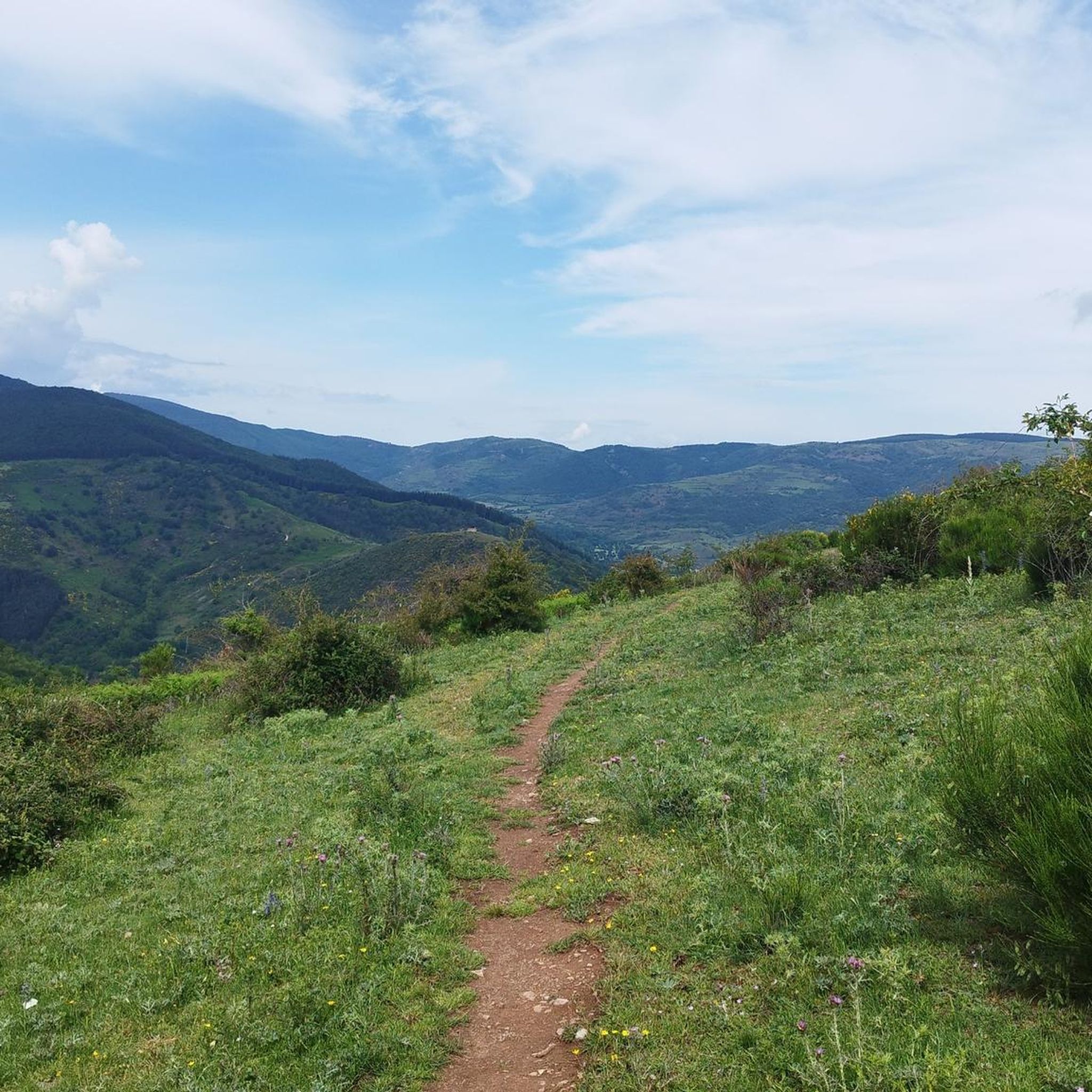
View of the mountains in Parque Natural del Alto Najerilla
Highlight (Segment) • Viewpoint
Translated by Google •
Tip by

Start today with a free account
Your next adventure awaits.
Login or Signup
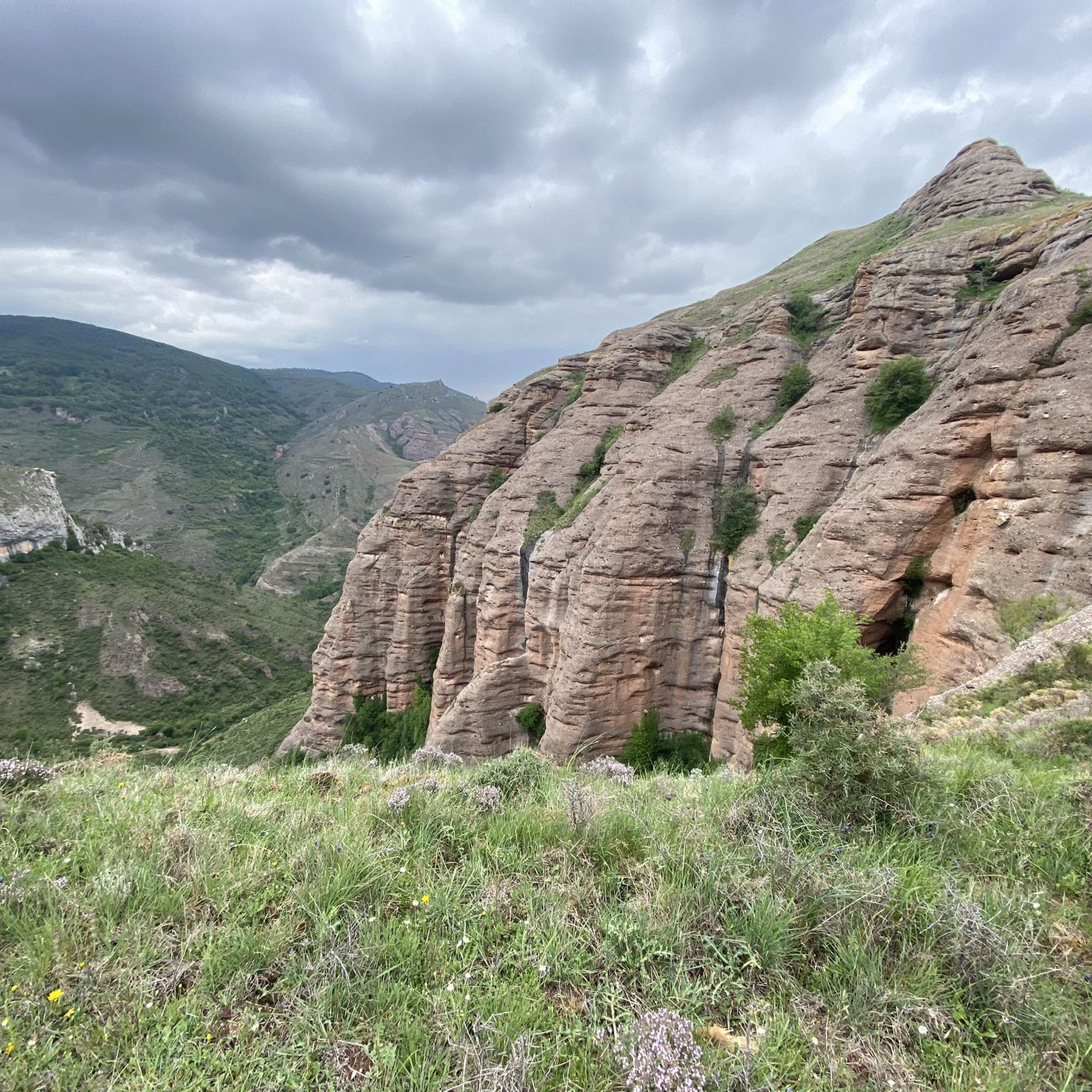
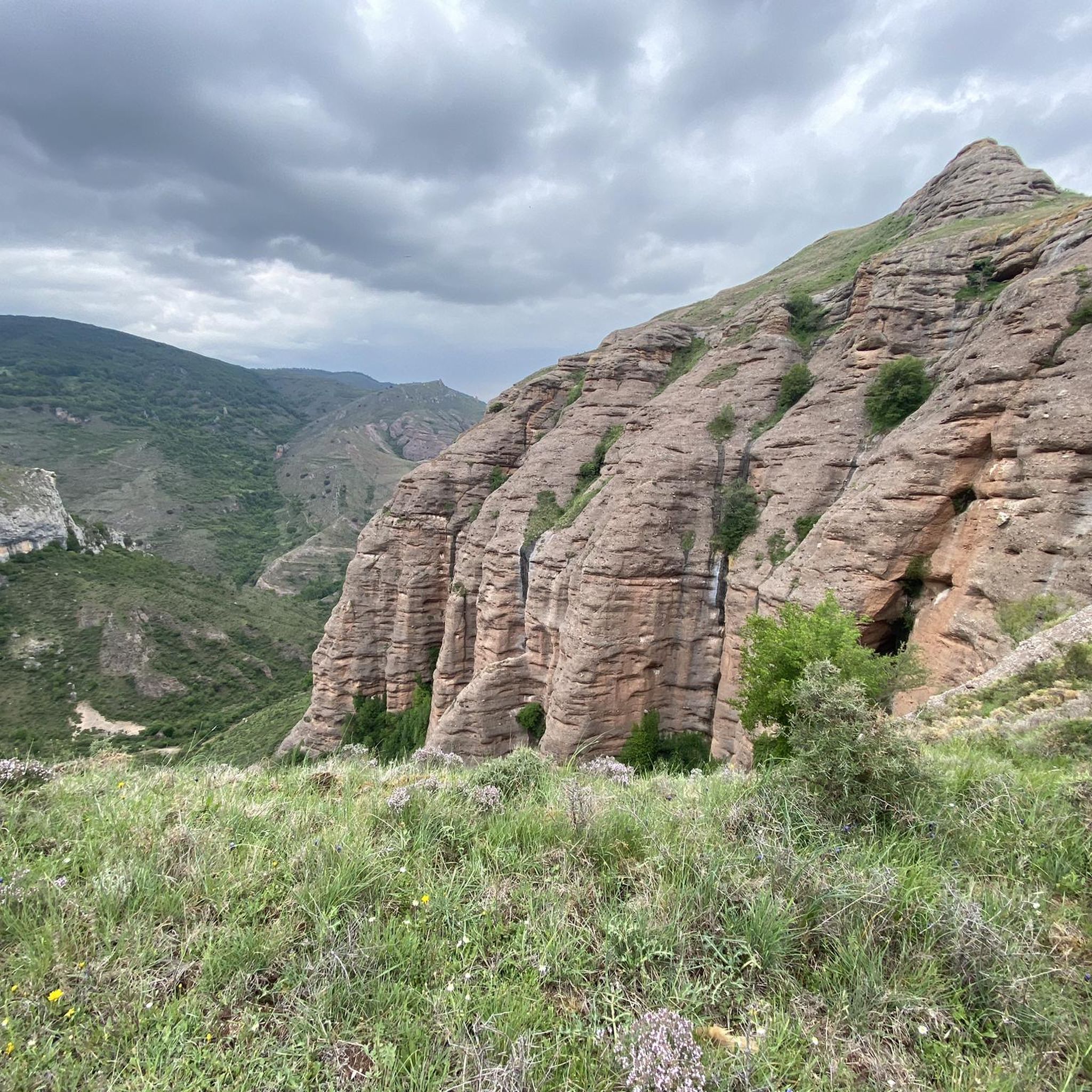
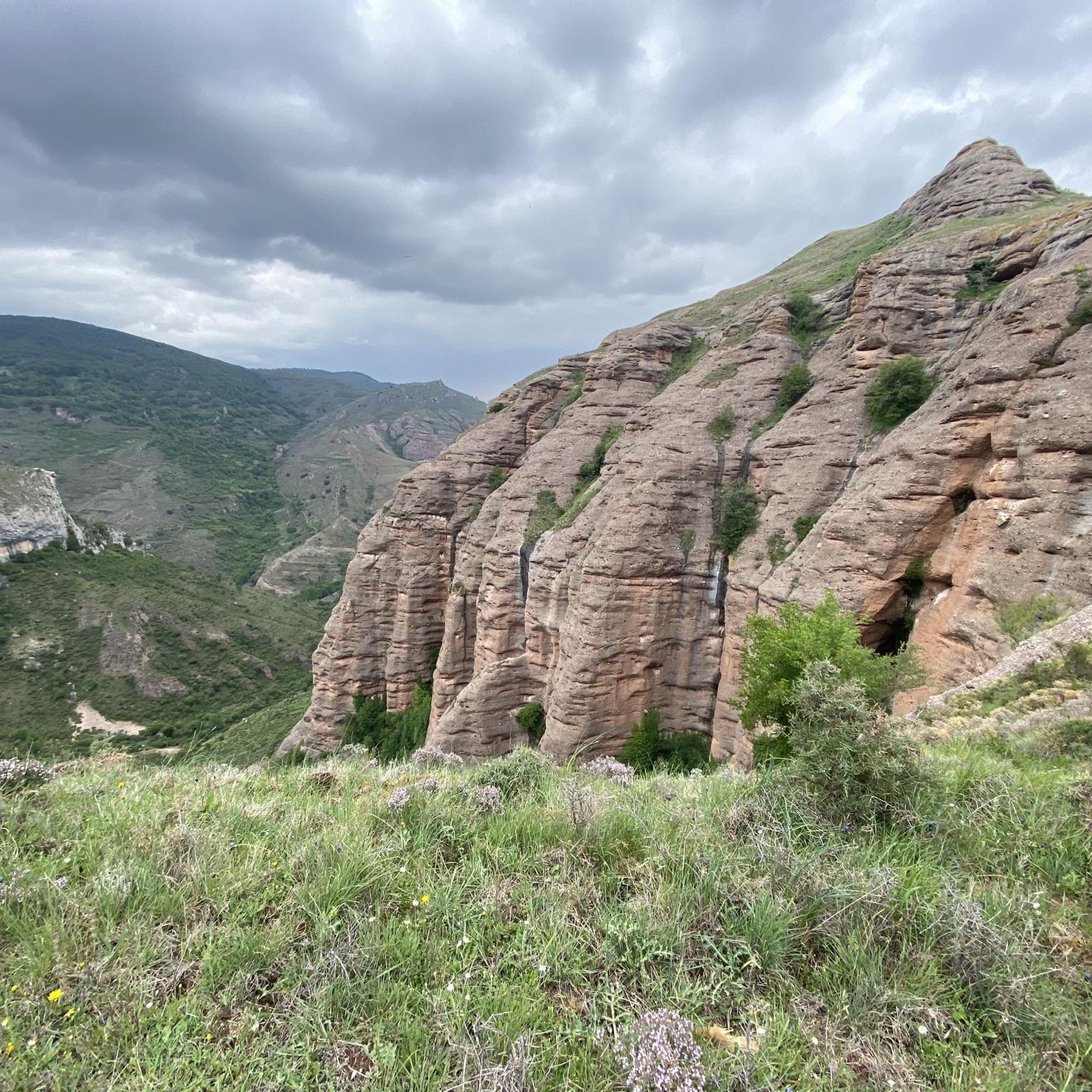
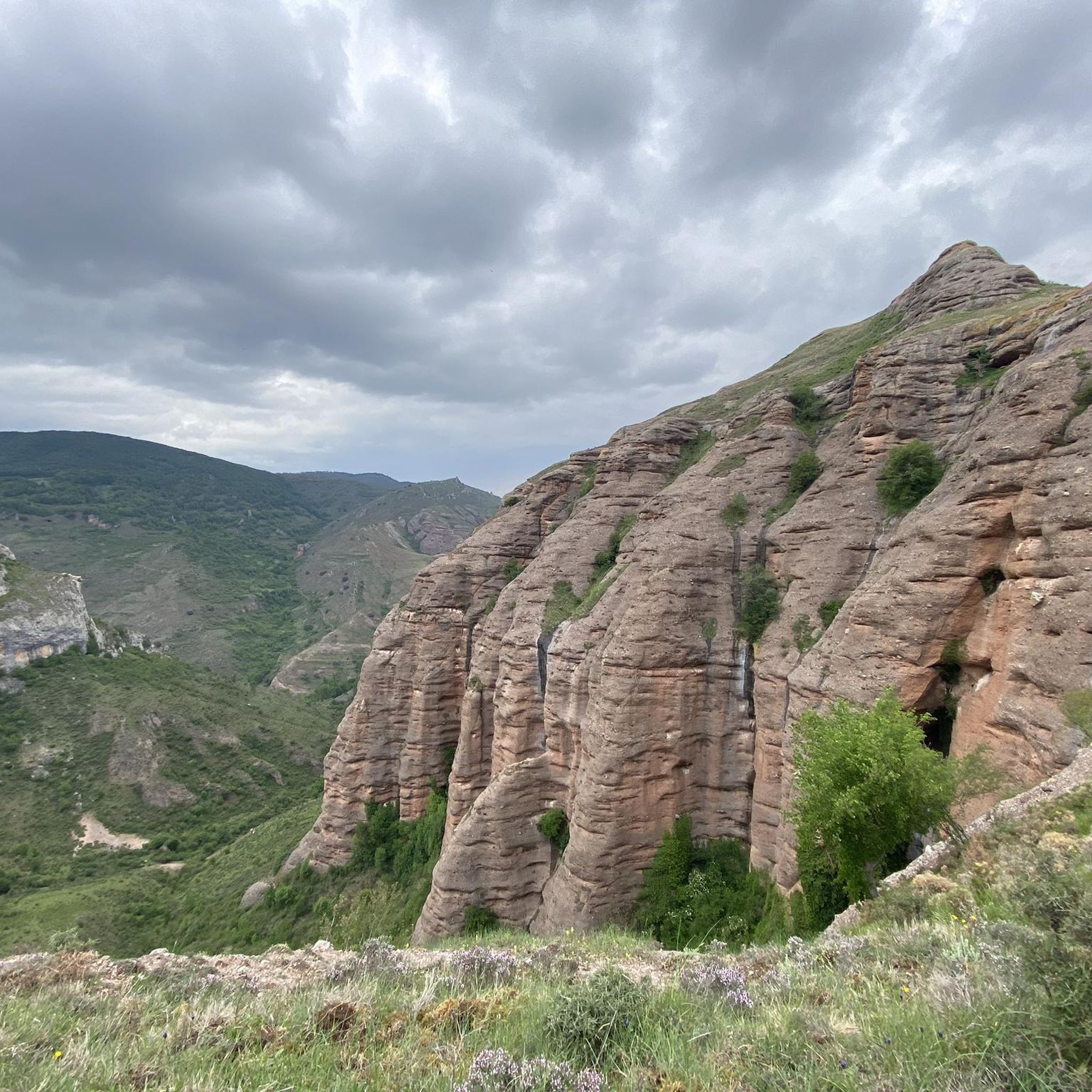
Tips from the Community

From above you have a fantastic view of the surrounding landscape.
1
0

Remains that seem to be from some old strike,...although I cannot confirm it. Even so, it is a very curious place with good views of the valley.
0
0

This mostajo or rowan is located a few meters from a path that runs through the Sierra de la Demanda. Rowans are small trees that rarely reach fifteen meters in height. However, this is a rowan tree to be highlighted, probably one of the largest known specimens from the Peninsula and surely one of the longest-lived.
1
0

Beautiful Rioja town nestled in the gorge of the Najerilla River and governed by imposing sandstone cliffs. It consists of several neighborhoods distributed on both sides of the ravine and joined by the imposing bridge of Madre de Dios, which rises 30 meters above the stream with a single arch with a span of 12 meters. Anguiano is also known for its noble houses, buildings built in masonry and ashlar masonry with the coats of arms of the influential families that inhabited them. The oldest folk festival in La Rioja, the stilt dance, is also celebrated here. Eight young people from the town walk down a cobbled slope on 50-centimeter stilts and dressed in wide skirts that swell with the circular dance downhill.
2
0
Tree cataloged as unique by the CCAA of La Rioja.
1
0
Small spring between the hills of Embautia and Cobetia, a good place to refuel on the way to San Lorenzo.
0
0

The ascent is by road except for the last kms, which is by very good track, the views are spectacular, reaching 2000 meters
1
0
Very curious place on the dividing crest of the Zaldierna and Urdanta valleys
2
0
Frequently Asked Questions
What kind of natural features can I expect to see around Tobía?
Tobía is surrounded by diverse forest masses, including beeches, oaks, poplars, and reforested pines. You'll also find significant natural landmarks like the Mostajo of the Cárdenas River, a unique and ancient rowan tree. The area is also home to natural springs, such as the Manantona Fountain, located in a cave by the Tobía River, and Fuente de Turraguas, a small spring nestled between hills.
Are there family-friendly natural monuments or areas suitable for families in Tobía?
Yes, several natural monuments around Tobía are suitable for families. Fuente La Teja is a recreational area within a forest, featuring a fountain with good water and stone tables, perfect for a family picnic. The settlement of Anguiano, with its impressive bridge and historical context, is also considered family-friendly and offers scenic views of the Najerilla River gorge.
What historical or cultural sites are integrated with the natural monuments in Tobía?
The village of Anguiano is a notable example, combining natural beauty with rich history. It's nestled in a gorge with imposing sandstone cliffs and features an impressive bridge. The village is also known for its noble houses and hosts the ancient stilt dance festival. Additionally, Los Sillaos Stone Slabs offer a curious historical site with good views, though their exact origin remains a local mystery.
What kind of wildlife can be observed in the forests around Tobía?
The diverse forests surrounding Tobía, including beeches, oaks, and poplars, provide a rich habitat for various fauna. You might spot smaller creatures like the northern treecreeper, green lizard, and grey dormouse. Larger animals such as wild boar, roe deer, fox, and deer also find refuge within these woodlands, making them ideal for wildlife observation.
Are there hiking trails near the natural monuments in Tobía?
Yes, the area around Tobía offers numerous walking paths and hiking trails that allow you to explore its natural monuments. You can find a variety of routes, from easy strolls to more challenging hikes. For detailed options, explore the Hiking around Tobía guide, which includes routes like the moderate Río Tobía loop or the more difficult Matute loop.
What are some popular outdoor activities to do near Tobía's natural monuments?
Beyond exploring the natural monuments themselves, the region around Tobía is excellent for various outdoor activities. You can enjoy hiking on trails that wind through forests and past springs. For cycling enthusiasts, there are numerous road cycling routes, such as those found in the Road Cycling Routes around Tobía guide. Running trails are also available for those looking for a more intense workout, detailed in the Running Trails around Tobía guide.
What is the best time of year to visit the natural monuments around Tobía?
The diverse forests around Tobía, with their beeches, oaks, and poplars, offer beautiful scenery throughout the year. Spring brings lush greenery and blooming flora, while autumn transforms the landscape with vibrant fall colors, making both seasons particularly appealing for walks and enjoying the natural springs and unique trees.
Are there any viewpoints among the natural monuments in Tobía?
While not exclusively a natural monument, Los Sillaos Stone Slabs offers excellent views of the Zaldierna and Urdanta valleys from its location on a dividing crest. The settlement of Anguiano also provides impressive vistas of the Najerilla River gorge and its surrounding sandstone cliffs.
Can I find natural springs or fountains to refill water bottles?
Yes, Tobía is known for its natural springs. The Manantona Fountain, located in a cave opposite the village, is a notable natural spring with a pleasant recreational area. Additionally, Fuente La Teja is a popular recreational spot with a fountain known for its good water, and Fuente de Turraguas is another small spring between hills, useful for refilling during longer excursions.
What makes the forests around Tobía special?
The forests around Tobía are special due to their rich diversity, featuring a mix of native species like beeches and oaks, alongside poplars and reforested pines. These woodlands, sheltered by the Pancrudos, create a vibrant ecosystem that supports a wide array of wildlife, from small birds and reptiles to larger mammals like deer and wild boar. They offer a tranquil environment for connecting with nature.
Are there any unique trees or botanical features to look out for?
Absolutely. One of the most remarkable botanical features is the Mostajo of the Cárdenas River. This unique rowan tree is cataloged by the CCAA of La Rioja and stands out for its exceptional size and age, making it one of the largest and longest-lived specimens known in the Iberian Peninsula. The region also features the 'Oak of the Eleven,' another significant natural landmark at the foot of Tobía Rock.
Most popular attractions around Tobía

Get inspired with the komoot mobile app


Explore more
Extend your search for the best caves by checking out these guides of the top ones around Tobía:
