Top 7 Mountain Passes around Hoyocasero
Mountain passes around Hoyocasero are situated in the Sierra de Gredos, a region known for its natural beauty and mountainous terrain. The area is characterized by its role as a natural division between Spain's northern and southern plateaus, offering diverse landscapes. Historically, these passes served as vital communication routes and were important for transhumance. The region provides opportunities to explore ancient roads and enjoy expansive panoramic views.
Best mountain passes around Hoyocasero
- The most popular mountain passes is Serranillos Pass…
Last updated: July 15, 2026
Serranillos Pass
Highlight • Mountain Pass
Translated by Google •
Tip by

Centenera Pass
Highlight (Segment) • Mountain Pass
Translated by Google •
Tip by

Sign up now to discover places like this
Get recommendations on the best single tracks, peaks, & plenty of other exciting outdoor places.
Sign up for free
Chía Pass (1,663 m)
Highlight (Segment) • Mountain Pass
Translated by Google •
Tip by

View of the Sierra de Gredos
Highlight • Viewpoint
Translated by Google •
Tip by

Trail between mountains
Highlight • Trail
Translated by Google •
Tip by

Sign up for free to discover even more mountain passes around Hoyocasero.
Sign up for free
Already have an account?
Start today with a free account
Your next adventure awaits.
Login or Signup
Tips from the Community

The Navarredonda de Gredos Stargazing Viewpoint is one of the most outstanding spots for astronomical observation in the Sierra de Gredos mountain range, within the Starlight Reserve, which guarantees dark skies free from light pollution. It is located in Navarredonda de Gredos (Ávila), at an altitude of approximately 1,600 meters, ensuring clear, unobstructed skies. It forms part of the network of stargazing viewpoints in the Gredos Regional Park, designed for astrotourism and night photography. It is near the Parador de Gredos hotel and the Navarredonda Children's Park, with easy access by car and a parking area.
1
0
The Serranillos Pass is one of the most iconic mountain passes in the Sierra de Gredos, famous for its beauty and for being a historic stage in the Vuelta a España (Hinault's legendary stage in 1983). Views of the Cinco Villas Valley and the Gredos peaks. Spectacular scenery throughout the climb. Signage with gradient and remaining distance information. Ideal for linking up with Puerto del Pico, Pedro Bernardo, and Mijares for an epic stage.
1
0

It's a very quiet pass with hardly any traffic, especially in its final section. The eastern slope, which starts from Arenas De San Pedro, has two very distinct sections. The first, to the village of El Arenal, is very gentle and always runs under an extensive pine forest. When you reach El Arenal, in the village itself, the gradient increases, and then there are 6 km left with an average gradient of 7% and some 10% slopes. The views from the pass are beautiful and it exudes a spiritual tranquility. In summer, it's highly recommended to climb it early in the morning to take advantage of the cool morning air. The western slope connects with the climb to Puerto del Pico, and the climb begins in Ramacastañas. Although not as well-known as other passes in the Sierra de Gredos, I have to admit that I loved it. Here's the link to visit the altimetry created by @cyclingcols, the best at this --> cyclingcols.com/col/Centenera
0
0
It is a very quiet port with hardly any traffic, especially in its final part. The eastern slope, which starts from Arenas De San Pedro, has two very well differentiated parts. The first, to the town of El Arenal, is very gentle and always passes under an extensive pine forest. When you reach El Arenal, in the same town, the slope increases and then we have 6 km left with an average slope of 7% and some ramps of 10%. The views of the port are very beautiful and there is spiritual tranquility. In summer it is highly recommended to climb it first thing in the morning to take advantage of the coolness of the morning. The west slope connects with the climb to Puerto del Pico and the climb begins in Ramacastañas. Without being as well known as other ports in the Sierra de Gredos, I have to admit that I loved it. I leave you the link to visit the altimetry prepared by @cyclingcols, the best at this --> http://www.cyclingcols.com/col/Centenera
0
0
The Serranillos pass is one of the great classics of the Tour of Spain as it passes through the Sierra de Gredos. As the Vuelta has almost always ended in Madrid, the Gredos and Guadarrama mountain ranges offered very interesting alternatives to trace mountain stages in the last stages. The port of Serranillos is very iconic in the Sierra de Gredos for several reasons: type of port (long and long), rough and irregular road (but in good condition) and dryland landscape with little vegetation (very typical of this inland area of the Iberian Peninsula). The Serranillos port presents many climbing alternatives: - On its eastern side, there are 2 alternatives: from Burgohondo (the classic one, along the main highway AV-913) and from Navalosa along the AV P-419 highway, which joins the previous one in Navarrevisca. - on its west side, is where we will find more alternatives. I have come to count up to 5 alternatives. They are the following: (1) climb through Santa Cruz del Valle, starting from the N-502 and taking the AV p-706 highway, to later reach San Esteban del Valle and from there to the top; (2) leaving Mombeltrán on the AV-922 highway towards San Esteban del Valle and from there to the top; (3) starting from Cuevas del Valle and passing through Villarejo del Valle on the AV P-706 highway, reaching San Esteban del Valle and from there to the top; (4) starting from the N-502, in the middle of the climb to the Pico pass, taking a road that takes us to the Mirador de la Carretera del Sidrillo and to Esteban del Valle, and from there to the top; (5) previously crossing the Pedro Bernardo port on the AV-922 highway Although I have only done alternative 4 on the eastern slope by bike, they are all very similar. The slopes are gentle and the views, as there is little vegetation, cover a lot of territory.
0
0
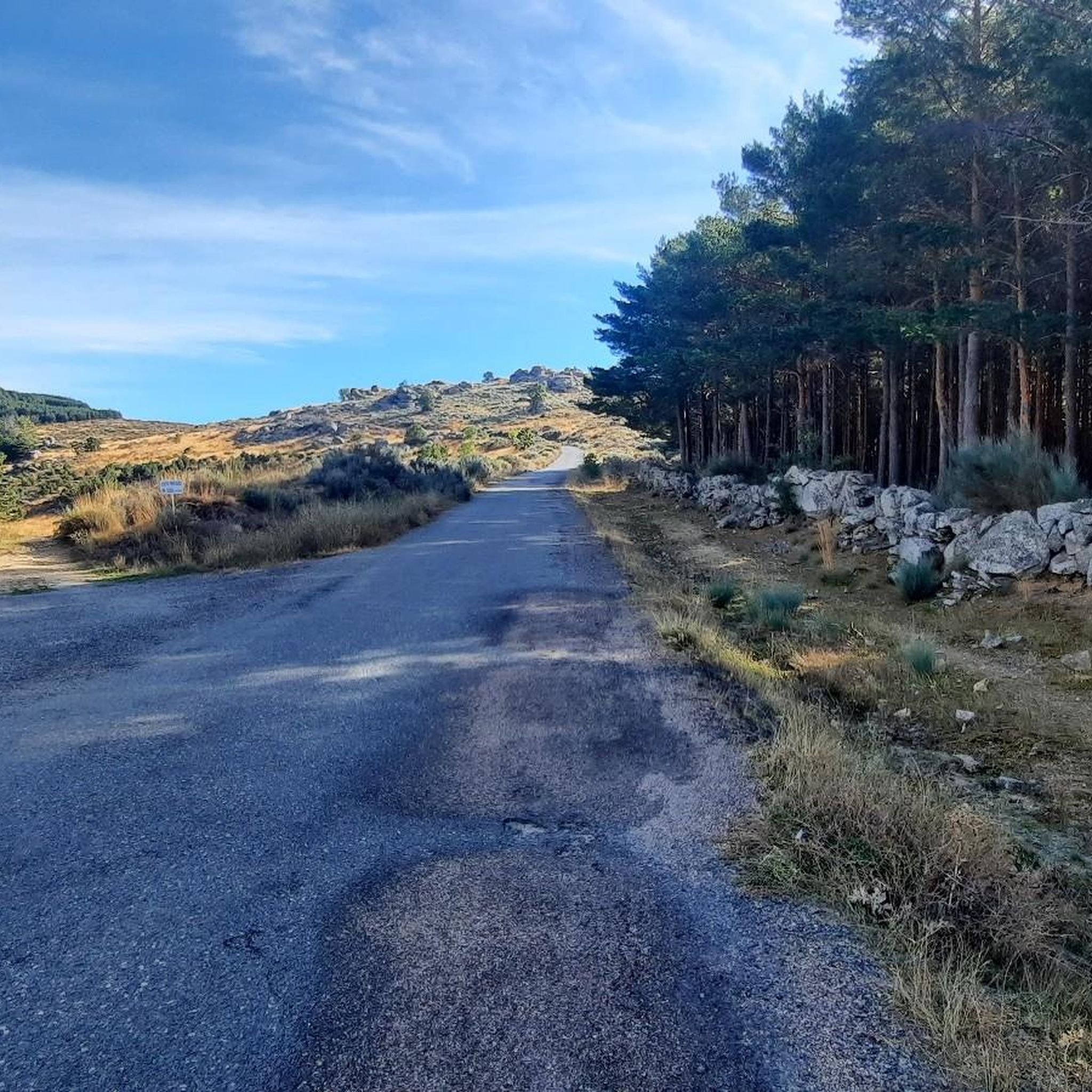
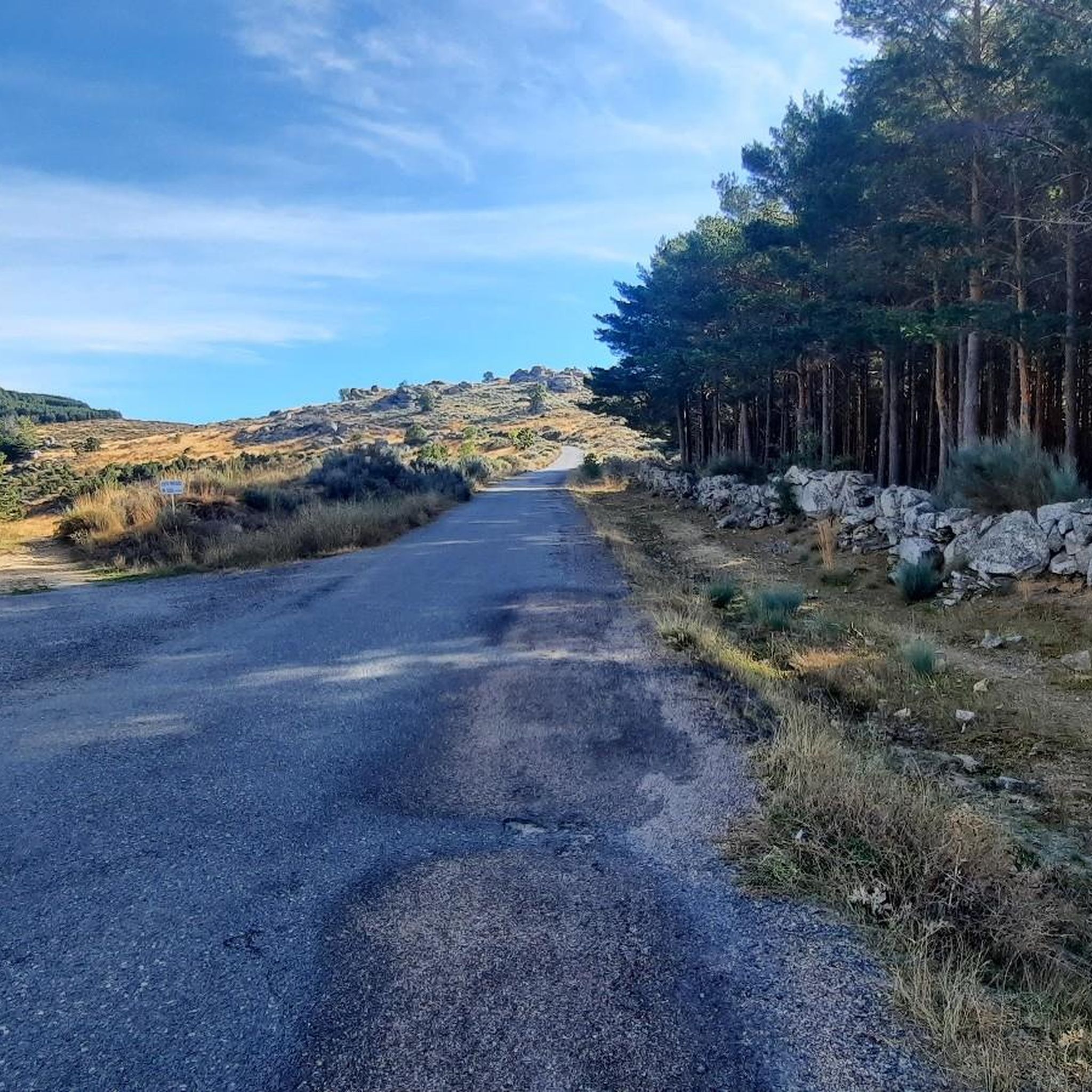
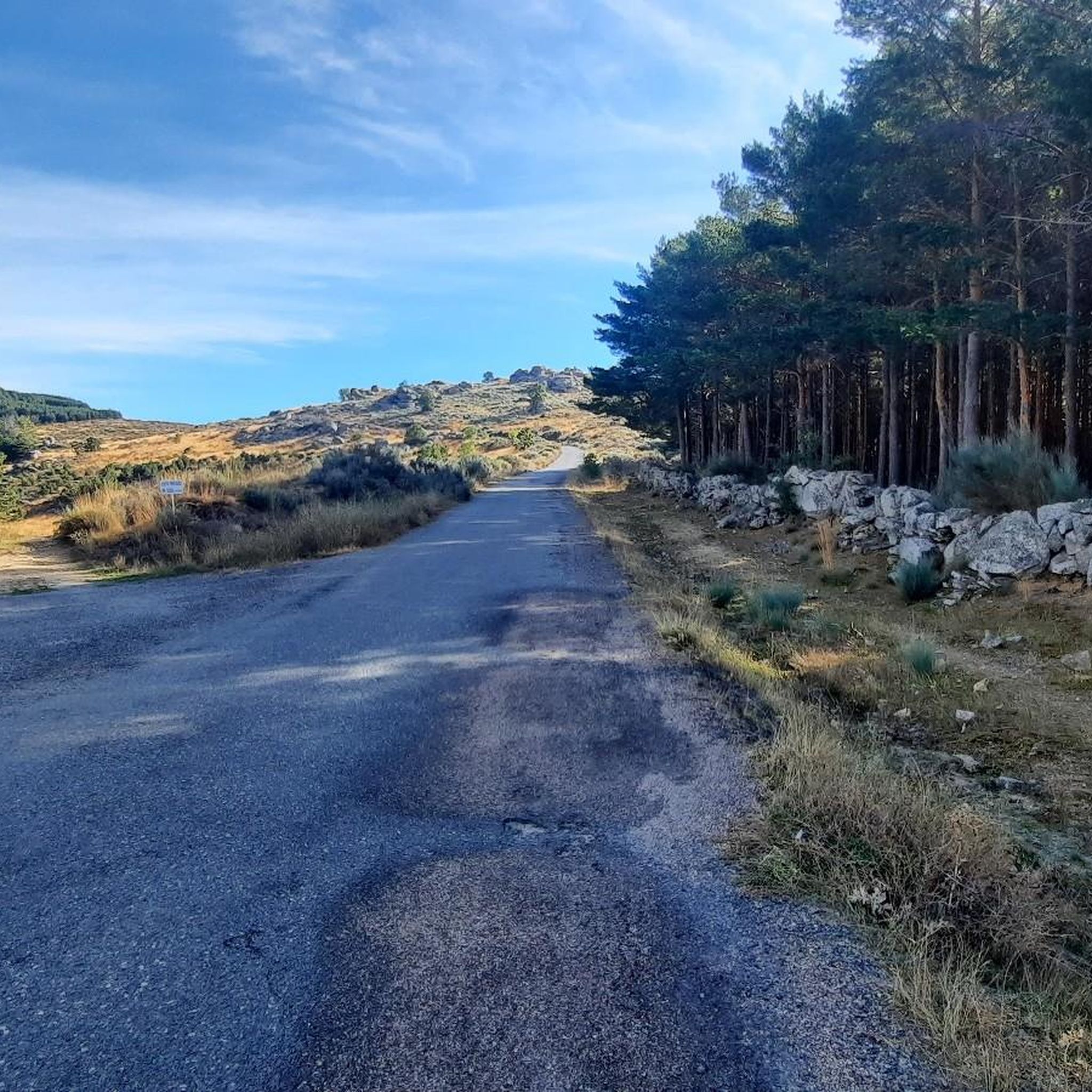
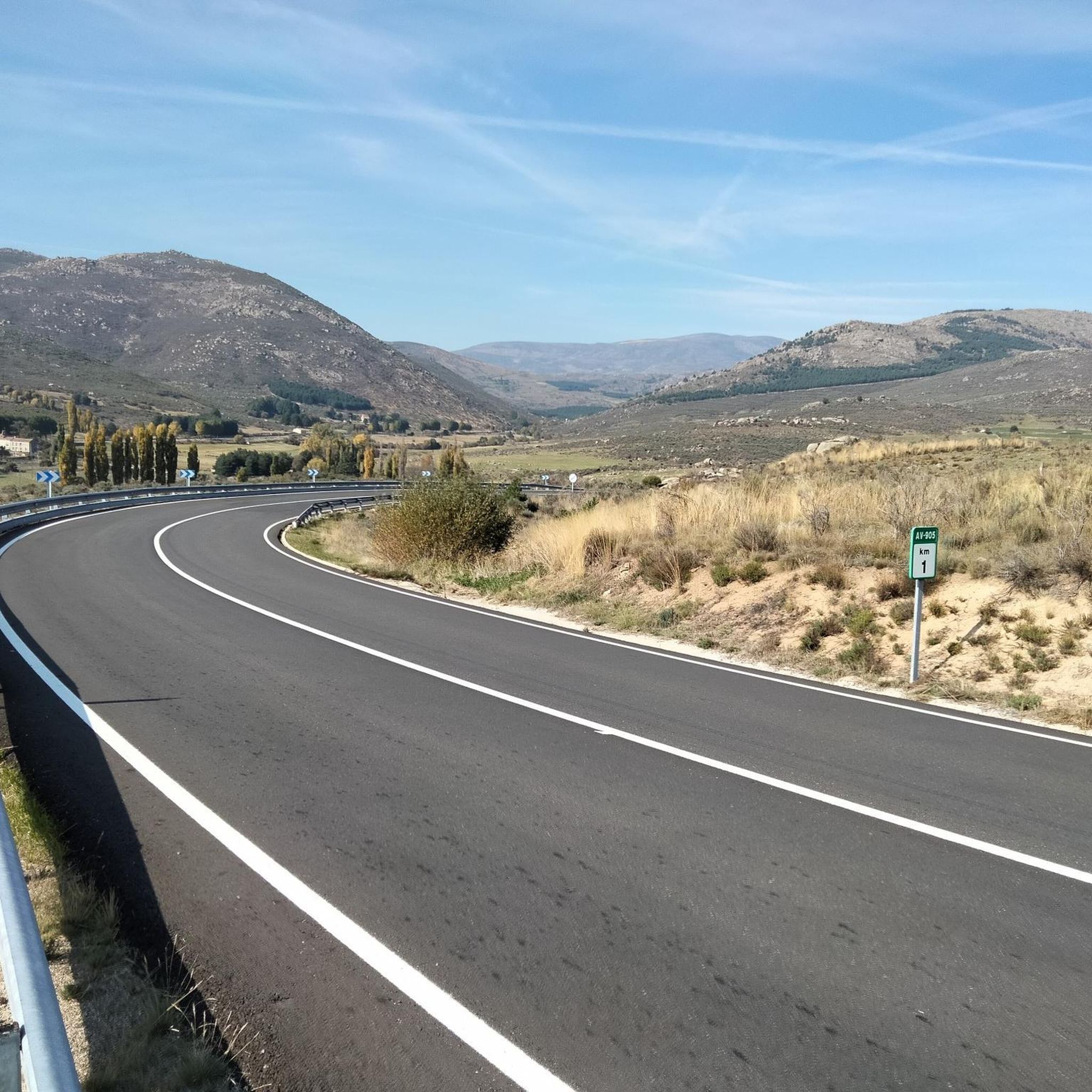
This slope is gentler than the northern slope and much shorter, with just 4 km and 2 of them hard, with some considerable ramps in the pair of horseshoe curves that there are. The road is inhospitable and therefore with very little traffic. The asphalt is uneven and rough, which adds hardness to the climb. Most of the secondary roads in this area are like this, which gives it a lot of charm. The landscape in summer is dry land, very typical of the northern area of Gredos and the northern plateau in general. I climbed the pass one early morning in August and I really enjoyed the solitude and silence of nature.
0
0


This track communicates with the Pico pass and passes through a beautiful pine forest and other mountain vegetation.
2
0
Frequently Asked Questions
What historical significance do the mountain passes around Hoyocasero hold?
The mountain passes in this region are rich in history. For instance, Puerto del Pico is famous for its remarkably well-preserved ancient road, which served as a vital communication route between Santiago de Compostela and Seville, and was crucial for transhumance. Puerto de Menga also has remnants of a secondary Roman road, highlighting its historical importance as a strategic passage.
Which mountain passes offer the best panoramic views in the Hoyocasero area?
For breathtaking vistas, Puerto del Pico provides expansive panoramic views from a dedicated viewpoint, including the 'Barranco de las Cinco Villas' and the Sierra de la Paramera. Puerto de Menga is also known for its scenic beauty, often featuring a 'sea of clouds' phenomenon between the Sierra de la Paramera and La Serrota massif. Additionally, Serranillos Pass offers spectacular views of the Cinco Villas Valley and the Gredos peaks.
Are there challenging cycling routes involving mountain passes near Hoyocasero?
Yes, the region is popular for challenging cycling. Centenera Pass features ramps up to 13% in sections, making for a demanding ascent. Puerto de Menga is also a popular spot for cycling with various ascent profiles. For more options, you can explore the Road Cycling Routes around Hoyocasero guide, which includes difficult routes like the Peña Negra Pass – Chía Pass loop.
What kind of hiking opportunities are available near the mountain passes?
The mountain passes offer diverse hiking experiences. Puerto del Pico serves as a starting point for ascents to peaks like Torozo de Gredos and circular routes to Puerto de la Fría. A less strenuous route follows the ancient road from Cuevas del Valle. For more hiking trails, check out the Hiking around Hoyocasero guide, which lists routes like 'El Puerto del Pico from San Martín del Pimpollar — circular through the Sierra de Gredos (GR-10)'.
What makes Chía Pass (1,663 m) a unique experience?
Chía Pass (1,663 m) connects the Corneja Valley with the Alto Valle del Alberche. It's known for its quiet, inhospitable road with very little traffic, offering a sense of solitude and silence. The asphalt can be uneven, adding to the challenge and charm, and the landscape in summer features the dry land typical of northern Gredos.
Are there any family-friendly activities or less strenuous routes near the mountain passes?
While many passes offer challenging climbs, some areas provide gentler options. For instance, a less strenuous route from Cuevas del Valle follows the well-preserved ancient road at Puerto del Pico. When planning family outings, look for routes described as 'moderate' or 'easy' in the Hiking around Hoyocasero guide, such as 'Las Chorreras de San Martín del Pimpollar Trail'.
What do visitors particularly enjoy about the mountain passes around Hoyocasero?
Visitors frequently praise the spectacular scenery and incredible views offered by these passes. For example, the Serranillos Pass is loved for its beauty and the panoramic views of the Cinco Villas Valley and the Gredos peaks. The challenging climbs and the solitude of nature, as experienced at Chía Pass (1,663 m), are also highly appreciated.
Can I find mountain biking trails near the mountain passes?
Yes, there are mountain biking opportunities in the area. You can find various MTB trails around Hoyocasero, some of which may incorporate or pass near these mountain passes. For detailed routes and difficulty levels, consult the MTB Trails around Hoyocasero guide, which includes routes like 'GR 10 Trail: Stage 33 - Hoyocasero to Tamborrios'.
What is the best time of year to visit the mountain passes around Hoyocasero?
The best time to visit largely depends on your activity. Spring and autumn generally offer pleasant temperatures for hiking and cycling, with vibrant landscapes or beautiful fall colors. Summer can be warm, but higher altitudes provide cooler air, though some landscapes might appear dry. Winter conditions can bring snow, making some passes challenging or inaccessible, but also offering unique snowy vistas for experienced winter hikers.
Are there any specific viewpoints worth visiting in the Sierra de Gredos area?
Absolutely. Beyond the passes themselves, the View of the Sierra de Gredos highlight points to areas like the Navarredonda de Gredos Stargazing Viewpoint. This spot is renowned for astronomical observation within the Starlight Reserve, offering clear, unobstructed skies and impressive panoramas over the Valle de Tormes and the Gredos massif.
Is there a specific trail that connects different mountain passes or offers a diverse experience?
Yes, there are trails that link various points of interest. For example, the Trail between mountains communicates with Puerto del Pico and passes through a beautiful pine forest and other mountain vegetation, offering a diverse natural experience. You can find more interconnected routes in the Hiking around Hoyocasero guide.
Most popular routes around Hoyocasero
Most popular attractions around Hoyocasero

Get inspired with the komoot mobile app


Explore more
See even more epic mountain passes by checking out these guides around Hoyocasero:
