Top 20 Natural Monuments around Pórtugos
Best natural monuments around Pórtugos are situated within the Sierra Nevada Natural Park, offering diverse geological features and scenic beauty. This region is characterized by its mountainous landscapes and unique natural formations, including high peaks, glacial lagoons, and iron-rich springs. The area provides opportunities for exploring distinct natural attractions and appreciating the varied terrain of the Alpujarra region. Pórtugos serves as a base for discovering these natural points of interest.
Best natural monuments around Pórtugos
- The most popular natural monuments…
Last updated: July 1, 2026
Mulhacén Summit
Highlight • Summit
Translated by Google •
Tip by

Hondera Lagoon
Highlight • Lake
Translated by Google •
Tip by
Sign up now to discover places like this
Get recommendations on the best single tracks, peaks, & plenty of other exciting outdoor places.
Sign up for free
Tajos del Ángel Viewpoint
Highlight • Viewpoint
Translated by Google •
Tip by
Pico Veleta viewpoint
Highlight • Viewpoint
Tip by

Mares' Lagoon
Highlight • Lake
Translated by Google •
Tip by

Sign up for free to discover even more natural monuments around Pórtugos.
Sign up for free
Already have an account?
Start today with a free account
Your next adventure awaits.
Login or Signup

Tips from the Community

The Veleta Peak viewpoint, located in the Sierra Nevada mountains (Granada), is one of the most spectacular spots to enjoy panoramic high-mountain views on the Iberian Peninsula. From the summit of Veleta you can enjoy: Views of the Mediterranean Sea on clear days. Panoramic views of Mulhacén, the highest peak on the peninsula. High-mountain landscapes with rock formations, snow (in winter), and native flora.
2
0

Beautiful little reservoir that is currently being filled by meltwater
0
0

The trail is pretty easy to find until you get to the waterfalls. To reach Laguna Hondera you must climb up beside the first waterfall. That is between the two waterfalls. There are cairns on the path but it’s quite easy to miss them amongst the other routes up there. It’s a beautiful location. We saw a few ibex but only 2 other hikers!
1
0

The area of the Seven Lagoons (and Laguna Hondera in particular) is one of the most beautiful places in the Sierra Nevada National Park. The climb up here next to the waterfall formed by the Chorreras Negras is demanding, but all the pain in your legs is forgotten as soon as you reach the top and see the beauty of the place. Important note: if you plan to spend the night here, do not pitch your tent in the borreguiles (the grasslands). They are home to several species of flora endemic to the Sierra Nevada and it is necessary to protect them.
4
0
If you want to access the viewpoint, you just have to walk along a paved road that takes you there in a gentle climb. The views from above are spectacular: you can see the high mountains of Sierra Nevada, as well as the entire Poqueira ravine and its three famous towns: Pampaneira, Bubión and Capileira.
2
0

Tajos del Ángel viewpoint one of the best places to rest from the long and intense climb to the vane from the coast
0
0

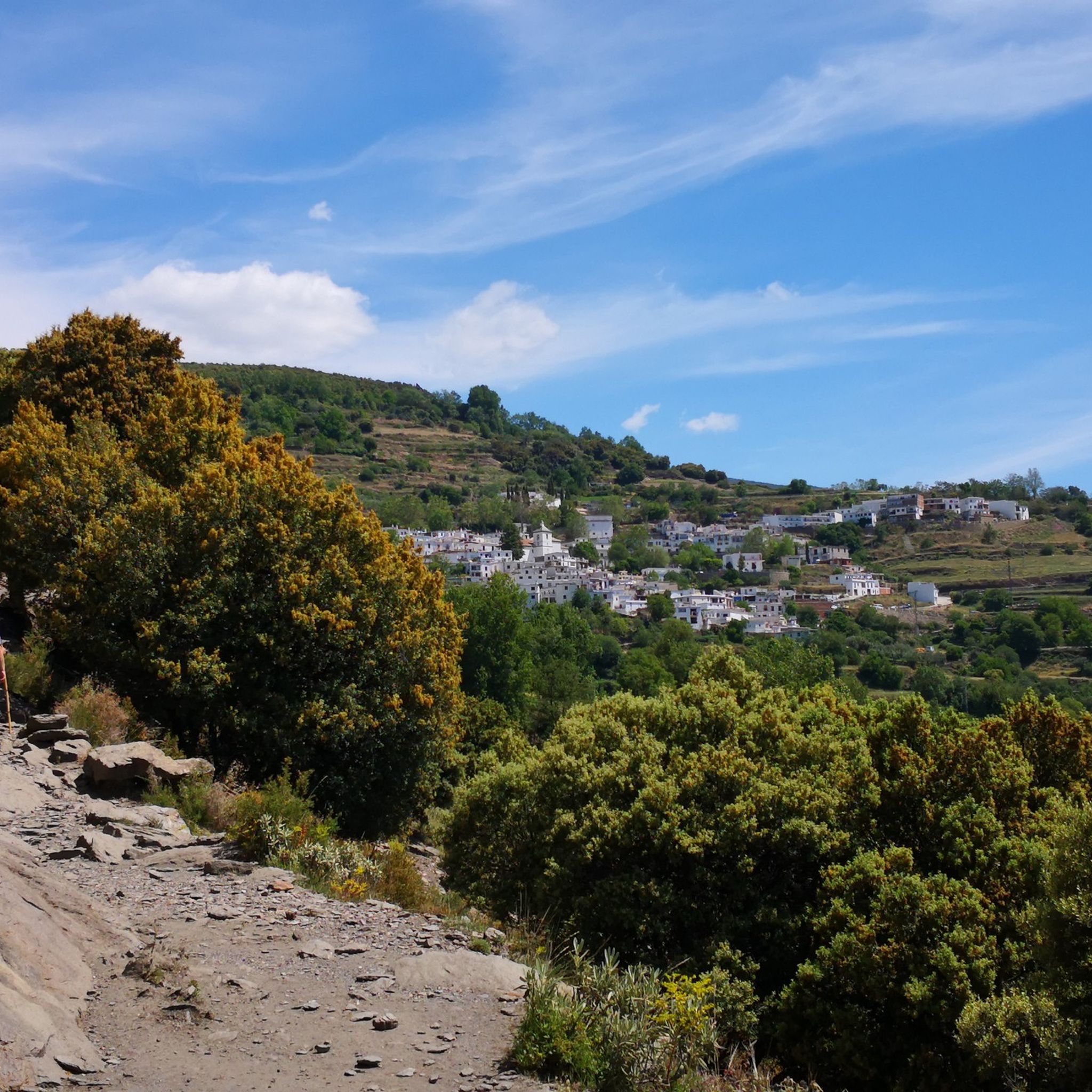
It is an excellent viewpoint with a beautiful panoramic view of one of the valleys on the southern slope of the Sierra Nevada. In the valley you can see the towns of Capileira, Bubión and Pampaneira, as well as the Poqueira river.
1
0
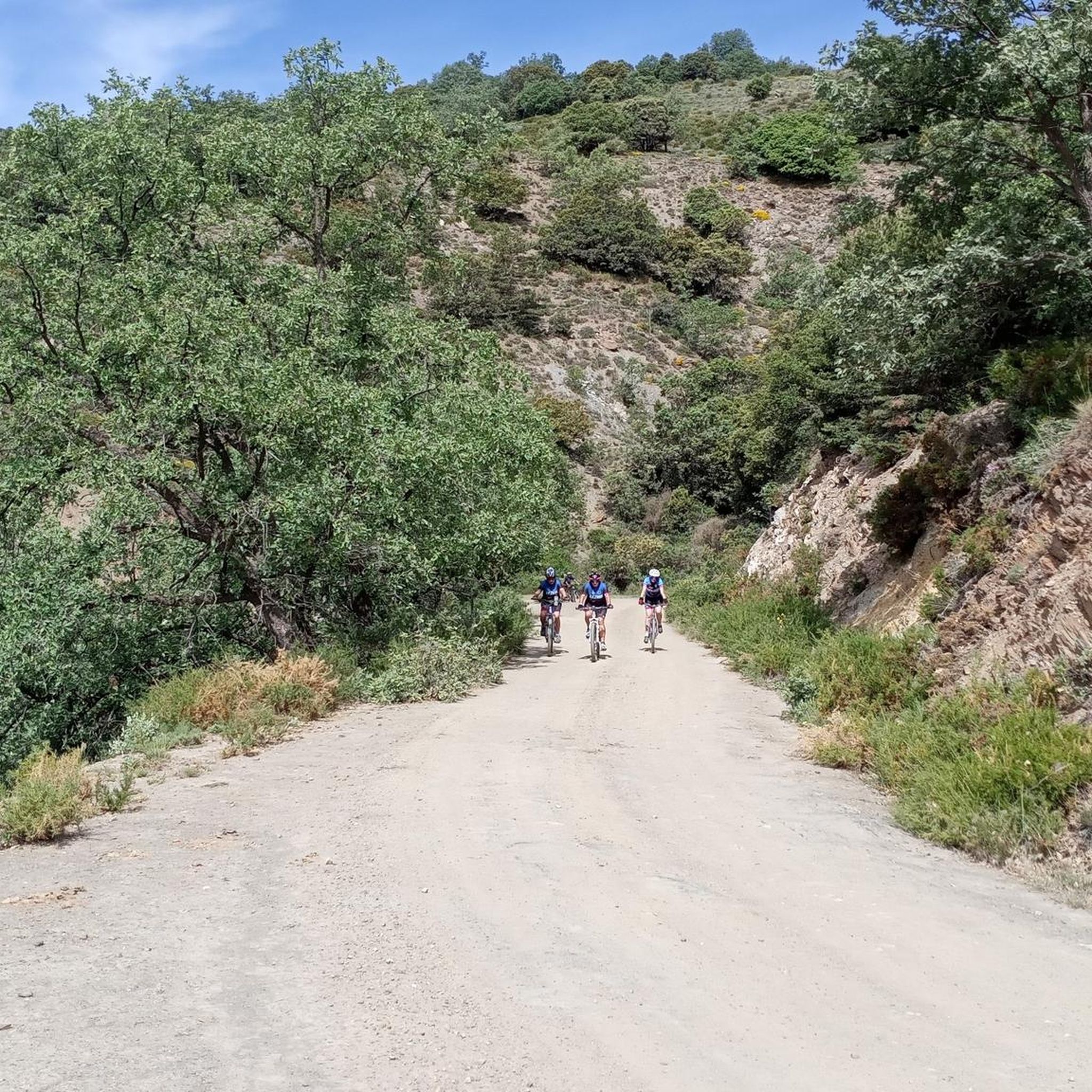
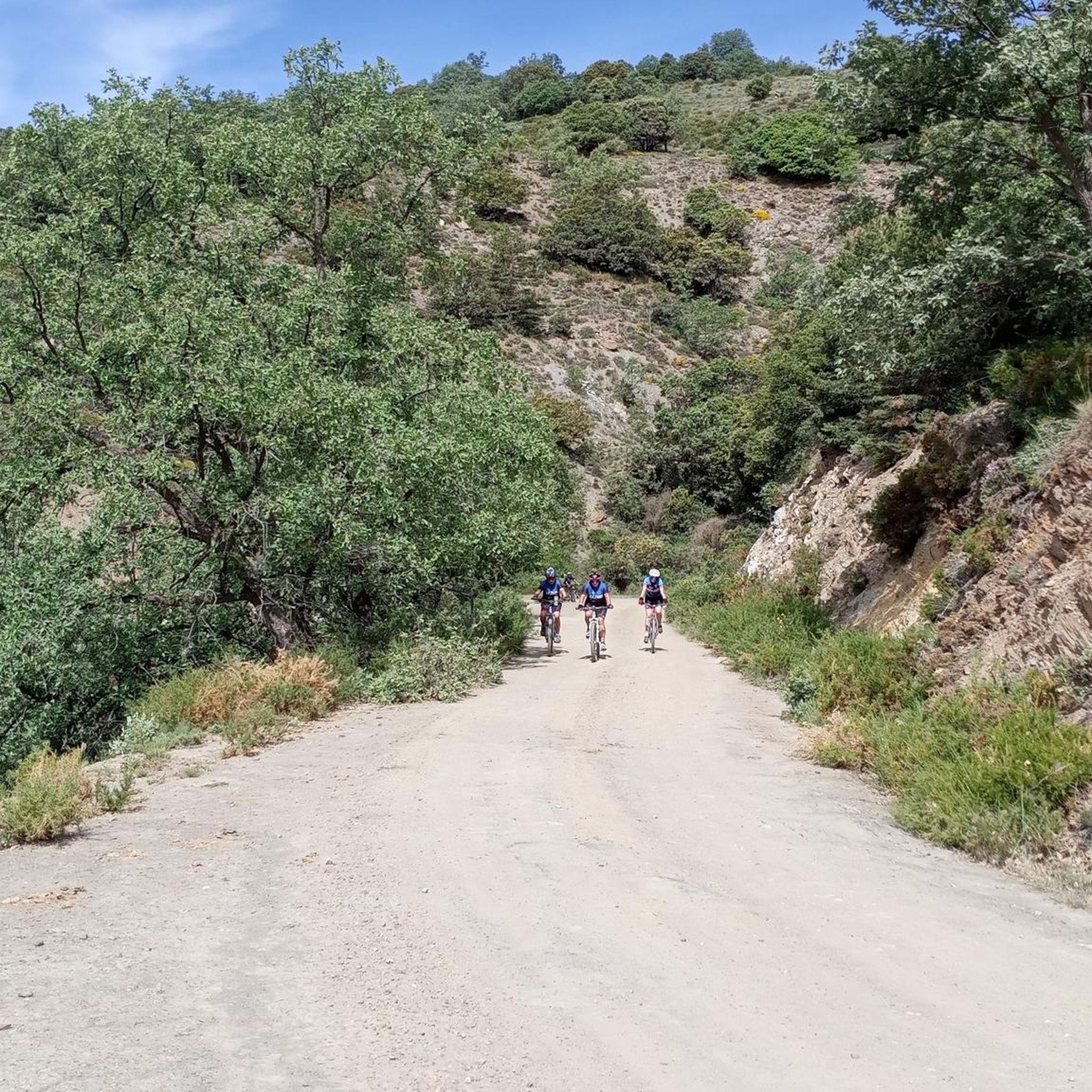
This viewpoint is located at a crossroads that leads you to the Capileira ascent. If you want to get to Veleta, it is the traditional climb and highly requested by MTB mountaineers. While you decide which path to choose, I recommend that you stop for a moment and contemplate the incredible panoramic views.
0
0
Frequently Asked Questions
What are some of the most notable natural monuments around Pórtugos?
Beyond the popular spots, you can explore the impressive Mulhacén Summit, the highest peak of the Iberian Peninsula, offering breathtaking views. Another significant site is Peñabón, a classic ascent from Trevélez with stunning landscapes.
Are there family-friendly natural monuments or viewpoints in the area?
Yes, the Tajos del Ángel Viewpoint is accessible via a paved road, making it suitable for families. From here, you can enjoy spectacular views of the high Sierra Nevada mountains and the Poqueira ravine, including the towns of Pampaneira, Bubión, and Capileira.
What kind of natural features can I expect to see in the Sierra Nevada Natural Park near Pórtugos?
The Sierra Nevada Natural Park is known for its diverse geological features. You'll find high-altitude peaks like Mulhacén Summit and Pico Veleta viewpoint, serene glacial lagoons such as Hondera Lagoon, and unique iron-rich springs like Fuente Agria, which creates striking orange-hued waters and waterfalls.
What is the best time of year to visit the natural monuments around Pórtugos?
The region offers different experiences depending on the season. Summer months are ideal for hiking to high-altitude areas like Hondera Lagoon, which is very green. However, the weather can change rapidly, and high peaks can be very hot in summer and very cold in winter. Some areas, like Hondera Lagoon, are iced from late October until spring.
Are there hiking trails near these natural monuments?
Absolutely. The area is rich with hiking opportunities. For instance, you can find moderate trails like the "Hoya del Portillo and Loma del Cascajar Negro Loop" or the "Medieval Path of La Alpujarra" near Pórtugos. More challenging routes include the "Mulhacén Ascent Trail" or the "Hondera Lagoon loop from Trevélez." You can explore more options on the Hiking around Pórtugos guide.
What is the significance of Fuente Agria and El Chorrerón waterfall?
Fuente Agria (Sour Fountain) and El Chorrerón waterfall are distinguished by their striking orange hues, caused by high iron concentration in the water. The mineral-rich waters have been historically recognized for their beneficial properties, with some believing drinking from the fountain can help with anemia. It's a tranquil spot with a modest waterfall and a fern-fringed spring.
What kind of wildlife and flora can I expect to see in the Sierra Nevada Natural Park?
The Sierra Nevada Natural Park is considered one of Europe's richest botanical enclaves. You can expect to see diverse flora, especially in areas like the borreguiles (grasslands) near Hondera Lagoon, which are home to several endemic species. While specific wildlife isn't detailed, the park's vast and varied landscape supports a rich ecosystem.
Are there picnic areas available near the natural monuments?
Yes, there are. Near Fuente Agria and El Chorrerón waterfall, a picnic area is available for visitors to relax. Additionally, the Merendero de la Junta de los Ríos, located within the Sierra Nevada Natural Park, is another picnic area with stone tables and benches, offering stunning views near the Tajo Cortes waterfall.
What are the Siete Lagunas and how can I access them?
The area of the Siete Lagunas (Seven Lagoons), which includes Hondera Lagoon, is considered one of the most beautiful places in the Sierra Nevada National Park. The climb to reach them, often next to the waterfall formed by the Chorreras Negras, is demanding but rewarding. It's an ideal spot for a bivouac and a starting point for ascending Mulhacén.
What should I consider for winter hiking around Pórtugos' natural monuments?
Winter hiking is possible, but requires careful preparation. The weather in the high mountains can change rapidly, and conditions can be very cold. Areas like Hondera Lagoon are iced from late October until spring. Always treat the mountains with respect and take appropriate high-altitude and weather-related precautions, as highlighted by tips for Mulhacén Summit.
What outdoor activities, besides hiking, can I do near these natural monuments?
Beyond hiking, the region offers opportunities for trail running. You can find various routes, including the "Peak Peñabón – trail running circular from Trevélez" or the "Medieval Trail of the Alpujarra Loop." For more details, refer to the Running Trails around Pórtugos guide.
How accessible are the natural monuments, and is parking generally available?
Accessibility varies by monument. For instance, the Tajos del Ángel Viewpoint is easily accessible via a paved road. For other, more remote natural monuments, access often involves hiking trails. While specific parking details for every site are not available, popular spots and picnic areas typically have provisions for visitors.
Most popular attractions around Pórtugos

Get inspired with the komoot mobile app


Explore more
Extend your search for the best caves by checking out these guides of the top ones around Pórtugos:
