Top 4 Natural Monuments around Fulleda
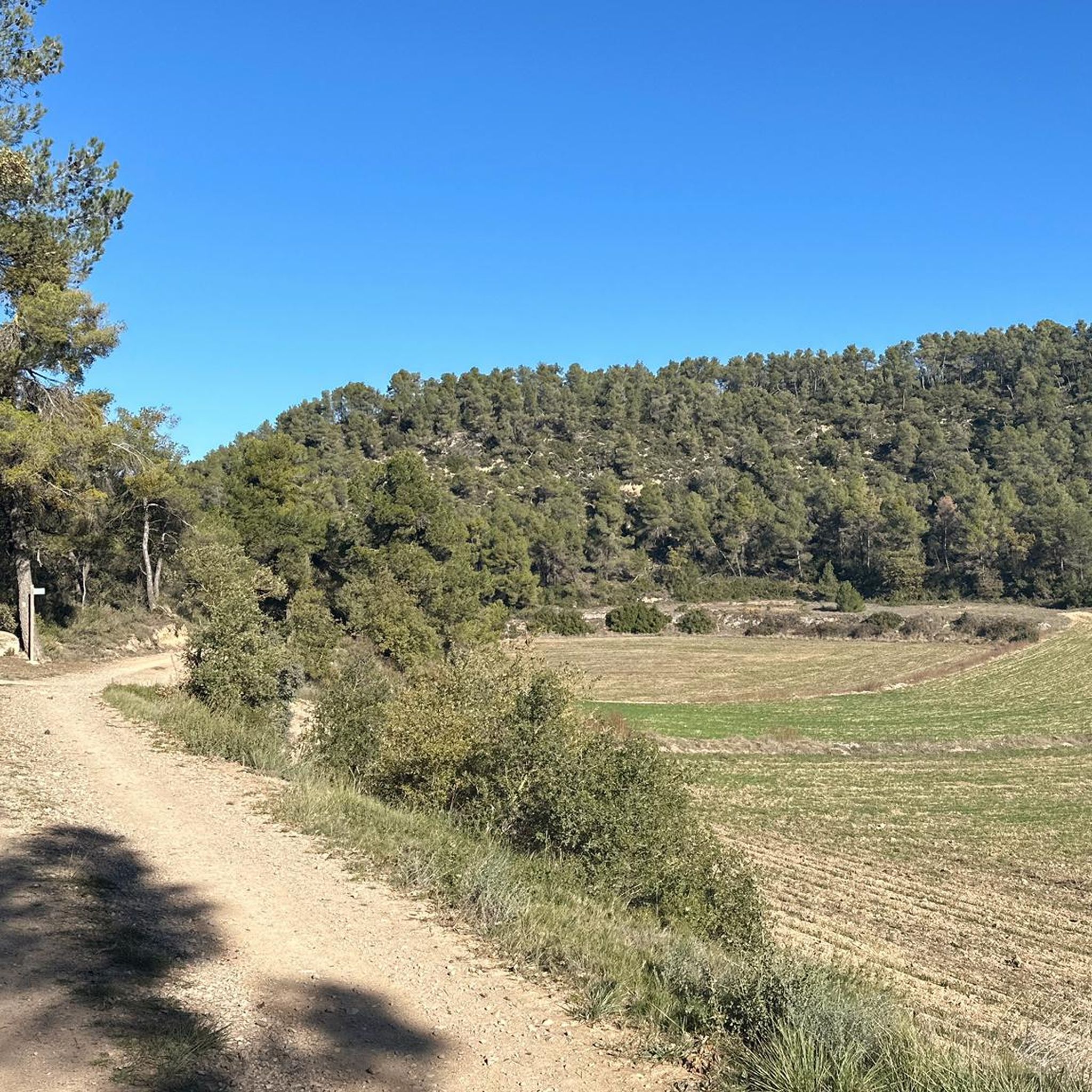
Natural monuments around Fulleda offer a distinct landscape in the Les Garrigues region, characterized by rugged and wooded terrain alongside cultivated fields of vineyards, olive, and almond trees. This area provides extensive opportunities for outdoor enthusiasts, with a network of trails traversing diverse scenery. The natural features here integrate nature, heritage, and sustainability, making it a valuable location for exploration. Fulleda's surroundings present a varied and picturesque environment for those seeking natural attractions.
Best natural monuments around Fulleda
- The most…
Last updated: July 1, 2026
Deport Spring
Highlight • Natural Monument
The Sport source is located …
Translated by Google •
Tip by

The Hundred Springs
Highlight • Natural Monument
Translated by Google •
Tip by
Sign up now to discover places like this
Get recommendations on the best single tracks, peaks, & plenty of other exciting outdoor places.
Sign up for free
Tossal Gros de Vallbona
Highlight • Summit
Translated by Google •
Tip by

Coves de l'Espluga
Highlight • Cave
Translated by Google •
Tip by

Start today with a free account
Your next adventure awaits.
Login or Signup
Tips from the Community

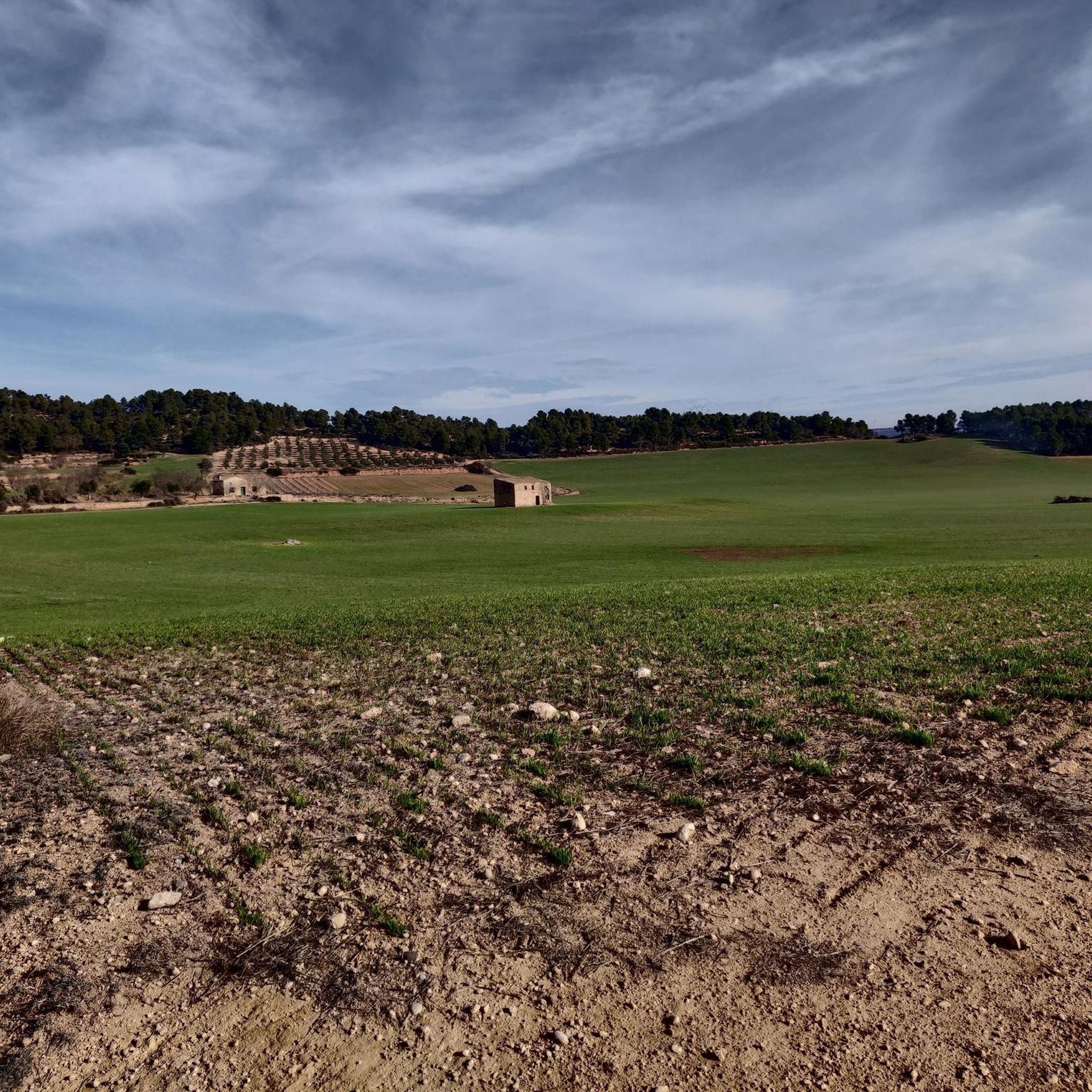
The caves of l'Espluga de Francolí are a set of natural cavities formed in the conglomerate rock. Speleological explorations began in 1956, and so far 3,600 meters of galleries have been explored, making them one of the longest caves in the world. The archaeological findings inside show that they have been occupied since the Paleolithic: the last discovery, in 2019, was a Paleolithic sanctuary made up of more than 300 engravings, some of them more than 36,000 years old. The visits are guided and can be booked from https://covesdelespluga.info/
0
0

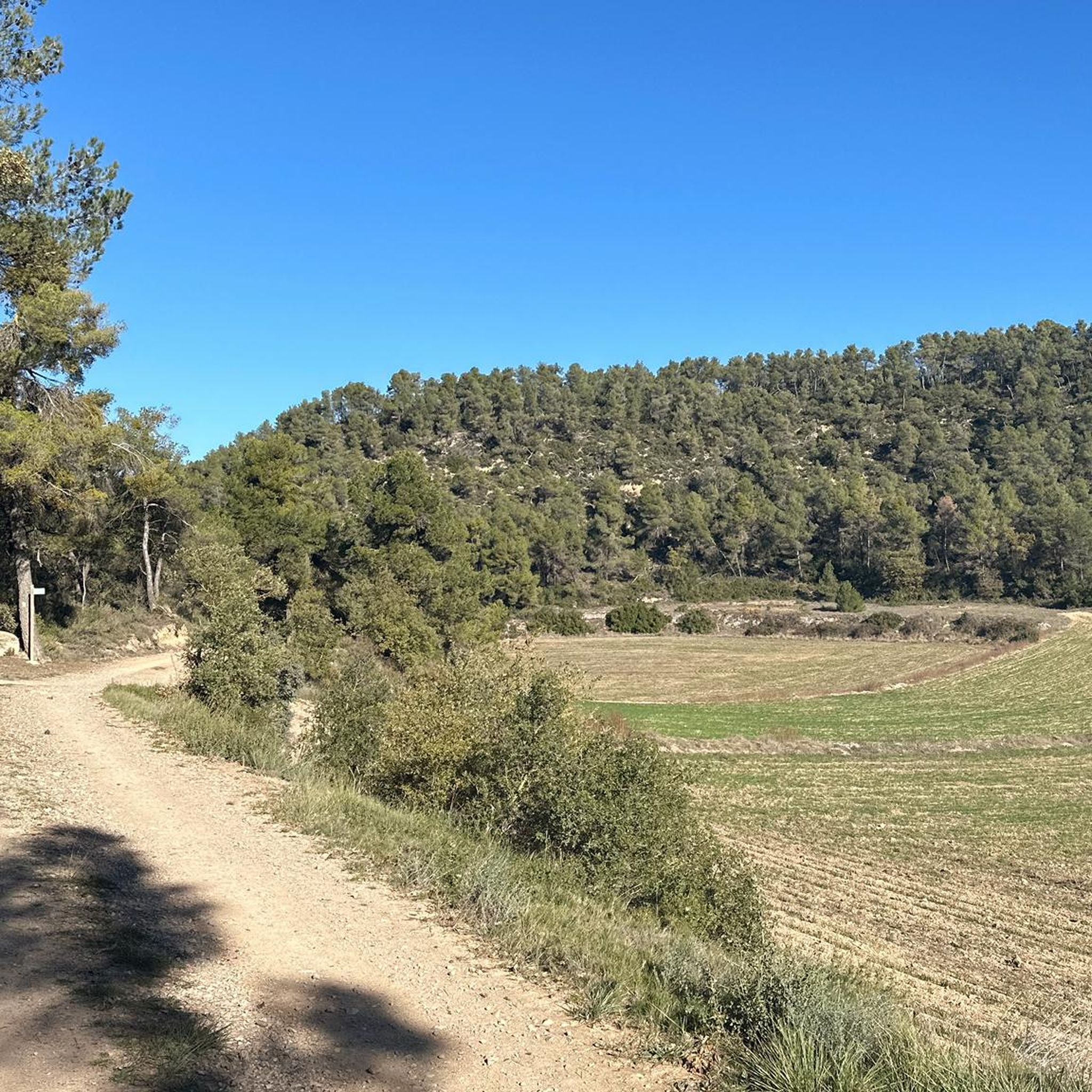
The tozal Gros de Vallbona is located at 804 meters above sea level. It is the highest summit of the Urgell and offers magnificent views of the Conca de Barberà.
1
0

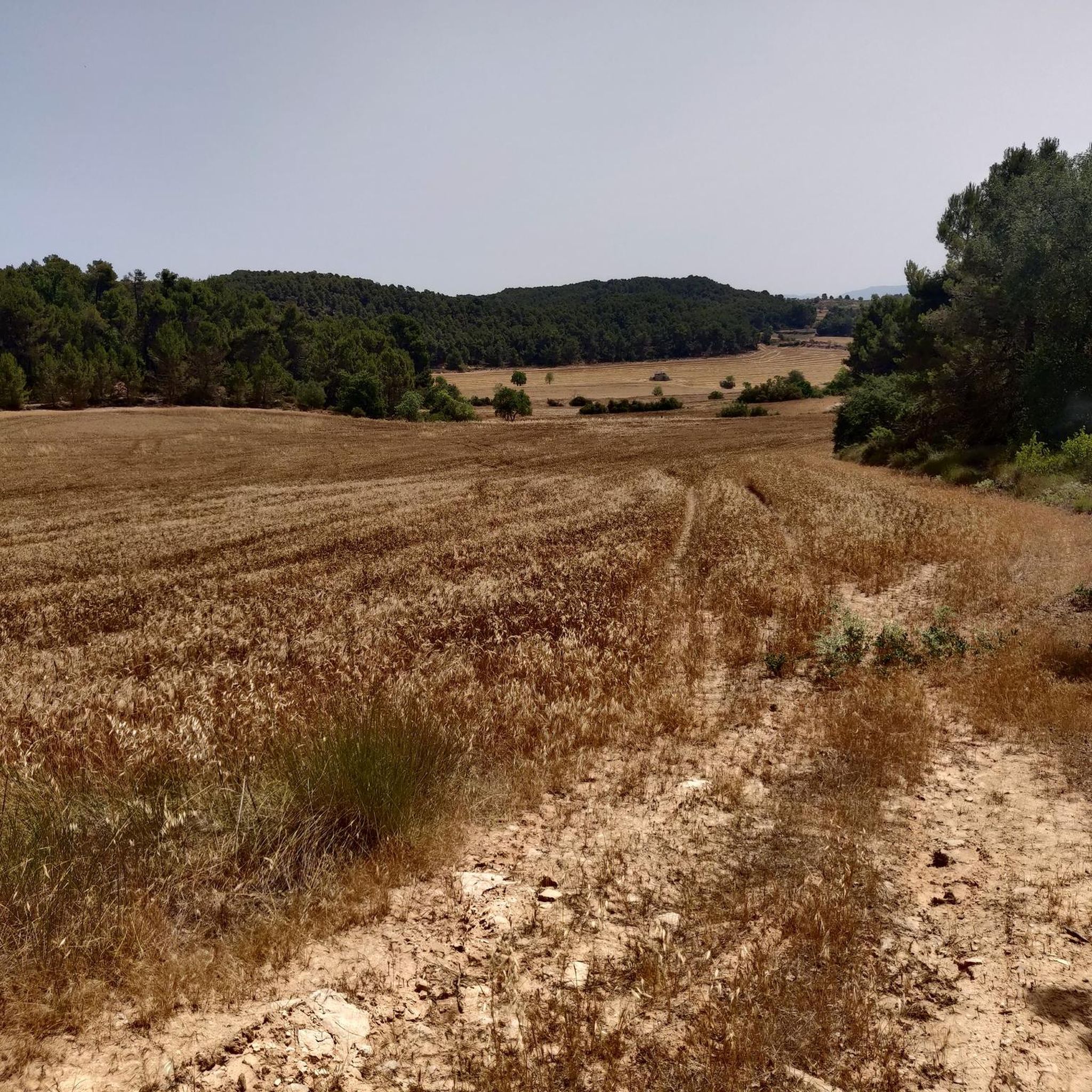
We are at an altitude of 820 m in a bed of calcareous rocks where, at the contact between the red sandstones and the travertine, water infiltrates, giving rise to a line of springs, hence the name of the Cent Fonts. We find several ponds, built by the Espluga de Francolí Town Council, in order to increase faunal biodiversity and create an aquatic habitat. In this way, we can see various amphibians such as toads and salamanders. There is also a picnic area further down with stone tables and benches. In 1887, Sister Mercè Farré Oró, the superior nun of the convent of the Daughters of Charity of l'Espluga de Francolí, promoted the channeling of the water from Les Cent Fonts to the town.
1
0
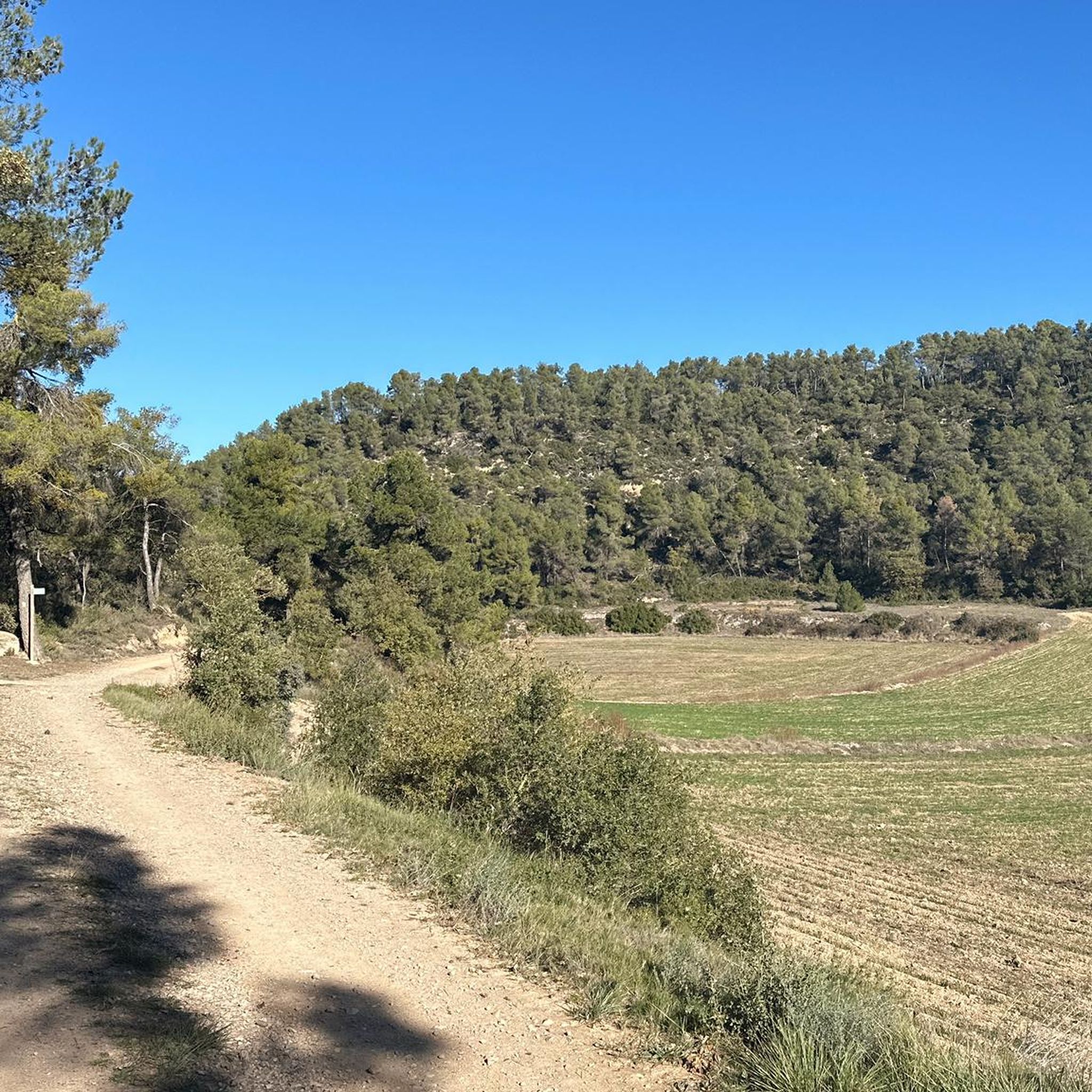
It is known that the Poblet forest is rich in springs. Undoubtedly the most well-known and popular are the Boixets fountain and the Deport fountain. The Sport source is located under the Cingle de les Cabres. From this location, the trail leads up to the La Pena viewpoint. The place has a lot of charm and in the past the monks had some kind of construction there (remember that the place is very close to the site of the old La Pena farm and currently a forestry house). These constructions were maintained after the exclaustration of the Poblet monastery, when the Pena estate was sold to private individuals and also later (in 1906) when it was expropriated to be reincorporated into the management of the forestry services. Currently, however, we can only find small evidence of those constructions. The location of the Deport fountain has also had other changes or modifications over the years, and one of these was the location of the fountain itself.
1
0
Frequently Asked Questions
What are the most notable natural features to explore around Fulleda?
The area around Fulleda is characterized by its rugged and wooded terrain, alongside cultivated fields of vineyards, olive, and almond trees. Key natural features include various springs like Deport Spring, and significant summits such as Tossal Gros de Vallbona, offering expansive views. You can also discover unique sites like The Hundred Springs, known for its calcareous rocks and aquatic habitats.
Are there any historical natural monuments in the Fulleda area?
Yes, the region integrates nature with heritage. The Hermitage and Viewpoint of Sant Joan de la Muntanya is a picturesque site featuring a chapel excavated in rock and offering historical significance. Additionally, the Coves de l'Espluga are natural cavities with archaeological findings dating back to the Paleolithic era, including ancient engravings.
What kind of outdoor activities can I do near the natural monuments around Fulleda?
Fulleda offers extensive opportunities for outdoor enthusiasts. You can enjoy over 500 kilometers of self-guided routes perfect for mountain biking and hiking. For specific activities, explore running trails, road cycling routes, or general cycling tours that traverse forests, cultivated fields, vineyards, and olive groves.
Are there family-friendly natural monuments or attractions in Fulleda?
Several natural sites are suitable for families. Deport Spring and The Hundred Springs are charming locations with natural beauty, and the latter even has a picnic area. The Coves de l'Espluga offer guided visits that can be an engaging experience for all ages, combining nature and history.
What is the best time of year to visit the natural monuments in Fulleda?
The autumn season is particularly recommended for its 'chromatic variety,' as the forests transform into a vibrant display of colors, making it an ideal time for hiking and enjoying the scenic beauty. Spring also offers pleasant weather and lush greenery.
Where can I find tranquil natural spaces in Fulleda?
La Font de la Marieta (Marieta's Fountain) is an emblematic site nestled within rich Mediterranean forests, offering a tranquil natural space that beautifully integrates nature, heritage, and sustainability. It's an ideal spot for nature lovers to appreciate local flora and fauna.
Are there good viewpoints to enjoy the landscape around Fulleda?
Yes, the region boasts several excellent viewpoints. The Hermitage and Viewpoint of Sant Joan de la Muntanya offers extensive views of the Conca de Barberà and Serra Carbonària, and on clear days, even Montserrat and the Pyrenees. Tossal Gros de Vallbona, at 804 meters above sea level, also provides magnificent views of the Conca de Barberà.
What kind of wildlife can be observed near the natural monuments?
At sites like The Hundred Springs, efforts have been made to increase faunal biodiversity, creating aquatic habitats where you can observe various amphibians such as toads and salamanders. The Mediterranean forests around La Font de la Marieta also support local flora and fauna.
Are there any challenging hikes near Fulleda's natural monuments?
The rugged and wooded surroundings of Fulleda offer a variety of trails, including more challenging options. The extensive network of routes, some of which are part of events like the 'Heroic March,' provides immersive experiences for those seeking more demanding hikes through varied terrain.
What makes the natural landscape of Fulleda unique compared to surrounding areas?
Fulleda offers a natural landscape distinct from the surrounding plains, characterized by its rugged and wooded terrain. This provides a unique contrast to the flatter areas, creating varied and picturesque scenery that combines forests, cultivated fields, vineyards, and olive groves.
Can I find traditional dry stone constructions near the natural monuments?
Yes, the municipality is actively involved in the recovery of ancient 'corrals,' which are dry stone constructions that served as shelters and grazing areas, forming part of the historical dryland landscape. You can also see traditional dry stone walls at sites like La Font de la Marieta, built to stabilize slopes and preserve heritage.
Most popular routes around Fulleda
Most popular attractions around Fulleda

Get inspired with the komoot mobile app


Explore more
Extend your search for the best caves by checking out these guides of the top ones around Fulleda:
