Top 20 Natural Monuments around Marratxí
Best natural monuments around Marratxí offer a blend of historical significance and opportunities to connect with nature. This region, known for its ceramic heritage, features noteworthy natural sites. Visitors can explore ancient archaeological caves and a network of "Healthy Routes" that provide scenic natural experiences. The landscape around Marratxí is a place to discover the natural beauty of Mallorca.
Best natural monuments around Marratxí
- The most popular natural monuments is Plaça de Cort and the Ancient Olive Tree, Palma Old…
Last updated: August 25, 2026
Plaça de Cort and the Ancient Olive Tree, Palma Old Town
Highlight • Historical Site
You should plan to spend at least a day there.
Translated by Google •
Tip by

King Juan Carlos I Gardens, Valldemossa
Highlight • Natural
Translated by Google •
Tip by

Sign up now to discover places like this
Get recommendations on the best single tracks, peaks, & plenty of other exciting outdoor places.
Sign up for free
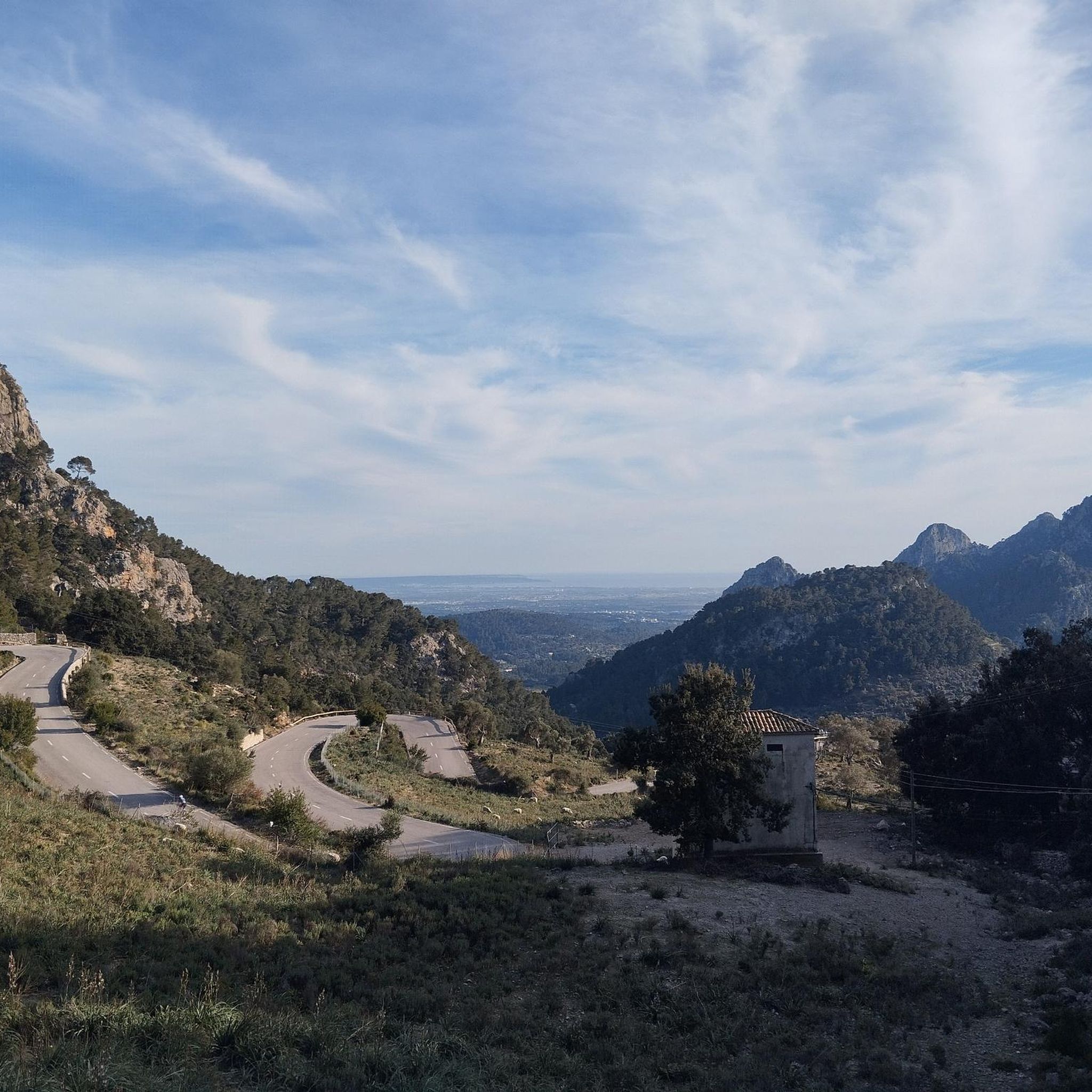
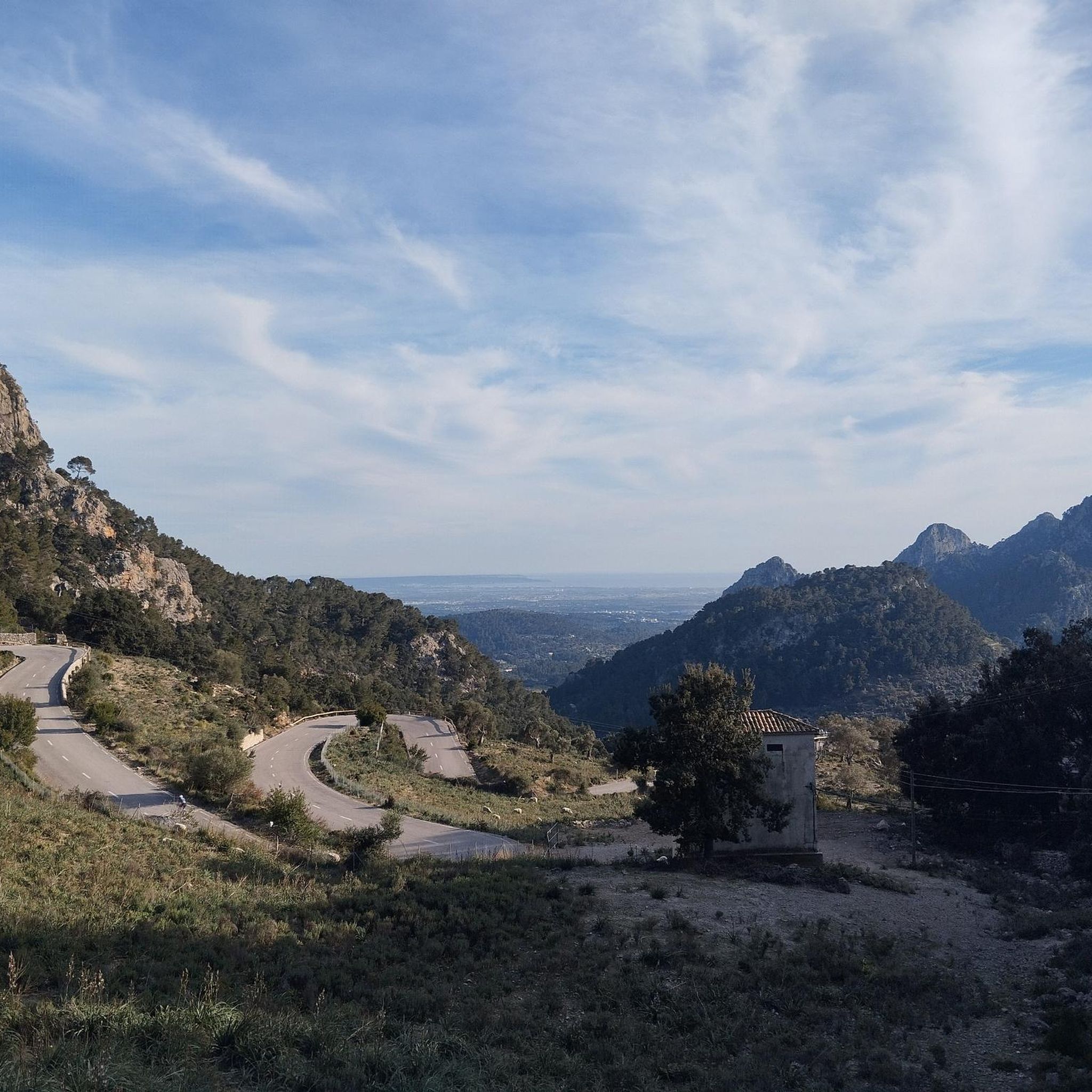
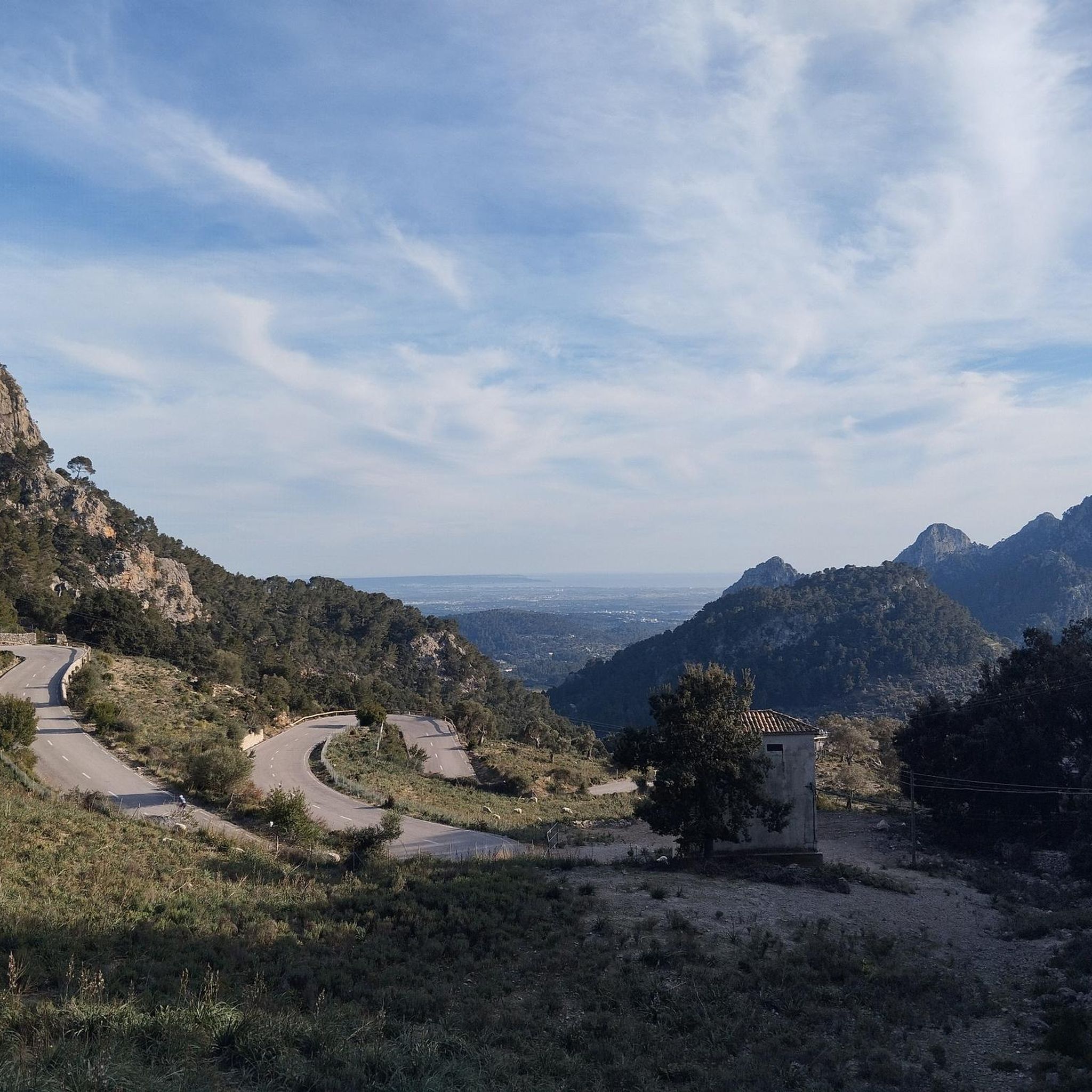
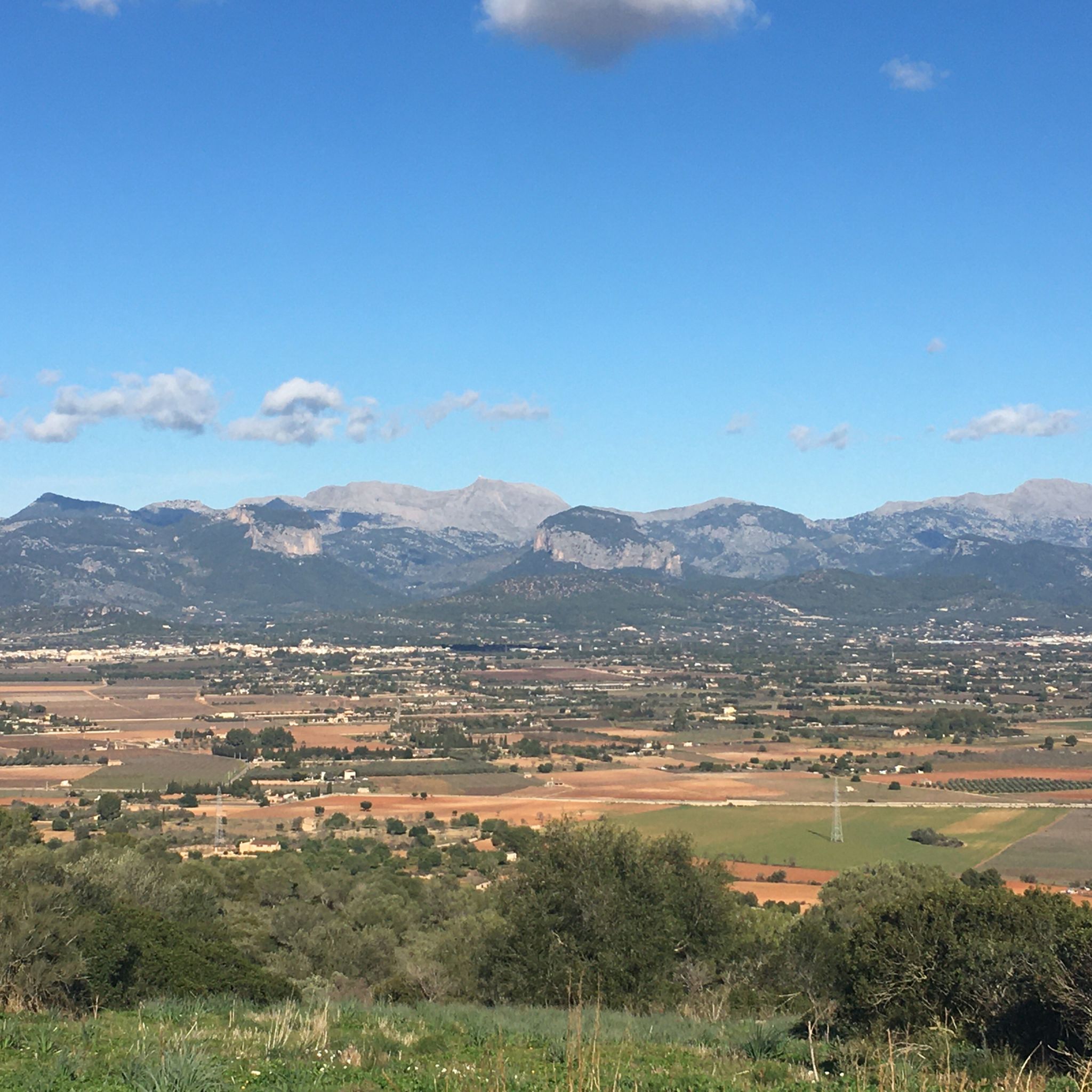
View of Puig s'Alcadena from the Mirador de l'Orengar
Highlight • Viewpoint
Translated by Google •
Tip by

Es Carnatge Nature Reserve
Highlight • Beach
Translated by Google •
Tip by

S'Hort del Rei Gardens
Highlight • Natural
Translated by Google •
Tip by

Sign up for free to discover even more natural monuments around Marratxí.
Sign up for free
Already have an account?
Start today with a free account
Your next adventure awaits.
Login or Signup

Tips from the Community

Really interesting, but very crowded!
1
0

The green public park has numerous benches where visitors can take a break during their city tour.
1
0

S'Hort del Rei means the King's Orchard in Catalan and refers to the garden below the walls of the Almudaina Palace. In the 14th century, the garden, which was enclosed by the palace walls at that time, grew fruit trees, vegetables, and flowers. The current garden design, however, dates from the 1960s and was the work of architect Gabriel Alomar, who was inspired by traditional Andalusian gardens. Today, the park is adorned with cypress trees, pergolas, fountains, and ponds. The old Moorish arch that spans the pond with swans at one end of S'Hort del Rei is said to have belonged to the Almudaina shipyard. Three notable sculptures also stand out. One is the bronze sculpture of the mythical Balearic slingshot thrower of the Punic Wars, "Es Foner," next to the Swan Pond, designed by Llorenç Rosselló and winning the Silver Medal for Fine Arts in 1898. The other is the sculpture by the artists Josep María Subirachs and Alexander Calder. The green public park has numerous benches where visitors can take a break during their city tour. Furthermore, La Seu Cathedral, Parc de la Mar, and Paseo Borne are just a few minutes' walk away. Source: https://www.abc-mallorca.de
2
0

The garden, located right next to the Charterhouse in 1983, was named after King Juan Carlos and opened to the public in 1993. Between the large, old cypresses, palm trees and oleander plants there is also a bust of Chopin, who spent the winter here with George Sand in 1838/39. The garden is not too big, but invites you to linger.
6
2

Unfortunately, the wooden planked sections have now become so weathered that you have to be careful when driving and avoid the protruding screw heads.
1
0

The most famous olive tree in Palma de Mallorca, "Olivera de Cort", is located in the "Plaza de Cort" in the center of the city. The tree is between 500 and 600 years old
10
0

Very nice to look at and when there are fewer people there you can relax wonderfully.😃
1
0

Beautiful garden with great shady spots and fountains.
1
0
Frequently Asked Questions
What are the primary natural monuments to explore in Marratxí?
The most significant natural monument within Marratxí is the Son Caulelles Cave, an ancient Bronze Age burial site. Additionally, the municipality offers several 'Healthy Routes' like the Camino de la Cimentera and Camino del Jardín d'en Ferrer, which provide scenic natural experiences for walking and cycling.
What is the historical significance of the Son Caulelles Cave?
The Son Caulelles Cave, also known as Cova des Moro, is a prehistoric artificial burial cave dating back to the Bronze Age (1700 – 1000 B.C.). It offers a unique insight into the funerary practices of early civilizations in the Balearic Islands and was declared an 'Asset of Cultural Interest' in 1966. An archaeological park has been developed around it for visitors.
What are the 'Healthy Routes' in Marratxí and what do they offer?
Marratxí features a network of 'Healthy Routes' (Rutas Saludables) designed for walking or cycling. These include the Camino de la Cimentera, known for its historical connection to a cement factory and an old stone oven; the tranquil Camino del Jardín d'en Ferrer, ideal for peaceful excursions; and the Camino de Ca na Maiola and Calle de la Font, which passes by traditional houses. These routes offer a blend of nature, history, and exercise.
Are there hiking opportunities near Marratxí's natural monuments?
Yes, Marratxí offers various hiking opportunities. For example, you can explore routes like the 'Church of Sant Marçal loop from Marratxí' or the 'Bosc de Son Caulelles loop from Marratxí'. You can find more details and routes in the Hiking around Marratxí guide.
Can I go cycling near the natural monuments in Marratxí?
Absolutely. Marratxí is well-suited for cycling, with options for both road cycling and gravel biking. You can find routes such as the 'Santa Maria del Camí – Quiet Country Road loop' for gravel biking or various loops for road cycling. Explore more in the Gravel biking around Marratxí and Road Cycling Routes around Marratxí guides.
Are there any family-friendly natural areas to visit in Marratxí?
The 'Healthy Routes' in Marratxí are generally family-friendly, offering easy paths for walking or cycling in natural settings. The archaeological park around the Son Caulelles Cave also features an accessible route, making it suitable for families interested in history and nature.
What kind of natural landscapes can I expect to see in Marratxí?
Marratxí's natural landscapes feature a mix of historical sites and tranquil natural environments. You'll find ancient rock-cut caves, rural paths winding through agricultural areas, and green spaces that offer a peaceful escape. The 'Healthy Routes' specifically highlight these serene, low-traffic natural surroundings.
Is the Son Caulelles Cave accessible to visitors?
Yes, an archaeological park has been developed around the Son Caulelles Cave, featuring an accessible route for visitors to explore this significant prehistoric site.
What is the best time of year to visit Marratxí's natural monuments and routes?
The spring and autumn months are generally ideal for visiting Marratxí's natural monuments and exploring its routes. The weather is milder, making outdoor activities more comfortable than during the hot summer or potentially cooler, wetter winter months.
Are there any natural monuments outside of Marratxí that are highly recommended?
While focusing on Marratxí, other notable natural monuments in the broader region include the Plaça de Cort and the Ancient Olive Tree in Palma, the stunning View of Puig s'Alcadena from the Mirador de l'Orengar, and the Es Carnatge Nature Reserve, a unique coastal stretch near Palma.
Where can I find more information about the Son Caulelles Cave's history?
For more detailed historical and archaeological information about the Son Caulelles Cave, you can visit the official Marratxí tourism website: visitmarratxi.es.
Are the 'Healthy Routes' suitable for all fitness levels?
The 'Healthy Routes' in Marratxí are generally considered easy paths, making them suitable for a wide range of fitness levels. They are designed for tranquil walks or gentle cycling, providing accessible options for enjoying the local natural landscape.
Most popular routes around Marratxí
Most popular attractions around Marratxí

Get inspired with the komoot mobile app


Explore more
Extend your search for the best caves by checking out these guides of the top ones around Marratxí:
