Top 6 Natural Monuments around La Revilla Y Ahedo
Best natural monuments around La Revilla Y Ahedo include a landscape characterized by limestone formations and diverse ecosystems. The municipality, located in the province of Burgos, provides access to significant natural features, including those bordering the Espacio Natural de Covalagua. The area features karst topography, river valleys, and elevated viewpoints. These natural elements offer opportunities for exploration and appreciation of the regional geology and flora.
Best natural monuments around La Revilla Y Ahedo
- The most popular natural monuments is View…
Last updated: July 15, 2026
Viewpoint over the Yecla Gorge
Highlight • Gorge
Translated by Google •
Tip by

View of Peña de Carazo
Highlight • Viewpoint
Translated by Google •
Tip by

Sign up now to discover places like this
Get recommendations on the best single tracks, peaks, & plenty of other exciting outdoor places.
Sign up for free
Peñas del Tuero Viewpoint
Highlight • Viewpoint
Translated by Google •
Tip by

Cerro San Cristóbal
Highlight • Summit
Translated by Google •
Tip by

Villanueva de Carazo Plateau
Highlight • Viewpoint
Translated by Google •
Tip by

Start today with a free account
Your next adventure awaits.
Login or Signup



Tips from the Community

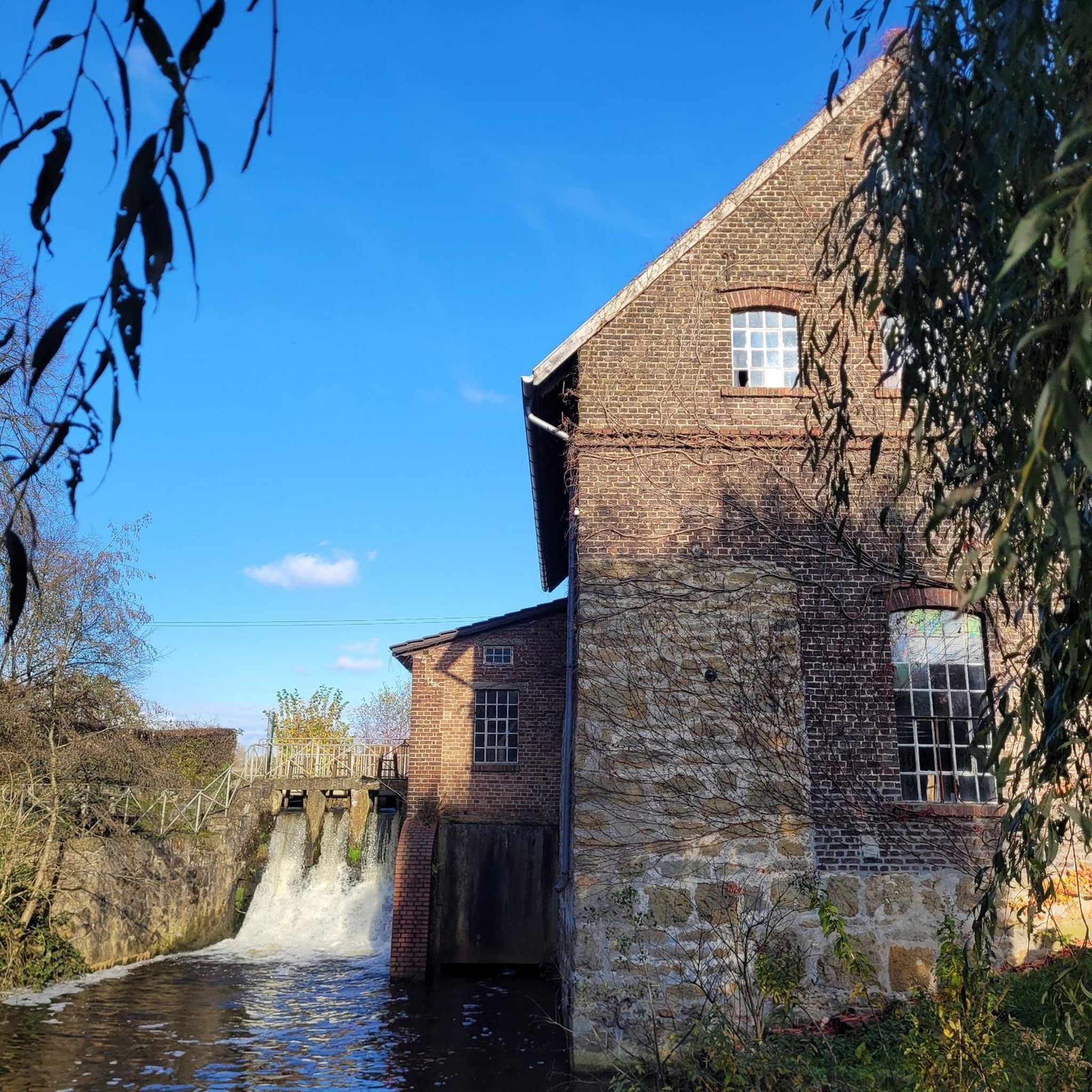
impressive canyon with walkways. Bikes must be left parked, they do not fit
0
0
Spectacular canyon, which can be visited via the walkways provided for this purpose. Be careful, bicycles do not fit, as it has been verified.
0
0

About three kilometers southwest of Silos lies a gorge also known as Desfiladero de la Yecla. A footpath leads through the deep cut in the limestone cliffs, whose valley floor the sun barely reaches. Colonies of griffon vultures and other birds of prey live in this adventurous landscape.
2
0

The gorge is nice to walk through since some walls have a verticality of 50m and we can also see vultures. The walk to Santo Domingo runs along a track with no problems for both walking and cycling except for the gorge itself.
2
1

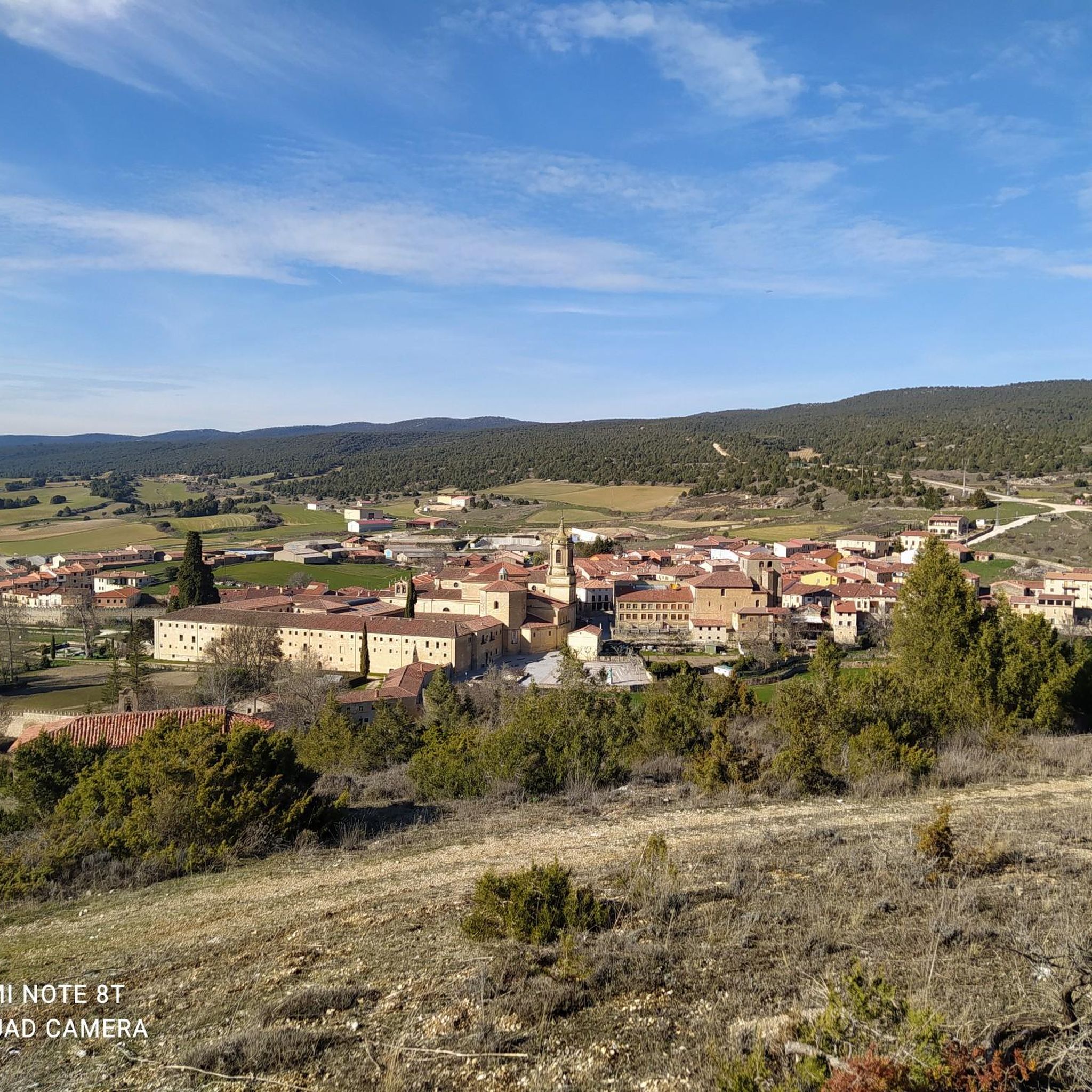
Santo Domingo de Silos is a town and a monastery of Benedictine monks, located in the mountains of the southeast of the province of Burgos, 57 kilometers from the capital. The town and monastery are located in the eastern part of the Tabladillo valley, at 1000 meters above sea level and surrounded by high mountains of limestone rocks, sparsely covered with holm oaks, junipers, eskenes and pines.
8
0

Wonderful gorge through which a path has been built. You can almost always see vultures on the rocks high up.
5
0

The La Yecla Gorge and the Sabinares del Arlanza constitute one of the most attractive places in the province of Burgos. This Natural Park is located on the southwest slope of the Sierra de la Demanda.
0
0
Once you leave the Río Arlanza and reach the Peñas del Tuero, from where you can see the entire Valle del Arlanza. The panorama is spectacular.
0
0
Frequently Asked Questions
What unique geological features can I explore around La Revilla y Ahedo?
The region is rich in karst topography, sculpted by water over millions of years. You can explore dramatic formations like La Yecla Gorge, where water erosion has carved narrow passages through rock. Further afield, the Espacio Natural de Covalagua features impressive travertine waterfalls and the extensive karst cave system of Cueva de los Franceses. The Monumento Natural Ojo Guareña also boasts one of the world's largest cave systems with over 110 kilometers of interconnected galleries.
Are there natural viewpoints offering panoramic views in the area?
Yes, several viewpoints provide stunning vistas. The View of Peña de Carazo offers views of the surrounding mountains and Santo Domingo de Silos. Another excellent spot is the Peñas del Tuero Viewpoint, which provides panoramic views of the Arlanza Valley and is a habitat for griffon vultures. In the wider region, the Mirador de Valcabado in Covalagua offers breathtaking views of the Valderredible Valley and the Monte Ahedo beech forest.
What historical or cultural sites are integrated with the natural monuments?
The natural monuments often intertwine with history. In the Espacio Natural de Covalagua, you can find the ancient Pozo de los Lobos, a historical wolf trap, and the intriguing Menhir de Canto Hito, a megalithic monument. The Monumento Natural Ojo Guareña is particularly rich in history, featuring the unique Ermita de San Bernabé, a chapel carved into the rock with ancient murals, and significant prehistoric archaeological findings, including fossilized human footprints in the 'Sala de las Huellas'.
Are there family-friendly natural monuments or activities suitable for children?
Many natural monuments offer accessible paths and engaging sights for families. La Yecla Gorge is a great option with its unique rock formations. The Covalagua Waterfall is also easily viewable from paths, and the Cueva de los Franceses offers a fascinating underground experience, though check age recommendations for cave tours. Exploring the diverse landscapes and spotting wildlife can be an enjoyable activity for all ages.
What kind of wildlife can I expect to see in these natural areas?
The natural monuments around La Revilla y Ahedo and the wider Burgos province are havens for diverse wildlife. You might spot deer, roe deer, and wild boars. Birds of prey, such as griffon vultures, golden eagles, and peregrine falcons, are common, especially around the Peñas del Tuero Viewpoint and Monte Santiago. Wolves and wild cats also inhabit these protected landscapes, though they are more elusive.
What outdoor activities can I do near these natural monuments?
The area offers a variety of outdoor activities. You can find numerous hiking trails, including moderate and difficult options like the 'Hacinas and Sierra de Carazo Loop'. For cycling enthusiasts, there are extensive road cycling routes and MTB trails. Explore the options for hiking around La Revilla y Ahedo to discover routes that pass by these natural wonders.
Are there specific hiking trails to experience the natural monuments?
Yes, there are several hiking opportunities. For instance, a circular path starting from Revilla de Pomar allows visitors to experience the features of Espacio Natural de Covalagua, including the waterfall and viewpoints. Near La Revilla y Ahedo, you can find trails like the 'Access to Senda de las Lanas – San Carlos Fort loop' which offers a moderate hiking experience. Check the hiking guide for La Revilla y Ahedo for more detailed routes.
What is the best time of year to visit the natural monuments?
The best time to visit largely depends on what you want to see. Spring and autumn offer pleasant temperatures for hiking and exploring the forests. The Covalagua Waterfall is particularly impressive during periods of rain or thaw, typically in spring. For the majestic Salto del Nervión at Monte Santiago, visiting after heavy rains or snowmelt (late winter/early spring) is ideal to see it in full flow. Winter months can offer snow-covered landscapes, especially at higher elevations like Cerro San Cristóbal.
What is the Espacio Natural de Covalagua and why is it significant?
The Espacio Natural de Covalagua is a Protected Landscape and Natural Monument known for its exceptional karst formations and diverse ecosystems. It features the impressive Covalagua Waterfall, the panoramic Mirador de Valcabado, and the fascinating Cueva de los Franceses. Its significance lies in being a prime example of karst topography, rich biodiversity, and a blend of natural beauty with historical elements like ancient wolf traps and megalithic monuments.
Where can I see the highest waterfall in Spain?
The highest waterfall in Spain, the Salto del Nervión, can be best viewed from viewpoints within the Monumento Natural Monte Santiago. While the waterfall itself is in the Basque Country, Monte Santiago, located in the northeastern part of Burgos province, offers the most dramatic perspectives of its 222-meter drop. It's particularly spectacular after heavy rains or snowmelt.
What makes the Monumento Natural Ojo Guareña a unique destination?
Monumento Natural Ojo Guareña is unique due to its immense karst complex, being one of the largest cave systems in the world with over 110 kilometers of galleries. It's a remarkable blend of natural wonder and human history, featuring the rock-hewn Ermita de San Bernabé, significant prehistoric archaeological findings including fossilized human footprints, and a rich biodiversity of endemic invertebrate species. It offers a profound journey through time and nature.
What do visitors enjoy most about the natural monuments around La Revilla y Ahedo?
Visitors frequently appreciate the breathtaking panoramic views from spots like the View of Peña de Carazo and the Peñas del Tuero Viewpoint. The unique geological formations, such as those found in La Yecla Gorge, are also highly valued. The opportunity to observe diverse wildlife, especially birds of prey, and to explore well-preserved natural landscapes like the beech forests of Monte Santiago, are also highlights for many.
Most popular routes around La Revilla Y Ahedo
Most popular attractions around La Revilla Y Ahedo

Get inspired with the komoot mobile app


Explore more
Extend your search for the best caves by checking out these guides of the top ones around La Revilla Y Ahedo:
