Top 20 Natural Monuments around Ronda
Best natural monuments around Ronda are characterized by dramatic geological formations and diverse landscapes. The town is situated above the El Tajo Gorge, carved by the Guadalevín River, which defines much of its natural appeal. This region in Andalusia, Spain, features deep canyons, extensive natural parks, and unique geological sites. The natural monuments offer opportunities to explore varied terrain and observe distinct natural features.
Best natural monuments around Ronda
- The most popular natural monuments is Puente Nuevo (New Bridge) in…
Last updated: July 1, 2026
New Bridge
Highlight • Bridge
Showing Translation
Tip by

View of the Puente Nuevo
Highlight • Viewpoint
Translated by Google •
Tip by

Sign up now to discover places like this
Get recommendations on the best single tracks, peaks, & plenty of other exciting outdoor places.
Sign up for free
Tajo de Ronda (Ronda Gorge)
Highlight • Gorge
Translated by Google •
Tip by

Presillas Pass
Highlight • Mountain Pass
Translated by Google •
Tip by

Charco de la Virgen
Highlight • Waterfall
Showing Translation
Tip by

Sign up for free to discover even more natural monuments around Ronda.
Sign up for free
Already have an account?
Start today with a free account
Your next adventure awaits.
Login or Signup
Popular around Ronda

Triathlon 360 – my journey around the world
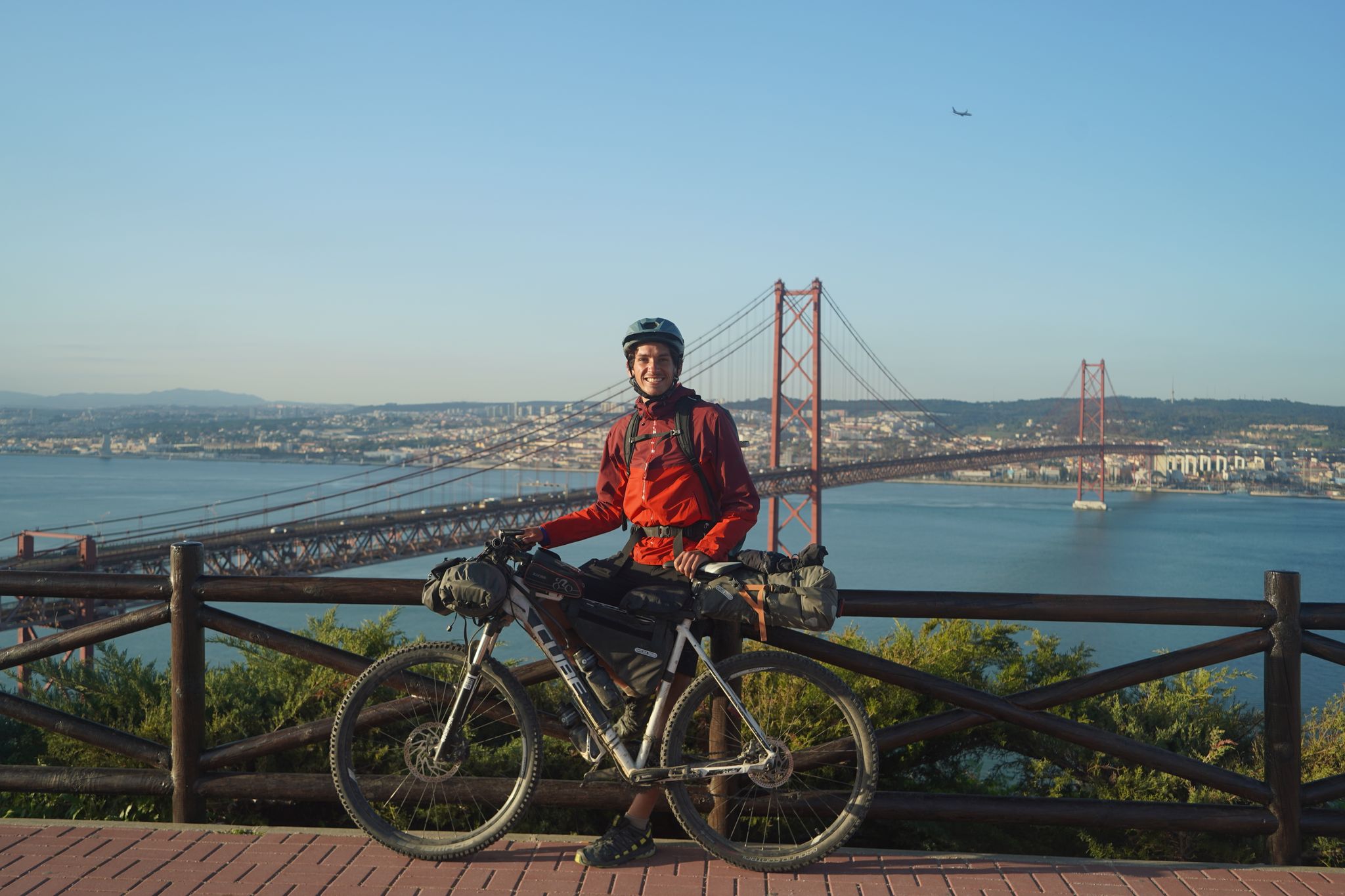
Road to Lisbon – bikepacking the Alps, Pyrenees and Picos de Europa
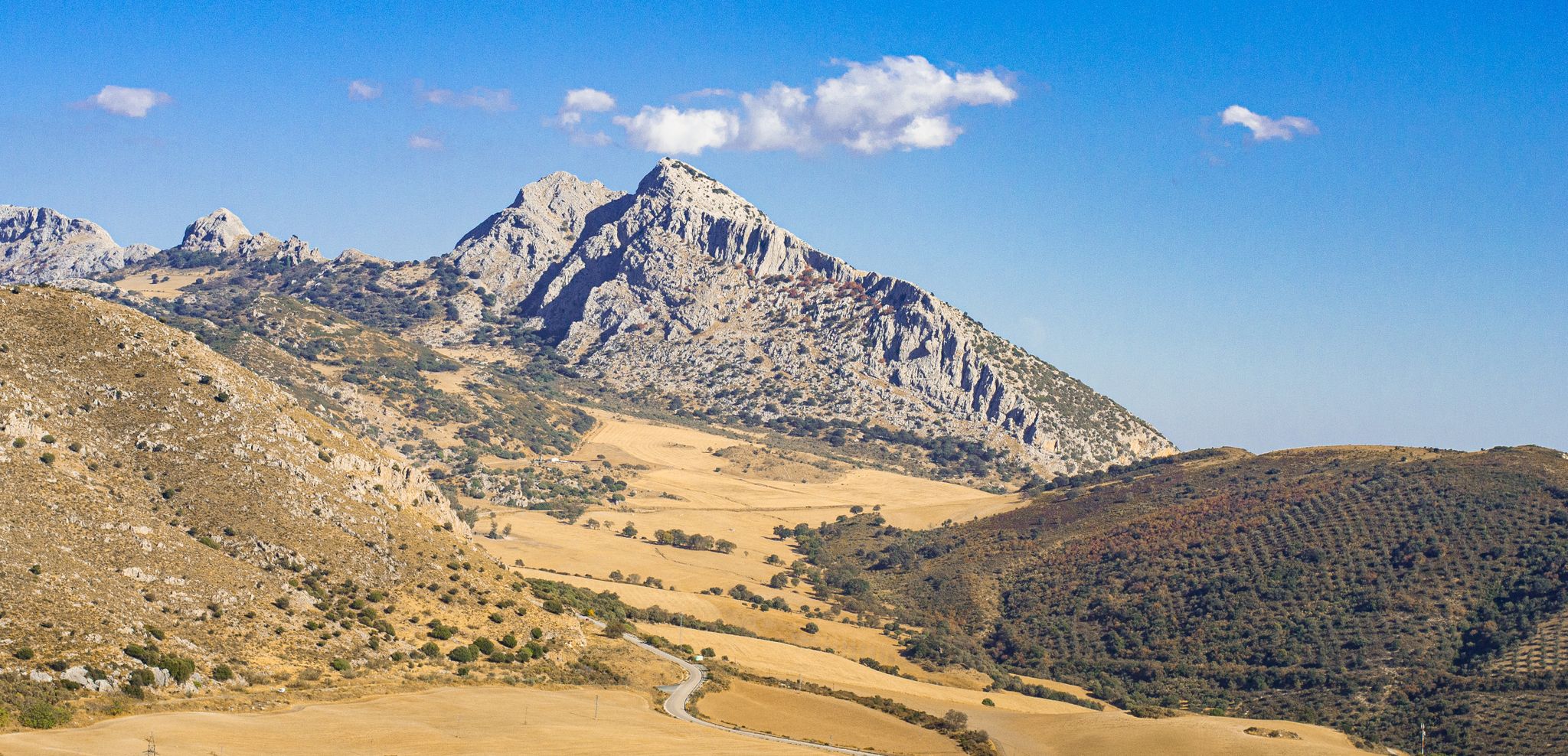
The beauty of the Andalusian mountains – Transandalus southern section
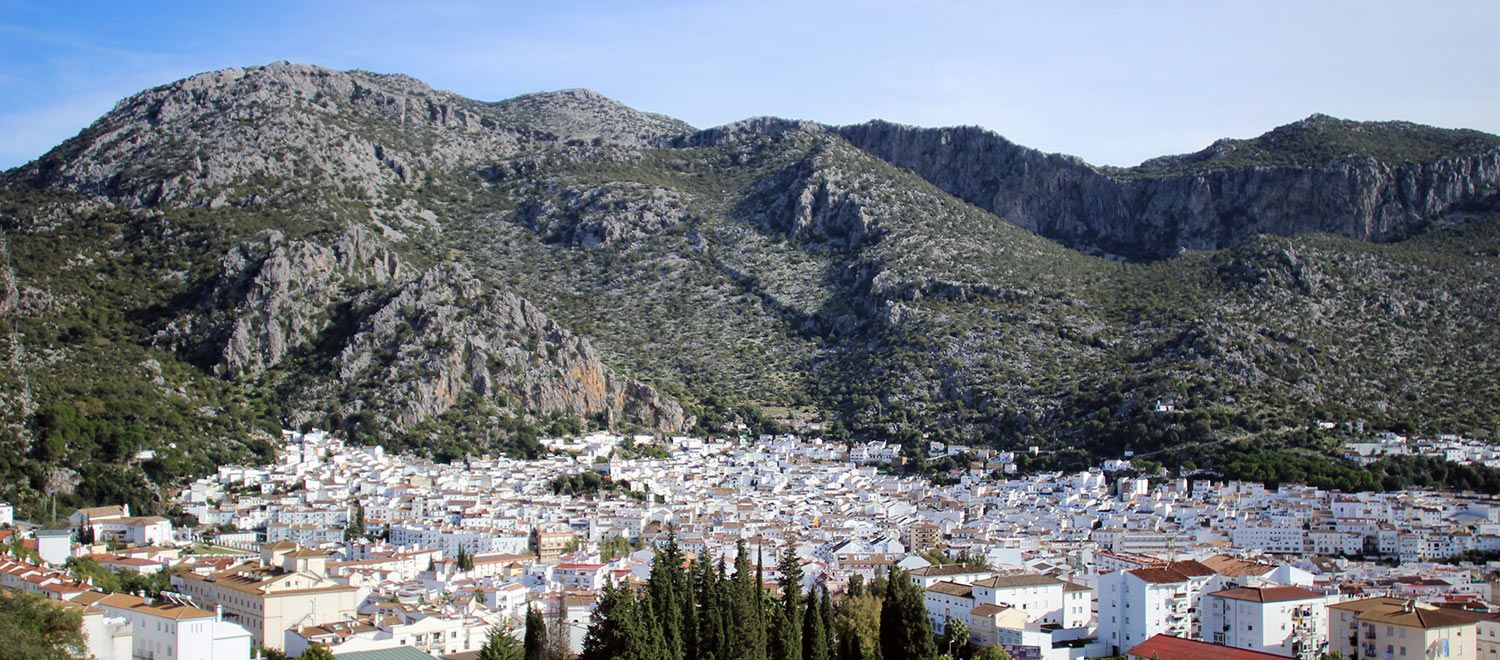
Explore the Betic Mountains on two wheels – Altravesur
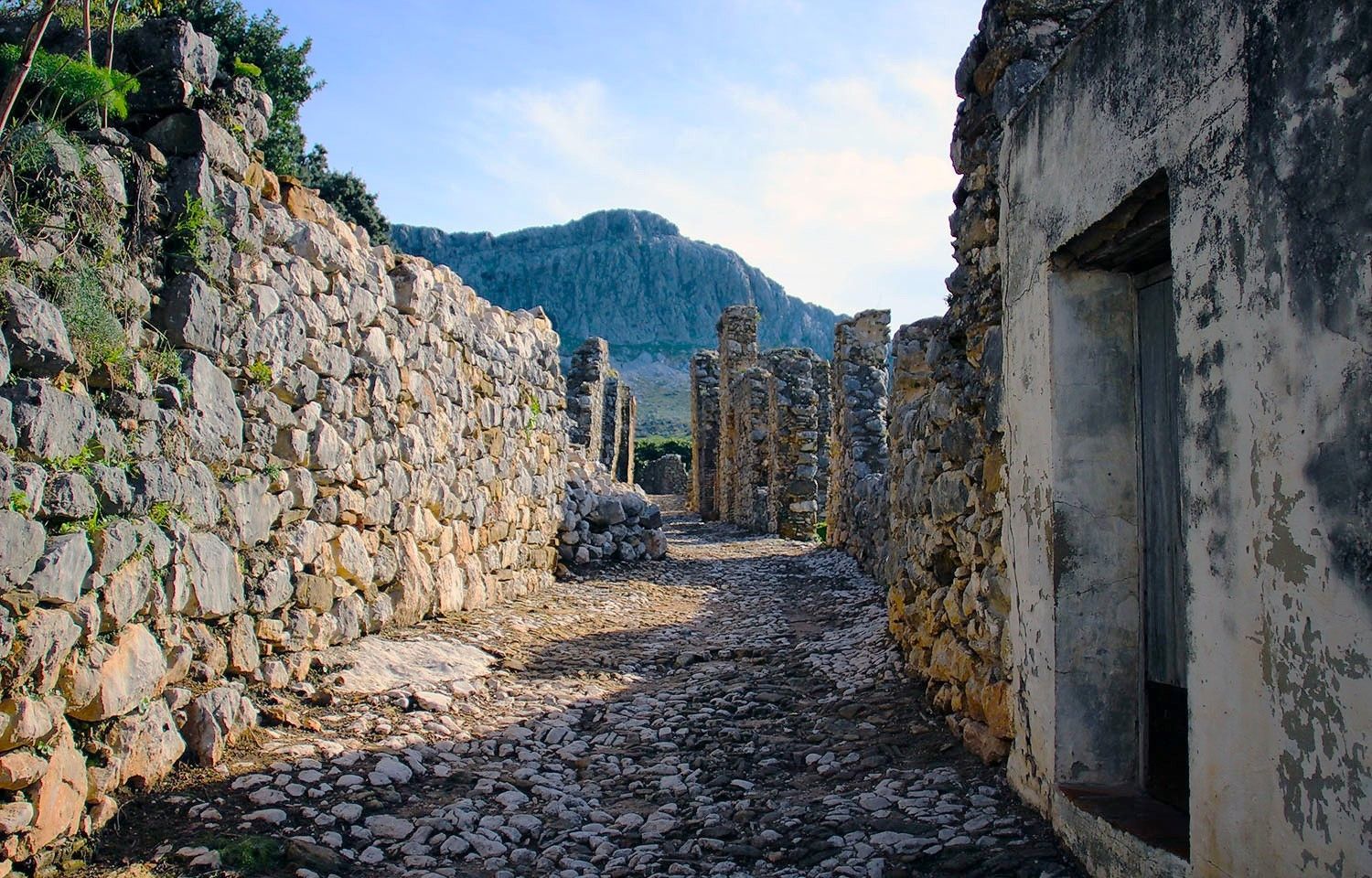
Andalusia without limits – Tarifa to La Puebla de Don Fabrique on the GR 7
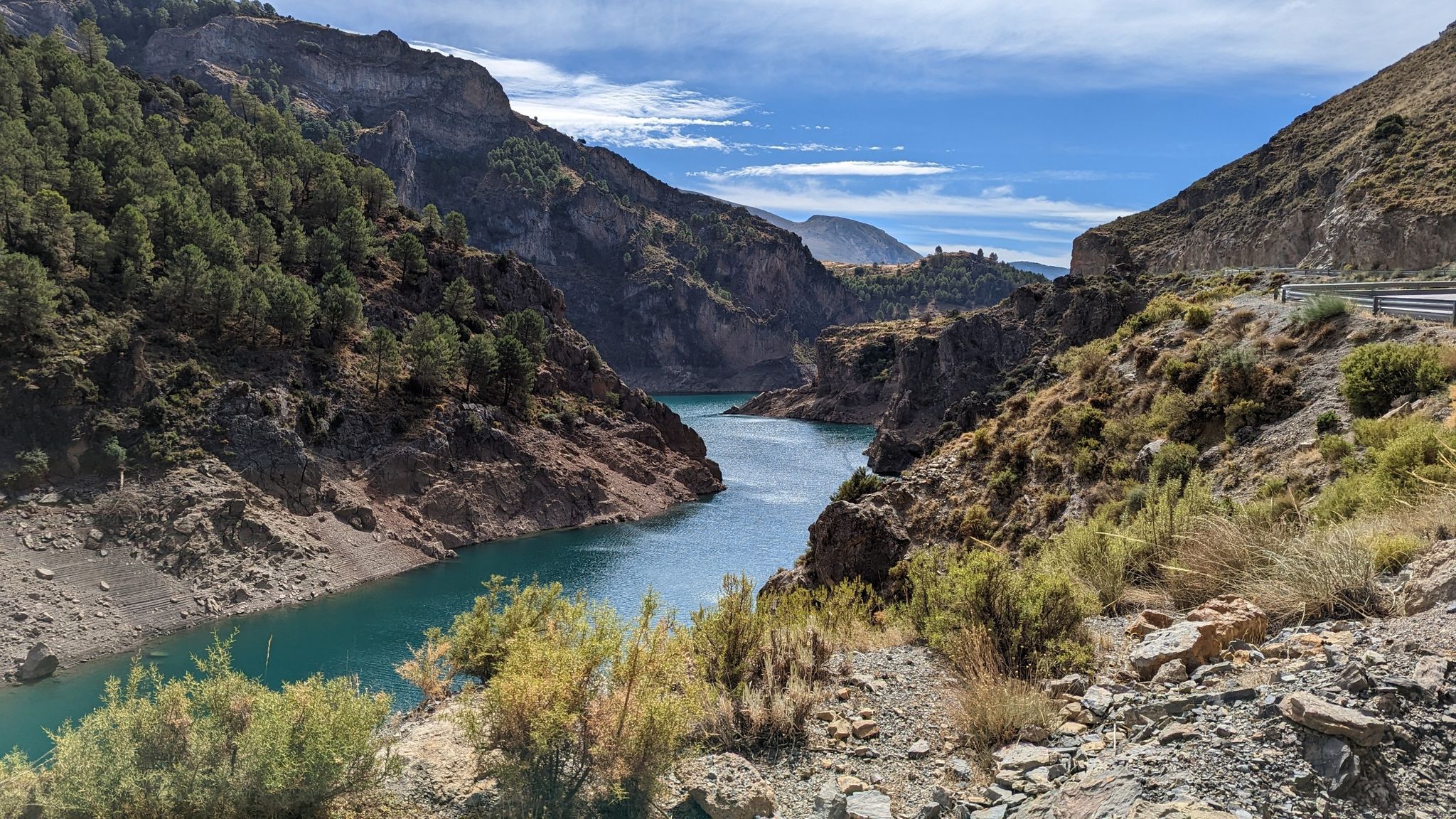
A journey through the Spanish hinterland – cycling across Andalusia
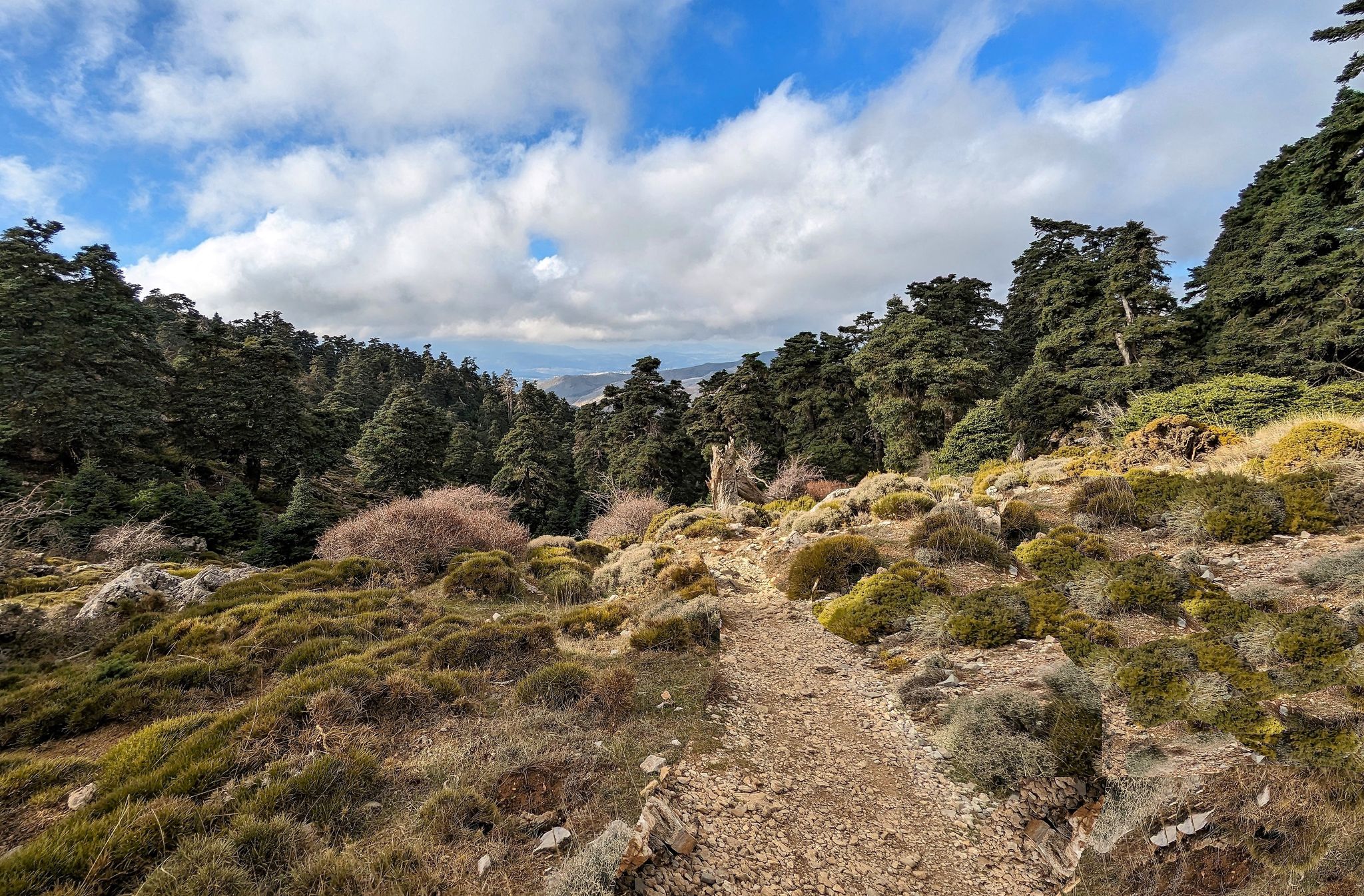
Magic in its purest form – hiking in Spain’s Sierra de las Nieves
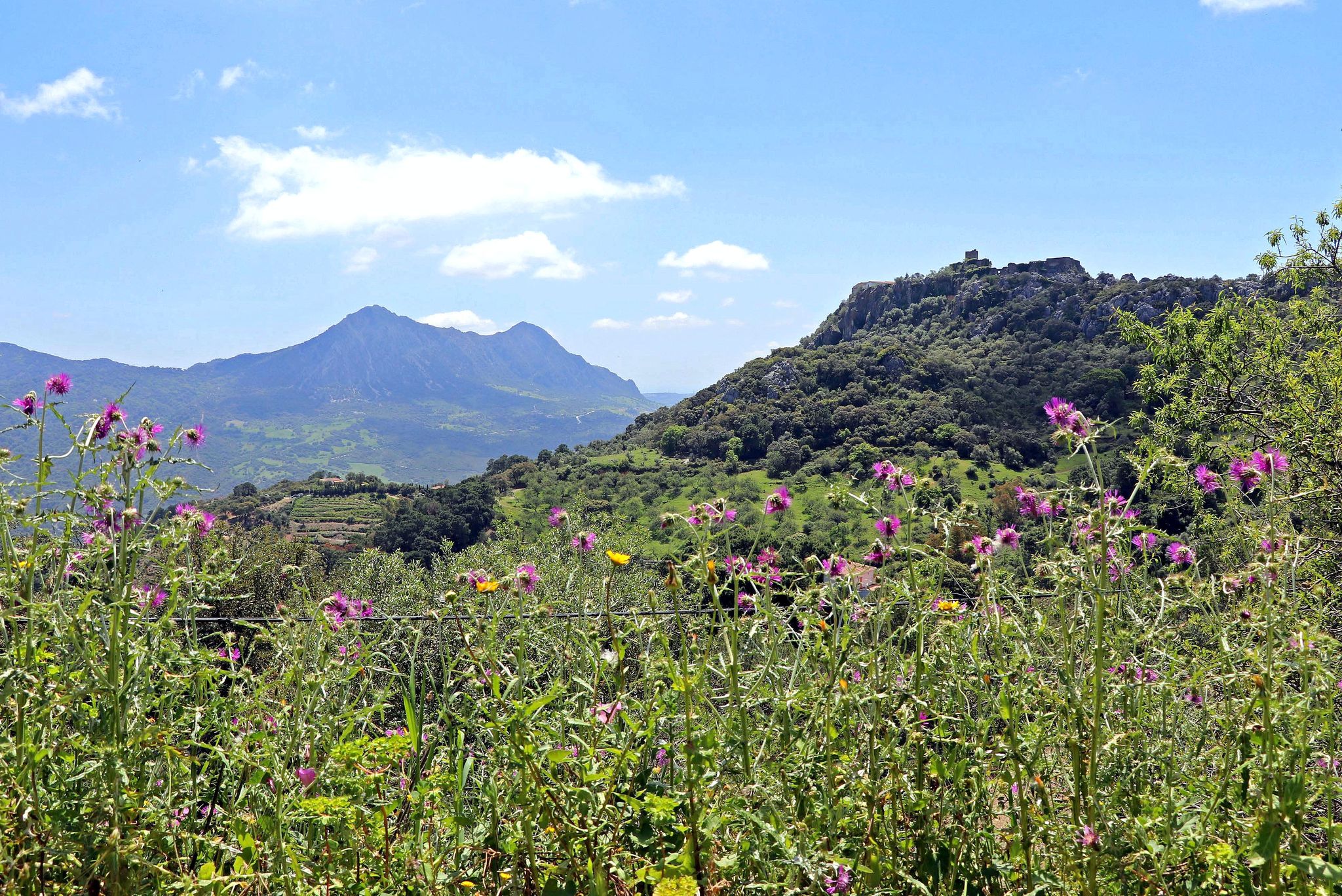
A jewel of Malaga – Gran Senda de la Serranía de Ronda (GR 141)
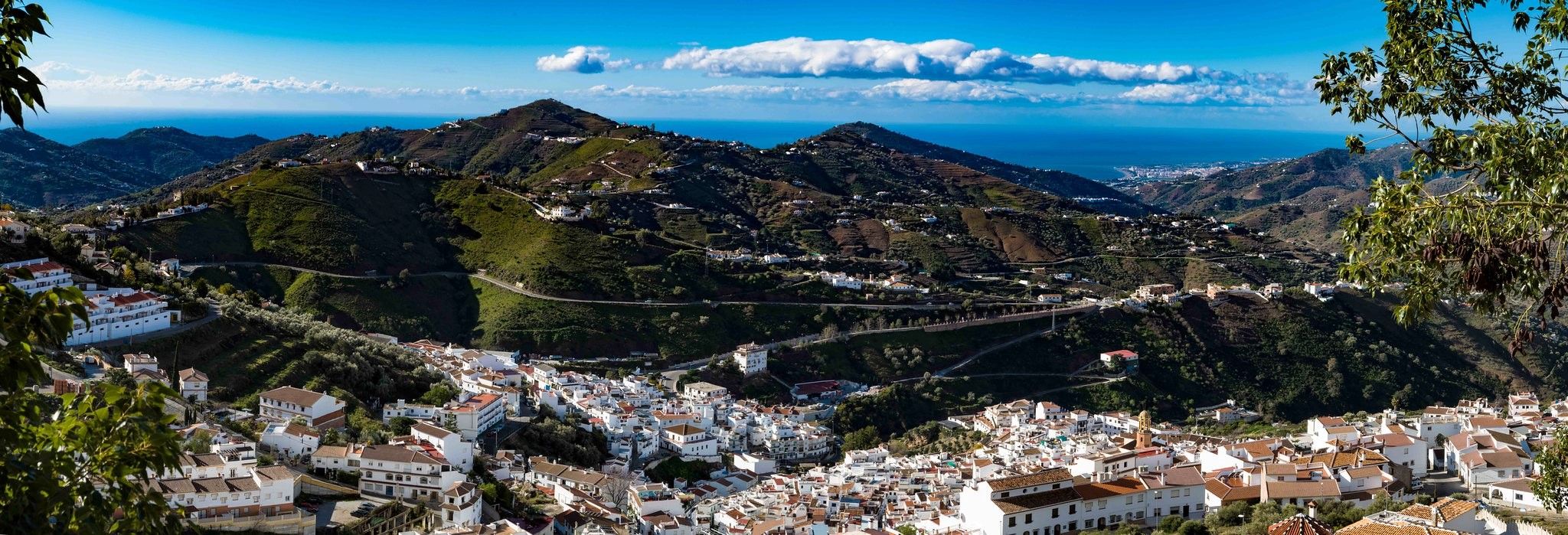
Hike between sea and mountains — Gran Senda de Málaga (GR 249)
Seven days walking along the Gran Senda de Málaga (GR 249)
Other adventures around Ronda


Tips from the Community

El Charco de la Virgen is a natural pool fed by an 18-meter waterfall in the bed of the río de los Caballos river. To reach the last section, you have to enter the riverbed itself and advance by jumping between rocks. In summer it is a very popular destination for swimming, although it should be noted that the place is shady and the water remains cold almost all year round. If the summer has been dry, the flow may be disappointing: the best time to see it with its full force is spring.
1
0

A hiking trail leads from Ronda to below the bridge.
0
0

The Tajo de Ronda is the spectacular gorge that literally splits the heart of Ronda in two. 🌄 • It is approximately 120 meters deep and carved out by the Guadalevín River, which flows right through the city. • Impressive bridges stand above the gorge, the most famous and iconic of which is the Puente Nuevo. This bridge connects the old Moorish city with the newer part of Ronda. • For centuries, the Tajo served as both a natural defense against enemies and a challenge to urban expansion. • From its edges, you have breathtaking views of the Ronda valley, the Serranía mountains, and the white villages in the distance. It is one of the most photographed places in Andalusia and a highlight of Ronda's charm: nature and architecture in a dramatic interplay.
1
0

The view of Ronda from the plains is breathtaking and one of the most impressive panoramas in Andalusia. From the flat plain below the city, Ronda appears as a spectacularly situated cluster of whitewashed buildings perched on a high plateau, crisscrossed by the dramatic Tajo de Ronda gorge. Ronda is literally perched on the steep cliffs and seems almost interwoven with the landscape. Particularly striking is the Puente Nuevo (New Bridge), which connects the two parts of the city across the deep gorge. From the valley below, the bridge appears monumental and showcases the engineering skills of the 18th century.
4
0

From the new bridge there is a good view of Puente Viejo: an old stone bridge that is one of three bridges that spans the deep Tajo de Ronda gorge with the Guadalevín river in it.
19
1

Puerto de las Presillas is a very popular trail in the Sierra de Grazalema Natural Park in Andalusia. This route offers stunning views of the Sierra del Endrinal and allows you to observe unique geological formations, such as sharp ridges and hollows, created by the dissolution of limestone rock.
5
0
The Puente Nuevo is certainly the most famous landmark of the city of Ronda. It spans the spectacular El Tajo gorge, which separates the old town "La Ciudad" from the newer town "El Mercadillo". The bridge is about 98 meters high and was built in the 18th century to connect the two parts of the city. The construction of the bridge began in 1751, lasted 42 years, and was completed in 1793. The structure is made of massive stone and offers breathtaking views of the surrounding mountains and the gorge below. Inside the bridge, there is a small room that was formerly used as a prison. A symbol of Ronda's impressive architecture and history. The Puente Nuevo in Ronda is a real highlight and an absolute must for those seeking impressive views and an unforgettable experience. A visit to the Puente Nuevo is therefore not only a visual highlight but also an experience that combines history, nature, and adventure. There are places where you should have been. This is certainly one of them! The fascinating impressions leave a lasting impression.
16
1
The Puente Nuevo is certainly the most famous landmark in the city of Ronda. It spans the spectacular El Tajo gorge, which connects the old town "La Ciudad" with the newer town "El Mercadillo". The bridge is about 98 meters high and was built in the 18th century to connect the aforementioned districts. It is not only a masterpiece of engineering, but also a popular photo location. The view from the bridge of the gorge below is spectacular.
11
1
Frequently Asked Questions
What are some of the most prominent natural monuments in Ronda?
Ronda is renowned for its dramatic natural features. The most iconic is the Tajo de Ronda (Ronda Gorge), carved by the Guadalevín River, which spectacularly divides the city. Other significant sites include the Puente Nuevo (New Bridge) in Ronda, which spans this gorge, and the scenic Alameda del Tajo Park, offering panoramic views.
Are there family-friendly natural attractions around Ronda?
Yes, several natural monuments are suitable for families. The Alameda del Tajo Park is a picturesque 19th-century park with tree-lined promenades and cliff-edge balconies, perfect for leisurely strolls. The Jardines de Cuenca also offer beautiful terraced gardens with stunning views in a quieter setting. For a refreshing natural escape, Cueva del Gato, with its crystal-clear water and natural pools, is a popular spot for picnics and swimming.
What kind of natural features can I expect to see near Ronda?
The region around Ronda boasts a diverse range of natural features. You'll encounter deep gorges like the Tajo de Ronda, impressive river valleys, and unique karst formations, especially visible around the Presillas Pass. The Sierra de Grazalema Natural Park offers extensive oak and cork oak woods, while the Cañón de las Buitreras is known for its dramatic canyon walls and griffon vulture colonies. You can also find ancient trees like El Pinsapo de la Escalereta.
What outdoor activities can I do near Ronda's natural monuments?
The natural monuments around Ronda are excellent starting points for various outdoor activities. You can enjoy hiking through the Sierra de Grazalema Natural Park, exploring routes like the Puerto del Boyar loop. Cycling is also popular, with options ranging from moderate climbs to Puerto del Viento to more challenging road cycling routes between Sierra de Grazalema and Sierra de las Nieves. For more detailed routes, you can explore guides on Mountain Hikes around Ronda, Cycling around Ronda, and Road Cycling Routes around Ronda.
Are there any natural caves or gorges to explore near Ronda?
Absolutely. The most famous gorge is the Tajo de Ronda, which you can view from above or descend into via trails. Further afield, the Cueva del Gato is a unique cave complex known for its entrance resembling a cat's face and its refreshing natural pools. The Cañón de las Buitreras, formed by the Guadiaro River, is another impressive gorge, home to a colony of griffon vultures.
What is the best time of year to visit the natural monuments around Ronda?
Visiting in winter or spring is often recommended to best appreciate the vibrant colors and the contrast of the rocks with the lush greenery, especially in areas like the Presillas Pass. Spring brings pleasant temperatures for hiking and exploring. Summers can be very hot, making early mornings or late afternoons preferable for outdoor activities. Autumn also offers mild weather and beautiful scenery.
Where can I find stunning viewpoints of the El Tajo gorge and Puente Nuevo?
For breathtaking views, the Puente Nuevo (New Bridge) in Ronda itself offers overwhelming perspectives into the gorge. Another must-see is the View of the Puente Nuevo, a dedicated viewpoint providing iconic photographic opportunities. The Alameda del Tajo Park and the Jardines de Cuenca also provide excellent, often quieter, vantage points of the gorge and bridge.
Is the Sierra de Grazalema Natural Park accessible from Ronda?
Yes, parts of the Sierra de Grazalema Natural Park, including the Guadiaro River Valley, are easily accessible from Ronda. This extensive park is characterized by its diverse flora and fauna, including oak woods and cork oaks. It's an ideal setting for nature lovers and hikers, with the village of Grazalema serving as a good base for exploration. Permits may be required for certain hiking routes within the park, so it's advisable to check in advance.
Are there any ancient or unique trees to see in the area?
Yes, the region is home to remarkable ancient trees. One notable example is El Pinsapo de la Escalereta, an ancient Spanish fir (pinsapo) tree located near the Las Lajas path. It is considered the largest pinsapo in the mountain range, with an estimated age between 350 and 550 years, offering a glimpse into the region's ancient forests.
What do visitors enjoy most about the natural monuments around Ronda?
Visitors consistently praise the dramatic and breathtaking views, especially from the Puente Nuevo and into the Tajo de Ronda gorge. The unique geological formations, the serene atmosphere of parks like Alameda del Tajo, and the opportunities for refreshing natural escapes at places like Cueva del Gato are also highly appreciated. The blend of natural beauty with the historic town setting creates a truly memorable experience.
Are there any natural monuments recognized for their ecological significance?
Yes, several natural monuments in the area have received official recognition for their ecological importance. The Ronda Gorge was declared an Andalusian Natural Monument in 2018, as was Cueva del Gato. The Cañón de las Buitreras, known for its griffon vulture colony, was declared an Andalusian Natural Monument in 2003. These designations highlight their unique natural value and the need for their preservation.
Most popular attractions around Ronda

Get inspired with the komoot mobile app


Explore more
Extend your search for the best caves by checking out these guides of the top ones around Ronda:
