Top 17 Natural Monuments around Doña Mencía
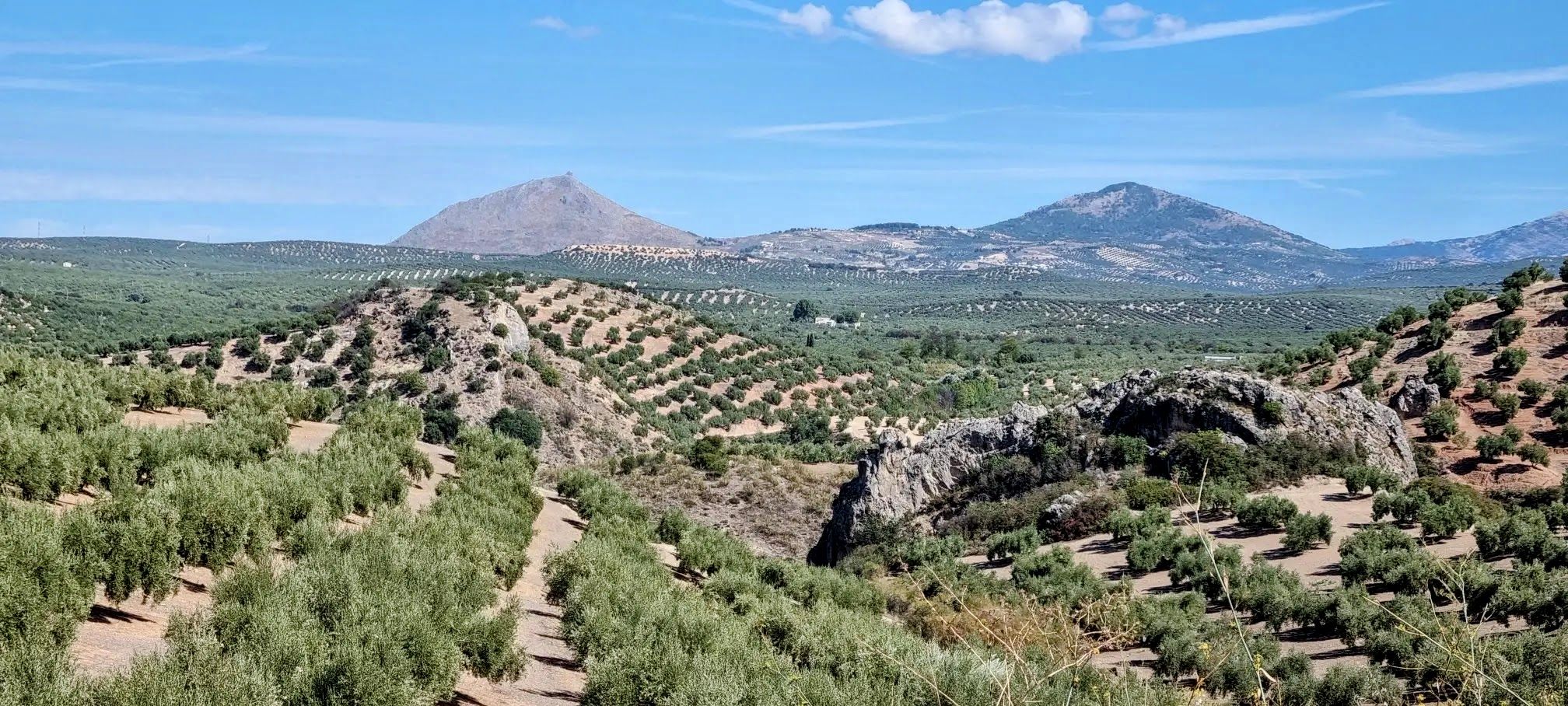
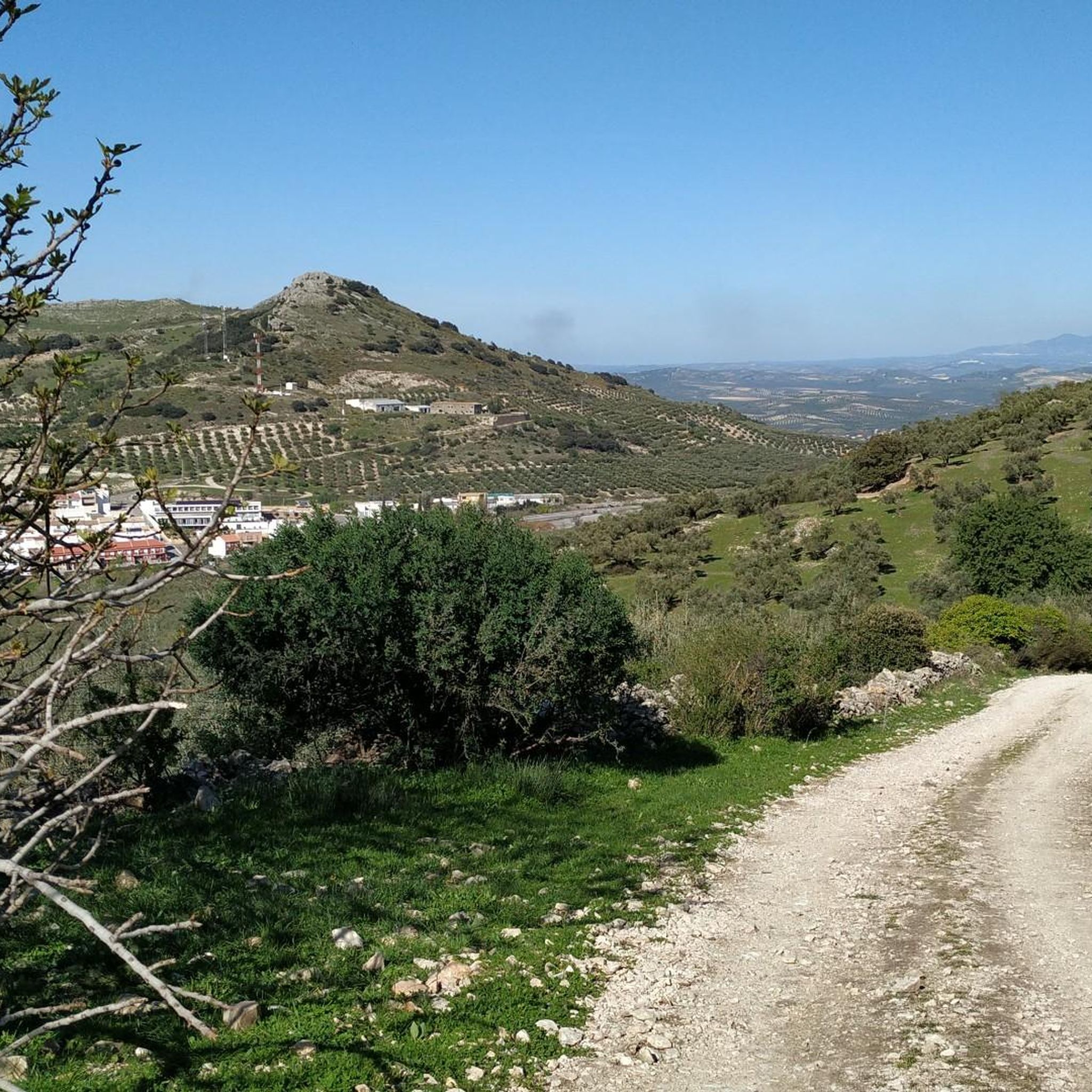
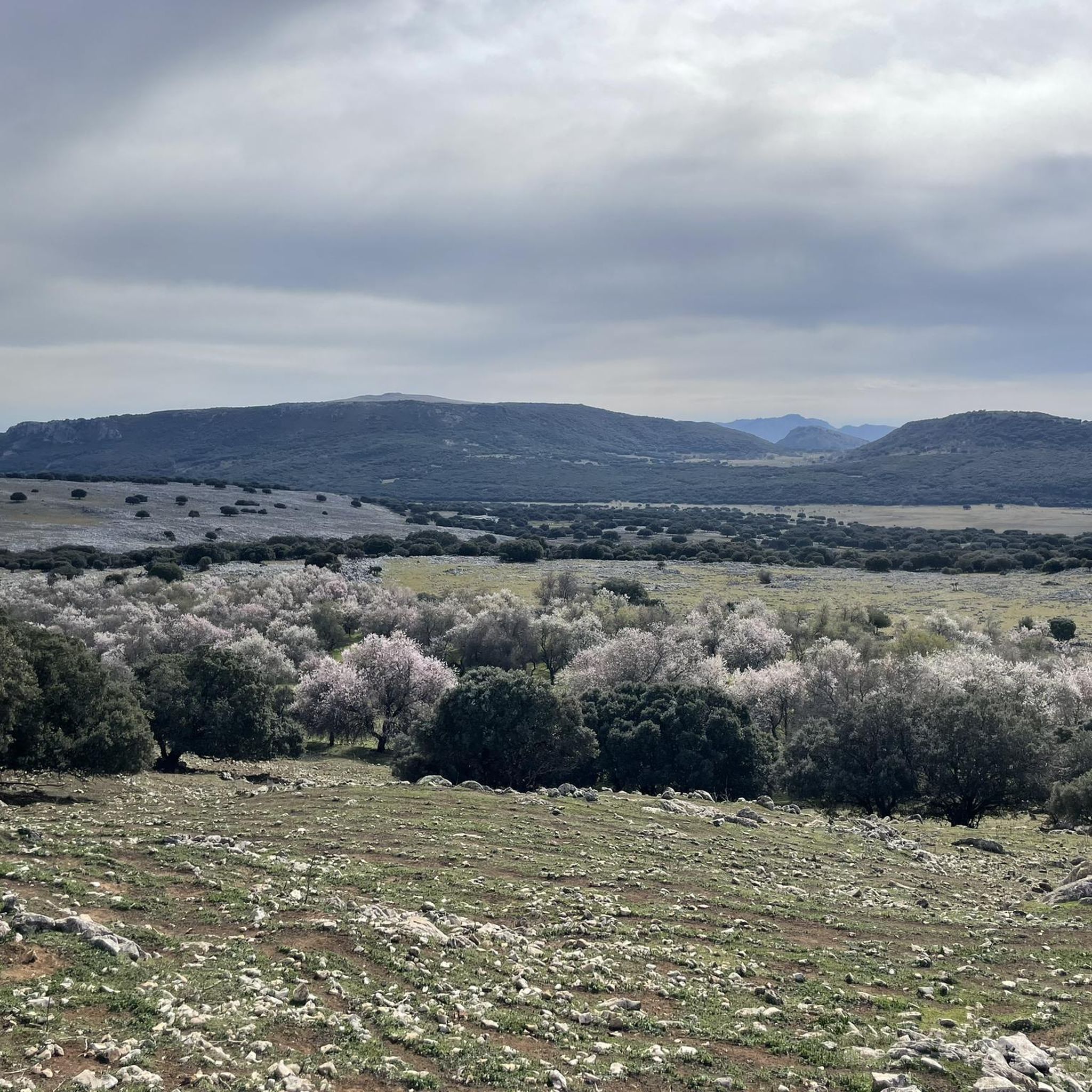
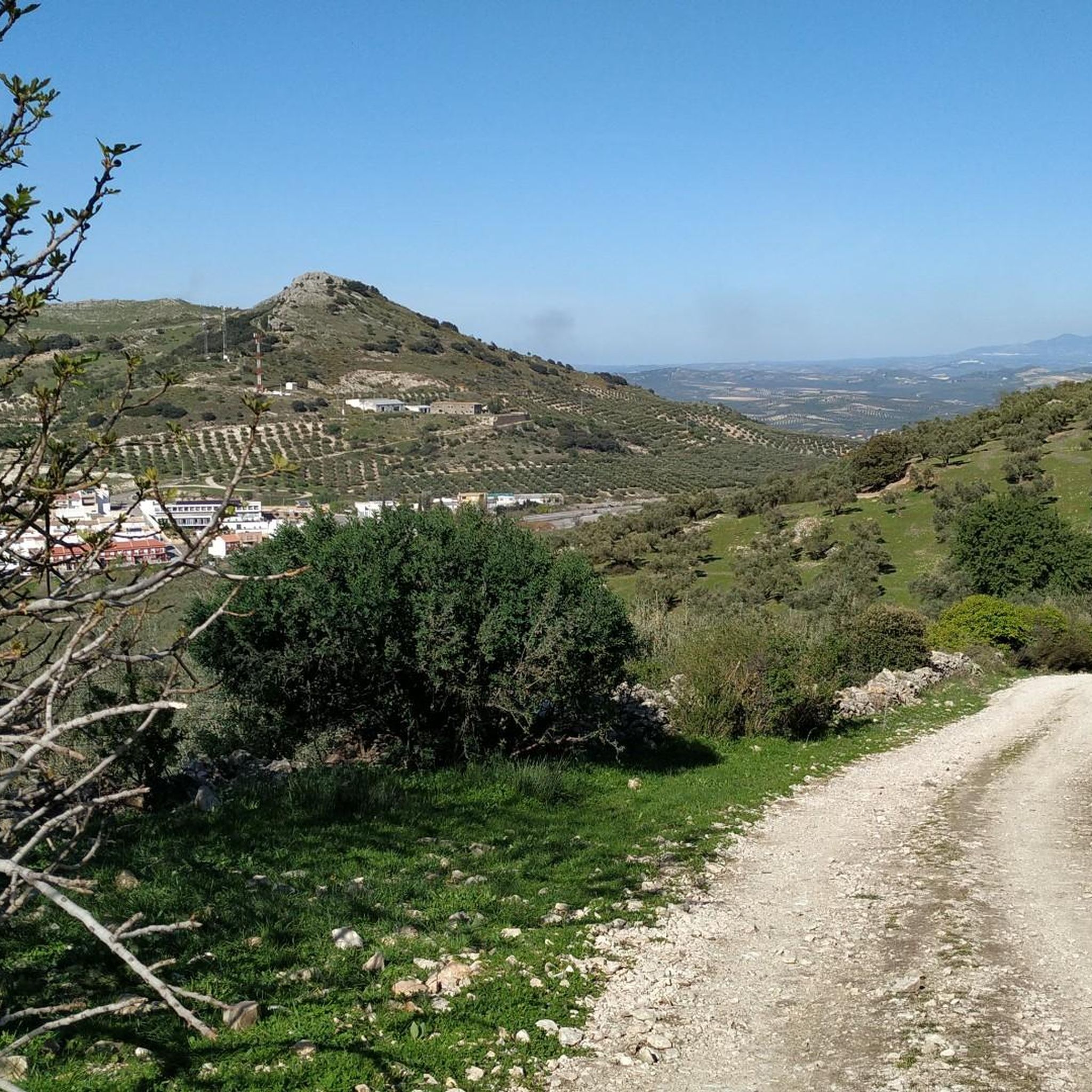
Best natural monuments around Doña Mencía are found within the Sierras Subbéticas Natural Park, a UNESCO Global Geopark. This region features limestone mountains, valleys, and diverse geological formations. The area offers a rich natural heritage, including significant natural features and archaeological sites. Visitors can explore a landscape characterized by olive groves, vineyards, and watercourses.
Best natural monuments around Doña Mencía
- The most popular natural monuments is Limestone formations and caves in the Bailón Canyon, a canyon with impressive limestone…
Last updated: July 15, 2026
Zuheros Castle
Highlight • Castle
Translated by Google •
Tip by

Fuente del Río
Highlight • Natural Monument
Translated by Google •
Tip by

Sign up now to discover places like this
Get recommendations on the best single tracks, peaks, & plenty of other exciting outdoor places.
Sign up for free
Chorreras de la Fuenseca
Highlight • Waterfall
Translated by Google •
Tip by

Limestone formations and caves in the Bailón Canyon
Highlight • Canyon
Translated by Google •
Tip by
Las Chorreras Waterfall
Highlight • Waterfall
Translated by Google •
Tip by
Sign up for free to discover even more natural monuments around Doña Mencía.
Sign up for free
Already have an account?
Start today with a free account
Your next adventure awaits.
Login or Signup

Other adventures around Doña Mencía

Tips from the Community

El Castillo de Zuheros is a historic fortress in the small municipality of Zuheros. The castle sits spectacularly on a rock and has become a landmark of the region. The castle's origins date back to the Moors in the 9th century. It was strategically built on a limestone cliff to control and defend the region. Its location made it almost impregnable.
0
0
The Fuente del Río in Cabra, is a picturesque natural park considered the origin of the Río Cabra. The park combines the natural beauty of a karst spring with landscaped gardens and a diverse tree landscape. It was declared a “Sitio de Interés Natural” in 1929 and today offers recreational areas and picnic areas for visitors. The spring rises at the foot of the Sierra de Cabra, an area with high rainfall and calcareous rock that leads to the formation of such karst springs. The water flows through a series of waterfalls and artificial springs and supplies the entire municipality. The Fuente del Río is part of the “Ruta del Agua” in the Subbética Cordobesa and offers a harmonious interplay of nature and human design. The park is a popular place for locals and visitors who want to enjoy the tranquility and beauty of this unique place. A visit to the Fuente del Río offers the opportunity to experience the natural beauty of the region and explore the origins of the Río Cabra.
3
0
El Castillo de Zuheros stands spectacularly on a rock and offers impressive views of the Sierra Subbética. The castle is a major landmark in the region. The castle's origins date back to the Moors in the 9th century. It was strategically built on a limestone cliff to control and defend the region. Its location made it almost impregnable. It was part of a network of castles designed to secure Moorish influence in Andalusia. In 1240, Zuheros was conquered by the troops of Ferdinand III of Castile. The castle passed into Christian ownership and was integrated into the kingdom's defensive structure. With the end of its military importance in the region, after the conquest of Granada in 1492, the castle began to decline in importance. Parts of the complex were destroyed by earthquakes and neglect over the centuries. In 1964, the towers were reconstructed as they can be seen in their current form. The ruins of the castle are now one of the main attractions of Zuheros and can be visited.
9
0

The remains date from two different periods. The massive, crenellated square tower is of Moorish origin, while the remains of the Renaissance palace date from the 16th century. At the same time, the Plaza de la Paz offers a natural viewpoint (622m), with shooting views** over the hills with their carpet of olive groves and Baena in the background.
11
0

Construction located in the highest rocky part of the town whose purpose was to protect against any external invasion, whose views are worth enjoying.
10
0

A natural area where the Cabra River is born. A natural spring surrounded by vegetation that transmits peace and tranquility. Highly recommended for a break on the route.
1
0

Seasonal waterfalls that appear after copious rains. Due to the porosity of the terrain, only when the amount of water is greater than what the terrain is capable of absorbing, do waterfalls form, sometimes even making it difficult to pass and not being able to make the route in a circular way. It is convenient to inquire at the Santa Rita Visitor Center about their status and check if an authorization is required to visit them, which is sometimes established to control the influx of people to this Zone A Reserve of the Protected Natural Area.
0
0
This trail is full of impressive limestone rock walls, with a multitude of vegetation sprouting between its numerous pores. They have been formed over time by the force of the Bailón River. From some angles you can see Zuheros and its castle peeking out between the walls.
2
0
Frequently Asked Questions
What kind of natural features can I explore around Doña Mencía?
The area around Doña Mencía, nestled within the Sierras Subbéticas Natural Park and UNESCO Global Geopark, offers a diverse range of natural features. You can discover impressive limestone formations and caves, such as those in the Bailón Canyon, and seasonal waterfalls like Chorreras de la Fuenseca. The region is also characterized by limestone mountains, valleys with oaks and gall oaks, poplars along watercourses, and vast olive groves and vineyards.
Are there any historical sites or cultural landmarks near the natural monuments?
Yes, the region combines natural beauty with rich history. For instance, Zuheros Castle, a medieval fortress of Muslim origin from the 9th century, stands on a cliff offering panoramic views. Additionally, the Bat Cave is not only a natural monument but also a prehistoric site, declared a Natural Monument in 2001.
What outdoor activities can I do near Doña Mencía's natural monuments?
Doña Mencía is an excellent base for outdoor activities. You can enjoy hiking, cycling, and mountain biking. The hiking trails often lead through stunning landscapes, including the Río Bailón Canyon. For cyclists, the Vía Verde de la Subbética, a former railway line, offers a unique way to explore the region's diverse scenery. There are also dedicated MTB trails and cycling routes available.
Are there family-friendly natural monuments or activities in the area?
Absolutely. The Fuente del Río in Cabra is a picturesque natural park with landscaped gardens and recreational areas, perfect for families. It's considered the origin of the Río Cabra and offers a tranquil oasis. Many sections of the Vía Verde de la Subbética are also suitable for family cycling or walking, providing an accessible way to enjoy the natural surroundings.
When is the best time to visit the natural monuments around Doña Mencía?
The Sierras Subbéticas Natural Park, where Doña Mencía is located, is beautiful year-round. However, spring (March to May) and autumn (September to November) generally offer the most pleasant weather for hiking and exploring, with milder temperatures and lush landscapes. If you wish to see the Chorreras de la Fuenseca waterfalls at their fullest, visiting after heavy rains, typically in late winter or early spring, is recommended.
What kind of wildlife can I expect to see?
The Sierras Subbéticas Natural Park is home to diverse flora and fauna. The Bat Cave, as its name suggests, hosts various species of bats. The wider park area, with its varied habitats of forests, scrubland, and olive groves, supports a range of bird species, reptiles, and small mammals. Keep an eye out for local birds of prey soaring above the mountains.
Are there any easy hiking trails suitable for beginners?
Yes, the Vía Verde de la Subbética offers relatively flat and easy sections suitable for beginners and casual walkers. Additionally, the Fuente Las Pilas-Torre Plata circular path, starting from the Estación Vía Verde Doña Mencía, is approximately 5.5 km long and takes about two hours, making it a good option for an easy hike to explore natural beauty and historical elements.
Is parking available near the natural monuments?
Parking is generally available at key access points. For example, the Fuente del Río in Cabra has parking facilities. The Estación Vía Verde Doña Mencía also serves as a hub with parking, making it convenient for accessing the Vía Verde and other local routes.
What do visitors enjoy most about the natural monuments around Doña Mencía?
Visitors frequently praise the stunning panoramic views, especially from spots like El Laderón and Mirador y Ermita del Calvario, which overlook the Sierras Subbéticas and the Cordoban countryside. The unique geological formations, such as the limestone walls of the Bailón Canyon, and the tranquility of natural springs like Fuente del Río, are also highly appreciated. The blend of natural beauty with historical elements, like Zuheros Castle, adds to the overall appeal.
Can I bring my dog on the trails and to the natural monuments?
Many outdoor areas and trails in the Sierras Subbéticas Natural Park are generally dog-friendly, especially on leash. However, specific rules may apply to protected areas or inside certain monuments like caves. It's always best to check local regulations or signage at the entrance of specific sites to ensure your dog is welcome.
Are there any circular walking routes available?
Yes, there are several circular walking routes. The Fuente Las Pilas-Torre Plata route, starting and ending at the Estación Vía Verde Doña Mencía, is a notable circular path. The Mirador y Ermita del Calvario also serves as an excellent starting or ending point for circular walking routes, allowing you to appreciate the town's picturesque setting amidst the natural landscape.
How much time should I allocate to visit the natural monuments?
The time needed varies depending on the monument and your activity. For a quick visit to a viewpoint or a natural spring like Fuente del Río, an hour or two might suffice. Exploring a site like the Bat Cave or hiking through the Bailón Canyon could take half a day or more. If you plan to combine several sites or undertake a longer hike or cycle along the Vía Verde, you could easily spend a full day or even several days exploring the region.
Most popular routes around Doña Mencía
Most popular attractions around Doña Mencía

Get inspired with the komoot mobile app


Explore more
Extend your search for the best caves by checking out these guides of the top ones around Doña Mencía:
