Top 20 Natural Monuments around Tortellà
Natural monuments around Tortellà are found within the La Garrotxa region of Catalonia, Spain. This area features a blend of historical significance and diverse landscapes. Visitors can explore geological formations and structures integrated with nature. The region offers opportunities to engage with the natural beauty of the Garrotxa Volcanic Zone Natural Park.
Best natural monuments around Tortellà
- The most popular natural monuments is Llierca Bridge, a bridge that is a medieval stone structure dating back to the 14th century.…
Last updated: July 1, 2026
Llierca Bridge
Highlight • Bridge
Tip by

Castellfollit de la Roca
Highlight • Settlement
Translated by Google •
Tip by

Sign up now to discover places like this
Get recommendations on the best single tracks, peaks, & plenty of other exciting outdoor places.
Sign up for free
Puig de Bassegoda
Highlight • Summit
Translated by Google •
Tip by

Alta Garrotxa (Partial Nature Reserve of the Muga-Albanyà)
Highlight • Natural Monument
Translated by Google •
Tip by

Rocapastora Cliff
Highlight • Climb
Translated by Google •
Tip by

Sign up for free to discover even more natural monuments around Tortellà.
Sign up for free
Already have an account?
Start today with a free account
Your next adventure awaits.
Login or Signup

Tips from the Community

The area east of the bridge is not particularly suitable for gravel bikes. The bridge is definitely worth a visit.
0
0

A Romanesque bridge worth seeing. Be sure to take a detour there and take a look. You can easily walk across it.
3
0

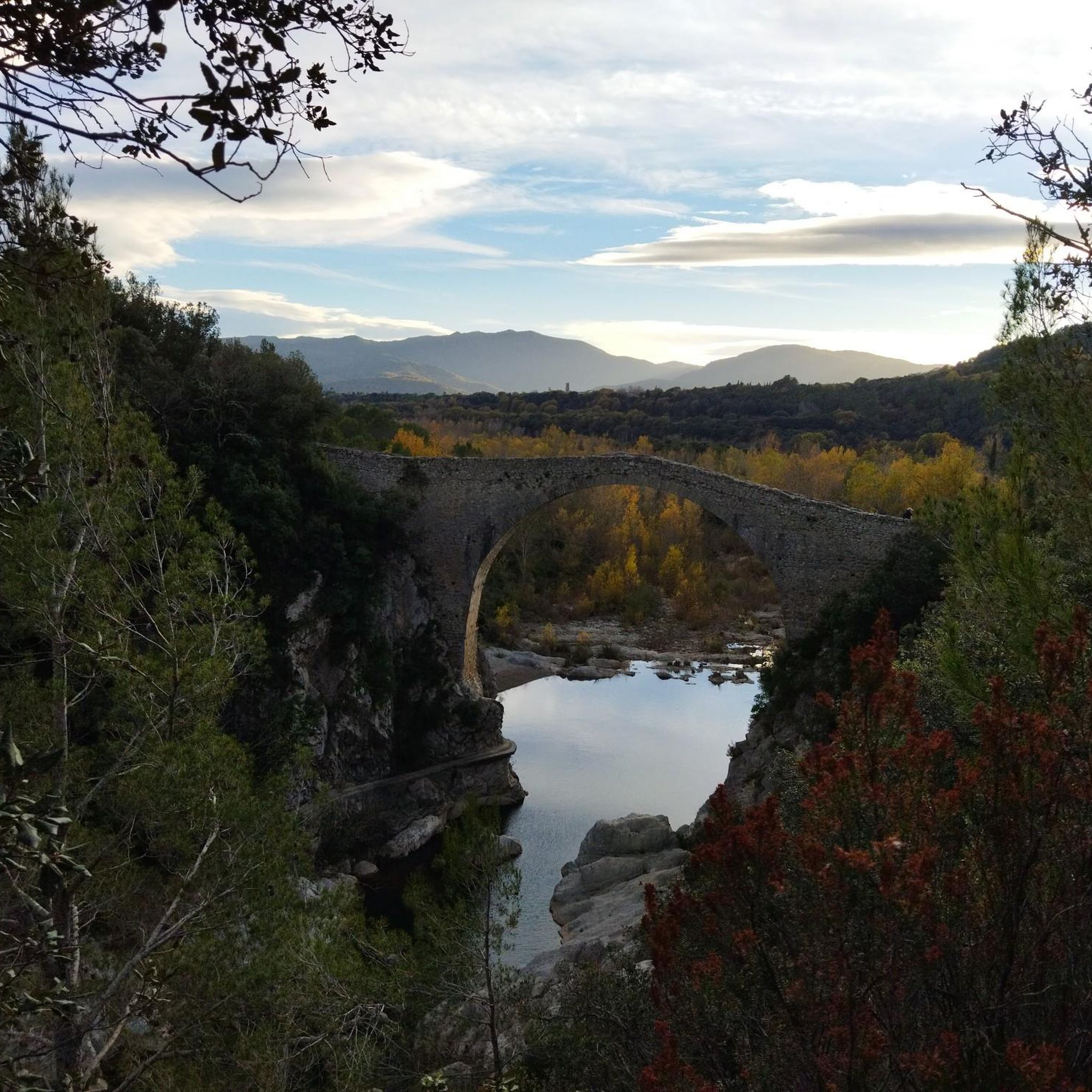
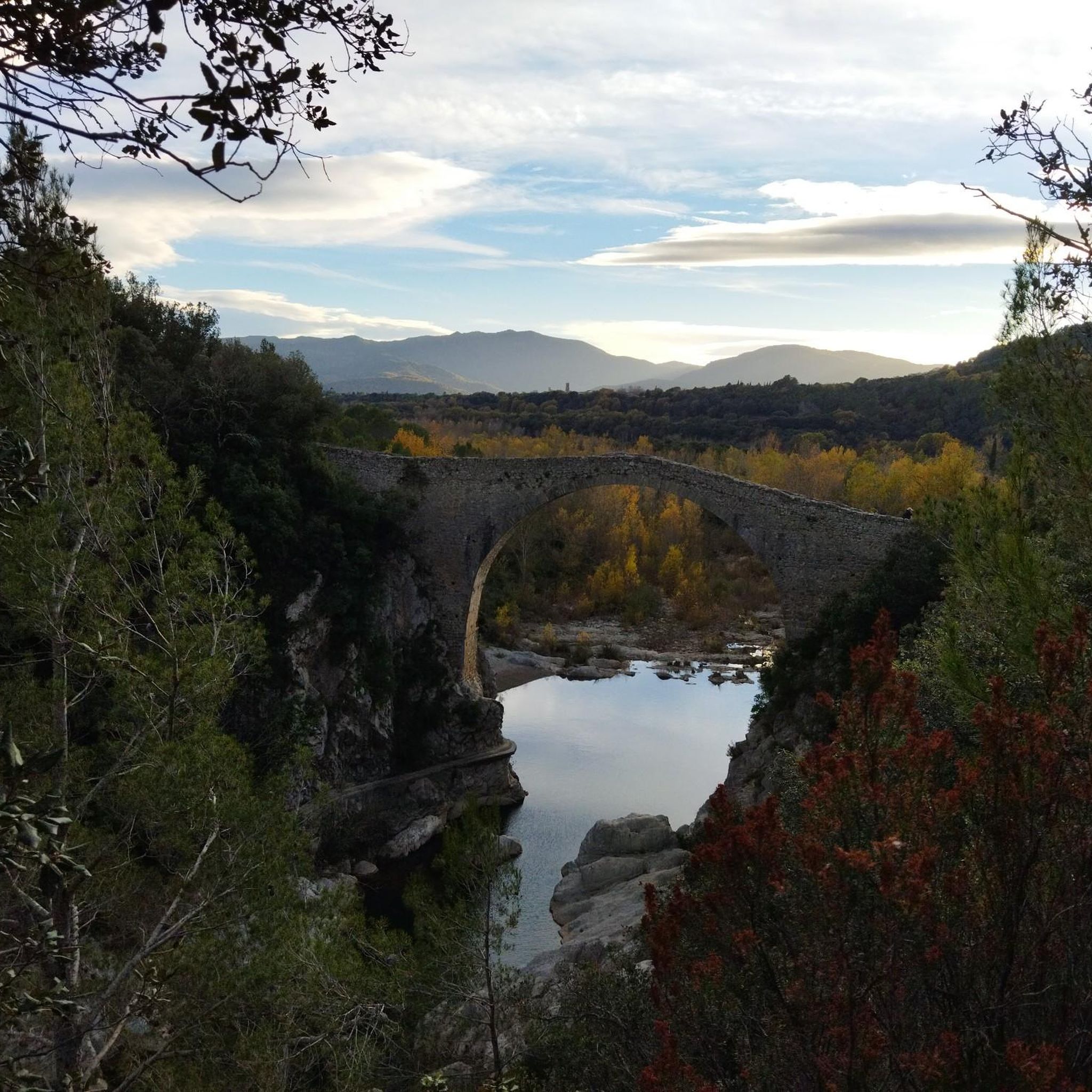
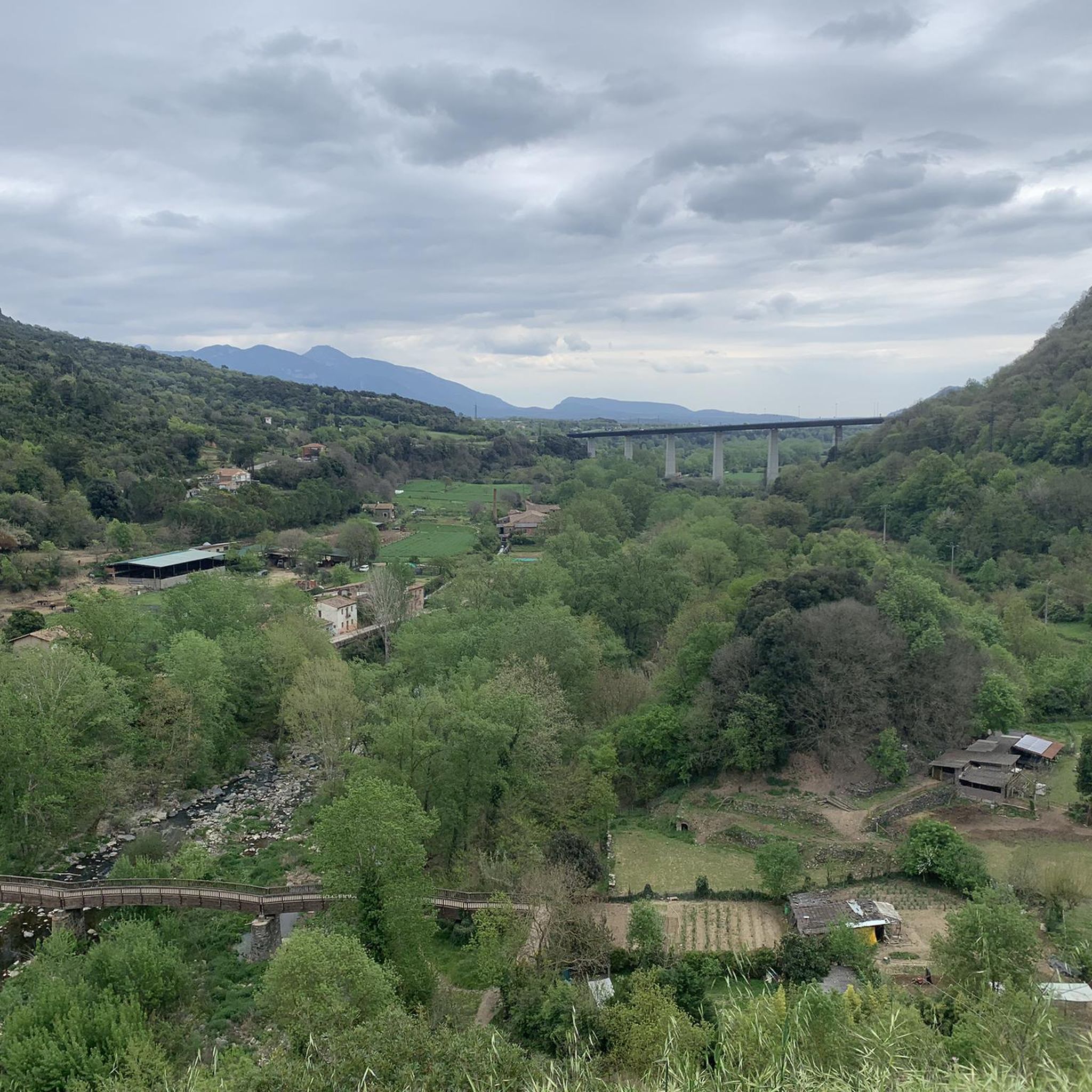
The Llierca Bridge, also called Pont de Sadernes, is a bridge 28 m high, 52 m long and 3 m wide. With a single, very slender arch, it crosses the Llierca river between Tortellà and Sadernes. Romanesque in style, although we do not know the date of its construction, there is evidence of its use since at least the 14th century, when it is documented that a toll was paid to cross it. The bridge was probably built by order of the barons of Sales, to facilitate trade between the farmhouses located west of the Llierca river with the towns of Tortellà and Besalú.
0
0


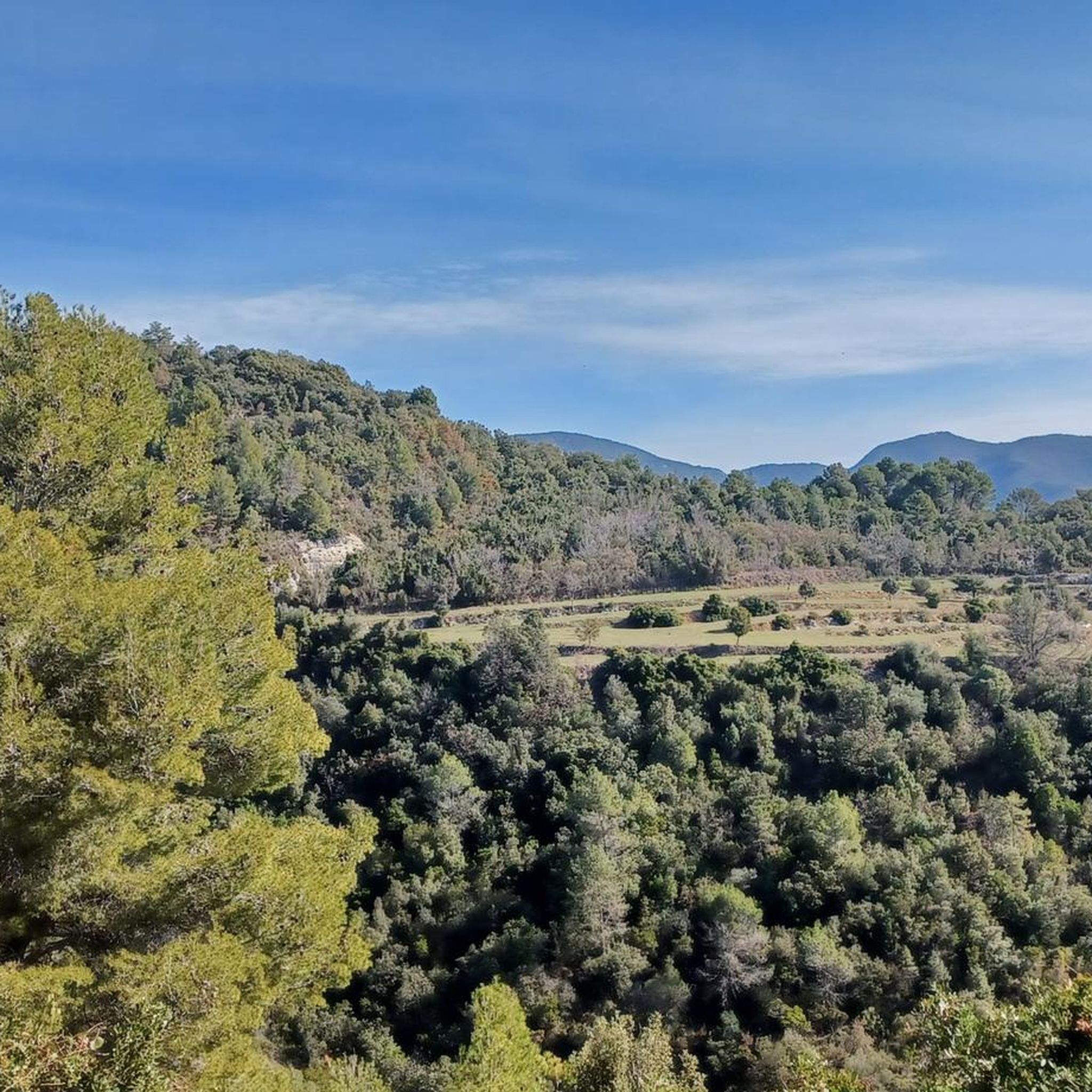
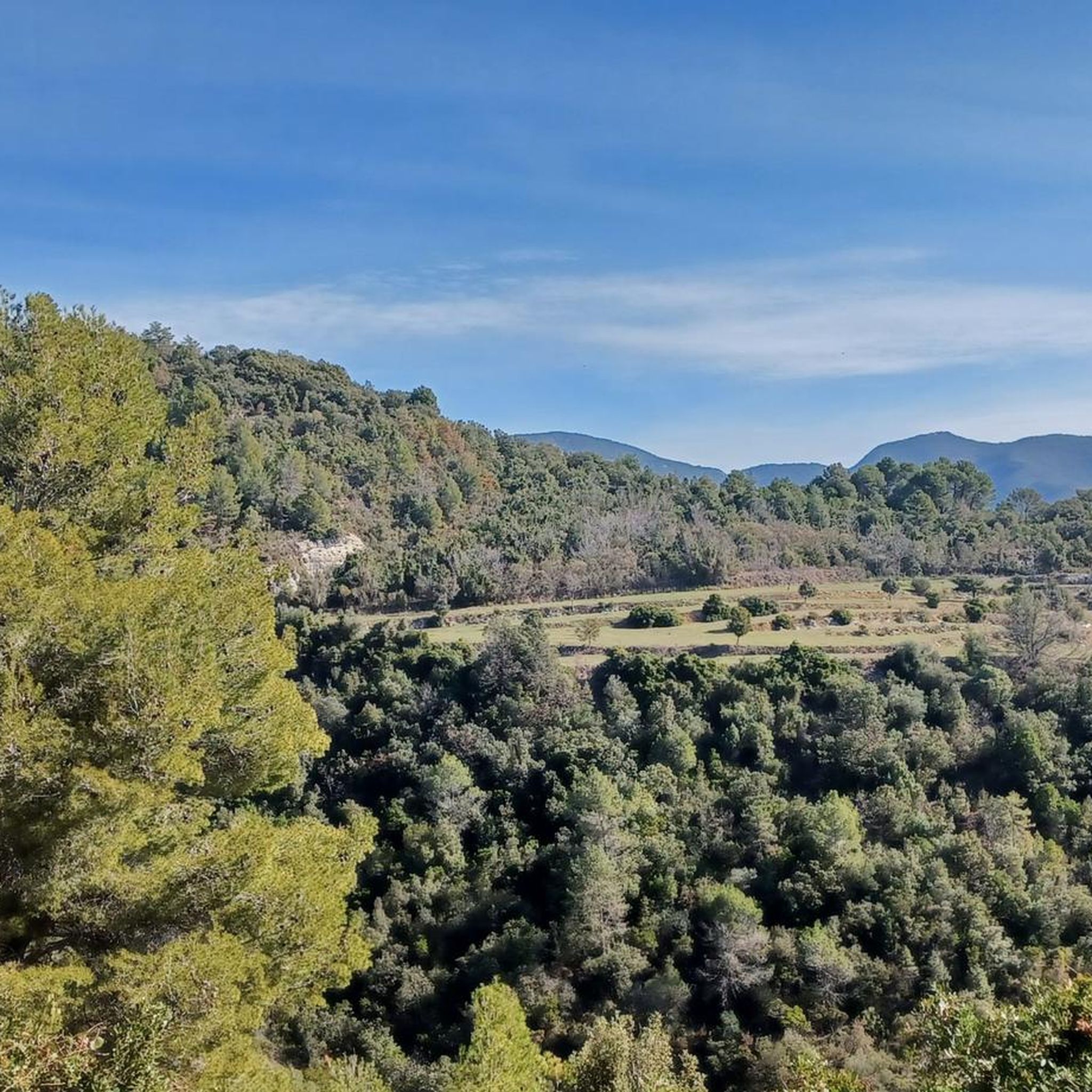
Within Alta Garrotxa is the Muga-Albanyà Partial Nature Reserve, which covers an area of approximately 5,000 hectares. This reserve is especially notable for its biodiversity and the presence of very diverse natural habitats, which include oak and holm oak forests, alpine meadows, crystal-clear rivers and unique geological formations. Some of the most notable places within the Muga-Albanyà Partial Nature Reserve include: The town of Albanyà: A small rural town surrounded by unspoilt nature and trails to explore. The Muga River: A river with crystal clear waters that meanders through the reserve, offering opportunities for fishing, hiking and enjoying nature. The Serra de Lliens: A mountain range with impressive panoramic views and hiking trails that allow you to explore the natural beauty of the region. El Puig de Bassegoda: An emblematic mountain that offers incomparable panoramic views of the Alta Garrotxa and the Pyrenees. The Hermitage of Santa Bàrbara: A hermitage located in a spectacular natural enclave, which offers a place of tranquility and contemplation.
2
0

At 1,373 meters high, the Puig de Bassegoda is located on the border between the regions of La Garrotxa and Alt Empordà. The climb accumulates a lot of positive unevenness in a short distance. For this reason, in the last section it has staples and chains to help itself.
2
1

Castellfollit de la Roca is a small village that is built right on the edge of the cliffs. It is really amazing to see and visit. The area around is mostly volcanic and super interesting from a historical point of view. If you ever visit make sure to pick up some Pet de Monja cookies. I will let you translate the name.
0
0
This bridge is amazing. It is 28 meters above the water. It stretches 52 meters from one side to the other. It was built between the 13th and 14th centuries and was used to transport goods in the area. Wow!! On the opposite side of the road, the trail is a bit difficult on a gravel bike, but should be fine on a mountain bike. The hard part is only about 50 meters, the rest is easy.
3
1
Frequently Asked Questions
What historical natural monuments can I explore around Tortellà?
The region around Tortellà is rich in historical natural monuments. You can visit the Llierca Bridge, a medieval stone structure from the 14th century that once connected communities across the Llierca River. Another significant site is the Valentí Bridge, also a medieval bridge with a single arch, offering access to the Alta Garrotxa natural park and various hiking routes.
Are there any natural monuments with panoramic views near Tortellà?
Yes, for breathtaking panoramic views, consider visiting Puig de Bassegoda. This summit, standing at 1,373 meters, offers 360º views of the surrounding regions. Additionally, the village of Castellfollit de la Roca, perched on a spectacular basaltic cliff, provides unparalleled panoramas of the valley below.
What unique geological features can I find in the natural monuments around Tortellà?
The area boasts several unique geological features. Castellfollit de la Roca is built on a basaltic cliff formed by ancient lava flows. You can also explore the Baumes de Caixurma, a complex system of labyrinthine galleries and narrow cracks within bluish-gray shale marl blocks. Further afield, the Montsacopa Volcano in Olot features a distinctive crater and inactive quarries showcasing different volcanic materials.
Are there family-friendly natural monuments to visit near Tortellà?
Many natural monuments in the region offer enjoyable experiences for families. The Llierca Bridge is easily accessible on foot and the river beneath is suitable for a refreshing swim. The Montsacopa Volcano, while a bit further in Olot, is known for its relatively easy climb, making it a popular spot for picnics and evening strolls with family.
What outdoor activities can I do near these natural monuments?
The natural monuments around Tortellà are excellent starting points for various outdoor activities. You can find numerous hiking trails, such as those leading from the Valentí Bridge into the Alta Garrotxa natural park. For cycling enthusiasts, there are many gravel biking and road cycling routes available. Explore options like the 'Sant Andreu de Guitarriu – Llierca Bridge loop' for gravel biking or the 'Lake Banyoles loop' for road cycling. You can find more details on these activities in the Gravel biking around Tortellà, Road Cycling Routes around Tortellà, and Hiking around Tortellà guides.
Are there hiking trails near the Llierca Bridge?
Yes, the Llierca Bridge is a popular spot for hikers. You can find several routes that incorporate this historic landmark, such as the 'Stone Wayside Shrine – Llierca Bridge loop' or the 'Llierca Bridge – Santa Bàrbara de Pruneres loop'. These trails offer moderate difficulty and allow you to explore the surrounding natural beauty. More hiking options are detailed in the Hiking around Tortellà guide.
What is special about the Alta Garrotxa Partial Nature Reserve?
The Alta Garrotxa Partial Nature Reserve, which includes the Muga-Albanyà area, is notable for its rich biodiversity and diverse natural habitats. It features oak and holm oak forests, alpine meadows, crystal-clear rivers like the Muga, and unique geological formations. Within the reserve, you can also find the Serra de Lliens with its impressive panoramic views and the tranquil Hermitage of Santa Bàrbara.
What do visitors enjoy most about the natural monuments around Tortellà?
Visitors frequently highlight the blend of history and natural beauty. They appreciate the stunning views from places like Puig de Bassegoda and the unique experience of walking through medieval villages like Castellfollit de la Roca. The opportunity for refreshing swims near the Llierca Bridge and exploring the region's volcanic past also receive high praise.
Is the Montsacopa Volcano accessible for an easy visit?
Yes, the Montsacopa Volcano, located in Olot, is known for its relatively easy climb. Its accessible nature makes it a popular destination for casual strolls and picnics, offering a unique opportunity to experience the region's volcanic landscape without strenuous effort. You can learn more about it on Wikipedia.
Are there any natural monuments that require special care or have sensitive ecosystems?
Yes, the Baumes de Caixurma, a complex cave system, is home to protected cave-dwelling invertebrates and bats. Visitors are advised not to enter some of these baumes and to ensure their passage through the area causes the least possible impact to protect this sensitive ecosystem.
What is the best time to visit the natural monuments around Tortellà?
The region's natural monuments can be enjoyed throughout much of the year. Spring and autumn offer pleasant temperatures for hiking and exploring, with lush landscapes in spring and vibrant colors in autumn. Summer is ideal for activities involving water, such as swimming near the Llierca Bridge. While winter can be cooler, many trails remain accessible, offering a different, serene perspective of the natural beauty.
Most popular routes around Tortellà
Most popular attractions around Tortellà

Get inspired with the komoot mobile app


Explore more
Extend your search for the best caves by checking out these guides of the top ones around Tortellà:
