Top 13 Mountain Passes around El Pont De Bar
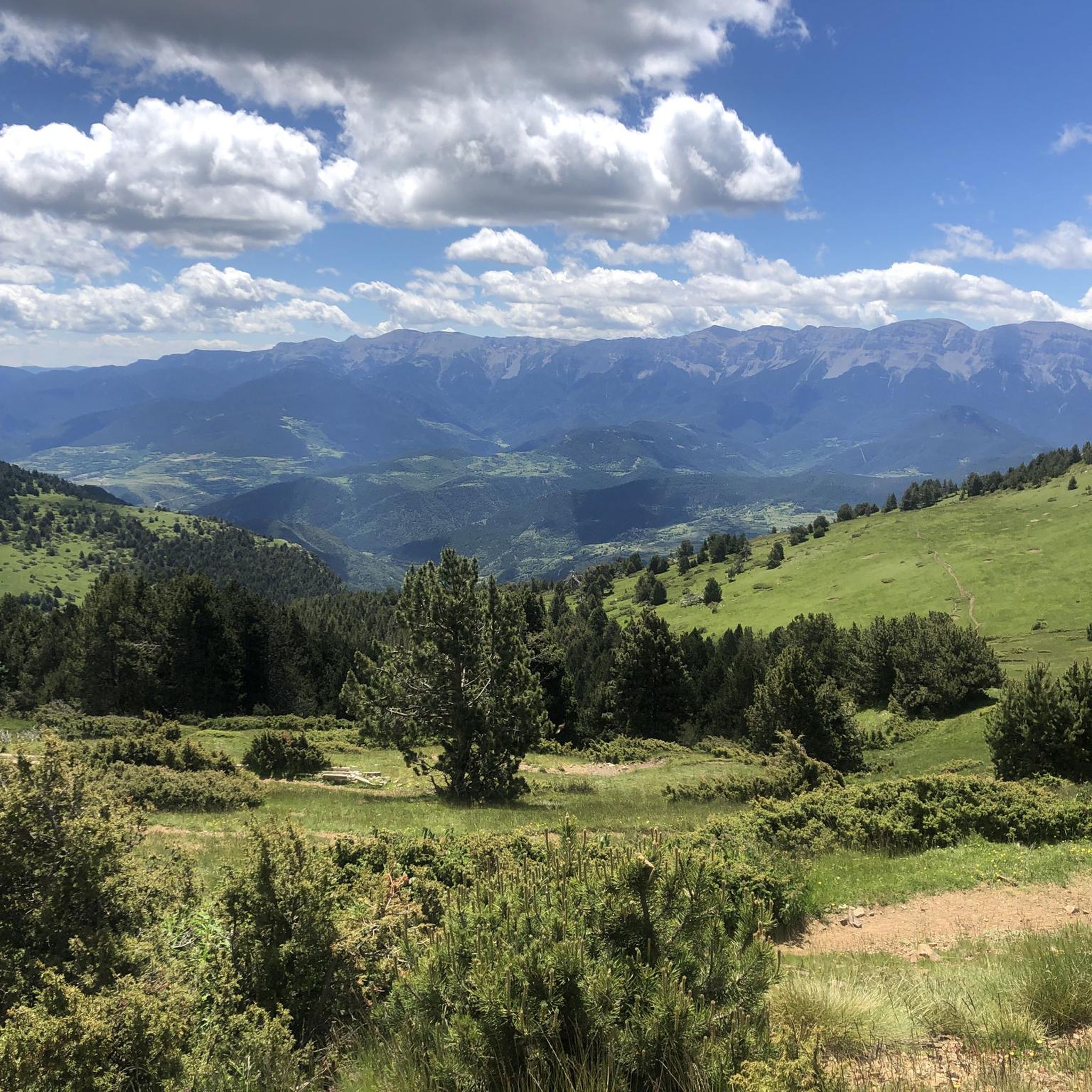
Best mountain passes around El Pont De Bar are found within the Pyrenean landscape of the Alt Urgell region, characterized by mountainous terrain, peaks, and forests. This area provides challenging routes for outdoor enthusiasts. The natural environment supports various activities, including hiking and mountain biking. The region offers access to numerous mountain passes that serve as transit points and viewpoints.
Best mountain passes around El Pont De Bar
- The most popular mountain passes is Gosolans Pass, a mountain pass located at an altitude of about 2,400 meters in the Sierra del Cadí. It offers panoramic views of the Cerdanya, Berguedà, and Alt Urgell regions.
- Another must-see spot is Coll de Josa (1620 m), a mountain pass and viewpoint. Visitors can expect a climb with an ascent of 517 vertical meters and a privileged vantage point in the Valls valley.
- Visitors also love Port de la Rabassa / Puerto de la Rabassa, a challenging mountain pass and viewpoint. This pass offers views of the Pyrenees mountain range and the Sant Julià de Lòria valley.
- El Pont De Bar is known for challenging mountain passes, viewpoints, and cycle ways. The area offers a variety of mountain passes to see and explore, suitable for different levels of outdoor activity.
- The mountain passes around El Pont De Bar are appreciated by the komoot community, with 28 upvotes and 27 photos contributed.
Last updated: July 15, 2026
Gosolans Pass
Highlight • Mountain Pass
Translated by Google •
Tip by

Coll de Josa
Highlight • Mountain Pass
Translated by Google •
Tip by

Sign up now to discover places like this
Get recommendations on the best single tracks, peaks, & plenty of other exciting outdoor places.
Sign up for free
Coll de la Peguera
Highlight • Mountain Pass
Translated by Google •
Tip by

Port de la Rabassa / Puerto de la Rabassa
Highlight • Mountain Pass
Translated by Google •
Tip by
Les Bassotes Pass
Highlight • Mountain Pass
Translated by Google •
Tip by

Sign up for free to discover even more mountain passes around El Pont De Bar.
Sign up for free
Already have an account?
Start today with a free account
Your next adventure awaits.
Login or Signup


Tips from the Community

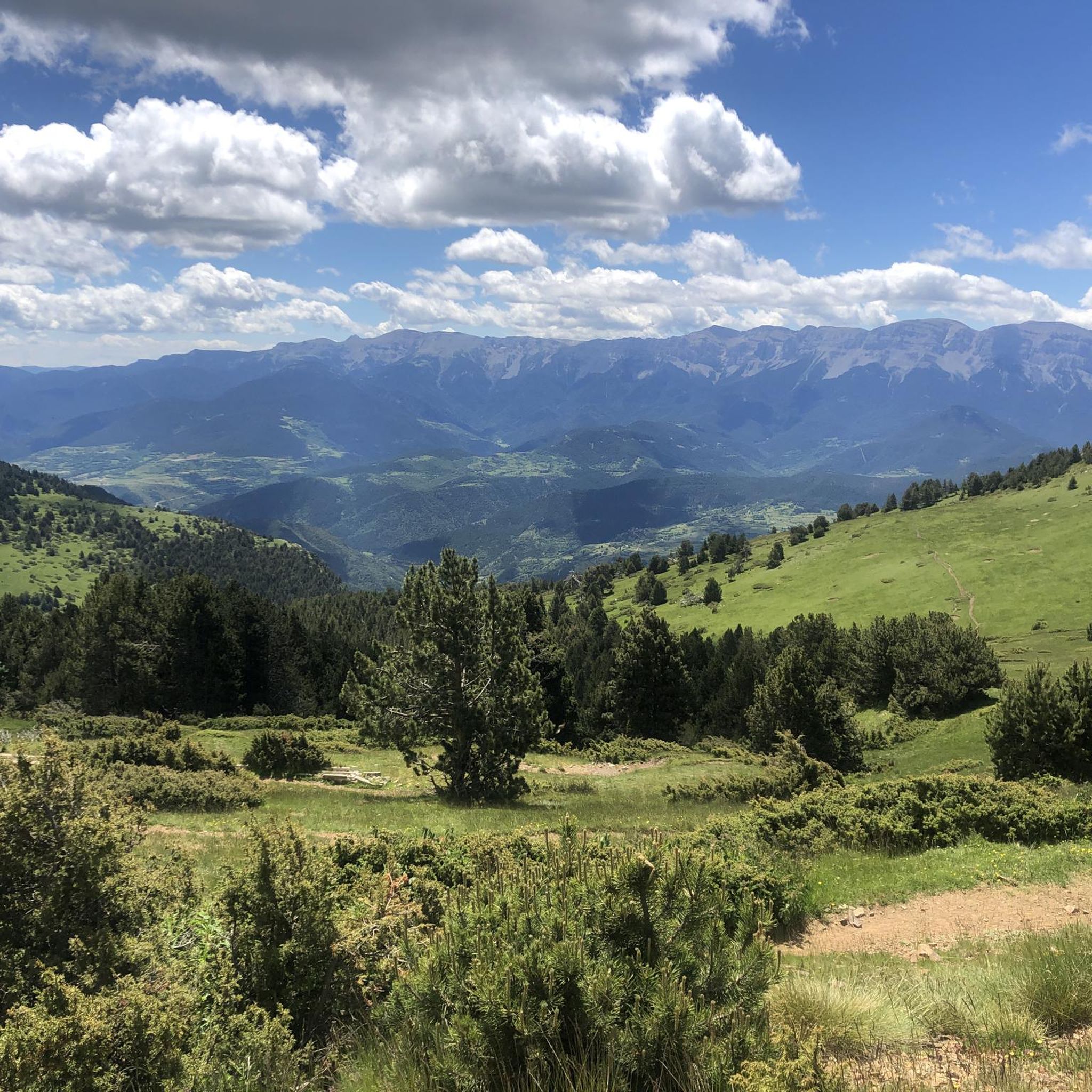
High mountain crossing point with spectacular views over the Cadí and the Pedraforca massif. The pass marks the boundary between black pine forests and alpine meadows, and is an ideal place to catch your breath before tackling the final climb to the summit. On a mountain bike, the climb is tough and with rocky sections that may require pushing the bike at some points. Tip: slow down and save your energy for the last section; the reward is a panoramic view that will make you forget your tiredness.
0
0

From this pass, a rather technical trail leads to the village of Gósol. Getting here is quite difficult; it's a very long and arduous climb.
1
0
From this hill there is a rather technical trail to Gósol.
1
0

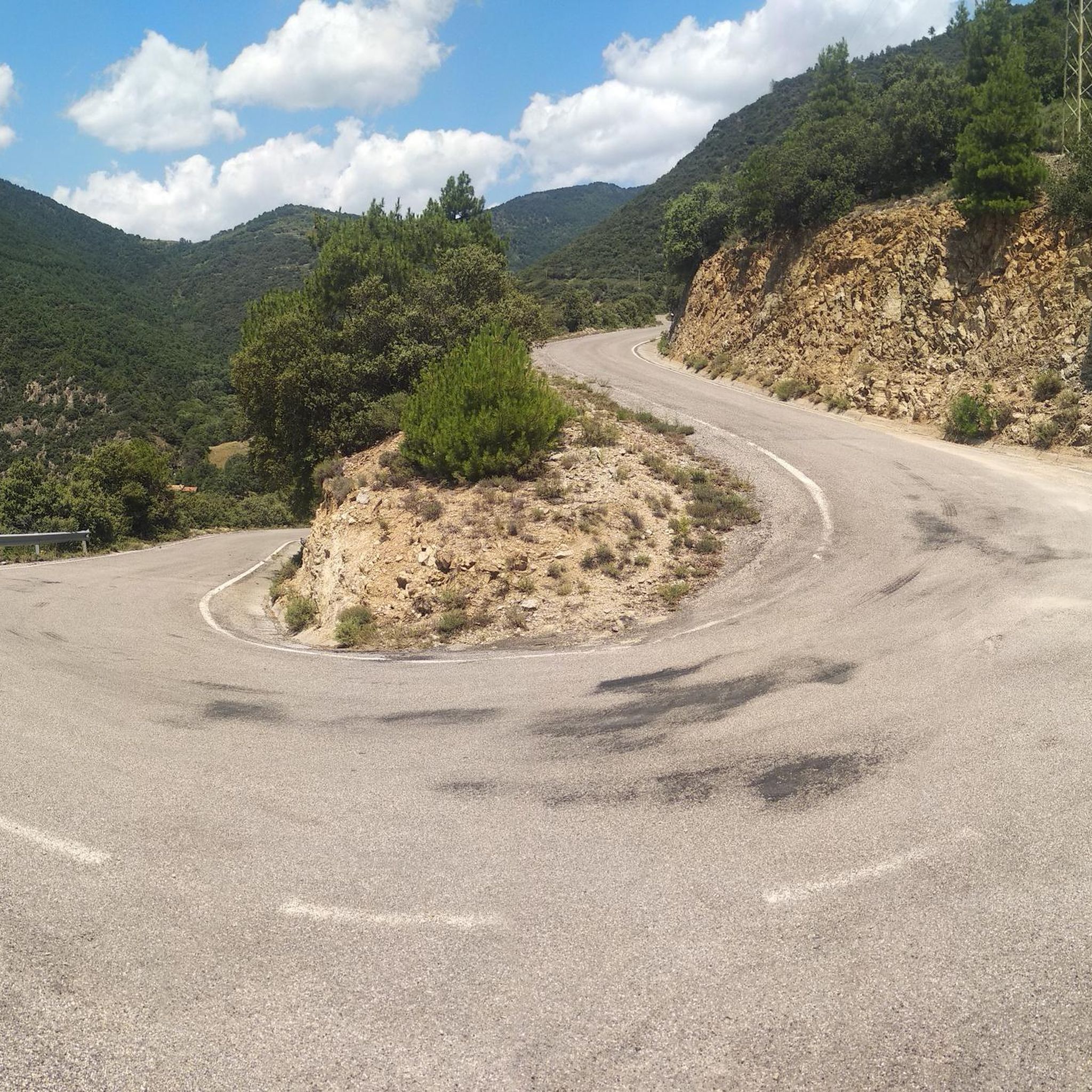
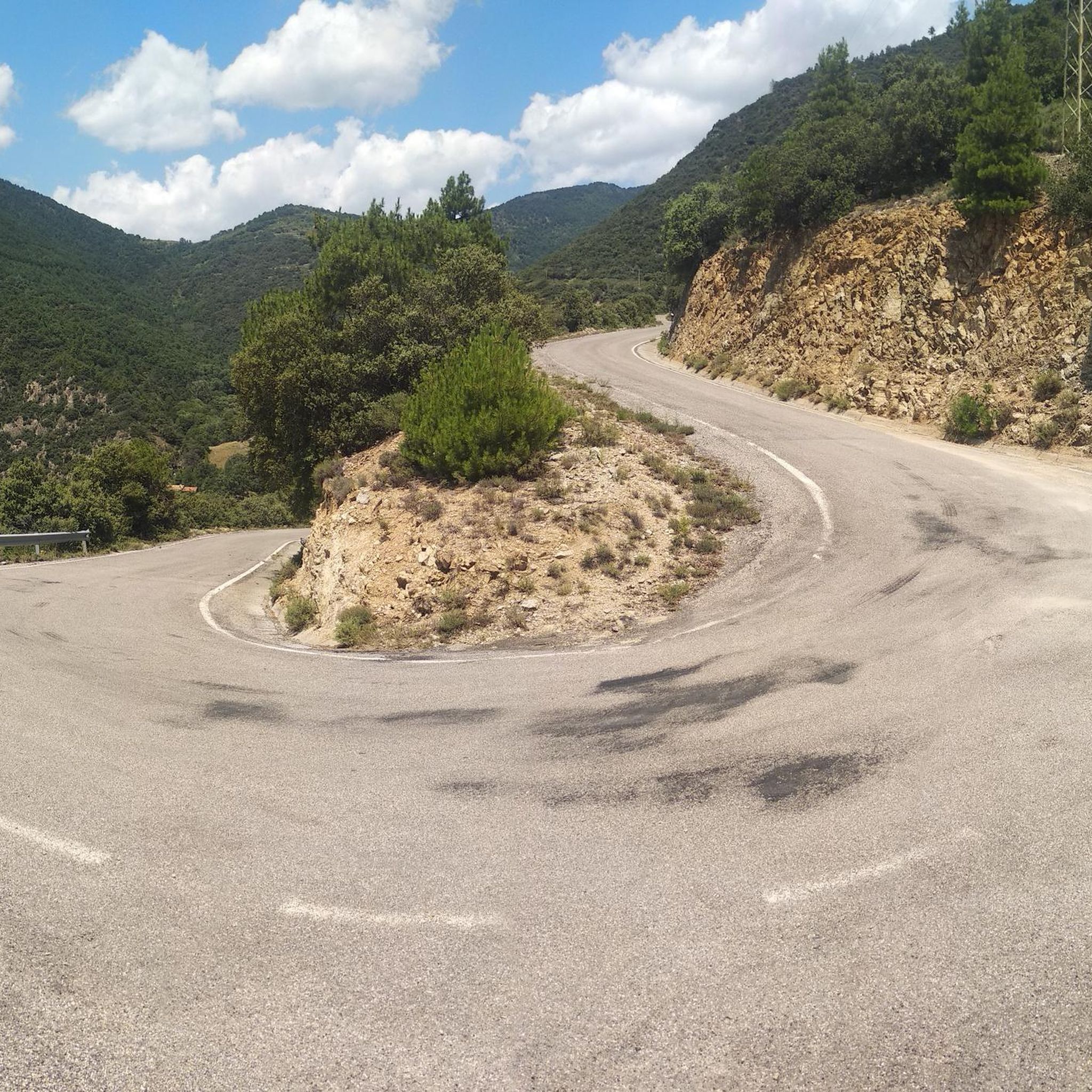
Coll de Josa, between Gòsol and Josa del Cadí. Inflection point on the road, you go up here and from here you go down.
1
1

Coll de Josa from Tuixent is a climb in the Spanish Pyrenees region. It has a length of 11.2 kilometers and an ascent of 517 vertical meters with an average gradient of 4.6%, the top of the ascent is located at 1630 meters above sea level.
1
1

The Coll de Peguera is also known as Coll de la Rabassa. In fact, on the official Andorra tourism website, the name "Alt de la Rabassa" is used. And on many altimetry websites, it is also known as "Alt de la Rabassa". The two slopes are quite similar in length and hardness, differing only slightly in the steep descent of the northernmost slope that passes through Aixirivall. When you reach the top of the mountain pass, you can take a road that goes higher towards the Naturlandia mountain activities park, which is highly recommended by the way. Another curiosity is that from Naturlandia, you continue going up an unpaved road to the border with Spain, where the views are wonderful. I leave you the link to access the altimetries of @cyclingcols (the best) --> http://www.cyclingcols.com/col/Rabassa
1
0

One of the most well-known passes in Andorra is Port de la Rabassa and this is the first big slope before reaching the top. Despite not being at the top of the mountain, the port and the road itself offer very good views in the middle of pine forests.
0
0

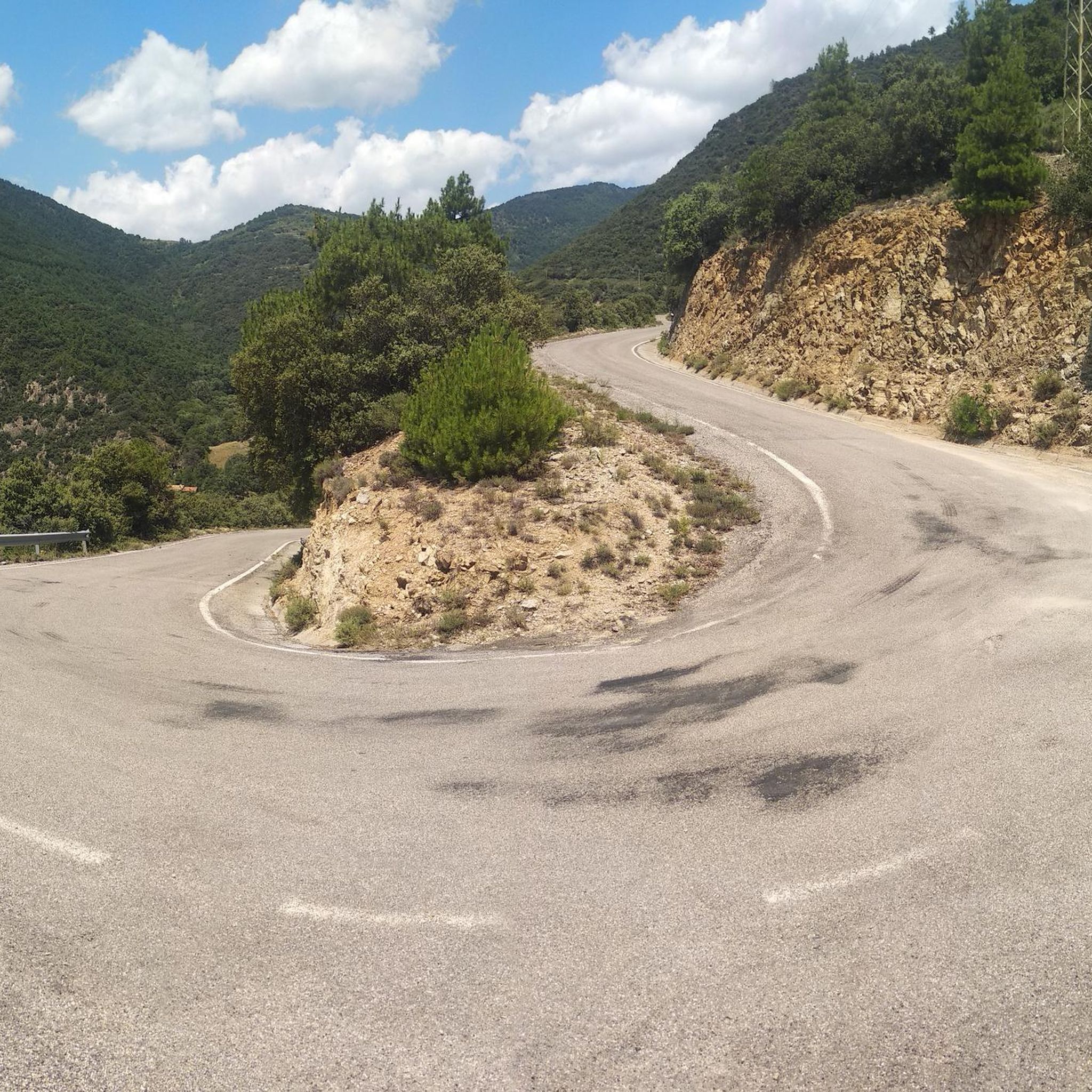
A challenging climb that winds through the pine forest until you reach the mountain pass. Magnificent views of the Volire Valley below.
0
1
Frequently Asked Questions
What are some of the most scenic mountain passes near El Pont de Bar?
The region offers several passes with impressive views. Gosolans Pass, situated at about 2,400 meters in the Sierra del Cadí, provides panoramic views of the Cerdanya, Berguedà, and Alt Urgell regions. Another notable spot is Coll de Josa (1620 m), which offers a privileged vantage point in the beautiful Valls valley, especially towards the town of Gósol.
Are there challenging mountain passes for experienced hikers or cyclists?
Yes, the area is known for its challenging terrain. Gosolans Pass is considered a challenging yet rewarding experience for hikers, often involving a strong uphill climb. For cyclists, passes like Port de la Rabassa / Puerto de la Rabassa present a significant climb with an average slope of 6.5% over 17.4 km from Sant Julià.
What kind of natural features can I expect to see around the mountain passes?
The Pyrenean landscape around El Pont de Bar is rich in natural beauty. You'll encounter magnificent mountainous terrain, peaks, lush forests, and high-altitude vistas. Passes like Gosolans Pass offer extensive panoramic views of multiple valleys and mountain ranges.
What outdoor activities can I do near these mountain passes?
The mountainous terrain is ideal for various outdoor activities. You can find numerous routes for hiking and mountain biking. For challenging mountain biking, consider routes like the 'Pendís Pass – Cap del Ras Viewpoint loop from Martinet' or the 'Cadí-Moixeró Loop'. For road cycling, there are difficult routes such as the 'Bellver de Cerdanya – Collada de Toses Pass loop'. You can explore more options in the MTB Trails, Road Cycling Routes, and Cycling guides around El Pont de Bar.
Are there any mountain passes with historical significance?
Yes, some passes have a historical role as transit points. Gosolans Pass, for instance, historically served as a route for travelers between the municipality of Gósol and the Cerdanya valley.
What is the best time to visit the mountain passes around El Pont de Bar?
The best time to visit for hiking and cycling is typically during the warmer months, from late spring to early autumn, when the weather is more stable and the passes are free of snow. This allows for optimal enjoyment of the trails and panoramic views.
Are there any family-friendly mountain passes or trails nearby?
While many passes in the immediate vicinity are quite challenging, the broader region offers a variety of routes. For family-friendly options, it's best to look for trails specifically marked as 'intermediate' or easier, or those that don't involve significant elevation gains or technical sections. Always check the specific route details before heading out with family.
What do visitors enjoy most about the mountain passes in this region?
Visitors frequently appreciate the breathtaking panoramic views, the challenging yet rewarding outdoor experiences, and the sense of accomplishment from reaching high-altitude passes. The natural beauty of the Pyrenean landscape, with its peaks and forests, is a major draw.
Is there parking available near the mountain passes?
For popular passes like Port de la Rabassa / Puerto de la Rabassa, there is often plenty of parking available, especially at high-altitude tourist spots. For more remote passes, parking might be limited to trailheads or designated areas at the start of routes. It's advisable to research specific parking options for your chosen pass.
Can I find amenities like cafes or restaurants near the mountain passes?
Some of the more developed mountain passes, particularly those with tourist complexes or near towns, may offer amenities. For example, at the top of Port de la Rabassa / Puerto de la Rabassa, there are different bars and restaurants, some open all year. For more remote passes, it's best to carry your own provisions.
What is the elevation gain like on the mountain passes around El Pont de Bar?
The mountain passes in this region often involve significant elevation gains, making them challenging. For instance, the climb to Coll de Josa from Tuixent has an ascent of 517 vertical meters. The climb to Port de la Rabassa from Sant Julià involves an ascent to 2037 meters with an average slope of 6.5%.
Are there any less crowded mountain passes to explore?
While popular passes attract many visitors, the extensive Pyrenean landscape offers numerous trails and passes. To find less crowded options, consider exploring passes that are not directly on major cycling routes or well-known hiking trails, or visit during off-peak seasons. Passes requiring a more arduous climb, like Les Bassotes Pass, might offer a more solitary experience.
Most popular routes around El Pont De Bar
Most popular attractions around El Pont De Bar

Get inspired with the komoot mobile app


Explore more
See even more epic mountain passes by checking out these guides around El Pont De Bar:
