Top 5 Mountain Passes around Alella
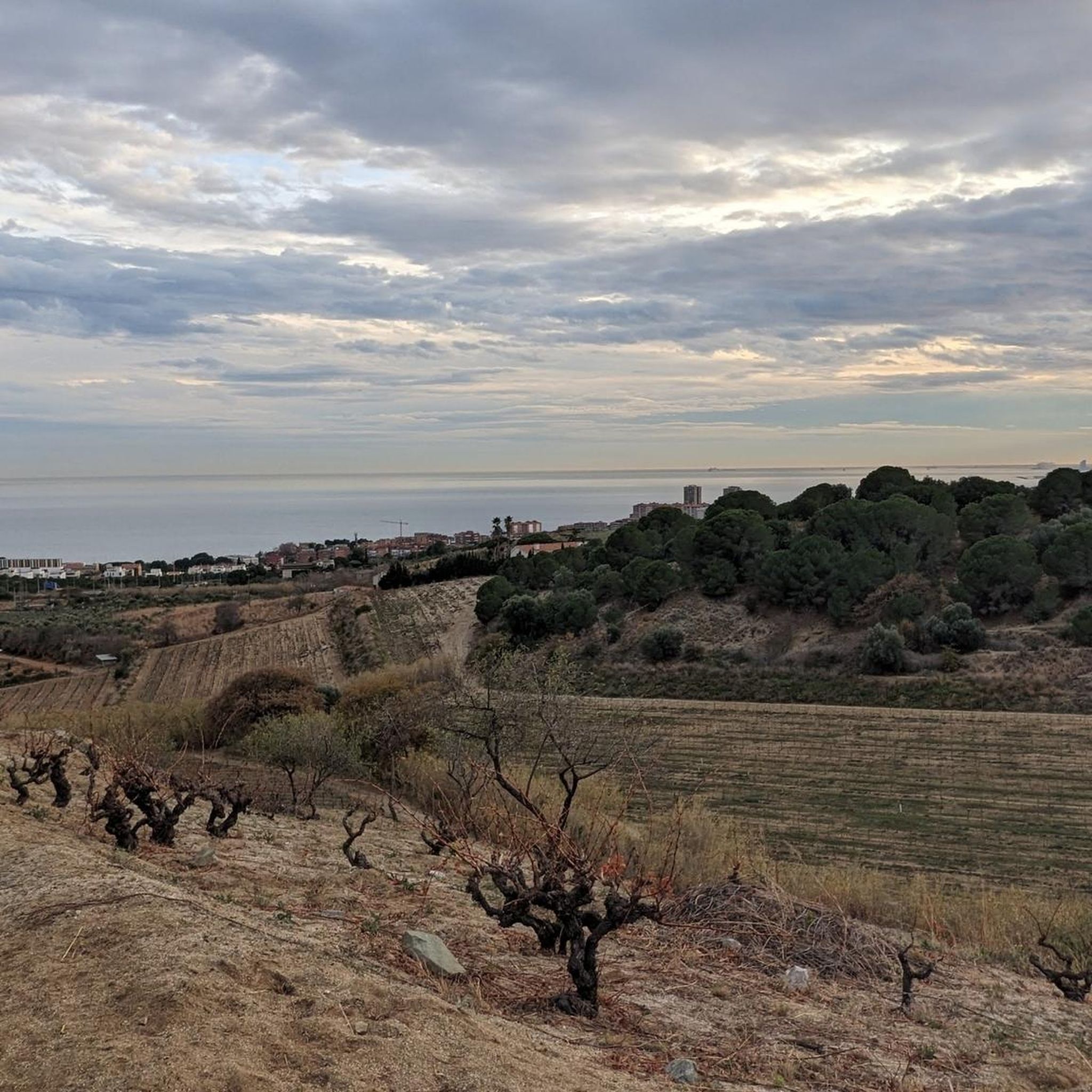
Best mountain passes around Alella are found within the picturesque Maresme region of Catalonia, offering a network of "colladas" or smaller passes. These routes are popular for cycling and hiking, providing scenic views within the Serralada Litoral. The area's proximity to the Parc de la Serralada Litoral enhances these routes with natural beauty and cultural interest. This protected natural area spans thousands of hectares, featuring diverse ecosystems and historical sites.
Best mountain passes around Alella
- The most popular mountain passes…
Last updated: July 1, 2026
Parpers Pass
Highlight • Mountain Pass
Translated by Google •
Tip by

Orrius Pass - Sant Bartomeu Pass
Highlight (Segment) • Mountain Pass
Translated by Google •
Tip by

Sign up now to discover places like this
Get recommendations on the best single tracks, peaks, & plenty of other exciting outdoor places.
Sign up for free
Can Boquet Cross
Highlight • Mountain Pass
It …
Translated by Google •
Tip by
Coll de Font de Cera
Highlight • Mountain Pass
Translated by Google •
Tip by

Start today with a free account
Your next adventure awaits.
Login or Signup

Other adventures around Alella

Tips from the Community


The uphill stretch from Roca del Valles isn't difficult and is a lovely greenery. The descent to the Orrius junction is similar.
1
0

lonely road with lots of vegetation, very pretty
1
0

Coll de Orrius is also known as Coll de Sant Bertomeu.
1
0
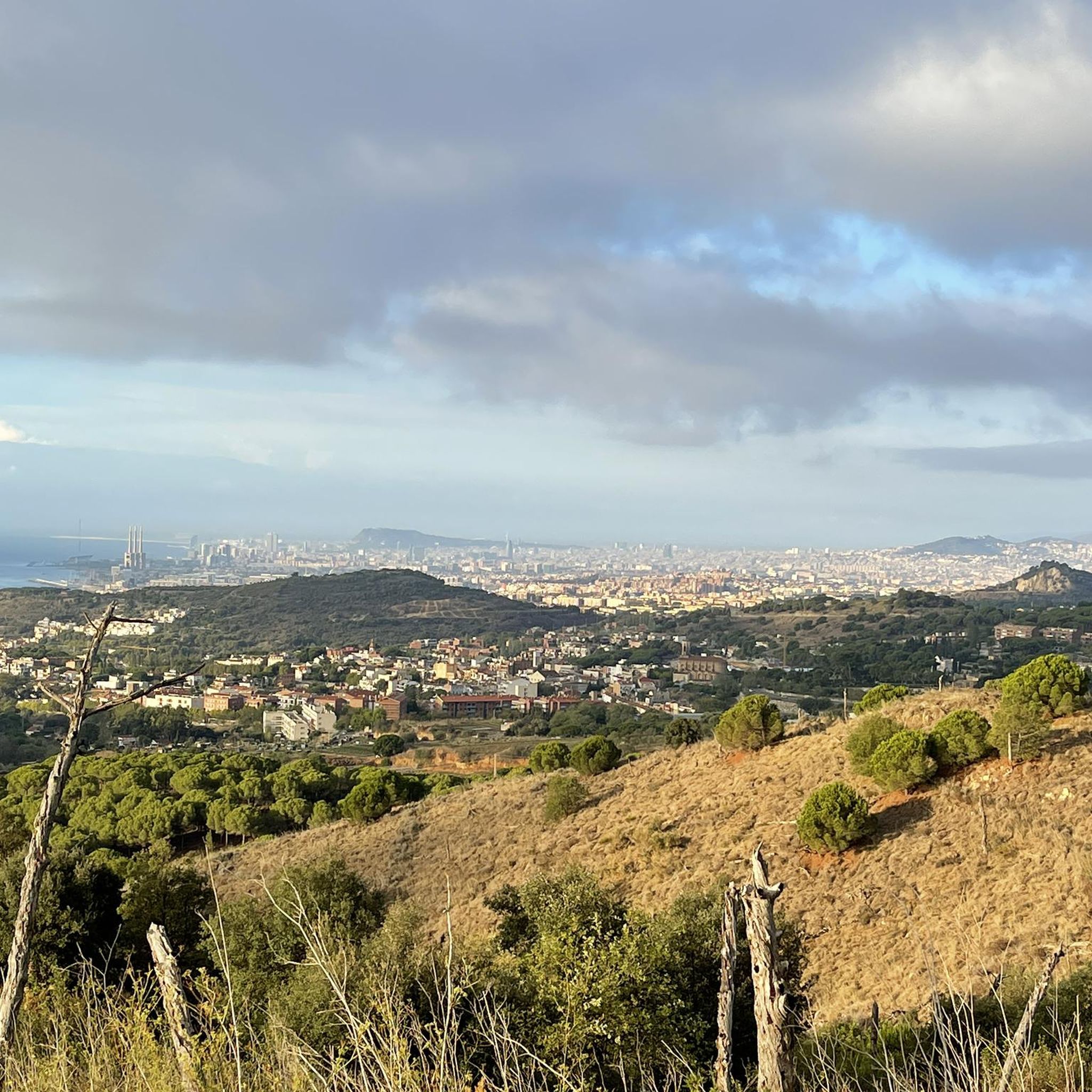
It is one of the many climbs that cross the coastal mountain range of the province of Barcelona, connecting in this case the towns of Argentona with Roca del Vallés. It is a port parallel to Coll de Papers, although this is much harder. The Argentona side is longer and with less slope than the Roca del Vallés. The Argentona side is 6.5 km with an average gradient of 4.5%. There is a rest with a descent in the middle area of the port, the second section being harder than the first. The Roca del Vallés side is barely 4 km with a very constant average gradient of 7%. The views of the valleys, the coast and Montseny from the top of the port are very cool and well worth it.
1
0
This is another of the legendary climbs in the coastal mountain range of the province of Barcelona. It is a very accessible climb with slopes that never exceed 6%. It has approximately 5 km of climbing on both sides. It connects the town of Roca del Vallés with Argentona, next to Mataró, very close to the coast. It is highly recommended because there is hardly any traffic and you can ride in complete peace.
1
0

Well, the first time I did it my eyes popped out of their sockets.
1
0

Ridge and highest point of the BP5002 road from El Masnou to Granollers, or Alella. It is a crossroad, with gravel you can follow the Camí de la Cornisa to enter and cross the Parque de la Serralada de Marina.
1
0
Frequently Asked Questions
What are some other notable mountain passes around Alella besides the most popular ones?
Beyond the well-known passes, you can explore the Coll de Font de Cera, which is a ridge and high point on the BP5002 road, offering crossroads for various routes. Another significant pass is the Coll de la Conreria, frequently included in local cycling routes and offering extensive views of the Maresme coast.
What kind of terrain and difficulty can I expect on the mountain passes near Alella?
The mountain passes around Alella, often referred to as 'colladas,' are generally characterized by gentle gradients and well-maintained surfaces. They are suitable for a range of fitness levels, with moderate average gradients. For instance, Parpers Pass has an average gradient of 3.2% to 4.7%. The terrain typically involves pine and holm oak forests within the Serralada Litoral.
Are there any historical or cultural landmarks near the mountain passes?
Yes, the area is rich in history. Near Can Boquet Cross, you'll find the Roca d'en Toni dolmen, an ancient megalithic structure. The wider Parc de la Serralada Litoral, which encompasses many of these passes, also features numerous archaeological remains and agricultural structures dating back to Neolithic times, including the Iberian settlement of Puig Castellar.
What outdoor activities can I do near these mountain passes?
The mountain passes around Alella are excellent for various outdoor activities. Cycling is very popular, with routes suitable for road, gravel, and mountain biking. You can also find numerous hiking and running trails. For example, you can explore running trails or enjoy gravel biking and cycling routes that incorporate these passes.
What is the best time of year to visit the mountain passes around Alella?
The region enjoys a Mediterranean climate, making it pleasant for outdoor activities for much of the year. Spring and autumn generally offer the most comfortable temperatures for cycling and hiking. While winter can be mild, some curves on descents, like those near Òrrius Pass, might be wet, requiring caution.
Are the mountain passes and trails around Alella family-friendly?
Many of the 'colladas' and trails within the Parc de la Serralada Litoral are suitable for families. The gentle gradients of passes like Parpers Pass make them accessible for various fitness levels, including those with children. The park itself offers well-marked trails and natural beauty for family walks and nature exploration.
Can I bring my dog on the trails near Alella's mountain passes?
The Parc de la Serralada Litoral, which encompasses many of these passes, is generally dog-friendly. However, it's always advisable to keep dogs on a leash, especially in protected areas, to respect wildlife and other visitors. Check local regulations for specific trails within the park.
Where can I find parking near the trailheads for these mountain passes?
Parking is generally available in the towns surrounding the Parc de la Serralada Litoral, such as Alella, La Roca del Vallès, or Argentona, from where many routes begin. Specific trailheads within the park often have designated parking areas, but it's recommended to check maps or local information for the most convenient spots for your chosen route.
Are there any viewpoints offering panoramic views from the mountain passes?
Absolutely. Many passes and areas within the Parc de la Serralada Litoral offer stunning views. Òrrius Pass provides views of the entire Vallès region. The Coll de la Conreria offers extensive vistas of the Maresme coast. Additionally, the La Coscollada Observation Tower within the park provides panoramic views that can include the Pyrenees and Montseny on clear days.
What makes the Parc de la Serralada Litoral special for visitors?
The Parc de la Serralada Litoral is special due to its diverse ecosystems, including pine forests, vineyards, and scrubland, alongside a rich array of flora and fauna. Its unique location between the Mediterranean Sea and the Vallès region creates distinct microclimates and offers stunning panoramic views of both the coast and inland areas. It also boasts significant cultural and historical value with ancient archaeological sites.
Are there cafes or restaurants near the mountain passes for refreshments?
While the passes themselves are often in natural settings, the towns and villages surrounding the Parc de la Serralada Litoral, such as Alella, Tiana, or Argentona, offer a variety of cafes, restaurants, and pubs where you can find refreshments and local cuisine after your outdoor activities.
Do I need a permit to hike or cycle in the Parc de la Serralada Litoral?
Generally, you do not need a specific permit for hiking or cycling on the established trails within the Parc de la Serralada Litoral for recreational purposes. However, always adhere to park regulations, stay on marked paths, and respect the natural environment.
Most popular attractions around Alella

Get inspired with the komoot mobile app


Explore more
See even more epic mountain passes by checking out these guides around Alella:
