Top 20 Natural Monuments around Vilassar De Dalt
Best natural monuments around Vilassar De Dalt are found within a landscape characterized by its natural and archaeological heritage. Situated at the foot of the Parc de la Serralada Litoral, the area offers a blend of geological formations and prehistoric sites. This region provides opportunities to explore ancient human occupation amidst serene natural surroundings. Visitors can experience a variety of natural features and historical landmarks.
Best natural monuments around Vilassar De Dalt
- The most popular natural monuments is Dolmen of…
Last updated: July 1, 2026
Dolmen of the Roca d'en Toni
Highlight • Historical Site
Translated by Google •
Tip by

Can Gurguí Spring
Highlight • Natural Monument
Translated by Google •
Tip by

Sign up now to discover places like this
Get recommendations on the best single tracks, peaks, & plenty of other exciting outdoor places.
Sign up for free
Gallecs Rural Area
Highlight (Segment) • Natural
Translated by Google •
Tip by
Dolmen de Céllecs
Highlight • Historical Site
Translated by Google •
Tip by
Font d'en Mamet
Highlight • Natural Monument
Translated by Google •
Tip by
Sign up for free to discover even more natural monuments around Vilassar De Dalt.
Sign up for free
Already have an account?
Start today with a free account
Your next adventure awaits.
Login or Signup

Tips from the Community

Un monument megalític datat entre el final del neolític i l'edat del bronze, considerat un dels jaciments prehistòrics més importants del Maresme.
0
0

Real nice, shame it's only about 2 km but also a shame there aren't more such roads in the area. Go when there's no racing or practice sessions at the nearby Montmeló circuit!
0
0

A fountain that invites you to linger.
3
0

A very interesting megalithic area, both for its history and for the countless tracks, trails, and trials, each more fun than the last.
2
0
The Dolmen of Can Boquet, also known as Roca d'en Toni, is a megalithic structure in Catalonia. The name Roca d'en Toni probably comes from the fact that, according to 19th century records, the landowner was called Toni Puig.
6
0

It is a megalithic monument that has been classified as a cist and, at other times, as a corridor dolmen. It is at an elevation of 370 meters and the construction measures about 2.25 meters in length and 1.55 meters in width, and occupies an area of 3 square meters. The chamber is polygonal and the entrance faces southwest. The dolmen was discovered in 1929 and excavated for the first time by Josep Colominas the following year. Later, in the 1950s, Josep Estrada carried out new archaeological excavations there, in which he found some ceramic fragments. This same researcher chiseled and straightened some of the slabs of the monument, and moved them from their original place.
1
0

Cool water and then continue.
4
0

The water can be drunk and refilled into the bottle. It comes out cool.
0
0
Frequently Asked Questions
What are some other significant natural monuments to explore in Vilassar de Dalt besides the most popular ones?
Beyond the well-known sites, Vilassar de Dalt offers several other compelling natural monuments. You can visit the Can Gurguí Spring, a constantly flowing natural spring with stone benches, perfect for a refreshing stop. Another interesting site is the Dolmen de Céllecs, an archaeological site in the forest that provides insights into prehistoric human activity.
Are there any natural springs or water features to visit in the area?
Yes, Vilassar de Dalt is home to several natural springs. The Can Gurguí Spring is a popular spot in the Parc de la Serralada Litoral, known for its consistent flow and pleasant surroundings. Another rustic option is the Font d'en Mamet, located in the Molí d'en Cuquet stream, which flows almost always, though its water is not drinkable.
What kind of historical or archaeological natural monuments can I find in Vilassar de Dalt?
Vilassar de Dalt is rich in prehistoric sites. The Dolmen of the Roca d'en Toni, also known as Dolmen de Can Boquet, is an impressive megalithic structure from the Late Neolithic or Chalcolithic period. Another significant archaeological natural monument is the Dolmen de Céllecs, a small gallery dolmen located in the forest, offering a glimpse into ancient human occupation.
Are there family-friendly natural monuments or trails suitable for children?
Many natural monuments in Vilassar de Dalt are family-friendly. The Dolmen of the Roca d'en Toni is easily accessible and often part of circular routes suitable for families. The Can Gurguí Spring also offers a pleasant, easy-to-reach spot with stone benches. Additionally, the Gallecs Rural Area provides leisure opportunities for discovering the environment and biodiversity, making it suitable for families.
What outdoor activities can I do near the natural monuments in Vilassar de Dalt?
The natural monuments are often integrated into a network of trails, offering various outdoor activities. You can find numerous hiking routes, including easy options like the 'Dolmen of the Roca d'en Toni – Mas Truch loop'. For those who enjoy running, there are running trails such as the 'Dolmen of the Roca d'en Toni – Sea Views loop'. Gravel biking is also popular, with routes like the 'Dolmen of the Roca d'en Toni – Turó de Sant Mateu loop'.
What is the best time of year to visit the natural monuments in Vilassar de Dalt?
The natural monuments in Vilassar de Dalt, located within the Parc de la Serralada Litoral, are generally pleasant to visit year-round. Spring and autumn offer mild temperatures, ideal for hiking and exploring the sites comfortably. During these seasons, the vegetation is lush, and the views are often clearest. Summer can be warm, so early mornings or late afternoons are recommended, while winter provides cooler, crisp air, though some trails might be muddy after rain.
Are there any natural rock formations or caves worth seeing?
Yes, the region boasts interesting natural rock formations and caves. The Cova de la Granota (Frog Cave) is an abrupt natural shelter formed by granite blocks, significant for its archaeological findings and panoramic sea views. Further up, you can find Cova d'en Pau, another sepulchral cavity. Additionally, Roca Llobatera is a collection of unusually shaped stones, popular with hikers and climbers, and steeped in local folklore about wolves.
How can I access the natural monuments, and is parking available?
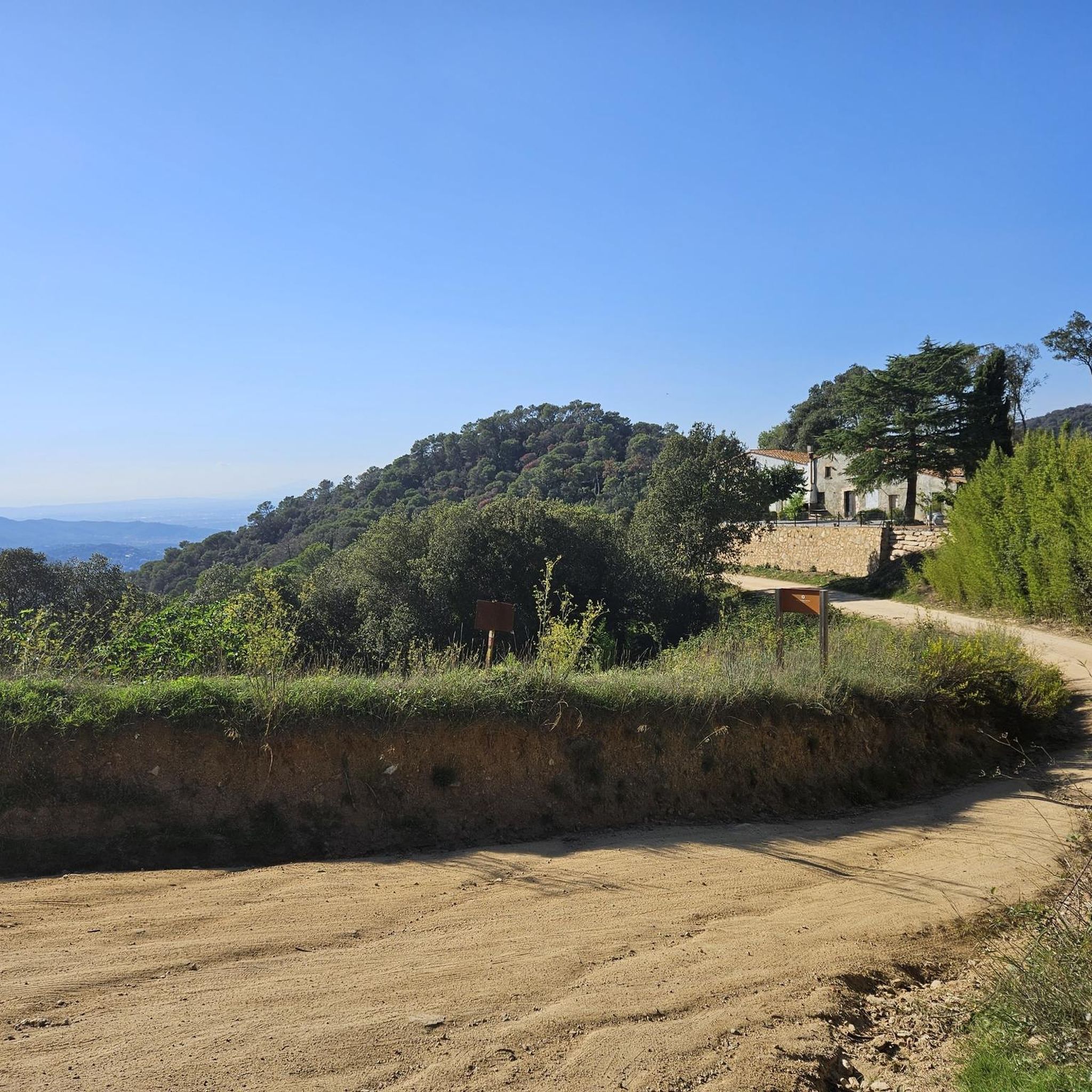
Access to many natural monuments, particularly those within the Parc de la Serralada Litoral, is often via forest tracks. For sites like the Dolmen of the Roca d'en Toni, there is usually designated parking nearby, allowing visitors to start their exploration easily. Public transport options might be limited directly to the monuments, so driving or combining public transport with a hike from a nearby town is often the most practical approach.
What kind of natural landscapes can I expect to see around Vilassar de Dalt's monuments?
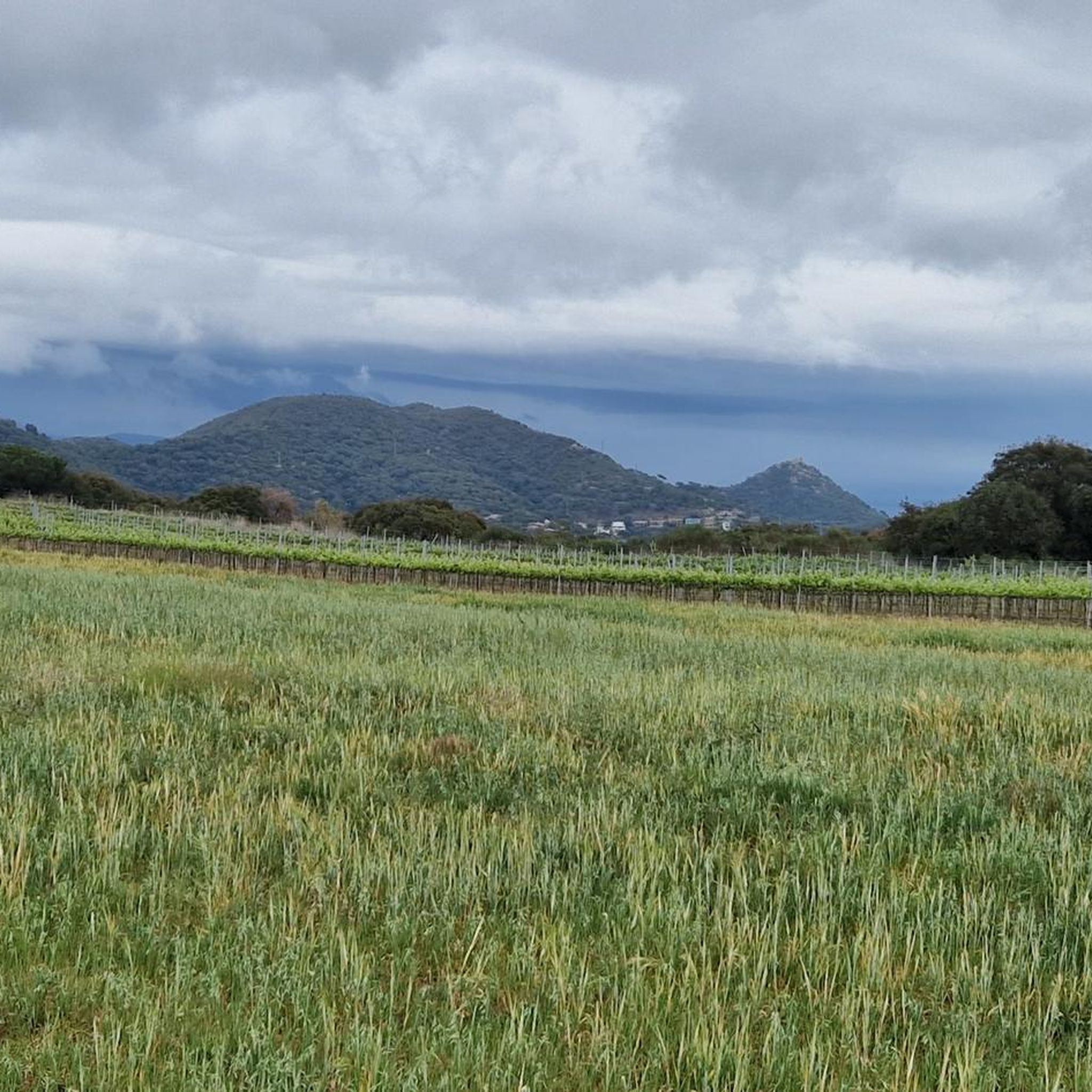
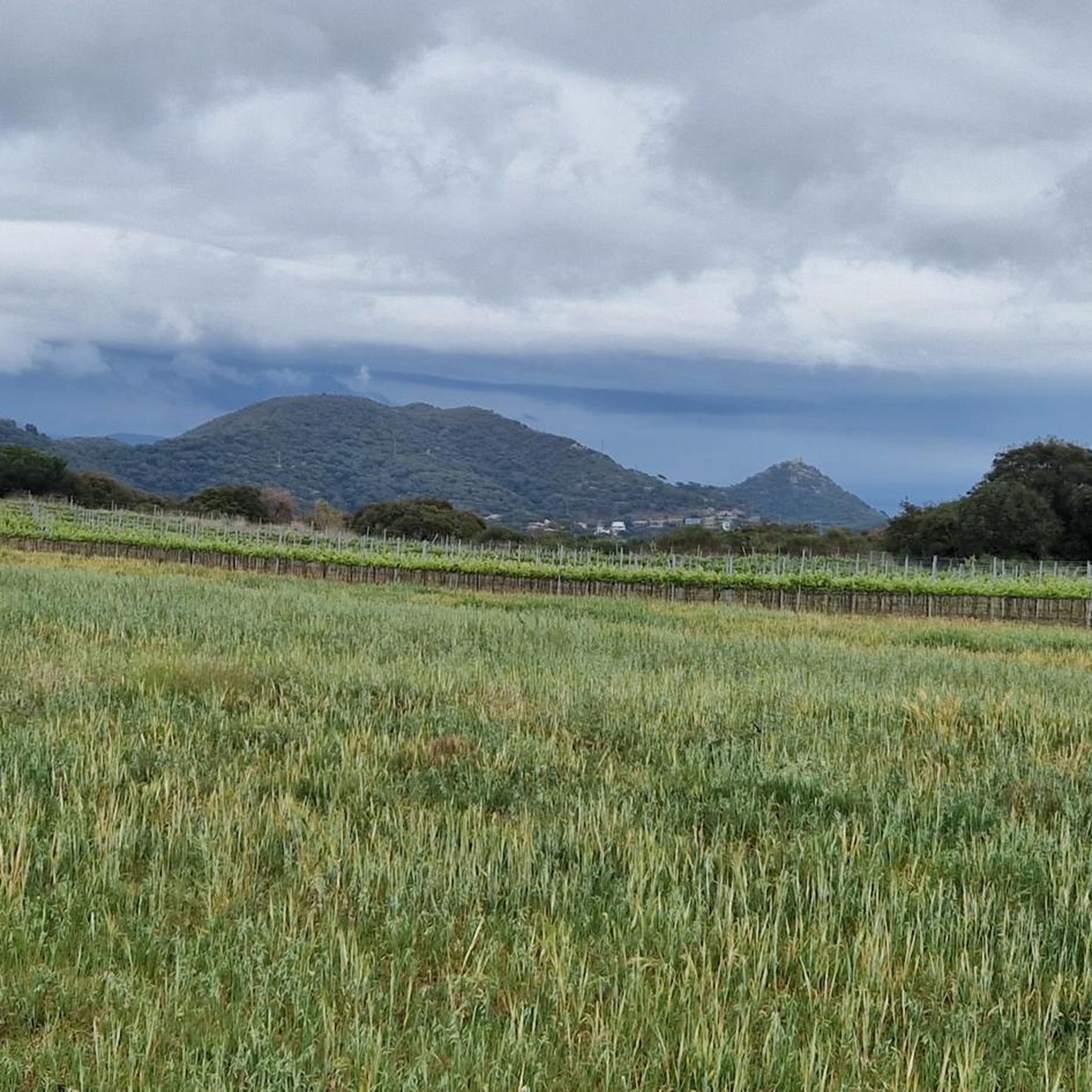
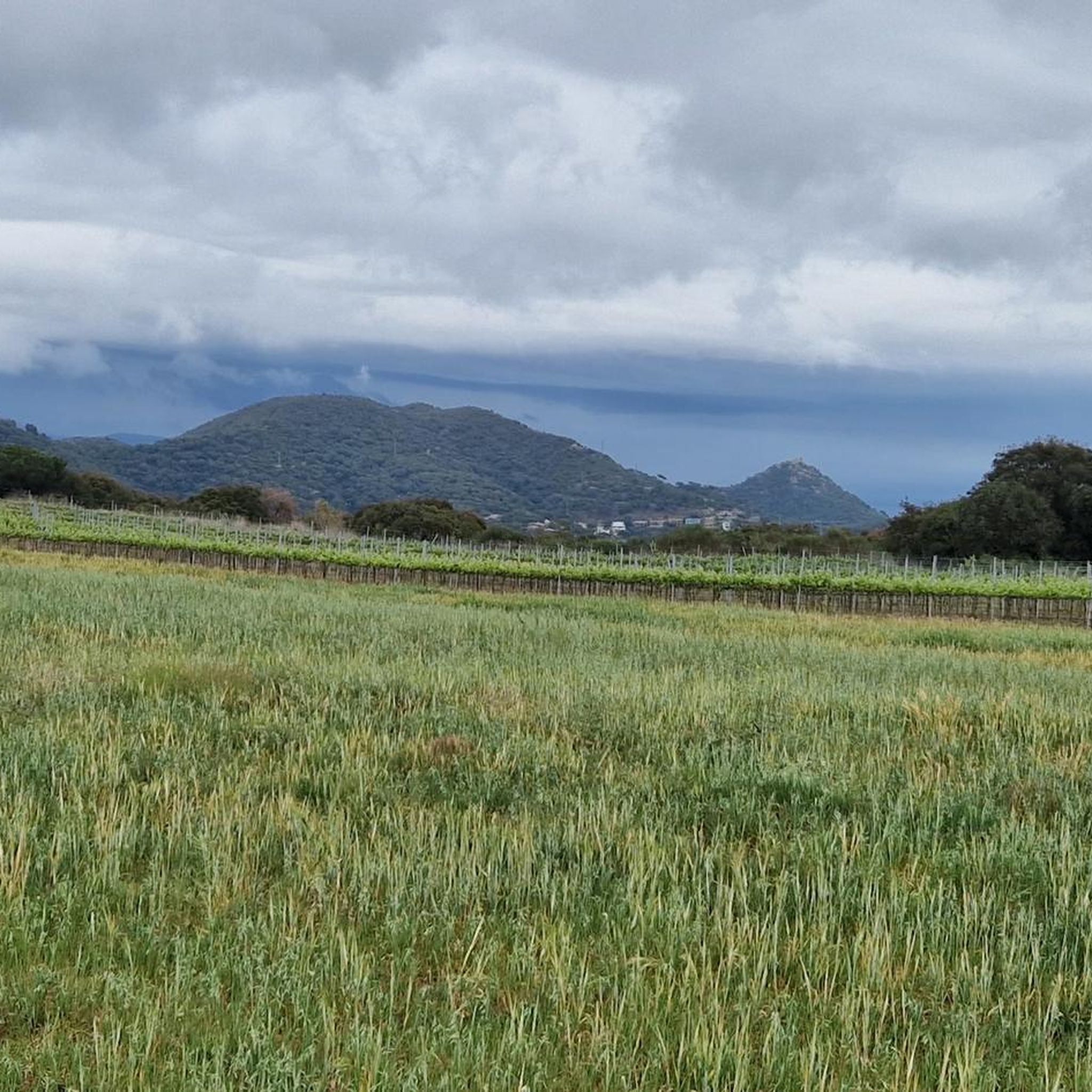
The natural monuments in Vilassar de Dalt are nestled within a diverse landscape, primarily characterized by the Parc de la Serralada Litoral. You can expect to see serene pine and holm oak forests, offering shade and tranquility. Many sites provide spectacular panoramic views of the coast and the coastal plain, contrasting the lush greenery with the Mediterranean Sea. The Gallecs Rural Area also showcases preserved agricultural landscapes and rich biodiversity.
Are there any viewpoints or scenic spots among the natural monuments?
Absolutely. Many natural monuments in Vilassar de Dalt offer excellent viewpoints. The Cova de la Granota, for instance, provides extensive panoramic views of the sea and the coastal plain. Similarly, the location of the Dolmen de Céllecs, dominating the Pre-coastal Depression, suggests it was chosen for its visibility and commanding views. Exploring these sites often rewards visitors with stunning vistas of the surrounding natural beauty.
What do visitors typically enjoy most about the natural monuments in Vilassar de Dalt?
Visitors frequently appreciate the unique blend of historical significance and natural beauty. The opportunity to witness ancient human occupation at sites like the Dolmen of the Roca d'en Toni, combined with serene natural surroundings and spectacular coastal views, is a major draw. The easy and short hiking trails connecting these sites also allow for a pleasant combination of cultural exploration and natural appreciation, making for a rewarding experience.
Most popular routes around Vilassar De Dalt
Most popular attractions around Vilassar De Dalt

Get inspired with the komoot mobile app


Explore more
Extend your search for the best caves by checking out these guides of the top ones around Vilassar De Dalt:
