Top 18 Natural Monuments around Dehesas De Guadix
Best natural monuments around Dehesas De Guadix are characterized by a striking badlands topography, shaped by millions of years of erosion within the Granada Geopark. This region offers access to diverse natural landscapes, featuring unique geological formations and scenic beauty. The area's rivers have carved dramatic terrain, creating green oases amidst arid surroundings. These natural features provide opportunities to observe geological processes and local ecosystems.
Best natural monuments around Dehesas De Guadix
- The most popular natural monuments is Gorafe Desert…
Last updated: July 15, 2026
Los Coloraos Badlands
Highlight • Canyon
Translated by Google •
Tip by

Gorafe Desert
Highlight • Canyon
Los Coloraos is one of its most popular areas, owing its …
Tip by

Sign up now to discover places like this
Get recommendations on the best single tracks, peaks, & plenty of other exciting outdoor places.
Sign up for free
Gorafe Desert Canyons
Highlight • Canyon
Translated by Google •
Tip by

Acequia del Toril
Highlight • Natural Monument
Translated by Google •
Tip by

Puntal de Don Diego Viewpoint
Highlight • Viewpoint
Translated by Google •
Tip by

Sign up for free to discover even more natural monuments around Dehesas De Guadix.
Sign up for free
Already have an account?
Start today with a free account
Your next adventure awaits.
Login or Signup

Tips from the Community

The 47 km loop is breathtaking for about half of the tour: mind-blowing views as far as the eye can see over 360°. Then in the second part, lots of roads that climb constantly... you have to be in good shape for this loop. The little extra: the tapas bar in the city center after that.
1
0

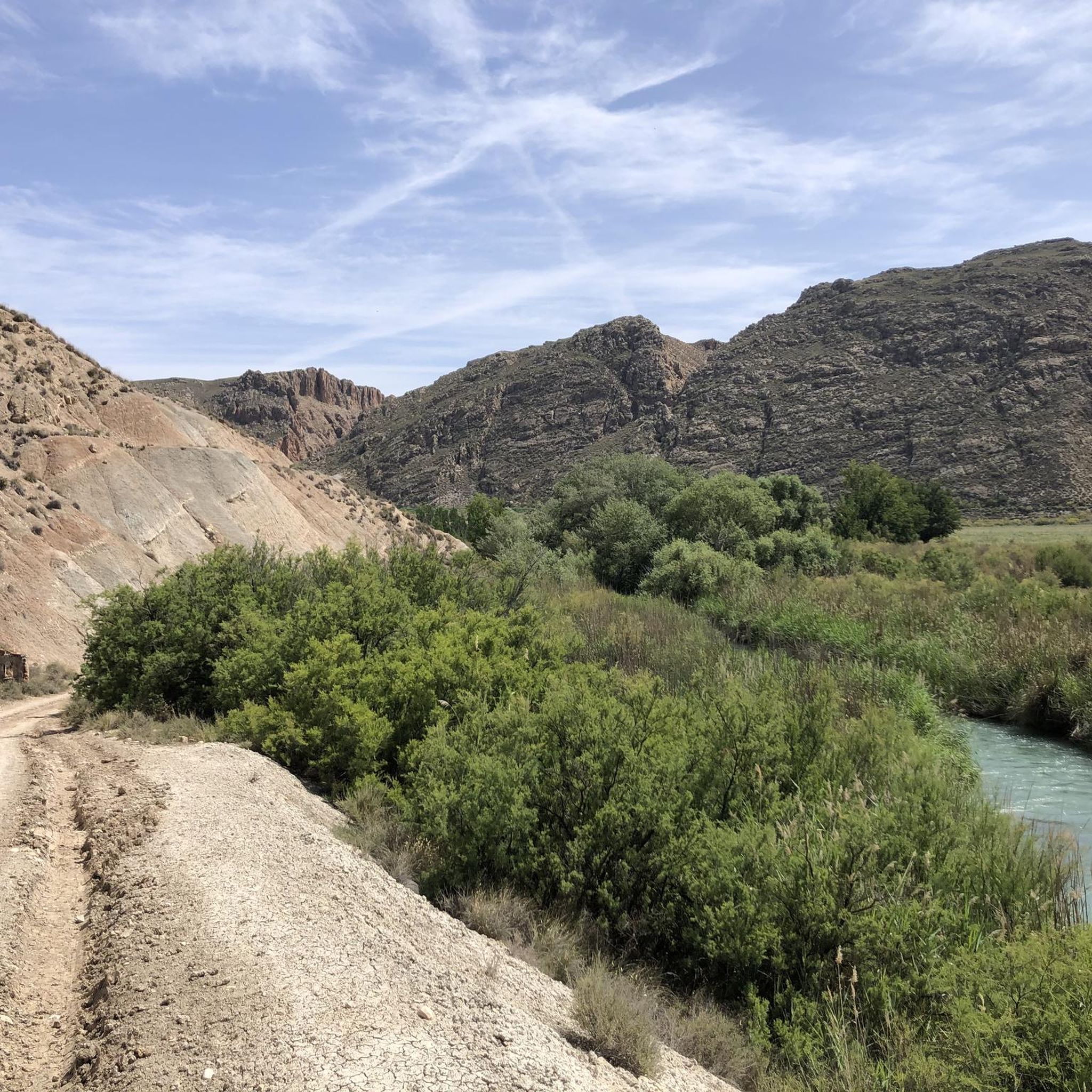
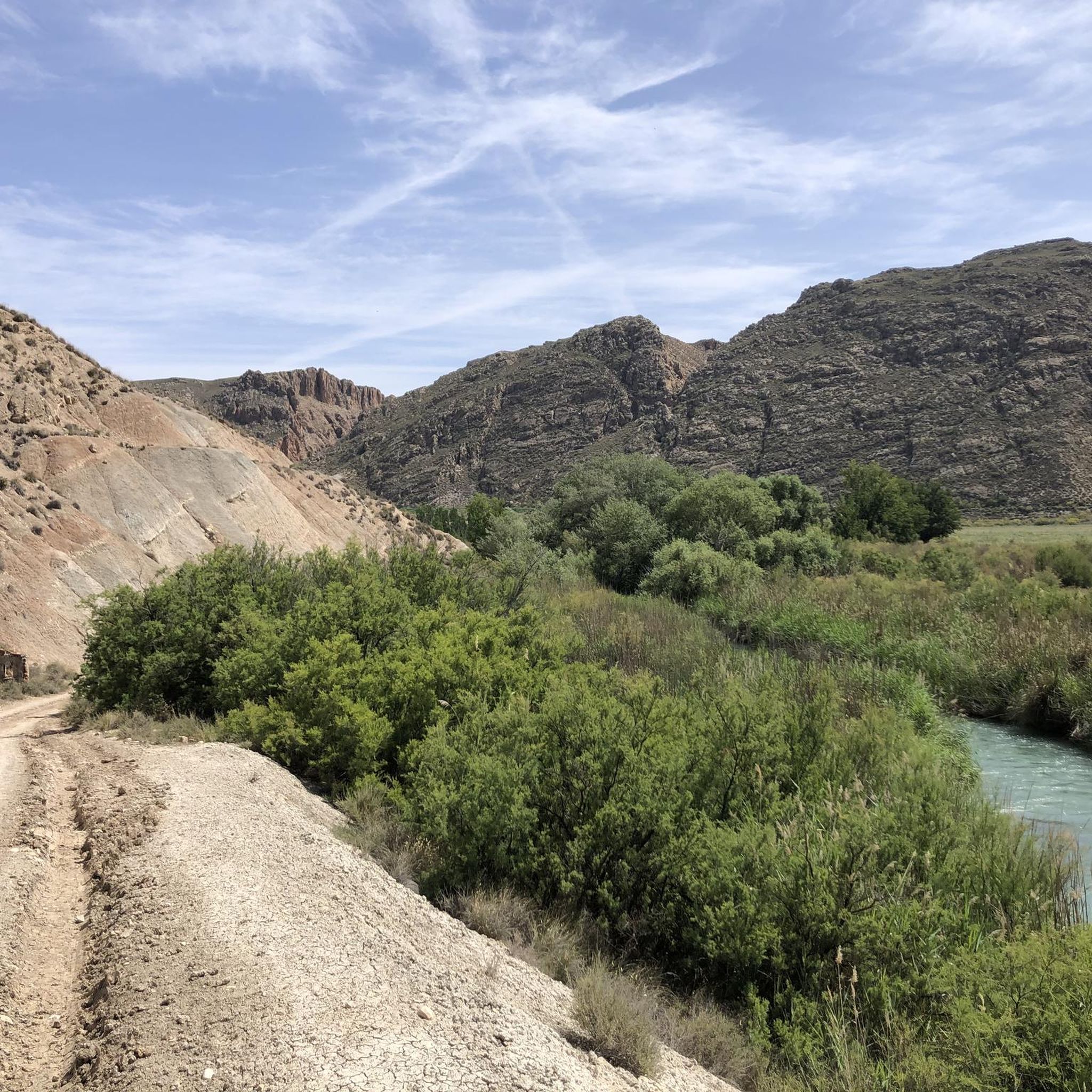
The Troil Canal. According to scientists, they date back at least 3600 years ago. Due to the precipitation of calcium carbonate, these canals grew and continuously formed these amazing walls (some of them are 4 meters wide at the base, less than a meter wide at the top, 15 meters high and reach a length of almost 750 meters
6
0

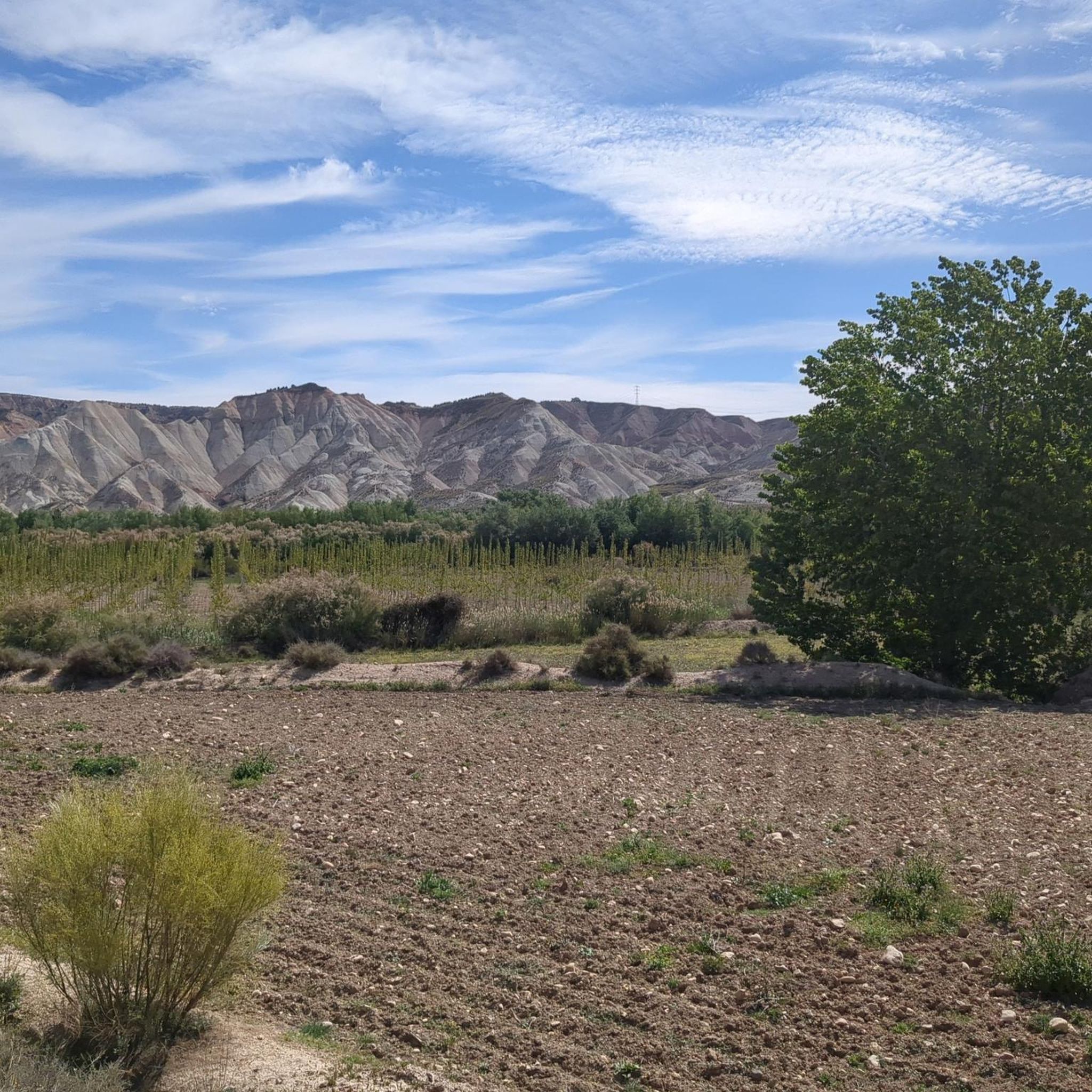
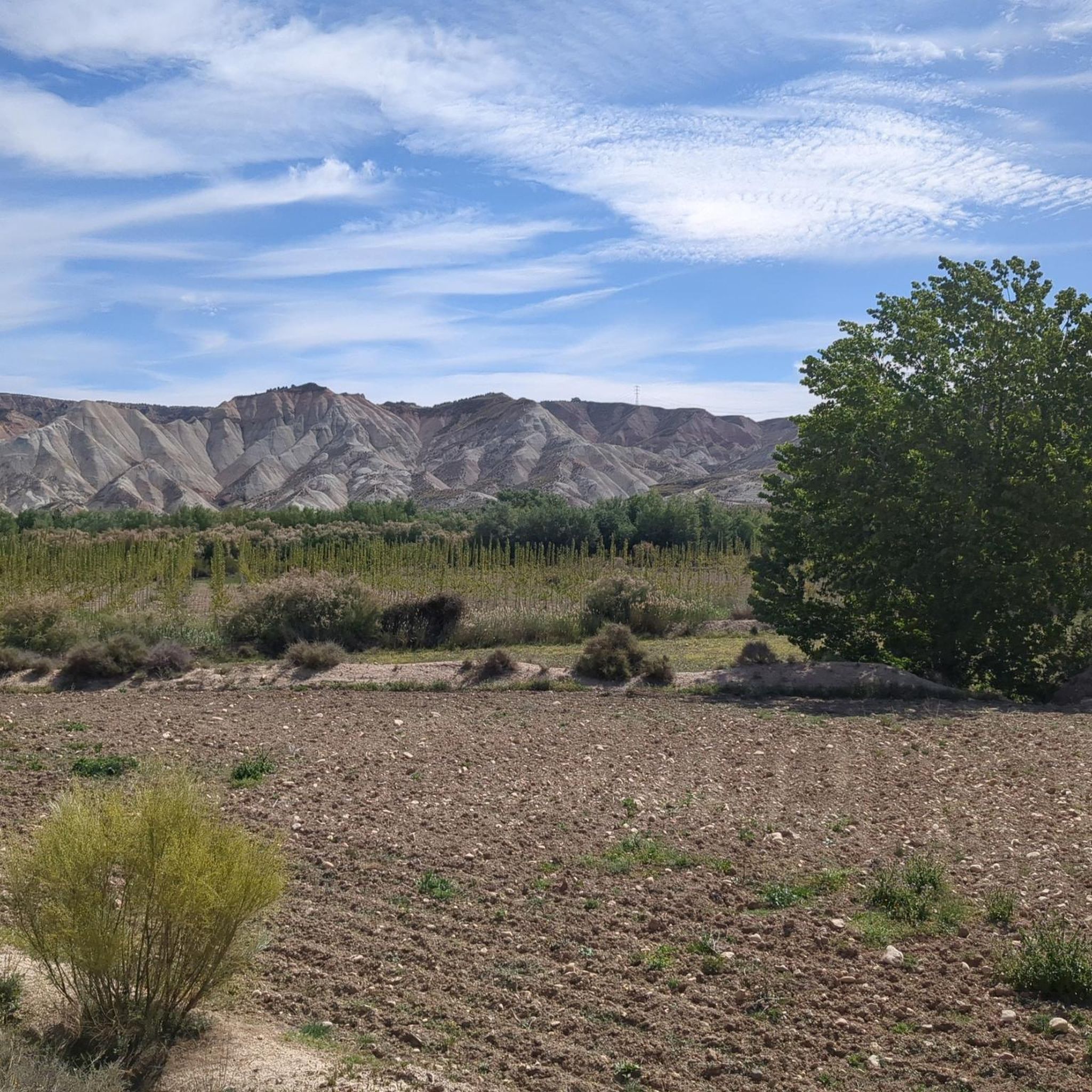
The Gorafe Desert is a natural gem located in the province of Granada. This desert is characterized by its impressive geological formations, known as “badlands”, which create a landscape of canyons, ravines and fairy chimneys. The desert is located in the Guadix-Baza Depression, a sedimentary basin that once housed a lake. Today, it is famous for its changing colors throughout the day, ranging from ochres and reds to yellows. In addition, the area is rich in paleontological and archaeological sites, including more than 240 dolmens in the Gorafe Megalithic Park.
1
0

Beautiful viewpoint with views of the Sierra Nevada and the Badlands.
2
0

A very interesting natural phenomenon that goes back to the first humans and beyond. An old calcareous water source that has been building itself for many thousands of years to the wall it has become today. At the top, the water still flows abundantly through the source. The water is still clearly visible on the road side, as the surrounding ground is even higher.
2
0
Beautiful viewpoint over the desert of Gorafe. A unique landscape full of gorges and valleys that is reminiscent of the Grand Canyon in the United States, but is also completely different and unique. If you turn around, you will see that you are standing on a plateau, which only makes the experience more special.
1
0
Beautiful view over the desert plains of Gorafe. You feel like you are on the edge of the world, where it crashes down all around you, resulting in a fantastic view.
2
0

The view is just mind-blowing! This is truly gravel riding paradise.
2
0
Frequently Asked Questions
What unique geological features can I explore around Dehesas De Guadix?
The region is renowned for its striking 'badlands' topography, shaped by millions of years of erosion within the Granada Geopark. You can explore impressive geological formations like the Gorafe Desert, which features canyons, ravines, and 'fairy chimneys' carved out of clay soils. The predominant red, ocher, and yellow hues of the land create a spectacular and ever-changing palette.
Are there any viewpoints offering panoramic views of the natural monuments?
Yes, the Puntal de Don Diego Viewpoint is an excellent spot. It offers panoramic views of the Los Coloraos desert landscape, providing a vantage point to observe the extensive badlands and the unique 'lunar landscapes' of the region. There's also a viewpoint in Dehesas de Guadix itself, offering fantastic views over the region.
What kind of outdoor activities can I do near these natural monuments?
The area provides ample opportunities for various outdoor activities. You can find numerous routes for hiking, mountain biking, and gravel biking. For example, explore hiking trails like the 'Gorafe Desert Canyons – Los Coloraos Badlands loop' or cycling routes such as the 'Los Coloraos Desert – Badlands of Gorafe loop'. You can find more details on these activities in the hiking guide, cycling guide, and gravel biking guide for Dehesas De Guadix.
What is the Acequia del Toril and why is it significant?
The Acequia del Toril is a unique natural monument formed by a travertine (porous limestone) wall. This natural aqueduct, created over millennia without human intervention, has a winding route of over 1.5 kilometers and can reach more than 10 meters in height. It's significant for its geological formation and its historical use by early settlers for water supply, dating back at least 3600 years.
Are there any natural monuments known for their vibrant colors?
Yes, the Los Coloraos Badlands are particularly known for their striking colors. The name 'Coloraos' refers to the predominant red, magenta, and orange hues of its clay soil geological formations. These colors are especially vivid during sunrise and sunset, creating a truly spectacular natural wonder.
What kind of wildlife can be spotted near the natural monuments?
The riverine ecosystems, particularly along the Río Guadiana Menor and Río Fardes, serve as vital green corridors in the arid region. These areas support diverse flora and provide habitats for various bird species like imperial herons and little egrets, as well as otters and native fish. Keep an eye out near the water sources for a chance to spot local wildlife.
What is the best time of day to visit the badlands for photography?
For photography, the early morning or late evening, particularly during sunrise and sunset, are ideal. The golden light at these times enhances the colors of the canyon walls and badlands, transforming them into beautiful hues of red, magenta, and orange, as seen in areas like Los Coloraos.
Are there any historical or archaeological connections to the natural landscape?
Absolutely. The natural features are deeply intertwined with the area's rich history. The Gorafe Desert is home to significant archaeological heritage, including numerous prehistoric dolmens and petroglyphs. The confluence of the Río Guadiana Menor and Río Fardes is also the location of the archaeological site of La Terrera del Reloj, highlighting long-standing human interaction with these waterways. The historical significance of the Río Guadahortuna as an ancient communication route also adds to the region's appeal.
What should I be aware of when visiting the badlands, especially regarding weather?
The clay soils of the badlands can become extremely muddy and sticky after rain, making it very difficult, if not impossible, to pedal or even walk in some areas. It's advisable to check the weather forecast and avoid descending into ravines if it has recently rained or is expected to rain. Caution is advised for gravel riders and mountain bikers in such conditions.
Can I experience stargazing near the natural monuments?
Yes, the Gorafe Desert area, particularly around Los Coloraos, is known for its dark night skies. The Astronomical Complex 'Los Coloraos' offers astrotourism experiences, combining stargazing with cultural activities. The clear skies provide a unique opportunity to enjoy the night sky in this stunning natural setting.
What makes the rivers in the Dehesas De Guadix region important?
The Río Fardes, Río Guadahortuna, and Río Guadiana Menor are crucial to the natural landscape. They have shaped the dramatic terrain, creating green oases amidst the arid surroundings. These riverine ecosystems support diverse plant life like reeds, tamarisk, poplars, and elms, and provide essential habitats for various animal species, contributing significantly to the region's biodiversity.
Most popular routes around Dehesas De Guadix
Most popular attractions around Dehesas De Guadix

Get inspired with the komoot mobile app


Explore more
Extend your search for the best caves by checking out these guides of the top ones around Dehesas De Guadix:
