Top 12 Natural Monuments around Torredonjimeno
Best natural monuments around Torredonjimeno offer a blend of ecological, scenic, and historical interest within the province of Jaén, Spain. The municipality features diverse landscapes, from gypsum formations and Mediterranean vegetation to deeply eroded stream valleys. These sites often hold archaeological remains, reflecting Iberian and Roman habitation, alongside natural beauty. The area's natural monuments provide insight into its geological history, unique ecosystems, and cultural heritage.
Best natural monuments around Torredonjimeno
- The most popular natural monuments is Fuente del palo,…
Last updated: July 1, 2026
Ojo de buey
Highlight • Natural Monument
It is a spectacle worth seeing except that you have to …
Translated by Google •
Tip by

Fuente del palo
Highlight • Natural Monument
It is called that because it has a stick inserted into the tube that prevents the water from being emptied unnecessarily.
Translated by Google •
Tip by
Sign up now to discover places like this
Get recommendations on the best single tracks, peaks, & plenty of other exciting outdoor places.
Sign up for free
Path of Remembrance
Highlight • Monument
Translated by Google •
Tip by
Pilar de Villardompardo
Highlight • Structure
Translated by Google •
Tip by
Sanctuary of the Virgin of the Villa
Highlight • Religious Site
Translated by Google •
Tip by

Sign up for free to discover even more natural monuments around Torredonjimeno.
Sign up for free
Already have an account?
Start today with a free account
Your next adventure awaits.
Login or Signup
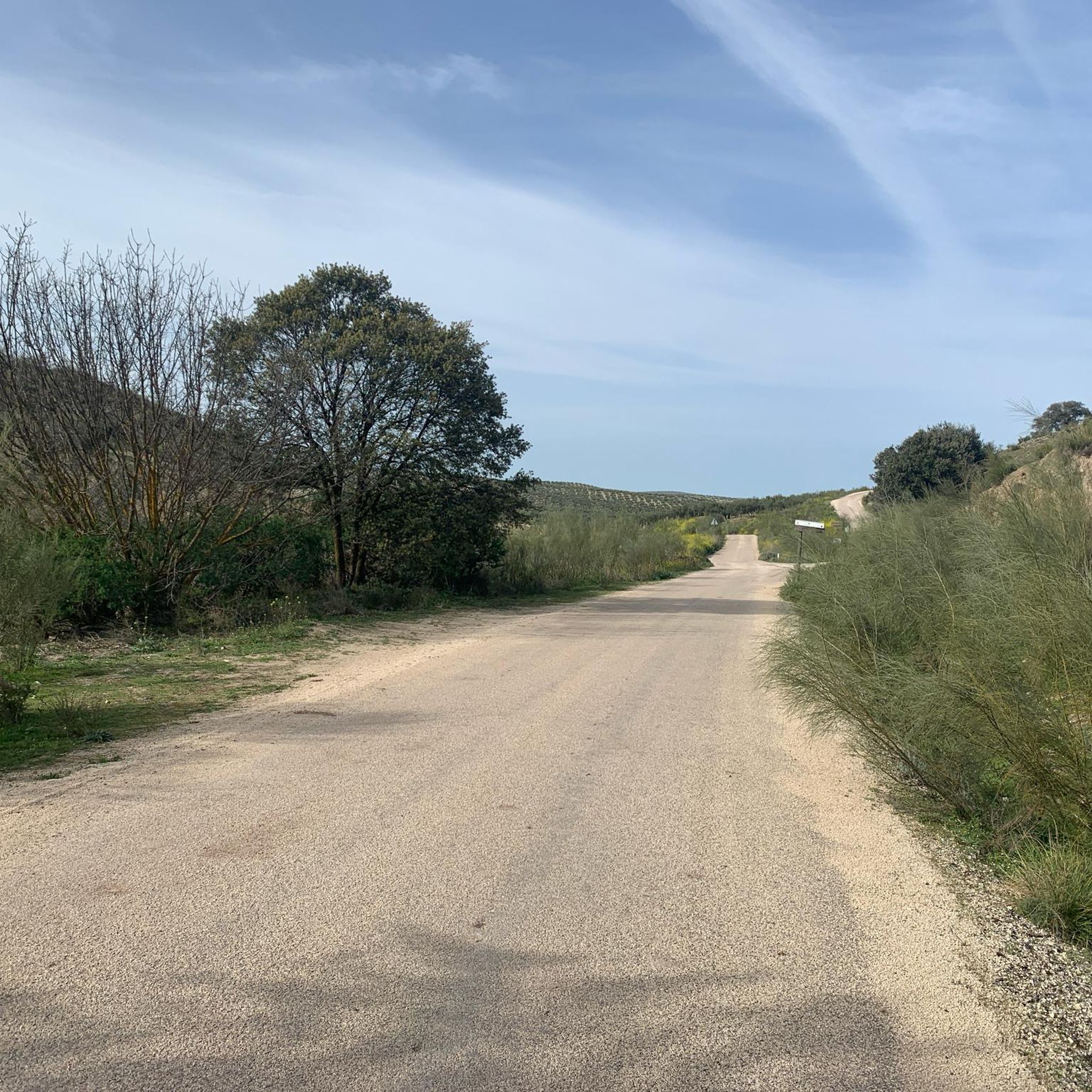
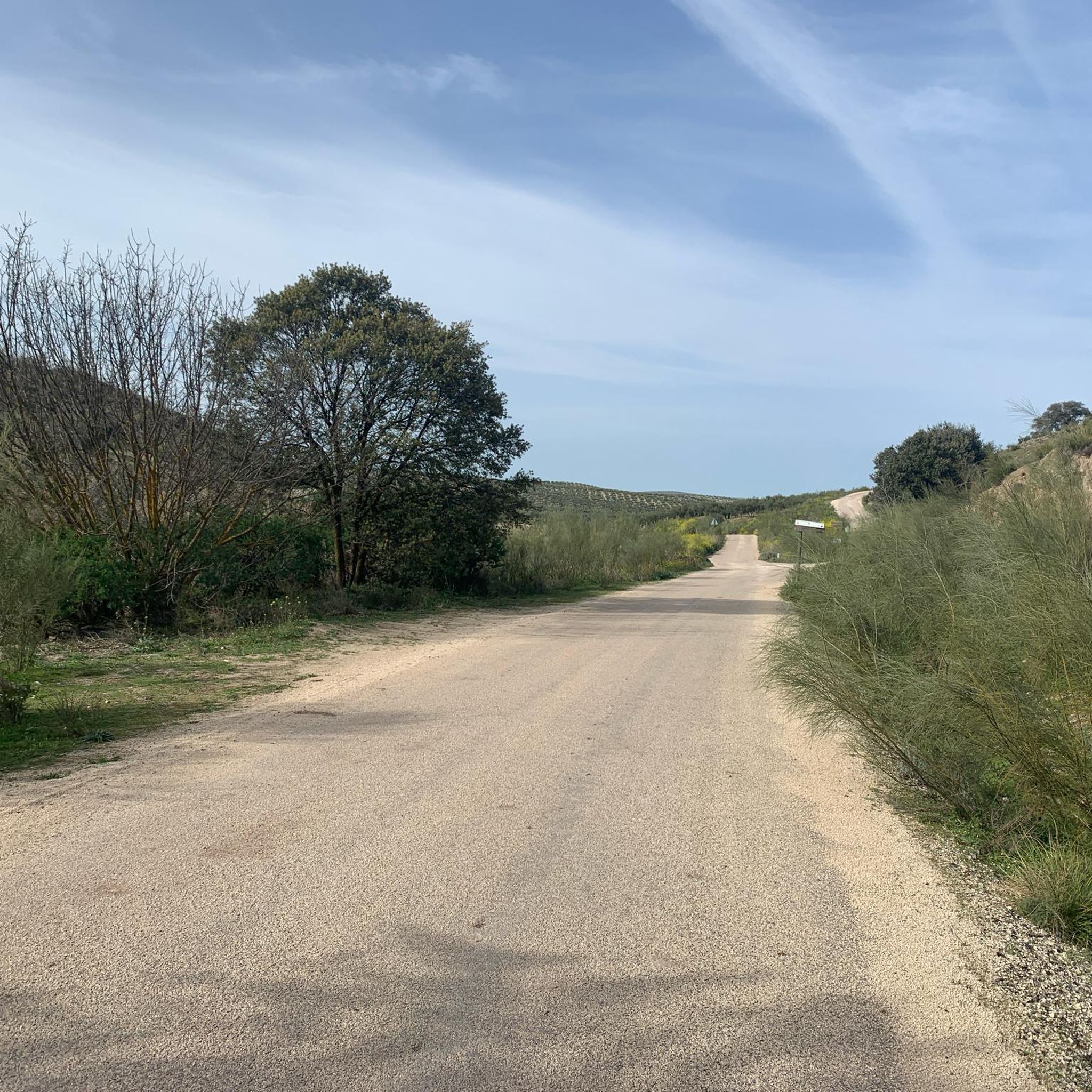
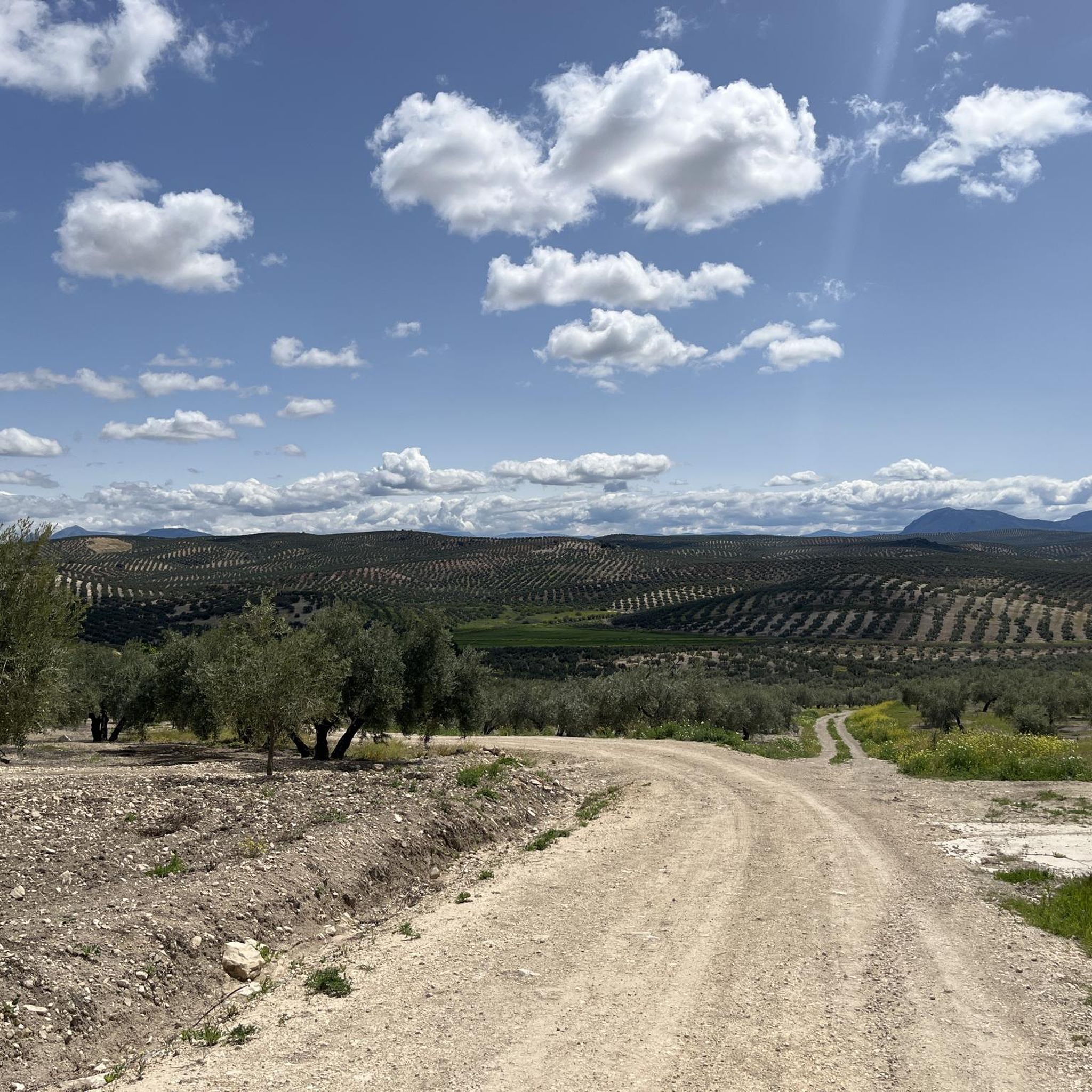
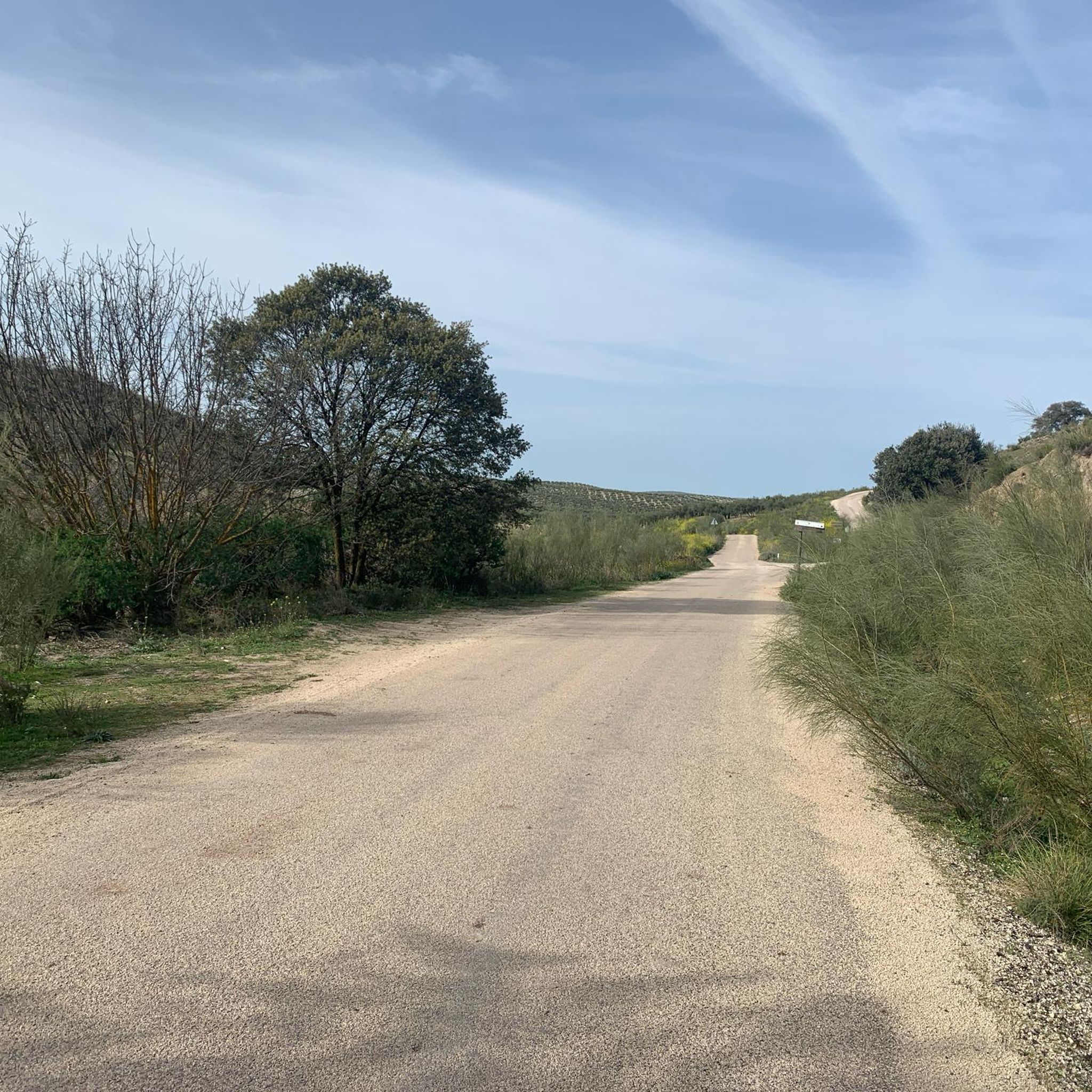

Tips from the Community

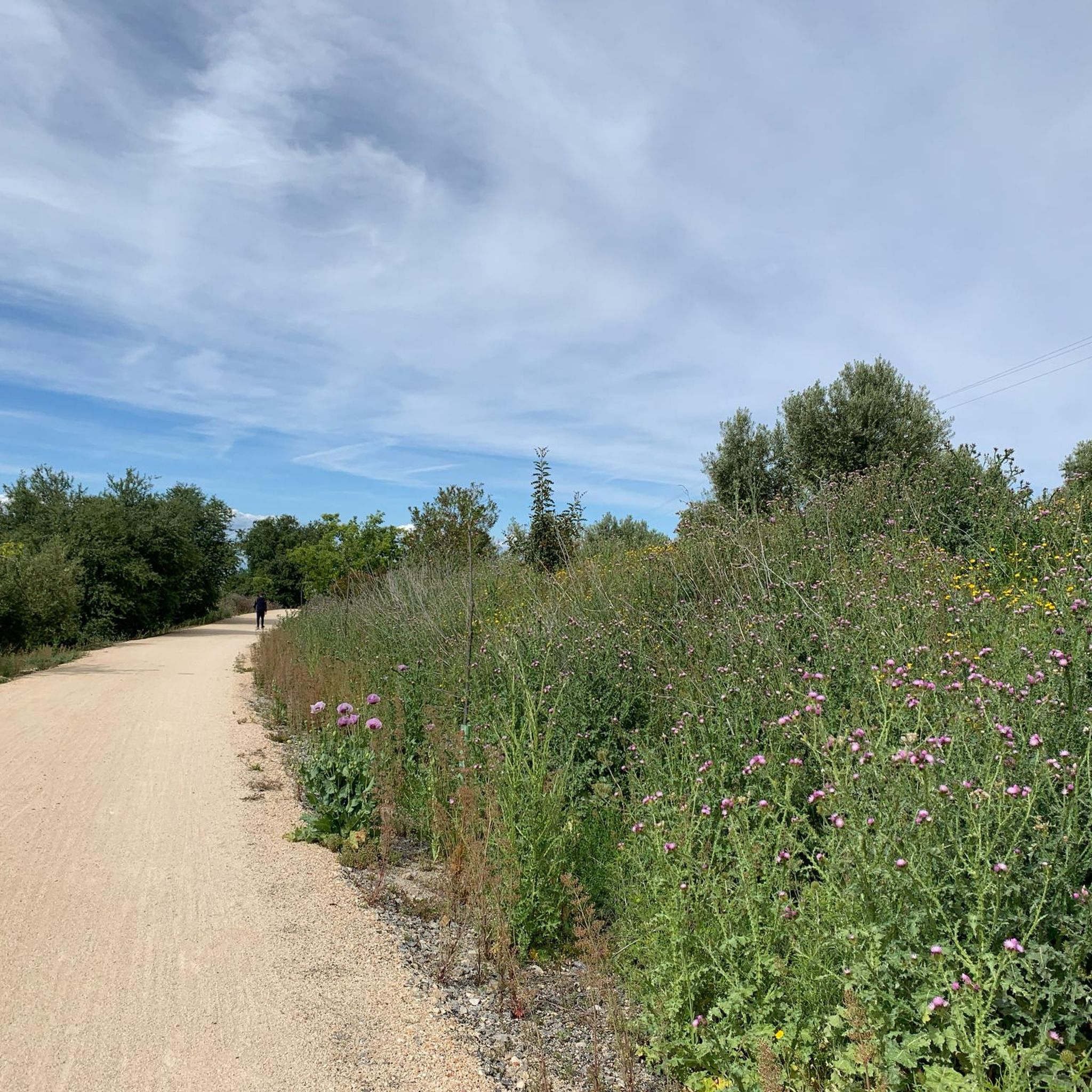
The victims of COVID-19 are memorialized on the Vía Verde del Aceite (Olive Oil Greenway) in a mural located between the towns of Torredelcampo and Torredonjimeno.
11
0
This spring is as old as life itself, as it gave rise to the human settlement whose current name is Villardompardo, a town about 20 km from the capital. This spring is the result of the union of another spring with low salinity, but when they merge, the water becomes drinkable. Like most naturally flowing springs, it has no sanitary treatment, but it has been consumed by the town's residents for centuries and has never caused any problems.
6
0

The Santuario de la Virgen de la Villa in Martos is an impressive church building in the town. It is located on a hilltop, making it a prominent feature of the cityscape. The church is dedicated to the Virgen de la Villa, also known as La Labradora (the farmer's wife). The original church was built after the reconquest of Martos by Fernando III in 1219, and was later restored and rebuilt after damage inflicted during the Spanish Civil War. The current building is in a neo-Baroque style and was designed by the architect Ramón Pajares Pardo. The church has a cruciform plan with a choir and a cross vault with three arcos fajones.
9
0
The viewpoint at the Santuario de la Virgen de la Villa in Martos offers a beautiful view of the town and the surrounding landscapes. It is located on a hilltop, which makes it a strategic place to admire the panoramic views. From the viewpoint you can see the town of Martos, the surrounding olive groves and the Sierra Morena. It is a popular place for both tourists and locals to enjoy the peace and nature.
8
0
The Path of Remembrance, a living memorial to the victims of the pandemic.
10
0
Although it puts the obligatory "untreated water" sign, it means that it does not contain chlorine and that it flows naturally from the same spring.
5
0
It is a sum construction of two great springs that are born in the same town and that were surely the origin of the human settlement since the dawn of time. As a result of unfortunate political decisions, it was demolished around the 1970s, and later rebuilt in 2016 for the enjoyment of residents and visitors.
5
0
A must stop for hikers and cyclists. It is called that because it has a stick inserted into the tube that prevents the water from being emptied unnecessarily.
5
0
Frequently Asked Questions
What unique natural features can I explore around Torredonjimeno?
Torredonjimeno offers a variety of unique natural features. You can visit Ojo de buey, a fascinating rock fissure that gushes water during periods of heavy rainfall. Another notable site is Piedras Cucas, featuring a rare gypsum olistolith and significant archaeological remains. The Arroyo Salado is also unique for its brackish water, supporting flora and fauna typically found in marine areas, making it a site of ecological importance.
Are there natural monuments with historical or archaeological significance in the region?
Yes, several natural monuments around Torredonjimeno are rich in history. Piedras Cucas contains archaeological remains of an Iberian oppidum and Civil War trenches. La Covatilla is an archaeological site with evidence of Iberian and Roman habitation, offering panoramic views. The historic Molino del Cubo, a mill built in 1437 by the Order of Calatrava, is set amidst Roman archaeological remains and natural waterfalls.
Where can I find panoramic views of the landscape around Torredonjimeno?
For breathtaking panoramic views, consider visiting Piedras Lisas, which offers extensive vistas of the surrounding Mediterranean landscape. La Covatilla also provides magnificent views of Torredonjimeno and its geographical landmarks. Additionally, Cerro del Calvario, known as the 'lungs of the town,' offers excellent views of Torredonjimeno's historic center from its pine-covered summit.
What kind of wildlife can I expect to see at the natural monuments?
The natural monuments around Torredonjimeno support diverse wildlife. The Lagunas de las Navas and Lagunas de las Casillas are crucial seasonal wetlands for aquatic birds, serving as breeding, resting, and feeding grounds. These wetlands are also particularly important for amphibian species, including the threatened common spadefoot toad. The Arroyo Salado, with its unique brackish water, supports specialized flora and fauna rare inland.
Are there family-friendly natural monuments or trails suitable for children?
Yes, there are options suitable for families. The Path of Remembrance is a man-made trail located on the Vía Verde del Aceite, offering an accessible and reflective experience. While not strictly a natural monument, the Pilar de Villardompardo, a historical spring, is also considered family-friendly and has been rebuilt for public enjoyment.
What outdoor activities can I do near these natural monuments?
The area around Torredonjimeno is excellent for various outdoor activities. You can find numerous hiking trails, including moderate routes like 'Castillo de la Peña - circular' or 'The olive groves of Torredonjimeno - circular via the green way of Oil.' There are also many running and road cycling routes available. For more details on routes, you can explore the Hiking around Torredonjimeno, Running Trails around Torredonjimeno, and Road Cycling Routes around Torredonjimeno guides.
Where can I experience diverse Mediterranean vegetation?
For a rich display of Mediterranean vegetation, visit Piedras Lisas, characterized by well-preserved holm oaks, kermes oaks, and various rock-dwelling plants. Fuente Pallá also boasts diverse riverside vegetation like poplars, willows, and elms, alongside sumac groves and prickly pears. Cerro del Calvario is covered in a pine forest mixed with holm oaks and Mediterranean scrub.
Are there any natural monuments associated with local legends or folklore?
Yes, some sites are intertwined with local legends. Fuente Pallá is known for a popular local legend of a ghost inhabiting an old flour mill. Similarly, Molino del Cubo, a historical mill, is also associated with local legends and ghost stories, adding a unique cultural layer to its natural and historical significance.
What is the best time to visit the natural monuments around Torredonjimeno?
While specific recommendations vary by site, spring and autumn generally offer the most pleasant weather for exploring the natural monuments, with milder temperatures ideal for hiking and outdoor activities. During periods of abundant rainfall, the Ojo de buey becomes a spectacular sight as water gushes from its fissure.
What do visitors enjoy most about the natural monuments in Torredonjimeno?
Visitors particularly appreciate the unique natural phenomena, such as the rare water flow at Ojo de buey, which is considered a spectacle. The Fuente del palo is a popular stop for hikers and cyclists, valued for its natural setting and unique water regulation feature. The blend of natural beauty with historical and archaeological elements, like those found at Piedras Cucas and Molino del Cubo, also receives high praise.
Is there a natural monument that highlights the region's historical industries?
The Salinas de San José is a singular salt flat with written records dating back to the 16th century. It represents a unique eco-cultural, tourist, and educational heritage, offering insight into the region's historical salt production and its importance to the local economy over centuries.
Where can I find a natural monument that is also a significant ecological site?
The Arroyo Salado valley is recognized for its significant ecological and landscape value, particularly in its riparian zones. Its unique characteristics, including brackish water supporting rare flora and fauna, have led to its inclusion in the Natura 2000 network as a Site of Community Importance (LIC) and a Special Protection Area for Birds (ZEPA).
Most popular routes around Torredonjimeno
Most popular attractions around Torredonjimeno

Get inspired with the komoot mobile app


Explore more
Extend your search for the best caves by checking out these guides of the top ones around Torredonjimeno:
