Top 6 Natural Monuments around Tapioles
Natural monuments around Tapioles are primarily characterized by the nearby Lagunas de Villafáfila Natural Reserve, a significant wetland complex in the Tierra de Campos region of Zamora, Spain. This area features saline lakes and a steppe landscape, providing a habitat for diverse bird species. The reserve is recognized as an important location for observing aquatic, steppe, and migratory birds, including the Great Bustard. Its unique ecosystem offers opportunities for wildlife observation and exploration.
Best natural monuments around Tapioles
- The most…
Last updated: July 1, 2026
Otero de Sariegos Bird Observatory
Highlight • Viewpoint
Translated by Google •
Tip by

Salina Grande Lagoon
Highlight • Lake
Translated by Google •
Tip by
Sign up now to discover places like this
Get recommendations on the best single tracks, peaks, & plenty of other exciting outdoor places.
Sign up for free
Villafáfila Lagoons Nature Reserve
Highlight • Lake
Translated by Google •
Tip by

Laguna de San Pedro
Highlight • Lake
Translated by Google •
Tip by

Revellinos Pond
Highlight • Lake
Translated by Google •
Tip by

Start today with a free account
Your next adventure awaits.
Login or Signup
Popular around Tapioles
Tips from the Community

An unexpected mirror in the middle of the road. The lagoon appears tranquil, almost motionless, as if the landscape had decided to pause for a long time. Water, sky, and silence playfully merging. It's not a place to arrive in a hurry: it's one of those places that steals a few minutes without asking permission and returns them to you in the form of calm.
0
0

It is the largest lagoon in the Lagunas de Villafáfila Nature Reserve.
1
0

Laguna Salina Grande is located in the Villafáfila Nature Reserve, in the province of Zamora. This lagoon is the largest in the reserve and is an ideal place for birdwatching, especially during winter and spring. In winter, thousands of geese and ducks congregate there, while in spring, a wide variety of waders can be observed. One of the most interesting routes to explore the area is the circular trail that passes by Laguna Salina Grande, the Otero de Sariegos bird observatory, and the Roman bridge in Villafáfila. This route offers an excellent opportunity to enjoy the reserve's wildlife and landscape.
5
0
Otero de Sariegos is an uninhabited village located in the municipality of Villafáfila, in the province of Zamora, Castile and León. This place is known for its natural lagoon, which attracts numerous tourists and birdwatchers due to the diversity of species found there. Historically, Otero de Sariegos has been linked to salt production since prehistoric times. The name "Sariegos" is believed to come from "saliegos," referring to salt producers. During the Middle Ages, salt exploitation reached its peak, and the area was filled with small villages dedicated to this activity. Although currently uninhabited, the site remains of interest for its historical and natural value.
5
0

This entire area is a wildlife sanctuary and a great place for bird watching. It's a great place to visit after the rainy season to see more birds, but when wet the trails can be tricky for a mountain bike.
1
0

Natural park and special protection area for migratory birds. The land is transformed into a massive wildlife habitat during the rainy season when the lakes are flooded.
1
0
The Lagunas de Villafáfila Nature Reserve is a protected wildlife reserve and an important stopover for migratory birds. Unfortunately, due to climate change, some years the lagoons dry up completely due to low rainfall.
1
1

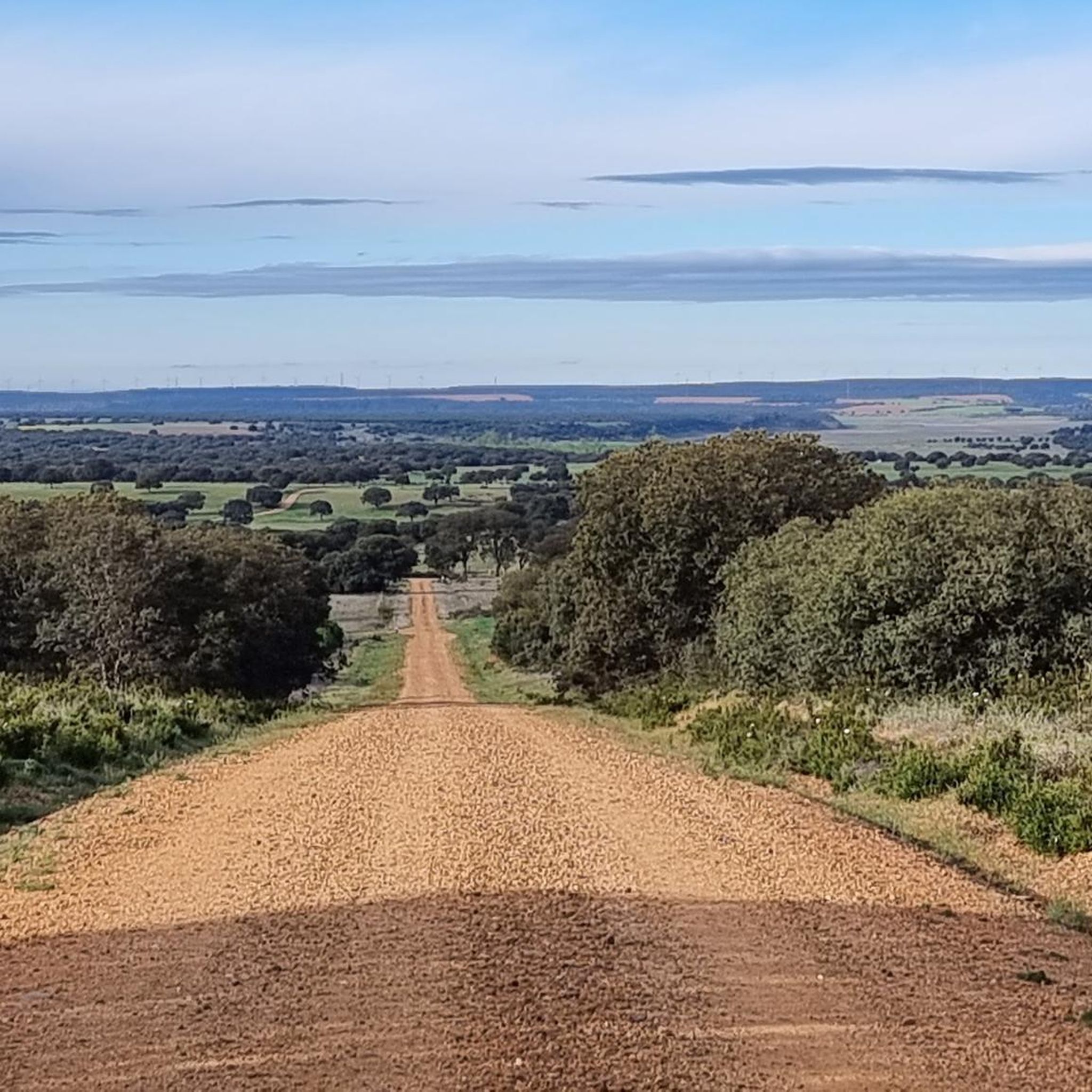
Beautiful views of the Salina Grande Lagoon as we walk along a picturesque path that surrounds the Lagunas de Villafáfila Nature Reserve. Without a doubt, a luxury for lovers of mountain biking, gravel or hiking. If we feel like it and we have time, it is always worth going to the Casa del Parque de Villafáfila (€2 adults) next to the road. lagunasdevillafafila.es/centro-de-interpretacion-de-las-lagunas/la-casa-del-parque
2
1
Frequently Asked Questions
What are the main natural attractions around Tapioles?
The primary natural attraction is the Villafáfila Lagoons Nature Reserve, a significant wetland complex known for its saline lakes and steppe landscape. It's a crucial habitat for diverse bird species and offers several observation points and trails.
What kind of wildlife can I expect to see in the Lagunas de Villafáfila Natural Reserve?
The reserve is a birdwatcher's paradise, hosting the largest breeding population of Great Bustards on the Iberian Peninsula. You can also observe numerous aquatic and wading birds, migratory geese, Lesser Kestrels, Montagu's harriers, and Marsh Harriers. Beyond birds, the area is home to foxes, wolves, and wild boars.
Are there specific viewpoints for birdwatching in the area?
Yes, the Otero de Sariegos Bird Observatory is a popular spot, featuring a nature observatory built in 1990 that offers excellent views of birds over the Salina Grande Lagoon. The reserve also has multiple observation cabins along its paths.
What is the best time to visit the Lagunas de Villafáfila Natural Reserve for birdwatching?
The reserve is particularly vibrant during winter when thousands of geese and ducks congregate at the Salina Grande Lagoon. Spring is ideal for observing a wide variety of waders, and November sees concentrations of cranes. For general wildlife, visiting after the rainy season can be rewarding, though trails might be wet.
Are there family-friendly natural monuments or activities around Tapioles?
Yes, several natural monuments are considered family-friendly. The Otero de Sariegos Bird Observatory, Salina Grande Lagoon, Villafáfila Lagoons Nature Reserve, and Revellinos Pond are all suitable for families, offering opportunities for easy walks and wildlife observation.
What kind of trails are available for hiking and cycling in the Lagunas de Villafáfila Natural Reserve?
The reserve offers well-maintained paths, including the Pathway of the Salina Grande, a 10.5 km circular route suitable for walking or cycling. This route provides excellent wildlife viewing opportunities. For more extensive cycling, you can explore various road cycling routes around Tapioles that pass through the natural park.
Is there a visitor center for the Lagunas de Villafáfila Natural Reserve?
Yes, the visitor center, 'Casa del Parque de las Lagunas de Villafáfila 'El Palomar',' is located on the road between Villafáfila and Tapioles. It serves as a good starting point, providing helpful information and guided visits to enhance your experience.
What makes the Salina Grande Lagoon unique?
The Salina Grande Lagoon is the largest of the saline lakes within the Villafáfila Nature Reserve. Its unique saline nature, due to salts permeating underlying materials, creates a distinct ecosystem that attracts thousands of geese and ducks in winter and a variety of waders in spring, making it a prime birdwatching location.
Are there any historical aspects to the natural monuments around Tapioles?
The area around Otero de Sariegos Bird Observatory has historical significance, particularly linked to salt production since prehistoric times. The name 'Sariegos' is believed to derive from 'saliegos,' referring to salt producers, highlighting the region's long history with this industry.
What do visitors enjoy most about the natural monuments near Tapioles?
Visitors particularly appreciate the diverse birdlife and the peaceful, unique natural setting of the Lagunas de Villafáfila Natural Reserve. The well-maintained paths and observation points allow for close-up views of wildlife, making it excellent for photography and tranquil walks. The transformation of the landscape during the rainy season, when the lakes flood, is also a highlight.
Can I find other notable lagoons besides Salina Grande?
Yes, within the Villafáfila Lagoons Nature Reserve, besides Salina Grande, you can also explore other significant saline lakes like Laguna Grande and Laguna de Barillos. Laguna de San Pedro is another wildlife sanctuary known for bird watching, especially after the rainy season.
Most popular routes around Tapioles
Most popular attractions around Tapioles

Get inspired with the komoot mobile app


Explore more
Extend your search for the best caves by checking out these guides of the top ones around Tapioles:
