Top 20 Natural Monuments around Cenes De La Vega
Best natural monuments around Cenes De La Vega include diverse landscapes ranging from river gorges to mountain ranges. This region, situated near the Sierra Nevada, offers unique geological formations and a rich natural environment. The area provides access to various outdoor activities and insights into both natural processes and historical land use. Its proximity to significant natural features makes it a notable destination for exploring the outdoors.
Best natural monuments around Cenes De La Vega
- The most popular natural monuments…
Last updated: July 15, 2026
Tajo de las Palomas
Highlight • Gorge
Translated by Google •
Tip by

Quéntar Reservoir
Highlight • Lake
Translated by Google •
Tip by

Sign up now to discover places like this
Get recommendations on the best single tracks, peaks, & plenty of other exciting outdoor places.
Sign up for free
University of Granada Botanical Garden
Highlight • Natural
Translated by Google •
Tip by
Lower Gardens of the Generalife
Highlight • Natural Monument
Translated by Google •
Tip by
Carmen de los Mártires Gardens
Highlight • Historical Site
Translated by Google •
Tip by
Sign up for free to discover even more natural monuments around Cenes De La Vega.
Sign up for free
Already have an account?
Start today with a free account
Your next adventure awaits.
Login or Signup
Popular around Cenes De La Vega
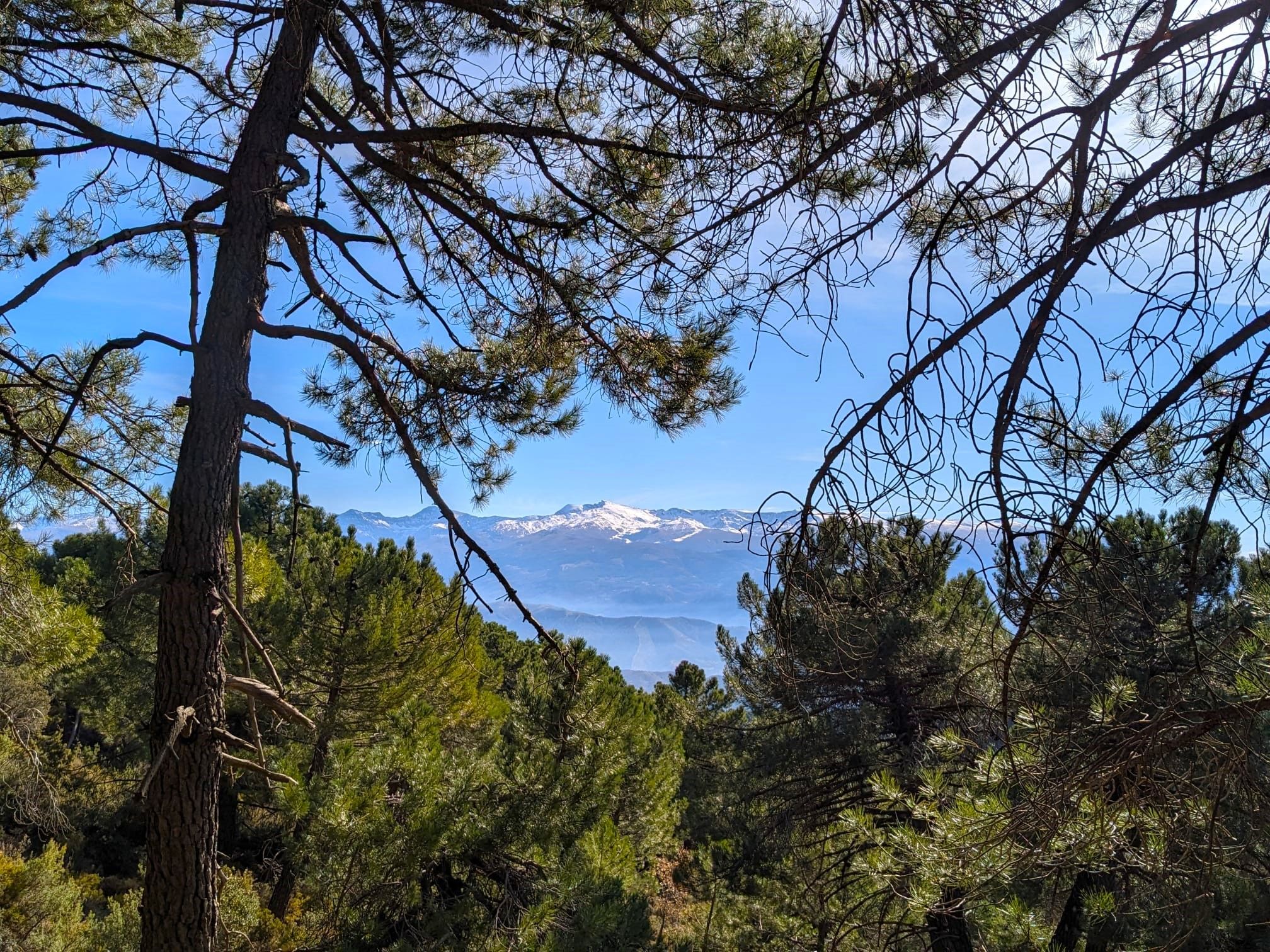
La Vega de Granada – walks a stone's throw from the city
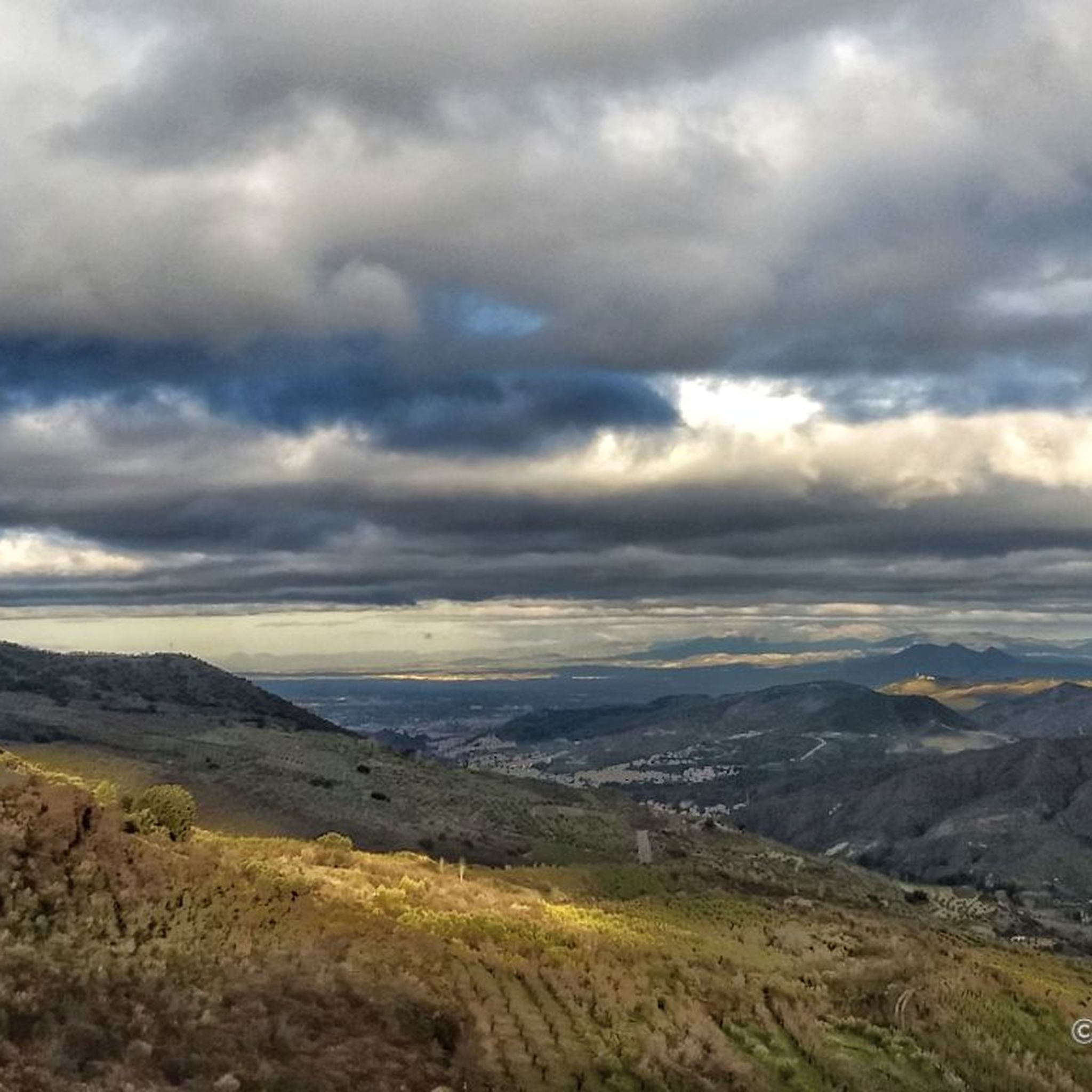
Road Cycling Routes around Cenes De La Vega
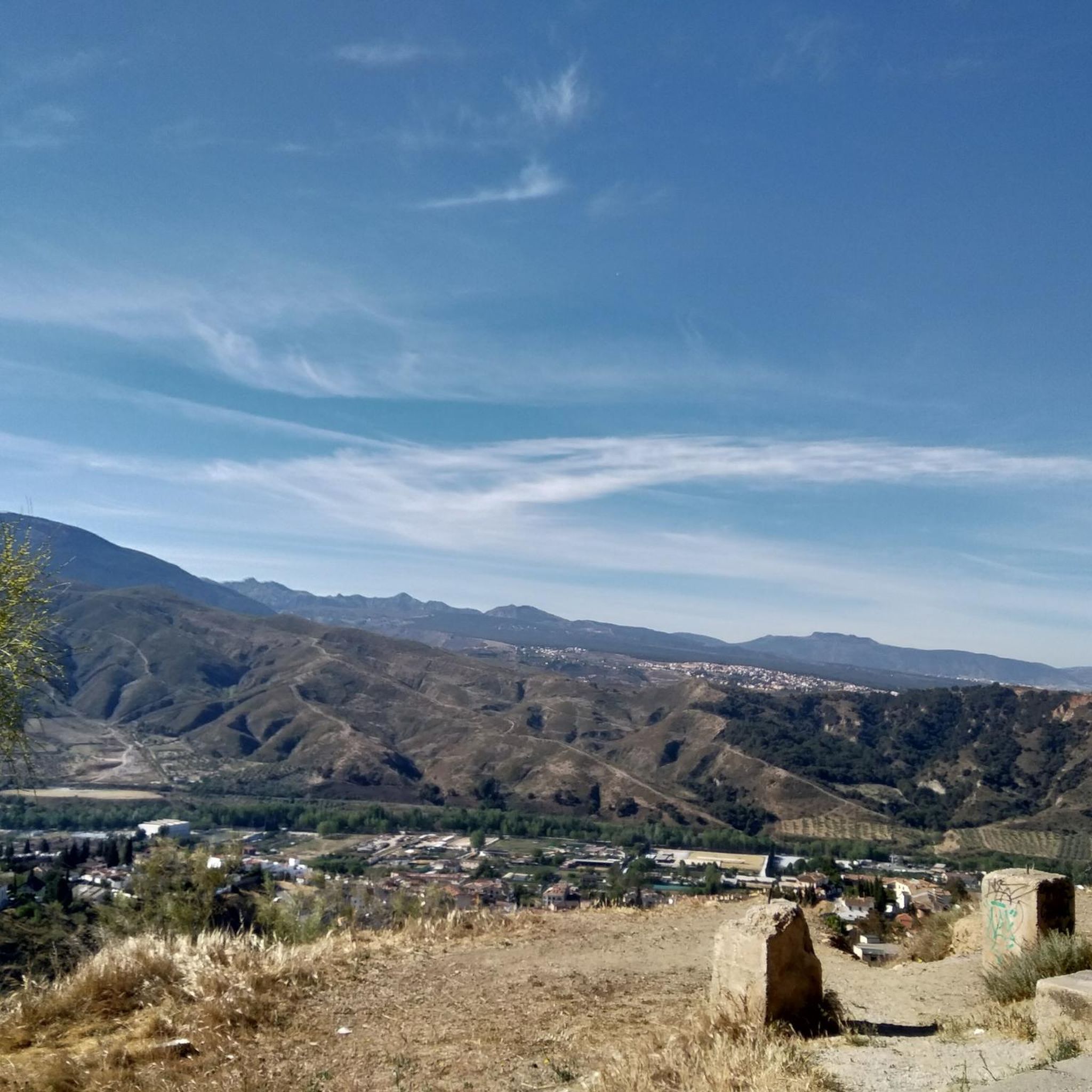
MTB Trails around Cenes De La Vega
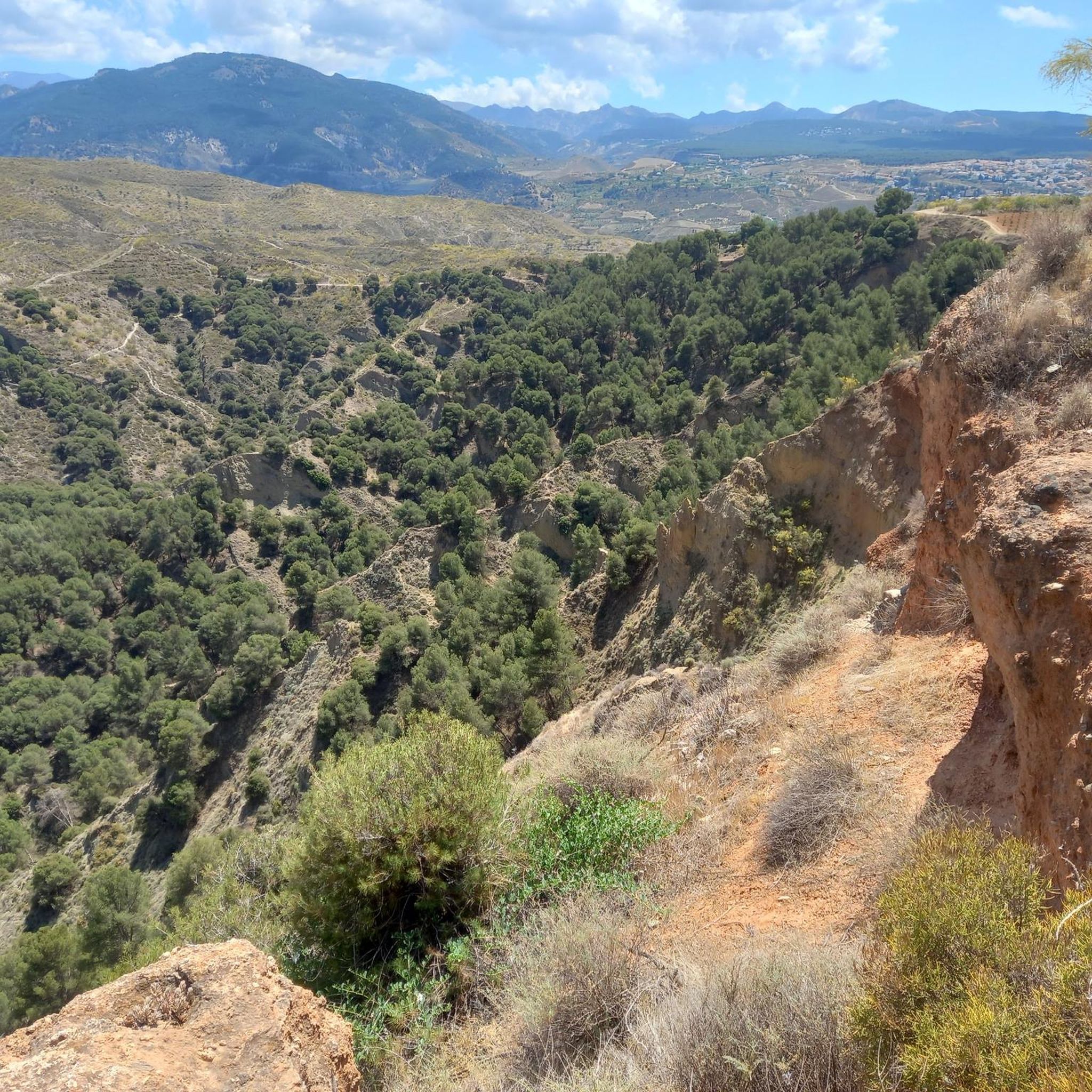
Running Trails around Cenes De La Vega
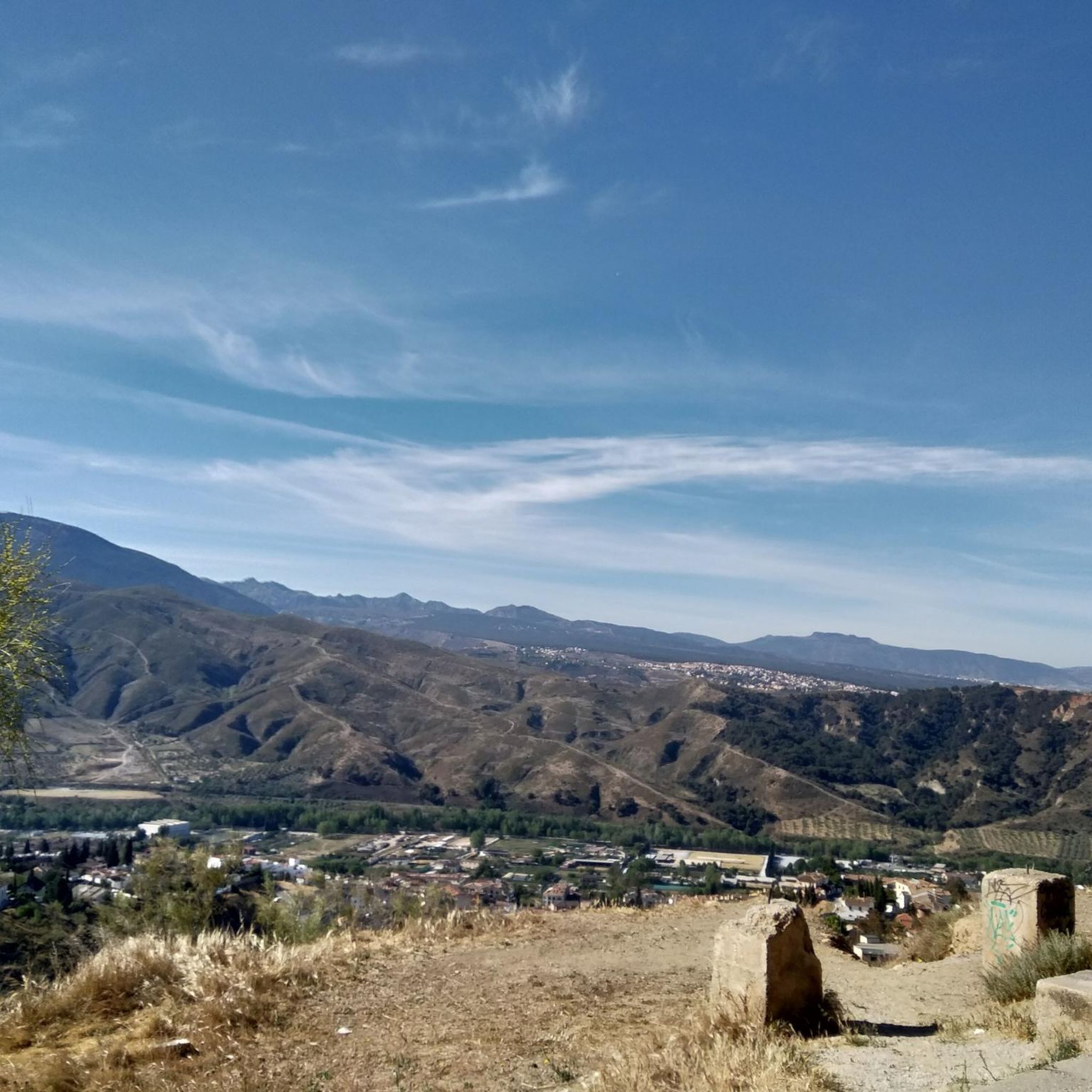
Cycling around Cenes De La Vega

Gravel biking around Cenes De La Vega
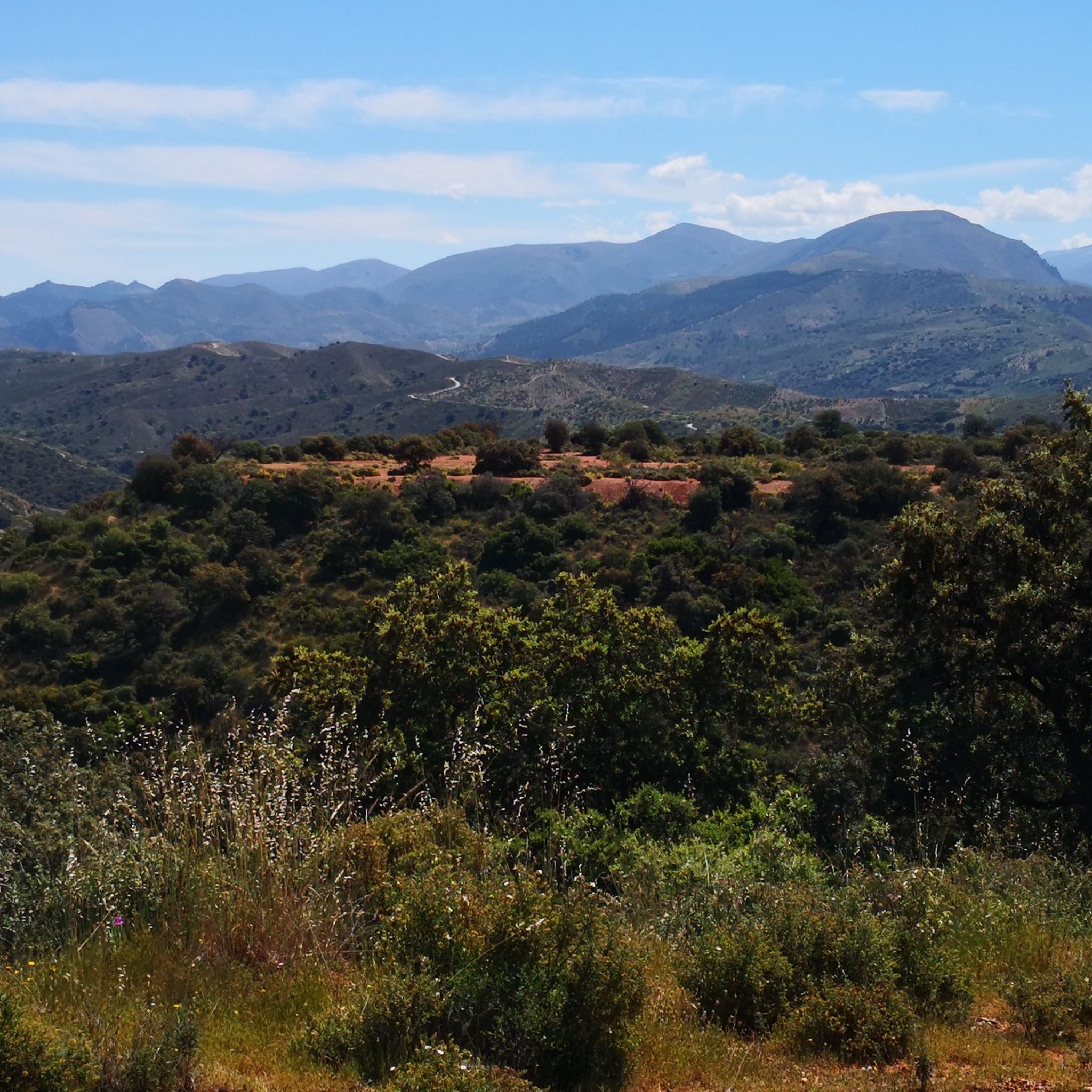
Hiking around Cenes De La Vega
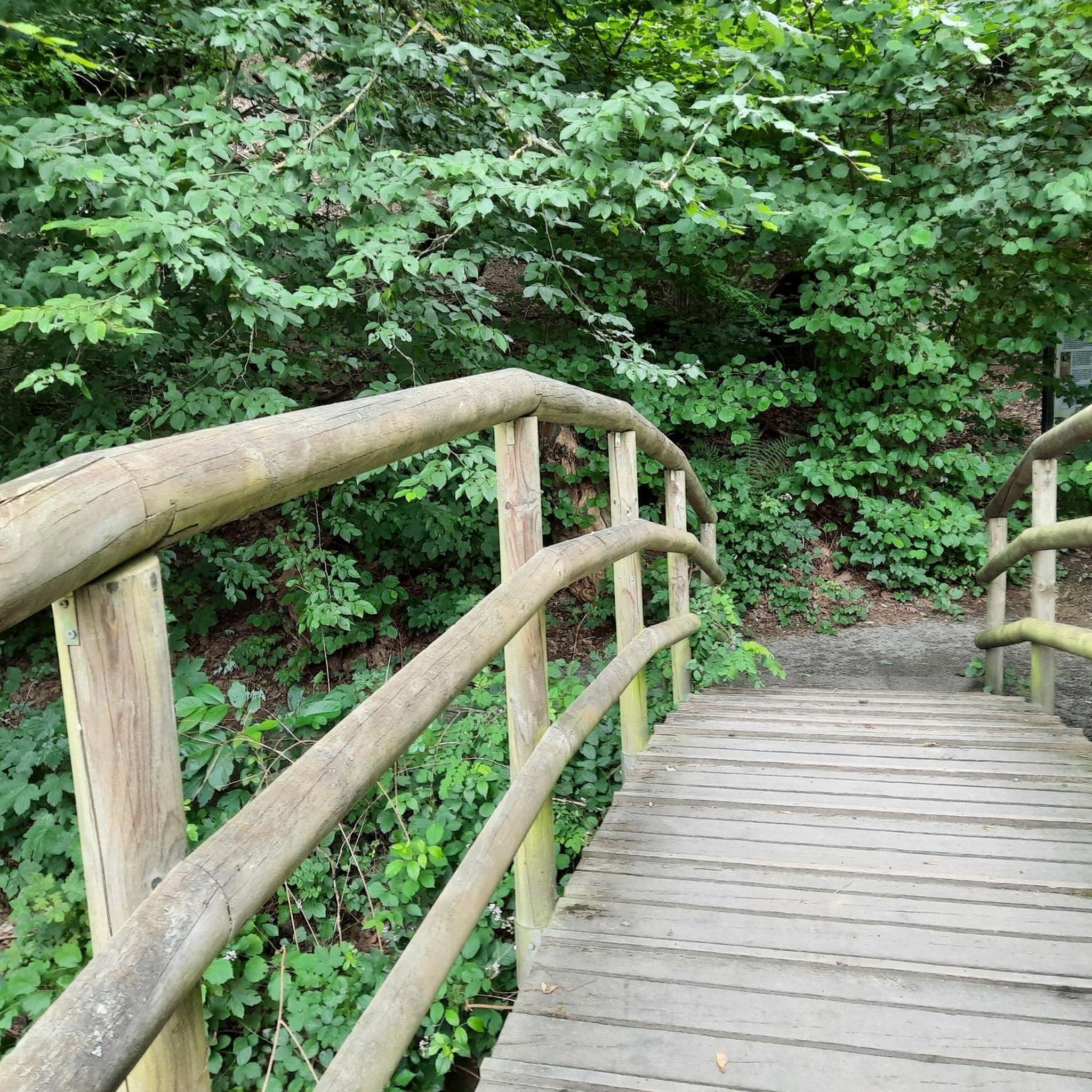
Mountain Hikes around Cenes De La Vega
Other adventures around Cenes De La Vega

Tips from the Community

The University of Granada Botanical Garden is an oasis of tranquility in the heart of the city. The garden is home to a variety of native and exotic plants.
2
0

The Pantano de Quéntar is a reservoir in Quéntar, Granada, built between 1971 and 1975 and officially inaugurated on 11 May 1976. It is located at the confluence of the Aguas Blancas and Padules rivers and has a capacity of 14 million cubic metres. The reservoir plays an important role in the water supply of the city of Granada and the irrigation of the surrounding agricultural lands.
9
0

a spectacular area with very good roads
0
0
The Jardín Botánico of the University of Granada is a beautiful botanical garden founded in 1783 by Mariano del Campo. The garden is located in the heart of the city, next to the old university building. Here you will find a wide variety of plant species, both native and exotic, divided into different sections such as systematic, geographical and medicinal plants. The garden is an oasis of peace and a perfect place to relax and enjoy nature in the middle of the city.
7
0
The Embalse de Quéntar, is also known as the Quéntar Reservoir. The reservoir is surrounded by a picturesque landscape and offers a variety of recreational opportunities. Visitors can enjoy activities such as hiking, fishing, and even water sports. The reservoir was built in the 1970s and plays an important role in the water supply of Granada and the surrounding agricultural areas.
1
0

The Carmen de los Mártires is a Carmen (house with gardens) in Granada, located in the immediate vicinity of the Alhambra; it is one of the largest such complexes in the city. Inside the Carmen there is a representative building, a palm garden, a landscaped lake with an island of ruins, a French garden, a historic kitchen garden and a viewing point that opens up onto the city, the Vega behind it and the Sierra Nevada. https://de.wikipedia.org/wiki/Carmen_de_los_M%C3%A1rtires
0
0

The Garden of the Martyrs is not called one of the three most beautiful gardens in Granada for nothing. A visit is a must. Located next to the Alhambra, you can enjoy its beauty for hours. It is open daily. Monday to Friday 10:00 - 14:00 & 18:00 - 20:00, Saturday & Sunday 10:00 to 20:00. Admission is free.
1
0

Frequently Asked Questions
What unique natural features can I explore near Cenes de la Vega?
The area around Cenes de la Vega offers a diverse range of natural features. You can discover impressive gorges like Tajo de las Palomas, which is part of the Los Cahorros Gorge, known for its hanging bridges and waterfalls. There's also the unique geological formation of the Arch of Cerro del Oro, believed to be shaped by historical gold mining. Additionally, you can visit the serene Quéntar Reservoir and the expansive natural beauty of the Sierra Nevada, a Biosphere Reserve.
Are there any natural monuments with historical significance in the region?
Yes, several natural monuments in the area have historical connections. The Arch of Cerro del Oro, for instance, is a natural arch believed to have been formed due to ancient gold exploitation. Additionally, while not strictly natural monuments, the University of Granada Botanical Garden, founded in 1783, and the Lower Gardens of the Generalife and Carmen de los Mártires Gardens, reflect historical landscape design and offer insights into the region's past.
What are some popular hiking routes to natural monuments around Cenes de la Vega?
For hiking, the route through Los Cahorros Gorge, which includes Tajo de las Palomas, is highly popular, featuring spectacular views, hanging bridges, and riverside paths. Another interesting hike leads to the Arch of Cerro del Oro, starting from Calle Cerro del Oro. The broader Sierra Nevada region also offers abundant opportunities for hiking. You can find more detailed hiking routes in the Running Trails around Cenes De La Vega guide, which includes routes like 'View of the Alhambra loop from Cenes de la Vega'.
What do visitors particularly enjoy about the natural monuments near Cenes de la Vega?
Visitors frequently praise the spectacular views, especially from spots like Tajo de las Palomas, where on clear days you can see Granada and the Alhambra. The unique experience of walking through narrow gorges with hanging bridges, like in Los Cahorros, is also a highlight. The tranquility and diverse plant species at the University of Granada Botanical Garden are also much appreciated.
Are there family-friendly natural monuments suitable for children?
Yes, several natural monuments are suitable for families. The University of Granada Botanical Garden offers a peaceful and educational environment for all ages. The Lower Gardens of the Generalife and Carmen de los Mártires Gardens provide beautiful, open spaces for children to explore while enjoying historical settings.
What is the best time of year to visit the natural monuments around Cenes de la Vega?
The spring and autumn months generally offer the most pleasant weather for exploring the natural monuments, with mild temperatures ideal for hiking. Summer can be hot, especially in the gorges, but the riverside areas like Los Cahorros offer refreshing spots. Winter provides opportunities for snow activities in the higher altitudes of the Sierra Nevada, which is just a 20-minute drive away.
What should I wear or bring when visiting these natural monuments?
For exploring gorges and hiking trails, sturdy shoes with good grip are essential. Depending on the season, layers of clothing are advisable, as temperatures can vary. Don't forget water, sun protection (hat, sunscreen), and a camera to capture the stunning landscapes. If visiting Los Cahorros, be prepared for some scrambling and potentially wet areas.
Are there options for cycling or mountain biking near the natural monuments?
Absolutely. The region around Cenes de la Vega is excellent for cycling and mountain biking. You can find various routes, including those that pass by or offer views of natural monuments. For detailed routes, check out the Cycling around Cenes De La Vega guide and the MTB Trails around Cenes De La Vega guide. Routes like 'Scenic Downhill – View of Embalse de Canales loop from Cenes de la Vega' offer challenging rides with great views.
Is it possible to visit any of these natural monuments in winter?
Yes, many natural monuments are accessible in winter. Lower-altitude areas and gardens like the University of Granada Botanical Garden remain open. The Sierra Nevada offers winter sports like skiing and snowshoeing. However, some hiking trails in gorges or higher elevations might be more challenging due to colder temperatures or potential ice, so always check conditions beforehand.
Are there any natural monuments that offer panoramic viewpoints?
Many natural monuments in the area provide excellent panoramic views. Tajo de las Palomas offers spectacular vistas of arid mountains and, on clear days, the city of Granada and the Alhambra. The Arch of Cerro del Oro also provides magnificent views of the surrounding landscape. Additionally, the Carmen de los Mártires Gardens offer extraordinary panoramic views of the Sierra Nevada, La Vega, and Granada.
What kind of wildlife can I expect to see near the natural monuments?
The Sierra Nevada, being a Biosphere Reserve, is rich in biodiversity, offering opportunities to spot various bird species, ibex, and other local fauna. In the gorges and riverside areas, you might encounter aquatic birds and small mammals. The botanical gardens, while cultivated, also attract local insect life and birds.
Are there any circular walking routes that include natural monuments?
Yes, the area is well-suited for circular walks. The route through Los Cahorros Gorge, including Tajo de las Palomas, is often done as a loop. The 'Gold Routes' or 'Caminos del Oro' also offer varying circular trails that explore the historical mining landscapes. For more options, consult the Running Trails around Cenes De La Vega guide, which features several loop routes.
Most popular routes around Cenes De La Vega
Most popular attractions around Cenes De La Vega

Get inspired with the komoot mobile app


Explore more
Extend your search for the best caves by checking out these guides of the top ones around Cenes De La Vega:
