Top 20 Natural Monuments around Ripollet
Natural monuments around Ripollet offer a glimpse into the region's diverse natural heritage, despite the municipality being primarily urban. The area is situated near significant natural spaces that host notable natural monuments. These sites provide opportunities for outdoor activities and connection with Catalonia's enduring landscapes. Visitors can explore ancient trees and rural areas that showcase the resilience and beauty of the local environment.
Best natural monuments around Ripollet
- The most popular natural monuments is Pi d'en Xandri, a natural…
Last updated: July 1, 2026
Pi d'en Xandri
Highlight • Natural Monument
Translated by Google •
Tip by

Lion Fountain
Highlight • Natural Monument
Translated by Google •
Tip by

Sign up now to discover places like this
Get recommendations on the best single tracks, peaks, & plenty of other exciting outdoor places.
Sign up for free
Gallecs Rural Area
Highlight (Segment) • Natural
Translated by Google •
Tip by
Vallvidrera Reservoir
Highlight • Lake
Translated by Google •
Tip by

Camp del Miracle Fountain
Highlight • Natural Monument
Translated by Google •
Tip by
Sign up for free to discover even more natural monuments around Ripollet.
Sign up for free
Already have an account?
Start today with a free account
Your next adventure awaits.
Login or Signup
Tips from the Community

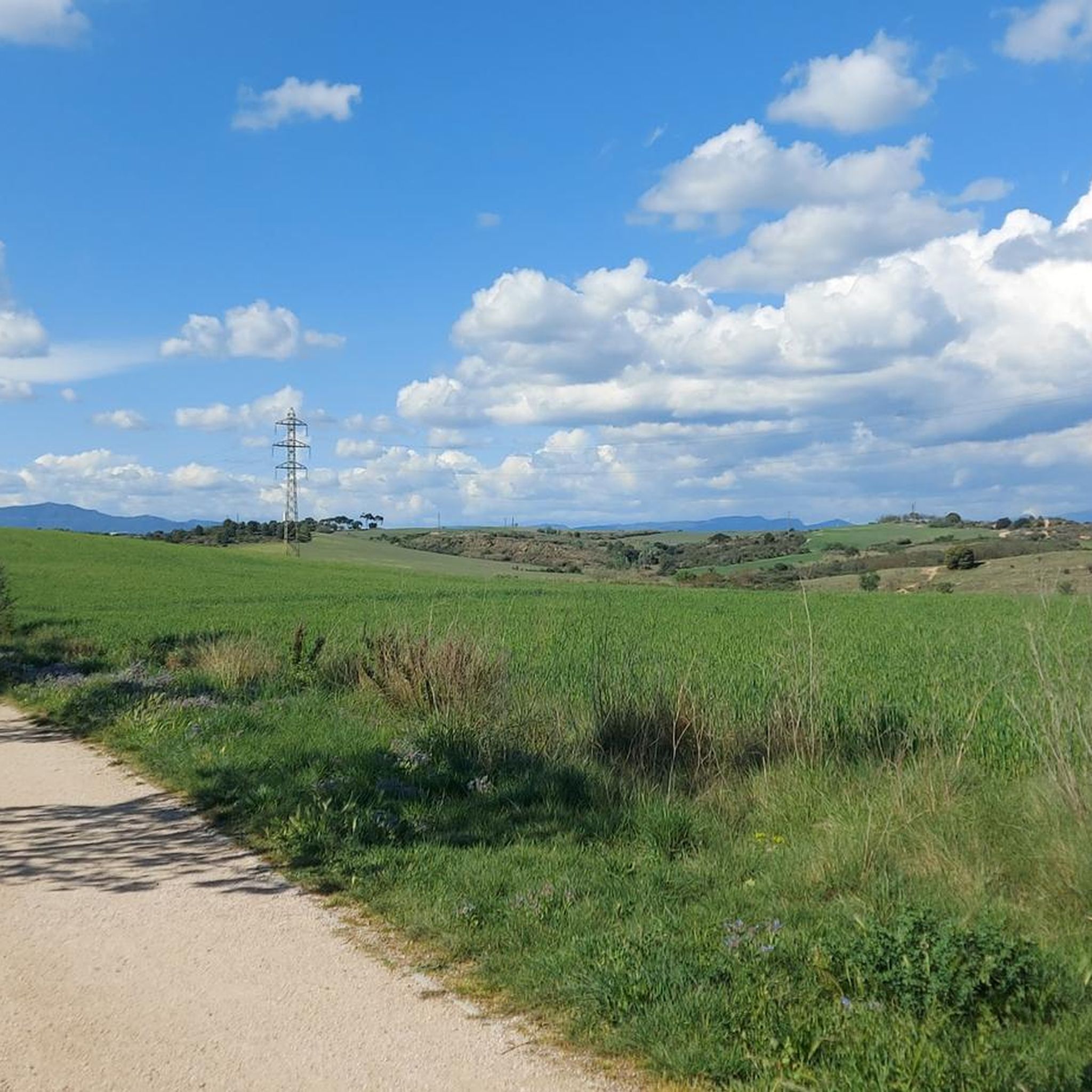
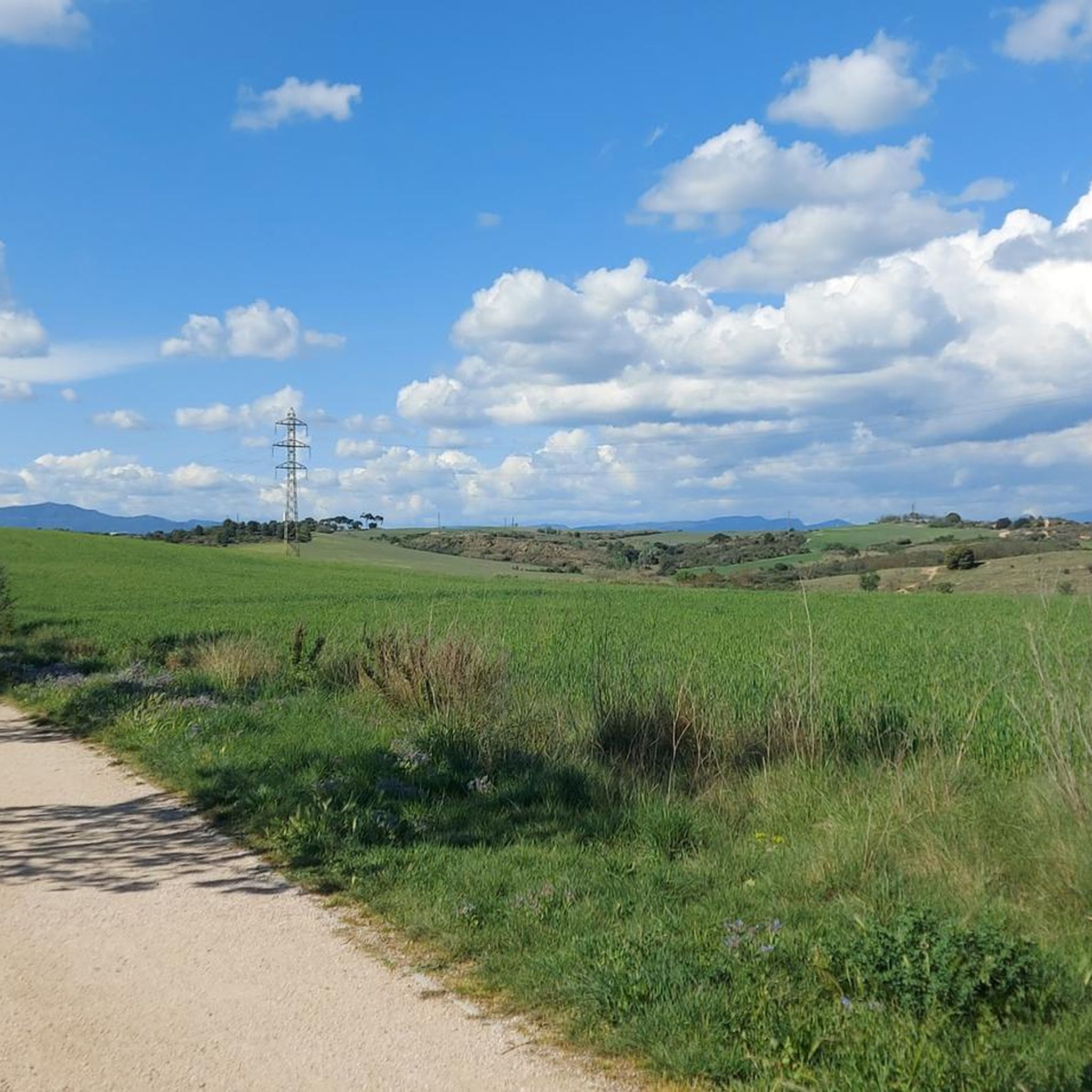
Real nice, shame it's only about 2 km but also a shame there aren't more such roads in the area. Go when there's no racing or practice sessions at the nearby Montmeló circuit!
0
0

For cultural reasons, the monastery of St. Geroni della Murtra was very important.
0
0

This water point is located in front of the entrance to the monastery.
2
0

The Font del Lleó that was fixed a few years ago, as well as its pond located opposite. It is located on the site of the old Mas Murtra, in the Poià valley, where, according to Josep Maria Cuyàs, there had been the chapel dedicated to Sant Martí since the 12th century, the monastery of Sant Jeroni was founded in 1416 by the Jerome monks with the help of the merchant Bertran Nicolau, who bought the farm and, in addition, obtained from Benedict XIII the license to move the community from its place of origin, Mont Olivet, to Sant Pere de Ribes (Carafe); the reasons for the move were, possibly, the poor conditions of the place: infertile soil and lack of water. In 1821 the monastery was used as a hospital during the yellow fever epidemic, the contagion of which ended in July of the following year;
3
0
Take the opportunity to fill your canteen and visit the old monastery
7
0

The Xandri pine is a monumental pinyoner pine (Pinus pinea in Latin) located in the territory of the rural park of Torre Negra in Sant Cugat del Vallès, about 250 years old (according to a dendrological analysis it germinated in 1774). The tree has a height of 23 meters, a trunk circumference of 3.20 meters and a trunk thickness of 3.60 meters. Its head has a width of 21 by 15 meters. It is called Xandri because it is located on land that was once owned by a farmer named Xandri
3
0

Perfect to go out on a bike and take some photos
4
0

The Pi d'en Xandri is one of the oldest pines in Catalonia and an ecological, cultural and historical symbol of Sant Cugat. It is estimated that he was born around the year 1774, at the time of Mozart, Kant and Napoleon Bonaparte, now about 248 years ago. It is a stone pine (pinus pinea) and is located in the Torre Negra rural park. It has a considerable height -23 meters- and a trunk of 3.20 meters in diameter. Its crown is 21 meters wide and has a peculiar shape, like a parasol, with a wayward, half-naked branch. The Pi d'en Xandri lost part of its branches due to the snow that accumulated on Christmas night in the year 62, when a formidable snowfall covered Catalonia in white. In 1997 some vandals tried to saw it off and set it on fire. It was necessary to graft a piece of live trunk so that the sap could circulate again and it was held with the trunks that surround it today to facilitate its healing.
29
0
Frequently Asked Questions
What makes the natural monuments around Ripollet unique?
The natural monuments near Ripollet offer a blend of ancient natural features and historical significance. For instance, the Pi d'en Xandri is one of Catalonia's oldest pines, estimated to be around 248 years old, and has a remarkable story of survival. Other sites, like the Lion Fountain, combine natural elements with historical context, being located near an old monastery.
Are there family-friendly natural monuments around Ripollet?
Yes, several natural monuments are suitable for families. The Pi d'en Xandri in the Torre Negra rural park offers an engaging visit with its impressive size and history, and the surrounding park is great for walks. The Gallecs Rural Area is also an excellent choice, providing open spaces for leisure and discovery of the environment, ideal for family outings.
What kind of outdoor activities can I do near these natural monuments?
The areas around Ripollet's natural monuments are well-suited for various outdoor activities. You can find numerous cycling and running routes. For example, near the Pi d'en Xandri, there are routes like the 'Xandri's Pine – Cerdanyola - Forat del Vent loop' for cycling and a dedicated 'Pi d'en Xandri loop' for running. The Gallecs Rural Area also features routes like the 'Sant Llorenç Savall – Gallecs Rural Area loop' for road cycling. You can explore more options on the Cycling around Ripollet, Road Cycling Routes around Ripollet, and Running Trails around Ripollet guide pages.
Are there any historical natural monuments to visit?
Absolutely. The Pi d'en Xandri is a prime example, having stood for nearly 250 years and witnessed significant historical events. Its resilience and age make it a living historical monument. Additionally, the Lion Fountain is a historical site located on the coast of an old monastery in the Sierra de Marina, offering a glimpse into the region's past.
What natural features can I expect to see?
You can expect to see a variety of natural features. The region is known for ancient trees, such as the monumental Pi d'en Xandri. You'll also find extensive rural landscapes, like the Gallecs Rural Area, which preserves natural and agricultural values. The Vallvidrera Reservoir offers a tranquil lake environment, originally built in 1865 and now a leisure spot.
What do visitors enjoy most about the natural monuments around Ripollet?
Visitors particularly appreciate the unique combination of natural beauty and historical significance. The resilience and age of the Pi d'en Xandri, along with its distinctive parasol-like shape, are often highlighted. The peaceful, preserved agricultural landscapes of the Gallecs Rural Area are also highly valued for their contrast to the urban surroundings, offering a space for relaxation and connection with nature.
Are there any natural monuments that offer good viewpoints?
While not explicitly a natural monument, Park Güell, though primarily a man-made monument, is categorized as having natural monument aspects and offers panoramic views of Barcelona. For a more direct natural viewpoint, the areas surrounding the Pi d'en Xandri in the Torre Negra rural park provide scenic perspectives of the natural environment.
Can I refill my water bottle at any of the natural monuments?
Yes, you can. The Lion Fountain, located on the coast of the monastery in the Sierra de Marina, is a historical site where visitors can refill their canteens while exploring the old monastery surroundings.
What is the best season to visit the natural monuments around Ripollet?
The region around Ripollet generally enjoys a Mediterranean climate. Spring and autumn offer pleasant temperatures, making them ideal for exploring the natural monuments and engaging in outdoor activities like hiking and cycling. Summer can be warm, but early mornings or late afternoons are still suitable. Winter provides a different charm, especially for those interested in quieter trails.
Are there any natural monuments accessible by public transport?
While Ripollet itself is a municipality, the natural monuments are often located in nearby rural or park areas. The Pi d'en Xandri, for example, is in Sant Cugat del Vallès, which is well-connected by public transport from Barcelona and surrounding areas. It's advisable to check local bus or train schedules to the specific towns bordering these natural areas, such as Sant Cugat del Vallès for Pi d'en Xandri or Mollet del Vallès for Gallecs Rural Area, and then plan a short walk or local connection.
Are there any natural monuments where I can go for a long walk or hike?
Yes, the Gallecs Rural Area is an extensive natural space perfect for long walks and exploring the environment. Similarly, the Torre Negra rural park, home to the Pi d'en Xandri, offers various trails for hiking and cycling, allowing for extended exploration of its natural heritage.
Most popular routes around Ripollet
Most popular attractions around Ripollet

Get inspired with the komoot mobile app


Explore more
Extend your search for the best caves by checking out these guides of the top ones around Ripollet:
