Top 12 Mountain Passes around Castellolí
Mountain passes around Castellolí are situated within the Anoia comarca, part of Catalonia's Penedès region. This area provides access to various mountain passes, offering diverse terrain for cycling and scenic drives. The landscape features the Montserrat massif, known for its distinctive rock formations and natural passes between regions. These routes offer opportunities to explore the natural environment and connect different parts of the local geography.
Best mountain passes around Castellolí
- The most popular mountain passes is Coll del Bruc,…
Last updated: July 1, 2026
Coll de Can Maçana
Highlight • Mountain Pass
Translated by Google •
Tip by

Portell de Migdia (1,029 m)
Highlight • Mountain Pass
Translated by Google •
Tip by

Sign up now to discover places like this
Get recommendations on the best single tracks, peaks, & plenty of other exciting outdoor places.
Sign up for free
La Portella Pass
Highlight • Mountain Pass
Translated by Google •
Tip by
L'Ajaguda Pass or Bassal dels Gats
Highlight • Mountain Pass
Passage point for the Camí dels Francesos or …
Translated by Google •
Tip by
Coll del Bruc
Highlight • Mountain Pass
Showing Translation
Tip by

Sign up for free to discover even more mountain passes around Castellolí.
Sign up for free
Already have an account?
Start today with a free account
Your next adventure awaits.
Login or Signup
Tips from the Community

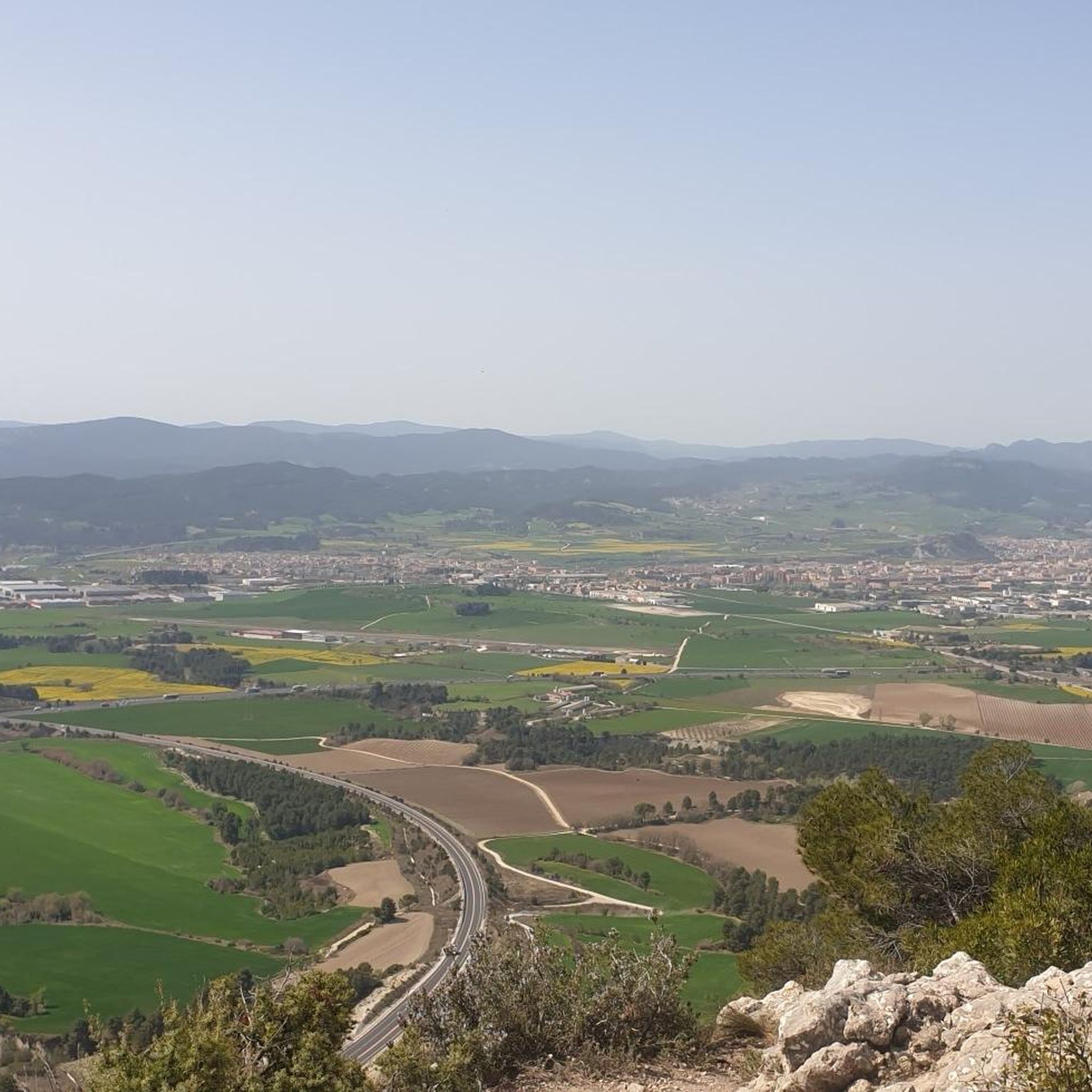
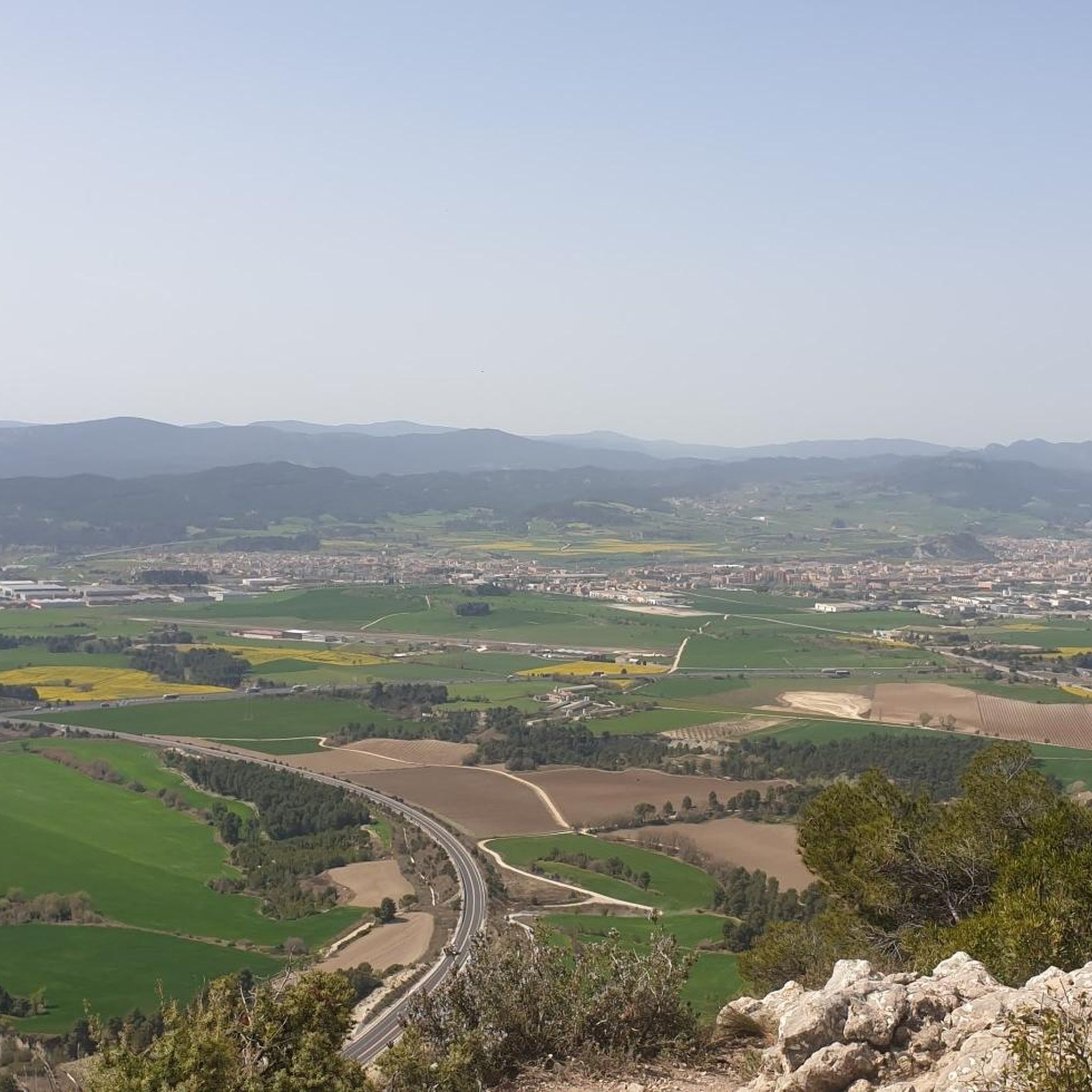
You'll have good luck if you see the Magical mountain, and the descent after is fantastic :-)
0
0


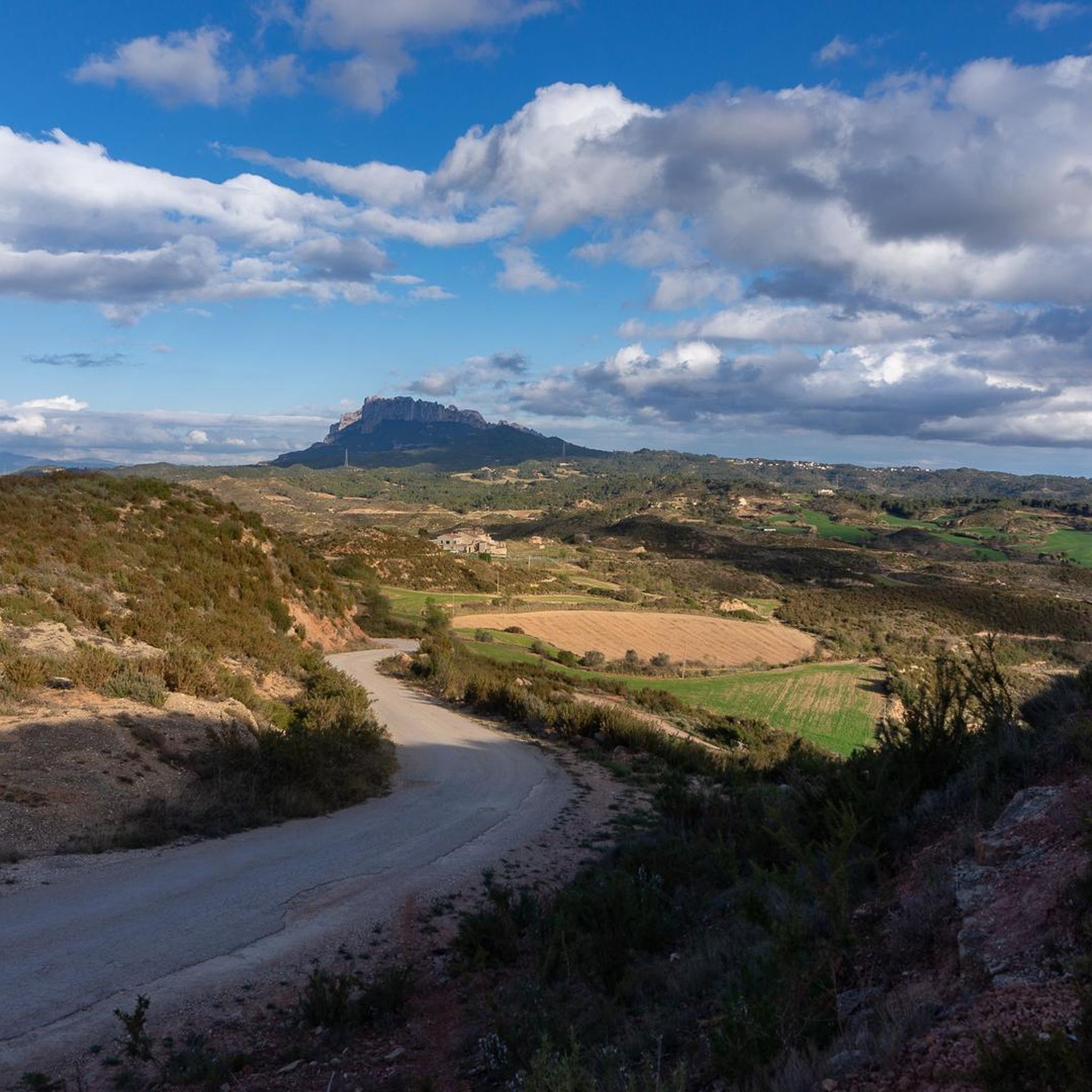
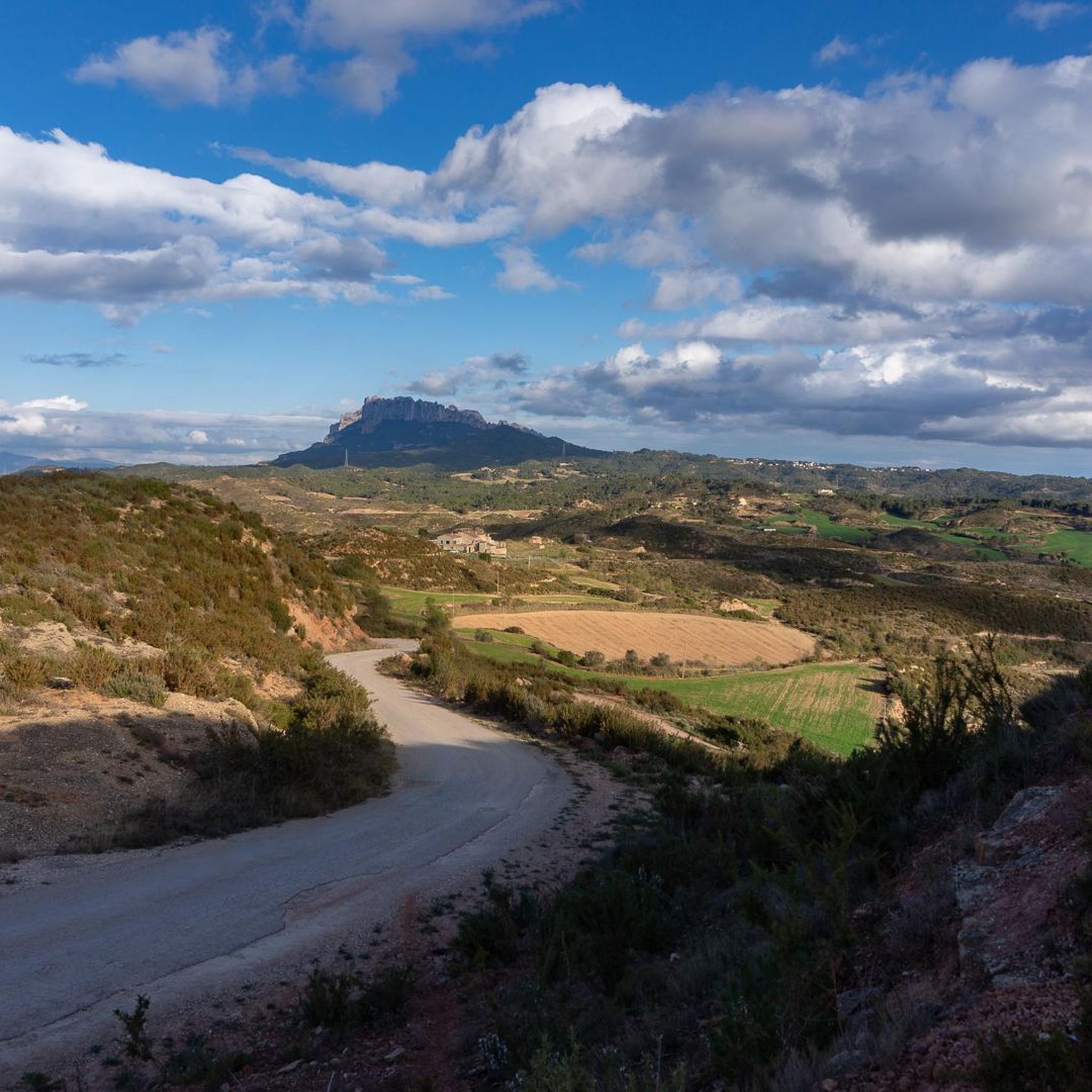
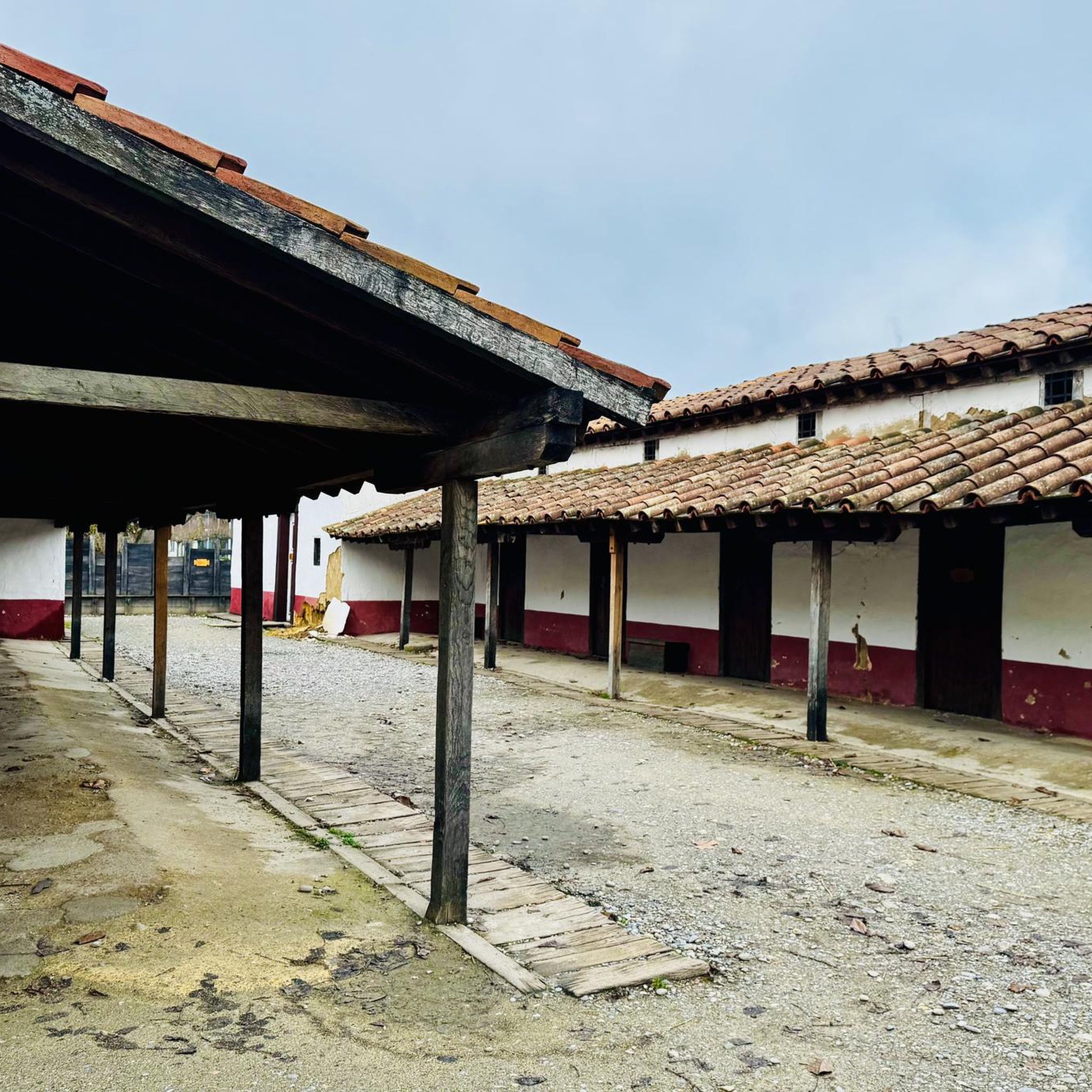
Can Maçana is an old farmhouse that gives its name to the hill in the westernmost part of the Montserrat massif. The pass is one of the natural passes between the regions of Bages and Anoia. The farmhouse belonged to the Maçana (or Massana) family during the 16th and 17th centuries. It later became the property of the Montserrat monastery (on the door you can see the coat of arms of the monastery, dated 1791). This part of the massif is known for its famous stone needles (the area is known as "the labyrinth of needles"). At this point there is a car park and it is the starting point of numerous signposted routes, such as those that go to Sant Pau Vell (ancient Romanesque church) or the historical space of the Battle of Bruc.
1
0

Narrow and at the same time beautiful passage in the middle of the Roca Gran de la Portella. In this step you have to be alert, but you are entering the mountain of Montserrat.
0
0

Route information signs. Parking €6/day on weekends.
0
0

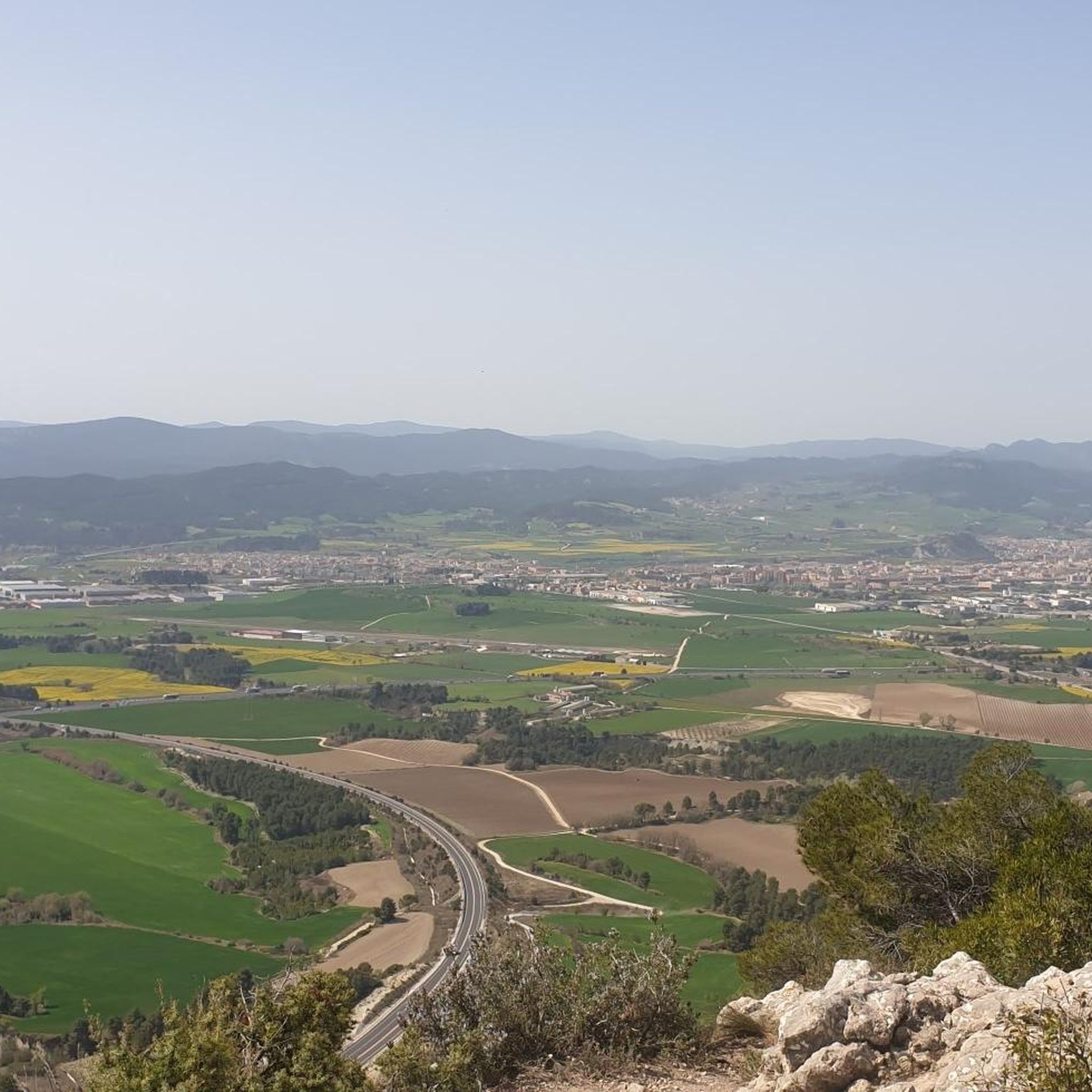
Spectacular views of the Montserrat mountain.
0
0

Important crossroads that gives access to the Canal de Middia, which divides Montserrat Mountain in two, the regions furthest from the monastery: Agulles, Frares Encantats and Ecos to the west and the regions of Tabor, Tebes and Tebaida to the east. To the north, the Canal de la Font del Llum path connects with the GR 172 that connects Can Maçana and Santa Cecilia, to the west the path that gives access to the region of Ecos and to the south the path that gives options to continue towards the Montgròs, towards Sant Jeroni or towards the different itineraries in the south of the mountain while following the Migdia canal.
2
0
Key step that, on the way up, allows us to enter the Agulles region, guarded by the Gran de la Portella rock on the right and the Petita rock on the left. The stepped channel formed by the erosion allows us to progress without much difficulty, although we will have to use our hands, more for balance than for progression.
1
0
Frequently Asked Questions
What are some notable mountain passes in the broader Castellolí area beyond the immediate vicinity?
While Castellolí itself is known for its racing circuit, the surrounding Anoia comarca and Penedès region offer several picturesque mountain passes. These include Coll de les Ventoses, popular for cycling with panoramic views of the Penedès plain and the Mediterranean Sea; Coll Formic, a more challenging ascent in the Catalan Coastal Range; and Collada de Parpers, known for its tranquil, tree-lined roads and natural beauty.
Are there any mountain passes around Castellolí suitable for beginners or those seeking an easier experience?
Yes, Coll de les Ventoses is considered accessible to various fitness levels due to its moderate difficulty and consistent average gradient. Its well-maintained road and low traffic make it a pleasant experience for less strenuous rides or drives. For hiking, many routes starting from Coll de Can Maçana offer varying difficulties, including easier options.
What kind of terrain can I expect on the mountain passes near Castellolí?
The terrain around Castellolí's mountain passes is diverse, ranging from well-paved roads ideal for cycling and scenic drives to more rugged trails for hiking. You'll encounter areas with vineyards, dense vegetation, and the distinctive rock formations of the Montserrat massif. Some passes, like La Portella Pass, feature stepped channels that may require some use of hands for progression.
Are there specific viewpoints or natural features to look out for on these passes?
Absolutely. Many passes offer stunning vistas. From Coll de les Ventoses, you can enjoy expansive views of the Penedès plain and the Mediterranean Sea. Coll del Bruc provides excellent views of the Montserrat mountains. Coll de Can Maçana is located in the westernmost part of the Montserrat massif, known for its famous stone needles and unique labyrinthine landscape. Portell de Migdia (1,029 m) is an important crossroads offering access to various regions of Montserrat with distinct natural monuments.
What outdoor activities can I do near the mountain passes around Castellolí?
The area around Castellolí's mountain passes is excellent for various outdoor activities. You can find numerous routes for cycling, mountain biking, and running. For example, there are challenging cycling routes like the 'Can Maçana Entrance – View of Montserrat Monastery loop' and MTB trails such as the 'Font del Ferro – Coves de Cal Lluçia loop'. Hiking is also very popular, with trails like the 'Anoia Montserratina Trail' available. For more details on these activities, explore the Cycling around Castellolí, MTB Trails around Castellolí, and Running Trails around Castellolí guides.
Are there family-friendly mountain passes or routes in the area?
Yes, Coll de Can Maçana is categorized as family-friendly. It features a car park and serves as a starting point for numerous signposted routes, some of which are suitable for families. The area around this pass is designed to provide information and access to various itineraries, making it easier for families to explore.
Where can I find parking when visiting the mountain passes?
Parking facilities are available at some key mountain passes. For instance, Coll de Can Maçana has a dedicated car park, which also serves as a convenient starting point for many routes in the Montserrat Mountain Natural Park. It's advisable to check specific pass details for parking availability.
What makes Coll de Can Maçana a significant mountain pass?
Coll de Can Maçana is a natural passage between the Bages and Anoia regions and is located in the westernmost part of the Montserrat massif. It's significant as a primary access point to the paths and rock spires of this sector of Montserrat, known for its 'labyrinth of needles.' It also features a car park and is a starting point for numerous signposted routes, including those to Sant Pau Vell and the historical space of the Battle of Bruc.
What is unique about La Portella Pass?
La Portella Pass is a key step that allows entry into the Agulles region of Montserrat. It's unique for its narrow, stepped channel formed by erosion, which requires some use of hands for balance and progression. It's a beautiful passage guarded by the Gran de la Portella rock on one side and the Petita rock on the other, offering a memorable experience within the Montserrat mountain.
What do visitors enjoy most about the mountain passes around Castellolí?
Visitors particularly enjoy the diverse experiences offered by the mountain passes around Castellolí. The komoot community appreciates the stunning views of the Montserrat mountains from passes like Coll del Bruc, the well-maintained trails and tracks, and the natural beauty of the landscapes. The variety of routes, from moderate climbs to challenging ascents, caters to different preferences, making it a rewarding area for exploration.
Are there any historical sites or points of interest near these mountain passes?
Yes, near Coll de Can Maçana, you can find the ancient Romanesque church of Sant Pau Vell and the historical space of the Battle of Bruc. The old farmhouse of Can Maçana itself has historical significance, having belonged to the Maçana family and later to the Montserrat monastery.
What is the best time to visit the mountain passes around Castellolí?
The region generally offers pleasant conditions for visiting mountain passes. For cycling, especially on longer climbs like Coll Formic, cooler parts of the day are recommended to avoid heavy traffic and heat. Spring and autumn typically offer mild temperatures and beautiful scenery, making them ideal for hiking and cycling. Winter can also be an option, though some higher passes might have specific conditions.
Most popular routes around Castellolí
Most popular attractions around Castellolí

Get inspired with the komoot mobile app


Explore more
See even more epic mountain passes by checking out these guides around Castellolí:
