Top 20 Natural Monuments around Cocentaina
Best natural monuments around Cocentaina are primarily found within the Serra de Mariola Natural Park, a protected area characterized by its limestone geology and altitudes exceeding 1,000 meters. This region offers a diverse landscape, rich biodiversity, and a Mediterranean climate. The natural monuments here showcase both geological formations and historical human interaction with the environment. Visitors can explore a variety of natural settings, from mountain peaks to ancient snow pits.
Best natural monuments around Cocentaina
- The most popular natural monuments…
Last updated: July 1, 2026
Cava Gran de Agres
Highlight • Monument
Translated by Google •
Tip by

Montcabrer Summit
Highlight • Summit
Translated by Google •
Tip by

Sign up now to discover places like this
Get recommendations on the best single tracks, peaks, & plenty of other exciting outdoor places.
Sign up for free
Hermitage of Santo Cristo
Highlight • Religious Site
Translated by Google •
Tip by

Alto del Menejador
Highlight • Summit
Translated by Google •
Tip by
Cova de les Finestres
Highlight • Cave
Translated by Google •
Tip by
Sign up for free to discover even more natural monuments around Cocentaina.
Sign up for free
Already have an account?
Start today with a free account
Your next adventure awaits.
Login or Signup
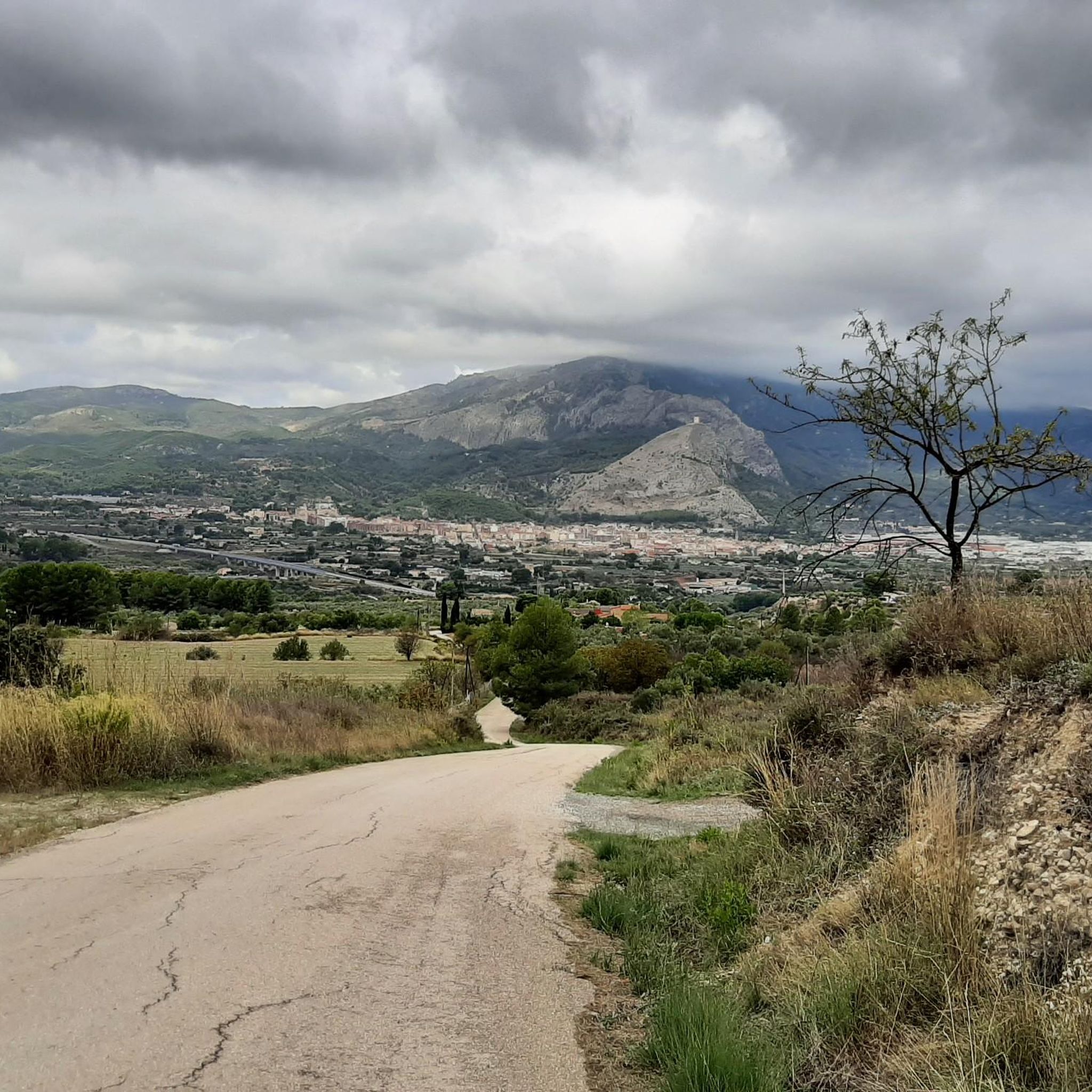
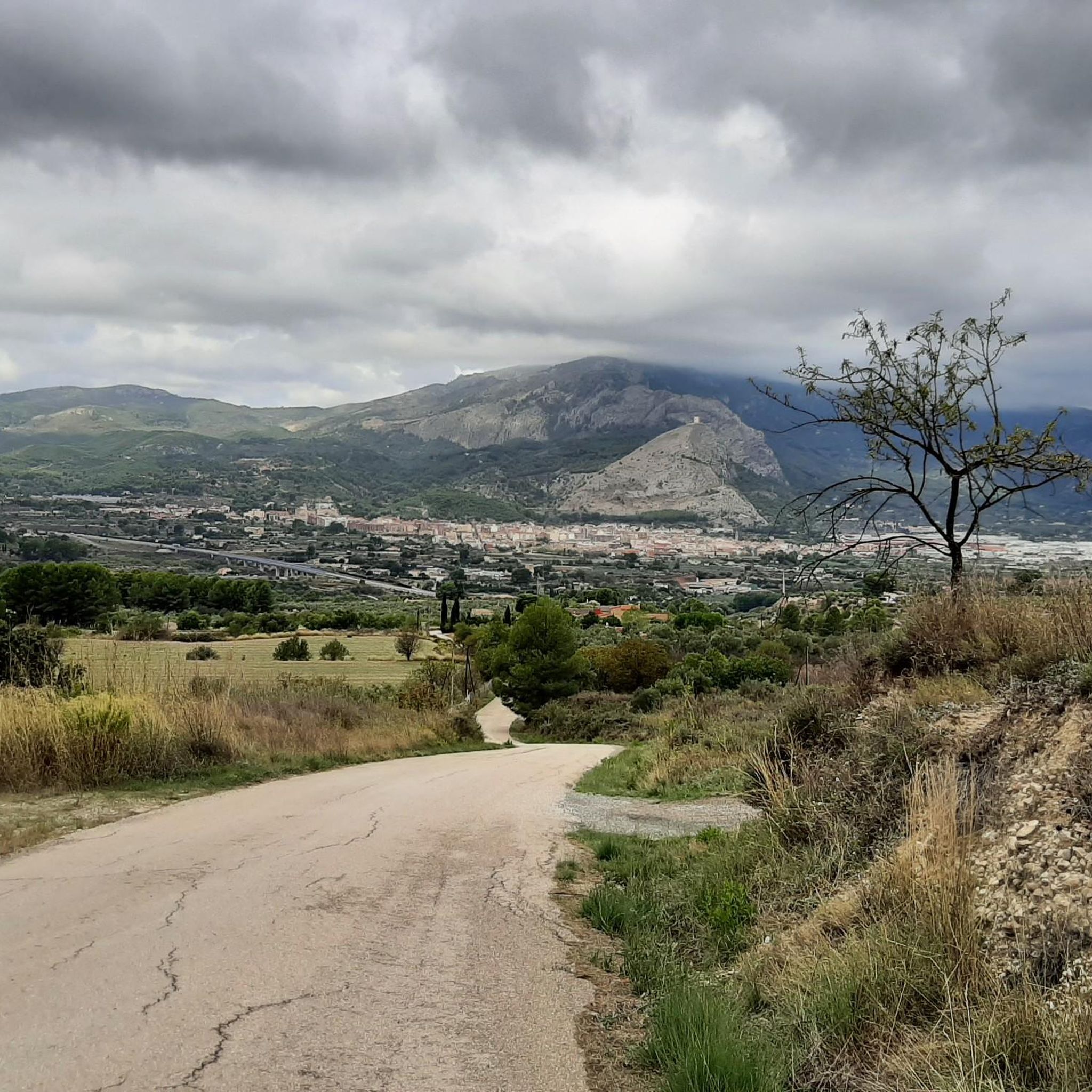
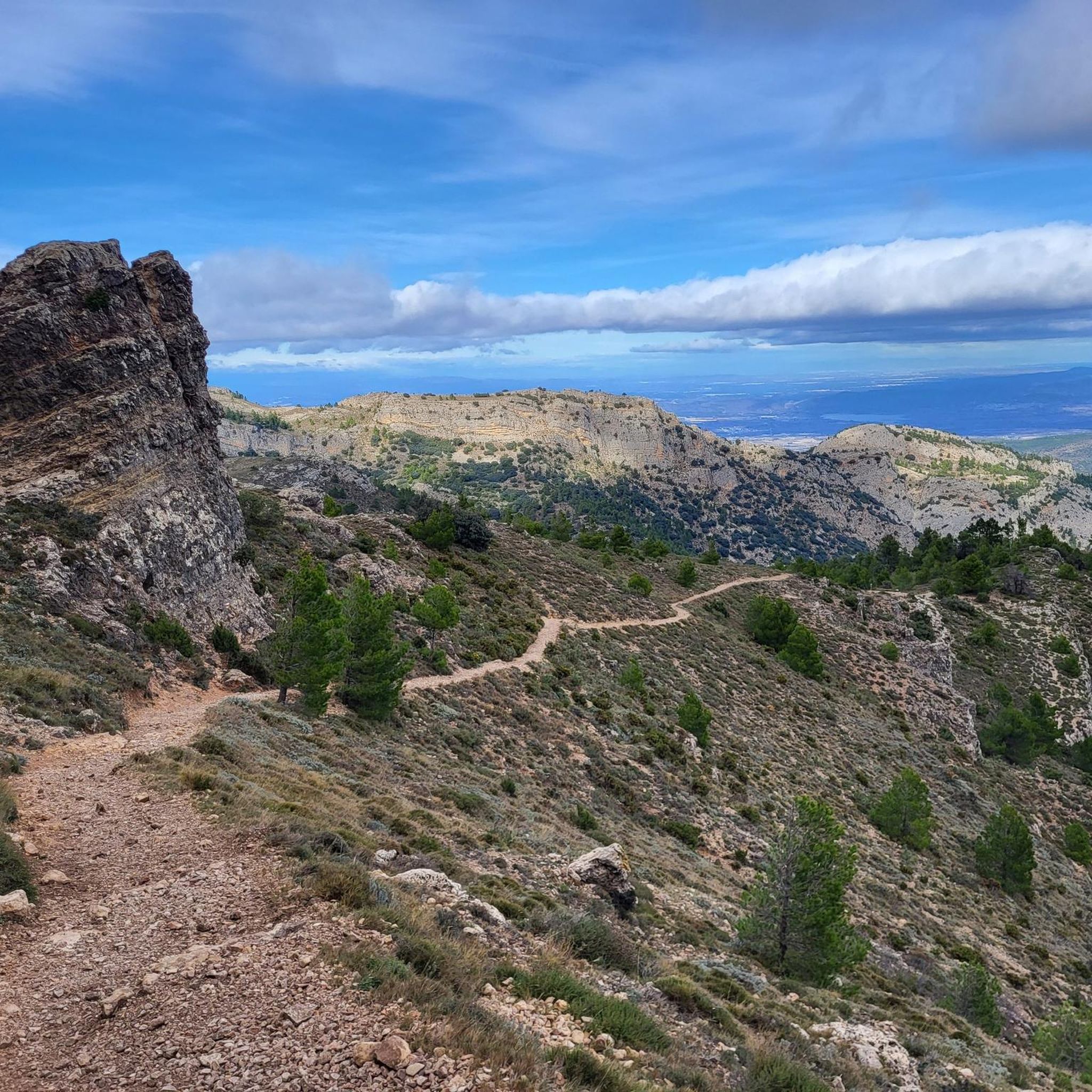
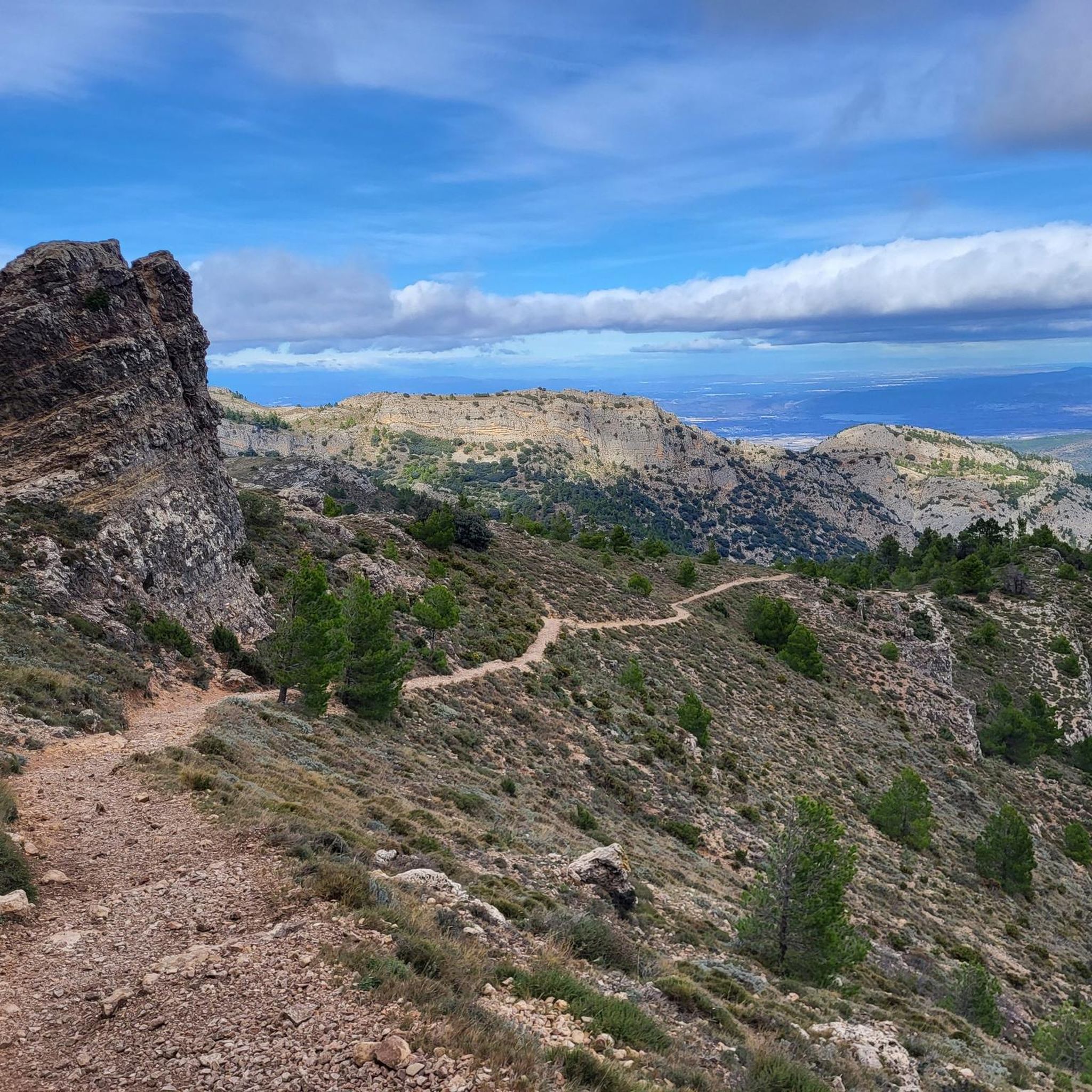

Tips from the Community

The Hermitage of the Holy Christ of Bocairent is one of the most emblematic and spiritual places in the municipality, both for its history and its privileged location. Built in the 16th century, the hermitage is located atop a mountain north of the town. According to local legend, travelers—believed to be angels sent by God—indicated the exact spot where the cult building was to be built. Before this revelation, locals had seen three mysterious lights symbolizing the three crosses of Mount Calvary.
3
0

Beautiful, you have to go up there at least once in your life.
1
0
Superb panorama of La Canal and Foya d'Alcoy
0
0


Serra de Mariola Natural Park, please note that driving is prohibited if the track or path is less than 2 metres wide. The fine is 600 euros
0
0

The Cova de les Finestres is located in the Barranc del Pont Trencat, in the municipality of Alfafara. These artificial caves from the Andalusian period look like windows from the outside and are carved in the middle of a steep cliff, generally in river valleys and ravines. It consists of 12 window caves, precisely carved into the hard limestone rock. These windows, looking out into the void, are between 4 and 10 meters high, on a large natural shelter. From a distance, their presence arouses curiosity and intrigue, and questions arise: What secrets are they hiding? Are there rooms behind them? What was its function?
3
0

"La Cava Gran de Agres" is a historic snow storage facility that once served as a refrigerator for storing snow, which was later used as ice. In winter, snow was filled into the pit and compacted to be used as blocks of ice. The upper arches supported a roof that protected the snow from the sun. In summer, the stored snow was cut into blocks and transported to the cities by pack animals. Ice was of great importance at that time for preserving food and for medicinal purposes. The architecture of the Cava is characterized by massive stone walls and a domed roof, parts of which are now in ruins. The building is an important testament to the traditional methods of preservation and logistics in the region.
12
0
Frequently Asked Questions
What makes the natural monuments around Cocentaina unique?
The natural monuments around Cocentaina are primarily located within the expansive Serra de Mariola Natural Park. This area is characterized by its limestone geology, altitudes exceeding 1,000 meters, and a rich biodiversity, including over 200 species of aromatic and medicinal plants. You'll find a blend of geological formations and historical sites, such as ancient snow pits and hermitages, reflecting a long history of human interaction with the environment.
Are there any historical natural monuments to visit near Cocentaina?
Yes, a significant historical natural monument is Cava Gran de Agres. This large, ancient snow pit was historically used to collect and compact snow into ice blocks for preservation and medicinal purposes. It's a fascinating example of traditional methods of preservation and logistics in the region.
What are the best places for panoramic views of the region?
For breathtaking panoramic views, consider hiking to Montcabrer Summit, the highest peak in the Serra de Mariola Natural Park, offering extensive vistas of the surrounding sierras. Another excellent spot is Alto del Menejador, located within the Carrascar de la Font Roja natural park, which provides incredible 360° views.
Are there family-friendly natural monuments or areas with facilities?
Yes, the Sanctuary of the Font Roja, located within the Carrascar de la Font Roja natural park, is a great option. It's considered family-friendly and offers facilities such as a rest area with tables, benches, bathrooms, and drinking fountains. It also serves as an access point to the natural park.
What kind of hiking trails can I find near Cocentaina's natural monuments?
The area around Cocentaina offers a variety of hiking trails, especially within the Serra de Mariola Natural Park. You can find routes ranging from moderate to difficult, including circular walks and ascents to peaks like Montcabrer. For detailed routes and options, explore the hiking guide for Cocentaina.
Can I go cycling or mountain biking near these natural monuments?
Absolutely. The region is popular for both gravel biking and mountain biking. You'll find routes that traverse diverse landscapes, including challenging slopes and scenic paths. Check out the gravel biking guide and the MTB trails guide for Cocentaina for specific routes.
What is the best time of year to visit the natural monuments around Cocentaina?
The Serra de Mariola Natural Park enjoys a Mediterranean climate. While specific recommendations vary by activity, spring and autumn generally offer pleasant temperatures for hiking and exploring the natural monuments, allowing you to enjoy the rich biodiversity and aromatic plants without extreme heat.
Are there any religious or cultural sites integrated with the natural landscape?
Yes, the Hermitage of Santo Cristo is a notable example. Located atop a mountain, it offers incredible views of the picturesque town of Bocairent and is accessible via steps that double as a Via Crucis. It's a site with both historical and spiritual significance, beautifully integrated into the natural surroundings.
What kind of wildlife or plant life can I expect to see?
The Serra de Mariola Natural Park is renowned for its exceptional biodiversity, particularly its aromatic and medicinal plants. You can find over 200 different species, including a unique variety of yew tree. While specific wildlife sightings can vary, the park's diverse ecosystems support a range of local fauna.
Is there parking available at the natural monuments?
For some natural monuments, such as the Sanctuary of the Font Roja, parking facilities are available. For other, more remote sites like Montcabrer Summit, you might find that roads end at certain points, requiring a hike to the top, as is the case from the ruins of Mas de Llopis.
Are the natural monuments dog-friendly?
Many natural areas and trails within the Serra de Mariola Natural Park are generally dog-friendly, especially for hiking. However, it's always advisable to keep dogs on a leash to protect wildlife and ensure a pleasant experience for all visitors. Specific rules might apply in certain protected zones or facilities, so check local signage.
Most popular routes around Cocentaina
Most popular attractions around Cocentaina

Get inspired with the komoot mobile app


Explore more
Extend your search for the best caves by checking out these guides of the top ones around Cocentaina:
