Top 3 Natural Monuments around Pinilla Trasmonte
Best natural monuments around Pinilla Trasmonte are found in a village nestled in the Burgos province, within the Ribera del Duero region. This area is situated between the Duero and Arlanza rivers and the Esgueva river valley. The landscape features diverse natural elements, including mountains, summits, and waterfalls. This setting provides opportunities to explore its natural landscape.
Best natural monuments around Pinilla Trasmonte
- The most popular natural monuments is Alto de Peña Alta (1078 m), a mountain pass from…
Last updated: July 15, 2026
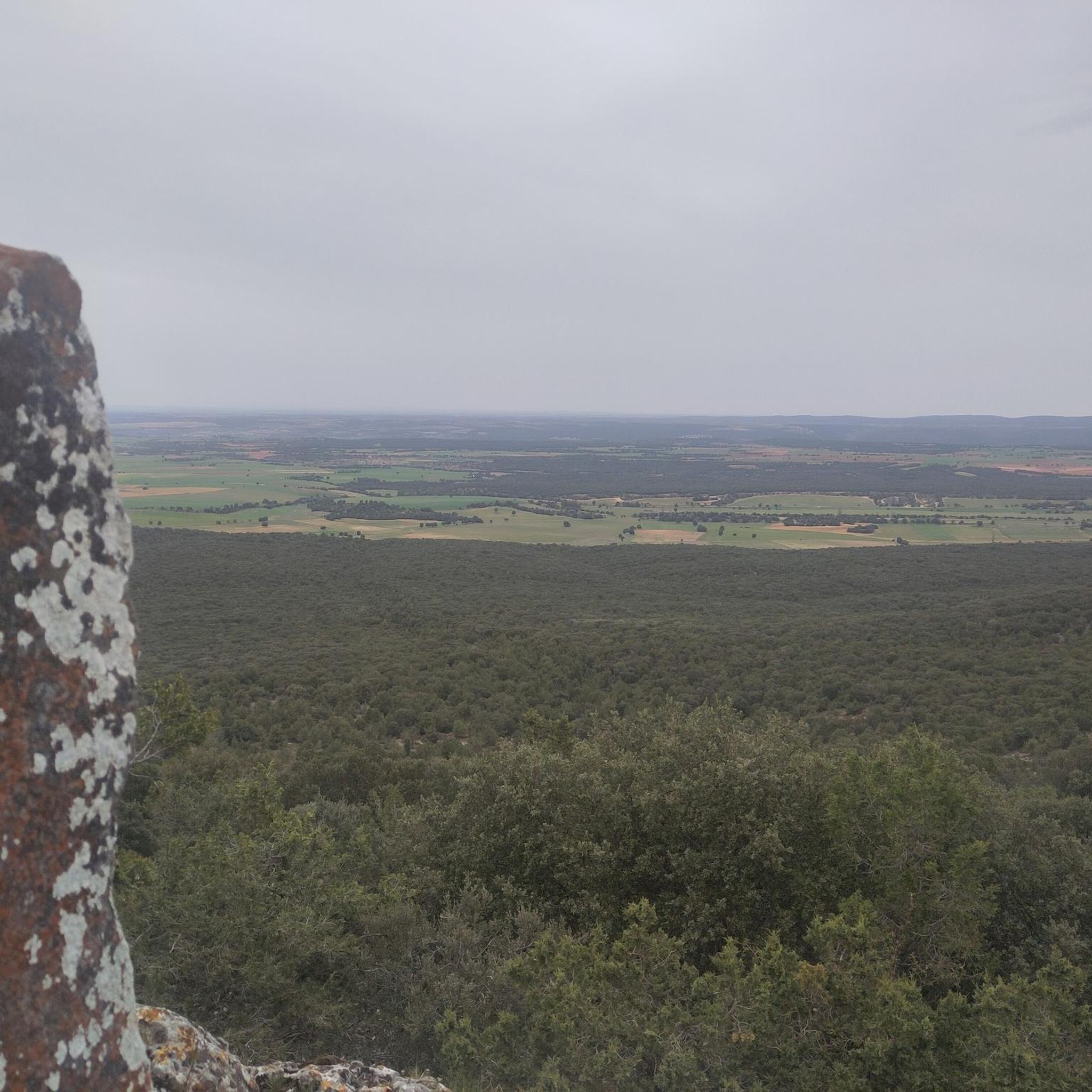
Alto de Peña Alta (1078 m)
Highlight • Mountain Pass
Translated by Google •
Tip by

El Churrión Waterfall
Highlight • Waterfall
Translated by Google •
Tip by

Sign up now to discover places like this
Get recommendations on the best single tracks, peaks, & plenty of other exciting outdoor places.
Sign up for free
Alto de la Cabeza Summit
Highlight • Summit
Translated by Google •
Tip by
La Encina Grande – Notable Tree
Highlight • Natural Monument
Showing Translation
Tip by

Las Peñas de Cervera Viewpoint
Highlight • Viewpoint
Translated by Google •
Tip by

Start today with a free account
Your next adventure awaits.
Login or Signup
Tips from the Community

Spectacular area for hiking routes
0
0
La Encina Grande de Solarana is a notable tree that is part of an important group of holm oaks in the province of Burgos, Spain. It is located in the Llano del Santo, in a dehesa holm oak gully in the town of Solarana.1 This area is situated in the Arlanza region, west of the province of Burgos, and is part of an area with great historical and natural value.
0
0
A spectacular waterfall with dizzying walls
0
0


Alto de la Cabeza is the highest point in the Ribera del Duero with its 1343 m high. The top is crowned by a metal cross.
1
0
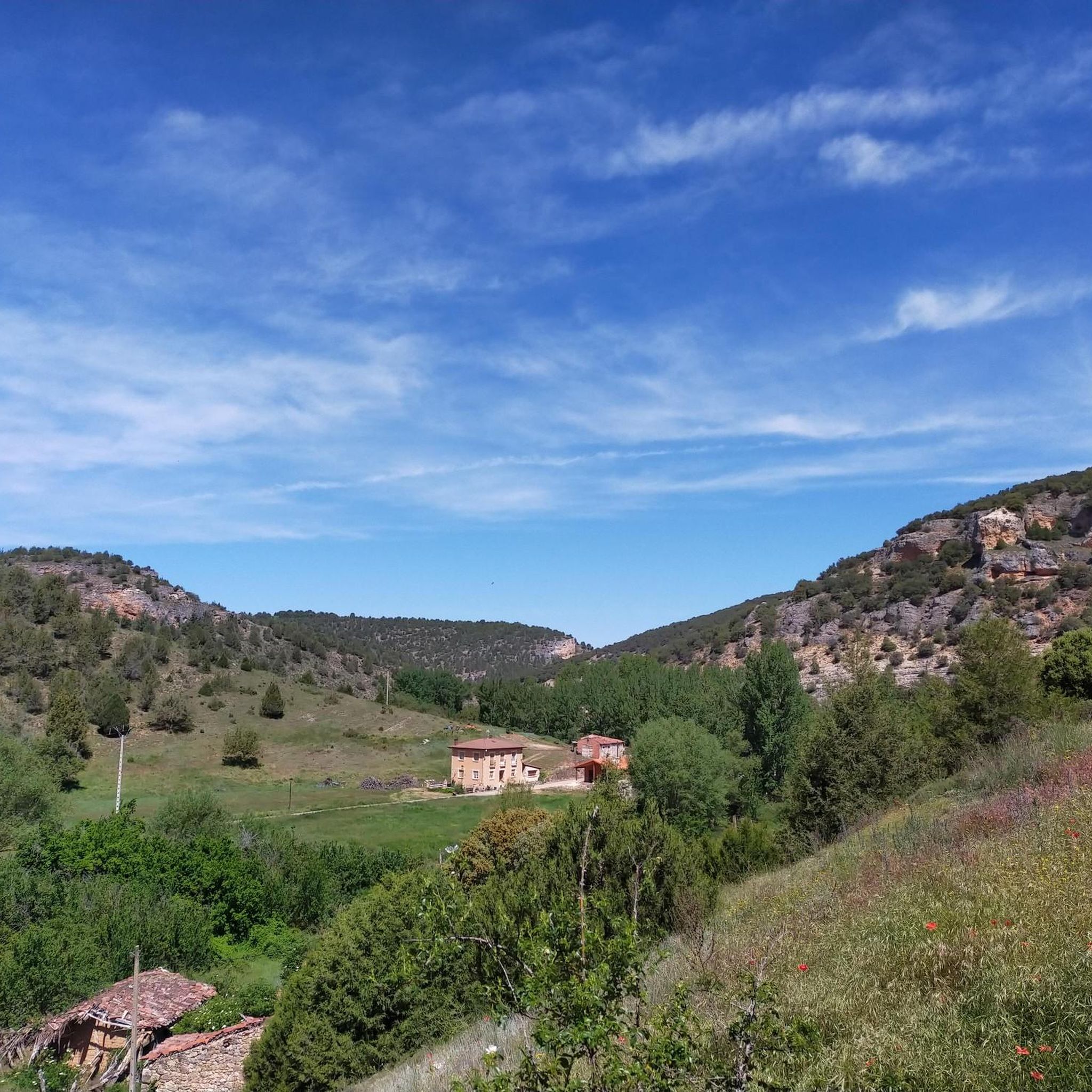
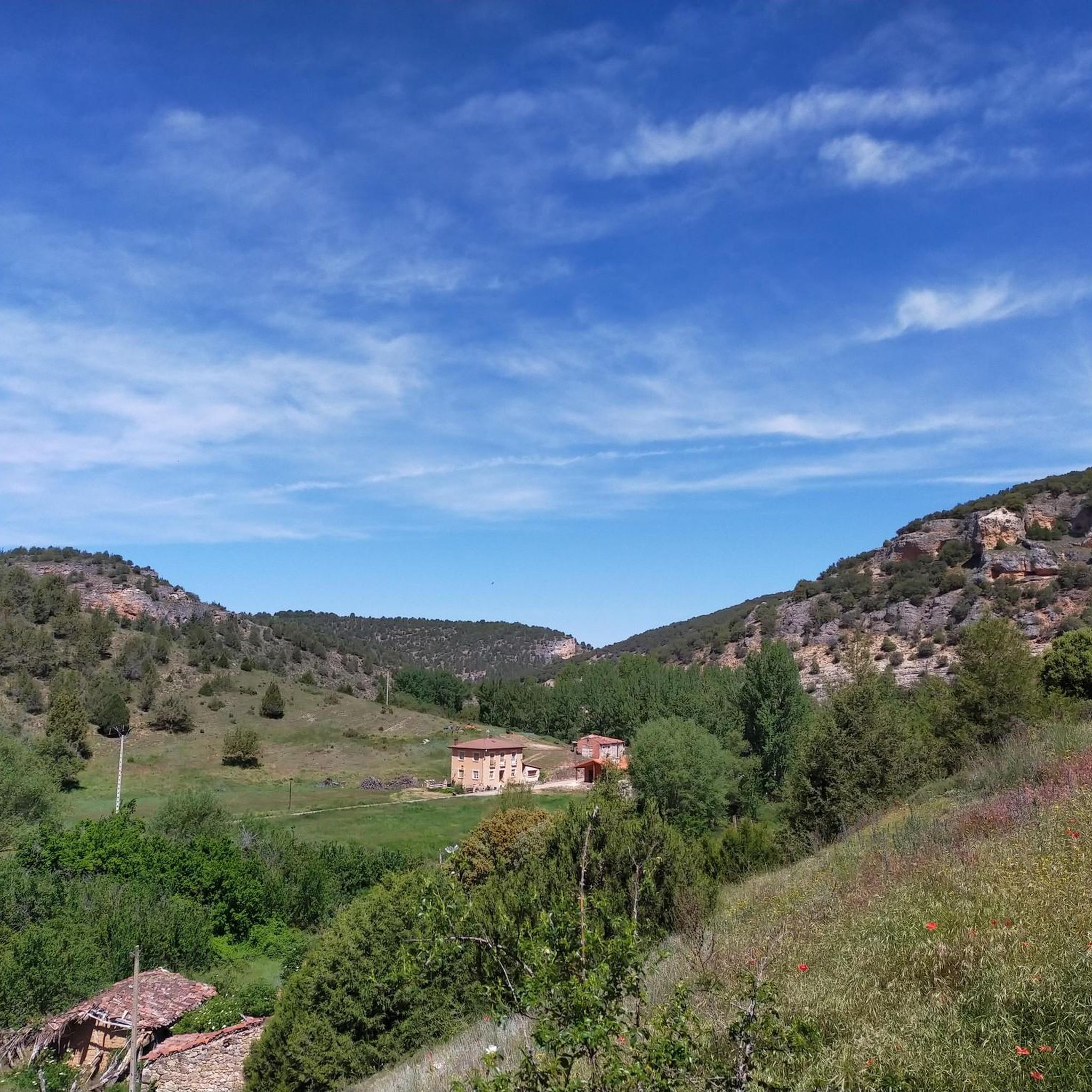
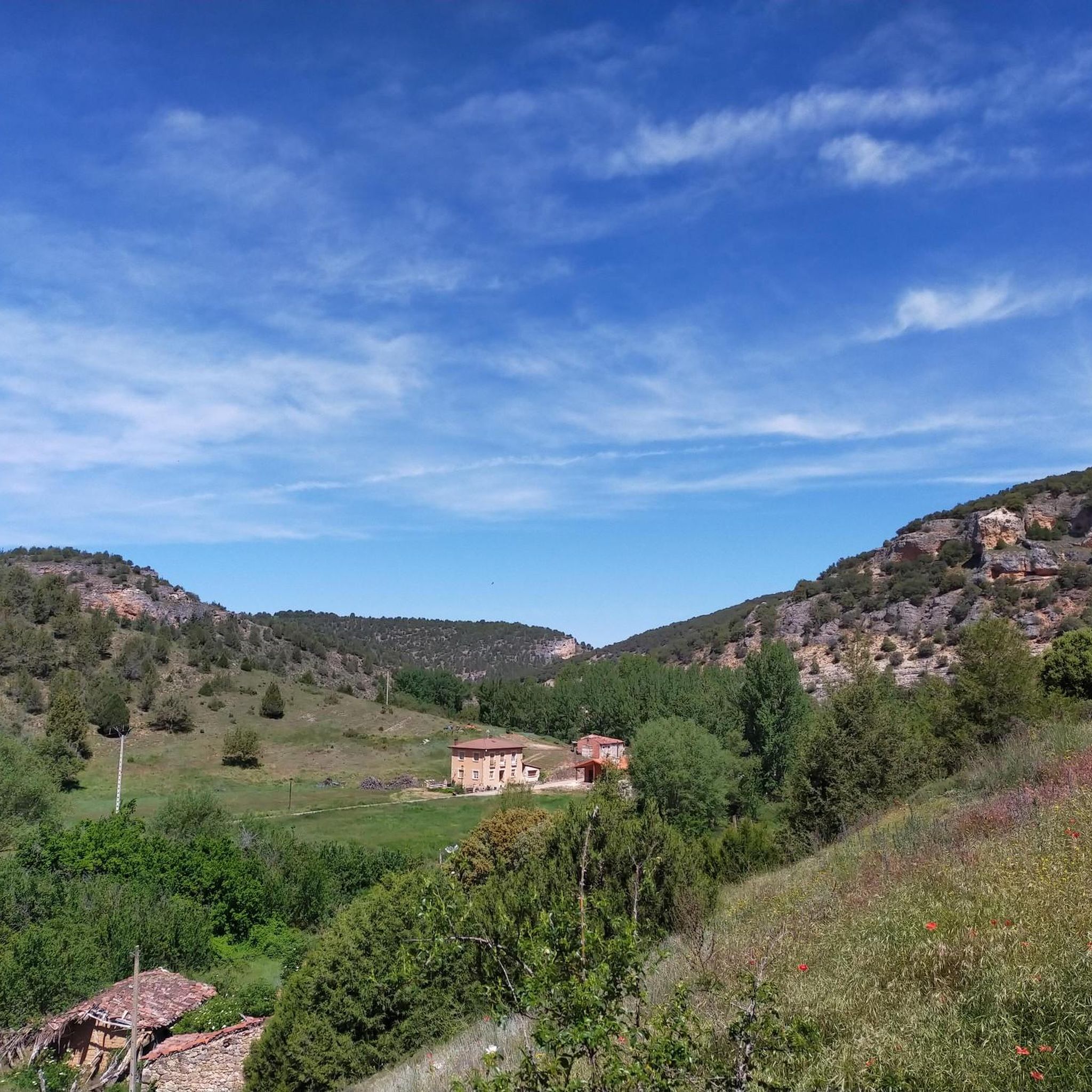
The small waterfall of El Churrión, which depending on the time of year can carry a lot of water or be completely dry. The walk is nice and easy. If you are lucky you will see deer in the area.
1
0

Here you can ride a bike, it goes up and down. Not many cars drive here.
5
2

Mountain port that starts about four kilometers south of the highest part of the port, specifically in the town of Santibáñez del Val. The port is over a thousand meters high.
0
0
Frequently Asked Questions
What are some of the most notable natural monuments around Pinilla Trasmonte?
The region offers several impressive natural monuments. Among them, the Alto de Peña Alta (1078 m) stands out for its panoramic views within the Sabinares de Arlanza - La Yecla natural park. Another significant site is the Alto de la Cabeza Summit, which is the highest point in the Ribera del Duero. You can also visit the charming El Churrión Waterfall, known for its seasonal flow.
Are there family-friendly natural monuments to visit near Pinilla Trasmonte?
Yes, the El Churrión Waterfall is considered family-friendly, with an easy and pleasant walk to reach it. Additionally, the Las Peñas de Cervera Viewpoint is also suitable for families, offering accessible views of the natural park entrance.
When is the best time to visit the natural monuments around Pinilla Trasmonte?
The natural monuments can be enjoyed throughout the year, but seasonal variations are important. For instance, the El Churrión Waterfall's flow depends on the time of year, being more impressive after rainfall. During summer, it's advisable to carry water, especially for walks like the Mataviejas Gorge, due to sun exposure. Spring and autumn generally offer pleasant temperatures for exploration.
What outdoor activities can I do near the natural monuments around Pinilla Trasmonte?
The area is excellent for various outdoor activities. You can find numerous options for hiking, road cycling, and cycle tourism. Popular routes include the 'Sabinares del Arlanza and Yecla Gorge Loop' for road cycling and the 'Hermitages Trail' for hiking.
Are there hiking trails suitable for different skill levels near these natural monuments?
Yes, there are hiking trails catering to various difficulties. For example, the 'Hermitages Trail (PRC-BU 120)' and 'Sendero de las Grandes Encinas (PRC-BU 121)' are moderate options. For those seeking a challenge, the 'Alto de la Cabeza Trail (PRC-BU 77)' is a more difficult route. You can find more details on hiking around Pinilla Trasmonte.
Where can I find the best viewpoints among the natural monuments?
For expansive views, the Alto de Peña Alta (1078 m) offers stunning vistas of bluish peaks and the Mediterranean landscape. The Las Peñas de Cervera Viewpoint also provides great perspectives of the surrounding natural park.
Is it possible to spot wildlife near the natural monuments?
Yes, wildlife spotting is possible. Near the El Churrión Waterfall, visitors might be lucky enough to spot deer in the area, adding to the natural appeal of the walk.
Are there any unique natural features or hidden gems worth exploring?
Beyond the well-known highlights, the Mataviejas Gorge, formed by the Mataviejas river, creates a beautiful natural 'hoz' (sickle-shaped bend) between Castroceniza and Ura. It's described as an easy and pleasant walk, making it a recommended, albeit lesser-known, place to visit. Additionally, La Encina Grande – Notable Tree is a significant holm oak in the region, part of an important group of trees in the province of Burgos.
Is parking available at the natural monuments?
While specific parking details for each natural monument are not always explicitly listed, access to these natural areas typically involves parking near trailheads or designated viewing spots in the vicinity of the villages. For popular spots like Alto de Peña Alta, the roads are generally accessible, and car traffic is not heavy.
Are any natural monuments around Pinilla Trasmonte wheelchair accessible?
Based on the descriptions, most natural monuments in this region involve trails or natural terrain that may not be fully wheelchair accessible. The Mataviejas Gorge, for example, is a walk through a natural 'hoz,' and while easy, it might not be suitable for wheelchairs. It's best to check specific trail conditions if accessibility is a concern.
What kind of natural landscape can I expect to see?
The region around Pinilla Trasmonte offers a diverse natural landscape. You'll encounter Mediterranean natural settings, especially around Alto de Peña Alta within the Sabinares de Arlanza - La Yecla natural park. The area is characterized by river valleys, such as the Esgueva, and features like the Mataviejas Gorge, showcasing riverine landscapes and forests, including significant holm oak groves like the one where La Encina Grande is located.
Most popular routes around Pinilla Trasmonte
Most popular attractions around Pinilla Trasmonte

Get inspired with the komoot mobile app


Explore more
Extend your search for the best caves by checking out these guides of the top ones around Pinilla Trasmonte:
