Top 20 Natural Monuments around Sales De Llierca
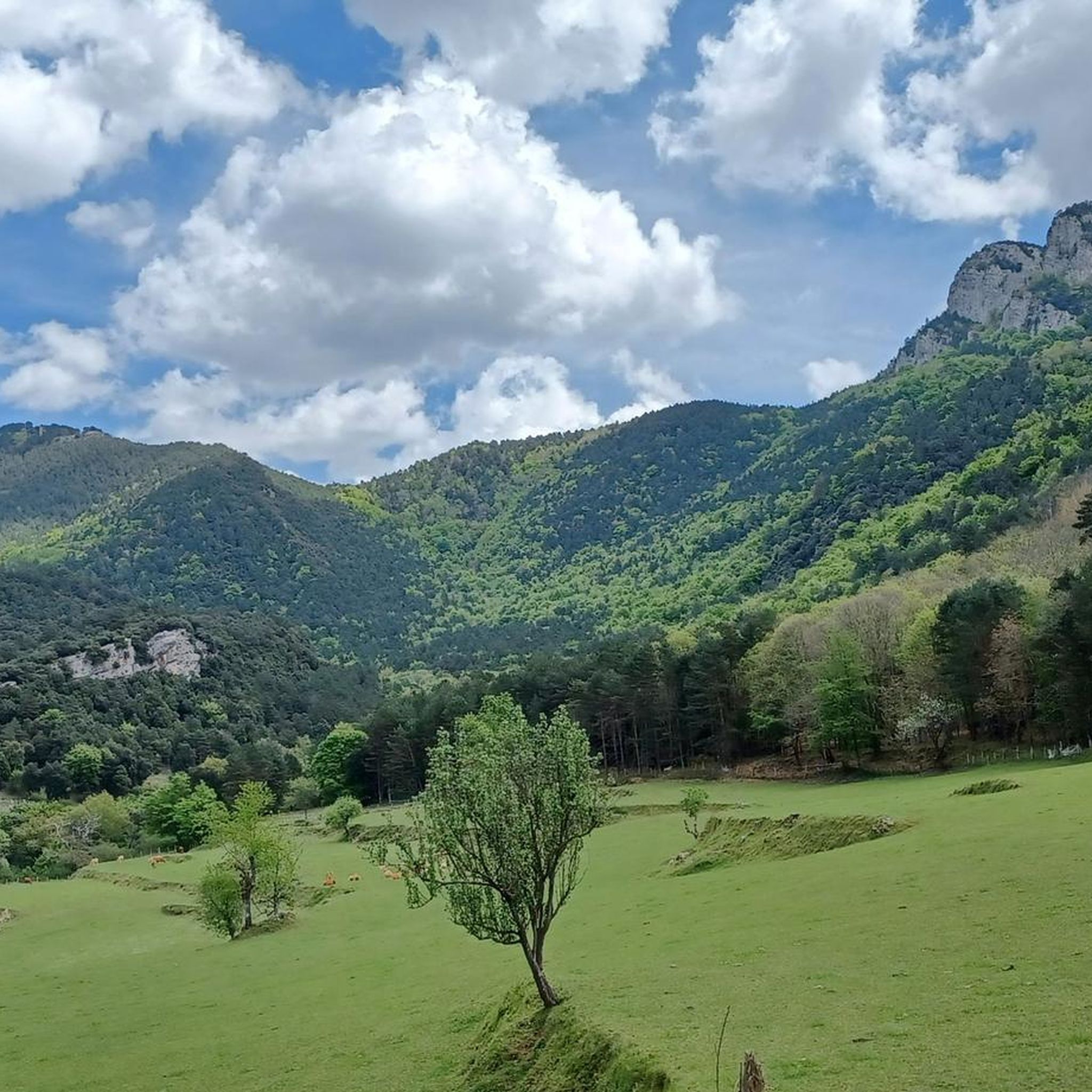
Best natural monuments around Sales De Llierca are found within the Alta Garrotxa Protected Natural Area. This region features rugged limestone landscapes, deep valleys, and diverse natural habitats. The area offers several outstanding natural features accessible from villages like Sadernes. It is known for its dramatic geological formations and pristine aquatic environments.
Best natural monuments around Sales De Llierca
- The most popular natural monuments is Llierca Bridge, a bridge that spans the Llierca river. This medieval Romanesque-style bridge is 28 meters high, 52 meters long, and 3 meters wide, with a single arch.
- Another must-see spot is Castellfollit de la Roca, a settlement built on a basaltic cliff. This village stands 50 meters high and almost a kilometer long, formed by the flow of the Fluvià river.
- Visitors also love Puig de Bassegoda, a summit reaching 1,373 meters high. Its characteristic pointed shape and isolated position offer 360º views.
- Sales De Llierca is known for its bridges, summits, and unique geological settlements. The area offers a variety of natural monuments to see and explore, including caves and protected natural areas.
- The natural monuments around Sales De Llierca are appreciated by the komoot community, with 115 upvotes and 71 photos shared by visitors.
Last updated: July 15, 2026
Llierca Bridge
Highlight • Bridge
Tip by

Castellfollit de la Roca
Highlight • Settlement
Translated by Google •
Tip by

Sign up now to discover places like this
Get recommendations on the best single tracks, peaks, & plenty of other exciting outdoor places.
Sign up for free
Puig de Bassegoda
Highlight • Summit
Translated by Google •
Tip by

Alta Garrotxa (Partial Nature Reserve of the Muga-Albanyà)
Highlight • Natural Monument
Some of the most notable places within the Muga-Albanyà Partial Nature Reserve include:
The town of Albanyà: A small rural town surrounded by unspoilt nature and trails to explore.
The Muga River: A river with crystal clear waters that meanders through the reserve, offering opportunities for fishing, hiking and enjoying nature.
The Serra de Lliens: A mountain range with impressive panoramic views and hiking trails that allow you to explore the natural beauty of the region.
El Puig de Bassegoda: An emblematic mountain that offers incomparable panoramic views of the Alta Garrotxa and the Pyrenees.
The Hermitage of Santa Bàrbara: A hermitage located in a spectacular natural enclave, which offers a place of tranquility and contemplation.
Translated by Google •
Tip by

Rocapastora Cliff
Highlight • Climb
Translated by Google •
Tip by

Sign up for free to discover even more natural monuments around Sales De Llierca.
Sign up for free
Already have an account?
Start today with a free account
Your next adventure awaits.
Login or Signup
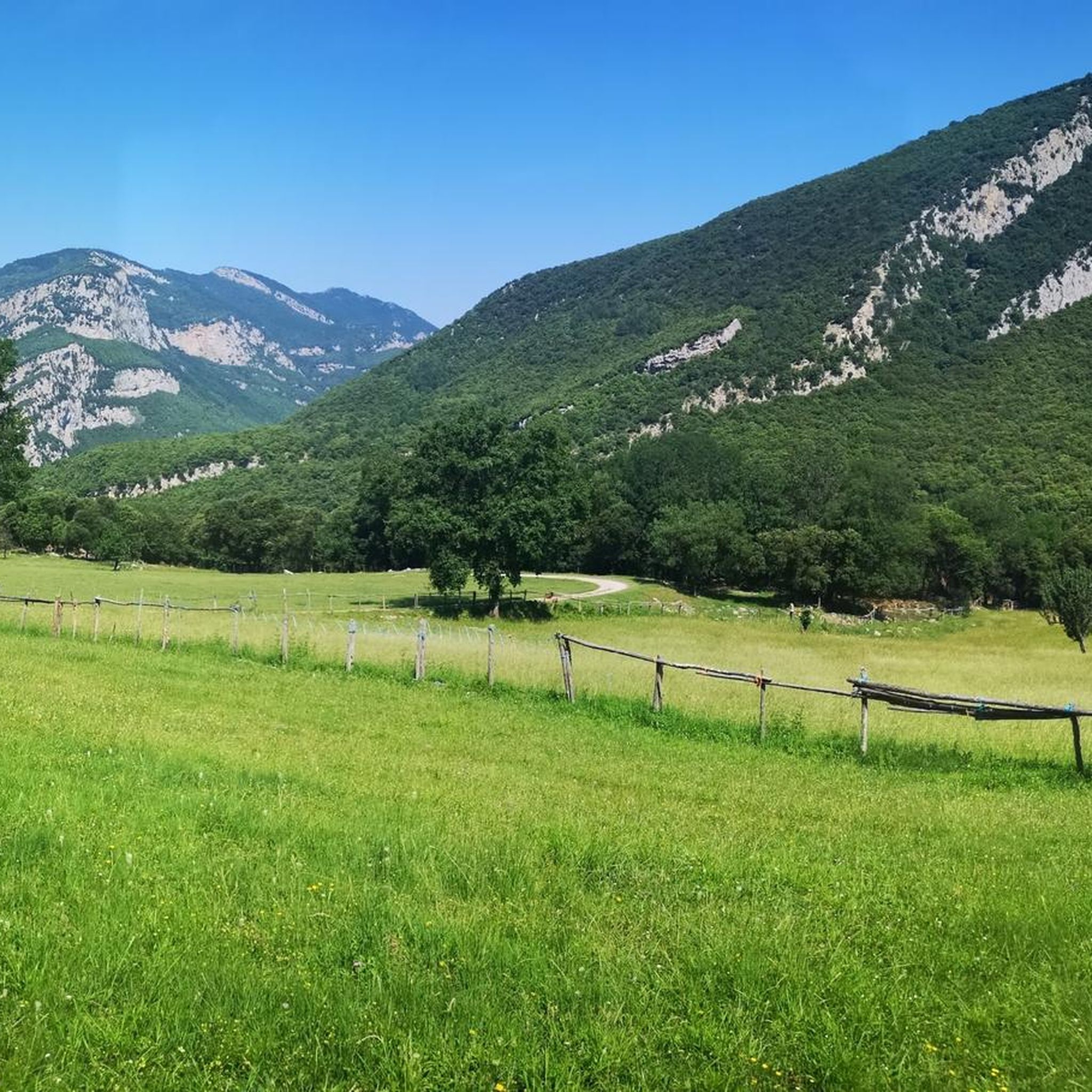
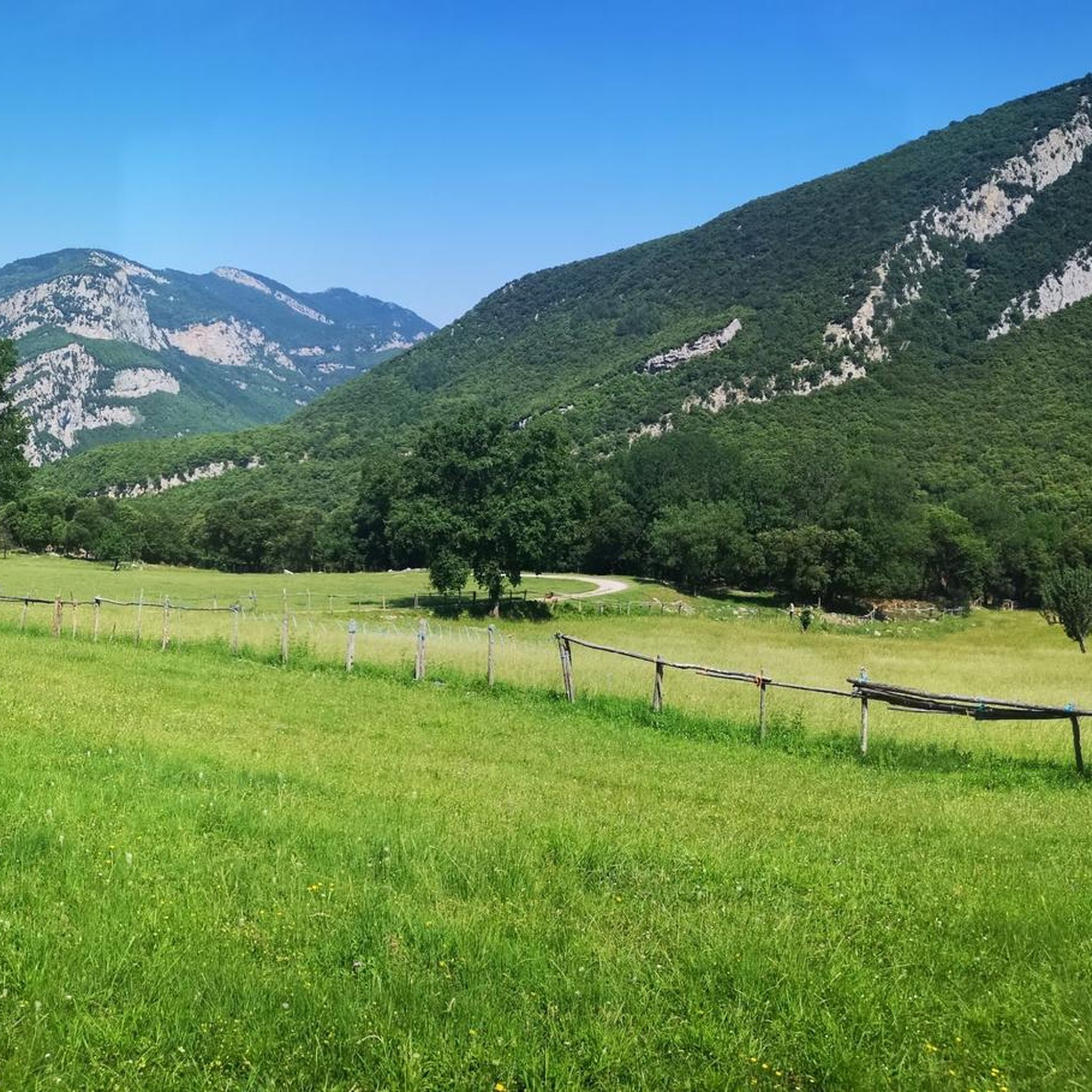
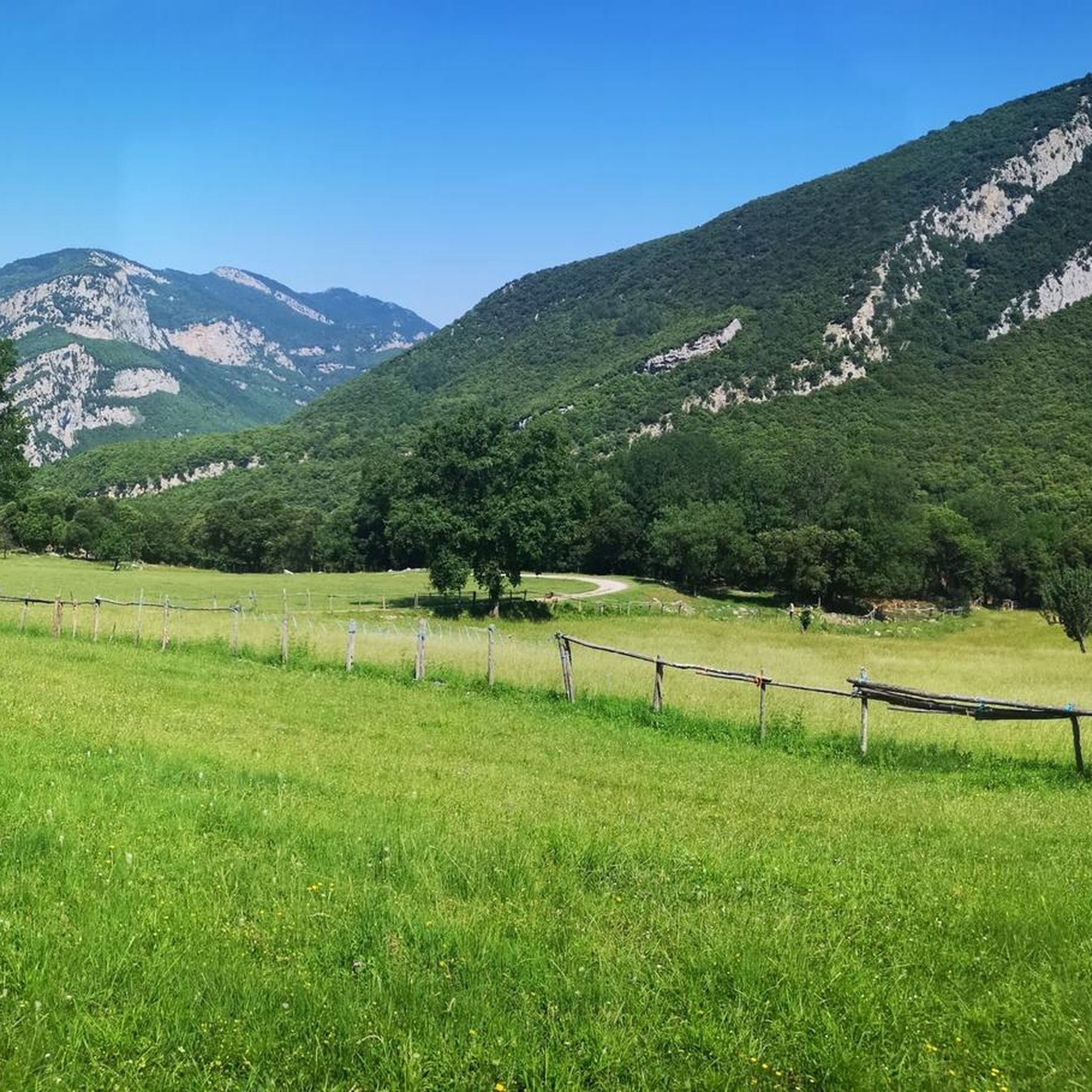
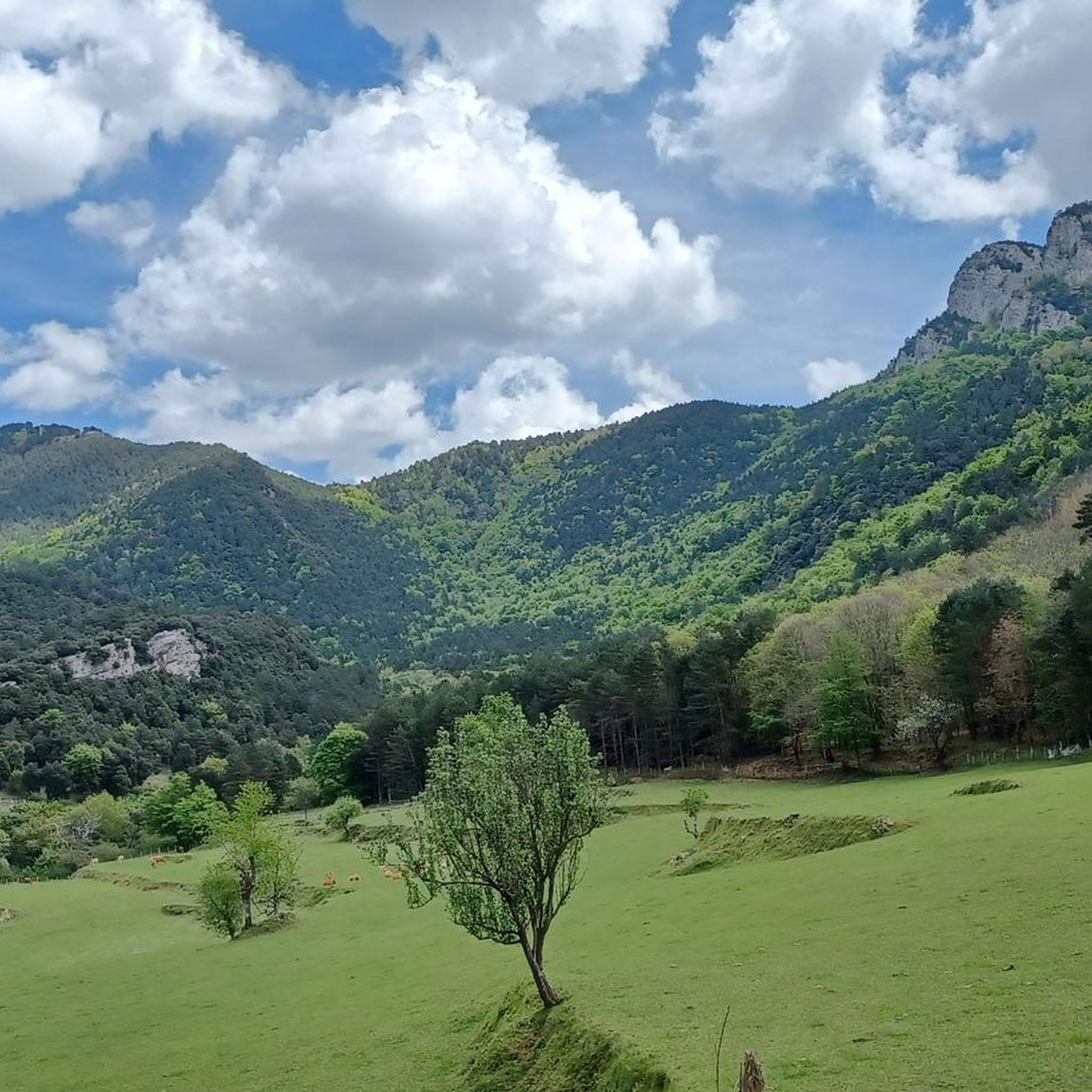

Tips from the Community

The area east of the bridge is not particularly suitable for gravel bikes. The bridge is definitely worth a visit.
0
0

A Romanesque bridge worth seeing. Be sure to take a detour there and take a look. You can easily walk across it.
3
0

The Llierca Bridge, also called Pont de Sadernes, is a bridge 28 m high, 52 m long and 3 m wide. With a single, very slender arch, it crosses the Llierca river between Tortellà and Sadernes. Romanesque in style, although we do not know the date of its construction, there is evidence of its use since at least the 14th century, when it is documented that a toll was paid to cross it. The bridge was probably built by order of the barons of Sales, to facilitate trade between the farmhouses located west of the Llierca river with the towns of Tortellà and Besalú.
0
0


Within Alta Garrotxa is the Muga-Albanyà Partial Nature Reserve, which covers an area of approximately 5,000 hectares. This reserve is especially notable for its biodiversity and the presence of very diverse natural habitats, which include oak and holm oak forests, alpine meadows, crystal-clear rivers and unique geological formations. Some of the most notable places within the Muga-Albanyà Partial Nature Reserve include: The town of Albanyà: A small rural town surrounded by unspoilt nature and trails to explore. The Muga River: A river with crystal clear waters that meanders through the reserve, offering opportunities for fishing, hiking and enjoying nature. The Serra de Lliens: A mountain range with impressive panoramic views and hiking trails that allow you to explore the natural beauty of the region. El Puig de Bassegoda: An emblematic mountain that offers incomparable panoramic views of the Alta Garrotxa and the Pyrenees. The Hermitage of Santa Bàrbara: A hermitage located in a spectacular natural enclave, which offers a place of tranquility and contemplation.
2
0

At 1,373 meters high, the Puig de Bassegoda is located on the border between the regions of La Garrotxa and Alt Empordà. The climb accumulates a lot of positive unevenness in a short distance. For this reason, in the last section it has staples and chains to help itself.
2
1

Castellfollit de la Roca is a small village that is built right on the edge of the cliffs. It is really amazing to see and visit. The area around is mostly volcanic and super interesting from a historical point of view. If you ever visit make sure to pick up some Pet de Monja cookies. I will let you translate the name.
0
0
This bridge is amazing. It is 28 meters above the water. It stretches 52 meters from one side to the other. It was built between the 13th and 14th centuries and was used to transport goods in the area. Wow!! On the opposite side of the road, the trail is a bit difficult on a gravel bike, but should be fine on a mountain bike. The hard part is only about 50 meters, the rest is easy.
3
1
Frequently Asked Questions
What are some popular natural monuments to visit around Sales De Llierca?
The region offers several outstanding natural features. Highly recommended spots include the historic Llierca Bridge, the unique village of Castellfollit de la Roca perched on a basaltic cliff, and the panoramic Puig de Bassegoda summit.
Are there any natural monuments suitable for families or easy walks?
Yes, the area around Sadernes offers accessible options. The natural pools of Sant Aniol d'Aguja are a serene escape with crystal-clear waters, reachable via a pleasant hike. Additionally, the "Valentí Bridge – Gorges of the Alt Llierca loop from Sadernes" is an easy 6.3 km hike, perfect for a family outing. You can find more details on family-friendly routes in the Hiking around Sales De Llierca guide.
What kind of natural features can I expect to see in the Sales De Llierca area?
Sales De Llierca is nestled within the Alta Garrotxa Protected Natural Area, known for its rugged limestone landscapes, deep valleys, and rich biodiversity. You'll encounter dramatic geological formations like gorges, pristine aquatic environments such as natural pools and rivers, and lush forests. The region is also characterized by unique settlements built on basaltic cliffs and prominent summits offering expansive views.
What outdoor activities can I do near these natural monuments?
The Alta Garrotxa area is ideal for various outdoor activities. Hiking is very popular, with trails leading to gorges, pools, and summits. You can also enjoy mountain biking, road cycling, and canyoning. For detailed routes and options, explore the Hiking, MTB, and Road Cycling guides around Sales De Llierca.
Are there any challenging hikes to natural monuments for experienced adventurers?
Absolutely. For those seeking a challenge, the ascent to Puig de Bassegoda, at 1,373 meters high, involves a significant positive elevation gain over a short distance, with staples and chains in the final section to assist climbers. Another challenging option is exploring the Baumes de Caixurma, a complex system of labyrinthine galleries and narrow cracks hidden by dense vegetation.
What is the best time of year to visit the natural monuments around Sales De Llierca?
The Alta Garrotxa region is beautiful year-round, but spring and autumn generally offer the most pleasant weather for hiking and exploring, with milder temperatures and vibrant natural colors. Summer is great for enjoying the natural pools, though it can be warmer. Winter hiking is also possible, but some routes might be more challenging due to conditions.
Can I find any historical or cultural sites integrated with the natural monuments?
Yes, the region beautifully blends natural beauty with historical heritage. The Llierca Bridge is a medieval Romanesque-style bridge dating back to the 13th-14th centuries, offering picturesque views and serving as a gateway to further natural exploration. The village of Castellfollit de la Roca, with its medieval old town and 13th-century church, is another prime example of human ingenuity integrated with nature.
Are there any natural monuments that offer exceptional viewpoints?
Yes, several spots provide stunning vistas. Puig de Bassegoda offers exceptional 360º views, from the Gulf of Roses to Canigó, due to its isolated position. The village of Castellfollit de la Roca also provides unparalleled panoramas of the lush valley below from its ancient church.
What should I wear when hiking to natural monuments in this area?
Given the rugged terrain of the Alta Garrotxa, it's advisable to wear sturdy hiking boots with good ankle support. Layered clothing is recommended to adapt to changing weather conditions, and a waterproof jacket is always a good idea. Don't forget sun protection, a hat, and plenty of water, especially during warmer months.
Are there any hidden or less-known natural monuments worth discovering?
While not entirely hidden, the Baumes de Caixurma offer a unique experience. These complex labyrinthine galleries and narrow cracks are tucked away south of Castellfollit de la Roca, often concealed by dense vegetation. It's a fascinating spot for those looking for something a bit different and more adventurous.
What kind of wildlife can be observed in the natural monuments around Sales De Llierca?
The Alta Garrotxa Protected Natural Area is rich in biodiversity. You might encounter various bird species, including raptors, as well as mammals like wild boars, deer, and smaller forest creatures. The Baumes de Caixurma are also home to protected cave-dwelling invertebrates and bats, highlighting the region's ecological importance.
Are there circular hiking routes available to explore the natural monuments?
Yes, many routes in the area are designed as circular walks, allowing you to start and end at the same point. For instance, the "Valentí Bridge – Gorges of the Alt Llierca loop from Sadernes" is a popular circular option. You can find a wide selection of circular routes, including those for hiking and mountain biking, in the Hiking around Sales De Llierca guide and other activity guides.
Most popular routes around Sales De Llierca
Most popular attractions around Sales De Llierca

Get inspired with the komoot mobile app


Explore more
Extend your search for the best caves by checking out these guides of the top ones around Sales De Llierca:
