Top 8 Natural Monuments around Armañanzas
Best natural monuments around Armañanzas are found in a tranquil village nestled at the foot of the Codés mountain range in Navarre, Spain. This region serves as a gateway to diverse landscapes, offering unique natural experiences. The area is characterized by hills, valleys, and mountainous terrain, with a climate influenced by both Mediterranean and Atlantic factors. It features oak and beech forests, providing a rich natural environment for exploration.
Best natural monuments around Armañanzas
- The most popular natural monuments is…
Last updated: July 1, 2026
Joar Summit (1,414 m)
Highlight • Summit
Translated by Google •
Tip by

La Plana Summit (1,338 m)
Highlight • Summit
Translated by Google •
Tip by

Sign up now to discover places like this
Get recommendations on the best single tracks, peaks, & plenty of other exciting outdoor places.
Sign up for free
Three-Legged Holm Oak
Highlight • Natural Monument
Translated by Google •
Tip by

La Dormida Viewpoint
Highlight • Viewpoint
Translated by Google •
Tip by
Embalse de Las Cañas
Highlight • Lake
Translated by Google •
Tip by

Sign up for free to discover even more natural monuments around Armañanzas.
Sign up for free
Already have an account?
Start today with a free account
Your next adventure awaits.
Login or Signup

Tips from the Community

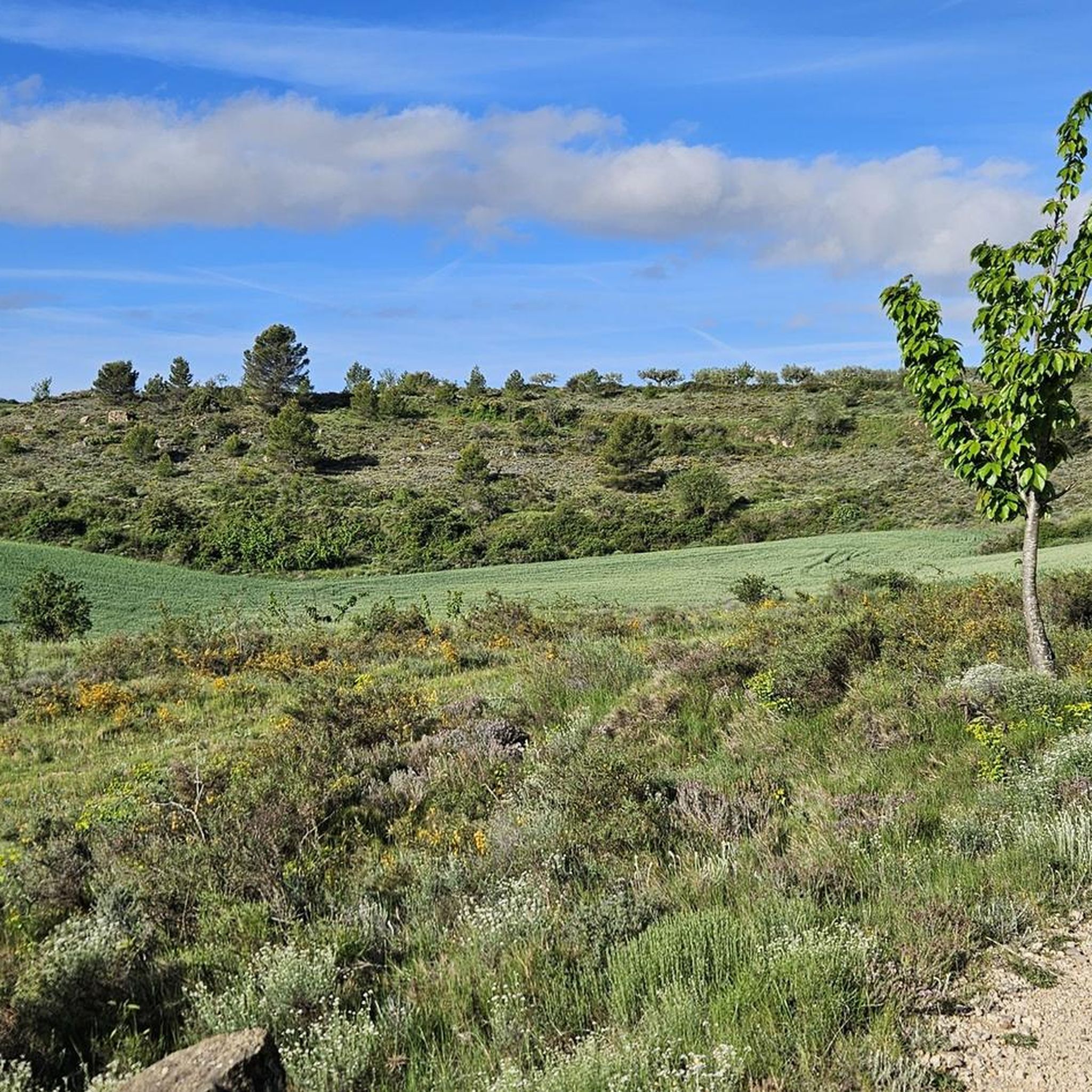
In La Llana, you must directly cross the GR-1 Historic Trail and climb the path that seeks the second summit of the mountain range. Before entering the beech forest, it passes close to the edge of the stone bell towers and offers good views of the Ribera de Navarra and the Rioja Baja, in the Ebro valley. The path is deceptive; it seems to seek the ridge of the mountain but maintains a path at altitude on the north face, even making small descents to adjust to the terrain, until it finally climbs to the ridge of the mountain and passes by the sculpture of La Plana (1,338 m). Just as the Joar mailbox has a colorful tree, mountaineers, flowers, animals and other curiosities. The path continues along the plain of the summit to the east, the meadows abound with clumps of eguzkilore, the witch-repelling thistles that are placed at the doors of houses. The trail reaches a milestone at the eastern end of the plateau and changes course to begin the descent south along the ridge of the mountain.
0
0

One of the emblematic peaks of the area, a joy of views.
0
0

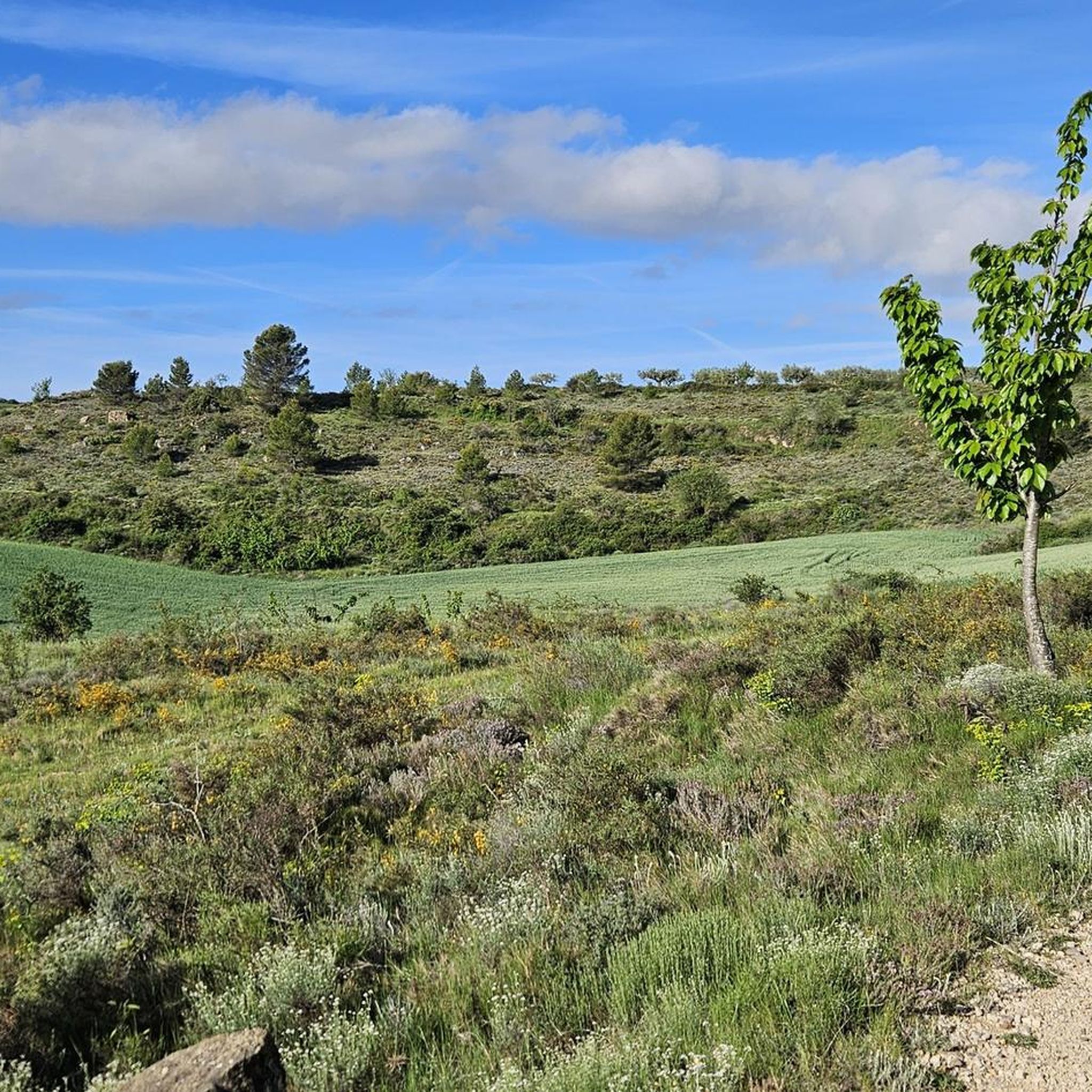
The Las Cañas reservoir nature reserve is a paradise for bird lovers. The walk around the reservoir is highly recommended.
0
0
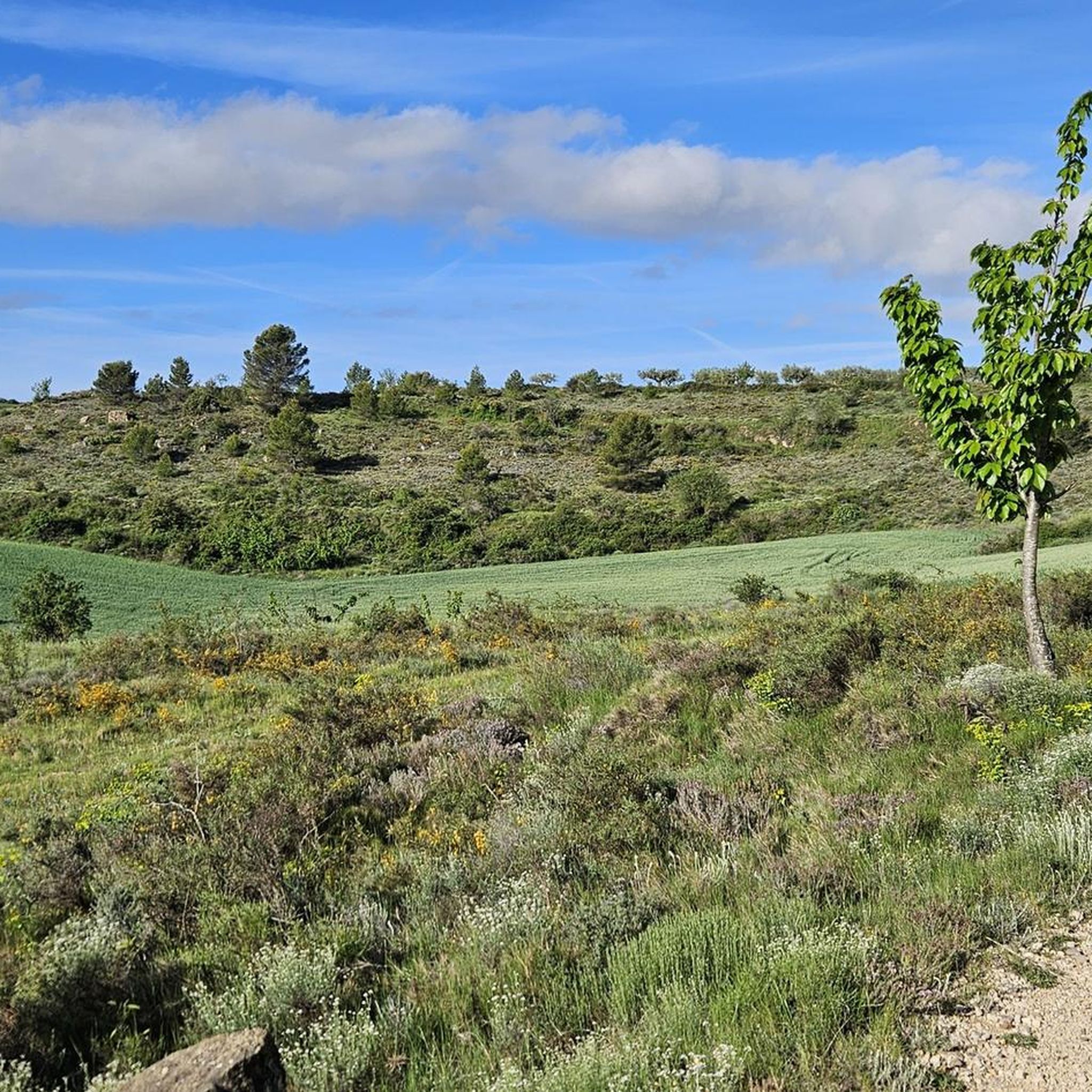
Impressive specimen of holm oak that, as its name indicates, has 3 "legs". And you can even get inside.
2
0
Very good views, but be careful not to get confused at the previous intersection with the path to "Senda La Dormida"
3
0

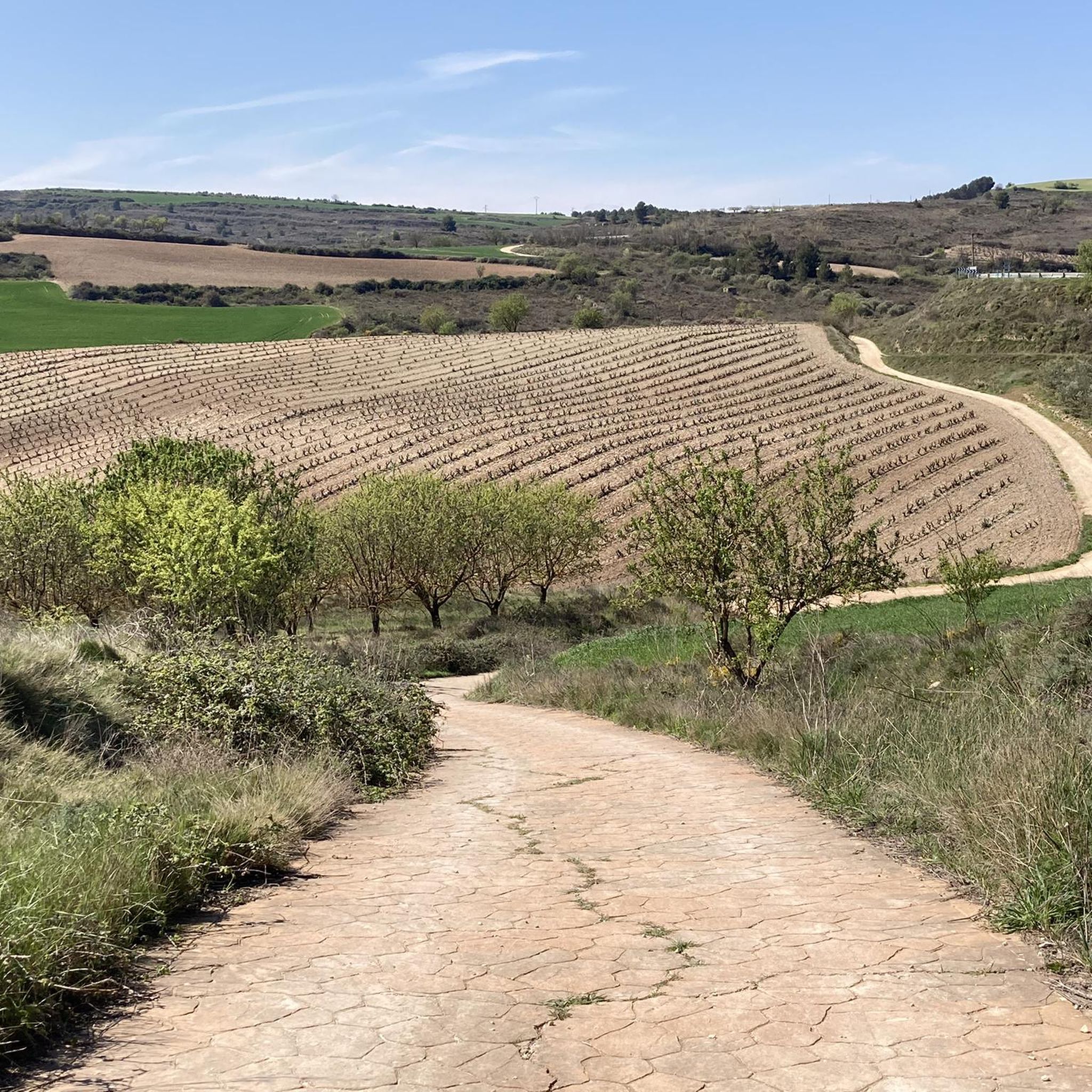
Simply amazing postcards from the top of Joar at more than 1400 meters above sea level. To get here you can take alternative paths of greater or lesser degree of difficulty depending on your preference, in any case the route is very picturesque.
3
0
Frequently Asked Questions
What are the most popular natural monuments to visit around Armañanzas?
The region around Armañanzas offers several highly-rated natural monuments. Among the most popular are the Joar Summit (1,414 m), known for its panoramic views, and the unique Three-Legged Holm Oak, an impressive ancient tree you can even step inside. Another favorite is La Plana Summit (1,338 m), which provides excellent views of the Ribera de Navarra and Rioja Baja.
Are there natural monuments suitable for families with children?
Yes, the Three-Legged Holm Oak is a great family-friendly natural monument. Its unique structure allows visitors to observe and even enter its interior, making it an engaging stop for all ages. The surrounding areas often have benches for resting, perfect for a family outing.
What kind of wildlife can I expect to see in the natural monuments around Armañanzas?
The diverse ecosystems around Armañanzas support a rich variety of wildlife. At the Las Cañas Reservoir, you can observe a wide array of aquatic nesting and wintering migratory birds, making it a paradise for birdwatchers. In the Sierra de Codés and Urbasa-Andía Natural Park, you might spot griffon vultures, peregrine falcons, golden eagles, Egyptian vultures, deer, wild boar, foxes, and even protected species like the European mouflon and bearded vulture.
What are the best natural features or viewpoints in the area?
The region is rich in stunning natural features and viewpoints. The Joar Summit (1,414 m) and La Plana Summit (1,338 m) offer expansive panoramic views. The La Dormida Viewpoint also provides excellent vistas. Additionally, the Balcón de Pilatos in Urbasa-Andía Natural Park offers breathtaking panoramic views of the Améscoa Valley, while the Source of the River Urederra is famous for its spectacular turquoise waters, waterfalls, and cascades.
What outdoor activities can I do near these natural monuments?
The area around Armañanzas is ideal for various outdoor activities. You can find numerous routes for mountain biking, running, and road cycling. For example, there are challenging MTB trails like the 'Arquijas Viaduct – Granada Tunnel loop' and scenic running routes such as the 'Ioar – La Plana loop'. Road cyclists can enjoy routes like 'Puerto de Aras – panoramic return from Viana'. You can explore more options on the dedicated guides for MTB Trails around Armañanzas, Running Trails around Armañanzas, and Road Cycling Routes around Armañanzas.
Are there any natural monuments known for their unique geological features?
Yes, the Urbasa-Andía Natural Park, which includes the Source of the River Urederra, is characterized by impressive geological formations. Its limestone subsurface has led to spectacular karst phenomena such as caves, ravines, and cliffs. The Source of the Urederra itself emerges from a karstic massif, creating its distinctive turquoise pools and waterfalls.
What is the best time of year to visit the natural monuments around Armañanzas?
The region's climate is influenced by both Mediterranean and Atlantic factors, offering pleasant conditions for much of the year. Spring and autumn are generally ideal for hiking and outdoor activities, with mild temperatures and vibrant natural colors. Summer is also popular, especially for enjoying the forests and higher elevations. Birdwatching at Las Cañas Reservoir is excellent during migration seasons.
Is there a natural monument known for stargazing?
Yes, the Sierra de Codés, where Armañanzas is situated, has been recognized with a Starlight Certificate. This signifies the exceptional quality of its night sky for astronomical observation, making it an ideal destination for stargazing enthusiasts.
Do I need to book access to any of the natural monuments?
Yes, access to the Source of the River Urederra, located within the Urbasa-Andía Natural Park, requires prior booking. It is advisable to check the official tourism website for booking details and current access requirements before your visit: visitnavarra.es.
What kind of forests can be found in the natural monument areas?
The region boasts diverse forest types. The Sierra de Codés features extensive oak and beech forests, including some of the southernmost beech tree areas in Navarre. The Urbasa-Andía Natural Park and the area around the Source of the River Urederra are known for their vast beech forests, along with oak, elm, and maple trees, creating lush and varied woodland environments.
What do visitors enjoy most about the natural monuments around Armañanzas?
Visitors particularly enjoy the breathtaking panoramic views from summits like Joar Summit, often describing them as 'amazing postcards'. The unique experience of the Three-Legged Holm Oak, where you can even step inside, is also a highlight. The picturesque routes and the serene atmosphere of the beech forests are frequently praised.
Are there any historical or cultural sites near the natural monuments?
Beyond its natural beauty, the Sierra de Codés area also holds cultural and historical significance. It is home to the Sanctuary of Our Lady of Codes, offering a blend of natural exploration and cultural insight. Additionally, the path to La Plana Summit crosses the GR-1 Historic Trail, connecting you with ancient routes.
Most popular routes around Armañanzas
Most popular attractions around Armañanzas

Get inspired with the komoot mobile app


Explore more
Extend your search for the best caves by checking out these guides of the top ones around Armañanzas:
