Top 8 Natural Monuments around Rionansa
Best natural monuments around Rionansa are found within a mountainous municipality in central-western Cantabria, Spain. The region is characterized by pristine landscapes, including natural parks, caves, and riverine environments. These areas offer a blend of geological features, biodiversity, and mountain and riverine scenery. Rionansa provides opportunities for exploring natural wonders and outdoor activities.
Best natural monuments around Rionansa
- The most popular natural monuments is Santa Catalina Viewpoint, a viewpoint that offers views of the Deva river valley and the…
Last updated: July 1, 2026
Oyambre Natural Park
Highlight • Natural Monument
Translated by Google •
Tip by

Santa Catalina Viewpoint
Highlight • Viewpoint
Translated by Google •
Tip by

Sign up now to discover places like this
Get recommendations on the best single tracks, peaks, & plenty of other exciting outdoor places.
Sign up for free
Canto Redondo Summit
Highlight • Summit
Translated by Google •
Tip by

La Fuentona de Ruente
Highlight • Natural Monument
Translated by Google •
Tip by

Sauceda de Buelles
Highlight • Forest
Translated by Google •
Tip by
Sign up for free to discover even more natural monuments around Rionansa.
Sign up for free
Already have an account?
Start today with a free account
Your next adventure awaits.
Login or Signup
Other adventures around Rionansa

Tips from the Community

Beautiful site, and right in the town.
1
0

Incredible views of the Hermida gorge.
1
0

Hard but short climb. From the viewpoint we can see the Hermida gorge
2
0

Declared a Natural Monument, the Sauceda de Buelles is a forest that borders the two banks of the Cares-Deva River, between the towns of El Mazo, Narganes and Buelles. It is made up of willows, mostly white (salix alba) but there are also other bushy willows and some alders as well as oaks and other species.
2
0
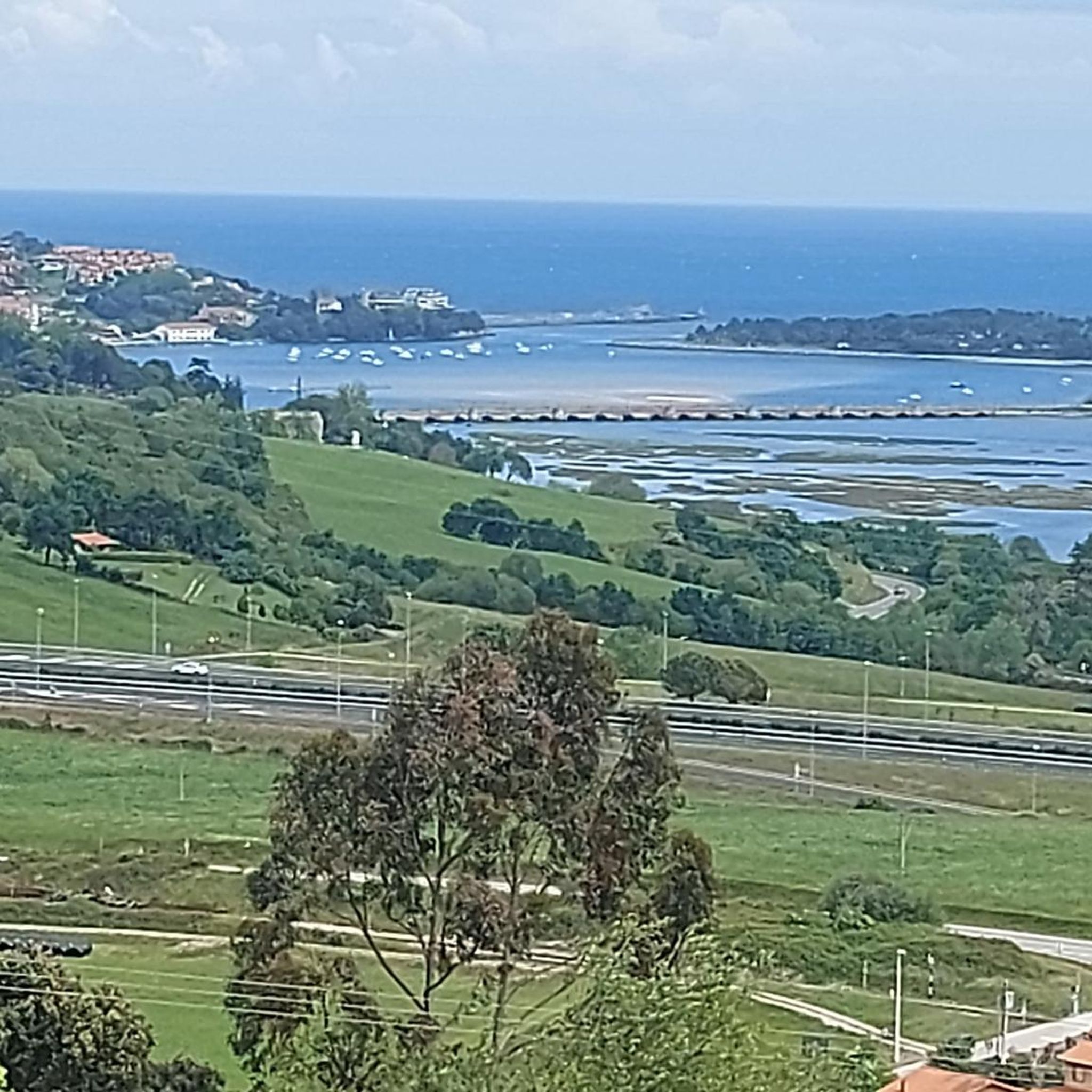
The Oyambre Natural Park has an extension of 57 square kilometers and consists of enormous beaches surrounded by an extensive forest mass. The Picos de Europa mountain range in the background is impressive. It is a territory of great ornithological richness, located mainly in its estuaries and marshes.
0
0

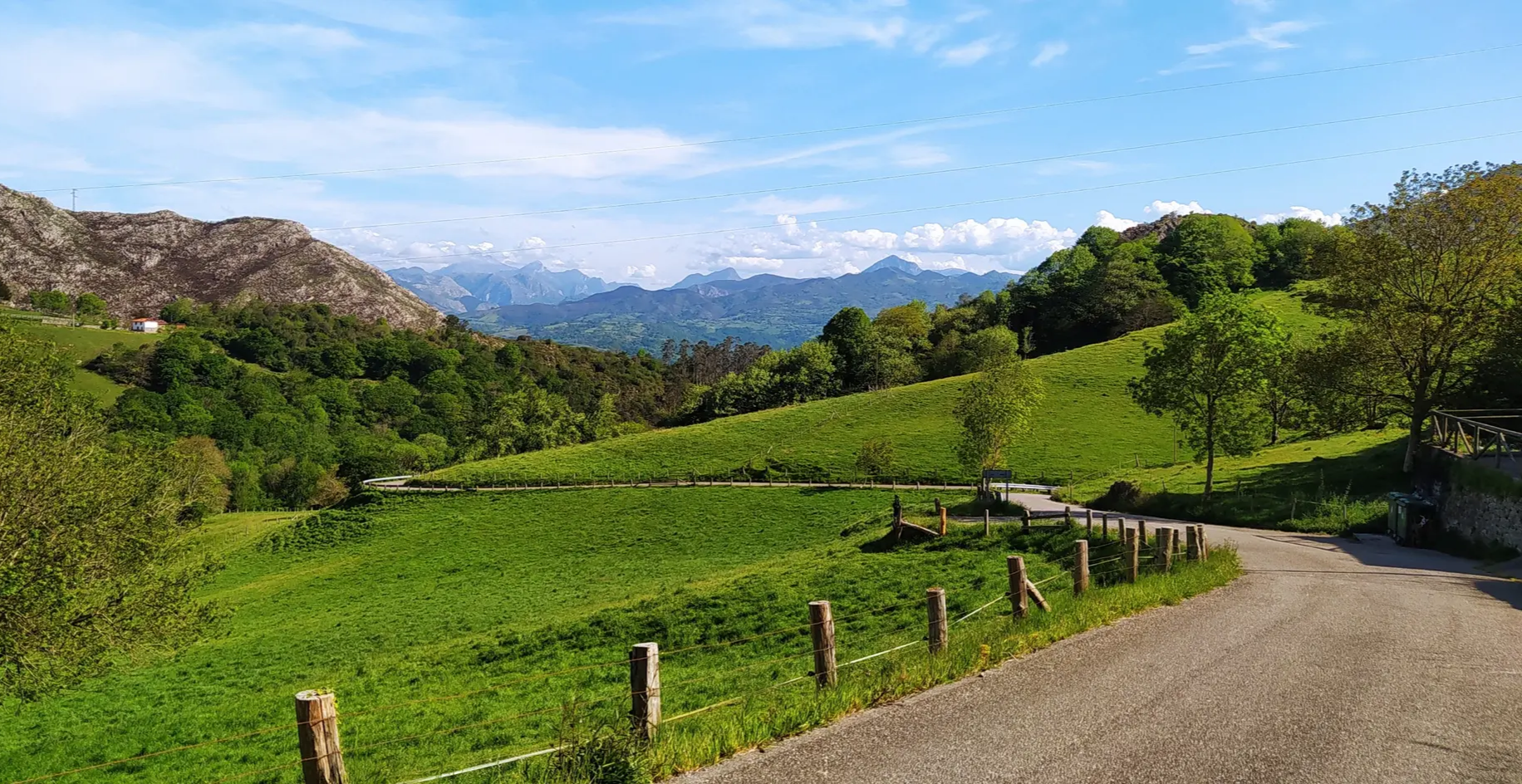
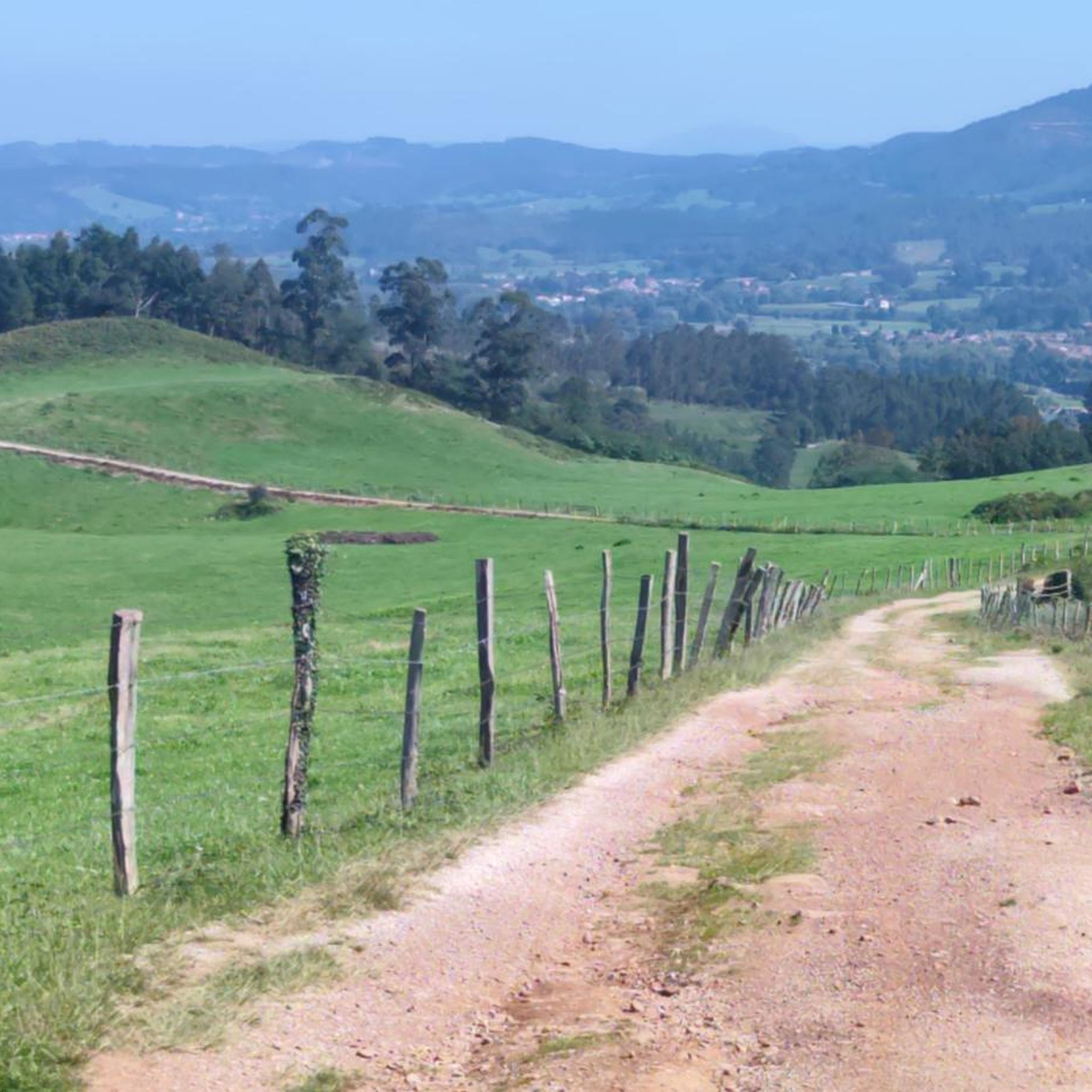
It is worth getting here to have some beautiful views of the Deva river valley. In the town of Cicera you must take the detour along the north path that leads to the hermitage of Santa Catalina and from there continue a few more meters, highly recommended!
3
0
The Ojo de la Fuentona is the source of the homonymous river in the town of Ruente, a very quiet and picturesque place surrounded by a very peculiar legend. Given its intermittency, the river sometimes dries up completely and in the past it was said that an anjana (good witch) lived in the Eye who used to have some whim and could make the water stop emanating there.
1
0
It is worth getting here to have some beautiful views of the Deva river valley. If you are doing the Camino Lebaniego, in the town of Cicera you must take the detour along the north path that leads to the hermitage of Santa Catalina and from there continue a few more meters, highly recommended!
2
1
Frequently Asked Questions
What are some of the most remarkable natural features to explore in Rionansa?
Rionansa is rich in diverse natural features. You can explore the vast and biodiverse Saja-Besaya Natural Park, known for its dense oak and beech forests. The region also boasts geological wonders like the unique El Soplao Cave, often called the “Sistine Chapel of geology,” and the historically significant Moro Chufín Cave with its prehistoric rock art. The Nansa River and its affluents also offer picturesque riverine landscapes.
Are there any natural monuments around Rionansa that offer panoramic views?
Yes, several spots provide stunning vistas. The Santa Catalina Viewpoint offers beautiful views of the Deva river valley and the Hermida gorge. For 360-degree panoramas, visit Canto Redondo Summit, where you can see coastal areas, the Picos de Europa, and Peña Sagra. Additionally, El Cornón in the Sierra de Peña Sagra provides challenging hikes with rewarding views.
Which natural monuments are suitable for families with children?
For families, Oyambre Natural Park is an excellent choice, offering extensive beaches and forests. The Sauceda de Buelles, a declared Natural Monument, is a beautiful forest along the Cares-Deva River, perfect for leisurely walks amidst willows and oaks. The Lamiña Waterfalls, located within the Saja-Besaya Natural Park, also offer a peaceful and accessible walk through a beech forest.
What kind of outdoor activities can I do near the natural monuments in Rionansa?
Rionansa is a fantastic destination for outdoor enthusiasts. You can enjoy extensive hiking, road cycling, and mountain biking. For hiking, explore trails like the Camino Lebaniego or shorter, easier routes. Cyclists can tackle challenging loops such as the Piedrasluengas and Collado de Hoz. Mountain bikers have options like the San Sebastián de Garabandal loop. You can find more details on these activities in the hiking, road cycling, and MTB guides around Rionansa.
Are there any ancient forests or unique tree formations to visit?
Absolutely. The La Braña de los Tejos is a mythical place in Cantabria, home to a forest of thousand-year-old yew trees. It offers a challenging but rewarding experience with stunning views. Another notable forest is the Sauceda de Buelles, a Natural Monument featuring willows, alders, and oaks along the Cares-Deva River.
What is the best time of year to visit the natural monuments in Rionansa?
The best time to visit Rionansa's natural monuments generally depends on your preferred activities. Spring and autumn offer pleasant temperatures for hiking and exploring the forests, with vibrant foliage in autumn. Summer is ideal for enjoying the beaches at Oyambre Natural Park and river activities. While some areas are accessible year-round, always check local conditions, especially for higher elevations like El Cornón, which can be challenging in winter.
Can I visit prehistoric sites or caves with historical significance in Rionansa?
Yes, Rionansa is home to significant archaeological sites. The Moro Chufín Cave is a UNESCO World Heritage site, renowned for its prehistoric rock art, offering a fascinating glimpse into ancient human history. While not prehistoric, the El Soplao Cave is a geological marvel with unique formations that are a must-see.
What should I know about visiting the Saja-Besaya Natural Park?
The Saja-Besaya Natural Park is a vast area covering almost 120 km² within Rionansa, characterized by dense oak and beech forests. It's a haven for biodiversity and offers numerous hiking routes for all levels. It's an ideal place for tranquil walks and observing nature. Remember to respect the natural environment and follow any local regulations.
Are there any natural monuments that are particularly good for birdwatching?
Yes, Oyambre Natural Park is a territory of great ornithological richness, especially in its estuaries and marshes. Birdwatchers can expect to see a variety of species in this coastal natural monument, which also features extensive beaches and forests.
What are the difficulty levels of hiking trails near Rionansa's natural monuments?
Hiking trails around Rionansa vary in difficulty. You can find easy walks suitable for families, moderate trails, and challenging routes. For example, the climb to La Braña de los Tejos is demanding, involving over 1,000 meters of elevation gain. The Santa Catalina Viewpoint involves an intermediate but short climb. Always check the specific trail details before heading out to match your fitness level.
Is public transport available to reach the natural monuments around Rionansa?
While Rionansa is a mountainous municipality, public transport options to reach specific natural monuments can be limited. It's often recommended to use a car for greater flexibility, especially for sites like El Soplao Cave or the more remote parts of Saja-Besaya Natural Park. Always check local transport schedules and accessibility for your chosen destination in advance.
Are dogs allowed on trails and in natural parks around Rionansa?
Regulations regarding dogs in natural parks and on trails can vary. While many areas are dog-friendly, it's crucial to check specific rules for each natural monument or park, such as Saja-Besaya Natural Park or Oyambre Natural Park. Generally, dogs should be kept on a leash, and owners are responsible for cleaning up after them to protect wildlife and maintain the natural environment.
Most popular attractions around Rionansa

Get inspired with the komoot mobile app


Explore more
Extend your search for the best caves by checking out these guides of the top ones around Rionansa:
