Top 3 Mountain Passes around Rionansa
Mountain passes around Rionansa, a municipality in Cantabria, Spain, offer access to the Cantabrian Mountains. The region is characterized by the Nansa Valley and surrounding mountain ranges. These passes provide routes through varied terrain and connect different valleys.
Best mountain passes around Rionansa
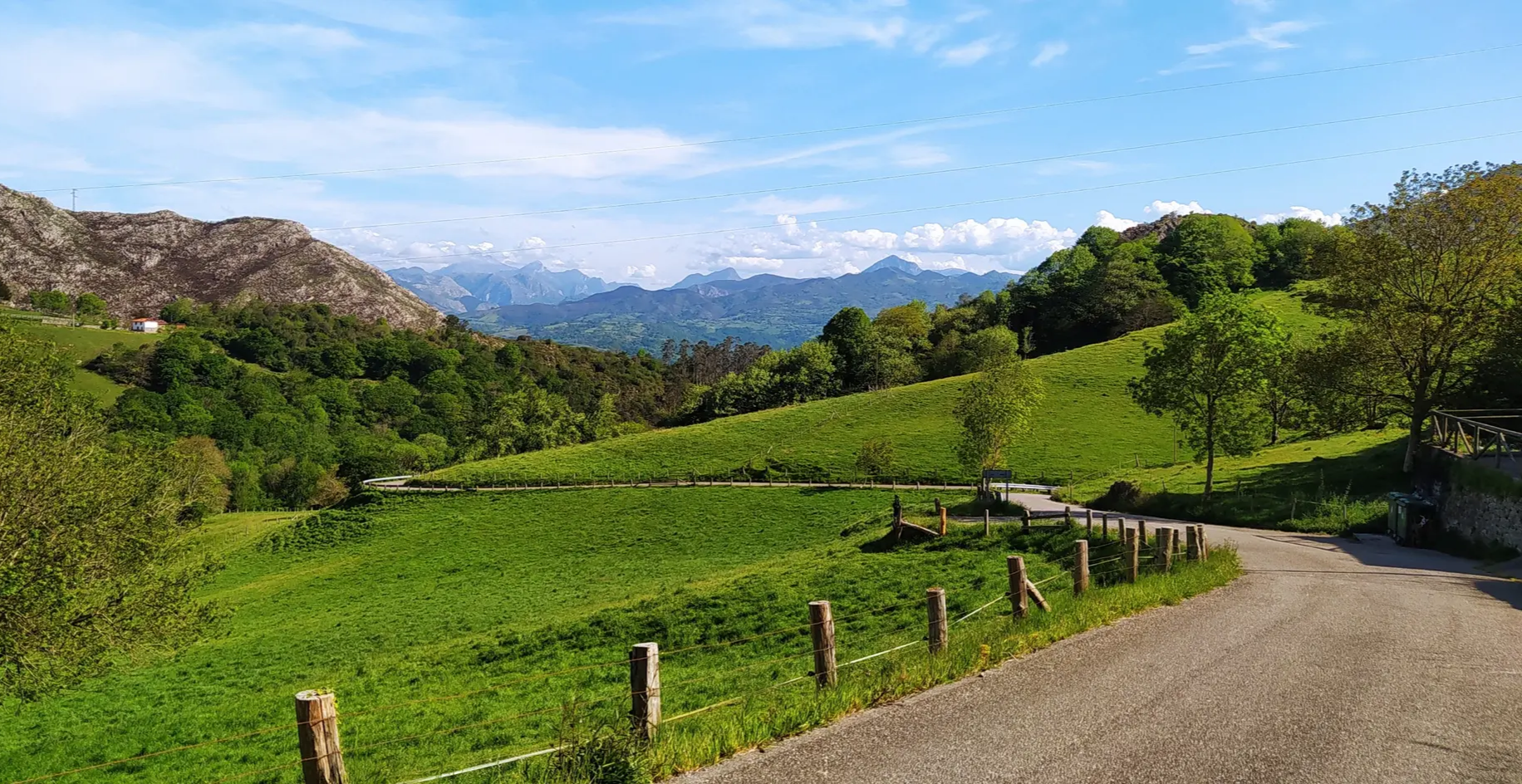
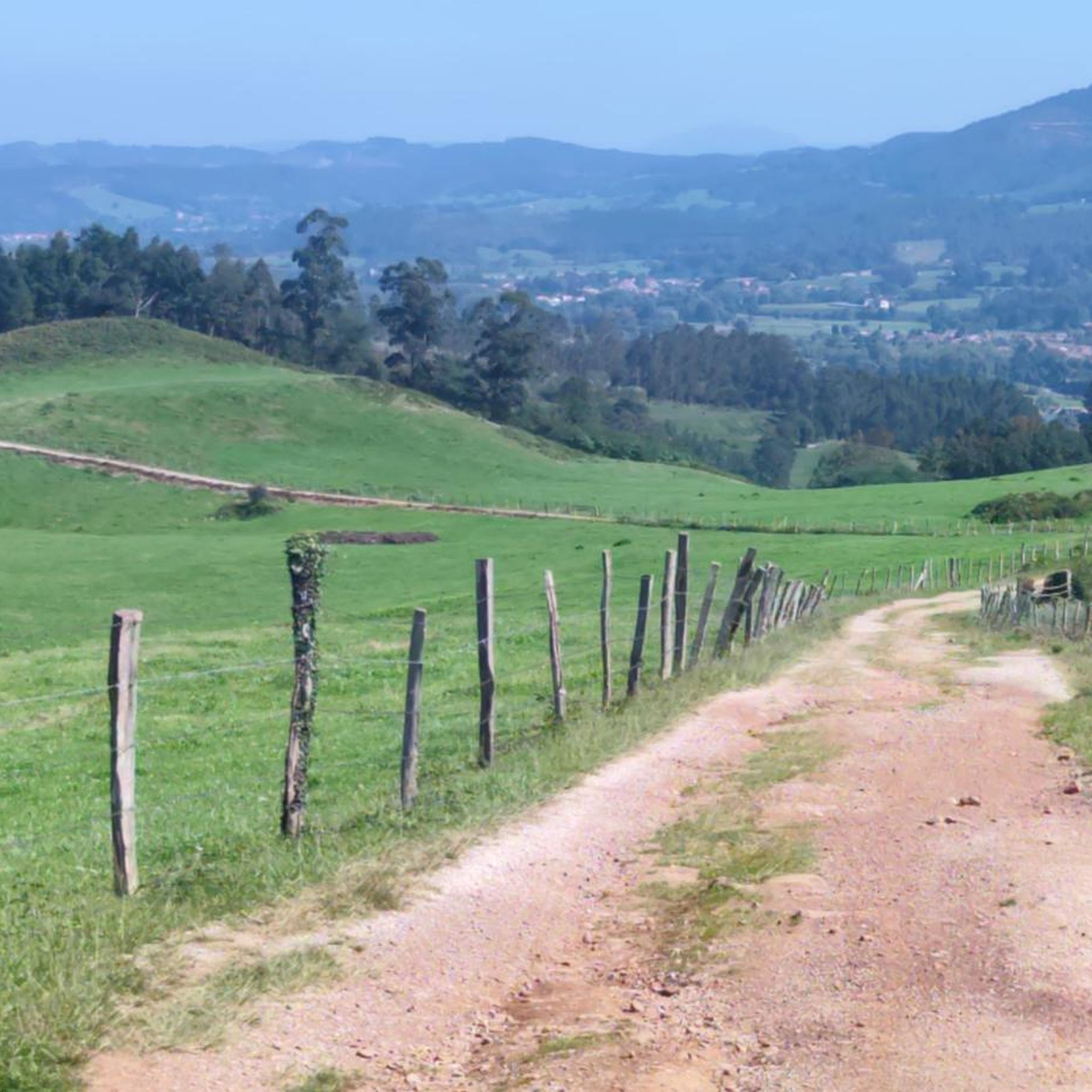
- The most popular mountain pass is Collada de Carmona, a mountain pass that links the towns of Valle and Carmona. It is known for paths suitable for biking and scenic views, with relatively low traffic.
- Another…
Last updated: July 1, 2026
Collada de Carmona
Highlight • Mountain Pass
Translated by Google •
Tip by

Linares to La Hermida Mountain Road
Highlight (Segment) • Mountain Pass
Translated by Google •
Tip by

Sign up now to discover places like this
Get recommendations on the best single tracks, peaks, & plenty of other exciting outdoor places.
Sign up for free
Collado de Ozalba
Highlight • Mountain Pass
Translated by Google •
Tip by
Collado de Monte Aa
Highlight • Mountain Pass
Along the route we will find …
Translated by Google •
Tip by

Collado Abellán
Highlight • Mountain Pass
Translated by Google •
Tip by

Start today with a free account
Your next adventure awaits.
Login or Signup
Other adventures around Rionansa

Tips from the Community

The Collada de Carmona is a mountain pass in the Cantabrian mountain range located in western Cantabria.[1] It rises to 601 m above sea level and links the towns of Valle to the east and Carmona to the west, both belonging to the municipality of Cabuérniga.
0
0
The Monte Aa Pass is a very beautiful climb with spectacular landscapes. The pass is located on the mountain that separates Carmona from Ruente. Along the route we will find different trees catalogued within the Inventory of Singular Trees of Cantabria. These are spectacular specimens of oak and beech. The Monte Aa forest is made up of a mature oak forest dominated by oaks. To a lesser extent, there are beeches, sessile oaks and oaks. The abundance of holly trees is remarkable. As for the fauna that inhabits it, birds such as the goshawk, the sparrowhawk, the black kite, the common buzzard, the common kestrel, the woodpecker and other forest birds stand out. Mammals such as the roe deer, the deer or the badger and carnivores such as the marten or the polecat.
2
0

The Abellán pass (also called the Joza de Abellón pass) is reached by a steep track. From this point, the views of the Peña Sagra mountain range, with the Cornón standing out from the rest of the peaks, are impressive.
0
0

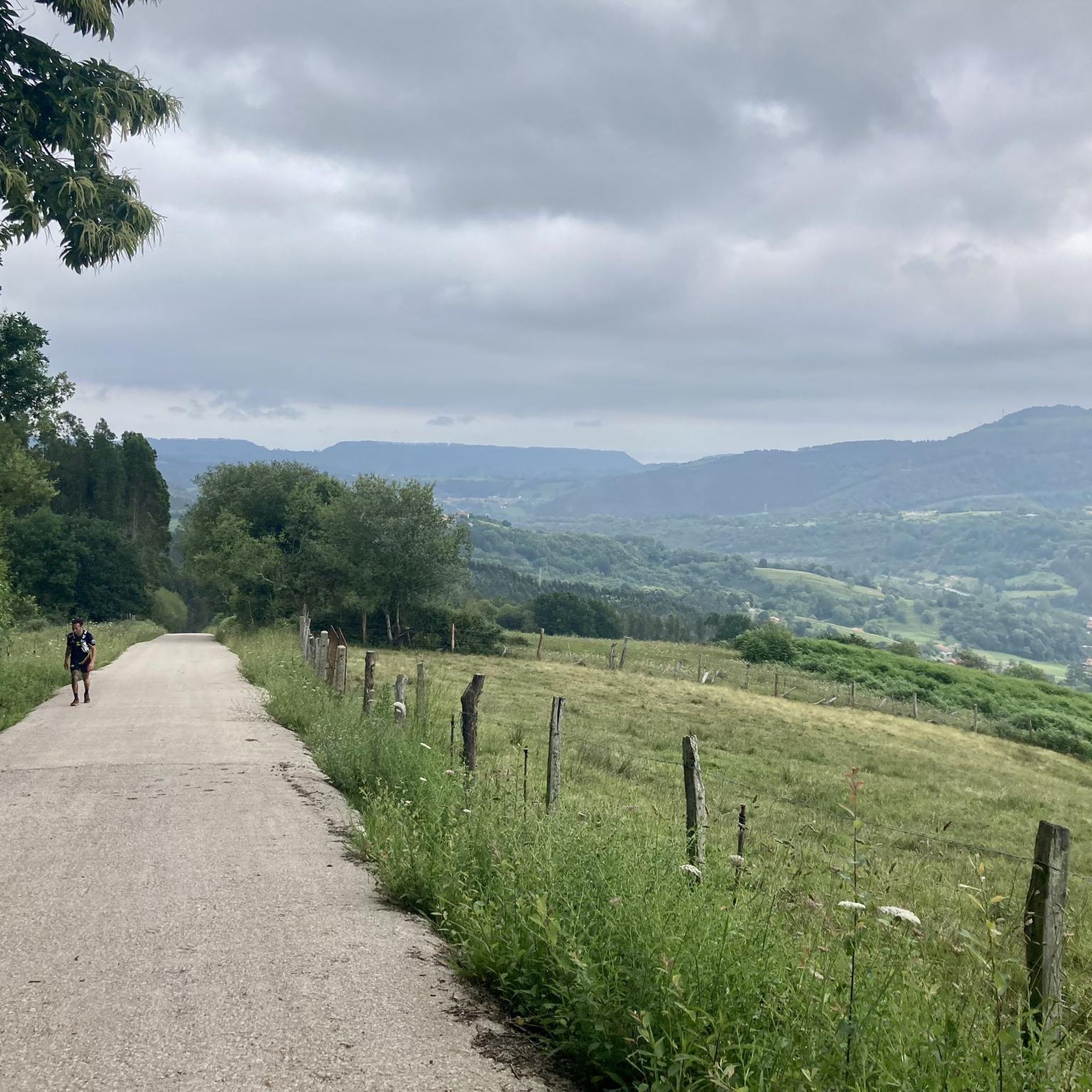
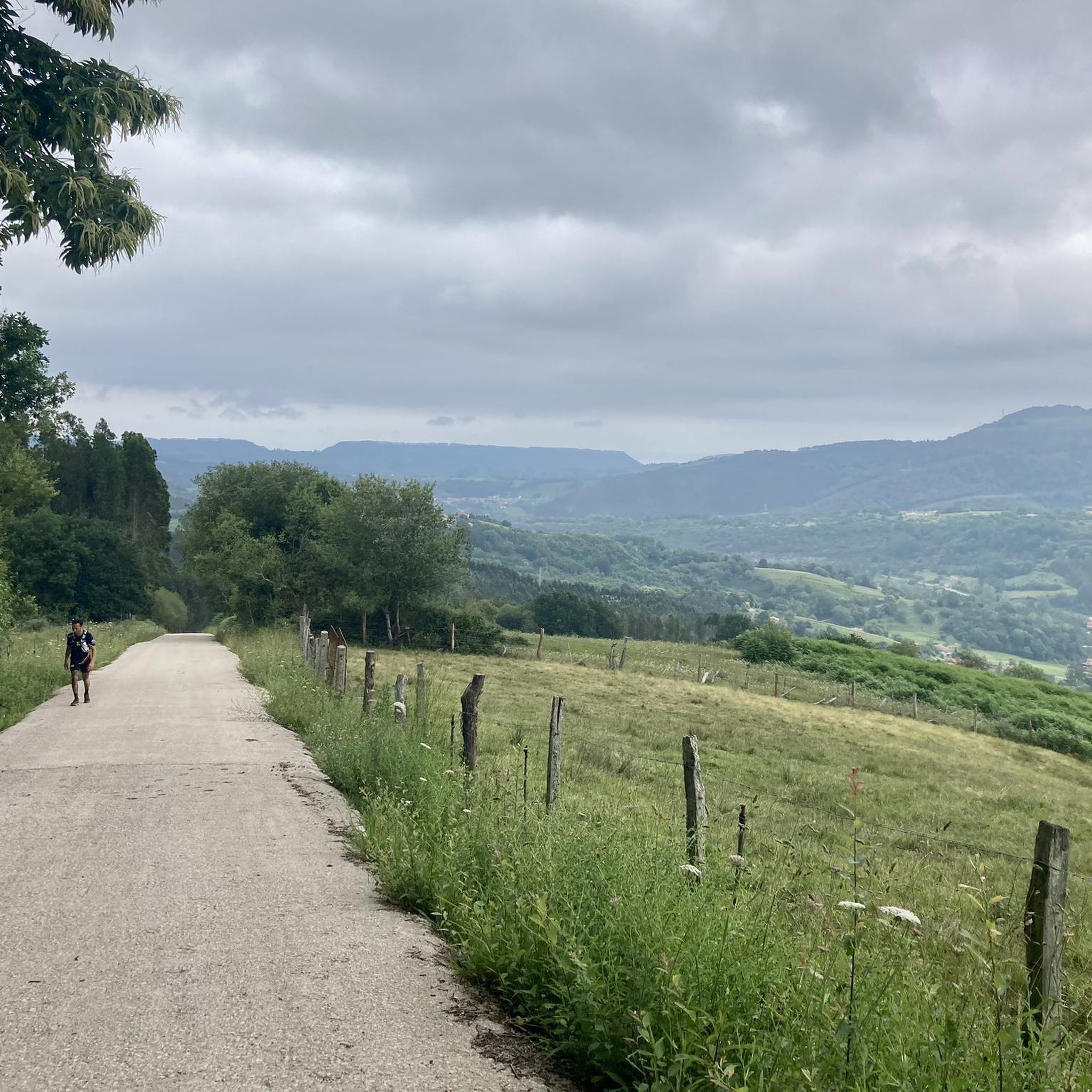
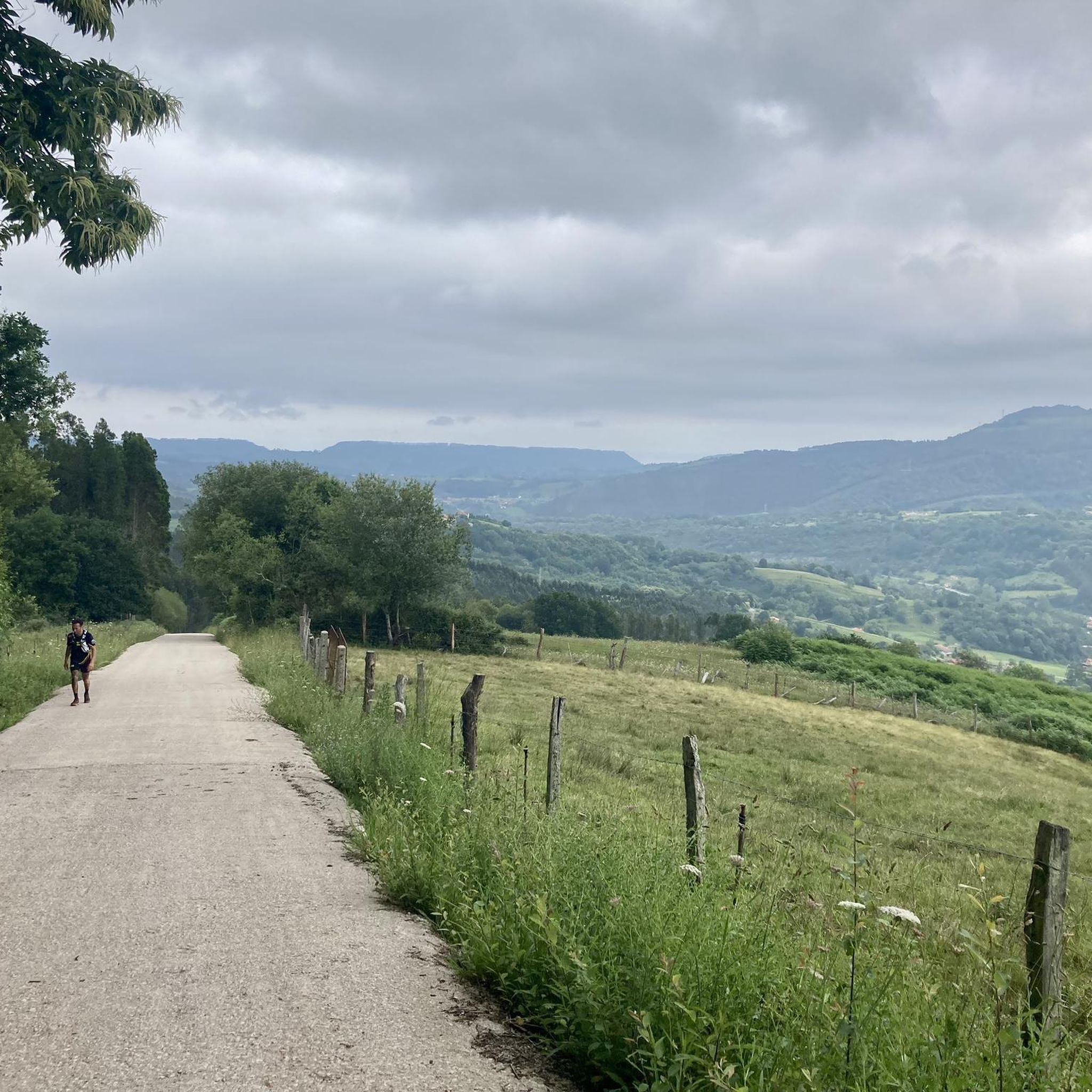
The section between Linares and La Hermida will be a great surprise. It is a winding mountain road that will leave you with tired legs and a feeling of joy at being able to enjoy such unparalleled views. On the way down, I suggest you visit the Romanesque church of Santa Juliana, right at the entrance to the town of Lafuente.
0
0

It has a length of almost 6 km, an altitude of 554 meters and an average slope of 5.62%.
1
0
Great paths for biking and the views are spectacular! Almost free of traffic and in perfect condition. Watch out for cows and cow pats on the road!
1
0

From Linares to La Hermida a great mountain road with many serpentines meanders down the mountain. Especially uphill, pleasant slope.
0
0

You can climb from Puentenansa, or from Puente Arrudo through the gorge to Quintanilla or also from La Hermida after climbing the Collado Hoz.
1
0
Frequently Asked Questions
What are the most scenic mountain passes around Rionansa?
For breathtaking views, consider the Collada de Carmona, which offers spectacular vistas of the Nansa valley and, on clear days, even glimpses of the Picos de Europa from the "Asomada del Ribero" viewpoint. The Collado de Monte Aa also provides spectacular landscapes, especially with its mature oak forest and singular trees. Additionally, the Collado Abellán offers impressive views of the Peña Sagra mountain range.
Are there mountain passes suitable for road cycling near Rionansa?
Yes, several passes are excellent for road cycling. The Collada de Carmona is known for its low traffic and perfect conditions for biking. The Collado de Ozalba presents a challenging climb with an average slope of 5.62% over almost 6 km. The Linares to La Hermida Mountain Road is a winding route that offers a rewarding experience for cyclists. Puerto de Palombera, though not a komoot highlight, is also a significant 1st category pass popular for road cycling.
What natural features can I expect to see on these mountain passes?
The mountain passes around Rionansa are rich in natural beauty. The northern ascent to Puerto de Palombera, for instance, runs through the Saja-Besaya Natural Park, offering stunning natural landscapes and rich biodiversity. At Collado de Monte Aa, you'll find a mature oak forest with spectacular specimens of oak and beech, and an abundance of holly trees. You might also spot wildlife such as goshawks, roe deer, and badgers.
Are there any family-friendly mountain passes or activities nearby?
While the passes themselves are often for scenic drives or cycling, the charming village of Carmona, near the Collada de Carmona, is recognized for its traditional Cantabrian architecture, making it a pleasant cultural stop for families. For outdoor activities, you can explore nearby routes like the 'Ancient Trees in the Forest loop from Ruente', which is a moderate traffic-free bike ride suitable for families, found in the Traffic-free bike rides around Rionansa guide.
What is the best time of year to visit the mountain passes around Rionansa?
The best time to visit is generally during the spring, summer, and early autumn months (May to October) when the weather is milder and the passes are clear of snow, making them ideal for cycling, hiking, and scenic drives. During these periods, you'll experience lush landscapes and clearer views.
Are there hiking opportunities near the mountain passes?
Yes, the region offers various hiking opportunities. While the passes themselves are often traversed by road, areas like Alto de San Cipriano are popular starting points for hiking routes, allowing you to explore local flora and fauna. For dedicated hiking trails, you can refer to the Running Trails around Rionansa guide, which includes routes like the 'Running loop from Cabuérniga' and 'Running loop from Sopeña' that can be enjoyed on foot.
What cultural or historical sites are associated with these mountain passes?
Near the Linares to La Hermida Mountain Road, you can visit the Romanesque church of Santa Juliana, located at the entrance to the town of Lafuente. Alto de San Cipriano is known for an hermitage dedicated to San Cipriano, which is a destination for pilgrims and hosts an annual festival, offering insight into local traditions.
What do visitors enjoy most about the mountain passes in this region?
Visitors frequently highlight the spectacular views and the sense of immersion in nature. For instance, the Collada de Carmona is praised for its 'spectacular views' and 'almost free of traffic' conditions, making it ideal for peaceful exploration. The winding roads, challenging climbs, and panoramic vistas are consistently mentioned as rewarding experiences.
Can I find accommodation or places to eat near the mountain passes?
The region around Rionansa, including towns like Carmona (near Collada de Carmona) and Puentenansa (a starting point for Collado de Ozalba), offers various amenities. Carmona is known for its traditional architecture and likely has local establishments. For more options, consider the main towns within the Nansa Valley, which provide cafes, pubs, and accommodation for visitors.
Are there any challenging climbs for experienced cyclists?
Absolutely. The Collado de Ozalba is a notable climb with an average slope of 5.62% over nearly 6 km. The Linares to La Hermida Mountain Road is described as a winding road that will leave you with 'tired legs'. Puerto de Palombera is also classified as a 1st category pass, indicating a significant challenge for cyclists.
What kind of wildlife can be observed in the mountain pass areas?
The natural parks and forests surrounding these passes are home to diverse wildlife. At Collado de Monte Aa, for example, you might spot birds such as goshawks, sparrowhawks, and woodpeckers. Mammals like roe deer, red deer, badgers, martens, and polecats also inhabit these areas, particularly within the Saja-Besaya Natural Park.
Most popular attractions around Rionansa

Get inspired with the komoot mobile app


Explore more
See even more epic mountain passes by checking out these guides around Rionansa:
