Top 9 Natural Monuments around Arcos De Las Salinas
Best natural monuments around Arcos De Las Salinas are found in the picturesque municipality of Teruel, Aragón, offering diverse geological features and natural landscapes. This region is characterized by its mountainous terrain, river valleys, and unique botanical sites. Visitors can explore a variety of natural formations, from high peaks to ancient salt mines and river canyons. The area provides opportunities to observe the natural heritage and geological history of the Sierra de Javalambre.
Best natural monuments around Arcos De Las…
Last updated: July 15, 2026
Pico Javalambre
Highlight • Summit
Translated by Google •
Tip by

Alto de las Barracas or Cerro Calderón 1838m
Highlight • Summit
Translated by Google •
Tip by

Sign up now to discover places like this
Get recommendations on the best single tracks, peaks, & plenty of other exciting outdoor places.
Sign up for free
The Amanaderos of Riodeva
Highlight • Waterfall
Translated by Google •
Tip by

Dino Route of Aras de los Olmos
Highlight • Natural Monument
Numerous footprints and traces from various small and large herbivorous and carnivorous dinosaurs dating back 145 million years can be seen.
Translated by Google •
Tip by
Fuente del Cabrito
Highlight • Natural Monument
Translated by Google •
Tip by

Sign up for free to discover even more natural monuments around Arcos De Las Salinas.
Sign up for free
Already have an account?
Start today with a free account
Your next adventure awaits.
Login or Signup
Popular around Arcos De Las Salinas
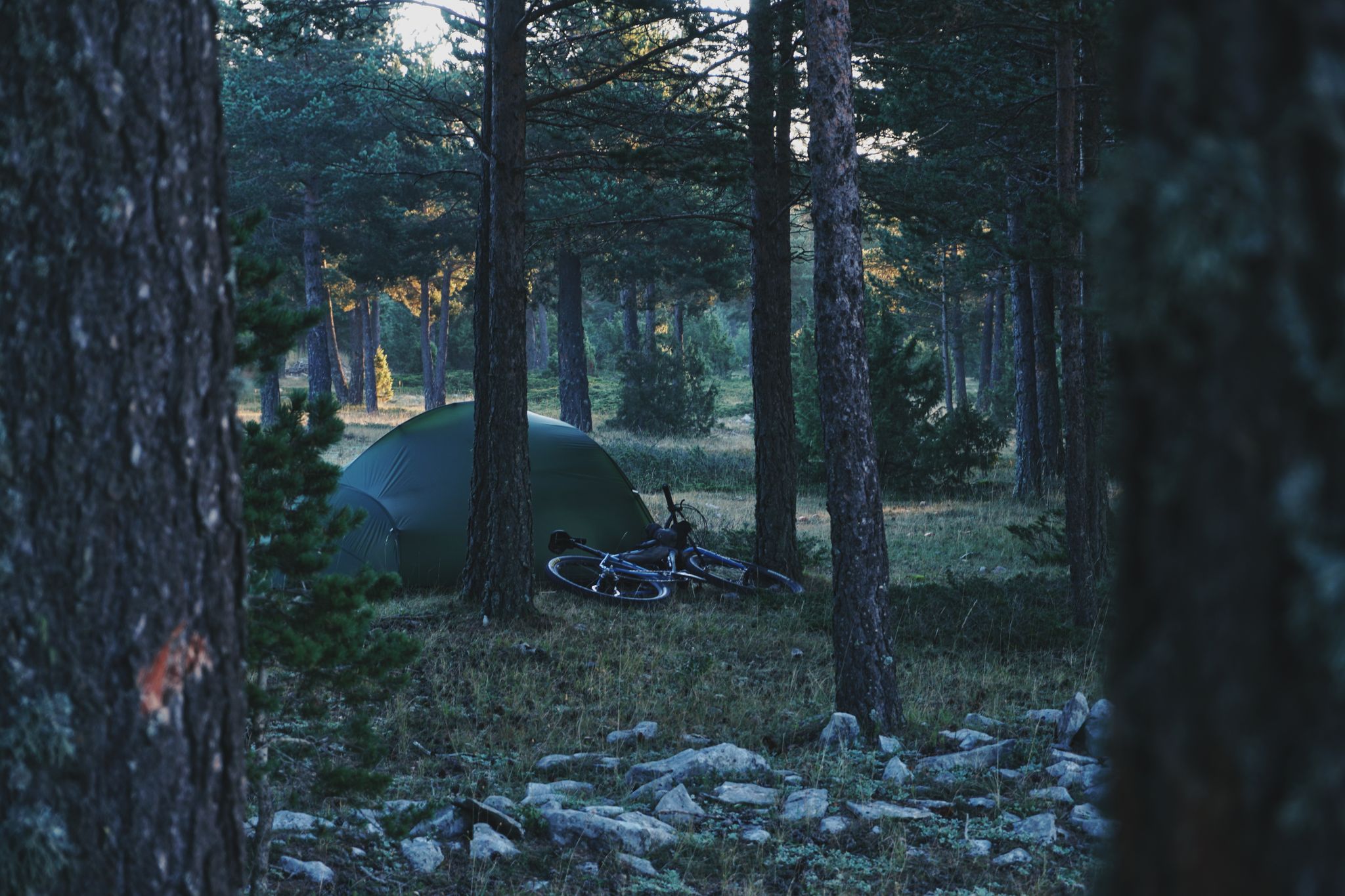
MontañasVacías official — bikepacking across the Spanish Lapland
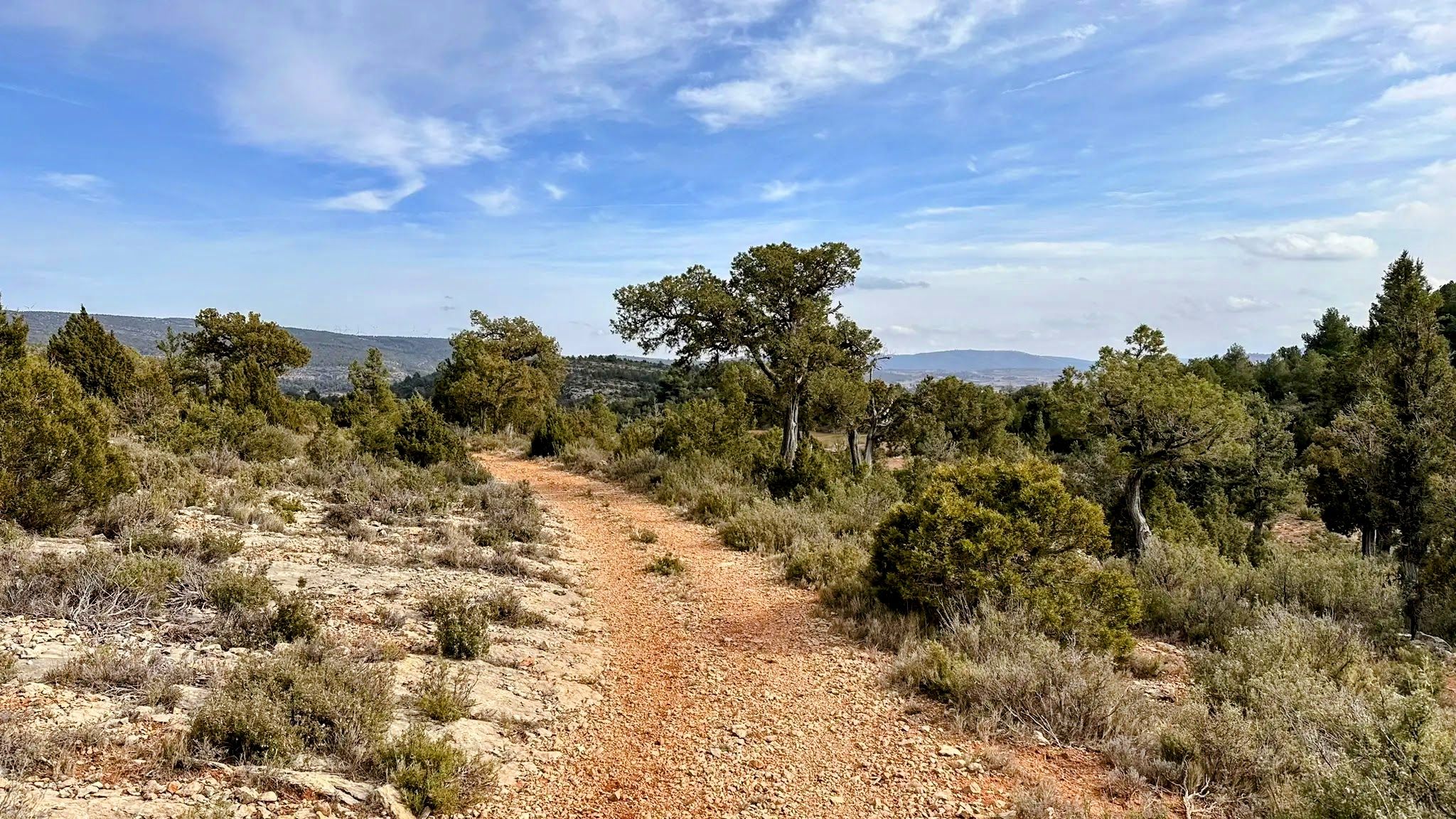
Between junipers and ravines - The Livestock Routes of the Serranía del Turia (GR 37)
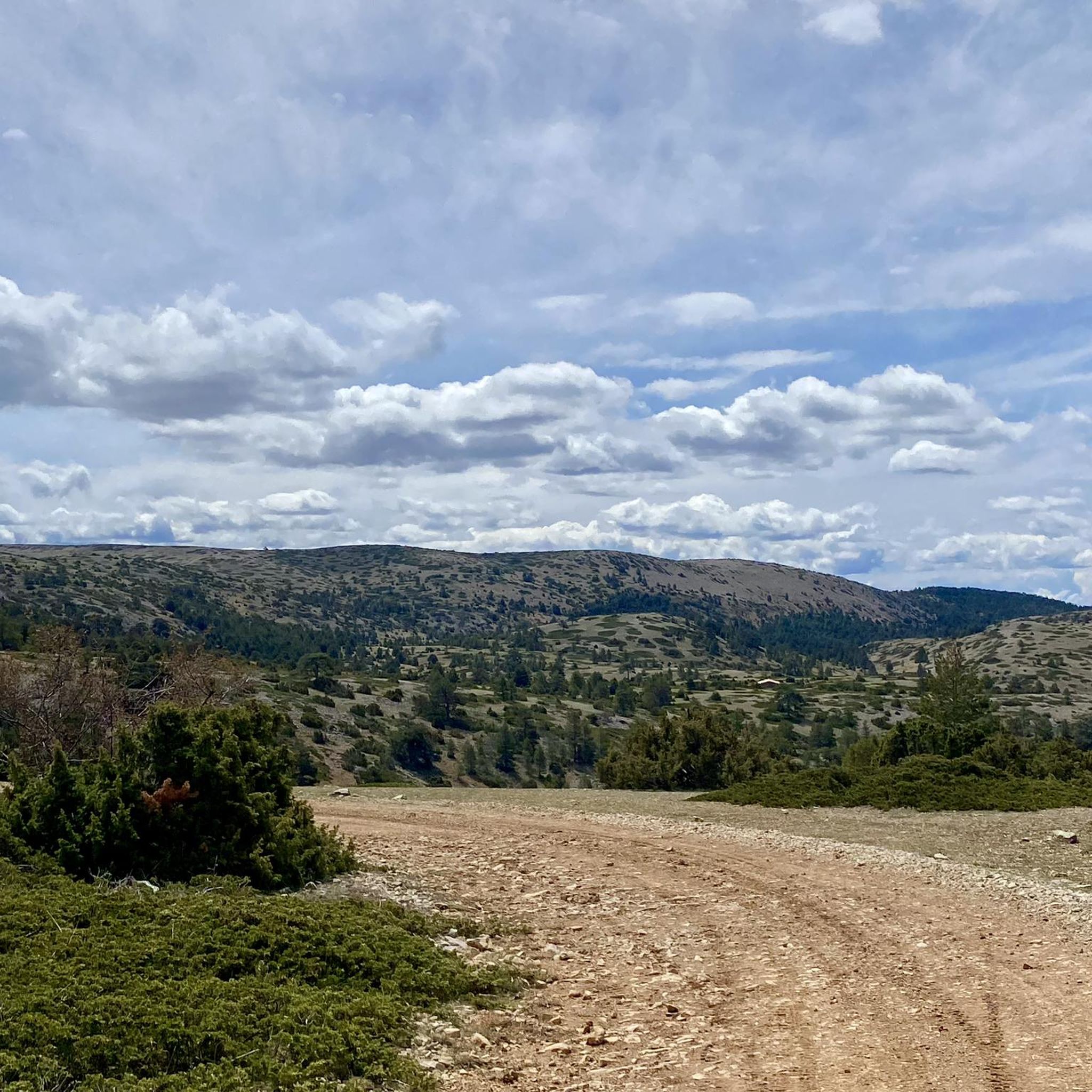
Hiking around Arcos De Las Salinas
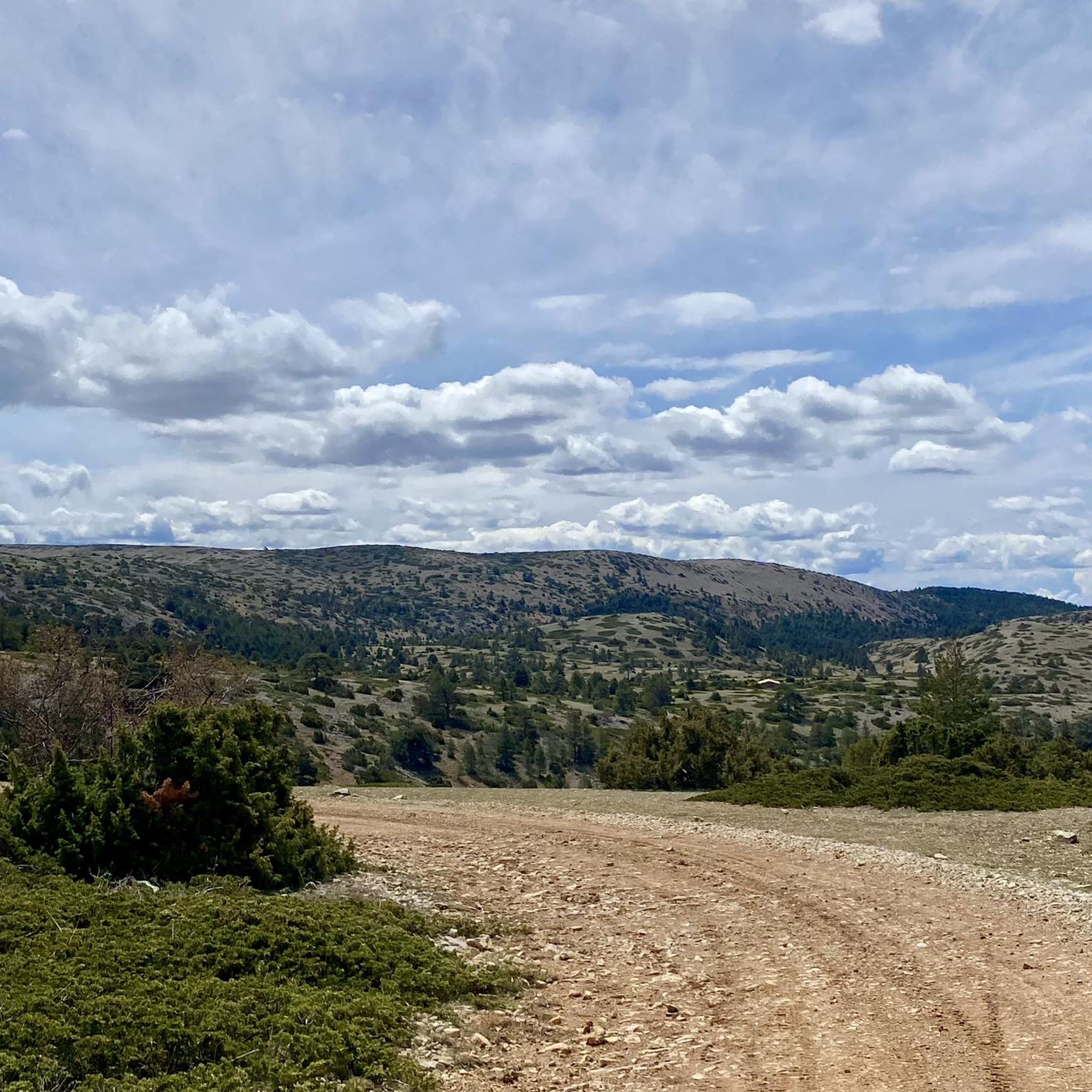
Cycling around Arcos De Las Salinas
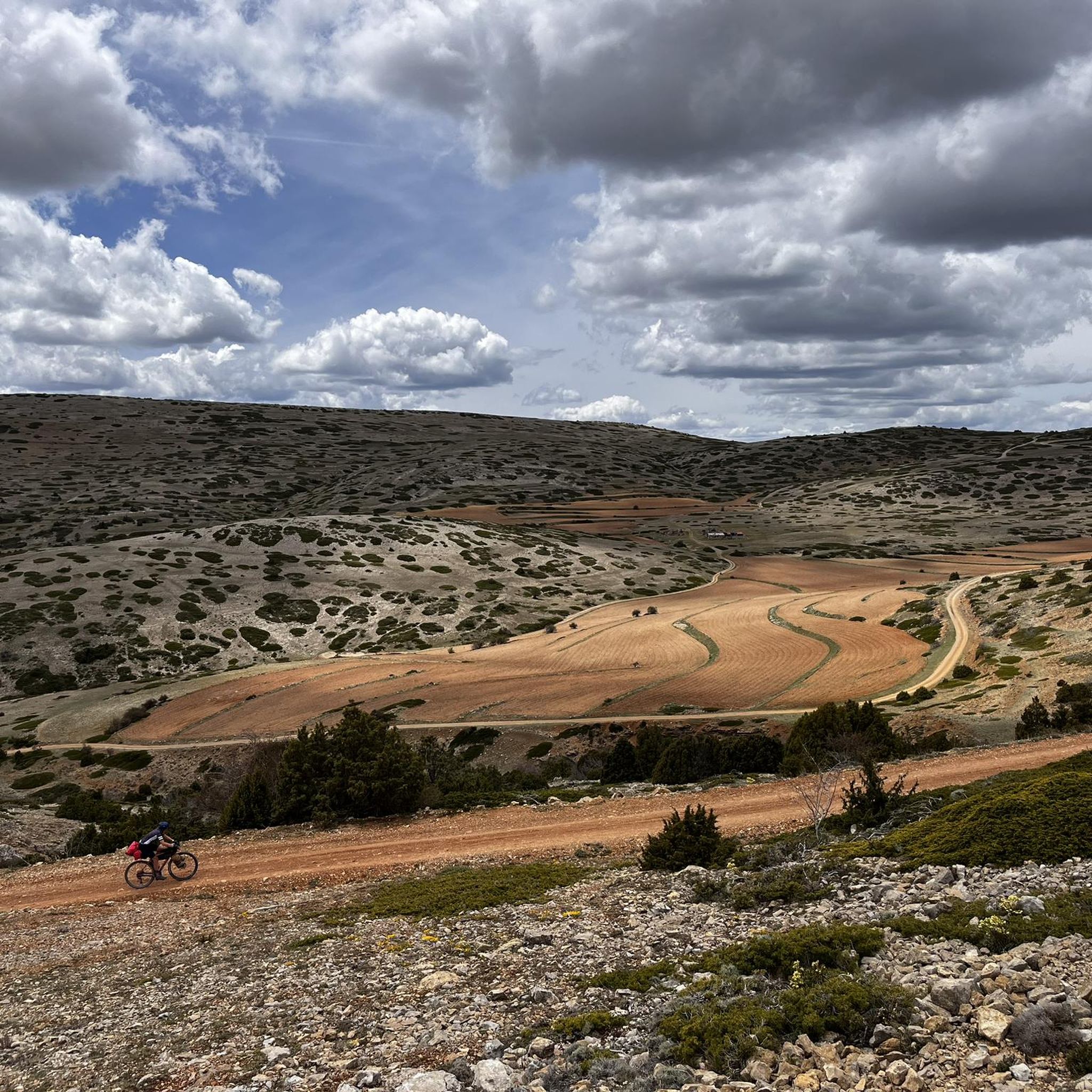
Road Cycling Routes around Arcos De Las Salinas
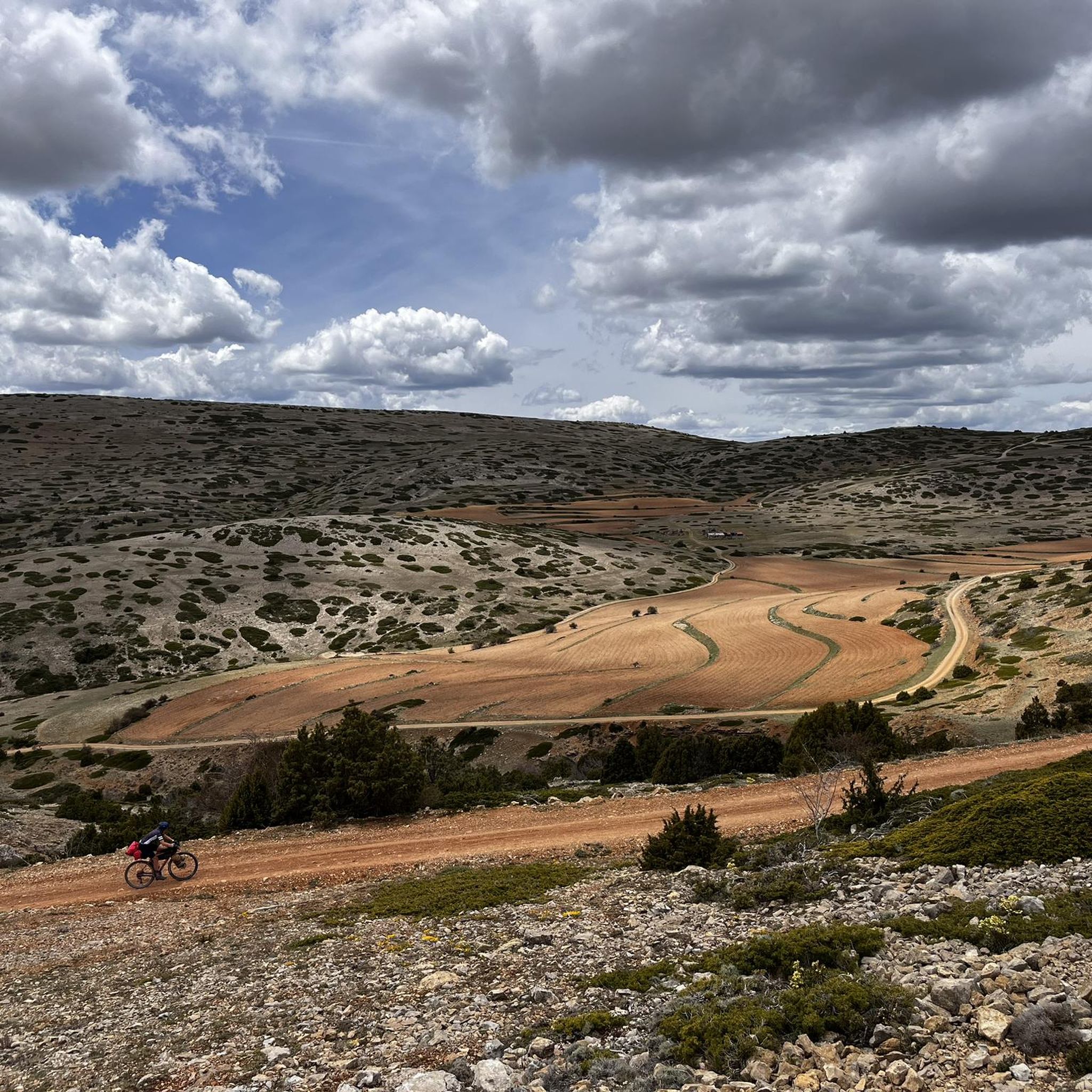
Running Trails around Arcos De Las Salinas
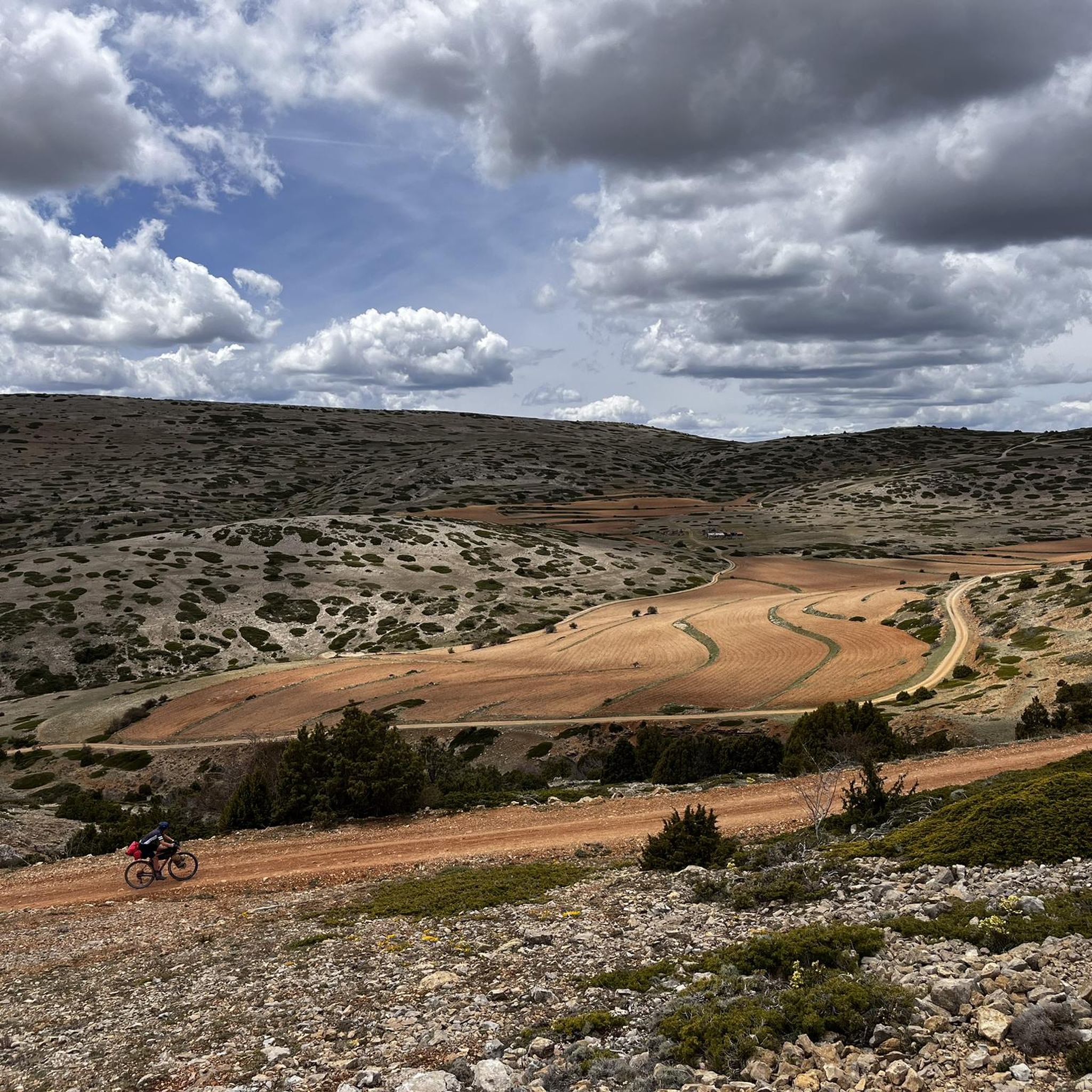
MTB Trails around Arcos De Las Salinas


Tips from the Community

Wonderful for refilling water, cooling your feet, and taking a short break.
0
0

Also known as the "11 spouts" fountain. Fresh water all year round.
0
0

The summit is 2019 meters high. The path is demanding, but it is worth the effort. The panoramic views of the surrounding mountains are like something out of a movie.
2
0


The final section of the climb to Alto de las Barracas (1,838 m) is not cyclable but it is easy to climb pushing the bicycle. The trail markings pass through the vertex and continue in the direction of Pino Vicente. White and yellow signs are painted on the limestone rocks and there are also stone milestones marking the way.
0
0

We are at Pico Javalambre at an altitude of 2,019 meters, considered a sacred mountain by many nature lovers and/or Turolenses. It is the highest peak of the mountain range that bears his name, it is considered by the majority of Teruel residents to be the roof of their province, although the true roof of Teruel is the top of Peñarroya. If we have the opportunity to climb here when there is no snow, we will be able to appreciate the so-called "leopard skin" caused by the vegetation on the entire surface of the massif, a work of art of nature!
2
0

The Javalambre Peak at 2,019 m is the highest in the mountain range that bears its name. It is considered by the majority of Teruel residents to be the roof of their province, although the true roof of Teruel is Peñarroya. At the top of Pico Javalambre, in addition to the enormous antenna that helps you orient yourself but destroys the landscape, there are other smaller antennas, apart from a track that reaches the same summit, some ski slopes next to it. All this spoils the beautiful surrounding landscape quite a bit.
1
0

For many a sacred mountain and undoubtedly a reference of the province of Teruel. The top of Javalambre at 2019 masl offers very nice views in all directions. A few km away is the Javalmabre ski station, a very popular place in the winter season and from where you can start the ascent to the summit. If you go up here when there is no snow, you will be able to appreciate the curious "leopard skin" caused by the vegetation over the entire large area of the massif, a work of art of nature!
3
0
Frequently Asked Questions
What unique natural monuments can I explore in Arcos de las Salinas?
Arcos de las Salinas offers a variety of unique natural monuments. You can visit the historic Dino Route of Aras de los Olmos, which features dinosaur footprints dating back 145 million years. Another unique spot is Las Salinas, ancient salt mines with a history of production spanning over 5,000 years, declared a Site of Cultural Interest. For botanical interest, see La Sabina de las Dueñas, an impressive ancient juniper tree.
Are there any natural monuments suitable for families with children?
Yes, several natural monuments are family-friendly. The Fuente del Cabrito features a recreational area with tables and grills, perfect for a picnic by the river. The Dino Route of Aras de los Olmos is also family-friendly, offering an engaging historical experience with dinosaur footprints. Additionally, the Senda Fluvial Desiderio is a pleasant fluvial path along the Arcos River, suitable for all ages, with wooden walkways and recreational areas.
What are the best natural viewpoints in Arcos de las Salinas?
For breathtaking panoramic views, consider ascending Pico Javalambre, a summit standing at 2019 meters. The path is demanding but rewards with stunning mountain vistas. Another excellent viewpoint is Alto de las Barracas or Cerro Calderón, the highest point in Valencia, offering expansive views. Pico del Buitre, with its astrophysical observatory, also provides panoramic views of the surrounding mountainous landscape.
Where can I find waterfalls or river-related natural monuments?
The region is home to beautiful riverine natural monuments. The Amanaderos of Riodeva is a notable waterfall where the Riodeva river originates, featuring a ravine with numerous cascades accessible via a scenic path. The Senda Fluvial Desiderio follows the Arcos River, leading to a small waterfall known as Cascada del Calicanto or Cascada de Los Baños, and offers diverse riparian vegetation.
Are there any natural monuments with historical significance?
Absolutely. The ancient salt mines known as Las Salinas are not only a natural feature but also a Site of Cultural Interest, with a history of salt production dating back over 5,000 years to the Neolithic period. The Dino Route of Aras de los Olmos is another significant historical site, showcasing dinosaur footprints from 145 million years ago.
What kind of hiking trails are available near these natural monuments?
You'll find a variety of hiking opportunities. The ascent to Pico Javalambre is a demanding but rewarding path. The Senda Fluvial Desiderio offers a pleasant and accessible 4.2-kilometer round trip along the Arcos River. For more options, you can explore various hiking routes in the area, including those around the natural monuments of Arcos de las Salinas.
Can I go cycling near the natural monuments in Arcos de las Salinas?
Yes, the region is popular for cycling. The ascent to Pico del Buitre is a renowned destination for cycling enthusiasts, offering a challenging climb. You can find various cycling routes, including MTB and road cycling options, that pass through or near these natural monuments. For detailed routes, check out the MTB Trails around Arcos De Las Salinas, Cycling around Arcos De Las Salinas, and Road Cycling Routes around Arcos De Las Salinas guides.
What is the best season to visit the natural monuments in Arcos de las Salinas?
The beauty of the Senda Fluvial Desiderio is particularly striking in autumn, with its diverse riparian vegetation changing colors. Generally, spring and autumn offer pleasant temperatures for exploring the outdoor natural monuments, avoiding the heat of summer and potential snow in winter at higher altitudes like Pico Javalambre.
Are there any unique geological formations to see?
Yes, the region boasts unique geological formations. Las Torcas, a canyon of extraordinary beauty along the Arcos River, features narrow sections and geological formations carved by the river over time. The ancient salt mines of Las Salinas also represent a significant geological interest, showcasing the area's long history of salt deposits.
What do visitors enjoy most about the natural monuments in Arcos de las Salinas?
Visitors frequently appreciate the stunning panoramic views from summits like Pico Javalambre, often described as 'like something out of a movie'. The unique landscapes and environment of places like The Amanaderos of Riodeva, with its numerous waterfalls, are also highly praised. The blend of challenging outdoor activities and accessible family-friendly spots contributes to the overall appeal.
Are there any natural monuments that involve water activities?
Yes, Las Torcas, the Canyon of the Arcos River, offers an aquatic descent. This 1.5 km long canyon can be explored without specialized canyoning equipment when water levels are moderate, providing a unique opportunity to immerse oneself in a natural riverine environment.
Most popular routes around Arcos De Las Salinas
Most popular attractions around Arcos De Las Salinas

Get inspired with the komoot mobile app


Explore more
Extend your search for the best caves by checking out these guides of the top ones around Arcos De Las Salinas:
