Top 7 Natural Monuments around Fuentecantos
Natural monuments around Fuentecantos are characterized by a landscape of agro-livestock areas and significant ecological sites. The municipality features La Dehesa de Fuentecantos, a traditional agroforestry system, and Las Graveras, former gravel pits transformed into wetlands. These areas are sustained by water seepage from an old irrigation canal, supporting diverse flora and fauna. The broader Soria province also hosts the notable La Fuentona Natural Monument, a karstic resurgence of the Abión River.
Best natural monuments around Fuentecantos
- The most popular…
Last updated: July 1, 2026
Cañada Honda Rock Art Site
Highlight • Historical Site
In addition, it is full of cave paintings.
Translated by Google •
Tip by

Stone Bridge over the Tera River
Highlight • Bridge
The bridge is also beautiful
Translated by Google •
Tip by
Sign up now to discover places like this
Get recommendations on the best single tracks, peaks, & plenty of other exciting outdoor places.
Sign up for free
Cueva de la Gallina Spring
Highlight • Natural Monument
It is right next to the road and is marked by a sign.
Translated by Google •
Tip by
Fuente del Oro
Highlight • Natural Monument
It usually has water, especially in the rainy season.
Translated by Google •
Tip by
Aldehuela de Periáñez
Highlight • Settlement
Translated by Google •
Tip by

Sign up for free to discover even more natural monuments around Fuentecantos.
Sign up for free
Already have an account?
Start today with a free account
Your next adventure awaits.
Login or Signup


Tips from the Community

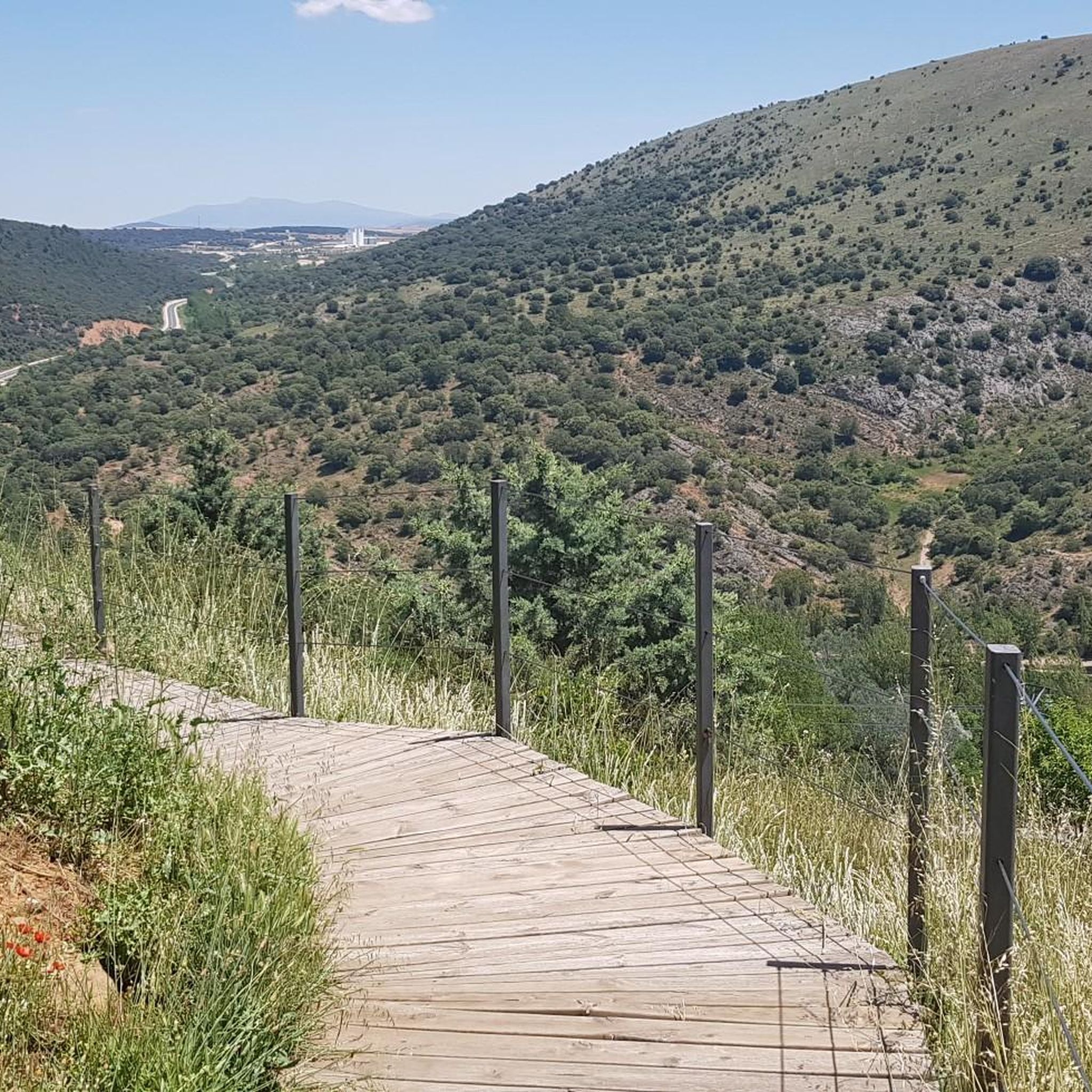
Aldehuela de Periáñez is surprisingly beautiful and monumental for its small size. The church of San Juan Bautista and the town hall building stand out especially. In addition, here you find a fountain that, although it has the sign of untreated water, is highly recommended by locals.
0
0

No matter how much the sign says about untreated water... the wisest people in the area recommend its consumption.
0
0

Beautiful meadow where one of the most important festivities in Soria is celebrated, the festivities of San Juan. In the vicinity of the place we will find indicative panels of interesting cave paintings.
2
0

A large meadow that in June is the scene of the San Juan festivities, one of the biggest events in Soria. In addition, it is full of cave paintings.
4
0
It is a small stationary spring that fills up during the rainy season as the water flows through the rock to a small hole where it accumulates. It is right next to the road and is marked by a sign.
5
0
It is a natural spring from which pure and crystalline water flows, although there is a sign that says not drinkable. It usually has water, especially in the rainy season.
4
0
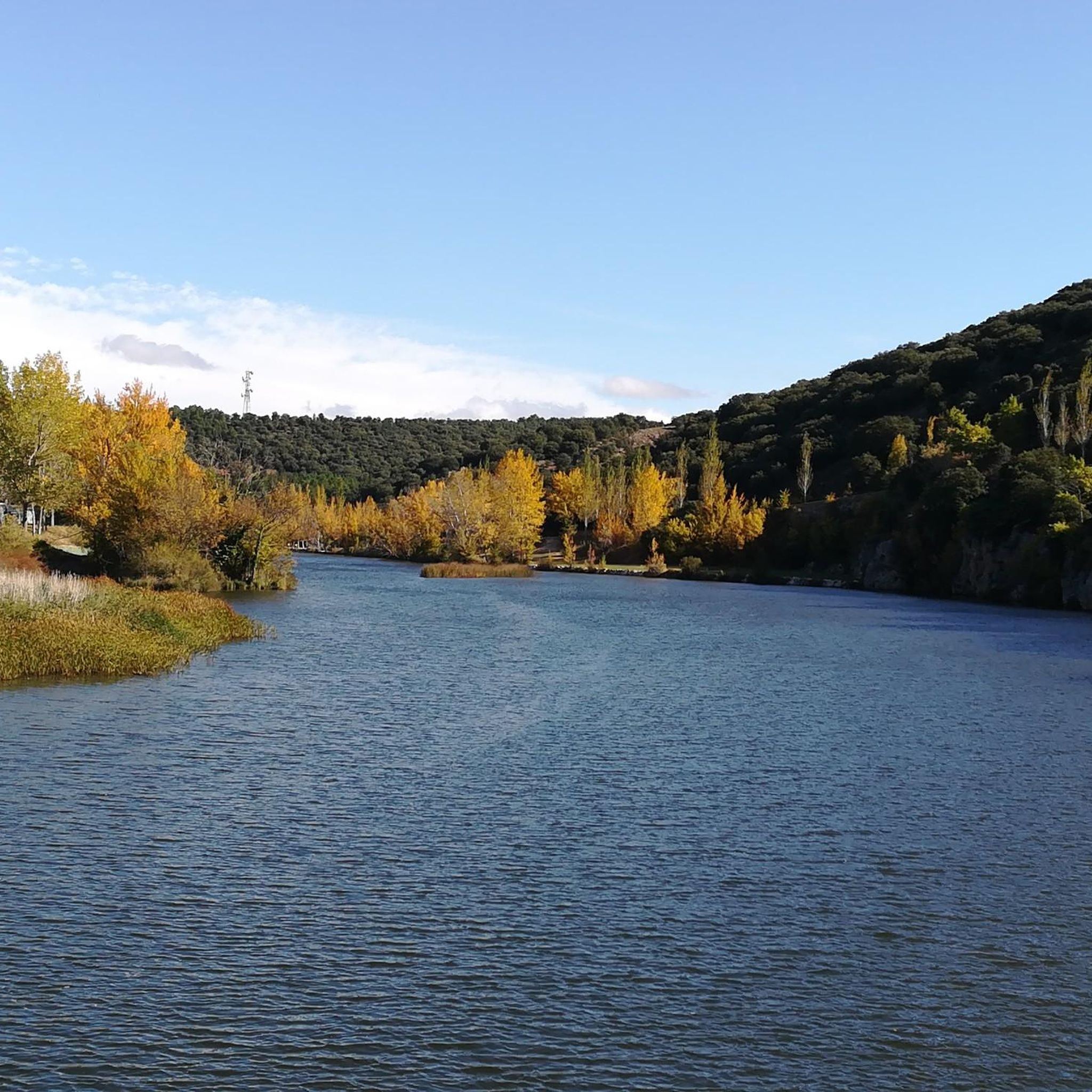
It is a very well-kept park on the banks of the Tera River just before its mouth in the Duero. The bridge is also beautiful
6
0
Frequently Asked Questions
What are some notable natural monuments to visit directly in Fuentecantos?
Within Fuentecantos itself, you can explore La Dehesa de Fuentecantos, a traditional agroforestry system recognized for its ecological value and biodiversity. Another unique site is Las Graveras (The Gravel Pits), former gravel pits that have transformed into important wetlands, particularly good for birdwatching, including the endangered Aquatic Warbler.
Beyond Fuentecantos, what significant natural monument is recommended in the wider Soria province?
A highly recommended natural monument in the broader Soria province is La Fuentona Natural Monument, located in Muriel de la Fuente. It's known for being the resurgence of the Abión River from a lagoon of crystal-clear waters, surrounded by stunning karstic landscapes and extensive Spanish juniper forests.
Are there family-friendly natural monuments around Fuentecantos?
Yes, several natural monuments are suitable for families. The Cañada Honda Rock Art Site is a large meadow with cave paintings and is family-friendly. The Stone Bridge over the Tera River offers a well-maintained park area. Additionally, Fuente del Oro and Aldehuela de Periáñez, with its natural spring, are also considered family-friendly.
What kind of outdoor activities can I do near the natural monuments around Fuentecantos?
The area around Fuentecantos offers various outdoor activities. You can find numerous routes for mountain biking, gravel biking, and general cycling. For example, there are MTB Trails around Fuentecantos, including moderate to difficult routes like the 'Monte Valonsadero MTB Route 1'. Cyclists can explore Cycling routes around Fuentecantos, such as the 'Fuentecantos and Chavaler - circular from Garray'.
What natural features can I expect to see at La Fuentona Natural Monument?
At La Fuentona Natural Monument, you will encounter a stunning karstic resurgence where the Abión River emerges from a deep, clear pool known as the 'Eye of the Sea'. The landscape features limestone trenches, precipices, and moors, all surrounded by some of the largest and best-preserved Spanish juniper forests in the Iberian Peninsula. The area is also home to diverse flora and fauna, including raptors.
Are there any historical or cultural sites among the natural monuments?
Yes, the Cañada Honda Rock Art Site is a significant historical site featuring ancient cave paintings. It's also a cultural hub, hosting the San Juan festivities in June. Additionally, Aldehuela de Periáñez, while a settlement, is recognized as a natural monument and has architectural features like the church of San Juan Bautista and local legends associated with its spring.
What is the best time to visit the natural monuments around Fuentecantos?
The best time to visit largely depends on your interests. Spring and autumn generally offer pleasant weather for hiking and exploring the natural landscapes, with lush vegetation or vibrant fall colors. For birdwatching at Las Graveras, spring and autumn migration periods can be particularly rewarding. Summer is ideal for enjoying the water features, though it can be warmer. Winter offers a different, often serene, experience, especially if you enjoy quiet landscapes.
Can I bring my dog to the natural monuments in the Fuentecantos area?
While specific dog policies can vary by site, many natural outdoor areas in Spain are dog-friendly, especially if dogs are kept on a leash. For places like La Dehesa de Fuentecantos and Las Graveras, or general hiking trails, responsible dog owners are usually welcome. For specific natural monuments like La Fuentona, it's advisable to check local signage or visitor information for any specific restrictions, especially concerning sensitive ecological areas or protected wildlife habitats.
Are there any hidden gems or lesser-known natural spots worth exploring?
Beyond the more prominent sites, the region's charm lies in its smaller, often overlooked natural features. The Cueva de la Gallina Spring is a small, seasonal spring next to the road, filling up during the rainy season. The Fuente del Oro is another natural spring with pure, crystalline water, though a sign advises against drinking it. These offer quiet moments of natural beauty away from larger crowds.
What makes Las Graveras (The Gravel Pits) ecologically significant?
Las Graveras are ecologically significant because these former gravel pits have transformed into unique wetlands. They are sustained by water seepage from an old irrigation canal, creating small, non-endorheic ponds that support rich palustrine vegetation and diverse fauna. This area is particularly important for birdwatching, providing habitat for various avian species, including the endangered Aquatic Warbler, and typical Soria wildlife like deer, amphibians, and reptiles.
What do visitors enjoy most about the natural monuments around Fuentecantos?
Visitors appreciate the diverse natural beauty, from the traditional agroforestry landscapes of La Dehesa to the unique wetlands of Las Graveras. The historical and cultural elements, such as the cave paintings at Cañada Honda Rock Art Site, are also highly valued. The well-maintained areas like the Stone Bridge over the Tera River and the pure springs like Fuente del Oro offer serene experiences. The overall appeal lies in the blend of natural tranquility, ecological importance, and local heritage.
Are there any specific permits required for activities at La Fuentona Natural Monument?
For general hiking and exploration of the marked paths at La Fuentona Natural Monument, permits are typically not required. However, for specialized activities such as speleodiving into the complex underground karst cave systems, specific permits and expert guidance are necessary due to the technical difficulty and environmental sensitivity. It's always best to check with local visitor centers or park authorities for the most current regulations regarding specific activities.
Most popular routes around Fuentecantos
Most popular attractions around Fuentecantos

Get inspired with the komoot mobile app


Explore more
Extend your search for the best caves by checking out these guides of the top ones around Fuentecantos:
