Top 9 Natural Monuments around El Lloar
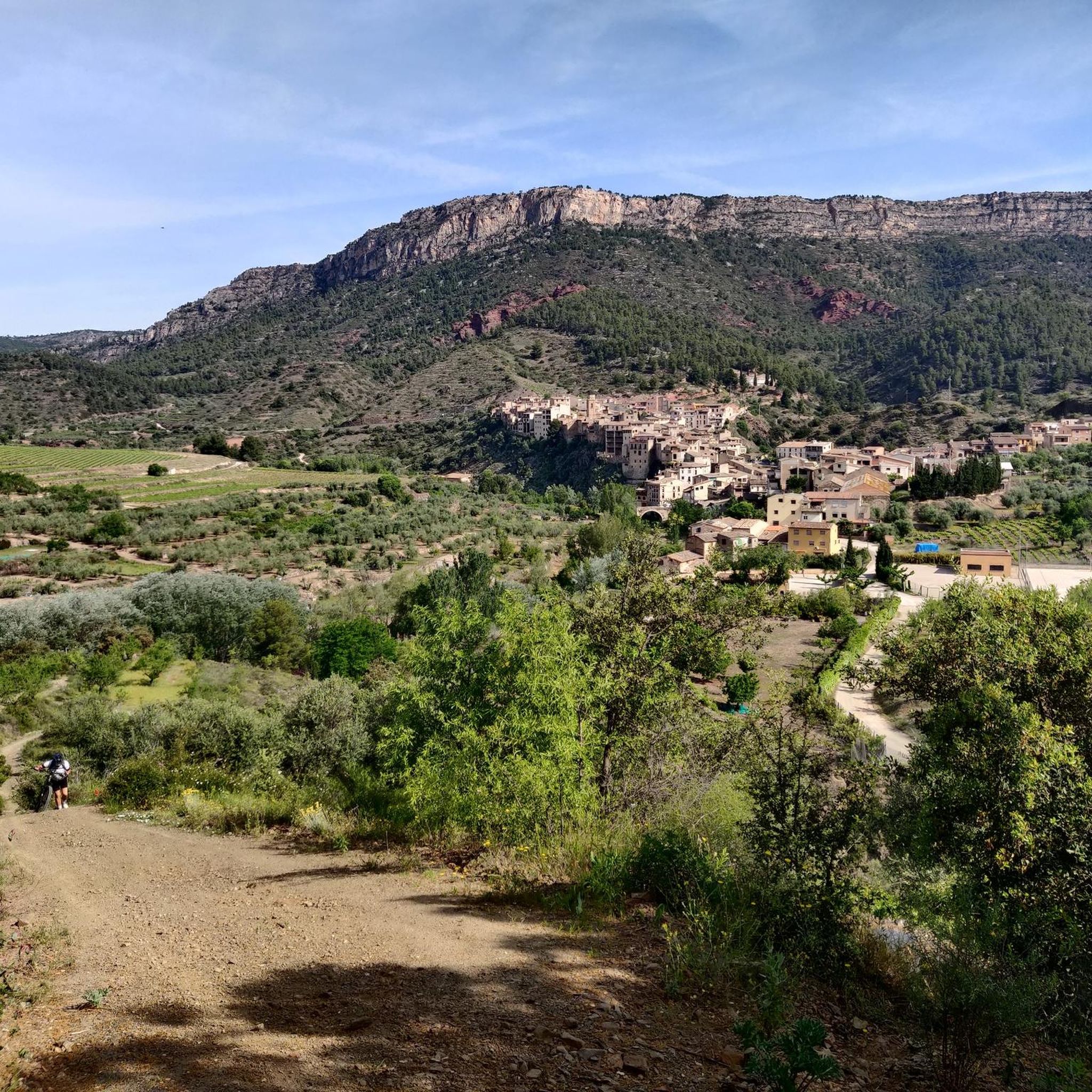
Natural monuments around El Lloar offer a diverse landscape characterized by rugged terrain, vineyards, and mountainous features within Catalonia's Priorat region. The area is nestled in the southwestern foothills of the Montsant massif, with the Montsant river forming its eastern boundary. This geographical setting creates a dramatic backdrop of cliffs and deep gullies. Visitors can explore a variety of natural attractions that highlight the region's unique geology and viticultural heritage.
Best natural monuments around El Lloar
- The most popular natural…
Last updated: July 1, 2026
Clot del Cirer
Highlight • Natural Monument
Translated by Google •
Tip by

Sant Gregori Hermitage (Falset)
Highlight • Religious Site
Translated by Google •
Tip by

Sign up now to discover places like this
Get recommendations on the best single tracks, peaks, & plenty of other exciting outdoor places.
Sign up for free
La Pietat Spring and Garden
Highlight • Natural Monument
Translated by Google •
Tip by

Santa Llúcia Hospital Cave
Highlight • Cave
During the Civil War, the space became the hospital for the military units made up of republican volunteers who fought in the Battle of the Ebro.
Translated by Google •
Tip by
Vineyards and mountains
Highlight • Viewpoint
Translated by Google •
Tip by

Sign up for free to discover even more natural monuments around El Lloar.
Sign up for free
Already have an account?
Start today with a free account
Your next adventure awaits.
Login or Signup

Tips from the Community

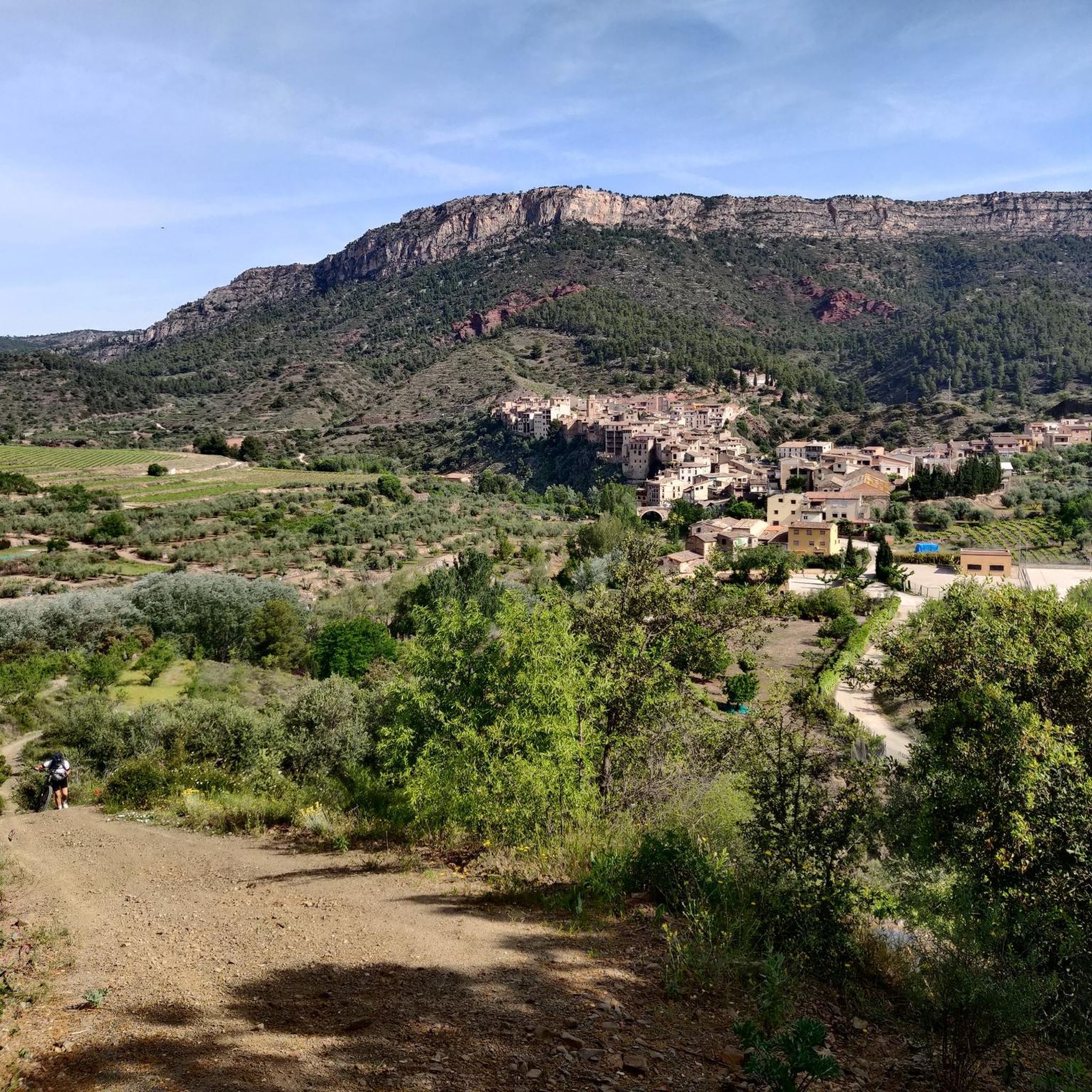
Route through the Montsant following the Camí dels Cartoixants and back through the vineyards between La Vilella Alta and Escaladei. All track with some strong ups and downs but easy enough. We have made it short, but it can be extended until Cabacés and then it is about 40 km.
0
0

Nice corner that invites you to silence and meditation
0
0

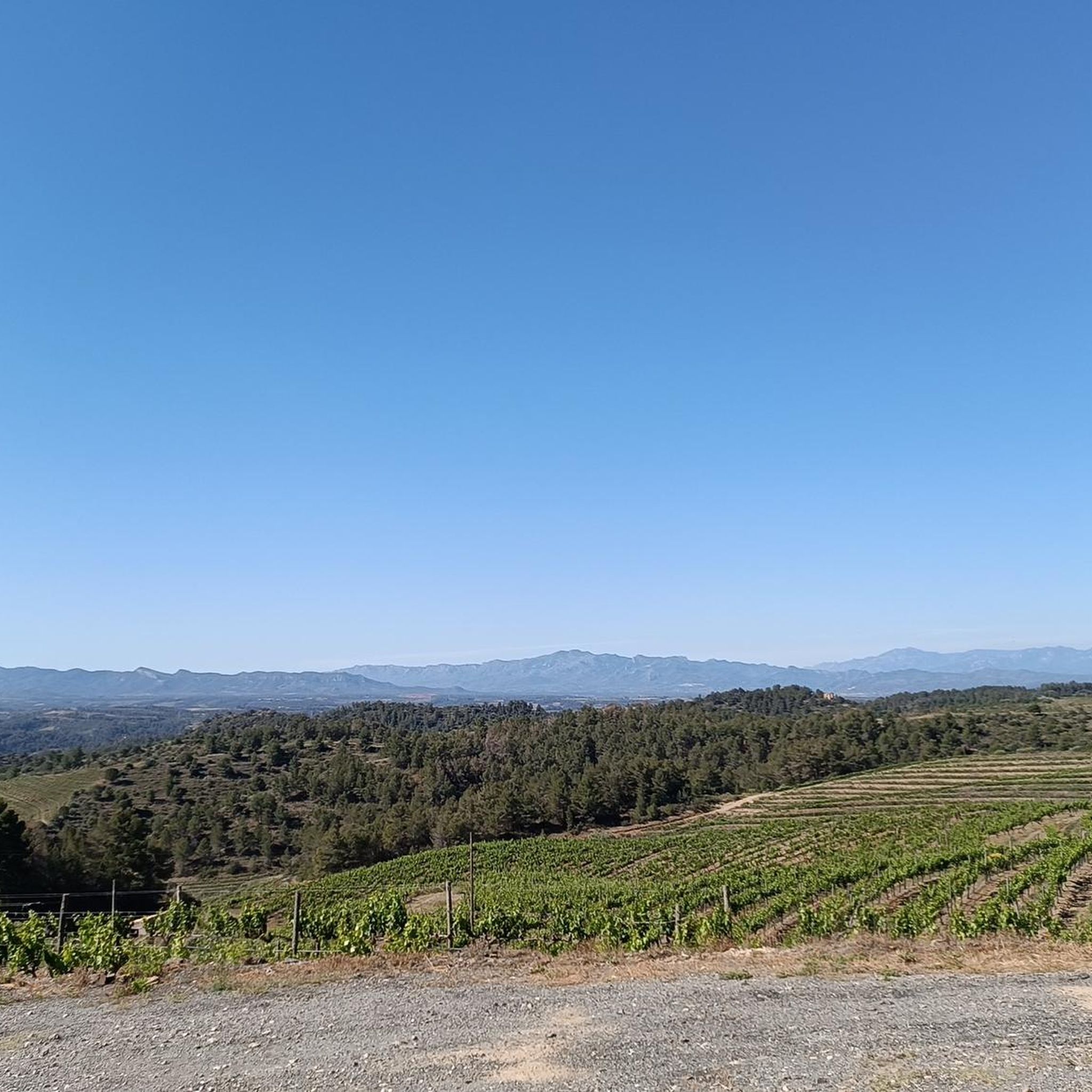
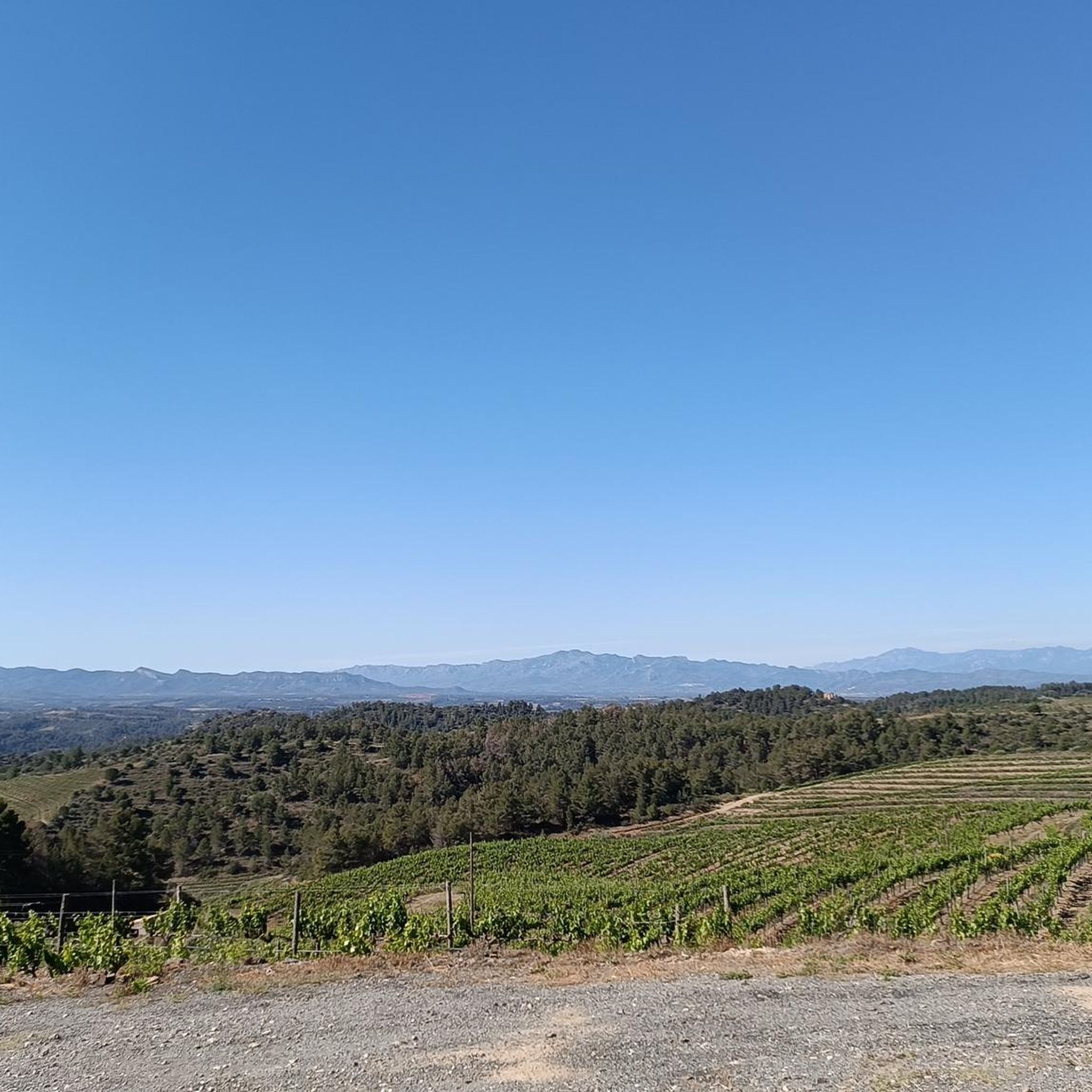
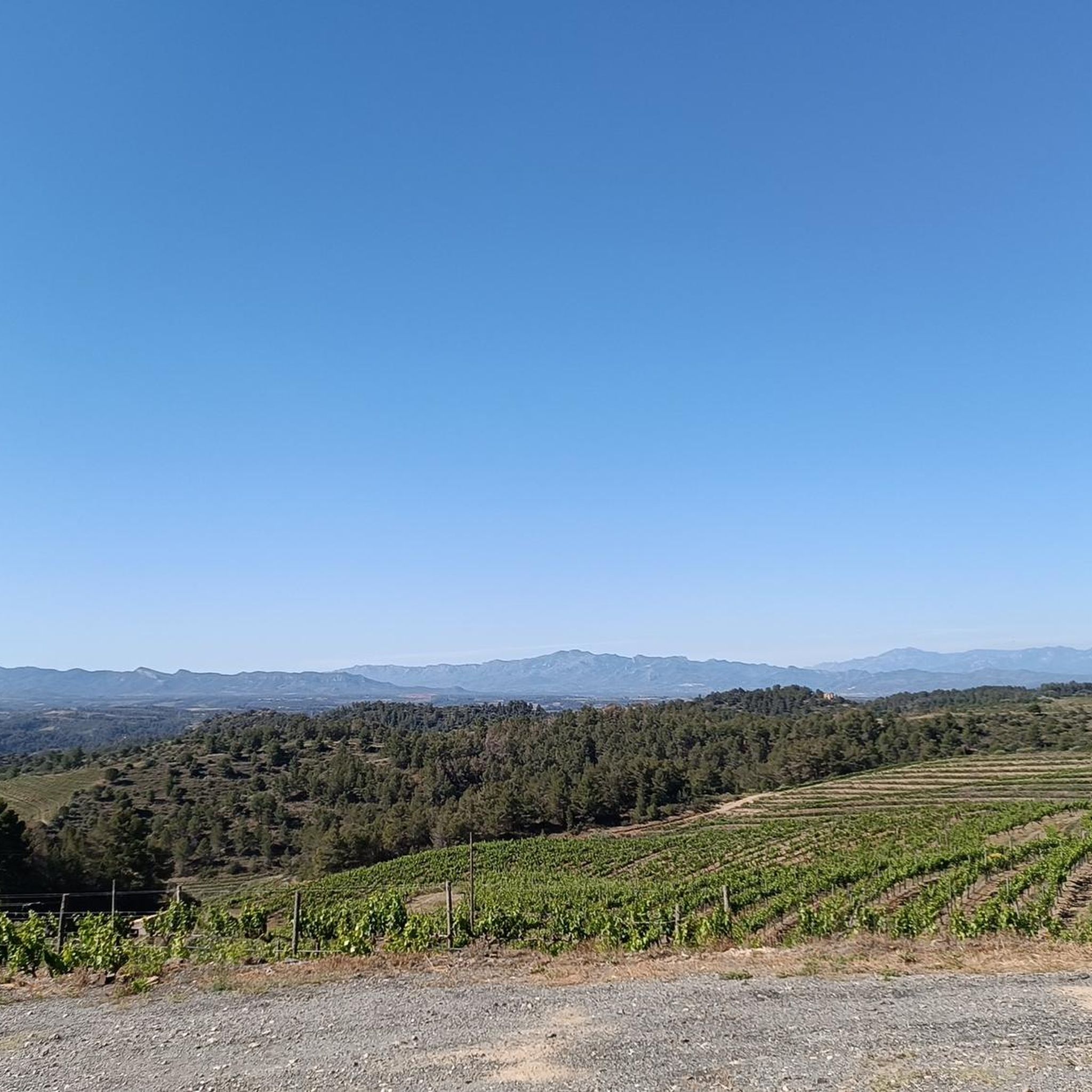
The surroundings of the Serra del Montsant natural park are full of terraces of vineyards that nourish Priorat wines. The vines grow in a very particular terrain and environment and the landscape created with the exposed cliffs is charming.
0
0

It is worth visiting to remember the tragedy of the Spanish civil war
0
0

Near the town of La Bisbal de Falset is the cave of Santa Llúcia. During the Civil War, the space became the hospital for the military units made up of republican volunteers who fought in the Battle of the Ebro.
3
0
The hermitage of Sant Gregori is built under the reddish sandstone rocks of the mountain near the municipality of Falset. In front of the hermitage there is a balcony with an excellent viewpoint of the Falset valley. There is also a picnic area with tables very close by.
3
0

The hospital cave of Santa Llúcia, near the town of La Bisbal de Falset (Priorat), is a wide and shallow cave, used by man since ancient times, which took on a very important role during the Spanish Civil War by becoming a hospital for the International Brigades that fought, in the summer of 1938, in the Battle of the Ebro. https://ca.wikipedia.org/wiki/Cova_hospital_de_Santa_Ll%C3%BAcia
0
1

This corner of Montsant is one of the emblematic places of the Natural Park. It is located in the heart of the mountains and can be reached from La Morera de Montsant, either by the Grau de Salfores, or by the Grau de la Grallera towards the Piló dels Senyalets, and from both points to the Pi del Cugat , where you have to take a path that goes down to the Clot. It is an oasis of greenery in the middle of the arid Serra Major, as there is usually water all year round. Contrary to many people's beliefs, in the middle of nowhere, there is a walnut tree, not a cherry tree. The cherry tree that gave the place its name died years ago and a walnut tree was planted in its place. In the past, shepherds used to bring their flocks to drink, and the drinking troughs they prepared for their flocks are still preserved.
0
0
Frequently Asked Questions
What are some of the most popular natural attractions around El Lloar?
Visitors to El Lloar appreciate a variety of natural attractions. Among them, Sant Gregori Hermitage (Falset) stands out, built under reddish sandstone rocks and offering excellent views. Another favorite is La Pietat Spring and Garden, known for its distinctive trees and historical significance above the Escaladei monastery. The Clot del Cirer, an oasis of greenery with year-round water in the Montsant Natural Park, is also highly regarded.
Are there any natural monuments with historical significance in the area?
Yes, several natural monuments around El Lloar have historical ties. The Sant Gregori Hermitage (Falset) is a religious building nestled into the mountain. The La Pietat Spring and Garden was historically important for the monks of Escaladei. Additionally, the Santa Llúcia Hospital Cave near La Bisbal de Falset served as a hospital during the Spanish Civil War, offering a poignant historical perspective.
What kind of hiking trails are available near El Lloar's natural monuments?
The region around El Lloar, including the Montsant massif, offers a diverse range of hiking trails. You can find routes with varying difficulty levels, from moderate loops like the 'Gratallops Old Town – Gratallops loop' to more challenging treks. Many trails provide access to the natural monuments and scenic viewpoints. For more detailed information and specific routes, you can explore the Hiking around El Lloar guide.
Can I go cycling near the natural monuments of El Lloar?
Absolutely. The hilly landscapes and vineyards around El Lloar are ideal for cycling. There are numerous road cycling and gravel biking routes that allow you to explore the region's natural beauty and pass by various natural monuments. Routes range from moderate to difficult, offering options for different skill levels. Check out the Road Cycling Routes around El Lloar and Gravel biking around El Lloar guides for detailed routes.
Are there any caves to explore near El Lloar?
Yes, the area features interesting geological formations including caves. The Santa Llúcia Hospital Cave near La Bisbal de Falset is a notable site with historical significance. Additionally, the Coves dels Rogerals, located about 1.5 kilometers from El Lloar, offer a glimpse into the region's geology, especially with their proximity to the impressive Nas d'en Quiuma rock formation.
Where can I find natural springs in El Lloar?
El Lloar is home to several charming natural springs. You can visit the Font del Minfami, which has Saracen origins, the Font Vella, historically vital for the village's water supply, and the Font de l'Abelarda. These springs offer delightful natural spots and reflect the community's historical connection to its water resources. The La Pietat Spring and Garden is another beautiful spring area above the Escaladei monastery.
What kind of terrain and geological features characterize the natural monuments around El Lloar?
The natural monuments around El Lloar are set within a rugged and mountainous landscape. You'll encounter dramatic cliffs, deep gullies, and impressive rock formations like the Nas d'en Quiuma. The region is part of the Montsant massif, known for its unique geology, including reddish sandstone rocks seen at sites like the Sant Gregori Hermitage (Falset). The Clot del Cirer also showcases the arid yet surprisingly green corners of the Serra Major.
Are there family-friendly natural monuments or activities in El Lloar?
Yes, there are options suitable for families. The Sant Gregori Hermitage (Falset) is categorized as family-friendly and includes a picnic area nearby, making it a good spot for an outing. Exploring the natural springs can also be a pleasant, gentle activity for families. While specific 'family-friendly' designations for all natural monuments aren't available, many viewpoints and shorter trails can be enjoyed by families.
What is the best time to visit El Lloar to explore its natural monuments?
The best time to visit El Lloar for exploring its natural monuments is generally during the spring (April to June) and autumn (September to October) months. During these periods, the weather is typically mild and pleasant for outdoor activities like hiking and cycling. Spring brings lush greenery and blooming landscapes, while autumn offers comfortable temperatures and the vibrant colors of the vineyards. Summers can be quite hot, and winters can be chilly, though still suitable for some activities.
Where can I find scenic viewpoints in El Lloar?
El Lloar is rich in scenic viewpoints that offer breathtaking panoramas of the Priorat region. The Mirador del Priorat, located within the village on Calle Sant Miquel, provides magnificent views of the river and surrounding mountains. The Sant Gregori Hermitage (Falset) also boasts an excellent viewpoint of the Falset valley. Additionally, the extensive vineyards draped over the hills, particularly around nearby Gratallops, create picturesque scenery, best appreciated from various elevated spots or by bicycle.
What do visitors enjoy most about the natural monuments around El Lloar?
Visitors particularly enjoy the unique blend of rugged natural beauty and the cultural landscape of vineyards. Many appreciate the tranquility and opportunities for contemplation offered by spots like the Clot del Cirer. The historical context of sites like the Santa Llúcia Hospital Cave and the stunning vistas from places like the Sant Gregori Hermitage (Falset) are also frequently highlighted. The overall charm of the Priorat region's geology and viticultural heritage leaves a lasting impression.
Are there opportunities for dog-friendly outdoor activities near El Lloar's natural monuments?
While specific regulations for dogs at each natural monument may vary, the general hiking trails and open landscapes around El Lloar and the Montsant massif are often suitable for dog walking. It's always advisable to keep dogs on a leash, especially in natural parks or near wildlife, and to carry waste bags. Many of the trails mentioned in the Hiking around El Lloar guide can be enjoyed with a well-behaved dog.
Most popular routes around El Lloar
Most popular attractions around El Lloar

Get inspired with the komoot mobile app


Explore more
Extend your search for the best caves by checking out these guides of the top ones around El Lloar:
