Top 7 Natural Monuments around La Figuera
Natural monuments around La Figuera showcase the diverse landscapes of the Priorat region, particularly within the Serra del Montsant natural park. This area is characterized by unique geological formations, including caves and exposed cliffs, alongside historical sites. Extensive vineyards shape much of the terrain, contributing to a distinctive natural and cultural environment. The region provides opportunities to explore varied natural features and historical landmarks.
Best natural monuments around La Figuera
- The most popular natural monuments is La Pietat Spring and…
Last updated: July 1, 2026
La Pietat Spring and Garden
Highlight • Natural Monument
Translated by Google •
Tip by

Santa Llúcia Hospital Cave
Highlight • Cave
During the Civil War, the space became the hospital for the military units made up of republican volunteers who fought in the Battle of the Ebro.
Translated by Google •
Tip by

Sign up now to discover places like this
Get recommendations on the best single tracks, peaks, & plenty of other exciting outdoor places.
Sign up for free
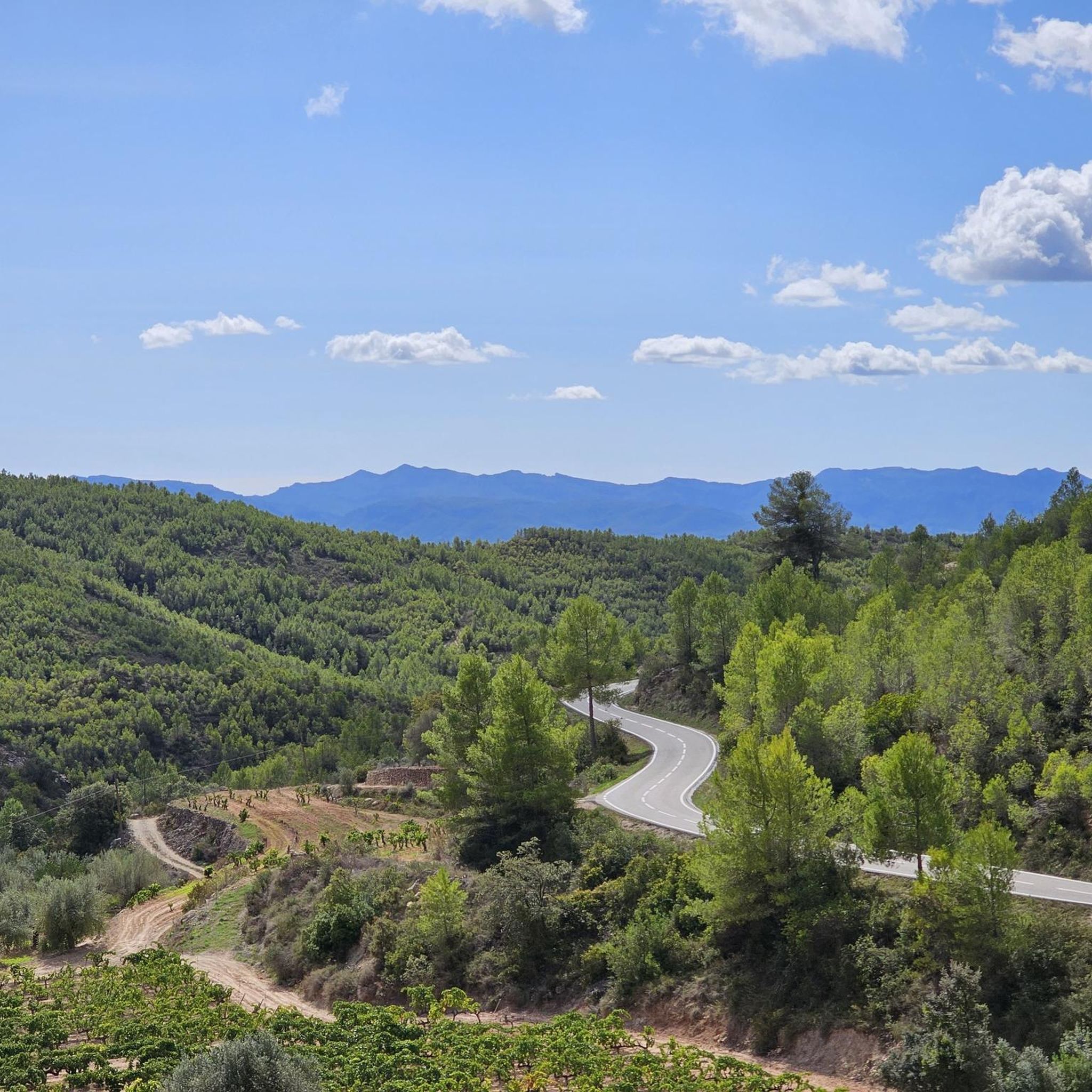
Vineyards and mountains
Highlight • Viewpoint
Translated by Google •
Tip by

Els avencs del Masroig
Highlight • Cave
Translated by Google •
Tip by

Hermitage of Sant Salvador de Margalef
Highlight • Religious Site
Translated by Google •
Tip by
Sign up for free to discover even more natural monuments around La Figuera.
Sign up for free
Already have an account?
Start today with a free account
Your next adventure awaits.
Login or Signup

Other adventures around La Figuera

Tips from the Community

For the Avencs Pass, it can be very useful to carry some ropes to help you climb the large rocks.
0
0

Route through the Montsant following the Camí dels Cartoixants and back through the vineyards between La Vilella Alta and Escaladei. All track with some strong ups and downs but easy enough. We have made it short, but it can be extended until Cabacés and then it is about 40 km.
0
0

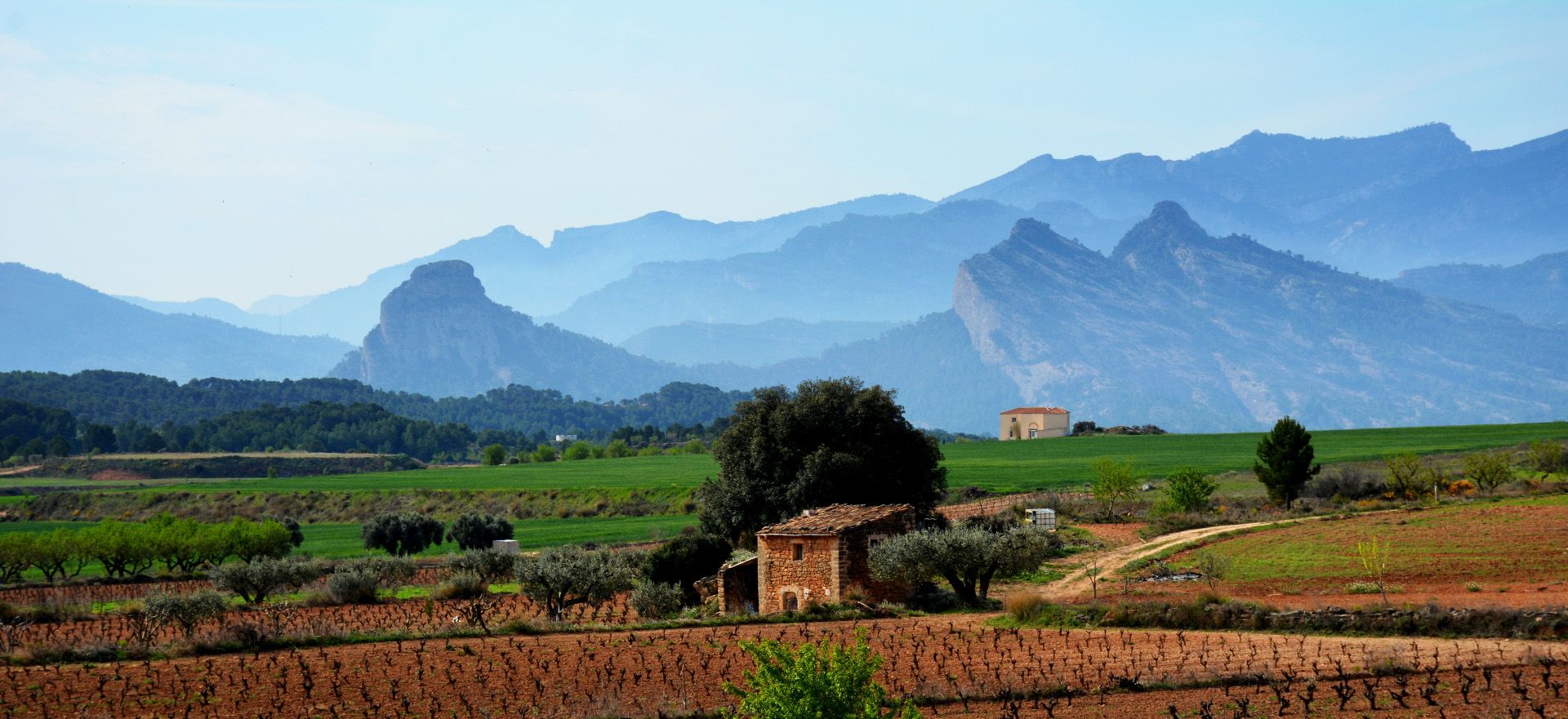
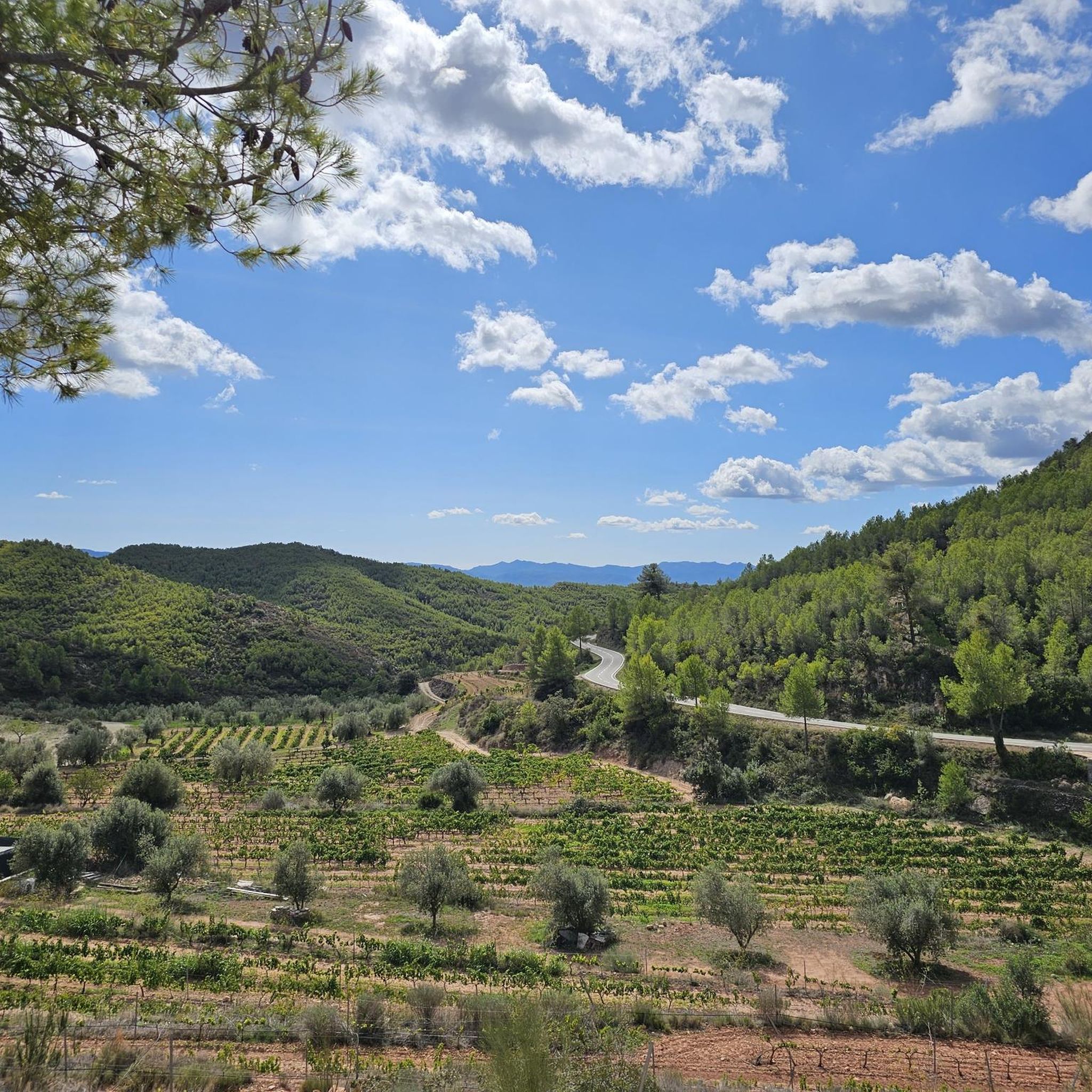
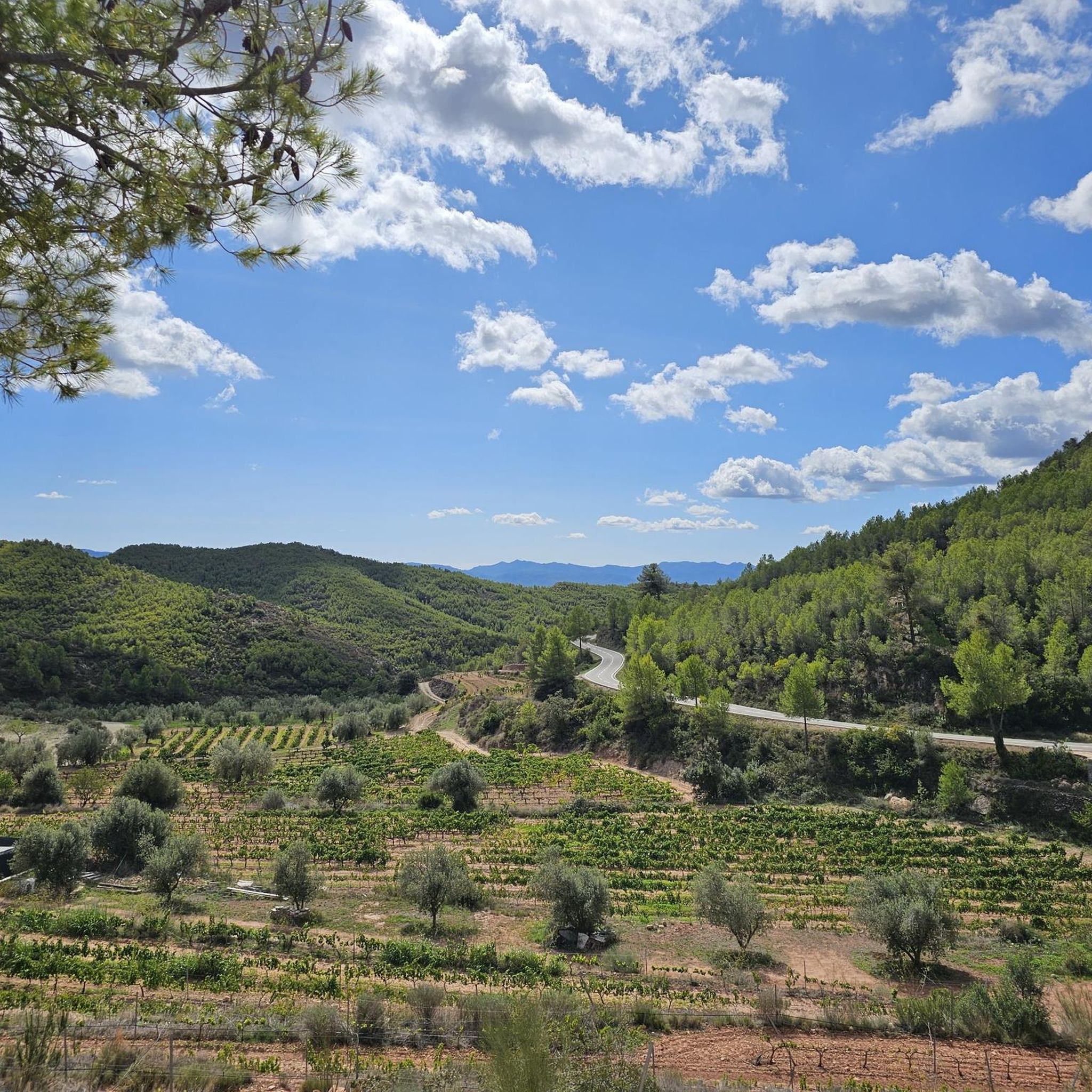
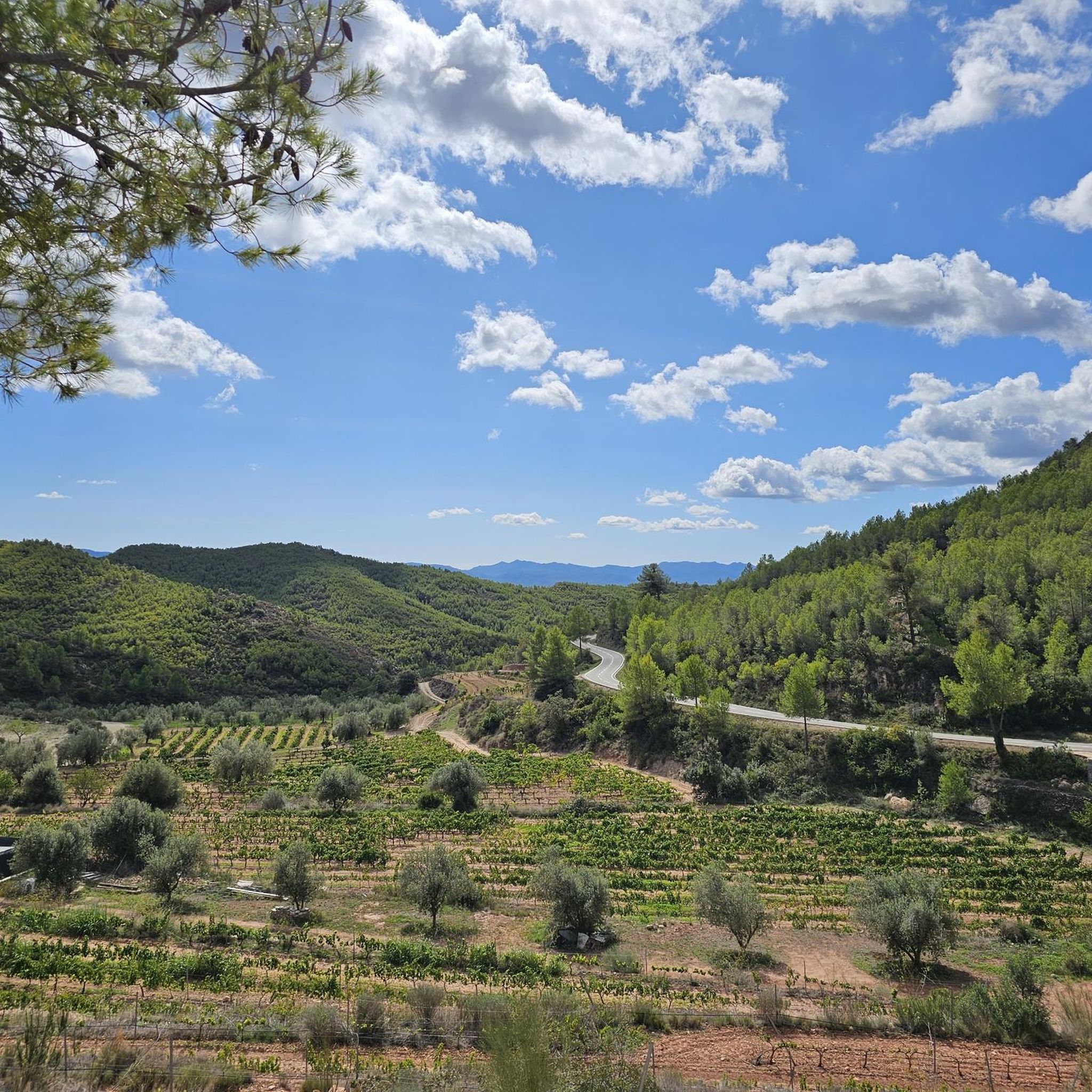
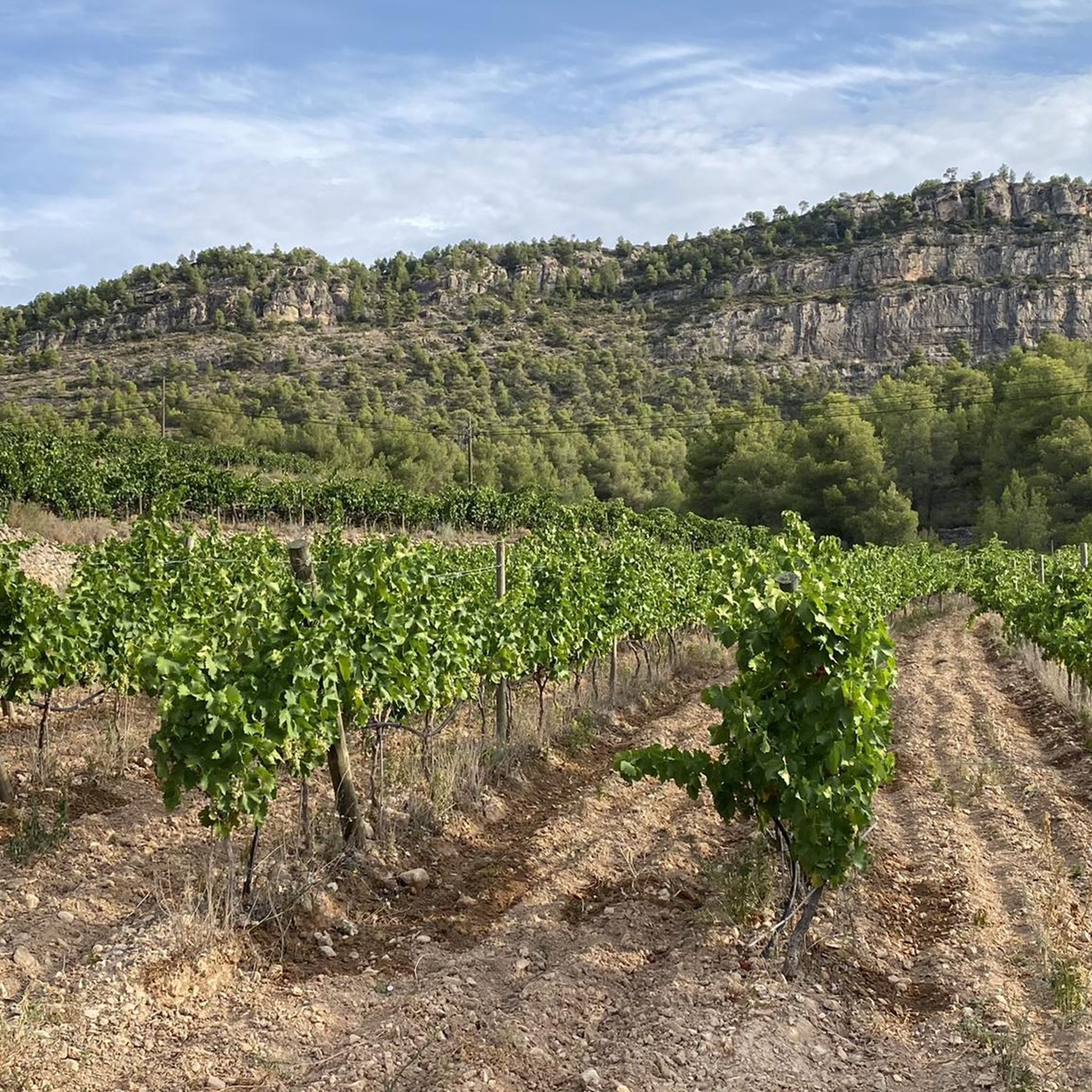
The surroundings of the Serra del Montsant natural park are full of terraces of vineyards that nourish Priorat wines. The vines grow in a very particular terrain and environment and the landscape created with the exposed cliffs is charming.
0
0

It is worth visiting to remember the tragedy of the Spanish civil war
0
0

Near the town of La Bisbal de Falset is the cave of Santa Llúcia. During the Civil War, the space became the hospital for the military units made up of republican volunteers who fought in the Battle of the Ebro.
3
0
Small hermitage very characteristic for being built under the rocks of the Sierra del Montsant. Adjacent to the hermitage is the former hermit's house. The space also has a large picnic area with stone tables and barbecues.
2
0

The hospital cave of Santa Llúcia, near the town of La Bisbal de Falset (Priorat), is a wide and shallow cave, used by man since ancient times, which took on a very important role during the Spanish Civil War by becoming a hospital for the International Brigades that fought, in the summer of 1938, in the Battle of the Ebro. https://ca.wikipedia.org/wiki/Cova_hospital_de_Santa_Ll%C3%BAcia
0
1

Up here above the Escaladei monastery there is a spring and a kind of landscaped garden with a great stock of trees. The trees are so distinctive that you can see them well from the monastery below, as they stand out from the surrounding picture. The high spring must have been a beautiful place for many things for the monks.
4
0
Frequently Asked Questions
What are some unique natural monuments to visit around La Figuera?
The region offers diverse natural monuments. You can explore La Pietat Spring and Garden, known for its distinctive trees and spring above the Escaladei monastery. Another significant site is the Santa Llúcia Hospital Cave, which holds historical importance from the Spanish Civil War. For breathtaking views, visit Vineyards and mountains, offering expansive vistas of terraced vineyards against the Serra del Montsant cliffs.
Are there any historical natural monuments in the La Figuera area?
Yes, several natural monuments in the area also have historical significance. The Santa Llúcia Hospital Cave, near La Bisbal de Falset, served as a hospital during the Spanish Civil War. Additionally, the Hermitage of Sant Salvador de Margalef is a historical site built under the rocks of the Sierra del Montsant, offering both natural beauty and cultural heritage.
What kind of natural features can I expect to see in the natural monuments around La Figuera?
The natural monuments around La Figuera showcase a variety of features. You'll find unique geological formations like caves, such as Santa Llúcia Hospital Cave and Els avencs del Masroig, which also features canyons and gorges. There are also natural springs like La Pietat Spring and Garden, and stunning viewpoints like Vineyards and mountains, offering panoramic views of vineyards and the exposed cliffs of the Serra del Montsant.
Are there family-friendly natural monuments or trails suitable for children?
While specific 'family_friendly' categories are not listed for all highlights, many natural monuments offer accessible experiences. For example, La Pietat Spring and Garden, with its landscaped area, could be a pleasant spot for families. The Hermitage of Sant Salvador de Margalef also has a large picnic area, making it suitable for a family outing. For hiking, look for 'easy' rated trails in the area, such as 'El Amerindio Rock Formation loop from el Lloar' or 'La Vilella Baixa loop from la Vilella Baixa', which are listed in the Hiking around La Figuera guide.
What outdoor activities can I do near these natural monuments?
The region around La Figuera is excellent for various outdoor activities. You can find numerous hiking trails, from easy to moderate, as detailed in the Hiking around La Figuera guide. For cyclists, there are challenging road cycling routes, including one that passes by the Santa Llúcia Hospital Cave, which you can find in the Road Cycling Routes around La Figuera guide. Mountain biking enthusiasts will also find several moderate to difficult trails, such as the 'Escaladei and La Morera de Montsant Loop', available in the MTB Trails around La Figuera guide.
Are there specific hiking trails that lead to or pass by these natural monuments?
Yes, some hiking routes incorporate these natural monuments. For instance, the area around Vineyards and mountains is part of a route through the Montsant following the Camí dels Cartoixants. While specific trails directly to every monument aren't detailed here, many routes in the Hiking around La Figuera guide will bring you close to or through these scenic areas.
What is the best time of year to visit the natural monuments around La Figuera?
The Priorat region, where La Figuera is located, experiences a Mediterranean climate. Spring (April-May) and autumn (September-October) are generally ideal for visiting, offering pleasant temperatures for hiking and exploring. Summers can be hot, while winters are milder but can be chilly, especially in the mountains. These shoulder seasons allow for comfortable enjoyment of the outdoor natural monuments and vineyards.
Are dogs allowed on trails near the natural monuments in Montsant Natural Park?
While specific dog policies for every trail are not provided, Montsant Natural Park generally welcomes dogs on trails, provided they are kept on a leash and owners adhere to responsible pet ownership guidelines, including cleaning up after their pets. It's always recommended to check local signage or the park's official website for the most current regulations before your visit, especially for specific protected areas.
What are the difficulty levels of exploring the natural monuments?
The difficulty varies depending on the specific monument and how you choose to access it. Many viewpoints and historical sites like La Pietat Spring and Garden or the Hermitage of Sant Salvador de Margalef are generally accessible. However, some cave systems, like Els avencs del Masroig, are described as 'challenging' and may require ropes for climbing large rocks. Always check the specific highlight details and be prepared for the terrain.
Can I find viewpoints with panoramic scenery among the natural monuments?
Absolutely. The region is rich in scenic viewpoints. Vineyards and mountains offers expansive views of terraced vineyards and the dramatic cliffs of the Serra del Montsant. The
Are there any natural monuments that are particularly good for photography?
Many of the natural monuments offer excellent photographic opportunities. The expansive views from Vineyards and mountains, with its terraced vineyards and Montsant cliffs, are particularly stunning. The distinctive trees and landscaped garden at La Pietat Spring and Garden also provide unique subjects. The dramatic setting of the Hermitage of Sant Salvador de Margalef, built under rocks, is also very photogenic.
What should I wear when visiting the natural monuments, especially for hiking?
For exploring the natural monuments and hiking trails, comfortable and sturdy footwear is essential, especially if you plan to tackle more challenging terrain or caves. Layered clothing is recommended as temperatures can change, particularly in mountainous areas or during different seasons. A hat, sunscreen, and plenty of water are advisable, especially during warmer months. For challenging cave explorations like Els avencs del Masroig, specialized gear like ropes might be necessary.
Most popular routes around La Figuera
Most popular attractions around La Figuera

Get inspired with the komoot mobile app


Explore more
Extend your search for the best caves by checking out these guides of the top ones around La Figuera:
