Top 5 Natural Monuments around Cubillo Del Campo
Best natural monuments around Cubillo Del Campo showcase the diverse natural and historical landscape of this tranquil village in Burgos province. The area is known for its historical limestone quarries, which provided stone for the Burgos Cathedral, and offers a blend of natural features and ancient sites. Visitors can explore a variety of natural monuments, from river parks to ancient megalithic structures and scenic viewpoints. The region provides opportunities to experience the local geology and ecosystems.
Best natural monuments around Cubillo Del Campo
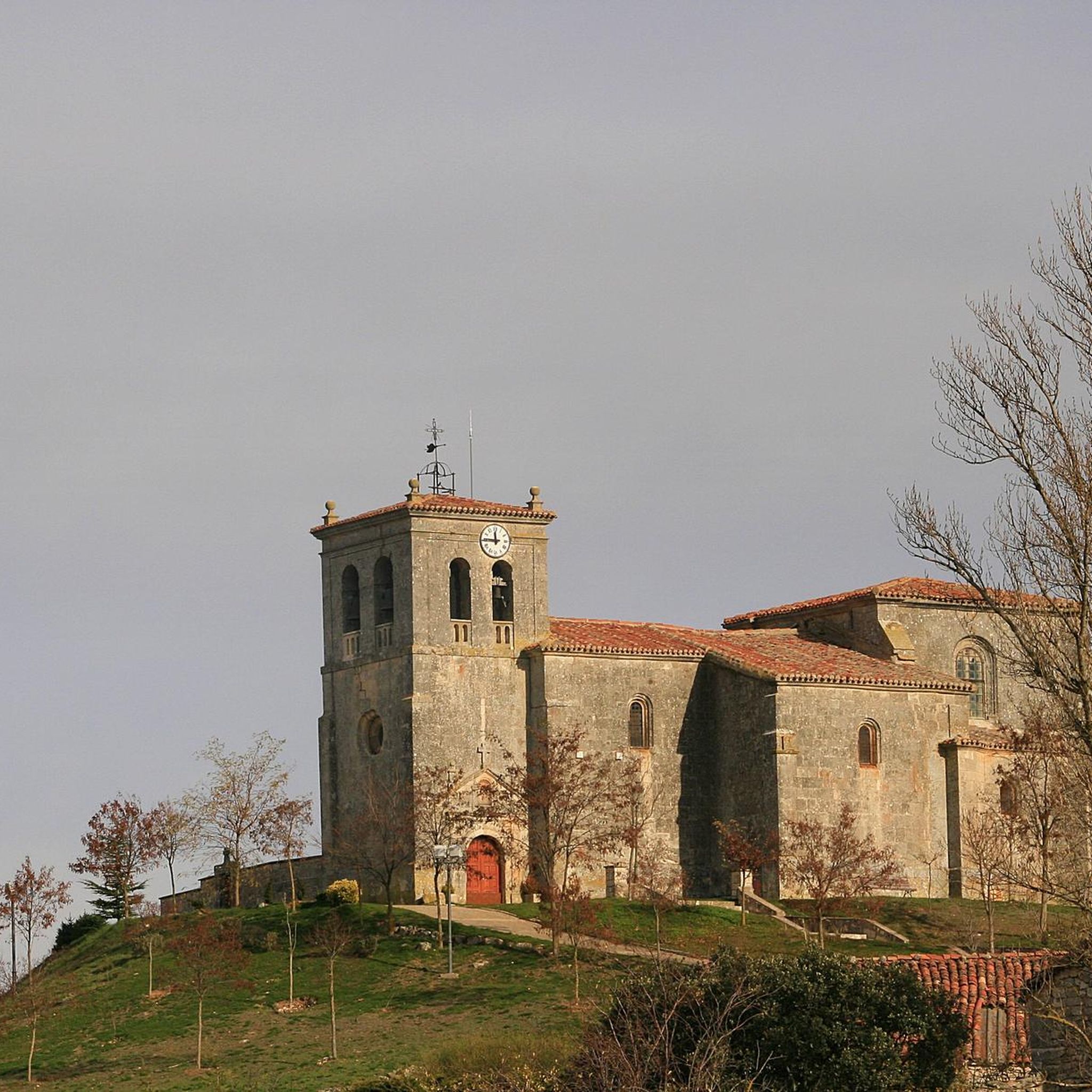
- The most popular natural monuments is Quintanilla de las Viñas Park, a natural monument and park that features a beautiful park next to a river with a natural pool. It offers ideal places for mountain biking and hiking routes.
- Another must-see spot is Dolmen of Cubillejo de Lara, a historical site that is a funerary megalithic monument of the corridor tomb type, approximately 5,000 years old. It features a circular chamber and a long corridor, with interesting rock carvings on its stone blocks.
- Visitors also love Castillejo, a summit and viewpoint. The peak is named for its tower shape, and offers spectacular views of the Sierra del Mencilla to the North and the Sierra de Cervera to the South.
- Cubillo Del Campo is known for its natural monuments, historical sites, and scenic viewpoints. The area offers a variety of natural monuments to see and explore, including river parks, ancient dolmens, and mountain summits.
- The natural monuments around Cubillo Del Campo are appreciated by the komoot community, with 8 upvotes and 4 photos shared by visitors.
Last updated: July 15, 2026
Quintanilla de las Viñas Park
Highlight • Rest Area
Translated by Google •
Tip by

Castillejo
Highlight • Summit
Translated by Google •
Tip by

Sign up now to discover places like this
Get recommendations on the best single tracks, peaks, & plenty of other exciting outdoor places.
Sign up for free
Dolmen of Cubillejo de Lara
Highlight • Historical Site
Translated by Google •
Tip by
Alto de Gandral Geodetic Vertex
Highlight • Summit
Translated by Google •
Tip by

La Muela
Highlight • Summit
Translated by Google •
Tip by
Start today with a free account
Your next adventure awaits.
Login or Signup

Tips from the Community

El Castillejo (1,347 m) is a twin peak located in the Sierra de las Mamblas, 5 km north of the town of Covarrubias (Burgos). It owes its name to its natural defensive rock formations. On its summit, an artificial cavity is preserved that served as a strategic watchtower. The mountain offers a spectacular panoramic view of the Arlanza valley and the Sierra de la Demanda. At its foothills lies the Hermitage of Our Lady of Mamblas (Ermita de Nuestra Señora de Mamblas). The terrain features rocky barriers that served as a defensive settlement in antiquity.
0
0

The Alto de Gandral (1,044 m) dominates the oak forest between Hontoria de la Cantera and the famous quarries from which the stones for Burgos Cathedral, Burgos Castle and the Visigothic hermitage of Santa Maria de las Viñas were extracted.
0
0
The Cubillejo/Mazariegos dolmen is considered the prototype of the megalithic passage tomb and preserves, on one of the large stone blocks that form its structure, a series of interesting rock carvings.
0
0
Ideal places for mountain biking and hiking routes
1
0

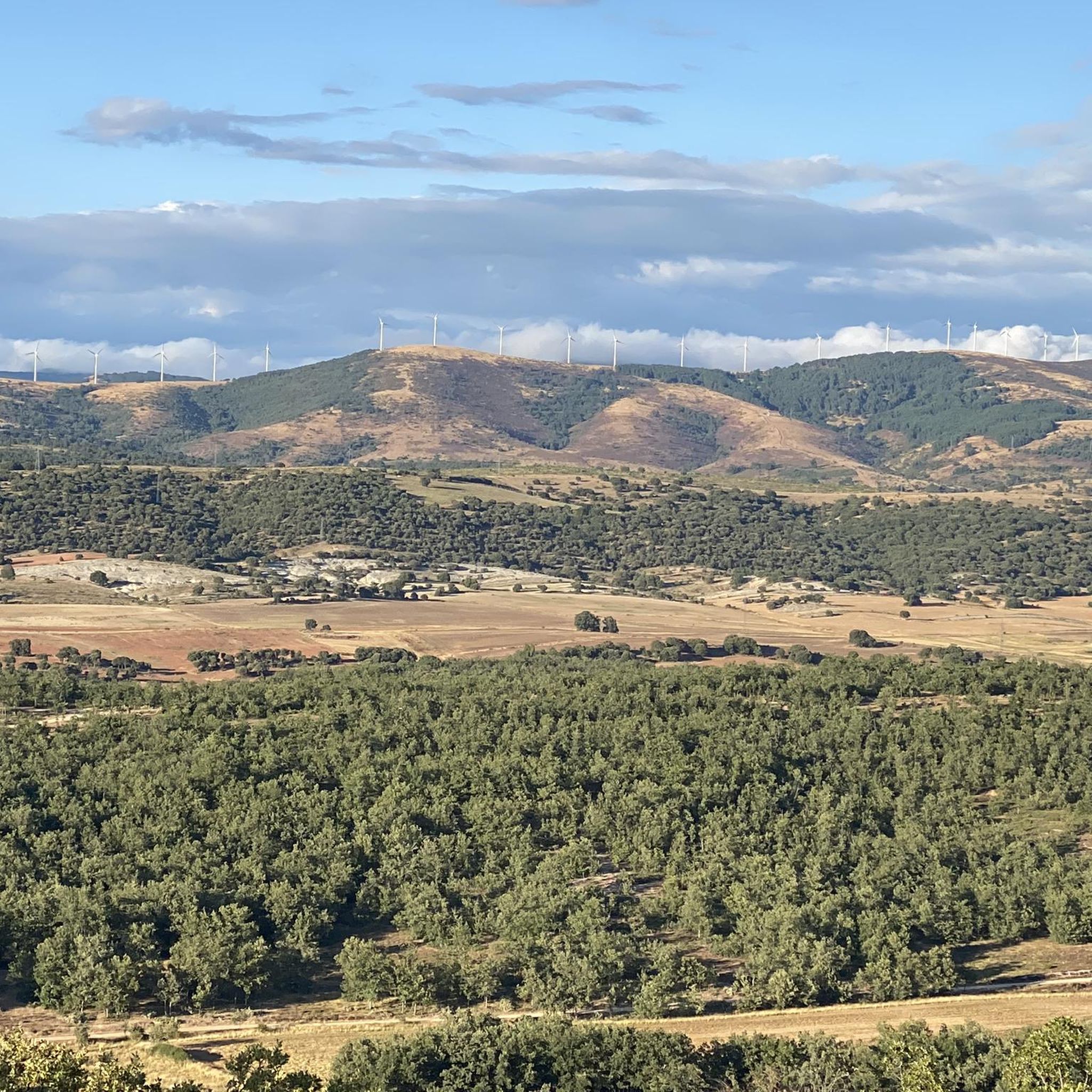
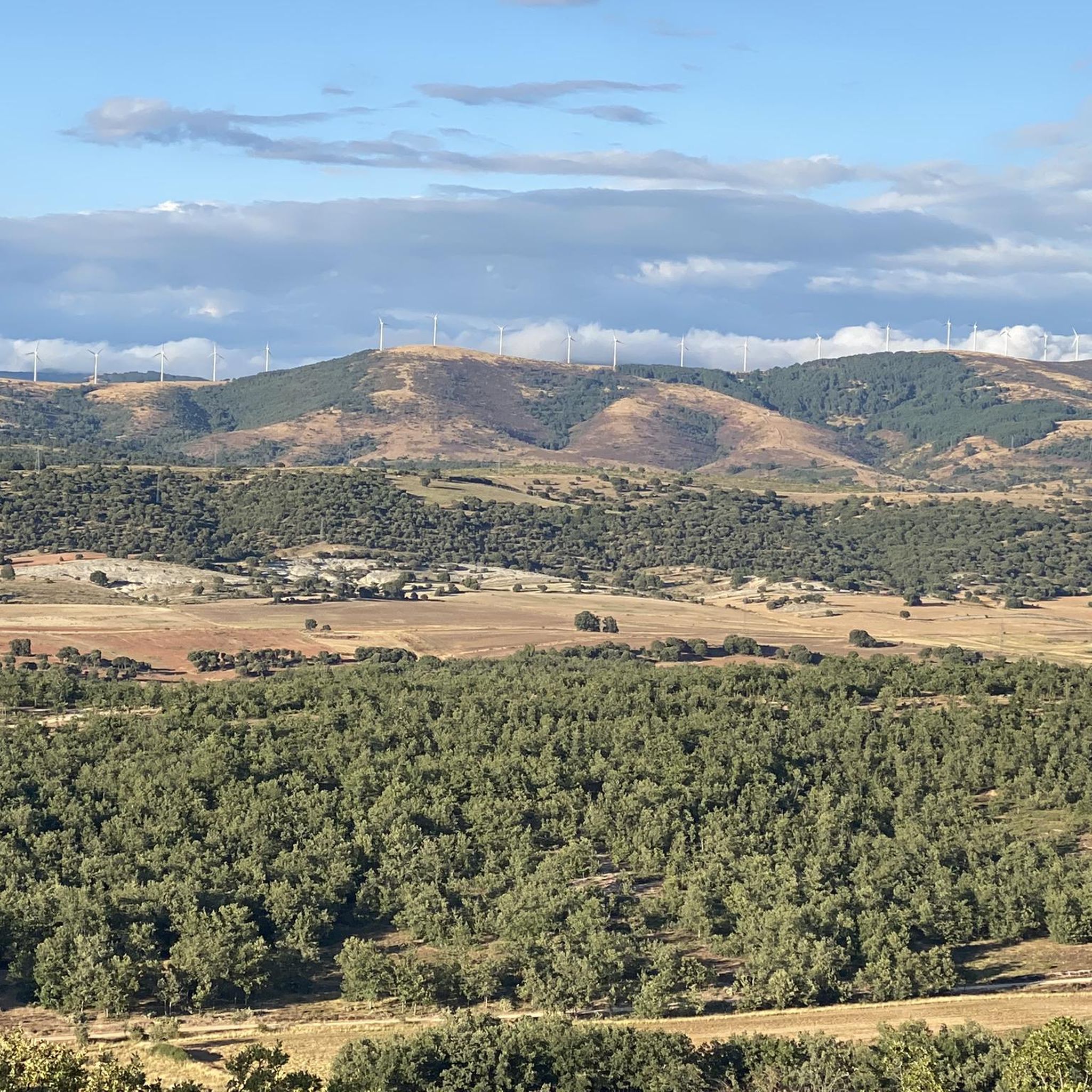
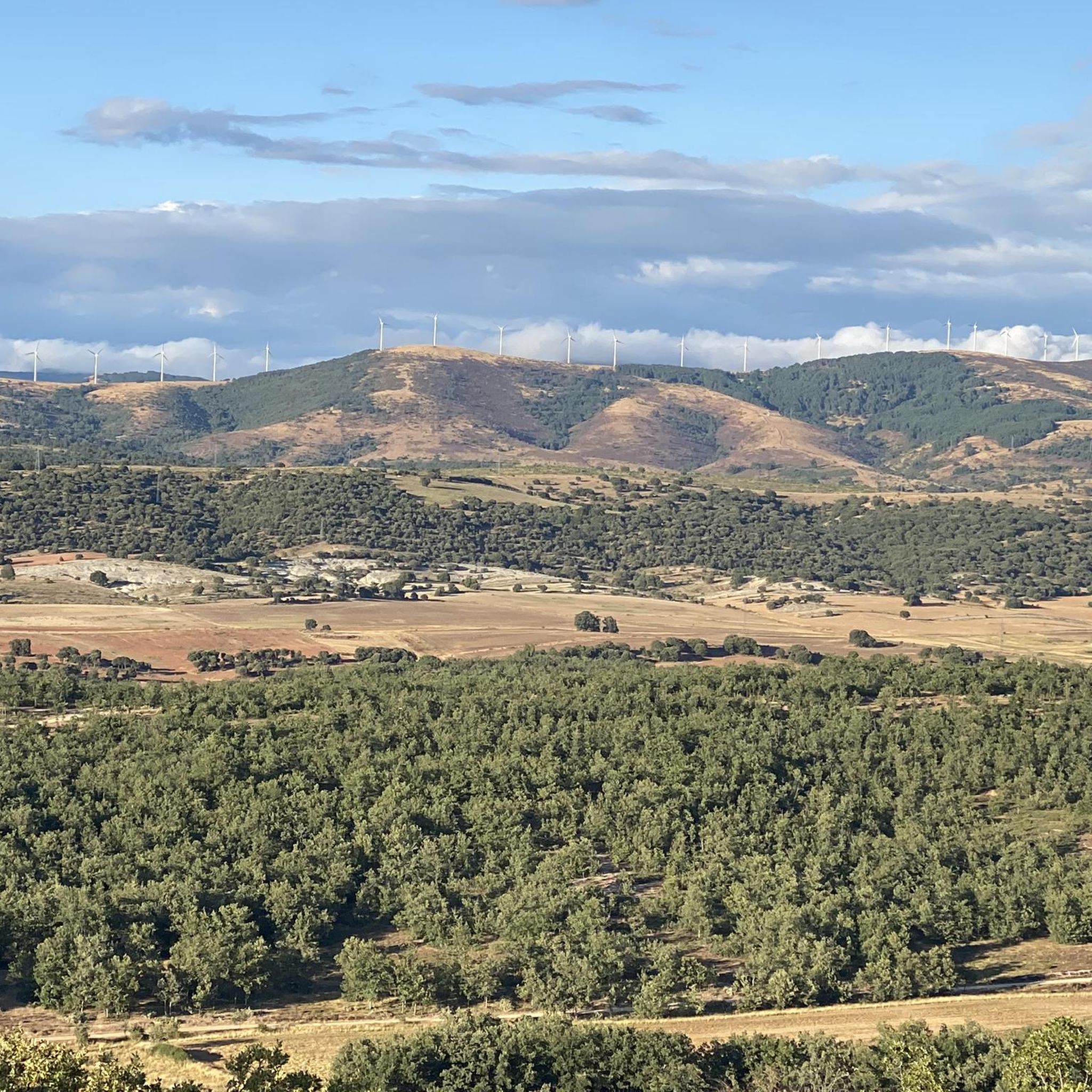
The climb can be a bit complicated, since there is no marked path, but you can always guide yourself by looking at the top. The views from the top are spectacular. To the east, the Sierra de Gayúbar, the Peña de Carazo and the Fort San Carlos; a little further, the Sierra de la Demanda and the Campiña as the most prominent peak. To the north, the Sierra del Mencilla, the Pico Trigaza, and the Sierra de Peñalara.
1
0
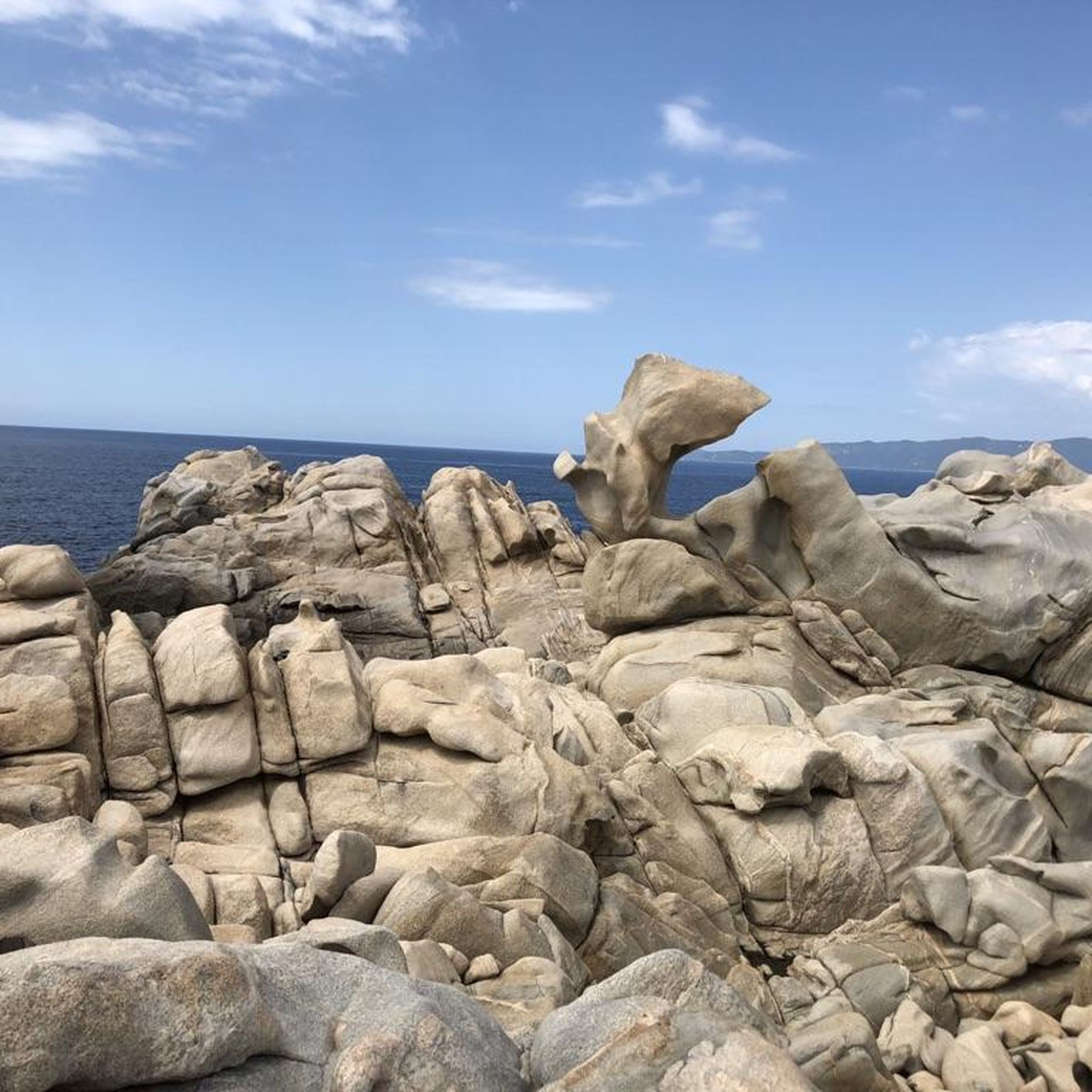
The peak bears this name thanks to its tower shape. The views are spectacular, highlighting the Sierra del Mencilla to the North, the Sierra de Cervera to the South, and that of its partner, the Muela de las Mamblas to the East.
2
0

The Cubillejo de Lara dolmen, whose official name is "Cubillejo dolmen" is a megalithic monument of the corridor tomb type that is found in the payment called Dominustecum, in Cubillejo de Lara.
0
0
Frequently Asked Questions
What are some unique natural features to explore around Cubillo Del Campo?
While Cubillo del Campo is known for its historical limestone quarries, the broader Burgos province offers remarkable natural sites. You can explore the impressive karst complex of Ojo Guareña Natural Monument, one of the largest in Spain, featuring over 100 kilometers of interconnected caves. Another option is the Hoces del Alto Ebro Natural Park, which boasts spectacular karst formations and waterfalls, including the notable "La Ventana del Cielo" viewpoint. For pristine nature and expansive views, the Sierra de la Demanda, with its Mirador de las Villas, is also a great choice.
Are there any historical natural monuments in the area?
Yes, the area features significant historical natural monuments. The Dolmen of Cubillejo de Lara is a funerary megalithic monument, approximately 5,000 years old, with a circular chamber and interesting rock carvings. Additionally, the Alto de Gandral Geodetic Vertex overlooks the famous quarries that provided stone for the Burgos Cathedral, connecting the natural landscape with the region's rich history.
Where can I find panoramic views near Cubillo Del Campo?
For spectacular panoramic views, you should visit Castillejo, a summit named for its tower shape, offering vistas of the Sierra del Mencilla and Sierra de Cervera. Another excellent spot is La Muela, which provides breathtaking views of the Sierra de Gayúbar, Peña de Carazo, and the Sierra de la Demanda. The Alto de Gandral Geodetic Vertex also offers commanding views over the oak forest.
Are there family-friendly natural monuments suitable for all ages?
Yes, the Quintanilla de las Viñas Park is a natural monument and park that is ideal for families. It features a beautiful park next to a river with a natural pool, offering pleasant spaces for relaxation and gentle activities. While not directly in Cubillo del Campo, the Ojo Guareña Natural Monument also has accessible parts of its caves, like the San Bernabé cave, which can be an engaging experience for families.
What kind of outdoor activities can I do near these natural monuments?
The area around Cubillo Del Campo offers a variety of outdoor activities. You can find excellent opportunities for mountain biking and hiking, especially around Quintanilla de las Viñas Park. For more extensive cycling, there are numerous gravel biking and road cycling routes. You can explore options like the "Hontoria de la Cantera – Hortigüela Table Mountain loop" for gravel biking or the "Alto de Peña Alta (1078 m) – Special bridge loop" for road cycling. For running enthusiasts, there are trails such as the "San Clemente - Mecerreyes Loop." You can find more details on these activities in the Gravel biking around Cubillo Del Campo, Running Trails around Cubillo Del Campo, and Road Cycling Routes around Cubillo Del Campo guides.
Are there specific hiking trails recommended around the natural monuments?
Yes, several natural monuments are excellent starting points for hiking. Quintanilla de las Viñas Park offers ideal places for hiking routes. For those seeking more challenging hikes with rewarding views, the ascents to Castillejo and La Muela provide spectacular scenery, though the climb to La Muela can be complicated as there isn't a marked path. The Sierra de la Demanda, a short journey from Cubillo del Campo, is also an excellent location for hiking.
What is the best time of year to visit the natural monuments around Cubillo Del Campo?
The best time to visit the natural monuments around Cubillo Del Campo is generally during spring (April to June) and autumn (September to October). During these seasons, the weather is typically mild and pleasant for outdoor activities like hiking and exploring. Spring brings lush greenery and blooming flora, while autumn offers beautiful fall colors. Summer can be quite warm, especially for strenuous activities, and winter might present colder temperatures and potentially snow in higher elevations like the Sierra de la Demanda.
What makes the geology of the Cubillo Del Campo area interesting?
The geology of the Cubillo Del Campo area is particularly interesting due to its historical limestone quarries, which famously supplied stone for the Burgos Cathedral. Beyond this, the wider Burgos province is renowned for its karst landscapes. The Ojo Guareña Natural Monument is a prime example, showcasing extensive cave systems formed by limestone erosion. The Hoces del Alto Ebro Natural Park also features dramatic karst formations and waterfalls, highlighting the region's unique geological processes.
Are there any natural monuments that are particularly challenging for experienced hikers?
Experienced hikers looking for a challenge will find the ascent to La Muela particularly rewarding. The climb can be complicated as there isn't a marked path, requiring good navigation skills, but the spectacular views from the top are well worth the effort. The Sierra de la Demanda also offers more strenuous hiking opportunities for those seeking rugged terrain and higher elevations.
What do visitors typically enjoy most about the natural monuments in this region?
Visitors to the natural monuments around Cubillo Del Campo consistently enjoy the stunning panoramic views from summits like Castillejo and La Muela. The historical significance of sites like the Dolmen of Cubillejo de Lara, with its ancient rock carvings, also captivates many. The tranquil setting of Quintanilla de las Viñas Park, with its river and natural pool, is appreciated for relaxation and family outings. Overall, the blend of natural beauty, historical depth, and opportunities for outdoor activities makes the region highly appealing.
What kind of wildlife might I encounter near these natural monuments?
The natural areas around Cubillo Del Campo and the broader Burgos province are home to diverse wildlife. In the Sierra de la Demanda, you might spot various birds of prey. The Ojo Guareña Natural Monument is particularly notable for its unique invertebrate species, some of which are endemic to its cave systems. While specific large mammal sightings are less common, the oak forests, such as those near Alto de Gandral, provide habitats for smaller mammals and a variety of bird species.
Are there any natural monuments that are easily accessible?
The Quintanilla de las Viñas Park is generally considered easily accessible, offering a pleasant and flat environment next to the river, suitable for a leisurely visit. While the Dolmen of Cubillejo de Lara is a historical site, it is typically accessible for visitors to view the megalithic structure. For those interested in the Ojo Guareña Natural Monument, certain parts of the caves, such as the San Bernabé cave, are prepared for visitor access.
Can I bring my dog to the natural monuments or on nearby trails?
Many natural areas and trails in Spain are dog-friendly, especially if dogs are kept on a leash. While specific regulations for each natural monument should be checked, generally, places like Quintanilla de las Viñas Park and the various hiking trails around the region are suitable for dogs. Always ensure your dog is under control, clean up after them, and respect any signage regarding pet access, especially in protected areas or near wildlife habitats.
Most popular routes around Cubillo Del Campo
Most popular attractions around Cubillo Del Campo

Get inspired with the komoot mobile app


Explore more
Extend your search for the best caves by checking out these guides of the top ones around Cubillo Del Campo:
