Top 20 Natural Monuments around Xunqueira De Espadanedo
Natural monuments around Xunqueira De Espadanedo are characterized by mountainous landscapes and dramatic river features within the Ribeira Sacra region of Ourense, Galicia. The area is known for its numerous viewpoints offering panoramic perspectives of valleys and mountain ranges. These natural features provide opportunities to explore the region's unique geology and diverse ecosystems. The proximity to the Sil Canyon further enhances the natural appeal of the surroundings.
Best natural monuments around Xunqueira De Espadanedo
- The most popular natural monuments is…
Last updated: July 1, 2026
Monastery of San Pedro de Rocas
Highlight • Religious Site
Translated by Google •
Tip by

Pedra Longa Viewpoint
Highlight • Viewpoint
Translated by Google •
Tip by

Sign up now to discover places like this
Get recommendations on the best single tracks, peaks, & plenty of other exciting outdoor places.
Sign up for free
O Boqueiriño Viewpoint
Highlight • Viewpoint
Translated by Google •
Tip by

Chestnut Trail in Parada de Sil
Highlight • Trail
Translated by Google •
Tip by

San Vítor de Barxacova Chapel and Necropolis
Highlight • Historical Site
Translated by Google •
Tip by
Sign up for free to discover even more natural monuments around Xunqueira De Espadanedo.
Sign up for free
Already have an account?
Start today with a free account
Your next adventure awaits.
Login or Signup


Tips from the Community

In the surroundings of Parada de Sil there are several paths marked by old “carriozas” or traditional paths that run through beautiful “castiñeiros” (chestnut) forests, with centuries-old specimens, buildings and ethnographic remains linked to chestnut cultivation. The “souto” of chestnut trees is a living symbol of the rural world of the Galician interior. The itinerary is a thematic walk in the chestnut culture, an open-air museum among centuries-old specimens that serves to protect resources and maintain the cultural and environmental value of the rural environment.
1
0

The Monastery of San Pedro de Rocas is one of the oldest and most unique monasteries in Galicia, located in the municipality of Esgos, in the province of Ourense. This monastery stands out for being partially excavated in the rock, which gives it a unique and mysterious character. The foundation of the monastery dates back to the 6th century, although most of the structures visible today date from the 9th and 10th centuries. The monastery church is composed of three naves excavated in the rock, with a series of anthropomorphic tombs also carved in the stone. Outside, you can see a bell tower that was added in the 15th century. San Pedro de Rocas is known not only for its architecture, but also for its natural environment, surrounded by forests and mountains, making it a place of great beauty and tranquility. The monastery has been declared a Historic-Artistic Monument and is an important tourist and pilgrimage destination.
6
2

The Mirador de O Boqueiriño, in the Ribeira Sacra, is located on the slope of the Sil River canyon. It offers spectacular views of the terraced vineyards and the Sil canyon. Built from wood and Corten steel, it is designed to blend into the natural landscape. It is an ideal place to contemplate the unique landscapes of the region, known for their beauty and serenity.
0
0

The chapel and necropolis of San Vítor de Barjacoba (in Galician, Capela e necropole de San Vítor de Barxacova) is an archaeological complex located in the town hall of Parada de Sil, formed by the remains of a medieval chapel and a necropolis with excavated anthropomorphic tombs in stone. Many pieces of kitchen pottery were found, a conrad of Sancho IV of León, a real de vellón of Enrique II of Castile, and a ceiti of Alfonso V of Portugal. In one of the chapel's tombs a fragment of a human tibia appeared.
1
0
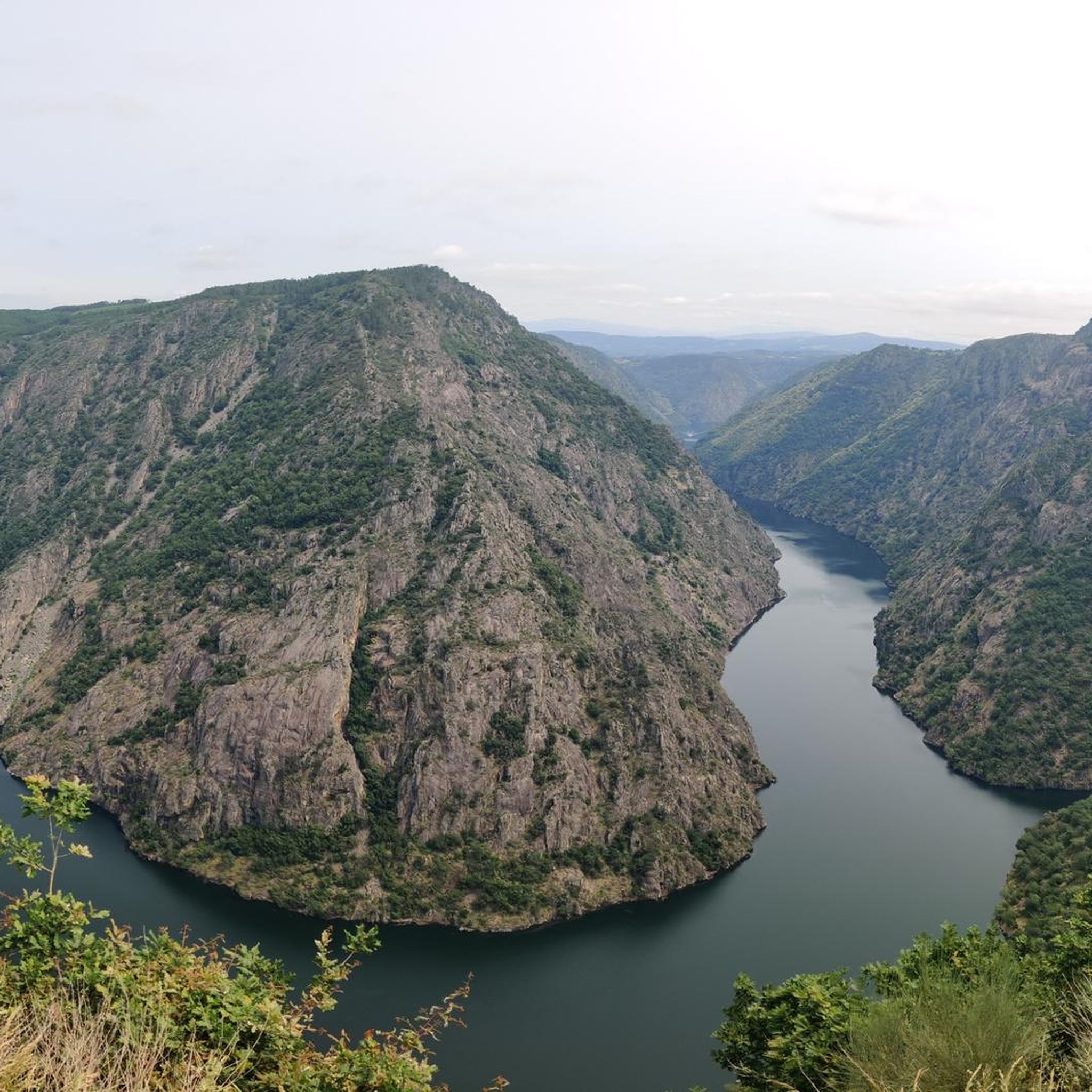
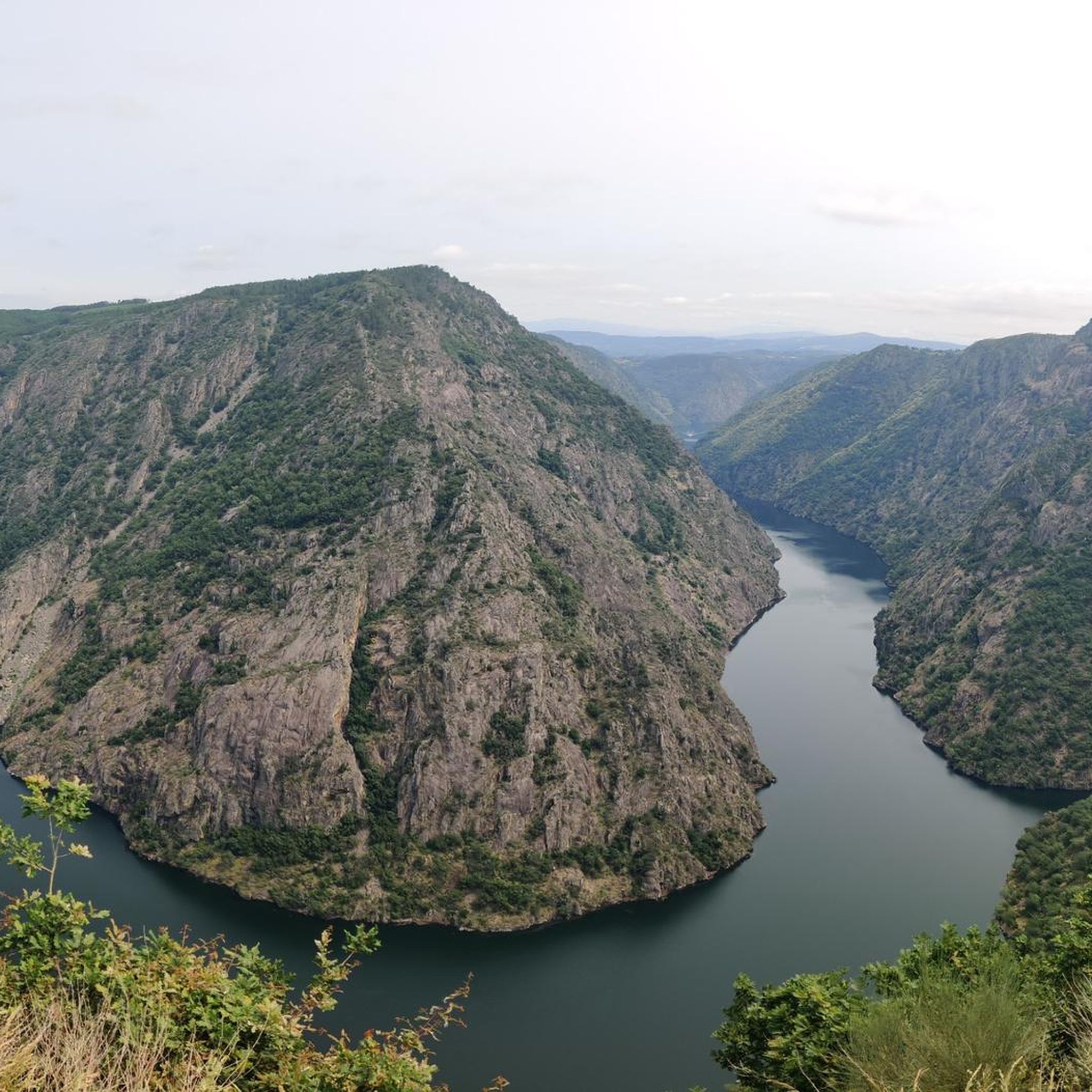
Mirador da Pedra Longa, a majestic rock formation in the shape of a vertical monolith whose height exceeds 7 meters and is made up of just one piece of stone. Rain and wind have been responsible for sculpting this wonderful work of art for millions of years. It is accompanied by the special background that the valley and the Sil canyon give it. From here you will see a good stretch of the Sil River, from Pombeiro (Pantón) to the mouth of the Cabe River, in A Barca. Also in the distance you will appreciate the high and vertical slopes of the canyon in Sober, in the parishes of Belmonte or Santiorxo.
2
0
Along the Sil River Canyon as it passes through the Ribeira Sacra there is a wide network of viewpoints on both banks. Beautiful views.
6
0

Spectacular. It is part of the route of the viewpoints that you can do on Mtb or walking
1
0
This necropolis is an exceptional testimony of hermitage and one of the most important in the northwest of the peninsula, for the early medieval period, X-XI centuries. The research work revealed the existence of a chapel and more than 40 tombs excavated in the rock, divided into three different sectors.
4
1
Frequently Asked Questions
What are the most notable natural features to explore around Xunqueira de Espadanedo?
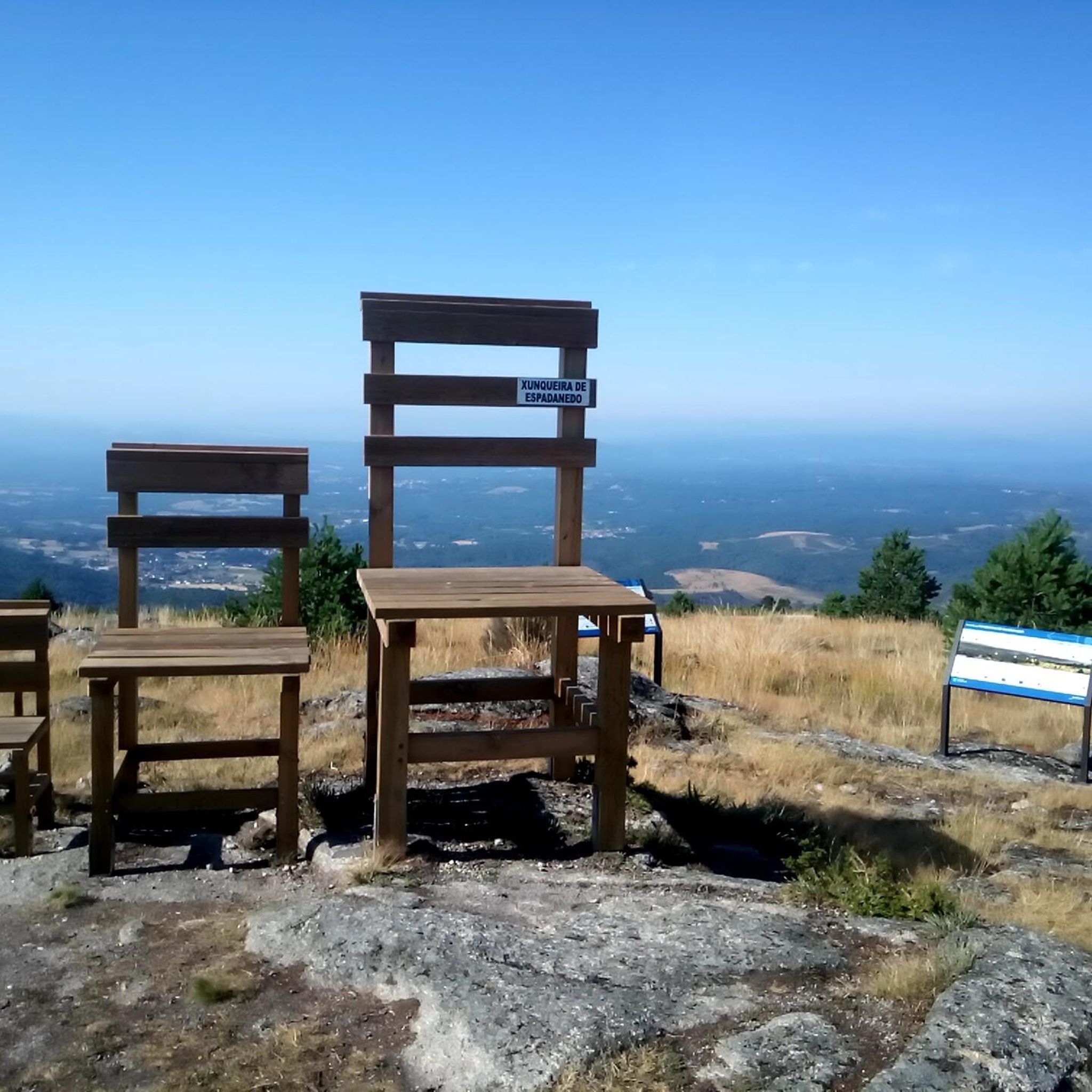
The region is rich in natural beauty, primarily characterized by stunning viewpoints and the dramatic Sil Canyon. Key features include the unique Pedra Longa Viewpoint, with its majestic vertical monolith sculpted by erosion, and the expansive views from Mirador Campo do Eirado, known for its three giant wooden chairs. The area also boasts ancient forests, such as those found along the Chestnut Trail in Parada de Sil.
Are there family-friendly natural monuments or activities in the area?
Yes, several natural spots are suitable for families. The O Boqueiriño Viewpoint offers spectacular views of the Sil Canyon and terraced vineyards, designed to blend into the natural landscape, making it an accessible and enjoyable stop. Additionally, the Chestnut Trail in Parada de Sil is a thematic walk through ancient chestnut forests, providing an engaging experience for all ages.
What historical sites are integrated with the natural landscape around Xunqueira de Espadanedo?
The region offers a fascinating blend of natural and historical elements. The Monastery of San Pedro de Rocas is a remarkable site, partially excavated into natural rock, considered one of Galicia's oldest monasteries. Another significant historical natural monument is the San Vítor de Barxacova Chapel and Necropolis, an archaeological complex featuring a medieval chapel and tombs carved into stone, offering a glimpse into early medieval practices.
What kind of views can I expect from the viewpoints in Xunqueira de Espadanedo?
The viewpoints around Xunqueira de Espadanedo offer diverse and breathtaking panoramas. From Mirador Campo do Eirado, you can see the Val do Medo and mountain ranges like Serra de San Mamede. Mirador do Val do Medo, also known as the 'Giant Bench,' provides a privileged balcony overlooking the valley. Many viewpoints, such as O Boqueiriño Viewpoint and Pedra Longa Viewpoint, offer dramatic perspectives of the Sil Canyon, its terraced vineyards, and the winding Sil River.
What outdoor activities can I do near these natural monuments?
The area around Xunqueira de Espadanedo is ideal for various outdoor activities. You can explore numerous trails for running, mountain biking, and road cycling. For running enthusiasts, there are routes like the 'Monasterio de San Pedro de Rocas – circular by the Camino Real.' Mountain bikers can tackle challenging routes such as the 'Maceda – Baños de Molgas Loop.' Road cyclists can enjoy scenic rides like the 'Maceda, Allariz, and Baños de Molgas Loop.' You can find more details on these and other routes in the respective guides for Running Trails, MTB Trails, and Road Cycling Routes.
What is the best time of year to visit the natural monuments in Xunqueira de Espadanedo?
The best time to visit is generally during spring (April to June) and autumn (September to November). In spring, the landscape is lush and green, with pleasant temperatures for hiking and exploring. Autumn offers stunning fall foliage, particularly in the chestnut forests and along the Sil Canyon, creating a picturesque setting. Summer can be warm, while winter might bring colder temperatures and occasional snow in higher elevations, though it can also offer unique, serene views.
Can I find circular hiking routes that connect natural monuments?
Yes, the region is developing circular routes to help visitors explore its natural and historical treasures. For instance, a recent circular hiking trail known as 'Porta do Canón do Sil' connects viewpoints like Mirador Campo do Eirado and Mirador do Val do Medo, allowing for a comprehensive experience of the area's natural beauty.
What makes the Sil Canyon a significant natural monument near Xunqueira de Espadanedo?
The Sil Canyon is a truly exceptional natural area, forming a dramatic boundary with walls rising up to 500 meters above the Sil River. It's renowned for its unique microclimate, which supports Mediterranean vegetation and terraced vineyards where 'heroic viticulture' is practiced. As a Natura 2000 site, it's vital for various rare bird species and mammals. Visitors can explore its grandeur from numerous viewpoints or by taking catamaran tours on the river, offering a distinct perspective of this majestic landscape.
Are there any unique historical structures related to the natural environment?
Yes, near Cabeza da Meda, you can find the historically significant 'Snow Houses' (Neveiras). While not natural formations themselves, these ancient structures are integrated into the natural landscape and offer a glimpse into past practices of preserving snow and ice. They can be encountered along paths leading to viewpoints like Mirador Campo do Eirado, showcasing the historical interaction between humans and the natural environment.
What do visitors enjoy most about the natural monuments around Xunqueira de Espadanedo?
Visitors particularly appreciate the spectacular panoramic views from the numerous viewpoints, especially those overlooking the Sil Canyon with its terraced vineyards. The blend of dramatic natural scenery with historical sites, such as rock-carved monasteries and ancient necropolises, also receives high praise. The tranquility of the forests and the opportunity for diverse outdoor activities, from gentle walks to challenging cycling routes, are frequently highlighted as enjoyable aspects of the region.
What kind of terrain can I expect on trails around Xunqueira de Espadanedo's natural monuments?
The terrain around Xunqueira de Espadanedo is varied, reflecting its mountainous landscape and river features. You can expect well-maintained paths at popular viewpoints, but hiking trails often involve uneven surfaces, rocky sections, and significant elevation changes, especially when exploring areas near the Sil Canyon. Forest trails, like the Chestnut Trail, typically feature softer ground. It's advisable to wear appropriate footwear for hiking.
Most popular routes around Xunqueira De Espadanedo
Most popular attractions around Xunqueira De Espadanedo

Get inspired with the komoot mobile app


Explore more
Extend your search for the best caves by checking out these guides of the top ones around Xunqueira De Espadanedo:
