Top 15 Natural Monuments around Rute
Natural monuments around Rute are situated within the Sierra Subbética Natural Park, a region characterized by its unique karst topography and diverse landscapes. This area, part of the province of Córdoba, Spain, offers a blend of geological formations and scenic views. The park's limestone bedrock has created features such as poljes and caves, reflecting its UNESCO Global Geopark status. It provides opportunities to explore natural springs, high peaks, and significant geological depressions.
Best natural monuments around Rute
- The most popular…
Last updated: August 25, 2026
Fuente del Río
Highlight • Natural Monument
Translated by Google •
Tip by

Puerto del Cerezo
Highlight • Mountain Pass
Translated by Google •
Tip by

Sign up now to discover places like this
Get recommendations on the best single tracks, peaks, & plenty of other exciting outdoor places.
Sign up for free
Poljé of the Nava de Cabra
Highlight (Segment) • Natural Monument
Translated by Google •
Tip by

Pico de la Tiñosa
Highlight • Summit
Showing Translation
Tip by
Cueva del Morrión
Highlight • Cave
Translated by Google •
Tip by

Sign up for free to discover even more natural monuments around Rute.
Sign up for free
Already have an account?
Start today with a free account
Your next adventure awaits.
Login or Signup
Tips from the Community

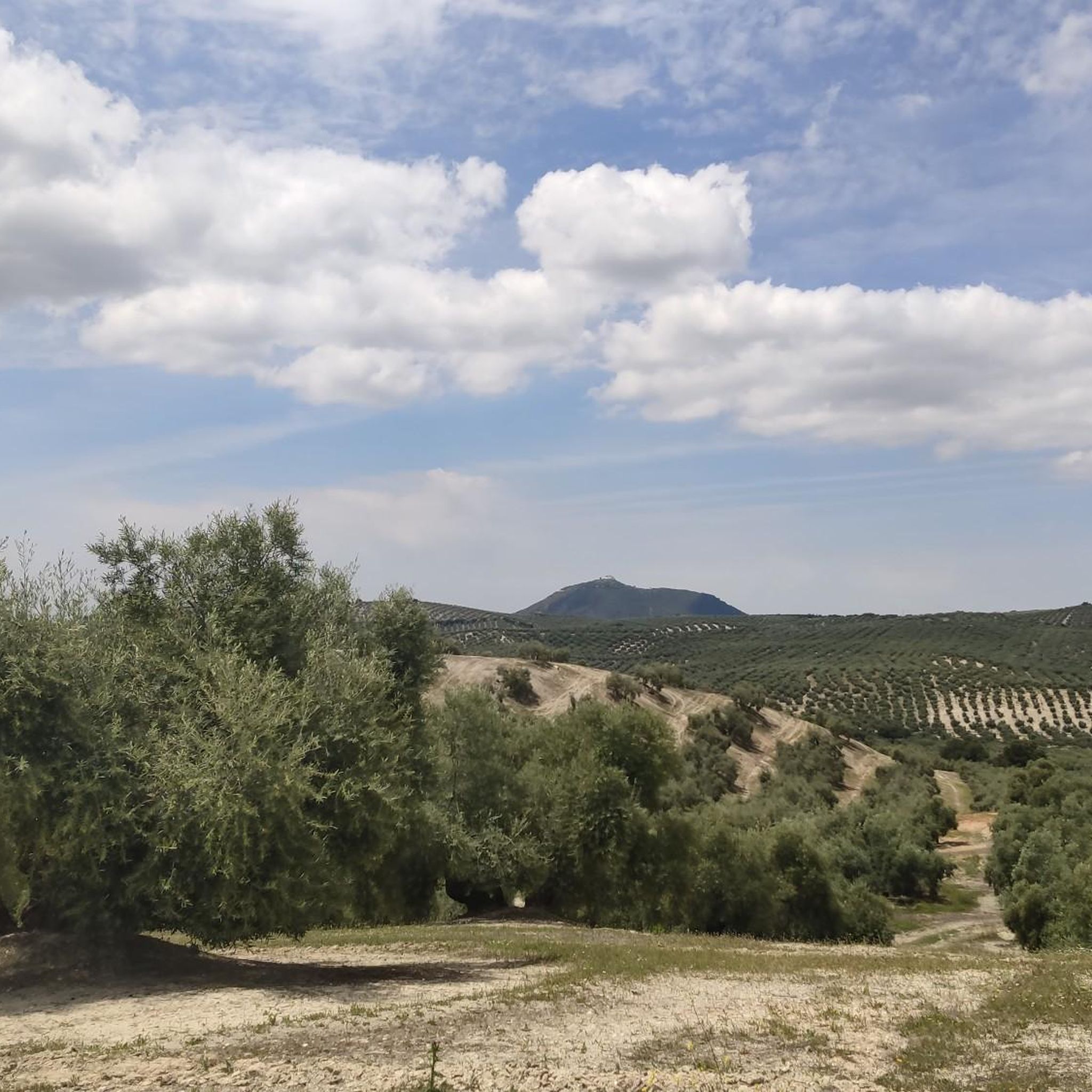
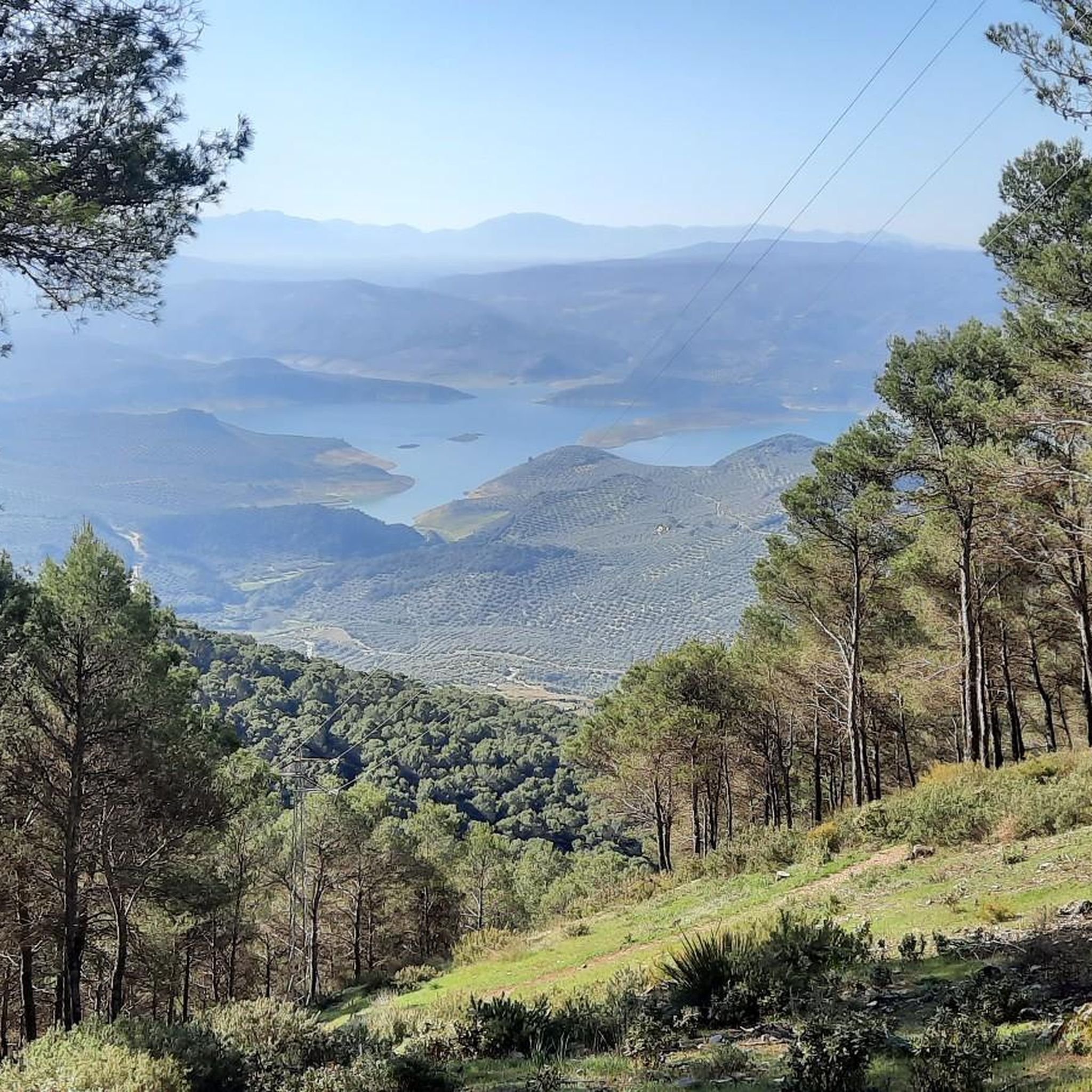
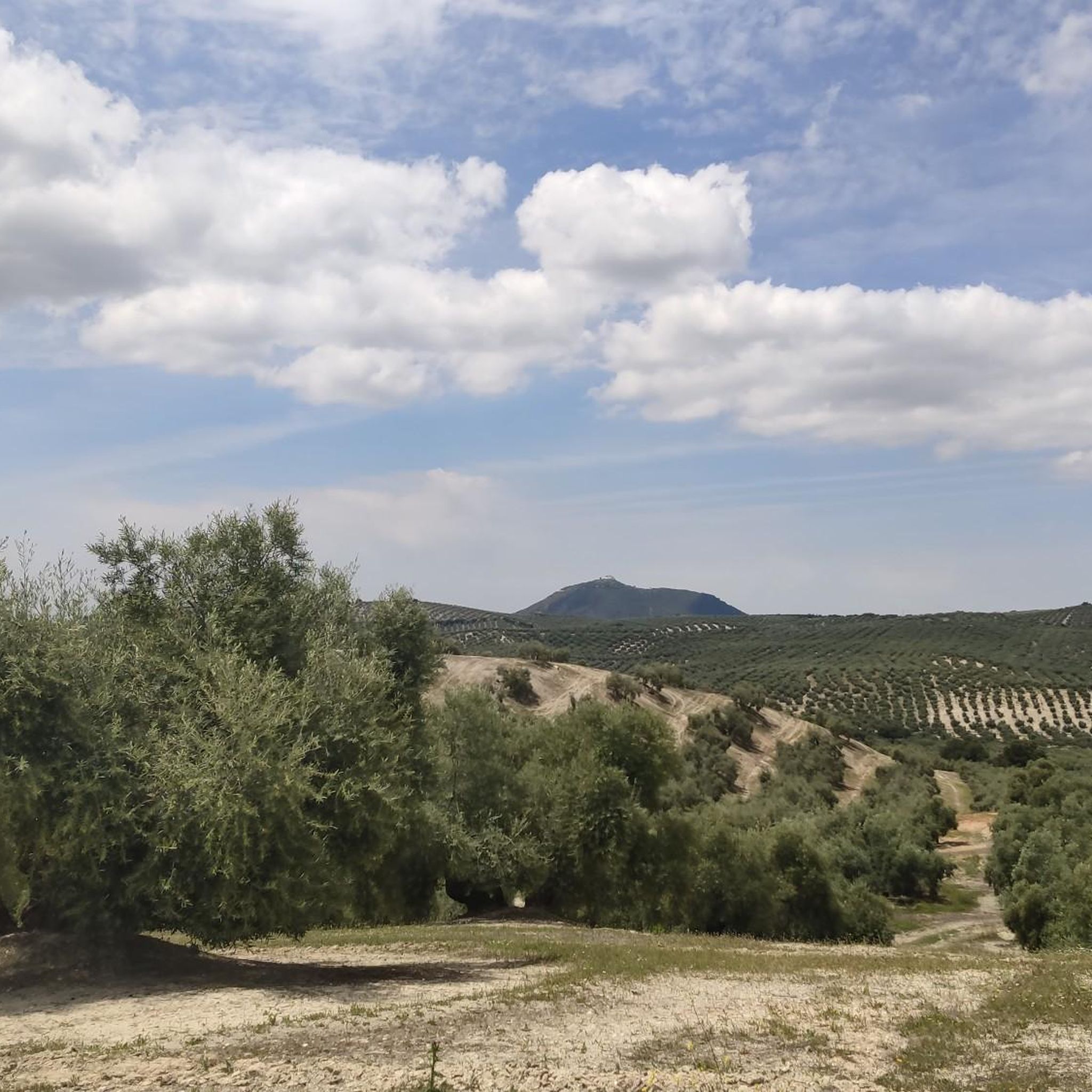
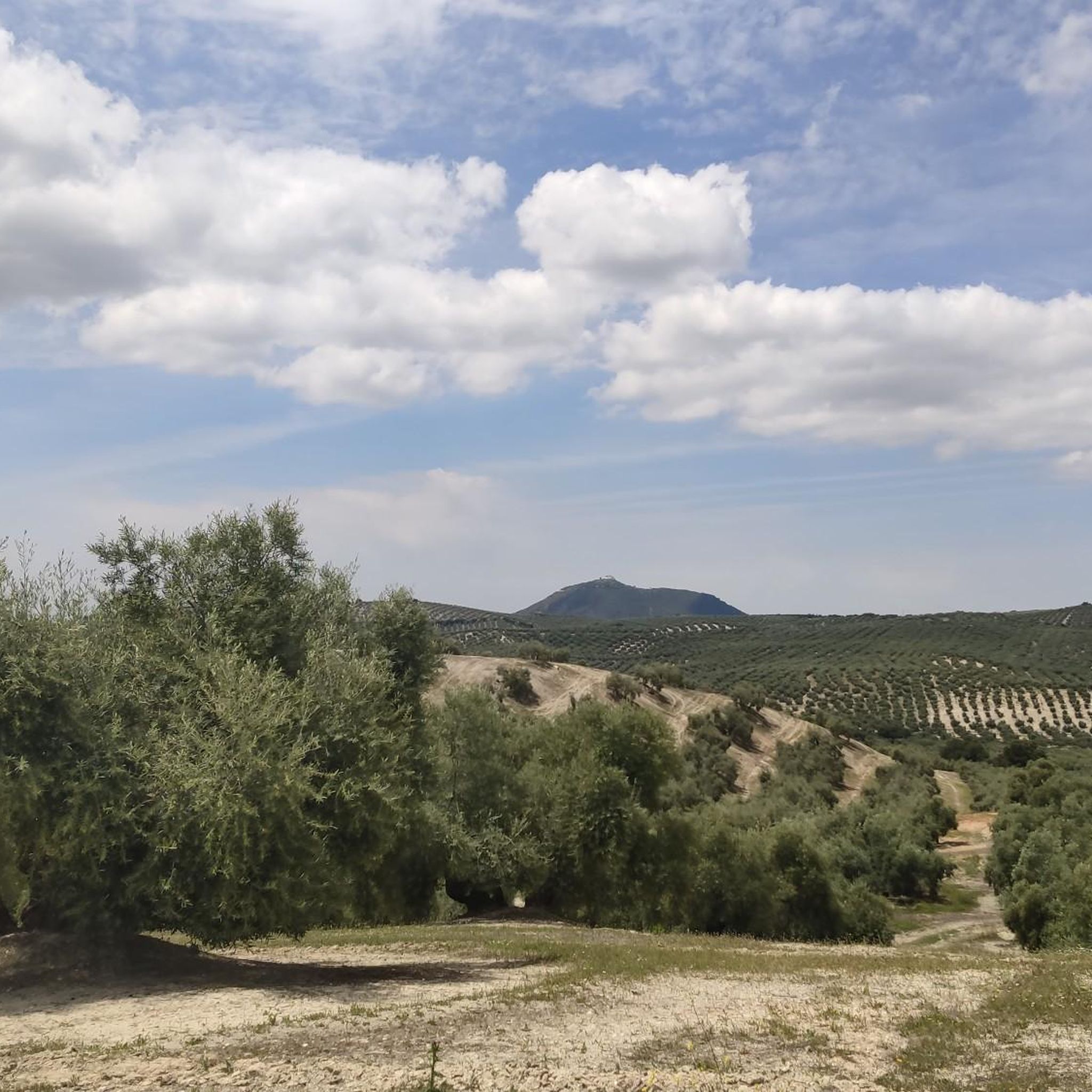
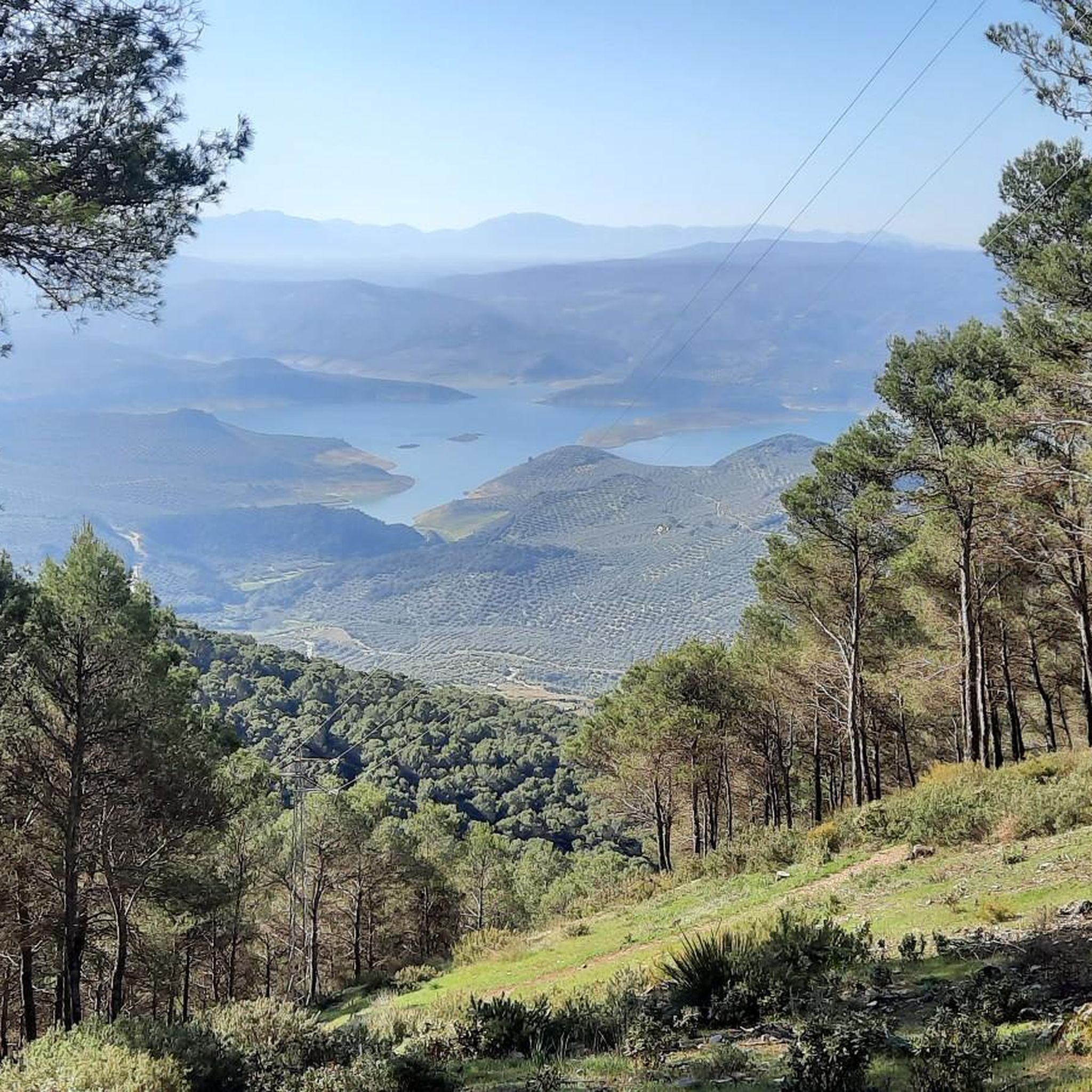
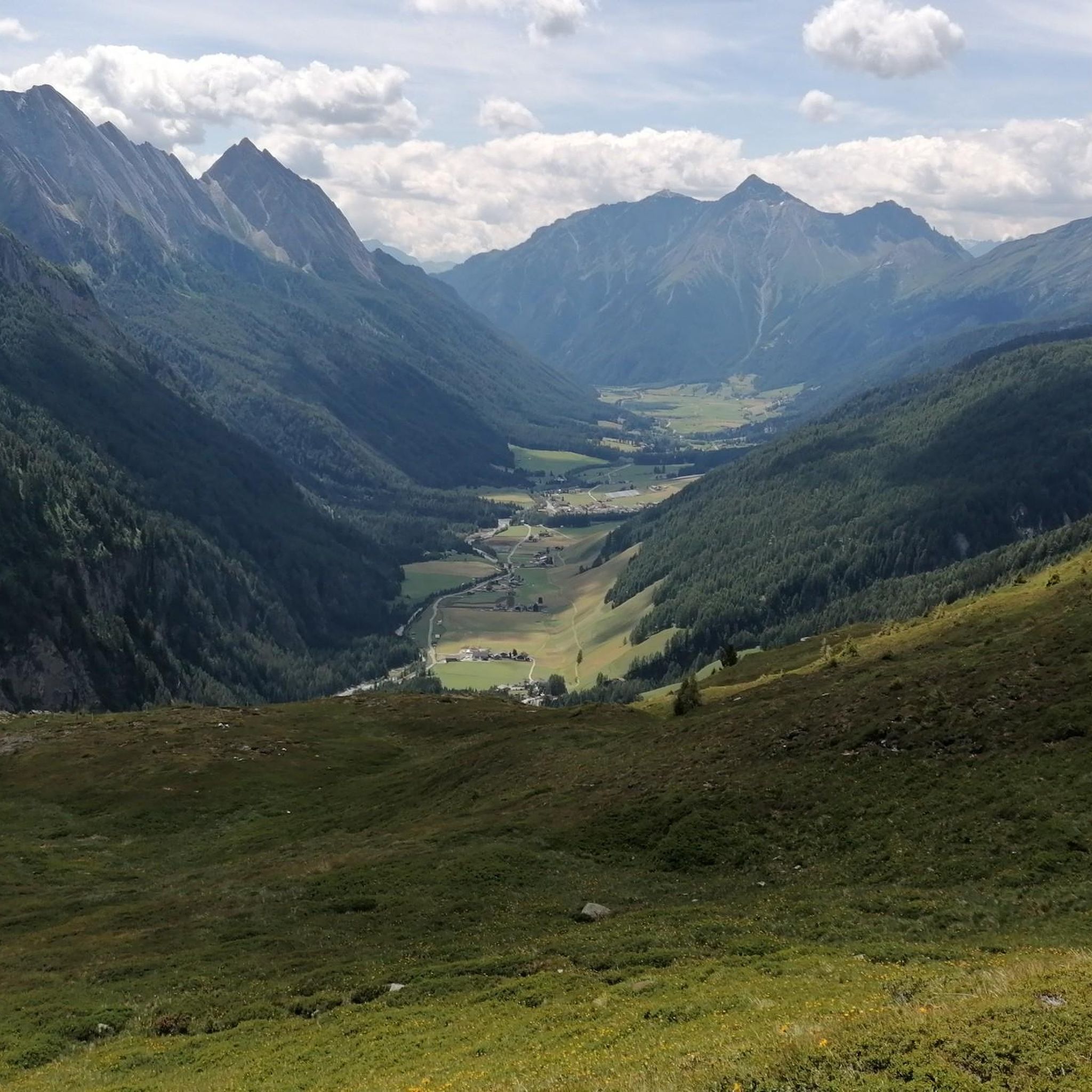
Once you reach the top and arrive at this point, you’re rewarded with an incredible feeling and truly breathtaking views.
0
0

The Fuente del Río in Cabra, is a picturesque natural park considered the origin of the Río Cabra. The park combines the natural beauty of a karst spring with landscaped gardens and a diverse tree landscape. It was declared a “Sitio de Interés Natural” in 1929 and today offers recreational areas and picnic areas for visitors. The spring rises at the foot of the Sierra de Cabra, an area with high rainfall and calcareous rock that leads to the formation of such karst springs. The water flows through a series of waterfalls and artificial springs and supplies the entire municipality. The Fuente del Río is part of the “Ruta del Agua” in the Subbética Cordobesa and offers a harmonious interplay of nature and human design. The park is a popular place for locals and visitors who want to enjoy the tranquility and beauty of this unique place. A visit to the Fuente del Río offers the opportunity to experience the natural beauty of the region and explore the origins of the Río Cabra.
3
0

Beautiful views. There is no shade, so it should be taken into account if you wish to rest before starting the return.
1
0
Good views, although the cave is more a place of passage than a place of rest, because it is, above all, a place to shelter animals.
0
0

A natural area where the Cabra River is born. A natural spring surrounded by vegetation that transmits peace and tranquility. Highly recommended for a break on the route.
1
0

A poljé is a large, elongated, flat valley-shaped depression in an area of karst rock. It is formed after a subsidence of the land in which water often stagnates seasonally. In this case, the Bailón river has produced a drainage of it, and in 2012 a pónor also arose through which the poljé drainage also occurs.
2
1
The peak of La Tiñosa is the highest in the province of Córdoba with its 1570 meters. It is part of the Sierra de la Horconera, in the Subbética Cordobesa.
1
0

This place varies depending on the time of year you go and that is what makes it magical: if you go in spring, you will find a meadow full of flowers; if you go on a cloudy autumn day, you will see how the green of the grass becomes radiant against the gray sky; if you go in winter, it is possible that the drizzle and low clouds obscure your view; and if you go in summer, go very early, before the sun rises.
2
0
Frequently Asked Questions
What are some of the most notable natural monuments around Rute?
The region around Rute, situated within the Sierra Subbética Natural Park, offers a variety of impressive natural monuments. Highlights include the unique Poljé of the Nava de Cabra, a large, flat depression formed in karst rock, and Pico de la Tiñosa, the highest point in Córdoba province with extensive views. The Fuente del Río in Cabra, a picturesque natural park and the origin of the Río Cabra, is also a significant site.
What kind of geological features can I expect to see in the natural monuments around Rute?
The natural monuments around Rute are primarily characterized by the unique karst topography of the Sierra Subbética Natural Park. This includes impressive limestone formations, poljes like the Poljé of the Nava de Cabra, and numerous caves. The region's geological history is tied to the ancient Tethys Sea, making it a UNESCO Global Geopark.
Are there any caves to explore near Rute?
Yes, there are notable caves in the vicinity. The Cueva del Morrión offers shelter and good views. Further afield, but easily accessible from Rute within the Sierras Subbéticas Natural Park, is the Cueva de los Murciélagos (Cave of the Bats) near Zuheros. This cave system features spectacular karst formations, underground lakes, and significant Neolithic archaeological findings, including ancient cave paintings.
What natural features can I see at the Iznájar Reservoir?
The Iznájar Reservoir, often called the 'Lake of Andalusia,' is the largest artificial lake in the region. From the Rute mountain range, you can enjoy vast waterscapes and panoramic views. The area is ideal for those seeking to disconnect, offering opportunities for water sports like kayaking and exploring Valdearenas beach. The surrounding Rute mountain range also features large pine forests and limestone cliffs.
Are there viewpoints offering panoramic views of the region?
Absolutely. Pico de la Tiñosa, the highest peak in Córdoba, provides extensive views of the Sierra de la Horconera. Puerto del Cerezo also rewards visitors with breathtaking views. Additionally, the Torre del Canuto, an old watchtower in the Rute mountain range, offers impressive panoramic views overlooking Rute and the Iznájar Reservoir.
Are there family-friendly natural monuments around Rute?
Yes, the Fuente del Río in Cabra is a picturesque natural park with landscaped gardens and recreational areas, making it a popular and peaceful spot for families. The Iznájar Reservoir also offers a quiet family getaway with activities like exploring Valdearenas beach.
What outdoor activities can I do near the natural monuments around Rute?
The area around Rute is excellent for various outdoor activities. You can find numerous routes for road cycling, mountain biking, and running. For instance, there are challenging road cycling routes like the 'Iznájar Reservoir Loop' and mountain biking trails such as 'Puerto del Cerezo – View of Pico Bermejo loop'. Running enthusiasts can enjoy routes like 'Iznajar and its Reservoir via the Colada de Valdearenas'. You can explore more options on the Road Cycling Routes around Rute, MTB Trails around Rute, and Running Trails around Rute guide pages.
Are there hiking trails suitable for different skill levels?
Yes, the Sierra Subbética Natural Park, where Rute is located, offers numerous hiking trails ranging from easy walks to challenging ascents. For example, the ascent to Pico de la Tiñosa is considered challenging but rewarding. The Iznájar Reservoir also features several 'Water Routes' for captivating hiking. You can find more detailed information on specific routes and their difficulty levels in the various komoot guide pages for the region.
What is the best time to visit the natural monuments around Rute?
The region's natural monuments can be enjoyed throughout the year, but each season offers a different experience. Spring brings meadows full of flowers, while autumn provides vibrant green landscapes against a gray sky. Summer visits are best done very early in the morning to avoid the heat. Winter might bring drizzle and low clouds, which can add a mystical atmosphere. For places like Pico de la Tiñosa, be aware there is no shade, so plan accordingly during warmer months.
What do visitors particularly enjoy about the natural monuments in this area?
Visitors frequently praise the stunning panoramic views, especially from high points like Pico de la Tiñosa and Puerto del Cerezo, which offer an incredible feeling of accomplishment. The peaceful and tranquil atmosphere of places like the Fuente del Río is also highly appreciated, providing a lush oasis for relaxation. The unique geological formations, such as the Poljé of the Nava de Cabra, also captivate those interested in natural wonders.
Are there options for parking near the natural monuments?
Yes, many natural monuments and attractions in the Rute area offer parking facilities. For instance, the Fuente del Río is noted for having parking available, making it convenient for visitors to access. It's always advisable to check specific location details for parking availability when planning your visit.
Most popular attractions around Rute

Get inspired with the komoot mobile app


Explore more
Extend your search for the best caves by checking out these guides of the top ones around Rute:
