Top 6 Natural Monuments around Torrejón De Velasco
Best natural monuments around Torrejón De Velasco offer a blend of natural features and culturally significant sites within the Community of Madrid. This municipality, while known for its historical heritage, provides access to a rich local ecosystem and natural areas. The landscape features local flora and fauna, including various bird species. Its location allows for exploration of both local natural landmarks and larger protected areas within the region.
Best natural monuments around Torrejón De Velasco
- The most popular natural monument…
Last updated: October 18, 2026
La Teja Spring and the Hermitage of San Isidro
Highlight • Religious Site
Translated by Google •
Tip by

Hermitage and Centenary Elm
Highlight • Religious Site
Translated by Google •
Tip by

Sign up now to discover places like this
Get recommendations on the best single tracks, peaks, & plenty of other exciting outdoor places.
Salinas Espartinas
Highlight • Natural Monument
Translated by Google •
Tip by

Valdeserrano Fountain
Highlight • Structure
Translated by Google •
Tip by

Duck Lake, El Restón Park
Highlight • Lake
Translated by Google •
Tip by
Start today with a free account
Your next adventure awaits.

Tips from the Community

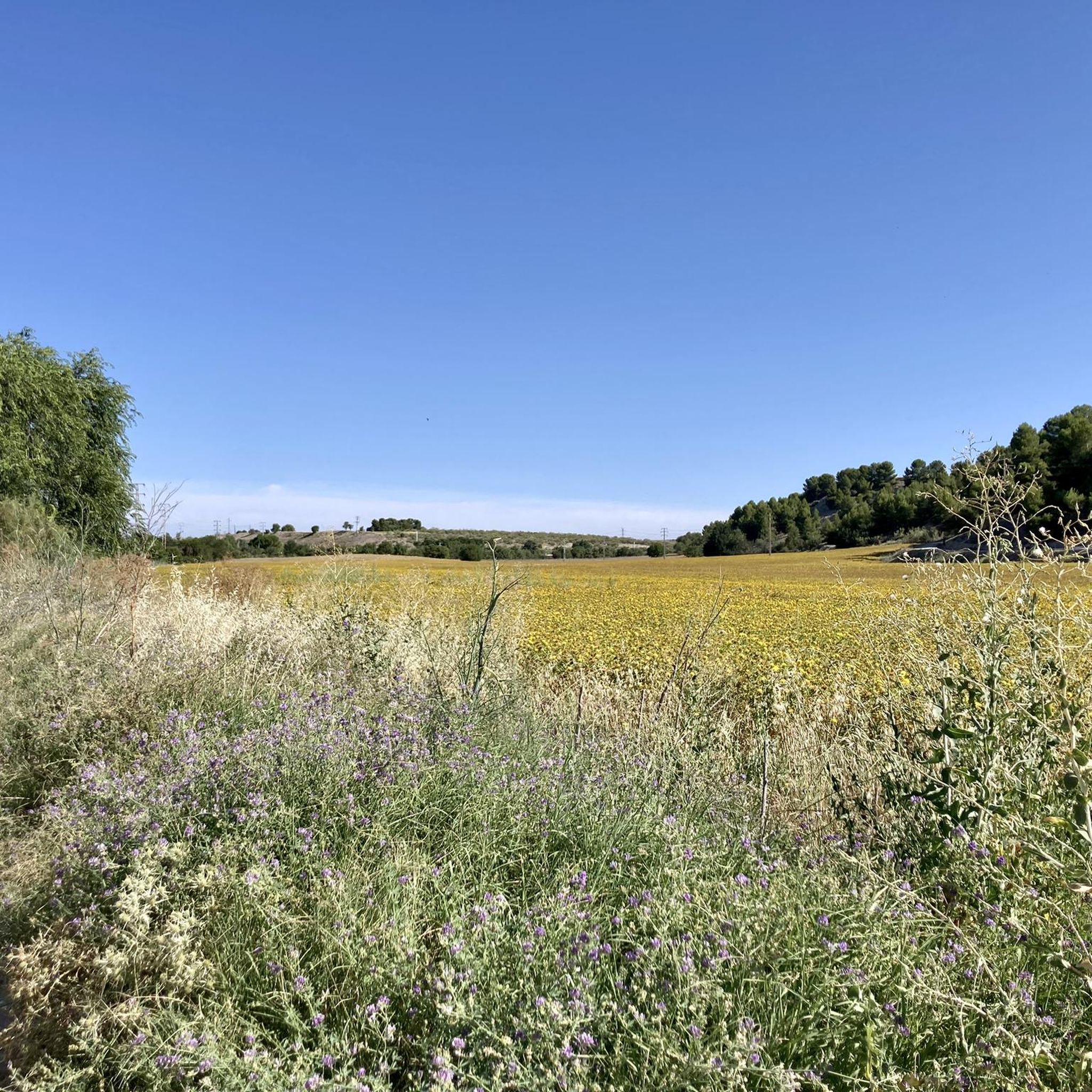
The village of Espartinas was located at an important crossroads of livestock routes, close to the fertile plain of the Tagus River, and the salt produced in the mines was one of the main industrial resources for the inhabitants of the villages of Ciempozuelos for centuries. The archaeological site was declared a Site of Cultural Interest in 2006.
0
0

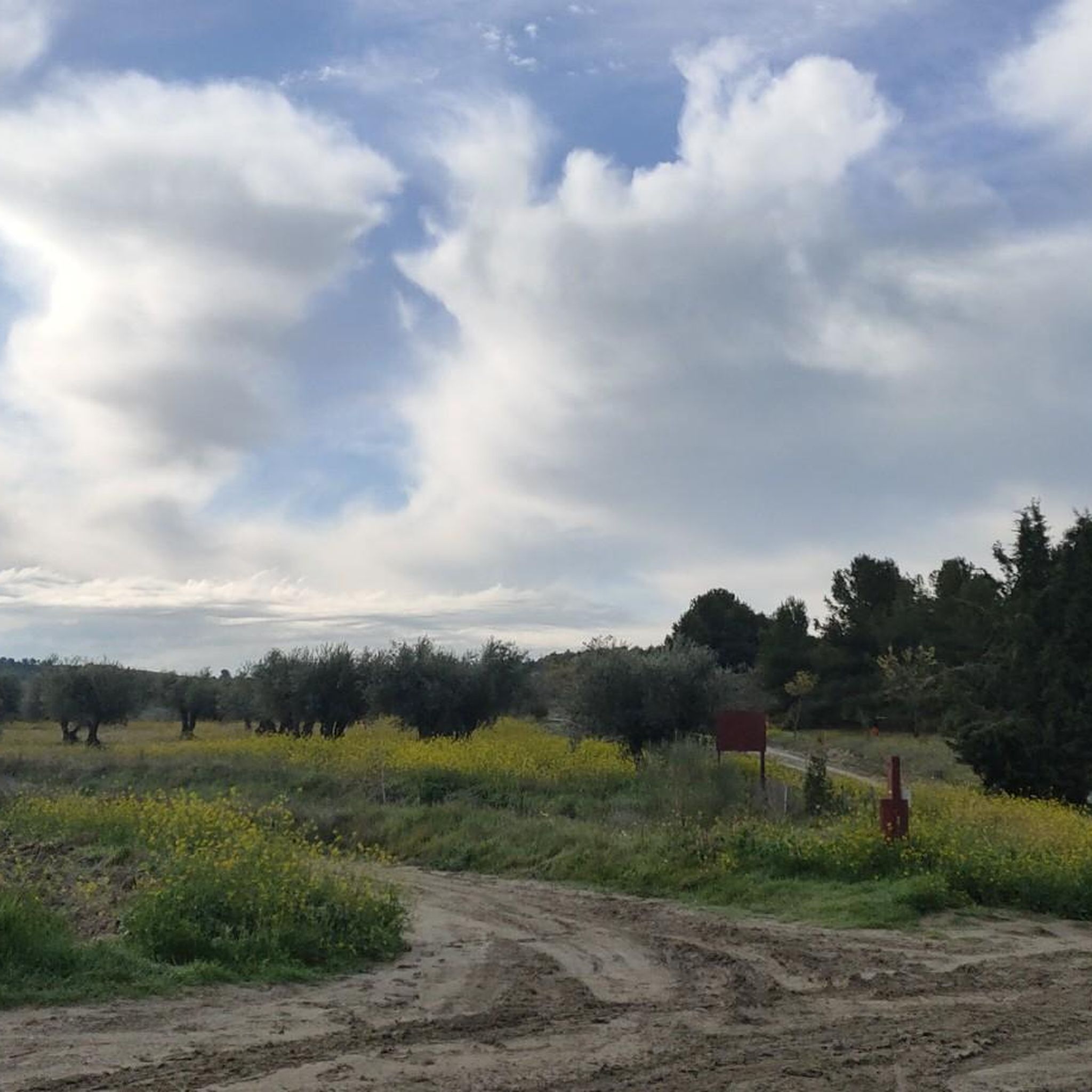
The new fountain does not have drinking water. Twenty meters further down is the original source of Valdeserrno but it only has water in some springs.
1
0
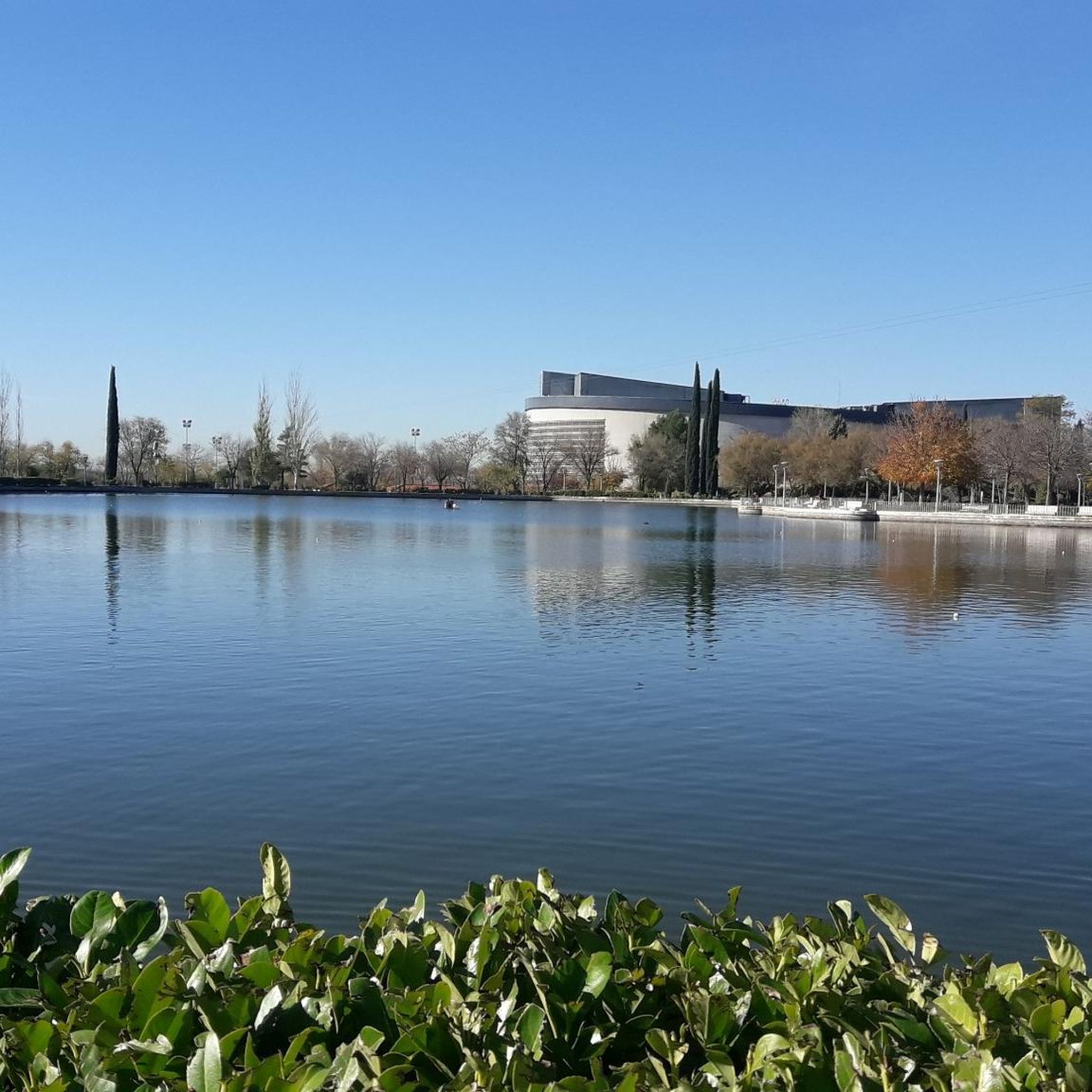
Popularly known as El Restón Lakes Park, it has shade in summer, a variety of trees, benches to sit on, and two ponds with plenty of ducks.
2
0
There is a new fountain with non-potable water. Twenty meters further down is the original Valdeserrano fountain that only flows water some springs.
1
0

Right in front of the Hermitage you will find an elm tree that is over 100 years old. These trees are very representative of the Madrid area but it is increasingly difficult to find old ones like this.
0
0

A great highlight and great photo opportunity. Definitely recommended for history fans.
3
1

from fuenla quiet route highly recommended
1
0

Take care of the fountain, it seems that it is drying up, a pity the very pleasant site.
2
0
Frequently Asked Questions
What are the key natural monuments to explore directly within Torrejón de Velasco?
Within Torrejón de Velasco, you can visit several interesting sites. The La Teja Spring and the Hermitage of San Isidro is a significant cultural and natural landmark, especially during local festivities. Another notable spot is the Hermitage and Centenary Elm, featuring an elm tree over 100 years old. The Valdeserrano Fountain offers both a new and an original spring, flowing seasonally.
Are there any unique geological features or historical natural sites in the area?
Yes, the Salinas Espartinas is a fascinating site. This archaeological site, declared a Site of Cultural Interest, highlights the historical importance of salt production in the region, which was a main industrial resource for centuries.
What natural areas are suitable for families with children?
Several natural monuments around Torrejón de Velasco are family-friendly. The La Teja Spring and the Hermitage of San Isidro is a great place for a rest stop. The Hermitage and Centenary Elm offers a chance to see a historic tree. Additionally, Duck Lake, El Restón Park, is popularly known for its shade, variety of trees, benches, and two ponds with plenty of ducks, making it ideal for a relaxed family outing.
What outdoor activities can I do near these natural monuments?
The area around Torrejón de Velasco offers a variety of outdoor activities. You can find numerous routes for mountain biking, cycling, and gravel biking. For example, there are moderate MTB routes like the 'Cerro de Batallones – Fuente La Teja loop' and cycling routes such as the 'Bike loop from Av. Planetas - Planeta Marte'. You can explore more options in the MTB Trails around Torrejón De Velasco, Cycling around Torrejón De Velasco, and Gravel biking around Torrejón De Velasco guides.
Are there any hiking trails that incorporate these natural monuments?
While specific hiking trails directly linking all natural monuments aren't explicitly detailed, many of the cycling and MTB routes pass by or near these sites. For instance, the 'Cerro de Batallones – Fuente La Teja loop' for MTB includes the La Teja Spring. You can plan your own walking or hiking routes to visit these points of interest, often finding easy paths around them.
What is the best time of year to visit the natural monuments around Torrejón de Velasco?
The region generally offers pleasant conditions for outdoor activities during spring and autumn, when temperatures are milder. Spring brings blooming flora, while autumn showcases beautiful foliage, especially in broader regional natural parks like Hayedo de Montejo. Summer can be hot, making early mornings or late afternoons preferable for visits, and winter can be chilly but offers a different, quieter experience.
Are there any natural monuments accessible by public transport?
While Torrejón de Velasco itself is served by public transport, direct public transport access to every individual natural monument might be limited. It's often best to combine public transport to the town with walking or cycling to reach the specific sites like La Teja Spring or the Centenary Elm. For broader regional parks, dedicated bus services might be available from Madrid.
What are some significant natural parks or areas accessible from Torrejón de Velasco?
From Torrejón de Velasco, you have access to some of the Community of Madrid's most spectacular natural landscapes. These include the Sierra de Guadarrama National Park with its imposing peaks and glacial lagoons, the Sierra del Rincón, a UNESCO Biosphere Reserve known for its biodiversity, and La Pedriza Natural Park, famous for its unique granite rock formations.
Can I visit the Hayedo de Montejo (Montejo Beech Forest) from Torrejón de Velasco?
Yes, the Hayedo de Montejo, a UNESCO World Heritage site within the Sierra del Rincón, is accessible from Torrejón de Velasco, though it requires a drive. It's particularly stunning in autumn when the beech leaves change color, offering a magical experience. Due to its protected status, access often requires prior booking, especially during peak seasons.
Are the natural monuments around Torrejón de Velasco dog-friendly?
Many natural areas and trails in the region are generally dog-friendly, especially if dogs are kept on a leash. For specific natural monuments like the springs and the Centenary Elm, dogs are usually welcome in outdoor areas. However, it's always advisable to check local regulations or signage at each specific site, especially within protected areas or during local festivities.
What do visitors enjoy most about the natural monuments in Torrejón de Velasco?
Visitors appreciate the blend of natural beauty and cultural significance. The La Teja Spring is valued as a historical site and a place for rest and water replenishment. The Centenary Elm is recognized as a representative and historic tree of the Madrid area. The Duck Lake, El Restón Park, is popular for its peaceful atmosphere, shade, and wildlife.
Are there any facilities like cafes or accommodation near these natural monuments?
Torrejón de Velasco, as a municipality, offers local amenities including cafes, restaurants, and some accommodation options. While individual natural monuments might not have facilities directly adjacent, you'll find services within the town itself or in nearby villages, making it convenient to combine your natural explorations with local hospitality.
Most popular routes around Torrejón De Velasco
Most popular attractions around Torrejón De Velasco

Get inspired with the komoot mobile app


Explore more
Extend your search for the best caves by checking out these guides of the top ones around Torrejón De Velasco:
