Top 13 Natural Monuments around Hinojos
Natural monuments around Hinojos are primarily found within the expansive Doñana National Park and Doñana Natural Park, as a significant portion of Hinojos's territory is integrated into these protected areas. This region, located in the province of Huelva, Spain, serves as a gateway to diverse landscapes and unique ecological value. The area is characterized by its rich ecosystems, including wetlands, pine forests, and extensive coastlines. These natural features contribute to its importance as a critical refuge for various species.
Best…
Last updated: July 15, 2026
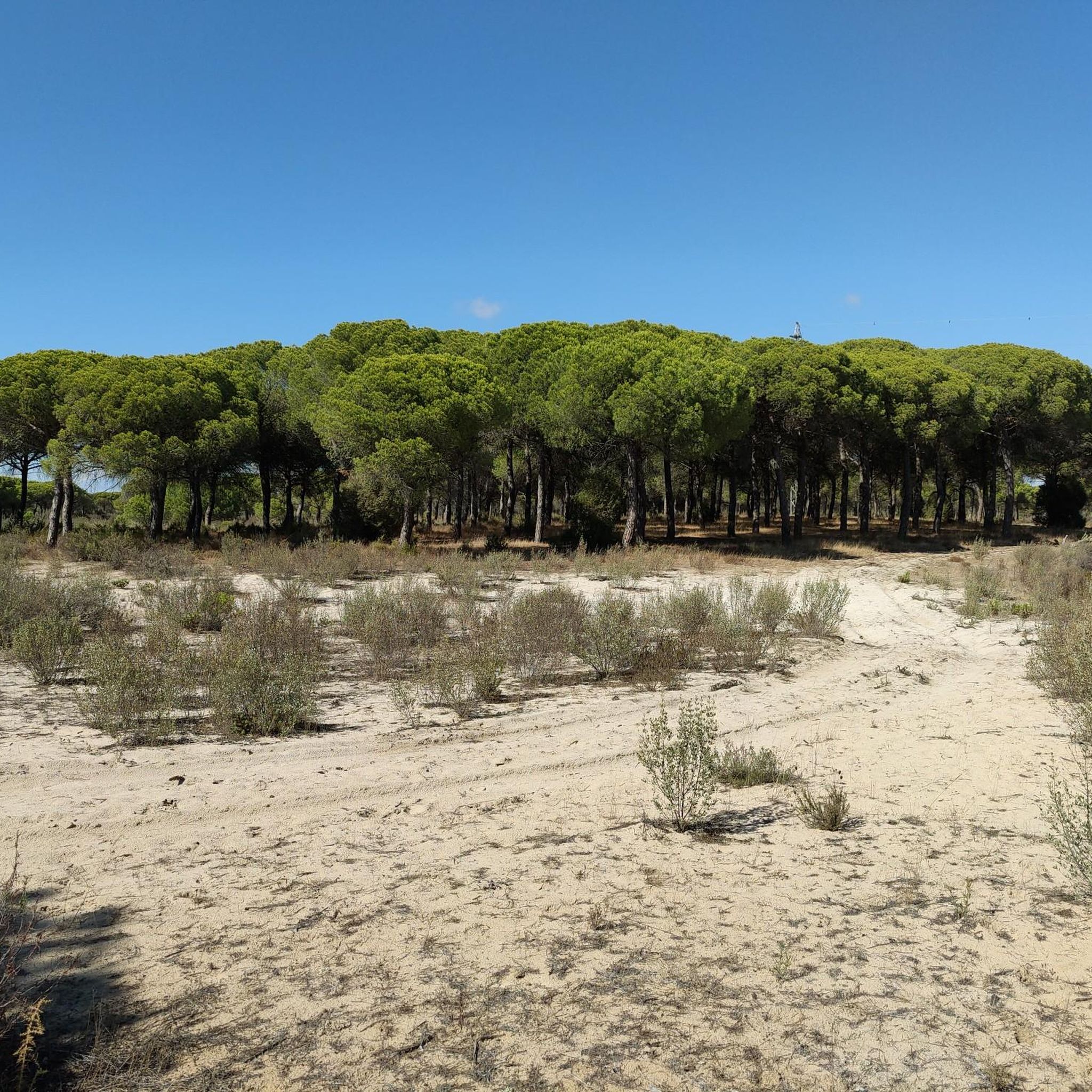
Charco de la Boca Trail, Doñana National Park
Highlight • Trail
Translated by Google •
Tip by

Torre Carbonero Beach
Highlight (Segment) • Beach
Translated by Google •
Tip by

Sign up now to discover places like this
Get recommendations on the best single tracks, peaks, & plenty of other exciting outdoor places.
Sign up for free
Castilla Beach (Doñana National Park)
Highlight • Beach
Translated by Google •
Tip by

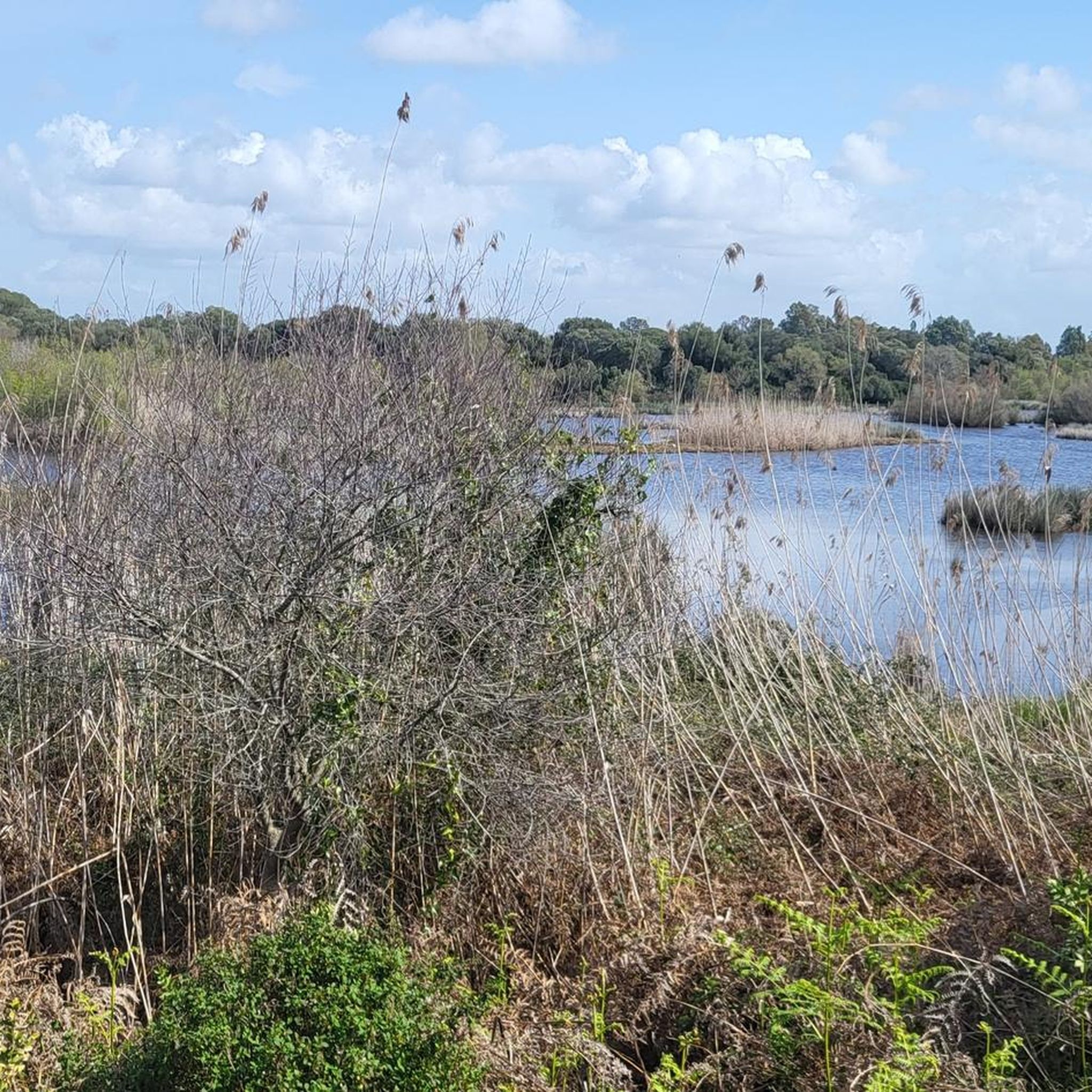
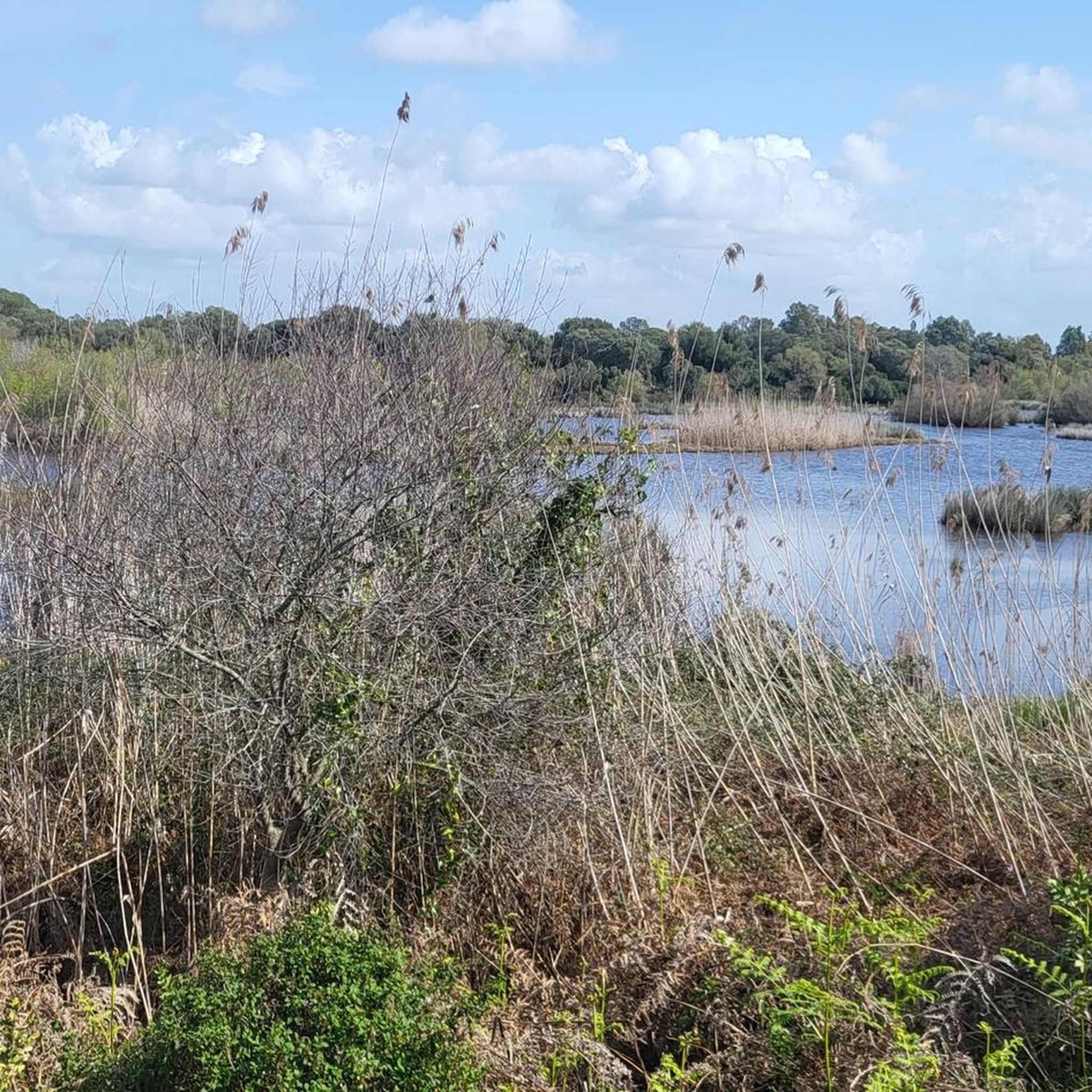
Charco de la Boca
Highlight • Lake
Translated by Google •
Tip by

Doñana Marshes
Highlight (Segment) • Natural
Translated by Google •
Tip by

Sign up for free to discover even more natural monuments around Hinojos.
Sign up for free
Already have an account?
Start today with a free account
Your next adventure awaits.
Login or Signup
Tips from the Community

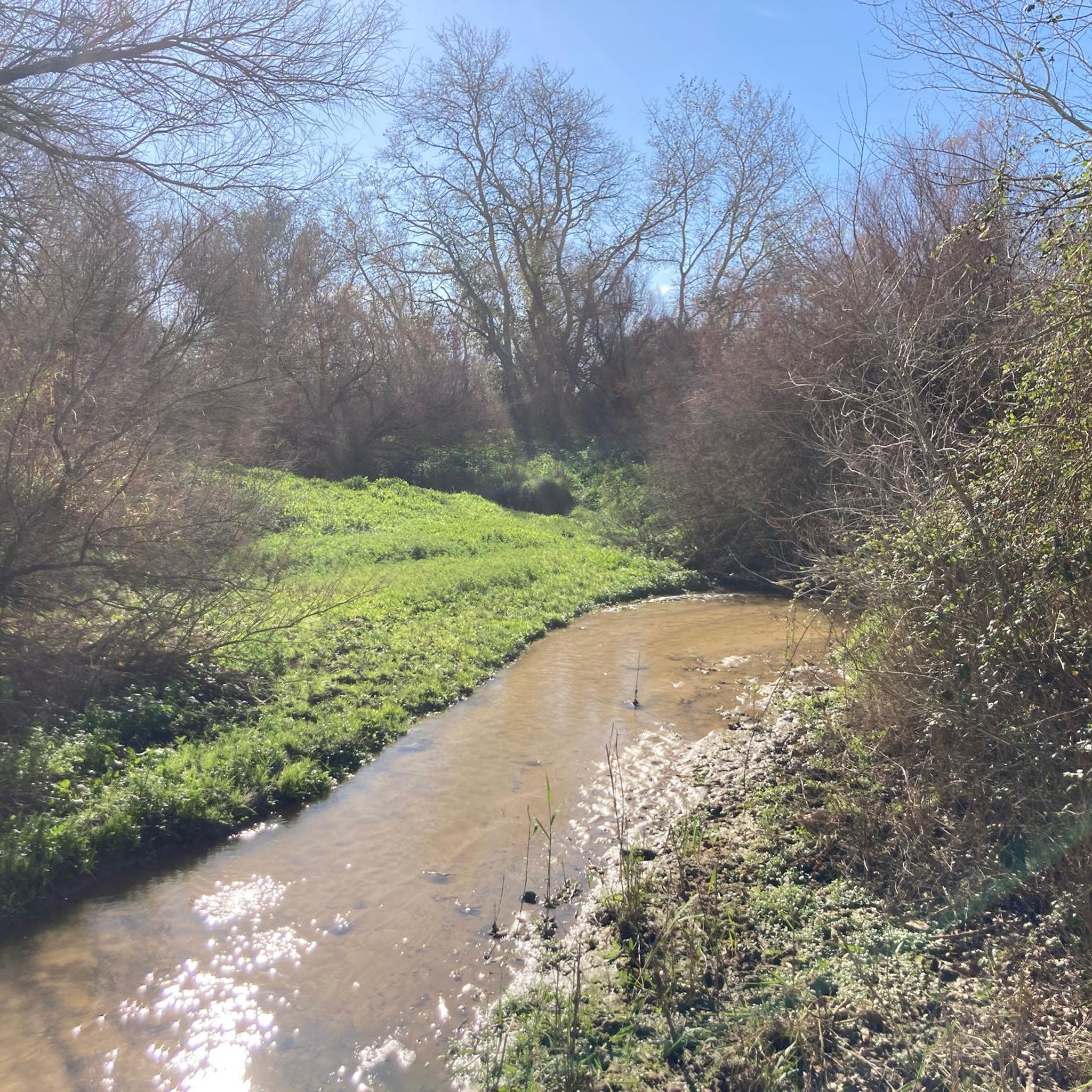
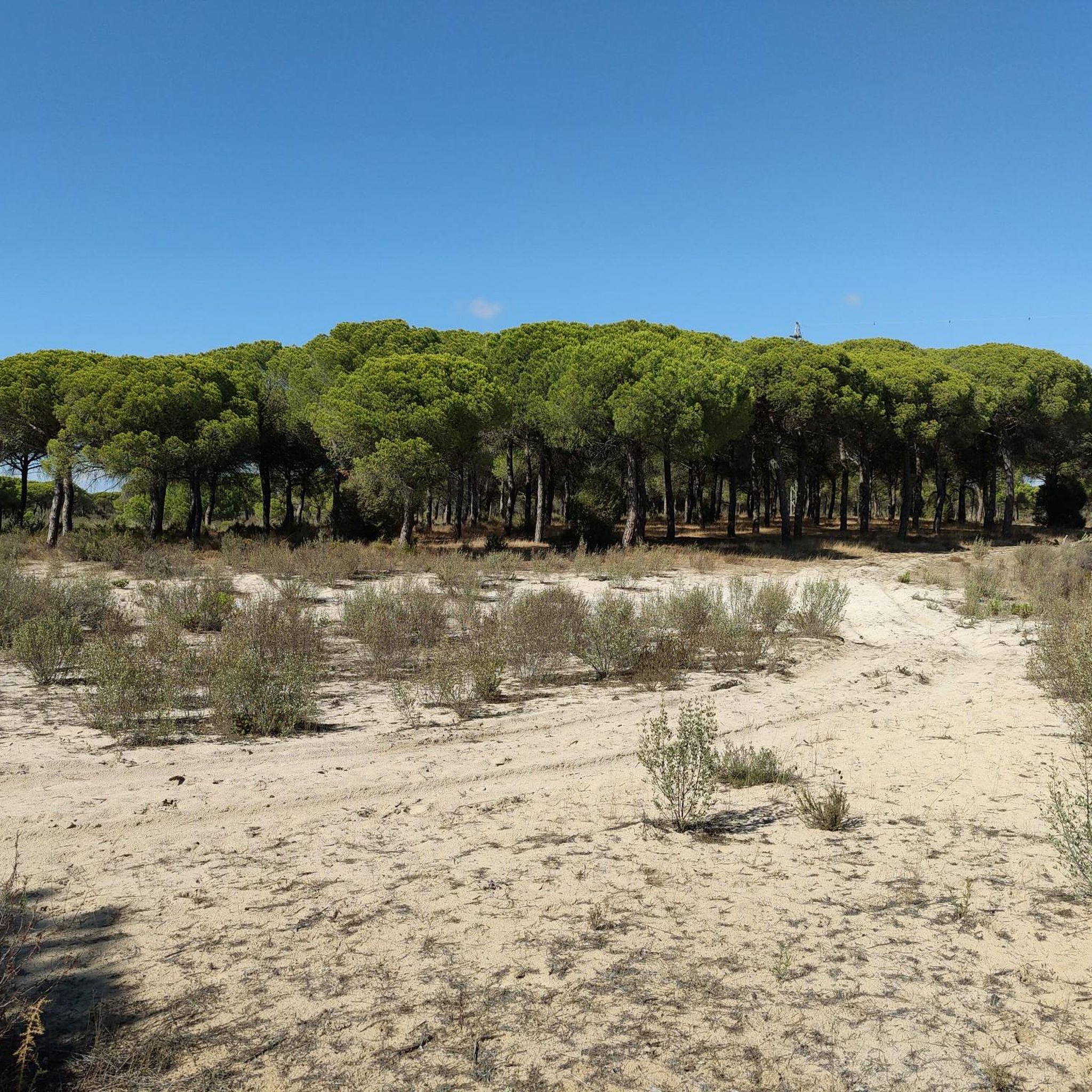
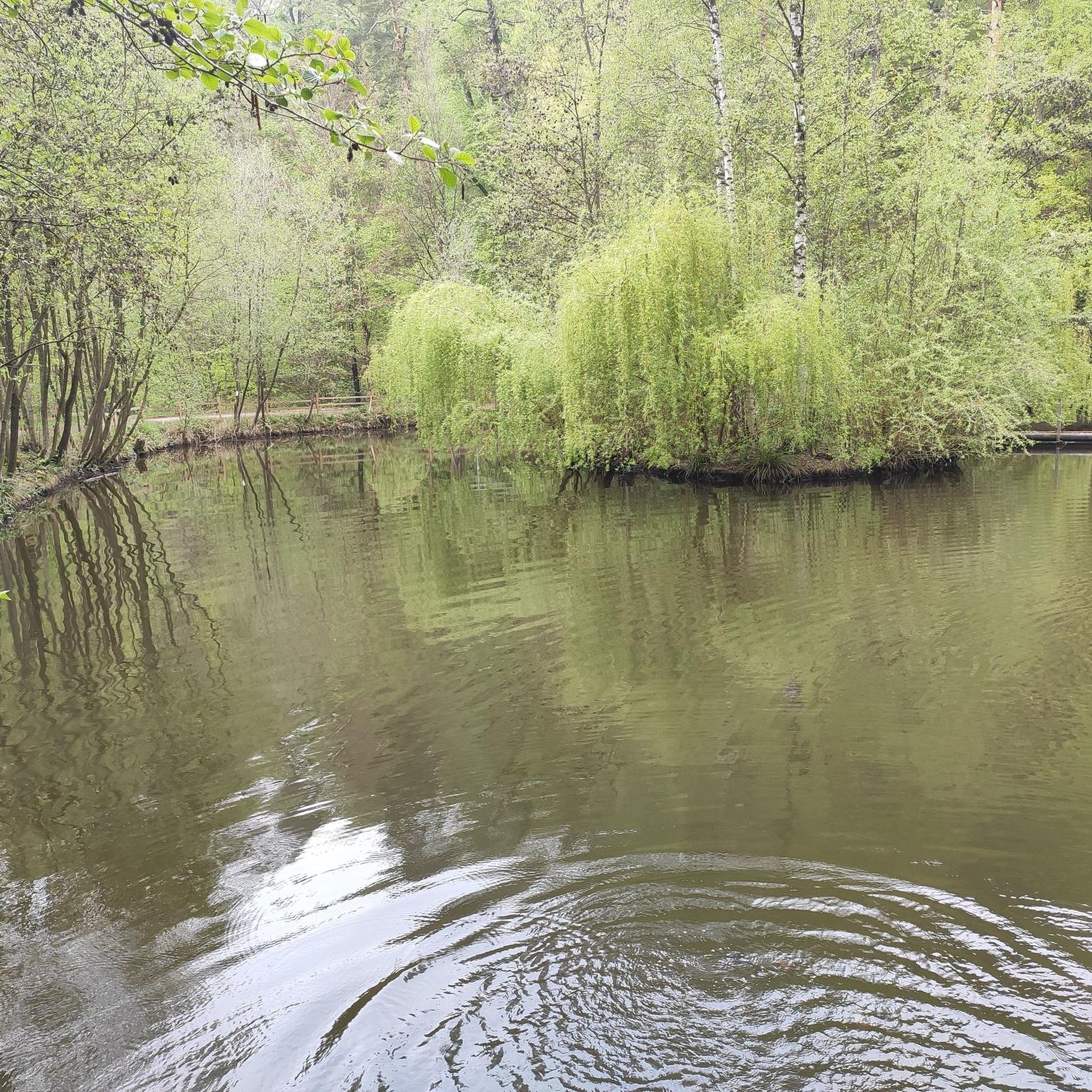
The La Rocina stream is one of the main sources of water for the marshes of the Doñana National Park and at this point it leads to an extension of the channel called Charco de la Boca. The path of the same name crosses a great biodiversity of the landscape, from a pine forest to riparian vegetation, ferns, reed beds and aromatic plants. Along the path, four observatories built as "huts" allow
7
0

Beautiful decking route with approximately 4 bird watching huts
12
1

The route is partly impassable - deep ditches with water and mud - impossible to get through between points 8 and 9
0
0

Yes, it's difficult to drive, like when you're constantly going up a 6-8% grade We also had panniers and front bags, handlebar bags. It took us 4 hours with breaks, so don't wait for the tide to go out, starting a little earlier is very good. As already written, there is no shade, no bushes and only a few shrimp fishermen were out. The experience is extraordinary and makes up for the hardship.
1
1

Very difficult but what an adventure! Probably the toughest 30km of our tour (so far). We had loaded touring bikes (with road tires, panniers and handlebar bags etc). As others have advised it made a huge difference to let out air from tires. Would advise to start cycling around 2 hours before low tide. There is no shade, are completely exposed, and so have no option but to push on! We did it in 3 hours cycling time but this included strong headwind which caught us off guard and slowed our pace. IMPORTANT: completely depends on tide times, which, to use that old nautical idiom, means you really are stuck between the devil and the deep blue sea!
1
0

Great adventure! A western town with a lagoon and flamingos and a whole national park right there: https://youtu.be/hnqMIt_kL3o
4
0

Located within the Doñana Natural Park and next to the picturesque town of El Rocío, this wonderful natural ecosystem is the ideal place for those who enjoy bird watching and this type of biosphere. It can be traveled along the Paseo Marismeño path, an entertaining walk for the whole family.
1
0

This bike tour can only be done at low tide and with wide tires. With thin tires it is better to let out a lot of air.
2
1
Frequently Asked Questions
What are some of the most popular natural monuments to visit near Hinojos?
Visitors frequently enjoy the Charco de la Boca Trail, Doñana National Park, known for its birdwatching observatories and diverse ecosystems. Other popular spots include the Doñana Marshes, offering extensive wetlands and opportunities to see flamingos, and Castilla Beach (Doñana National Park), appreciated for its vast, unspoiled coastal beauty.
Are there family-friendly natural monuments around Hinojos?
Yes, the Charco de la Boca Trail, Doñana National Park is considered family-friendly, featuring an accessible decking route and birdwatching huts. The Charco de la Boca lake area also offers an entertaining walk along the Paseo Marismeño path, suitable for the whole family.
Where can I go birdwatching near Hinojos?
The Charco de la Boca Trail, Doñana National Park is an excellent choice for birdwatching, with observatories strategically placed along the route. The Doñana Marshes are also a prime location to observe numerous bird species, including flamingos, especially when they are not scared by visitors.
What kind of unique geological features can I explore near Hinojos?
You can explore the impressive Fossil Dunes of El Asperillo, located along the coast between Matalascañas and Mazagón. These sandstone cliffs, rising over 30 meters high, are a declared natural monument and exhibit striking orange and ochre colors due to rich iron oxide content.
What are the best natural features to see along the coast near Hinojos?
The coastline within Doñana National Park offers extensive stretches of undeveloped, rustic beaches like Castilla Beach (Doñana National Park) and Torre Carbonero Beach. These areas are characterized by steep cliffs, pristine white sand, and a sense of wilderness, providing tranquility and natural beauty.
Are there challenging trails or activities for experienced adventurers near Hinojos?
Yes, sections of the beaches, such as those near Torre Carbonero Beach and Castilla Beach (Doñana National Park), are considered challenging, especially for cycling. These routes often require careful planning around low tide and are described as very difficult due to soft sand and exposure.
What outdoor activities can I do near these natural monuments?
Beyond exploring the natural monuments themselves, you can enjoy various outdoor activities. For cycling, consider routes like the 'Hinojos and El Arrayán Cycle Path Loop' or 'Ermita de El Rocío loop from Hinojos'. If you prefer running, the 'Raya Real and Paseo Marismeño Loop' is a popular option. You can find more details on these and other routes in the Cycling around Hinojos and Running Trails around Hinojos guides.
What is the best time of year to visit the natural monuments around Hinojos?
While specific seasonal data isn't provided, the region's natural beauty, especially for birdwatching in the wetlands, is often enhanced during migration seasons (spring and autumn) when bird populations are at their peak. Coastal areas can be enjoyed year-round, though summer months will be warmer.
What kind of wildlife can I expect to see in the natural areas near Hinojos?
The Doñana National and Natural Parks are critical refuges for diverse wildlife. At places like the Charco de la Boca Trail, you can spot various bird species including the common swamphen, little bittern, gray teal, Great Morito, Little Egret, Gray Heron, and Purple Heron. The Doñana Marshes are particularly famous for their large flamingo populations.
Are there any circular walks among the natural monuments near Hinojos?
Yes, the Charco de la Boca Trail, Doñana National Park is an approximately 3.8-kilometer long circular route that starts from the La Rocina Visitor Centre, winding through pine forests and offering multiple birdwatching observatories.
What should I pack for hiking or cycling near the natural monuments?
Given the challenging nature of some coastal routes and the exposed environment, it's advisable to pack plenty of water, sun protection (hat, sunscreen), and appropriate footwear. For cycling on beaches, wide tires and the ability to adjust tire pressure are highly recommended, especially when navigating soft sand at low tide.
What makes the Doñana National Park important for natural monuments?
Doñana National Park, which encompasses much of the natural monuments around Hinojos, is a UNESCO World Heritage site and one of Europe's most important wetlands. Its significance lies in its diverse ecosystems, including marshes, pine forests, and unspoiled beaches, which provide a critical habitat for numerous migratory and resident bird species, as well as unique geological formations like the Fossil Dunes of El Asperillo.
Most popular routes around Hinojos
Most popular attractions around Hinojos

Get inspired with the komoot mobile app


Explore more
Extend your search for the best caves by checking out these guides of the top ones around Hinojos:
